
Reviewed · WORKSHOPS
Marrakech: Moroccan Pastries and Tea Class with a Local
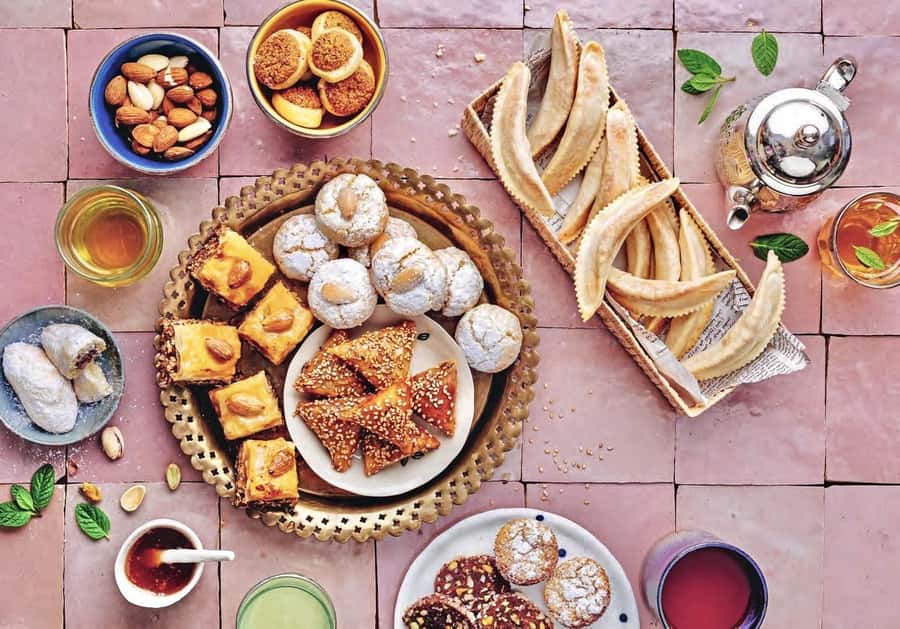
Moroccan pastry making is less about tossing ingredients into a bowl and more about getting small details right. In this 150-minute Marrakech workshop, you learn the careful shaping, flavoring, and baking tricks behind treats such as fekkas and Kaab el Ghazal, then sit down with mint tea to taste what you made.
I like the mix of practical cooking and local food culture, especially the use of fennel seeds and orange blossom water. I also like that you take a box of pastries home, so the class keeps giving after you leave. The main drawback is that the exact workshop address arrives before the date, not at the time of booking, and hotel transport is not included.
In This Review
- Key points to know before booking
- What the Marrakech pastry class is really like
- Starting with Moroccan pastry techniques
- Why the hands-on format works
- Fresh pastries, tea, and the best part of the afternoon
- The value of $40 in Marrakech
- Getting there and planning your visit
- Who will enjoy this experience most
- What makes it different from buying pastries in the medina
- A few smart tips before you go
- Should you book this pastry and tea class?
- FAQ
- How long does the Moroccan pastry and tea class last?
- What is included in the price?
- What languages can the instructor speak?
- Is transportation to the workshop included?
- Can children join the class?
- What should I bring and wear?
Key points to know before booking
- You make traditional Moroccan pastries: Expect a hands-on class covering recipes and techniques rather than a simple demonstration.
- Fekkas and Kaab el Ghazal may be on the worktable: These pastries offer different textures and shaping methods, which keeps the class interesting.
- Mint tea is part of the lesson: You learn to prepare and pour it, then serve it with your baking.
- Your pastries come home with you: The included box is useful for sharing, snacking later, or saving some for the next day.
- The group is limited to 10 people: A small class gives you a better chance to follow each step and ask questions.
- It is good value at $40: You receive the class, equipment, tasting, tea, and takeaway pastries, though extra drinks and transport cost more.
What the Marrakech pastry class is really like
This is a good way to give your day in Marrakesh a change of pace. The souks can be exciting, but a few hours of bargaining, scooters, and crowded lanes can wear you down. Here, you trade the noise for a cooking table, a local instructor, and the smell of pastry coming from the oven.
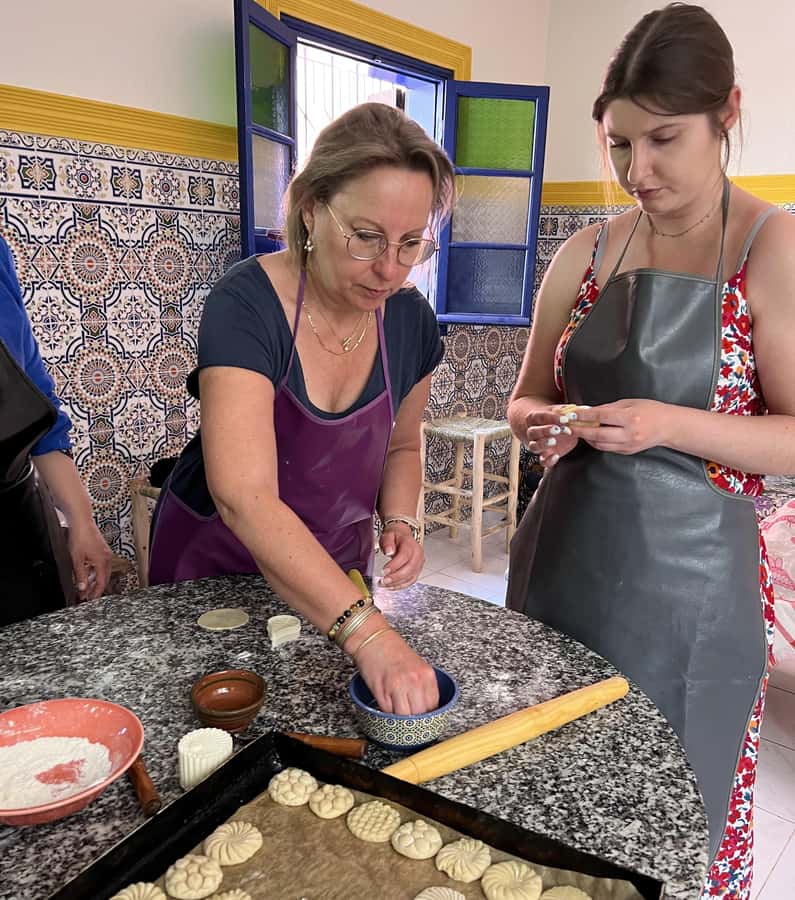
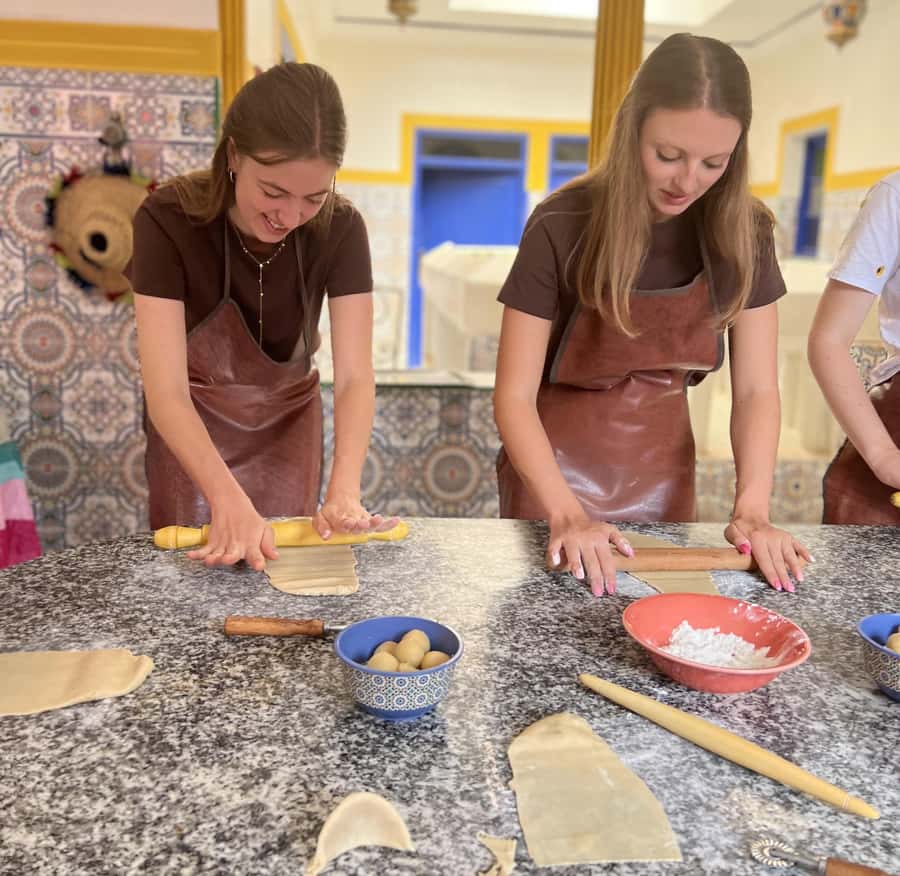
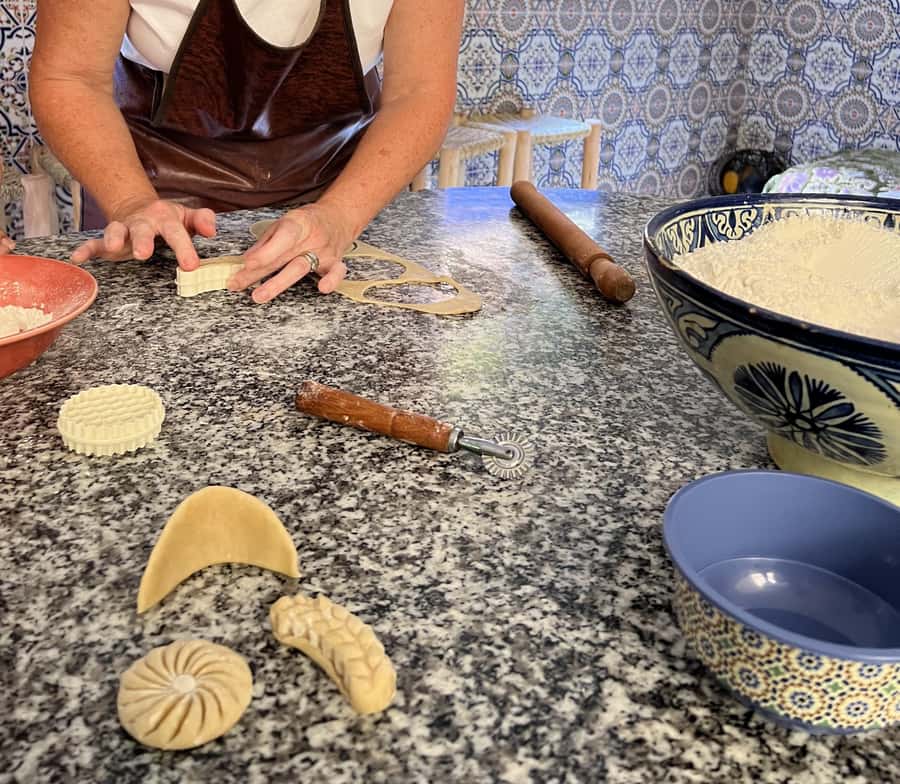
The class lasts two and a half hours. That is long enough to make several items without turning the session into a full-day commitment. You are not simply watching someone bake while you sit back with a cup of tea. You learn the steps, handle the ingredients, shape the pastries, and take part in the final tea service.
The instructor can teach in Arabic, French, or English. That language range matters in a class built around precise techniques. Pastry dough can be unforgiving, so you want to understand how it should look and feel at each stage. The group size is capped at 10, though a smaller booking may sometimes result in a private session.
More Marrakech trips worth a second look
- Tangier: Sunset, Tea, Sweets, Camel Ride, and Hercules Caves
★ 4.9 · 575 reviews - boat trip from 9 am to 3 pm fishing & swimming & barbecue & dessert
★ 4.0 · 36 reviews - Moroccan Crepes & Pastries Kitchen
★ 4.9 · 34 reviews
Starting with Moroccan pastry techniques
The pastry portion is the heart of the experience. Moroccan baking often looks simple when the finished sweets are lined up on a plate. The work is in the details: shaping evenly, using the right amount of filling, and handling fragrant ingredients without letting them overpower the pastry.
You learn the secrets and small tricks that give Moroccan pastries their particular character. The session includes all cooking equipment, so you do not need to pack anything beyond water and comfortable clothing suitable for kitchen work.
Fennel seeds and orange blossom water help make this more than a standard baking class. Fennel brings a warm, lightly sweet spice, while orange blossom water adds a floral note associated with Moroccan sweets. These are the flavors that can make a pastry taste distinctly Moroccan rather than simply sweet.
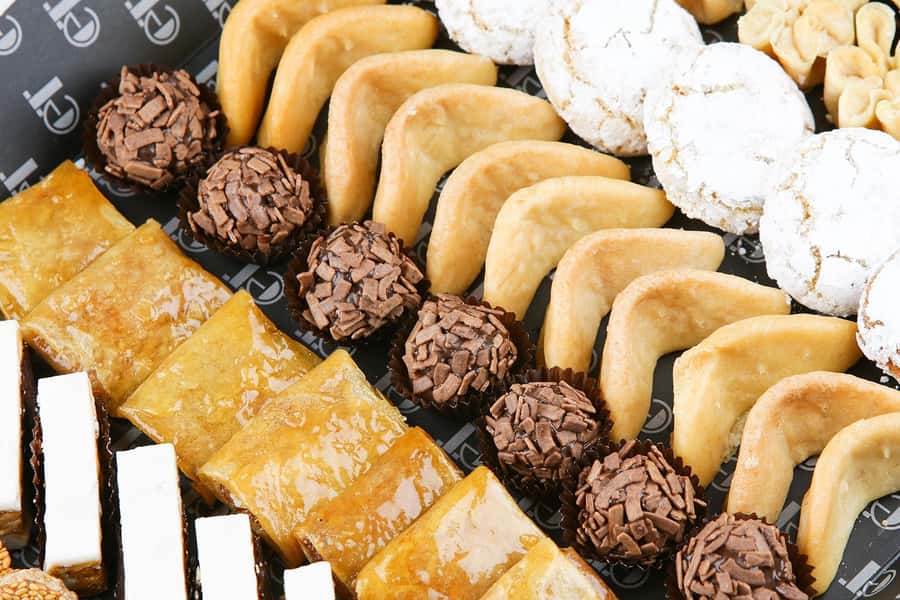
The class may include fekkas and Kaab el Ghazal. Fekkas is often associated with a firm, biscuit-like texture, while Kaab el Ghazal is known for its delicate crescent shape. Making both gives you a useful contrast: one calls for attention to a crisp bake, while the other depends on neat shaping and careful handling.
I would not book this expecting professional pastry-school training. The purpose is to learn accessible Moroccan recipes and techniques you can try again at home. Some parts may feel harder than they first appear, especially if you have never worked with this kind of dough. That is also part of the fun, since the finished pastries feel earned rather than handed to you.
Why the hands-on format works
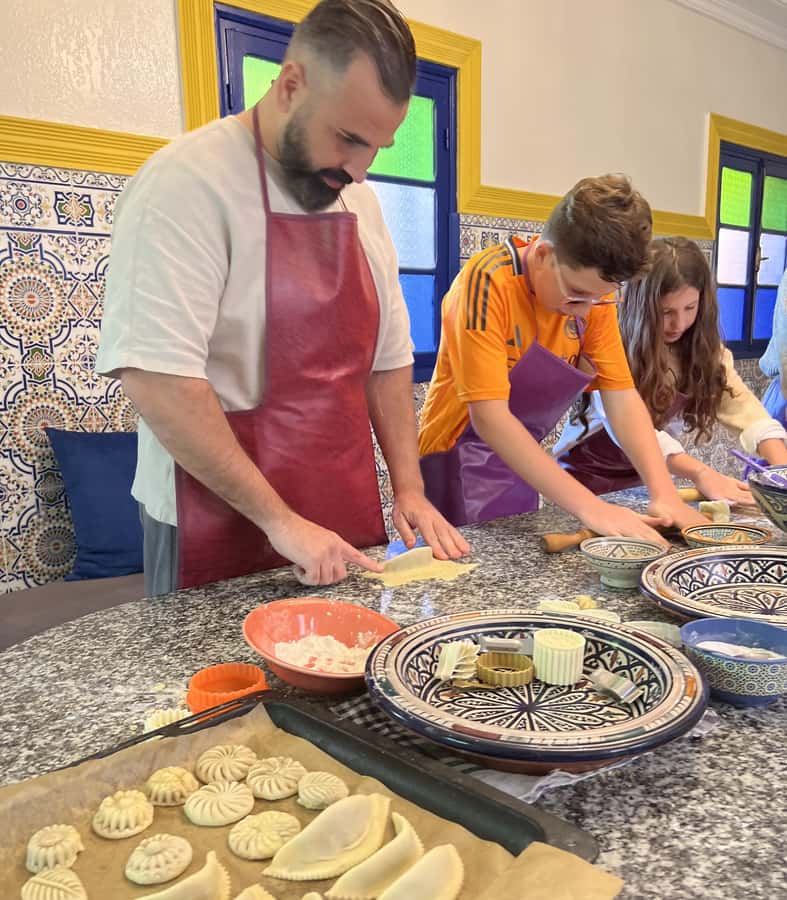
A cooking class earns its price when you leave with something you can repeat. This one gives you more than a plate of sweets and a quick explanation. You work through the process, which helps you remember the ingredients and sequence once you are back in your own kitchen.
If you already bake often, you may find the session less demanding. One useful point is that a separate cooking class is available from the same provider, so experienced cooks who want broader Moroccan food preparation may prefer that option. This pastry class makes more sense for beginners, families, and anyone focused on Moroccan sweets.
The pace also suits mixed-age groups. Teenagers can take part in shaping and baking, and the tea-pouring ritual gives younger participants something entertaining to do near the end. Children under 4 are not suitable for this experience, and anyone under 18 must come with an adult.
You should share allergy information in advance. That is especially important in a pastry class, where ingredients may be mixed into several recipes and substitutions cannot be promised on the day.
Fresh pastries, tea, and the best part of the afternoon
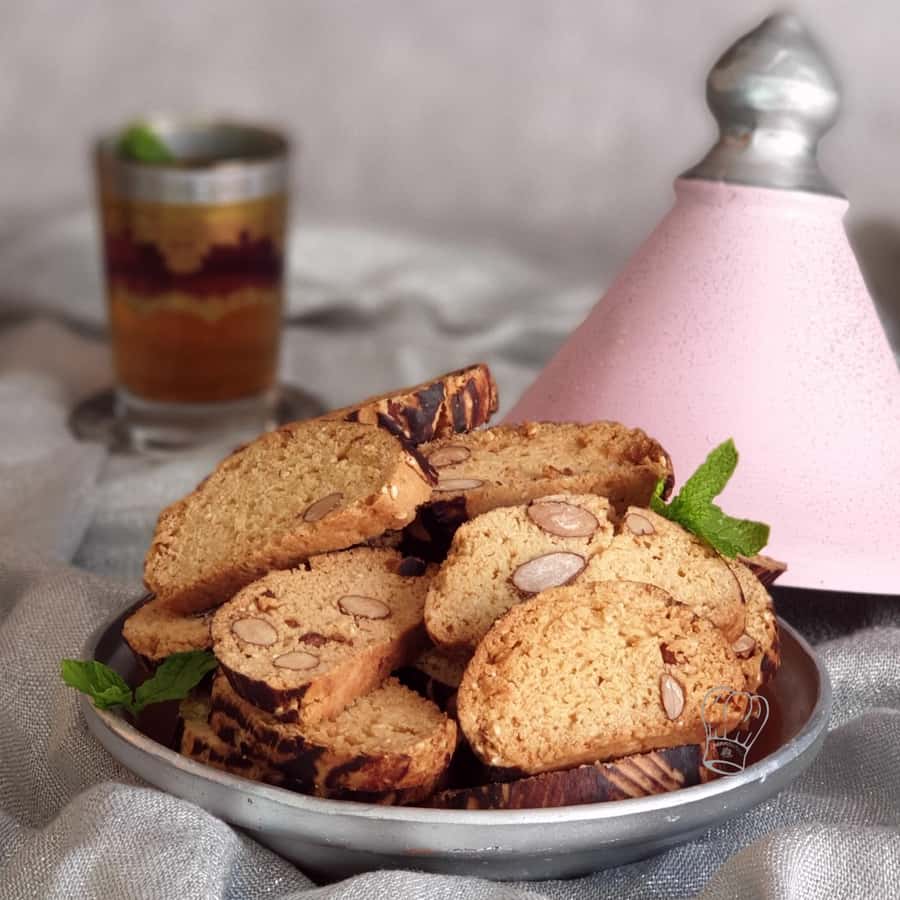
After the baking, you taste the pastries you made. This is the moment when the class becomes a small shared meal rather than only a lesson. You can compare textures, notice the orange blossom and fennel, and see how the finished pastries differ from the dough you handled earlier.
The mint tea lesson follows, or forms part of the final tasting. You make your own Moroccan mint tea and learn the pouring ritual. Each participant can have a turn pouring, which adds a light, social finish to the class.
Mint tea is not just a drink served on the side. It gives the pastries balance. The hot tea cuts through the sweetness and turns the tasting into a familiar Moroccan pairing. If you have been eating heavy meals or sampling sweets around the medina, this still feels more special because you prepared the food yourself.
The included tasting covers the pastries and tea. Additional food and drinks are not included, but you may not need much more after the baking session. The box of pastries to take home is one of the strongest parts of the deal. You can eat it later, share it with family, or save it for a long travel day.
A different kind of day out, same corner of Morocco:
- Marrakech: Agafay Desert Sunset, Camel Ride, and Dinner Show
★ 4.6 · 35,119 reviews - From Marrakech: Ouzoud Waterfalls Guided Hike and Boat Trip
★ 4.7 · 33,630 reviews - Marrakech: Agafay Desert Quad & Camel Rides with Dinner Show
★ 4.8 · 27,382 reviews - Marrakech: Agafay Desert Quad Biking Tour with Dinner-Show
★ 4.8 · 16,569 reviews
The value of $40 in Marrakech
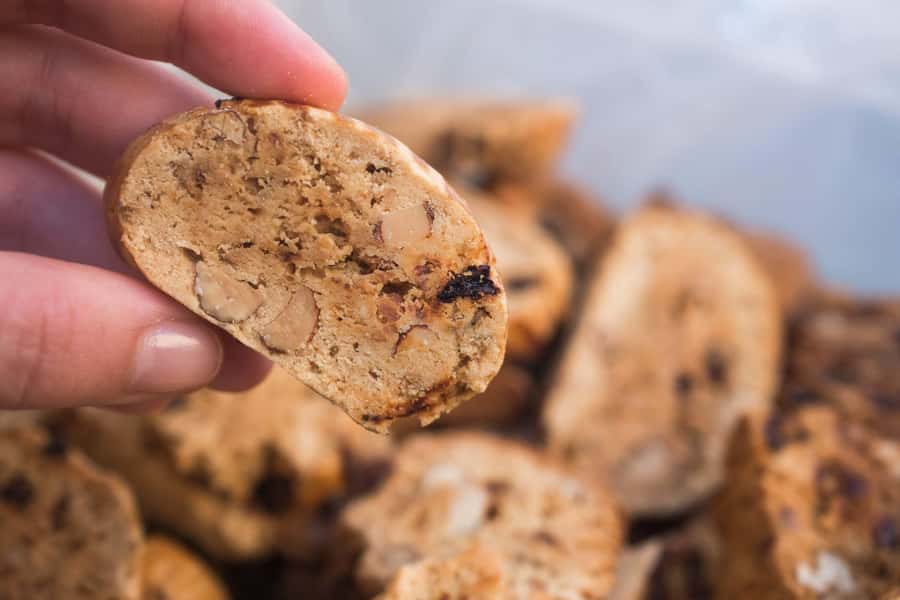
At $40 per person, the price is fair if you want an activity rather than just a snack. You receive instruction, ingredients, equipment, a tasting session, mint tea, and a takeaway box. A pastry purchase in the medina would cost less, but it would not teach you how the sweets are made or give you the same personal connection to the food.
The value improves if you are traveling as a family or small group. Four people booking together may find that the class becomes private, depending on the schedule. That can make the experience more relaxed, though you should not assume a private session is guaranteed.
I also see value in the time commitment. Two and a half hours is enough to feel substantial, yet short enough to fit around sightseeing. You could use it as a midday break from the souks or as an afternoon activity after visiting other parts of Marrakesh.
The takeaway box adds practical value. If you are heading onward to the desert, the pastries make an easy treat for the road. They may also be useful if your accommodation has limited breakfast choices, though no storage guidance is provided, so ask the instructor how best to keep them.
Getting there and planning your visit
Hotel pickup and drop-off are not included. You arrange your own way to the workshop, and the exact meeting point is sent before the experience date. This means you should leave time to read the directions carefully rather than assuming the class meets at a well-known central landmark.
A taxi can work, but allow extra time. One couple had trouble because they were running late, and the instructor helped direct the taxi and locate the entrance. That is reassuring, but it is not a reason to arrive at the last minute. A workshop can be tucked behind an unmarked door or along a street that is easy to pass.
The meeting instructions matter more here because the address is not supplied immediately during booking. Check your messages before leaving and keep the contact details available. If you are using a taxi, having the destination ready in writing can help.
Wear clothes you can cook in. You do not need formal clothing, and comfortable garments are the sensible choice when you are working with flour, dough, and baking trays. Bring water, especially if you are attending during a warm part of the day.
The class has starting times based on availability. Confirm the time that fits your plans, and avoid booking it too close to a train, flight, or long transfer. You want enough breathing room for the taxi ride and the class itself.
Who will enjoy this experience most
I would recommend this class to first-time visitors who want an activity connected to Moroccan daily life. It gives you something to do with your hands and introduces flavors you may have noticed in pastry shops without knowing how they are made.
It is also a strong family choice for older children and teenagers. The cooking is active, the recipes are unusual enough to feel new, and the tea-pouring finale gives everyone a role. Adults need to accompany anyone under 18, and children under 4 cannot join.
Couples and friends should enjoy the relaxed format, particularly if they like food but do not want a formal restaurant meal. It can also suit solo participants because the group is small and the work naturally creates conversation around the table.
I would be more cautious about recommending it to someone with serious food allergies unless the provider confirms suitable arrangements in advance. You must provide allergy information before the class, but the available details do not promise substitutions or an allergy-free kitchen.
If you are an accomplished baker looking for advanced instruction, this may feel basic. The recipes are practical and traditional, not a high-level professional course. For most people, that simplicity is a benefit: you can repeat the baking at home without special equipment.
What makes it different from buying pastries in the medina
Buying Moroccan sweets is easy. You will find trays of them in many parts of Marrakesh, and sampling them is part of the pleasure of visiting. But a shop tells you what the pastry tastes like. This class shows you why it tastes that way.
You learn how orange blossom water changes a recipe, where fennel seeds fit in, and how shaping affects the final result. You also gain a better sense of the work behind pastries that can look almost decorative in a shop window.
There is a social element, too. You sit with the people in your group, bake together, and share the first tasting. That makes it a useful break from sightseeing, not just another stop where you consume something and move on.
The experience stays focused on pastries and tea. You should not expect a full tour of Marrakech food markets, a visit to a bakery, or a broad Moroccan cooking lesson. That narrow focus is worth knowing before you book. If you want Moroccan sweets, it is a good match. If you want tagine, couscous, or a complete meal, choose a broader cooking class instead.
A few smart tips before you go
Ask for the recipes before you leave. This is the most useful practical tip from the experience. You may remember the general method, but written measurements and baking instructions make it much easier to repeat the pastries at home.
Tell the provider about allergies in advance, not when you arrive. Wear comfortable cooking clothes, bring water, and check the exact meeting point before setting out.
If you are traveling with teenagers, let them know the tea-pouring part is included. It is a simple activity, but it gives the class a clear finish and keeps the final stage from feeling like an afterthought.
Consider booking this early in your Marrakech stay if you want to use the recipes during the rest of your trip. You can also book it near the end and treat the takeaway box as a food souvenir.
Free cancellation is available up to 24 hours before the experience for a full refund, and you can reserve now and pay later. Those terms help if your Marrakech schedule is still shifting, but they do not remove the need to confirm the time and meeting point.
Should you book this pastry and tea class?
Book it if you want a friendly, hands-on introduction to Moroccan sweets, especially if you are traveling with family, enjoy baking, or need a calm break from the souks. The strongest reasons are the small group size, the chance to make several pastries, the mint tea lesson, and the box you take home.
At $40, the class offers good value because the fee covers both the activity and the food you produce. Just plan your own transport, allow time to find the workshop, share allergy details early, and ask for the recipes before you go.
Skip it if you want an advanced pastry course, a full Moroccan meal, or an activity with hotel pickup. For everyone else, this is a useful and tasty way to spend two and a half hours in Marrakesh.
FAQ
How long does the Moroccan pastry and tea class last?
The experience lasts 150 minutes, or two and a half hours.
What is included in the price?
The price includes the Moroccan pastry cooking class, cooking equipment, a tasting session with Moroccan mint tea, and a box of pastries to take home.
What languages can the instructor speak?
The instructor can teach in Arabic, French, and English.
Is transportation to the workshop included?
No. Hotel pickup and drop-off are not included. The exact workshop location is sent before the experience date, so you arrange your own transport.
Can children join the class?
Children under 4 cannot join. Participants under 18 must be accompanied by an adult.
What should I bring and wear?
Bring water and wear comfortable clothing suitable for cooking. Provide allergy information in advance.
Recently reviewed around Marrakech
- 4-Days Marrakech to Marrakech Désert Tour★ 5.0 · 17 reviews
- Camel ride at sunset in Marrakech palm grove★ 5.0 · 17 reviews
- Agafay camel ride★ 5.0 · 20 reviews
- Camel riding in marrakech★ 4.5 · 17 reviews
- Marrakech to Atlas Mountains and 4 Valleys Day Trip★ 5.0 · 17 reviews
- Agafay Desert Adventure, Culture, and Relaxation, From Marrakech★ 5.0 · 25 reviews
- Quad excursion to the Agafay desert near Marrakech★ 5.0 · 44 reviews
- Camel ride and dinner Agafay desert★ 5.0 · 25 reviews
Workshops, compared.
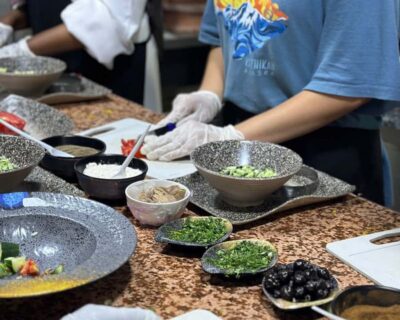
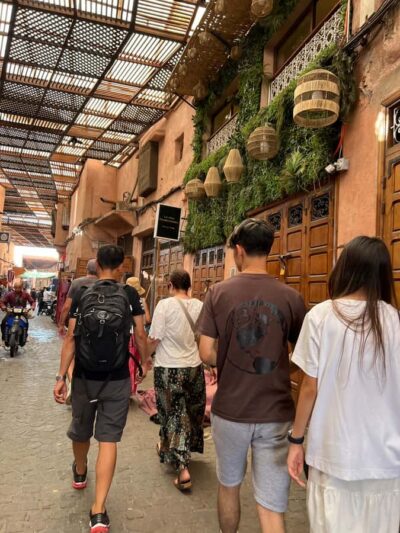
Traditional Moroccan Cooking Class & Market Visit
Read our review →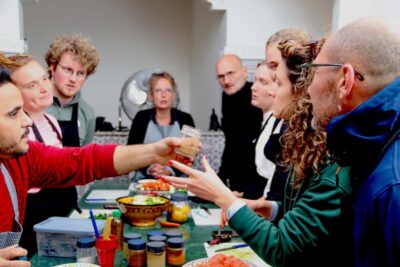
Moroccan Dishes Cooking Class with a Local Chef
Read our review →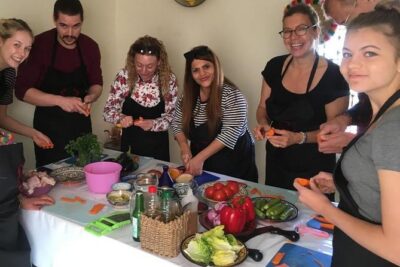
Moroccan Cooking Class & Marrakech Market Visit with Chef Khmisa
Read our review →
Half-Day Cooking Class with Local Chef Laila in Marrakech
Read our review →
Browse the lists this tour appears in