Reviewed · FEZ TOURS
Moroccan Crepes & Pastries Kitchen
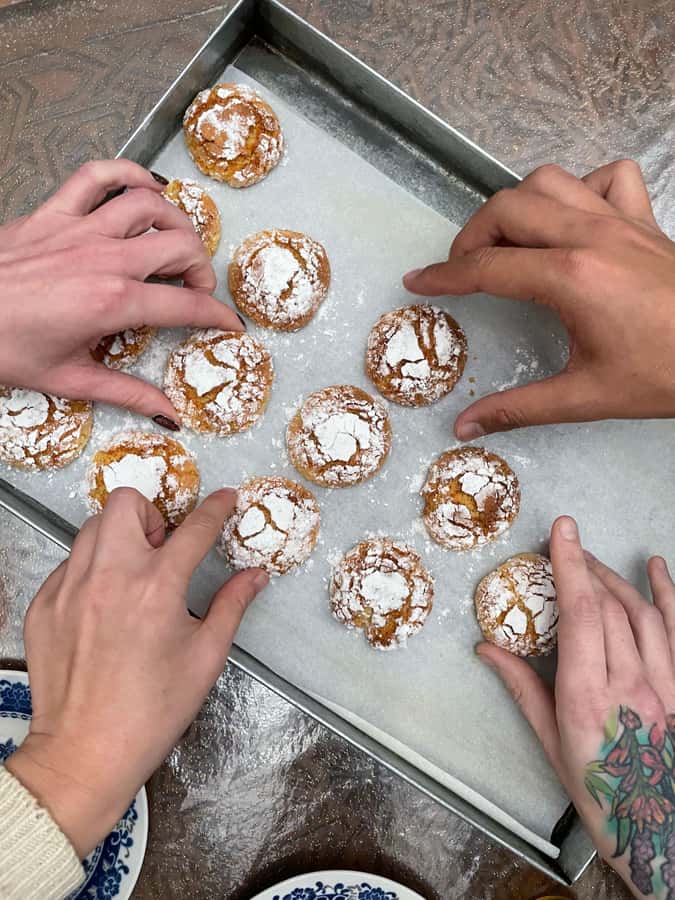
Moroccan cooking becomes personal in this two-hour kitchen class at Dar Sunrise Fes. You work beside local women, shape dough, learn at least one traditional crepe or pastry, and eat the results with mint tea. I like the warm home setting and the chance to meet people who cook these foods every day. I also like that a small group of up to four gives you room to take part, not just watch.
The main consideration is communication. The chefs speak Arabic, while a translator helps, so some instruction may come through gestures and demonstration. That can be part of the fun, but if you want a precise, chef-led lesson in polished English, this may feel informal.
In This Review
- Key points to know
- A Moroccan kitchen rather than a cooking theater
- What the two hours look like
- Picking between msemen, baghrir, and Moroccan pastries
- Why the small group size matters
- Meeting Dar Sunrise Fes in the Fès medina
- Mint tea and the social side of the class
- Language: useful, friendly, and not fully polished
- Is $34 a fair price?
- Who should book this Fès cooking class?
- My practical verdict
- FAQ
- Where does the cooking class take place?
- How long does the experience last?
- How much does it cost?
- How many people can join?
- What kinds of food can I learn to make?
- Will I learn more than one recipe?
- Is mint tea included?
- What language do the chefs speak?
- How do I find Dar Sunrise Fes from Bab Boujloud?
- Is pickup included?
Key points to know
- Cook in a local home: The class takes place at Dar Sunrise Fes, a guest house in the Fès medina.
- Choose from classic treats: Options include Moroccan cookies, cakes, maloui, msemen, baghrir, and harsha.
- Expect at least one recipe: Larger groups can usually cover more types, while a group of three prepared three varieties during one session.
- Keep the group small: The limit is four participants, so you should have a real chance to knead, fold, shape, and taste.
- Mint tea is part of the welcome: Your homemade pastries or crepes are served with traditional Moroccan mint tea.
- Allow extra time to find the house: The meeting point is near Made in M cafe on Talaa Kebira, but medina doors and alleys can change your route.
A Moroccan kitchen rather than a cooking theater
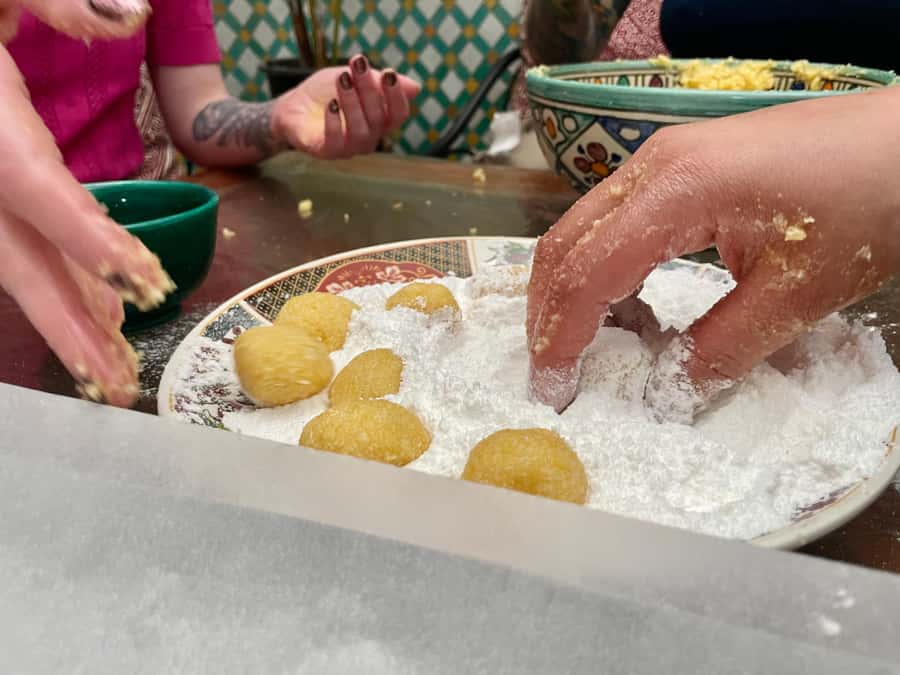
This experience takes you into the home of Dar Sunrise Fes, not a large cooking school built for crowds. That distinction matters. You are not simply watching a demonstration from the back of a room. The plan is to work with local women, handle the dough, ask questions through the translator, and share food at the end.
The class centers on everyday Moroccan baking. You might prepare cookies or cakes, or work on one of the country’s familiar crepes and flatbreads: msemen, maloui, baghrir, or harsha. You will learn at least one kind. The number of recipes depends partly on group size, so do not arrive expecting a full pastry menu in two hours.
I find that modest promise sensible. Moroccan doughs can look simple, but the texture depends on how you knead, stretch, fold, or cook them. One well-taught recipe that you can repeat at home may be more useful than five rushed samples.
More Fez trips worth a second look
- Tangier: Sunset, Tea, Sweets, Camel Ride, and Hercules Caves
★ 4.9 · 575 reviews - Marrakech: Moroccan Pastries and Tea Class with a Local
★ 4.7 · 84 reviews - boat trip from 9 am to 3 pm fishing & swimming & barbecue & dessert
★ 4.0 · 36 reviews
What the two hours look like
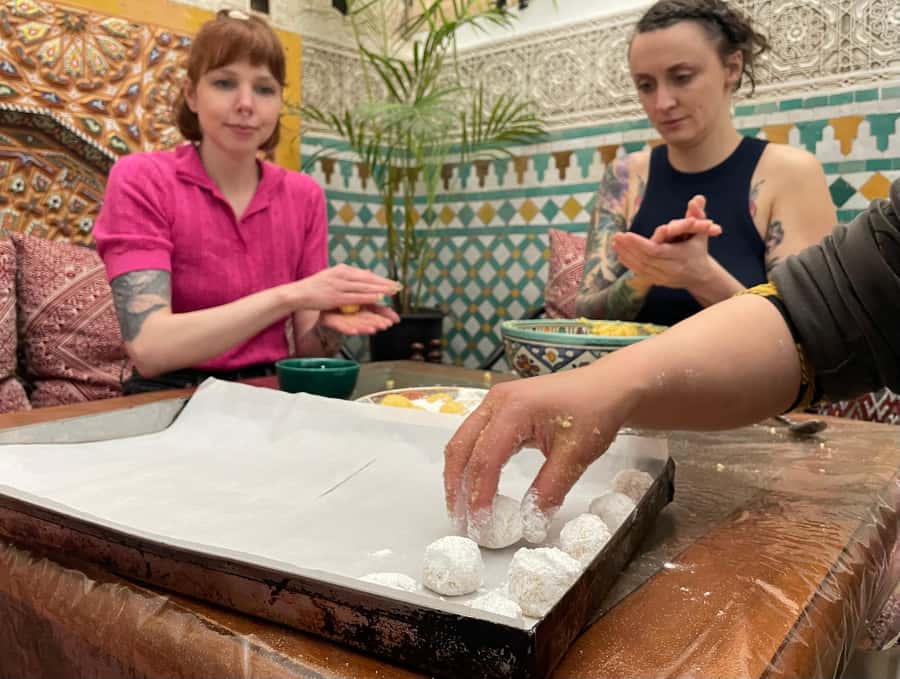
Your time starts at the house, where you meet the kitchen team and settle into the cooking space. The setting is described as cozy, with time for conversation, stories, and mint tea. The women cooking with you are local chefs, and Amal is one of the people associated with the experience.
The hands-on work is the heart of the class. You may knead dough, prepare ingredients, form the pastry, and watch how it cooks. The exact order depends on the recipes selected for your group. Since the kitchen team speaks Arabic, the translator helps explain the steps in English, while the chefs can show you the motion directly.
That arrangement has a practical upside. Food techniques are often easier to grasp when you see them. One participant who had trouble communicating still found that gestures worked well. You should expect a lesson based on demonstration, touch, and repetition rather than a long spoken lecture.
Once the food is ready, you sit down to eat it with mint tea. In some cases, you may receive extra cookies to take home, and recipes may be provided. These details are not guaranteed as a formal part of every booking, but they have been part of the experience for some sessions, so it is worth asking about them if taking home a sample matters to you.
Picking between msemen, baghrir, and Moroccan pastries
The choices cover several parts of Moroccan food culture.
Msemen is a layered, folded crepe with a pleasant chew. It is often associated with breakfast or a light snack, and the folding technique is one of the useful skills to watch closely.
Maloui is another Moroccan crepe or layered bread. The names and styles can vary, and your instructor can show you the local method used in this kitchen.
Baghrir is known for its soft texture and small holes. It is a good choice if you want something visibly different from a folded, layered crepe.
Harsha is a semolina-based Moroccan griddle bread. It gives you a different feel from wheat dough and helps show the range of textures in Moroccan home cooking.
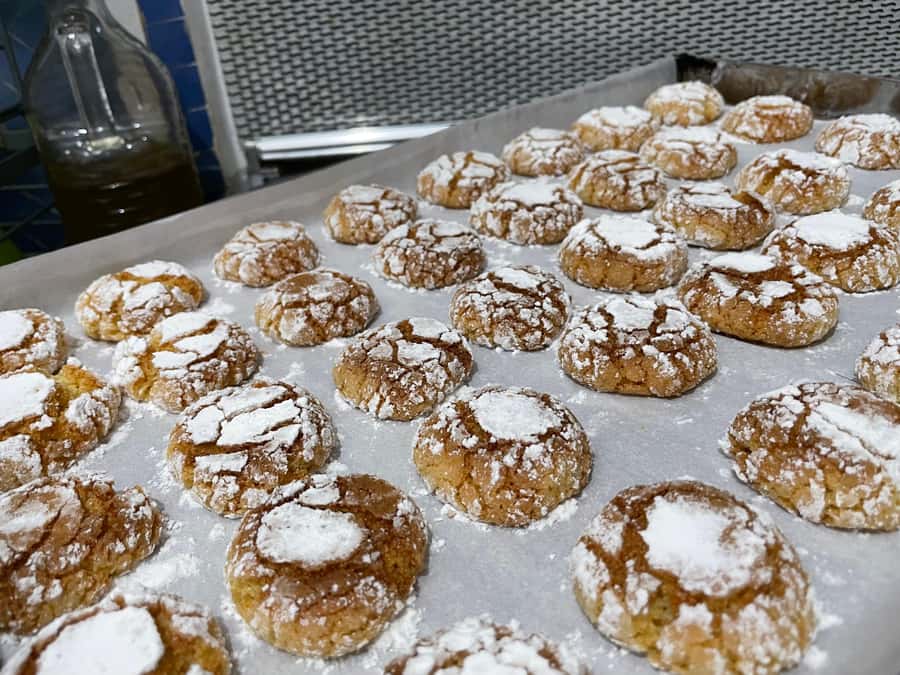
You can also choose Moroccan cookies or cakes. These may suit you better if you have a sweet tooth or want something easy to pack home. The available mix is shaped by the size of your group. A small group of three once prepared three varieties, which is a useful guide: you may get more than one item, but the class is not promising every option.
If you have a preference, say so when you book or at the beginning. The supplied information does not give a fixed menu for each day, so the final selection may depend on the group.
Why the small group size matters
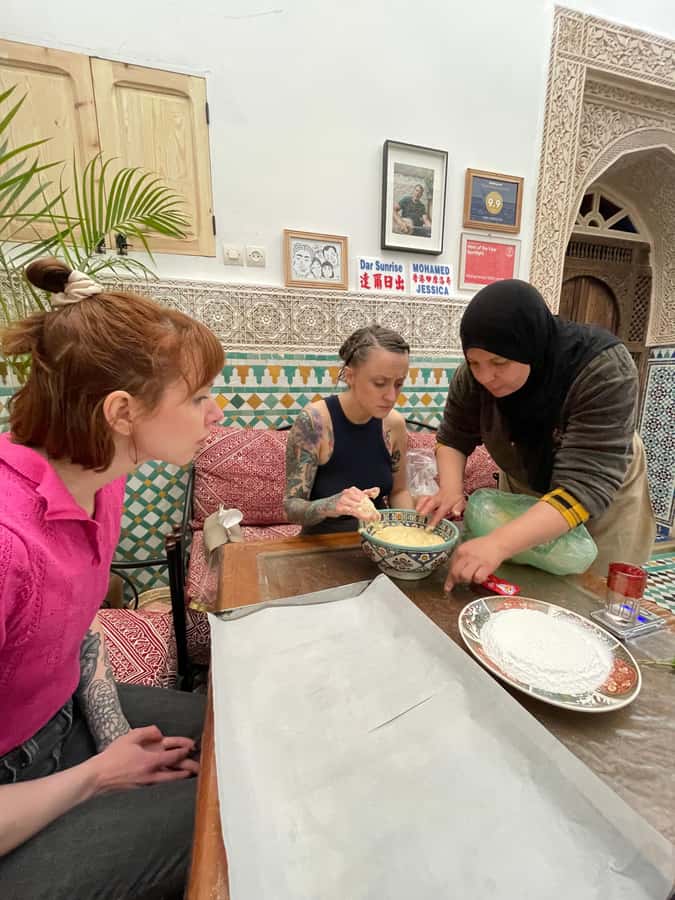
With a limit of four people, this class has a personal feel. You should have a chance to participate rather than stand aside while one person does all the work. For a cooking activity, that is a real value.
The small size also affects the number of recipes. More participants can mean more pastry or crepe types can be chosen, since the group can divide the work and produce several batches. At the same time, a larger group within the four-person limit may give you less of each finished item.
This is a useful tradeoff. If you care most about learning several recipes, a group of three or four may offer more variety. If you want a quieter session and more direct attention, a smaller booking may feel better, though the exact number of recipes is not promised.
The format suits solo visitors, couples, friends, and food-minded families who want a calm activity during a Fès stay. It is also a good break from walking the medina. Two hours at a kitchen table gives your day a steady rhythm without taking up an entire morning or afternoon.
A different kind of day out, same corner of Morocco:
- Chefchaouen Day Trip from Fez (Shared Group Tour)
★ 4.6 · 2,394 reviews - Fes: Volubilis Roman Ruins, Mouly Idriss, & Meknes Day Trip
★ 4.6 · 2,375 reviews - Fez Medina Guided Tour
★ 4.6 · 2,079 reviews - Blue City magic: Affordable Day Trip from Fez to Chefchaouen
★ 4.6 · 1,960 reviews
Meeting Dar Sunrise Fes in the Fès medina
The house is on or just off Talaa Kebira, the main medina street. From Bab Boujloud, also called the Blue Gate, cross the gate and turn into the first street on the left. You will be on Talaa Kebira. Walk downhill for about three minutes until you see Made in M cafe, painted blue, on the right. The house is in the alley beside it, at number 10.
From Ain Zliten Parking, enter Talaa Kebira and walk uphill for about one minute. Made in M cafe will be on your left, with Dar Sunrise Fes in the neighboring alley at number 10.
Use Google Maps with the search term Dar Sunrise Fes, and save the location before setting off. I would also keep the video directions handy. The medina can be confusing, and one participant needed extra time because several doors were closed, forcing a longer route. The practical lesson is simple: use the main streets, allow a little extra time, and do not rely only on a narrow shortcut.
You meet directly at the house. Pickup is not included, though a pickup service may be available for an added charge if you contact the provider.
Mint tea and the social side of the class
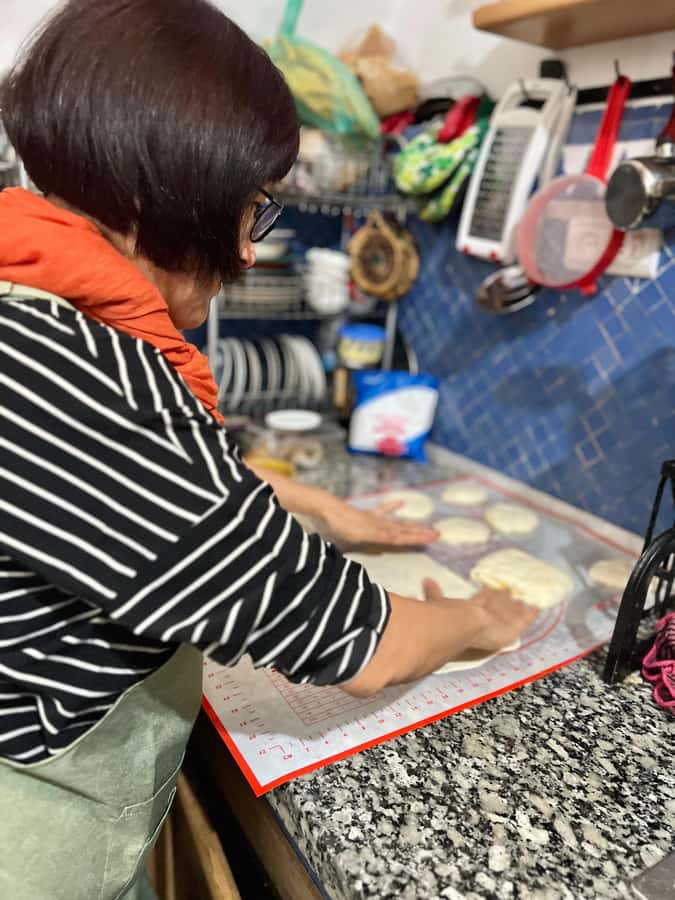
The food is only half the point. The class gives you a chance to sit with local women and share a normal part of Moroccan home life. You learn recipes, but you also see how food connects with welcome, conversation, and hospitality.
Mint tea helps set the pace. It is served with the finished crepes or pastries, giving you time to taste what you made instead of rushing out as soon as the cooking ends. That final pause is important. You can compare textures, ask about the method, and enjoy the result while it is fresh.
The setting may also feel more personal than a commercial restaurant. One visitor arrived nearly two hours early during cold, rainy weather and was welcomed inside, even receiving couscous while waiting for the class. That kindness should not be treated as a guaranteed extra service, but it gives you an idea of the friendly spirit attached to the home.
Amal has also been singled out for being welcoming. The kitchen team’s warmth seems to carry the experience, even when language gets in the way.
Language: useful, friendly, and not fully polished
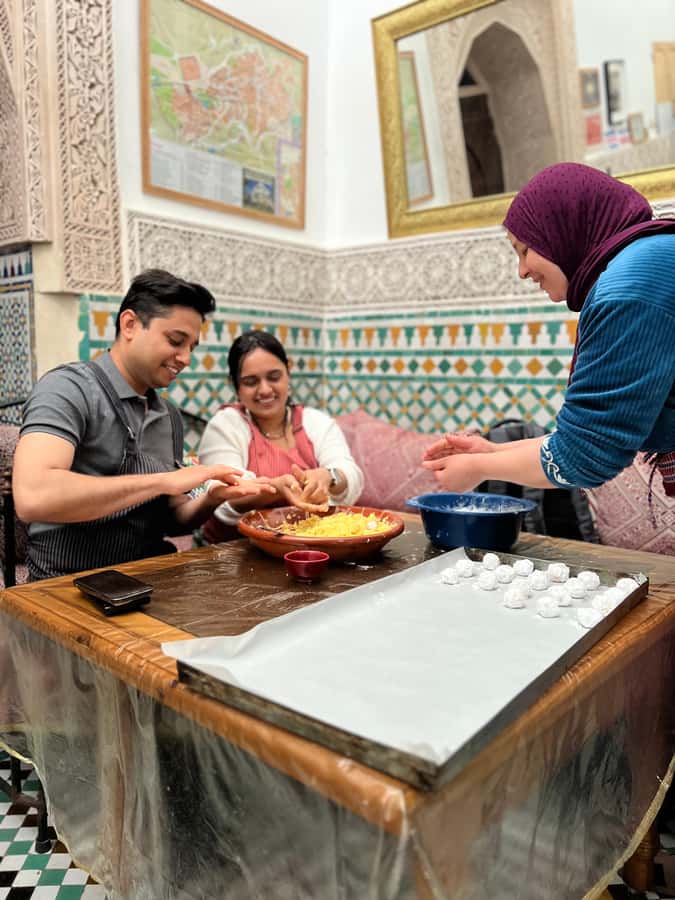
The activity information names English as the instructor language, and a translator is available. The chefs themselves speak Arabic only. You should therefore expect English support, but not necessarily a continuous English explanation for every step.
This is not a serious barrier if you are happy to watch and copy. Dough work is visual. A hand showing how to fold, stretch, or shape can be clearer than a paragraph of explanation.
It could be frustrating if you want exact measurements, detailed food science, or a formal recipe lesson. Bring a willingness to ask simple questions and repeat the motion. If recipes matter to you, confirm how they will be shared. Some participants received recipes afterward, but the provided details do not make that a formal guarantee.
I would treat the language mix as part of the local character, while keeping expectations realistic. You are signing up for a friendly kitchen exchange with translation help, not an academic pastry course.
Is $34 a fair price?
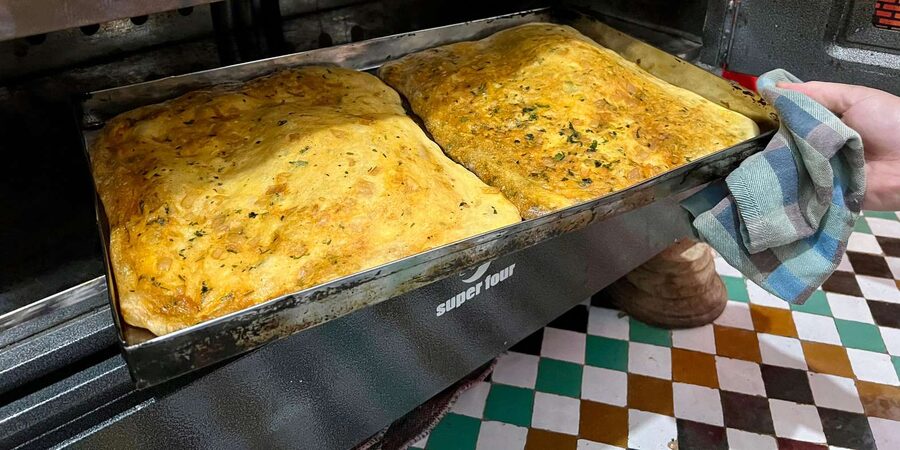
At $34 per person, the value depends on what you want from a food activity. You receive two hours of instruction, at least one Moroccan pastry or crepe, mint tea, and time with local cooks in a home setting. For someone who values contact with local people and a small group, that is a fair price.
The price looks less compelling if your only goal is to eat a few cheap pastries. Fès has plenty of places to buy msemen, baghrir, cookies, and other treats for much less. The reason to book this class is the process: learning how the food is made, trying the technique yourself, and sharing the result in a private home.
A larger group may let you sample more types, but you should not assume that every listed choice will appear. The class promises at least one type, with the chance for more as group size allows. Ask about your preferred recipes before the session if variety is central to your decision.
The reserve-now, pay-later option also helps if your Fès plans are still shifting. Free cancellation is available up to 24 hours before the activity for a full refund. Pickup costs extra, so include that in your budget if you do not want to walk to the medina meeting point.
Who should book this Fès cooking class?
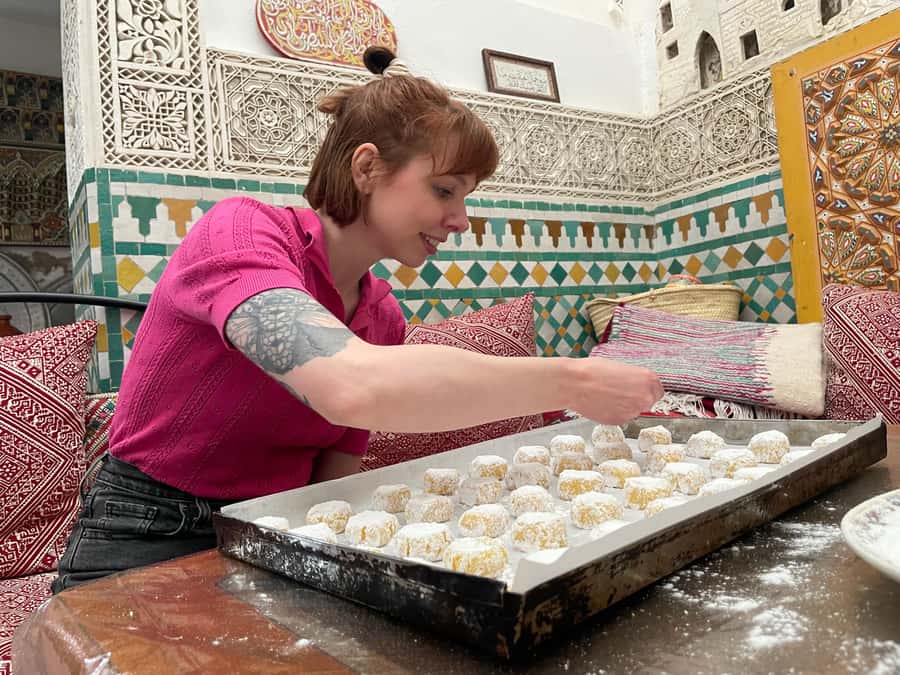
I would choose this activity if you want a gentle, social introduction to Moroccan food. It suits you especially well if you enjoy learning by doing, like small groups, and want a break from sightseeing that still feels tied to local culture.
It is also a good fit for a rainy or chilly day. The warm welcome given to early arrivals shows how useful the guest house can be as a meeting place when weather disrupts your plans, although you should not count on arriving hours early as part of the booking.
Families with children may appreciate the dough work, but the supplied details do not specify a minimum age or child program. Ask before booking if that point affects your plans. The same applies to dietary needs, allergies, kitchen facilities, and accessibility, since no details are provided.
You may want to skip it if you need a fixed menu, a fully English-speaking chef, or a fast list of many recipes. The class is strongest as a human-scale encounter with a few carefully prepared foods.
My practical verdict
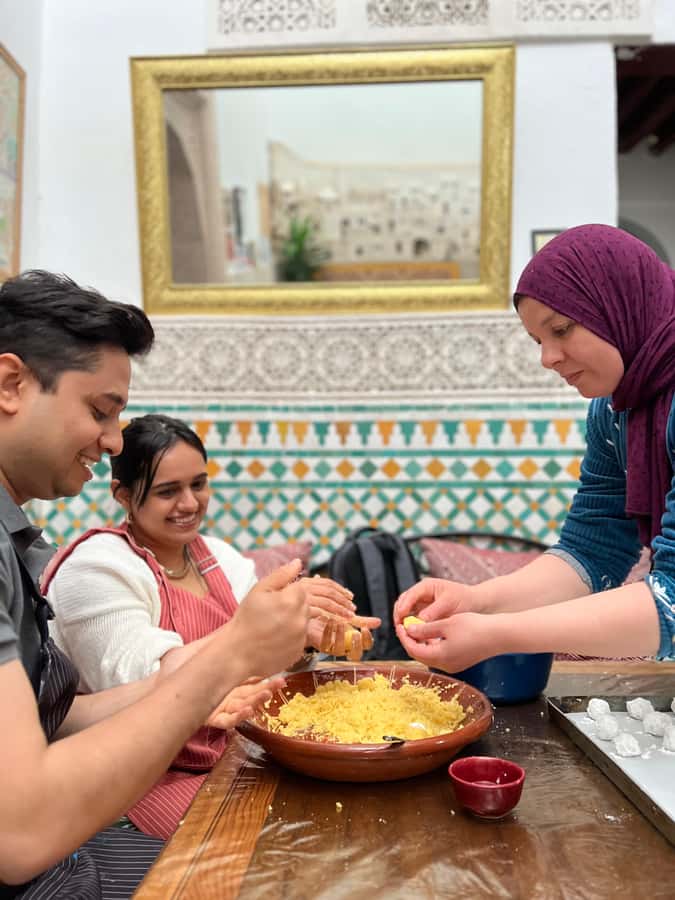
Book Moroccan Crepes & Pastries Kitchen if you want to meet local women, learn a real Moroccan recipe, and eat your work with mint tea. The small group and home setting give it more warmth than a standard demonstration, and the $34 price is reasonable for two hours of hands-on time.
Go in knowing that communication may rely on gestures, the recipe selection can change with group size, and finding the house takes care in the medina. Use the main route from Bab Boujloud or Ain Zliten Parking, arrive with time to spare, and tell the team which pastry or crepe interests you most. For a personal food experience in Fès, that makes this a good choice.
FAQ
Where does the cooking class take place?
The activity takes place at Dar Sunrise Fes, a guest house in the Fès medina.
How long does the experience last?
The cooking experience lasts two hours.
How much does it cost?
The listed price is $34 per person.
How many people can join?
The activity is a small group experience limited to four participants.
What kinds of food can I learn to make?
The choices include Moroccan cookies, Moroccan cakes, maloui, msemen, baghrir, and harsha.
Will I learn more than one recipe?
You will learn at least one type of Moroccan pastry or crepe. Larger groups may be able to choose more types.
Is mint tea included?
Yes. Mint tea is served with the homemade crepes or pastries.
What language do the chefs speak?
The chefs speak Arabic only. A translator is available to help with communication, and English is listed for the activity.
How do I find Dar Sunrise Fes from Bab Boujloud?
Cross Bab Boujloud, turn into the first street on the left, and follow Talaa Kebira downhill for about three minutes. Find Made in M cafe on the right, then enter the alley beside it and look for house number 10.
Is pickup included?
No. Pickup is not included, but a pickup service may be available for an added charge if you contact the provider.
Recently reviewed around Fez
- day trip from fez to middle atlas mountain★ 5.0 · 17 reviews
- Discover the city of Fes on foot with the best guides★ 5.0 · 27 reviews
- VIP TOUR OF FES- Medina by local guide & Rempart by car-FULL Day★ 5.0 · 74 reviews
- Private Fes Medina Walking Tour★ 5.0 · 25 reviews
- Fes to Chefchaouen Day Trip★ 5.0 · 20 reviews
- fes medina guided tour★ 4.5 · 60 reviews
- Fes to Middle Atlas Private Day Trip★ 5.0 · 48 reviews
- Fes to Volubilis, Moulay Idriss and Meknes Private Day Trip★ 4.5 · 26 reviews
Fez Tours, compared.
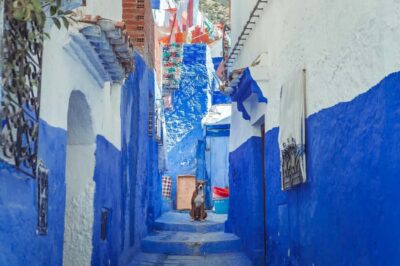
Chefchaouen Day Trip from Fez (Shared Group Tour)
Read our review →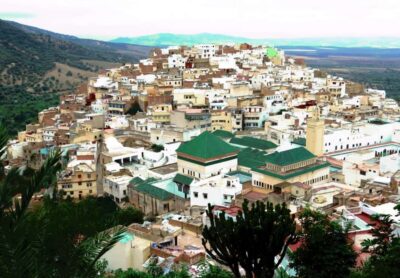
Volubilis Roman Ruins, Mouly Idriss, & Meknes Day Trip
Read our review →
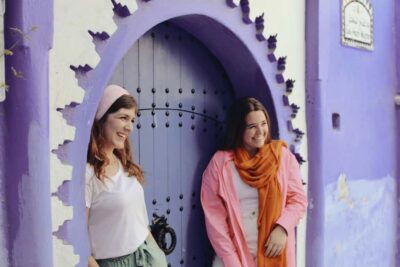
Blue City magic: Affordable Day Trip from Fez to Chefchaouen
Read our review →
Sahara Desert 2-Day Tour with Merzouga Camp Stay
Read our review →
Museum, Al Attarine Madrasa & Tannery and Medina Tour
Read our review →