
Reviewed · MOROCCAN COOKING CLASSES
Marrakech: Moroccan Cuisine Cooking Class in Local Home
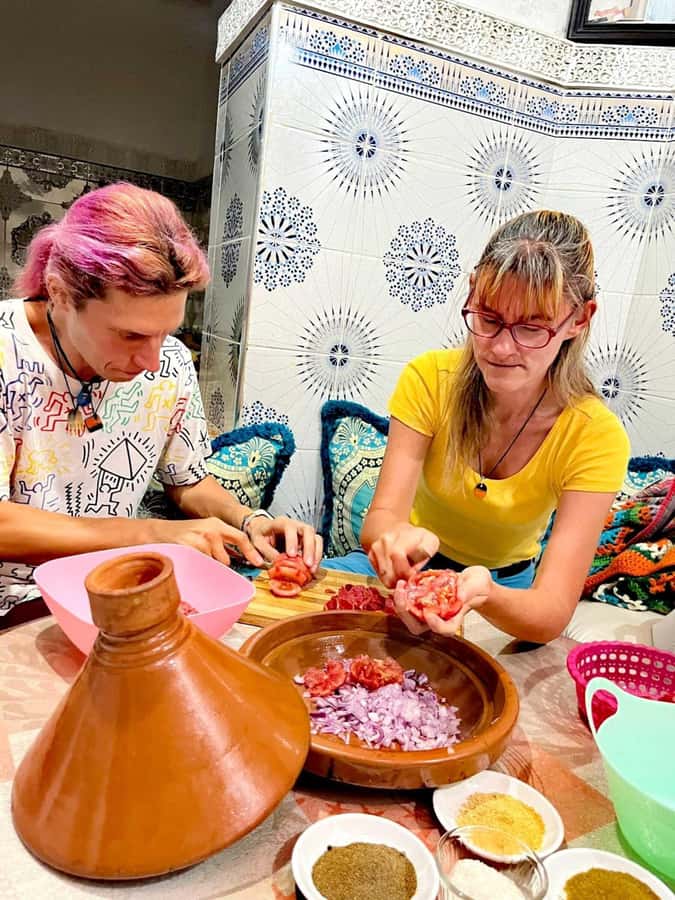
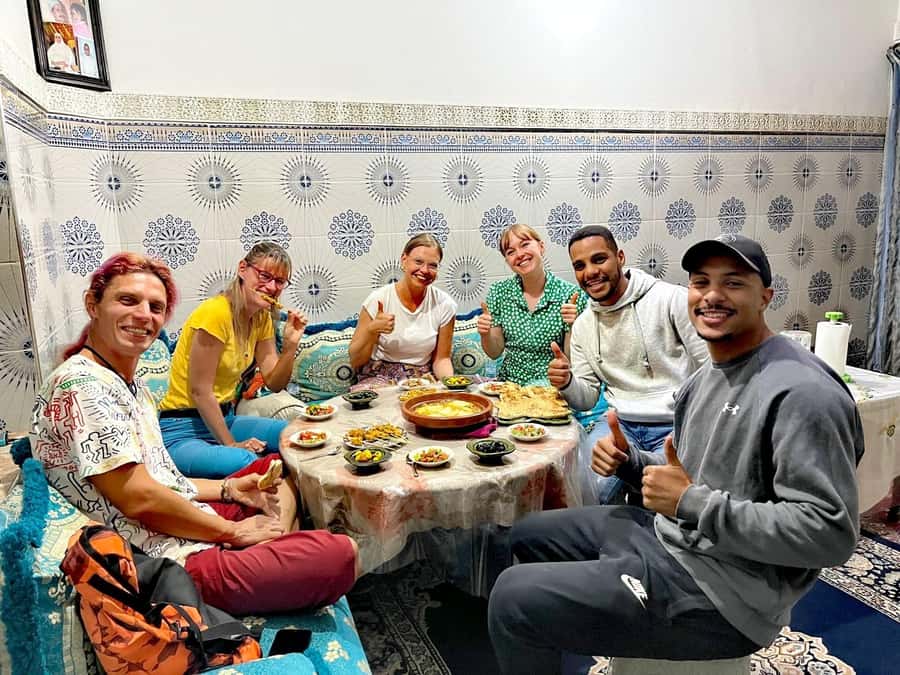
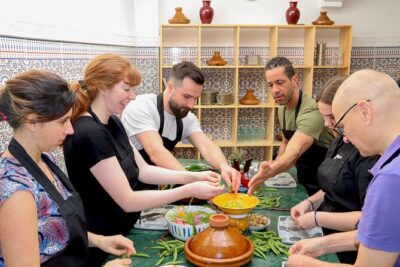
The best part of this Marrakech cooking class is the setting. You are not in a polished restaurant kitchen or a hotel demonstration room. You meet near Riad Les Etoiles Berberes and walk into a traditional local home, where the meal is prepared together and eaten around the same table. That simple change gives the class a more personal feel.
I like two things especially: you get genuine hands-on work, from chopping vegetables to shaping Moroccan bread, and you learn about daily customs along the way. Abdo, also called Abdul or Abdoo by different participants, is praised for his humor, patience, and stories about tea, family life, spices, and Moroccan traditions. The main consideration is finding the meeting point, so use Google Maps and arrive early.
In This Review
- Key points to know before booking
- A local home instead of a cooking school
- What you cook during the three hours
- Moroccan bread
- Salads and zaalouk
- Tagine
- Dessert and tea
- Abdo’s teaching style and the group mood
- Eating what you prepare
- What this class teaches about Marrakech
- Price, timing, and practical value
- Who will enjoy this cooking class most
- Should you book the Marrakech home cooking class?
- FAQ
- How long does the Marrakech cooking class last?
- Where do I meet the guide?
- Is transportation included?
- Which languages does the guide speak?
- Do I need previous cooking experience?
- Can the menu be changed for dietary restrictions?
- What is included in the $24 price?
Key points to know before booking
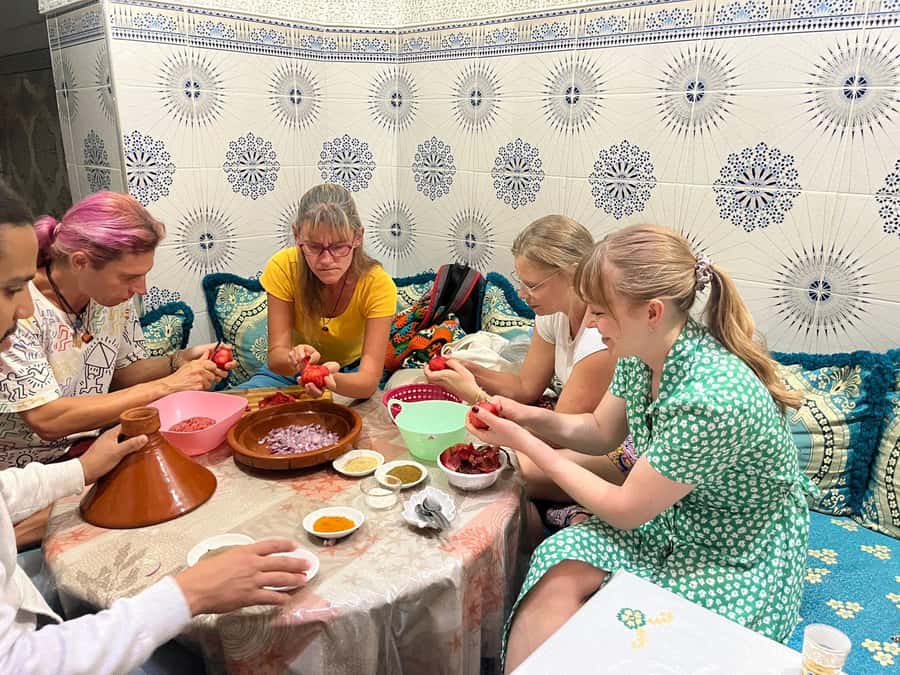
- Traditional home setting: Cook and eat in a Moroccan family home rather than a formal cooking school.
- A full menu: Prepare bread, salads, zaalouk, tagines, and fruit dessert, with the exact dishes able to change.
- Abdo’s friendly teaching: The bilingual guide keeps beginners involved and explains each step in clear, relaxed fashion.
- Small groups when available: Groups can range from intimate sessions to around 12 people, with past classes accommodating larger family groups.
- Excellent value at $24: Three hours of instruction, ingredients, tea, a shared meal, and take-home recipes are included.
- Easy for first-time cooks: You do not need prior kitchen skills, and vegetarian adjustments can be arranged if stated in advance.
A local home instead of a cooking school
This experience begins at the edge of the medina, near Riad Les Etoiles Berberes. The guide waits outside, not inside the riad, about 10 minutes before the start time. Look for the person wearing a green hat, who will check your name before leading you to the cooking location.
That meeting arrangement deserves attention. The class home is close to the riad but not necessarily obvious from the street, and at least one person had trouble finding it. Another specifically advised using Google Maps rather than Apple Maps. I would save the meeting point before leaving your accommodation, allow extra walking time, and wait outside the riad if you arrive early.
The short walk is part of the appeal. You move away from the most visitor-focused lanes and see a more ordinary part of the medina before entering the house. The experience is still centered on food, but the home setting lets you notice how cooking and hospitality fit into Moroccan life.
The house itself is described as welcoming, clean, and comfortable for both small groups and larger families. It is not presented as a luxury culinary studio. That is good news if you want a lived-in, personal atmosphere, but less ideal if you expect professional workstations or a formal chef-school setup.
More Cooking Classes in Marrakech
- Marrakech: Moroccan Cooking Class with Pickup
★ 4.6 · 1,862 reviews - Marrakech: Traditional Moroccan Cooking Class & Market Visit
★ 4.8 · 1,861 reviews - Marrakesh: Moroccan Dishes Cooking Class with a Local Chef
★ 5.0 · 1,615 reviews
What you cook during the three hours
The menu is generous for a three-hour class. You may prepare freshly baked Moroccan bread, chicken tagine with olives and golden fries, meatball tagine with melted cheese, tomato and green pepper salad, zaalouk, and fruit salad. Some sessions include skewers, zucchini, orange with cinnamon, pastries, or two different tagines.
The precise menu can change, which is normal for a home-based class. Ingredients and dietary needs can affect what appears on the table. If you are vegetarian or have allergies, tell the provider as soon as possible. The class has accommodated vegetarians, but early notice gives the host time to plan.
Moroccan bread
Bread is a useful place to begin because it gives you a direct sense of Moroccan kitchen habits. You learn to work with the dough and prepare a staple that belongs beside many Moroccan meals. It is a straightforward task for beginners, yet it adds something that a simple tagine demonstration would miss.
Do not expect a bakery course. The point is to learn a practical household preparation, then eat the bread fresh with the rest of your meal.
Salads and zaalouk
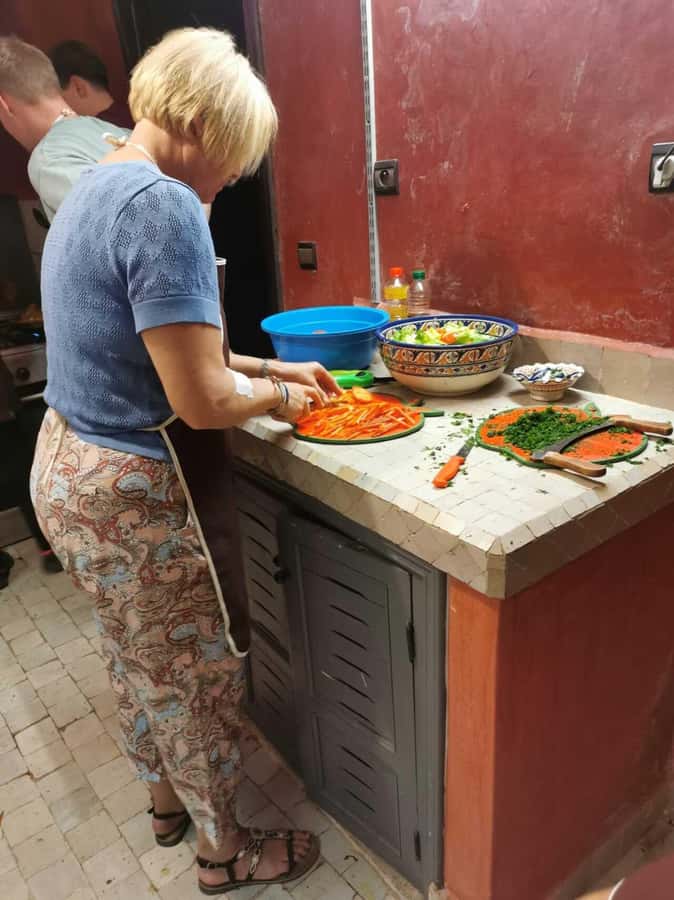
The salads add color, freshness, and balance to the richer dishes. The tomato and green pepper salad is simple enough for a first-time cook to follow, while zaalouk introduces you to Moroccan eggplant cooked with spices and seasoning.
This is one of the class’s strengths. You are not focused on a single dish. You see how a Moroccan meal is built with several small elements, each bringing a different texture and flavor. The work also tends to be shared, so different people can chop, mix, season, and prepare at the same time.
More Marrakech trips worth a second look
- Moroccan Cooking Class & Marrakech Market Visit with Chef Khmisa
★ 5.0 · 1,504 reviews - Half-Day Cooking Class with Local Chef Laila in Marrakech
★ 5.0 · 952 reviews - Marrakech: Moroccan Cooking Class with a Local Family
★ 4.9 · 668 reviews - Marrakech: Moroccan Cooking Workshop at La Maison Arabe
★ 5.0 · 446 reviews
Tagine
The tagine is the main lesson. Depending on the menu, you may prepare chicken with olives and fries, meatballs topped with melted cheese, lamb, or another traditional version. Abdo takes the group through the process step by step, including the Moroccan way of preparing vegetables and meat.
A tagine is not a fast dish. Part of the fun is watching it cook while the group talks, asks questions, and waits for the flavors to develop. You are learning a method as much as a recipe: how ingredients are cut, layered, seasoned, and cooked together.
The meatball tagine is especially useful for families and mixed groups because it is accessible cooking. It does not demand advanced knife work or complicated technique, but it still gives you a finished dish that feels distinctly Moroccan.
Dessert and tea
A fruit salad usually finishes the meal, sometimes with orange and cinnamon or pastries included. It is light after the tagines and easy to recreate at home.
Mint tea is also part of the cultural lesson. You learn about Moroccan tea customs and, in some sessions, practice pouring it in the traditional manner. One group even turned the pouring into a friendly competition. The tea is not an extra tacked onto the end. It helps explain how food, conversation, and hospitality fit together.
Abdo’s teaching style and the group mood
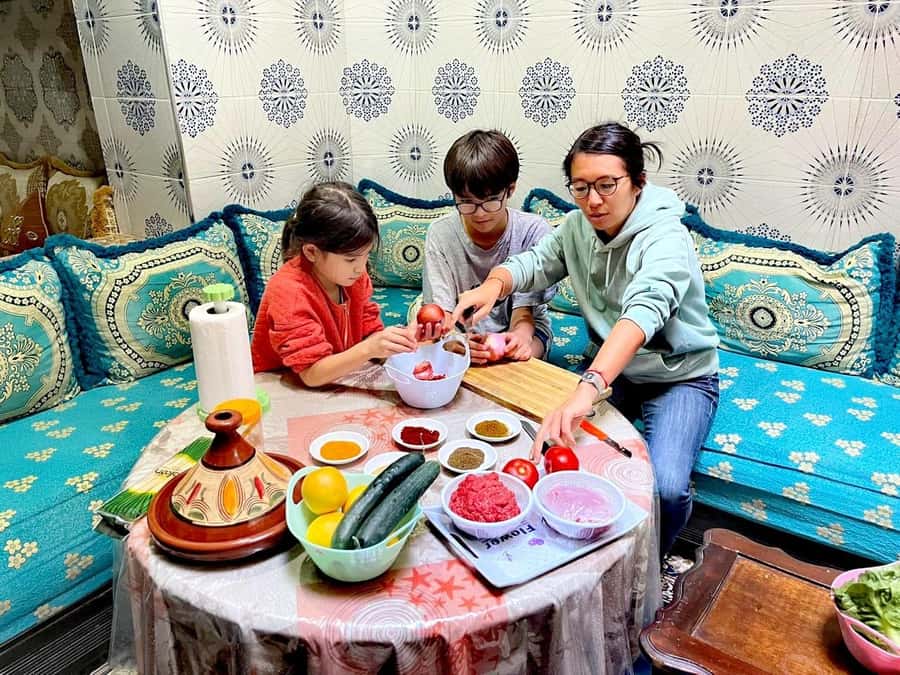
The guide is a major part of the experience. Abdo, Abdul, Abdoo, and Abood are names used by different participants for the host, but the consistent picture is of a warm, funny, patient teacher who keeps the room relaxed.
He explains the cooking in English, Dutch, French, or Arabic, depending on the group. Sessions may include people from several countries, and the mixed-language format can add to the social side of the class. One benefit is that you learn not only about Morocco but also about the people cooking beside you.
I would choose this class for conversation as much as for food. The host talks about Moroccan culture, socializing, tea drinking, family traditions, local lifestyles, spices, and useful tips for seeing Marrakech. You can ask questions while the tagine cooks, rather than waiting for a scripted talk to end.
The humor matters. Cooking with strangers can be stiff at first, especially if you are not confident in the kitchen. Abdo’s easy manner helps people join in. Families with young adults, couples, solo participants, and groups of friends have all been accommodated.
Group size can vary. Some sessions have been very small, with only two participants, while others have included 9, 11, or 12 people. A larger group creates more social energy but gives each person less individual attention. The host appears to divide tasks so everyone can participate, but if you want a quiet, highly personal lesson, a small group is the better outcome.
Eating what you prepare
The final meal is more than a reward. It lets you taste the effect of your own work and understand how the separate preparations belong together. You sit down as a group, share the food, and continue the conversation over tea and dessert.
This shared meal is where the home setting pays off. In a standard cooking school, you might cook beside other participants and then eat in a separate dining area. Here, the format feels closer to being welcomed into someone’s household, although you should still think of it as an organized activity rather than a private family visit.
The food is described as plentiful and strongly flavored. You prepare it yourself, so the meal has a satisfying sense of completion. The host also offers plating tips, which can help you present the dishes more neatly when you repeat them at home.
Recipes are provided to take with you. That makes the class more useful than a one-time lunch. You can buy spices or Moroccan cookware later and try to reproduce the meal, using the techniques you learned rather than relying on memory.
What this class teaches about Marrakech
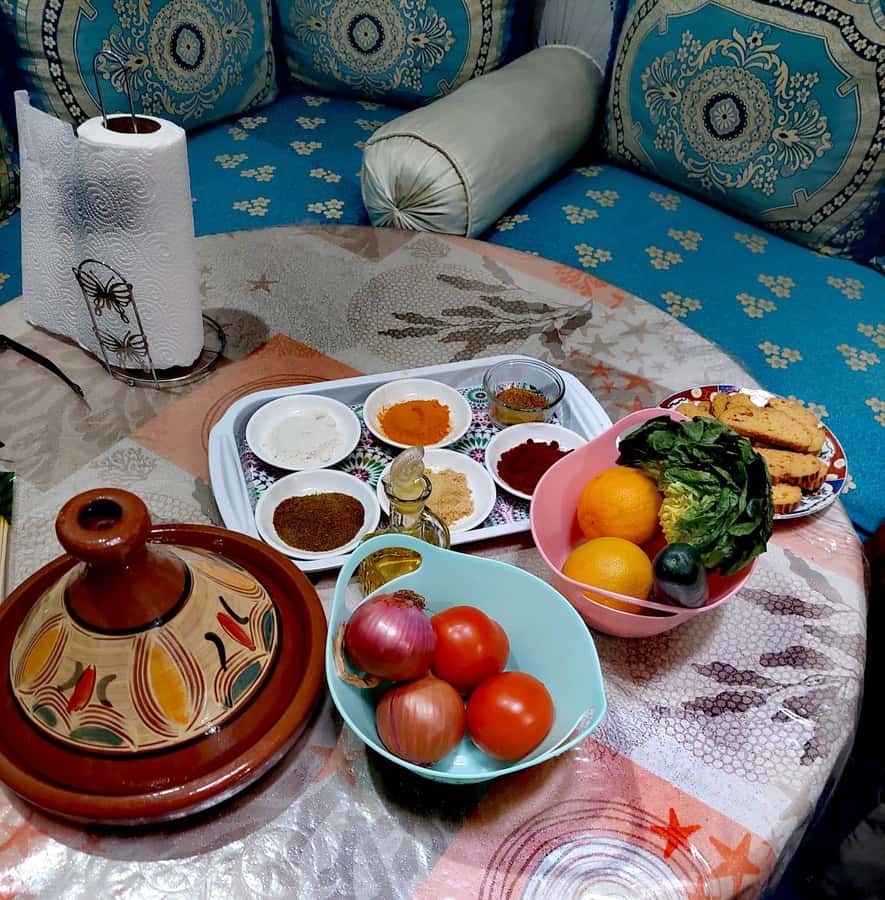
A good food class gives you context that a restaurant cannot. You learn why tea is offered, how meals are shared, and how familiar ingredients are handled in a Moroccan kitchen. You also hear practical advice about buying spices, choosing cooking tools, and experiencing Marrakech beyond the main tourist lanes.
The cultural discussion is informal, not a museum lecture. That suits the setting. Abdo answers questions as they come up, and the stories unfold while you peel vegetables, shape bread, or wait for the tagine.
I especially like this for the first or second day of a Marrakech stay. The cooking class can give you a better sense of local food before you order in the medina, and the shopping tips may help when you visit spice stalls or markets later. It also works well on a rainy afternoon, when three indoor hours provide a welcome break from sightseeing.
For a last day, it has a different value. You finish your visit with a meal and recipes that can carry the memory home. Several people have used the class as the final activity of their trip, which makes sense if you want a calm, social farewell rather than another busy excursion.
Price, timing, and practical value
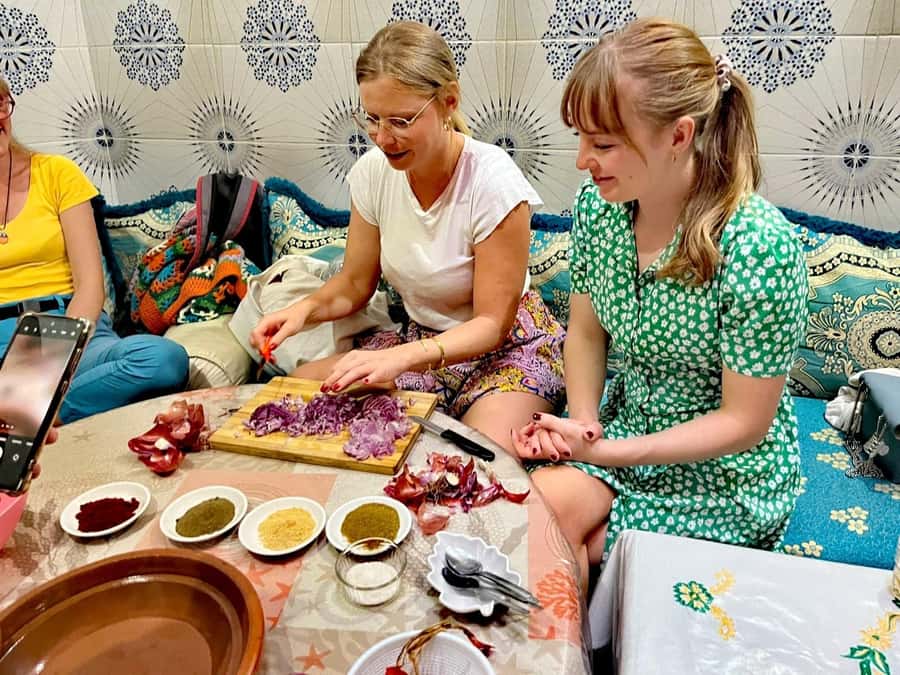
At $24 per person, this is inexpensive for a three-hour activity that includes instruction, fresh ingredients, tea, dessert, the meal, cultural conversation, and recipes. You are not paying only for food. You are paying for the time and guidance needed to turn a group of strangers into a working kitchen team.
The value is strongest if you take part fully. If you prefer to sit back and watch, you may find the class less satisfying than a restaurant meal. The experience is built around chopping, preparing, cooking, tasting, and sharing. Wear comfortable clothes and shoes, and bring a hair tie if you have long hair.
Bring some cash as well. Transportation is not included, so you must make your own way to the meeting point. The activity is listed as wheelchair accessible, but the exact route from your accommodation and the layout of the home are not described, so contact the provider if you need specific access details.
You can reserve now and pay later, and cancellation is free up to 24 hours before the start time. That is useful if your Marrakech plans are still shifting, though you should still confirm the starting time when you book.
Smoking, alcohol, drugs, and disruptive noise are not allowed. Those rules fit the family-home setting and help keep the class comfortable for everyone.
Who will enjoy this cooking class most
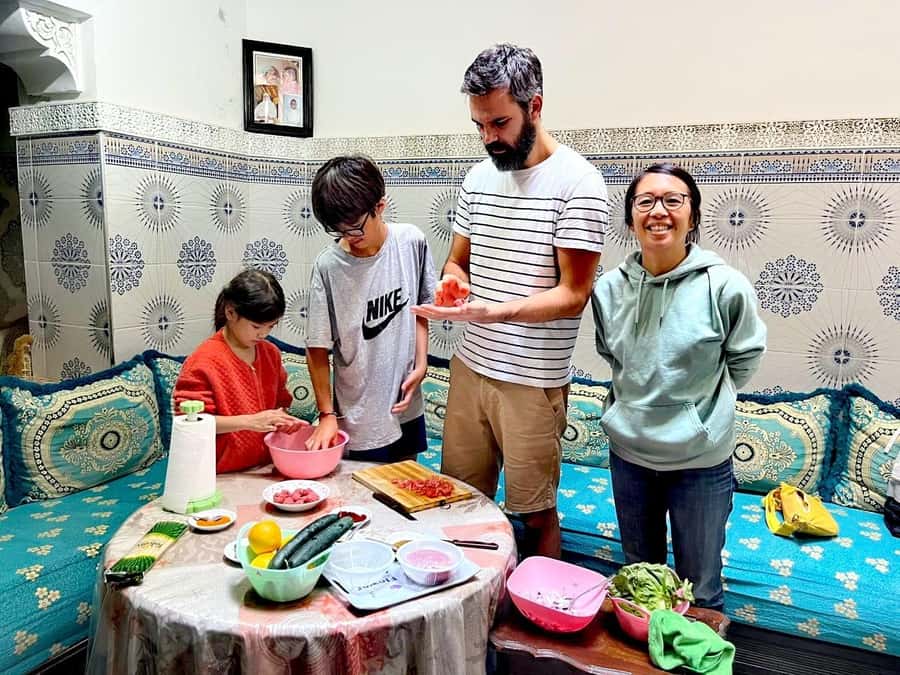
I would recommend it to:
- First-time cooks who want clear, hands-on guidance
- Families looking for an activity that works across age groups
- Couples and solo visitors who enjoy meeting people from other countries
- Vegetarians, provided dietary needs are shared early
- Anyone curious about Moroccan tea, spices, bread, and home cooking
- People who want recipes they can use after returning home
It is less suited to anyone seeking advanced chef training. The class is intentionally basic, practical, and social. You will learn useful methods and traditional dishes, but not restaurant-level culinary theory.
It may also disappoint you if you want a tightly controlled itinerary or a quiet private lesson. The menu changes, the group size changes, and much of the pleasure comes from conversation and shared tasks.
Should you book the Marrakech home cooking class?
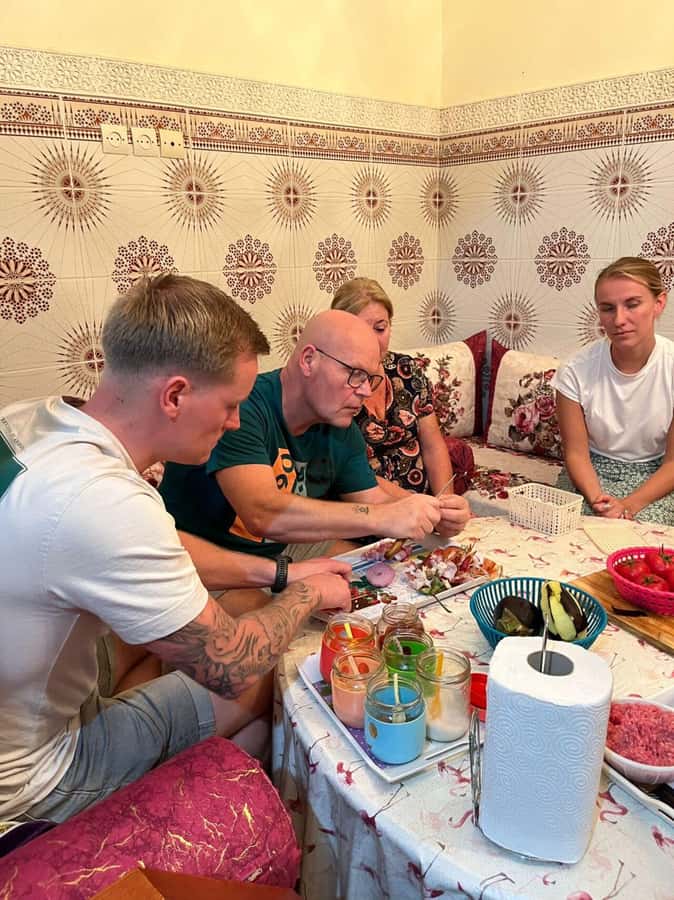
Yes, if you want food, culture, and human contact in one affordable activity. The strongest reasons to book are the traditional home, the full participation, Abdo’s friendly teaching, and the chance to eat a meal you helped make.
Book early in your stay if you want advice about Moroccan food and markets. Choose it for a rainy day, a relaxed afternoon, or the final day of a trip. Tell the host about dietary restrictions in advance, use Google Maps for the meeting point, and arrive a little early.
At $24, this is an unusually good value for Marrakech. It will not teach you every secret of Moroccan cuisine, but it can teach you how a few beloved dishes come together, why tea matters, and how food opens a door into local life.
FAQ
How long does the Marrakech cooking class last?
The class lasts three hours. Starting times vary, so check availability when booking.
Where do I meet the guide?
Meet the guide directly outside Riad Les Etoiles Berberes. The guide waits about 10 minutes before the start time and wears a green hat to make identification easier.
Is transportation included?
No. You must arrange your own transportation to the meeting point.
Which languages does the guide speak?
The live guide is available in English, Dutch, French, and Arabic.
Do I need previous cooking experience?
No. The class suits beginners as well as people who already have cooking experience.
Can the menu be changed for dietary restrictions?
Yes. The menu can be modified for dietary restrictions, but you should inform the provider as soon as possible.
What is included in the $24 price?
The price includes the cooking class, bilingual guidance, fresh ingredients, hands-on preparation, lunch or dinner, fruit salad, cultural storytelling, plating advice, tea, and take-home recipes.
More Workshops in Marrakech
- Marrakech: Pottery Workshop with Moroccan Tea
★ 4.8 · 756 reviews - Marrakesh cooking class with chef Hassan – Local dishes
★ 5.0 · 425 reviews - Marrakech: Tajine Cooking Class in a Traditional Riad
★ 4.8 · 424 reviews - Moroccan Cooking Workshop in Marrakech
★ 5.0 · 407 reviews
Recently reviewed around Marrakech
- 4-Days Marrakech to Marrakech Désert Tour★ 5.0 · 17 reviews
- Camel ride at sunset in Marrakech palm grove★ 5.0 · 17 reviews
- Agafay camel ride★ 5.0 · 20 reviews
- Camel riding in marrakech★ 4.5 · 17 reviews
- Marrakech to Atlas Mountains and 4 Valleys Day Trip★ 5.0 · 17 reviews
- Agafay Desert Adventure, Culture, and Relaxation, From Marrakech★ 5.0 · 25 reviews
- Quad excursion to the Agafay desert near Marrakech★ 5.0 · 44 reviews
- Camel ride and dinner Agafay desert★ 5.0 · 25 reviews
Moroccan Cooking Classes, compared.
Traditional Moroccan Cooking Class & Market Visit
Read our review →
Moroccan Dishes Cooking Class with a Local Chef
Read our review →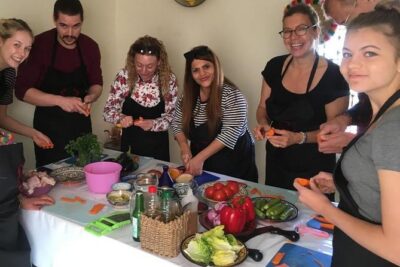
Moroccan Cooking Class & Marrakech Market Visit with Chef Khmisa
Read our review →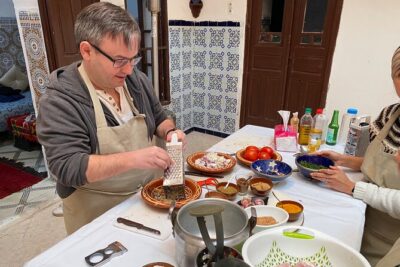
Half-Day Cooking Class with Local Chef Laila in Marrakech
Read our review →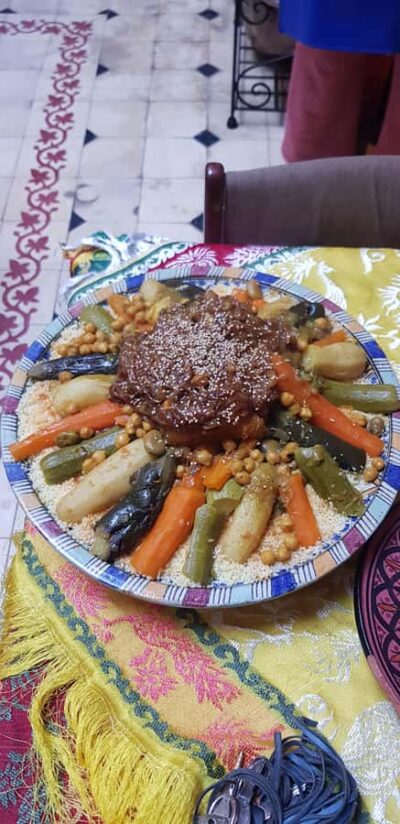
Marrakesh cooking class with chef Hassan – Local dishes
Read our review →Browse the lists this tour appears in