
Reviewed · MOROCCAN COOKING CLASSES
Marrakech: Moroccan Cooking Workshop at La Maison Arabe
The best part of this Marrakech cooking class is that you do not simply watch a chef work. You chop, season, stir, and cook your own Moroccan dish at an individual station, then sit down and eat it. Chef Hayat, Sanaa, Wafa, and the other cooks bring a warm, patient touch, while a translator keeps the instructions clear.
I like the clean, modern workshop and the chance to learn the Moroccan tea ritual rather than just drink a glass of mint tea. I also like the small-group feel, the fresh local ingredients, and the thoughtful small tagine gift given at the end. The main drawback is price: at $35 per person, it costs more than some basic Marrakech cooking classes, and the three-hour option is a larger commitment than the express class.
In This Review
- Key points at a glance
- Starting at La Maison Arabe near the medina
- The one-hour express class: quick, hands-on, and focused
- The three-hour class: a full Moroccan meal
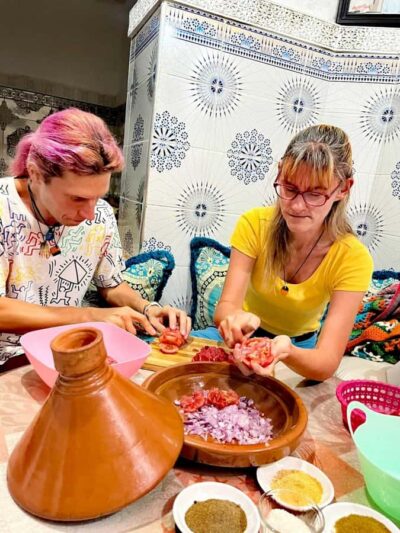
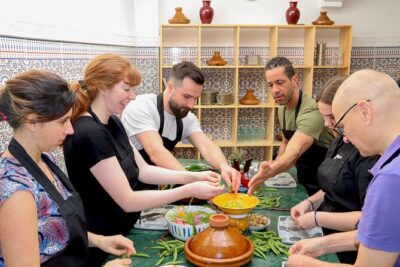
- Your own workstation changes the experience
- What makes the tagine worth learning
- Tea, bread, and the parts you do not chop
- The food and final tasting
- Is $35 good value in Marrakech?
- Who should book this cooking workshop?
- Booking tips for a smoother class
- Should you book it?
- FAQ
- Where does the Marrakech cooking workshop meet?
- How long does the cooking class last?
- What do you cook in the one-hour class?
- What is included in the three-hour class?
- Is food included?
- What languages are offered?
- Do I cook the food myself?
- Is the workshop suitable for children?
- Is the cooking class wheelchair accessible?
- What should I bring?
- Can I cancel the booking?
Key points at a glance
- Cook at your own station: You take part in the chopping and seasoning instead of standing behind a demonstration table.
- Choose your pace: The one-hour class focuses on a traditional dish, while the three-hour session adds starters, dessert, bread, and tea.
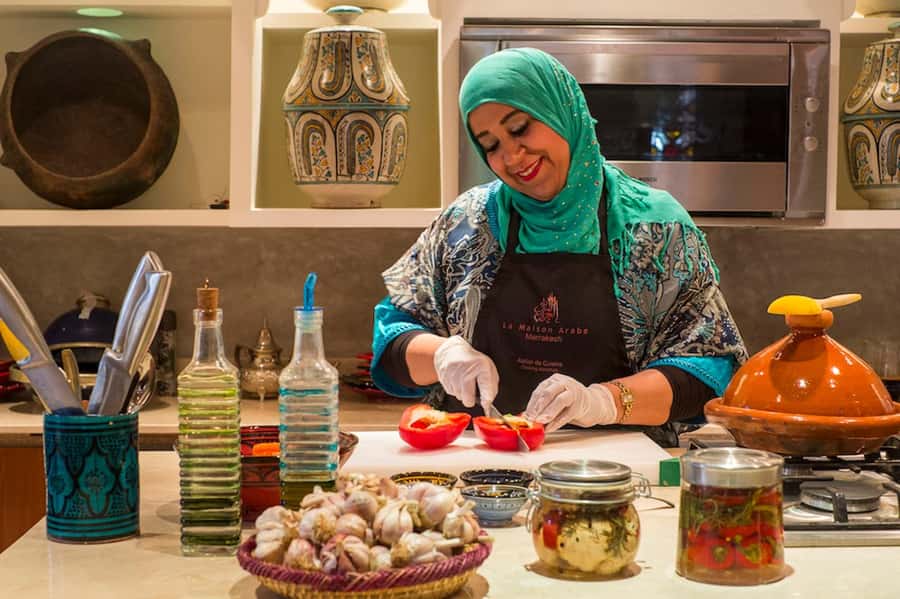
- Learn from a dada: A traditional Moroccan cook leads the practical work, with live translation in Arabic, English, or French.
- Taste more than tagine: The longer class can include salads or other starters, a main course, dessert, handmade bread, and a tea ceremony.
- Stay close to the medina: The meeting point is the front desk of La Maison Arabe, with another setting available in the property’s secret gardens.
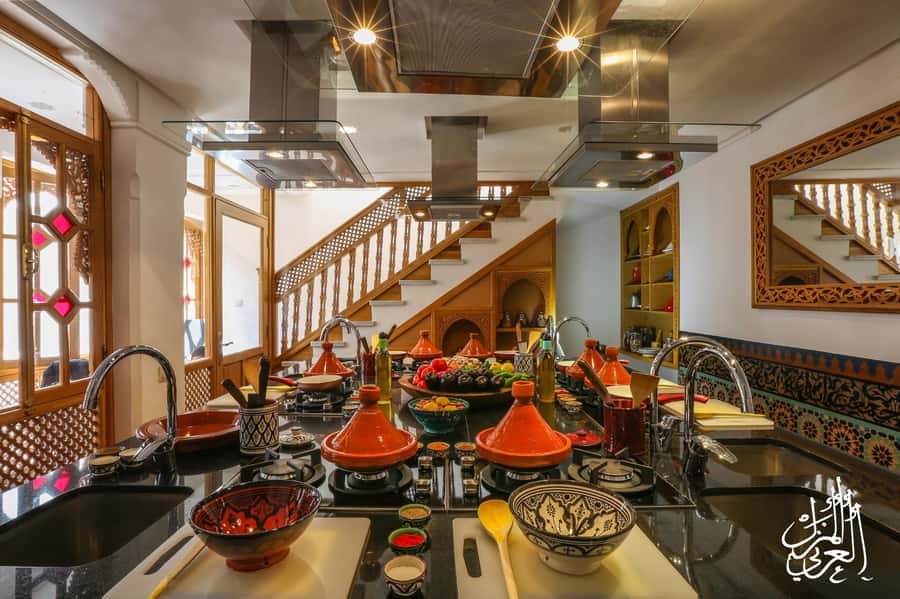
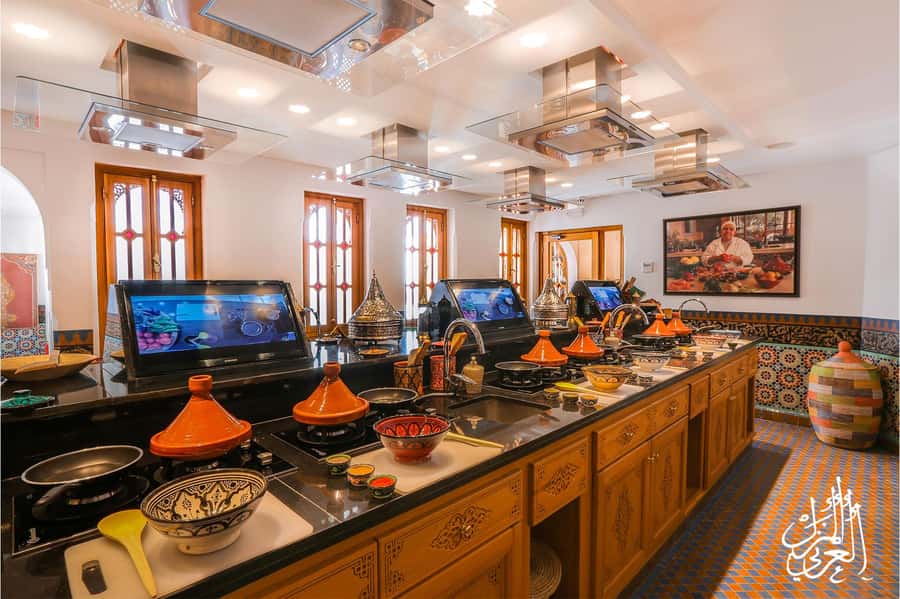
- Expect a polished setup: Clean facilities, screens for following recipes, individual workstations, and modern equipment make this easier for beginners.
Starting at La Maison Arabe near the medina
You meet at the front desk of La Maison Arabe, a practical point near Marrakech’s medina. That matters after a morning of wandering narrow lanes, where a clear hotel meeting point is easier to find than a small kitchen hidden behind several turns.
The cooking school may also use the property’s secret gardens, away from the noise and movement of the medina. The exact setting depends on the session, but both options give you a calmer place to focus on food, conversation, and instruction.
The class is taught in Arabic, English, and French. The cook may speak mainly in one language while a translator explains each step for the rest of the group. This arrangement worked well for mixed-language groups, and the team is used to bringing everyone along.
You should arrive in comfortable clothes and bring water. Drinks are not included, and outside drinks are not allowed in the workshop. Children under 12 and wheelchair users cannot take this activity, so keep those limits in mind before booking.
More Cooking Classes in Marrakech
- Marrakech: Moroccan Cooking Class with Pickup
★ 4.6 · 1,862 reviews - Marrakech: Traditional Moroccan Cooking Class & Market Visit
★ 4.8 · 1,861 reviews - Marrakesh: Moroccan Dishes Cooking Class with a Local Chef
★ 5.0 · 1,615 reviews
The one-hour express class: quick, hands-on, and focused
The express option is built for a short introduction to Moroccan food. You move into the cooking process quickly, with little time spent on a full menu or long cultural presentation.
The main dish is commonly a chicken tagine, though the exact recipe can vary. You work with fresh local ingredients, follow the cook’s instructions, and prepare the meal at your own station. The recipe is designed for ordinary home cooks, so you do not need advanced kitchen skills.
I think this is the right choice if you have only one free hour, or if you are fitting the class between time in the souks and another Marrakech sight. It also suits solo participants who want to try the activity without committing to an afternoon.
The short session does not mean you miss the point. You still get a clear look at how Moroccan flavors come together, and you eat the tagine you prepared. Several classes also include a small tea lesson or a taste of the tea ritual, depending on the session.
The tradeoff is simple: you get less context and fewer dishes. If you want to learn about Moroccan spices, food traditions, starters, dessert, and bread, I would pay for the longer class.
The three-hour class: a full Moroccan meal
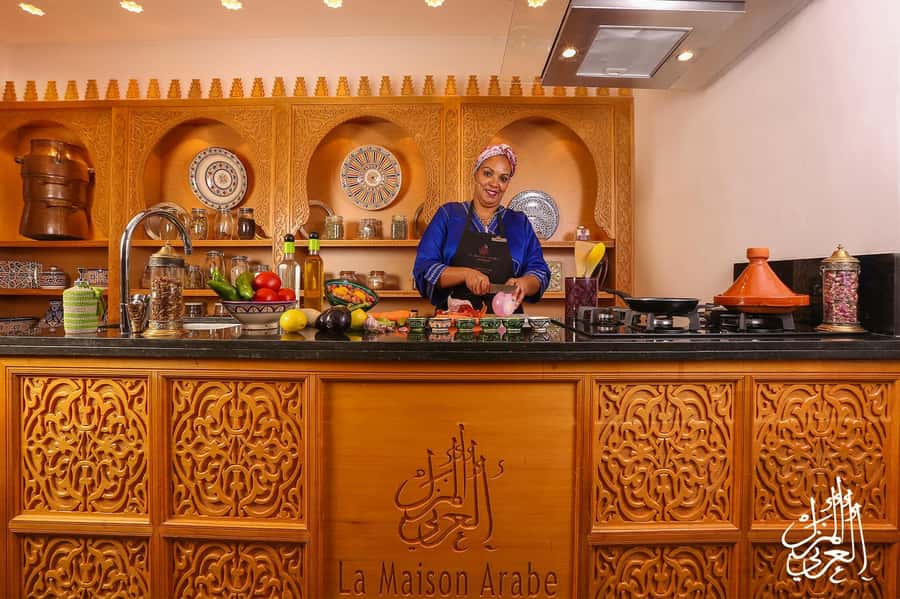
The three-hour session gives the food more room to unfold. Instead of preparing one main dish, you may make two starters and a main course, with tagine or couscous as the centerpiece.
The menu can include salads or other Moroccan appetizers, a tagine or couscous, dessert, handmade flatbread, and tea. You are not cooking continuously for three hours. The time also includes demonstrations, explanations, tasting, and sitting down to enjoy what you made.
That slower pace is useful because Moroccan cooking is not only about a list of ingredients. You learn how spices are used, how the tagine is arranged, and how simple ingredients can produce a layered dish. The class also offers background on Moroccan food and culture without turning into a formal lecture.
A particularly nice detail is the tea ceremony. The staff show you the steps behind Moroccan tea service, including the careful pouring that makes tea a social ritual rather than a quick drink at the end of a meal.
The longer class is the stronger choice for food lovers and anyone who wants recipes to take home. It is also a good group activity for families with older children, couples, friends, or colleagues. A 12-year-old and a 75-year-old were both able to enjoy the setup, although the official rule excludes children under 12.
Your own workstation changes the experience
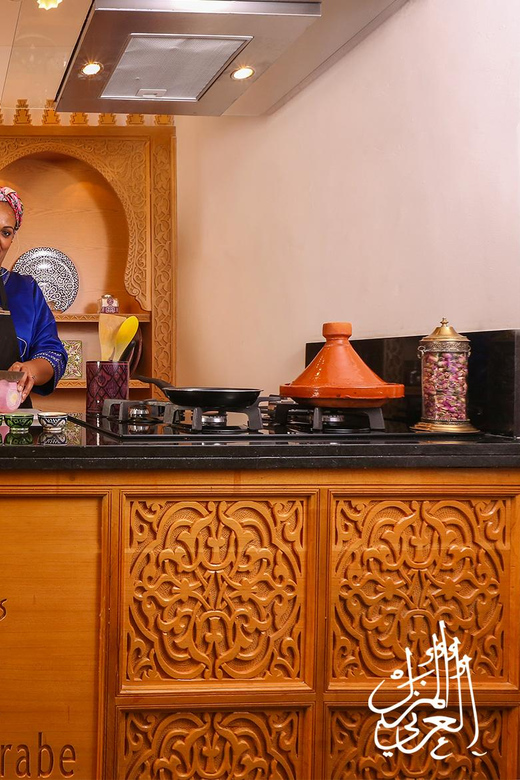
Many cooking classes are really demonstrations with a little participation at the end. Here, the individual workstations make you responsible for your own food from the start.
You chop the ingredients, add the seasonings, and follow the instructions under the cook’s eye. Screens help display the recipe and steps, which is useful when several languages are being used at once. The equipment is modern and well organized, so you can concentrate on the technique instead of searching for a knife or bowl.
The clean kitchen is one of the strongest reasons to consider this class over a cheaper alternative. A tidy workspace makes a real difference when you are handling several ingredients and trying to remember the order of each step.
The cooks also keep the mood relaxed. Hayat, Sanaa, Wafa, Fatiha, Rokaya, and other staff members are singled out by name in the supplied feedback, but the larger point is their approach: clear instructions, patience, humor, and steady help when someone falls behind.
You should still expect a group activity rather than a private lesson. You cook your own portion, then share the final meal and conversation with the people in your session. That social element can be a highlight, though anyone seeking a silent, one-to-one lesson may prefer a private arrangement elsewhere.
More Marrakech trips worth a second look
- Moroccan Cooking Class & Marrakech Market Visit with Chef Khmisa
★ 5.0 · 1,504 reviews - Half-Day Cooking Class with Local Chef Laila in Marrakech
★ 5.0 · 952 reviews - Marrakech: Moroccan Cooking Class with a Local Family
★ 4.9 · 668 reviews - Marrakech: Moroccan Cuisine Cooking Class in Local Home
★ 4.8 · 508 reviews
What makes the tagine worth learning
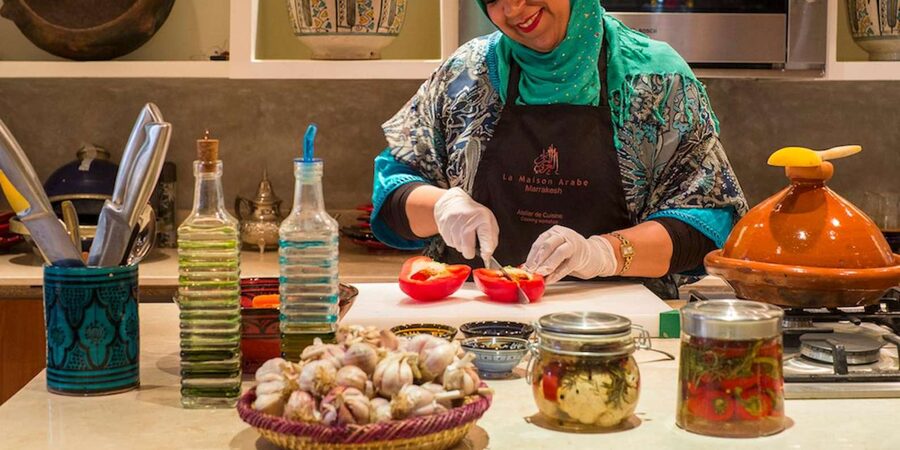
Tagine is one of the most useful Moroccan dishes to learn because the method is approachable at home. The class shows you how to build the dish in a traditional cooking vessel and how the ingredients develop flavor as they cook together.
The chicken tagine prepared in the short classes has been especially popular. It is also a practical dish to recreate after your trip, since the recipe is simple enough for a home cook and the steps are explained in a clear order.
I would pay attention to the seasoning lesson. Moroccan cooking depends on balance, not just heat. The cook can explain how spices, preserved ingredients, vegetables, and herbs work together, giving you a better chance of reproducing the result instead of merely remembering that it tasted good.
The final meal is part of the lesson. You do not pack up the moment the cooking ends. You sit down and eat the tagine or other dishes you prepared, sometimes with bread and dessert included. Some sessions use a hotel restaurant or rooftop setting, which adds a pleasant end to the class.
That meal also gives you time to talk with the group. One participant stayed longer after eating because the conversation had become part of the fun. You should not count on an extra hour every time, but the format allows for a relaxed finish rather than a rushed exit.
Tea, bread, and the parts you do not chop
The flatbread demonstration adds a useful piece of Moroccan food culture. Bread is a daily part of meals, and seeing how it is made helps connect the tagine to the way it is traditionally served.
The tea ceremony is just as important. You learn how tea is prepared and poured, and you get to taste it during the session. This gives you something that a standard restaurant meal cannot: a small lesson in how hospitality works around the table.
These demonstrations also break up the hands-on cooking. If you are using the three-hour format, they keep the class from feeling like three straight hours of chopping vegetables.
Some parts of the longer session are demonstrations rather than tasks you perform yourself. That is normal, but it means the class is not a full three-hour cooking marathon. If you want constant knife work, the pace may feel leisurely. I see that as a benefit for most people, especially after a busy day in Marrakech.
The food and final tasting
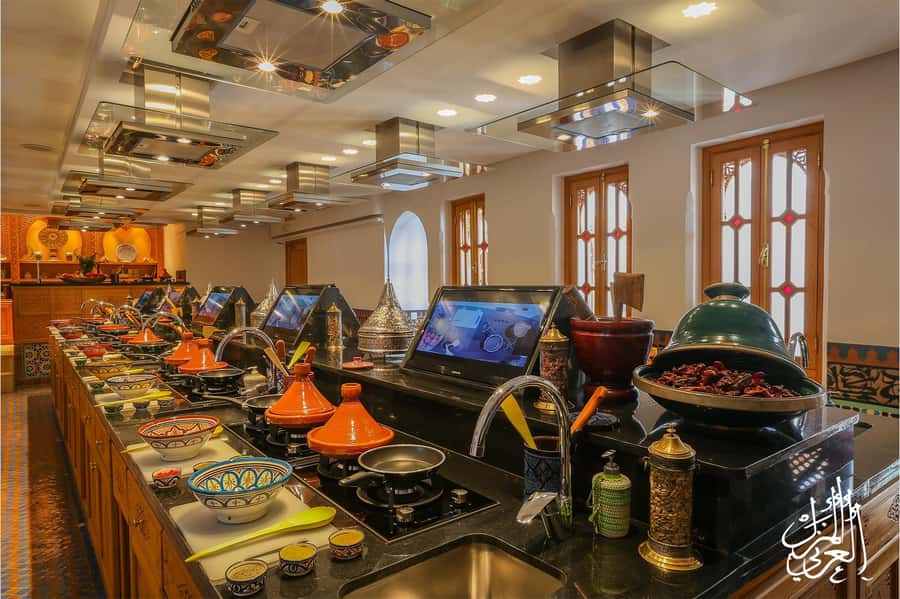
The strongest payoff comes when you eat food made by your own hands. Even a beginner can follow the process, and the finished tagine gives you a clear sense of how the method works.
The meal may include the main dish from your station, along with starters, dessert, bread, and tea in the three-hour format. Drinks beyond the included tea are not included, so plan around that.
Vegetarian cooking can be accommodated, according to the experience details from one mixed group. Still, I would confirm your dietary needs when booking rather than assume every menu is identical.
The class is not designed as a restaurant substitute. You are paying for instruction, ingredients, equipment, staff, and the meal. That helps explain why the price is higher than a simple cooking lesson in a private home or a basic demonstration.
Is $35 good value in Marrakech?
At $35 per person, the one-hour class is a reasonable paid activity if you want a practical taste of Moroccan food and a meal at the end. The three-hour session offers better value if you will use the recipes, enjoy the cultural explanations, and want several courses rather than one tagine.
I would compare the price with what is included, not only with the cost of a cheaper class. Here you get fresh ingredients, an individual workstation, modern equipment, live language support, a tea ceremony, food tasting, and lunch in the longer option.
The polished setting also matters. A less expensive class may offer a more home-style atmosphere, which can be appealing, but La Maison Arabe is a better fit if cleanliness, organization, and easy instructions are high on your list.
The small tagine gift is a charming extra. It is not the reason to book, but it gives you a physical reminder of the lesson and may encourage you to try the recipe at home.
For the best value, I would choose the three-hour session if your schedule allows. For a quick activity between other plans, the express class gives you the central experience without the larger time commitment.
Who should book this cooking workshop?
I recommend this for first-time visitors who want a cultural activity with a clear result. You learn something, eat lunch, and leave with a recipe rather than only a photograph.
It is particularly suited to:
- First-time Moroccan cooks who want simple, repeatable techniques
- Couples and friends looking for a shared activity
- Solo visitors who are comfortable joining a small group
- Food-focused visitors who want more than restaurant tasting
- Older children aged 12 and above, with an accompanying adult
- Colleagues seeking an organized group activity
I would be more cautious if you have limited mobility, since the activity is not suitable for wheelchair users. I would also skip it if your day is already packed and you dislike scheduled group activities.
The one-hour class fits a tight plan. The three-hour option works best when you can let the meal and conversation take their natural pace.
Booking tips for a smoother class
Book the three-hour session in advance if you want the full menu and tea ceremony. Starting times vary, so you need to check availability for your chosen date.
Wear clothes you can cook in comfortably. Bring water for yourself, but remember that drinks are not allowed inside the workshop. The meeting point is the front desk of La Maison Arabe, not a separate transport pickup.
You can cancel up to 24 hours before the activity for a full refund, and the reserve-now, pay-later option keeps your plans flexible. Transportation to and from attractions is not included, so you need to make your own way to the meeting point.
The class offers free cancellation until that 24-hour cutoff. That is useful in Marrakech, where weather, tired feet, and changing medina plans can affect your day.
Should you book it?
Yes, if you want a clean, well-run introduction to Moroccan food and prefer to cook rather than watch. I would choose the three-hour class for the complete experience: several dishes, bread, tea, cultural background, and a proper meal.
Choose the one-hour express version if you mainly want to make and eat a tagine. It is shorter, focused, and a good fit for a busy Marrakech schedule.
The price is not the lowest in town, but the individual stations, clear translation, modern kitchen, patient cooks, and included food make the cost easier to justify. La Maison Arabe is a strong pick for beginners, food lovers, and anyone who wants to bring a little Moroccan cooking home.
FAQ
Where does the Marrakech cooking workshop meet?
The meeting point is the front desk of La Maison Arabe. The cooking session may take place near the riad-hotel or in the property’s secret gardens.
How long does the cooking class last?
You can choose between a one-hour express workshop and a three-hour cooking workshop. Starting times vary, so you need to check availability for your date.
What do you cook in the one-hour class?
The express class focuses on preparing a traditional Moroccan dish, commonly a chicken tagine. You cook the dish and eat it afterward.
What is included in the three-hour class?
The longer session can include starters, tagine or couscous, dessert, handmade flatbread, a Moroccan tea ceremony, and a meal made during the class.
Is food included?
Yes. Food tasting and lunch are included. Drinks are not included, apart from the tea served as part of the experience.
What languages are offered?
The activity is offered in Arabic, English, and French. Live translation helps explain the cook’s instructions.
Do I cook the food myself?
Yes. You work at an individual station and take part in preparing the ingredients and cooking the dish, with guidance from the local cook and translator.
Is the workshop suitable for children?
The activity is not suitable for children under 12. Older children may take part, subject to the stated age restriction.
Is the cooking class wheelchair accessible?
No. The activity is not suitable for wheelchair users.
What should I bring?
Bring water and wear comfortable clothes. Drinks are not allowed inside the workshop.
Can I cancel the booking?
Yes. You can cancel up to 24 hours in advance for a full refund. A reserve-now, pay-later option is also available.
More Workshops in Marrakech
- Marrakech: Pottery Workshop with Moroccan Tea
★ 4.8 · 756 reviews - Marrakesh cooking class with chef Hassan – Local dishes
★ 5.0 · 425 reviews - Marrakech: Tajine Cooking Class in a Traditional Riad
★ 4.8 · 424 reviews - Moroccan Cooking Workshop in Marrakech
★ 5.0 · 407 reviews
Recently reviewed around Marrakech
- 4-Days Marrakech to Marrakech Désert Tour★ 5.0 · 17 reviews
- Camel ride at sunset in Marrakech palm grove★ 5.0 · 17 reviews
- Agafay camel ride★ 5.0 · 20 reviews
- Camel riding in marrakech★ 4.5 · 17 reviews
- Marrakech to Atlas Mountains and 4 Valleys Day Trip★ 5.0 · 17 reviews
- Agafay Desert Adventure, Culture, and Relaxation, From Marrakech★ 5.0 · 25 reviews
- Camel ride and dinner Agafay desert★ 5.0 · 25 reviews
- Dinner Show & camel ride with sunset views★ 5.0 · 192 reviews
Moroccan Cooking Classes, compared.
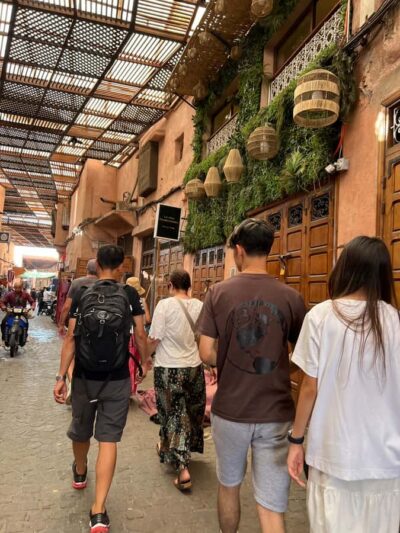
Traditional Moroccan Cooking Class & Market Visit
Read our review →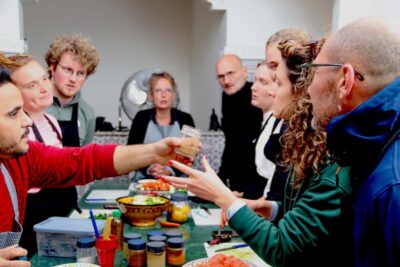
Moroccan Dishes Cooking Class with a Local Chef
Read our review →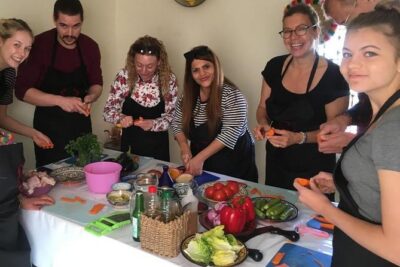
Moroccan Cooking Class & Marrakech Market Visit with Chef Khmisa
Read our review →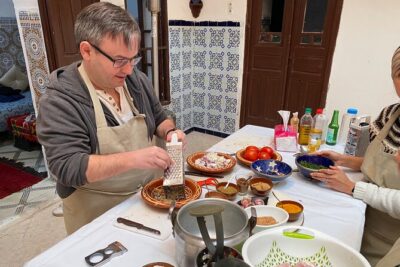
Half-Day Cooking Class with Local Chef Laila in Marrakech
Read our review →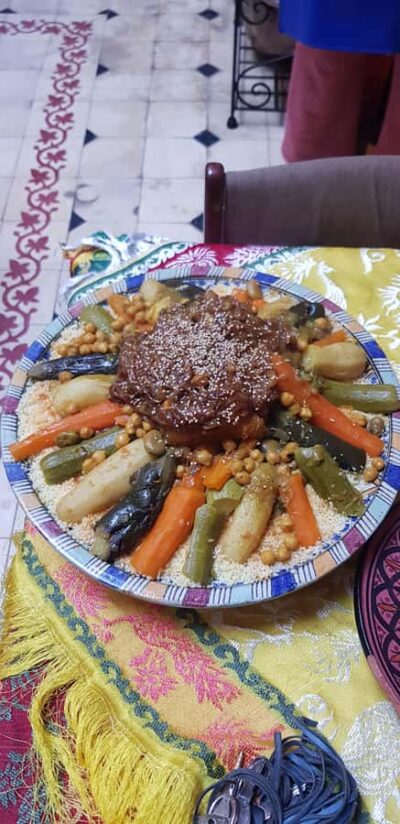
Marrakesh cooking class with chef Hassan – Local dishes
Read our review →Browse the lists this tour appears in