
Reviewed · MOROCCAN COOKING CLASSES
Marrakech: Moroccan Cooking Class with Amazing Local Chef!
The best part of this Marrakech cooking class is that you do not simply watch a chef assemble a tagine. You chop, season, shape bread, and sit down to eat what you made. I like the warm tea ceremony at the start and the chance to learn family cooking traditions from local chefs such as Chafik and Fatima. The class also works well for families and mixed-age groups.
I also like the useful recipe cards, the small-group feel, and the fact that the session includes a full meal rather than a token tasting. The main consideration is the dessert: it may be a blended beetroot and citrus juice rather than a more elaborate sweet, so ask ahead if dessert is a major reason for booking.
In This Review
- Key points at a glance
- Tea, pastries, and the first taste of Morocco
- Preparing two Moroccan salads
- Building a tagine from the base up
- Making msemen, the flaky Moroccan bread
- Sitting down to eat the four-course meal
- Stories about Berber kitchens and family life
- Location, transport, and the small practical details
- What $45 buys you in Marrakech
- Who will enjoy this class most
- Booking advice and the cancellation safety net
- Should you book this Marrakech cooking class?
- FAQ
- How long does the Marrakech cooking class last?
- What dishes will I prepare?
- Is the class taught in English?
- Where is the meeting point?
- Should I arrive early?
- Are vegetarian options available?
- Can I cancel or pay later?
Key points at a glance
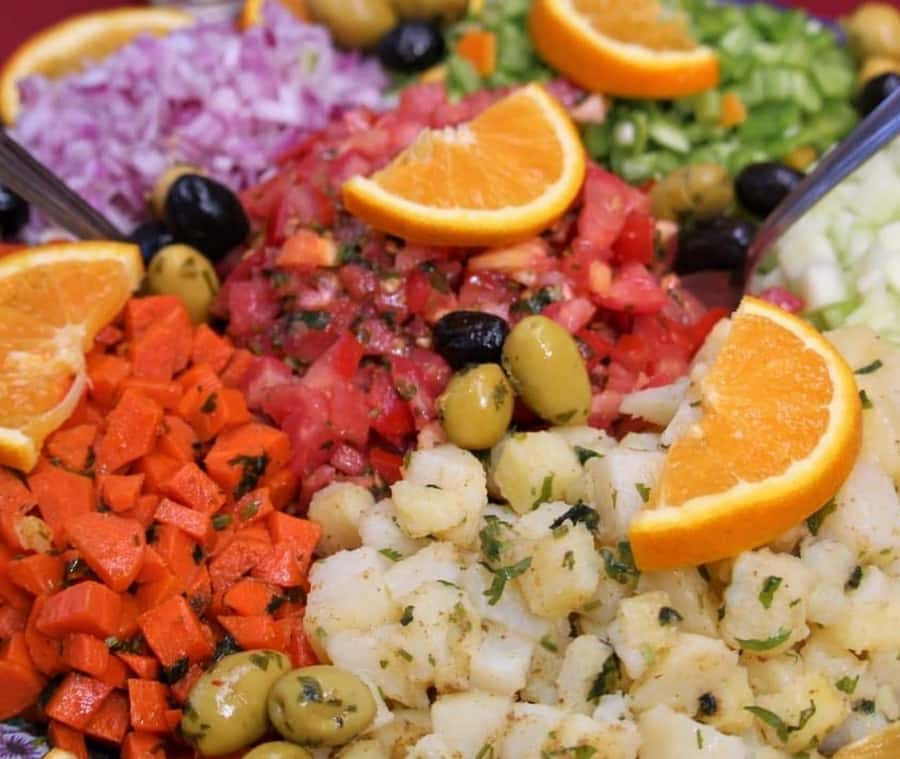
- Four dishes, not just a demonstration: Prepare two Moroccan salads, a tagine, msemen flatbread, and a dessert or sweet finish.
- Tea begins the welcome: Arrive 15 minutes early for mint tea, pastries, and an introduction before the cooking starts.
- Local instruction: Chafik, Fatima, Mehdi, Chaima, and other team members have led sessions in English, French, and Arabic.
- A useful Marrakech address: Use Google Maps and search for ArtEscape Marrakech, then look for door number 312. The building may not have an outside sign.
- Good value at $45: The price covers four hours, ingredients, utensils, tea, the meal, and recipe cards to use at home.
- Flexible booking: You can cancel up to 24 hours before the class for a full refund, and reserve now while paying later.
Tea, pastries, and the first taste of Morocco

The class starts with a proper Moroccan welcome. Aim to arrive 15 minutes before the stated 10:30 a.m. start so you have time for the tea ceremony and introduction. The morning session runs until 2:30 p.m., making this a substantial half-day activity.
Mint tea is more than a drink here. It is part of Moroccan hospitality, and beginning with tea and pastries gives the class a social rhythm before anyone reaches for a knife. You will meet the chef and the other people in your group, hear what is on the menu, and settle into the setting.
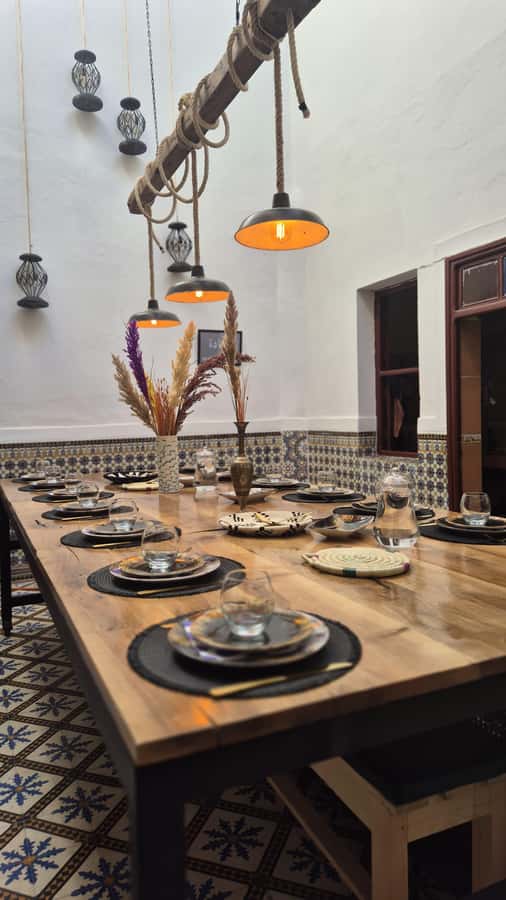
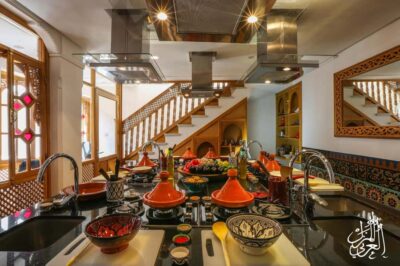
The class takes place in a traditional riad in Marrakech or at a farmhouse, depending on the session. The exact setting matters because this is meant to feel like a shared meal in a Moroccan home, not a rushed lesson in a commercial kitchen. The facilities have been described as clean, and the decorated surroundings add to the occasion without taking attention away from the food.
The language support is a real advantage. Instruction is available in English, French, and Arabic, and the team makes an effort to include everyone. If you are cooking with children or teenagers, clear demonstrations and shared tasks make the session easier to follow than a class built around long explanations.
More Cooking Classes in Marrakech
- Marrakech: Moroccan Cooking Class with Pickup
★ 4.6 · 1,862 reviews - Marrakech: Traditional Moroccan Cooking Class & Market Visit
★ 4.8 · 1,861 reviews - Marrakesh: Moroccan Dishes Cooking Class with a Local Chef
★ 5.0 · 1,615 reviews
Preparing two Moroccan salads
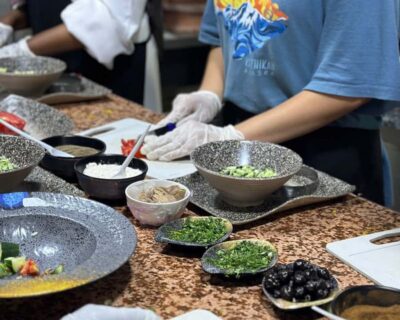
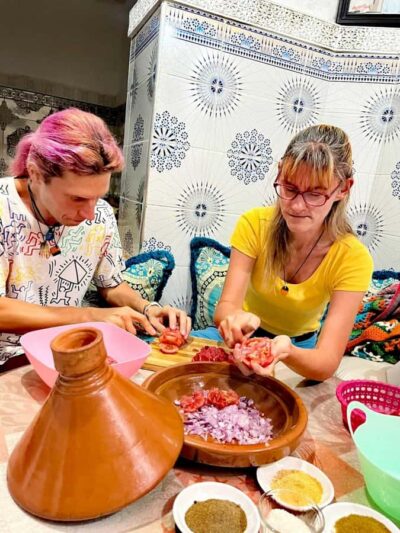
Your first practical work is likely to involve vegetables and salad preparation. The menu includes two Moroccan salads, which gives you a useful introduction to the contrast between fresh, bright side dishes and the slower, more heavily seasoned tagine.
Do not expect a salad course to mean a bowl of plain greens. Moroccan salads can bring together cooked vegetables, herbs, citrus, spices, and contrasting textures. The class is designed to explain how seasoning is balanced, rather than asking you to follow a recipe without context.
This is where the cultural side of the class begins to show. You learn how Moroccan food uses spice for aroma and depth, not simply heat. The chef also shares stories about food traditions, Berber techniques, and the way North African and Mediterranean influences meet in Moroccan cooking.
The recipes are hands-on, but the teaching remains approachable. You will have opportunities to ask questions, and the instructions are given step by step. That is especially useful if you are not a confident cook. You are not expected to arrive with specialist skills.
Building a tagine from the base up
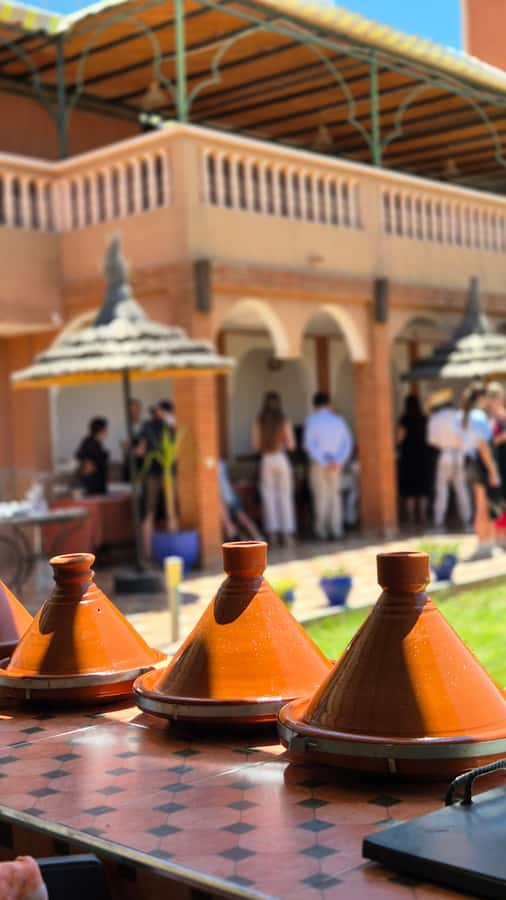
The tagine is the centre of the meal. You can choose between meat and vegetable options, with chicken and vegetable tagines appearing often in the class. You help prepare the ingredients, arrange them in the clay pots, and learn how the dish develops as it cooks slowly.
The value here is in seeing the process. A restaurant tagine arrives at your table looking simple, but the class shows how much depends on the order of ingredients, the spice blend, the moisture, and the long cooking time. The chef explains the method as you work, giving you information you can repeat in your own kitchen.
The tagine also gives the class a welcome pause. While it cooks, you move on to the bread, then return to the main dish later. That prevents the four-hour session from feeling like one long period of chopping.
Vegetarians should mention their needs during booking. Vegetarian options are available, and the organisers ask you to provide allergies, dietary restrictions, or other requests in advance. Do not wait until you sit down to eat. Moroccan food often includes nuts, dairy, wheat, and other ingredients that may matter to you.
Making msemen, the flaky Moroccan bread
The bread may be the most rewarding skill to take home. Msemen is a Moroccan flatbread with a folded, flaky texture. The dough is stretched, folded, and cooked, and the chef shows you how to handle it without making the process seem intimidating.
This part is active and social. Everyone gets involved, and you can compare your results with the rest of the group. The bread is served with accompaniments such as honey, nut butter, and sunflower oil, giving you a snack while the tagines continue to cook.
I like this part because it gives you a technique rather than only a finished dish. A tagine can require a particular pot and a long cooking time, but msemen offers something you can try at home with more ordinary equipment. The recipe cards help you remember the method after the holiday.
The bread also suits families. Teenagers can take part in shaping and cooking it, and younger children can watch or help with simple preparation tasks, provided an adult remains responsible for them around hot surfaces and utensils.
More Marrakech trips worth a second look
- Moroccan Cooking Class & Marrakech Market Visit with Chef Khmisa
★ 5.0 · 1,504 reviews - Half-Day Cooking Class with Local Chef Laila in Marrakech
★ 5.0 · 952 reviews - Marrakech: Moroccan Cooking Class with a Local Family
★ 4.9 · 668 reviews - Marrakech: Moroccan Cuisine Cooking Class in Local Home
★ 4.8 · 508 reviews
Sitting down to eat the four-course meal
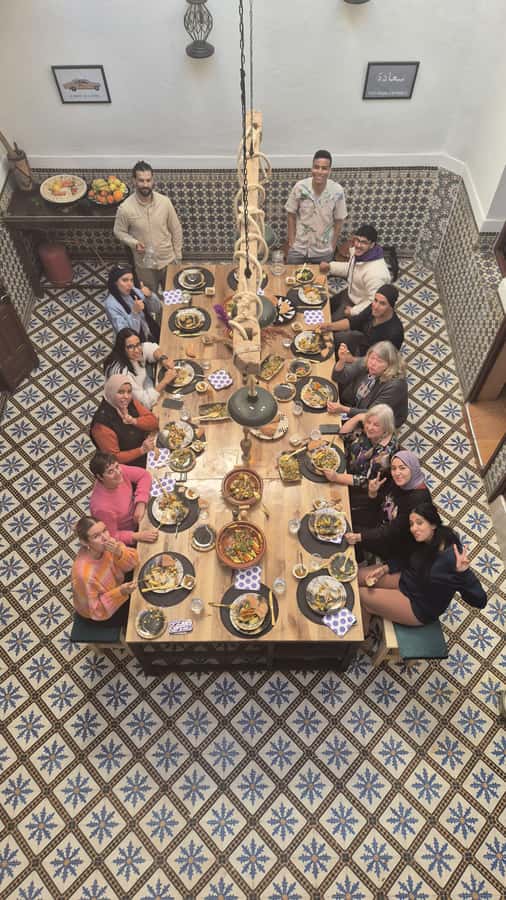
Once the cooking is finished, the group sits down together. The meal includes the two salads, the tagine, msemen, and a dessert or sweet final course, along with Moroccan mint tea.
This shared table is an important part of the activity. You are not handed a plate and sent on your way. The chefs and participants eat together, talk, and enjoy the results of the work. Several of the class accounts describe the atmosphere as relaxed and friendly, with people from different countries cooperating like a temporary cooking group.
The food is the strongest reason to book. The tagines are slow-cooked and aromatic, the salads provide a fresh contrast, and the bread is served warm. If this is your first time trying Moroccan cuisine, you get a broad sample of the country’s cooking in one sitting.
The dessert deserves a small qualification. The menu promises a sweet treat, but the exact finish can vary. One session included a blended drink made with beetroot, oranges, lemon, and mint. It was refreshing, though less elaborate than a pastry or cooked dessert. If you have your heart set on a classic Moroccan sweet, confirm the current menu before booking.
Stories about Berber kitchens and family life
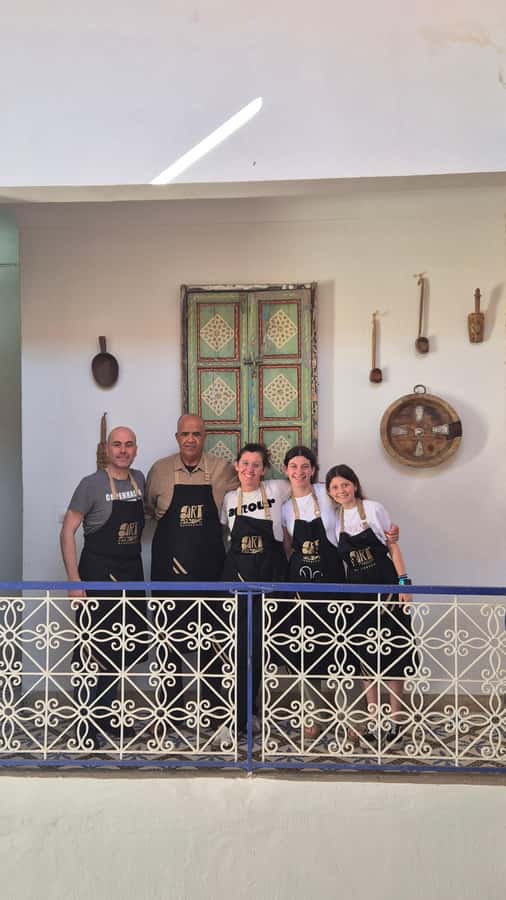
The class is not only about reproducing dishes. The chef explains how recipes are passed through families and how older Berber cooking methods continue to shape Moroccan food.
Those stories give context to the ingredients in front of you. Spices are not presented as a mysterious checklist. You learn how they contribute to the smell, colour, and balance of a dish. You also hear about Moroccan family life and the role of cooking and eating together.
The individual chef matters here. Chafik has been praised for clear explanations, humour, and a calm way of guiding beginners. Fatima has helped demonstrate msemen and shared the cultural meaning behind the food. Other sessions have included Mehdi, Chaima, Laila Fatima, and other members of the team.
You may not have one particular chef on the day, so do not book expecting a guaranteed individual instructor unless the operator confirms it. What is consistent in the description is multilingual support and a strong focus on participation.
Location, transport, and the small practical details
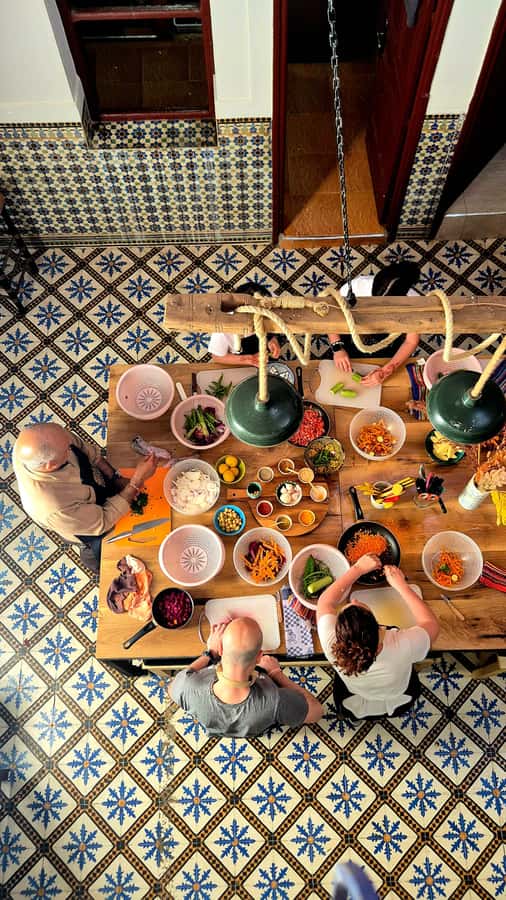
Use Google Maps and type in ArtEscape Marrakech for the exact pin. The door number is 312. One useful warning: the building may not currently have a visible sign, so do not assume you are lost if the exterior looks quiet. Ring the bell.
Uber or InDrive are suggested as easier ways to reach the location than a standard taxi. Pick-up and drop-off assistance has also been arranged for some bookings, but you should provide accurate contact details and confirm the meeting instructions rather than assume a transfer is included.
The written meeting information asks you to arrive 15 minutes early. That is worth doing. It protects you from a last-minute navigation problem and lets you enjoy the welcome tea without cutting into the cooking time.
Wear comfortable shoes. You will be standing, preparing food, and moving around the kitchen. Bring a camera if you want photographs of the setting or your finished meal, but keep it out of the way during food preparation.
The activity is wheelchair accessible. Babies under one year are not suitable for the class, and pets, alcohol, and drugs are not allowed.
What $45 buys you in Marrakech
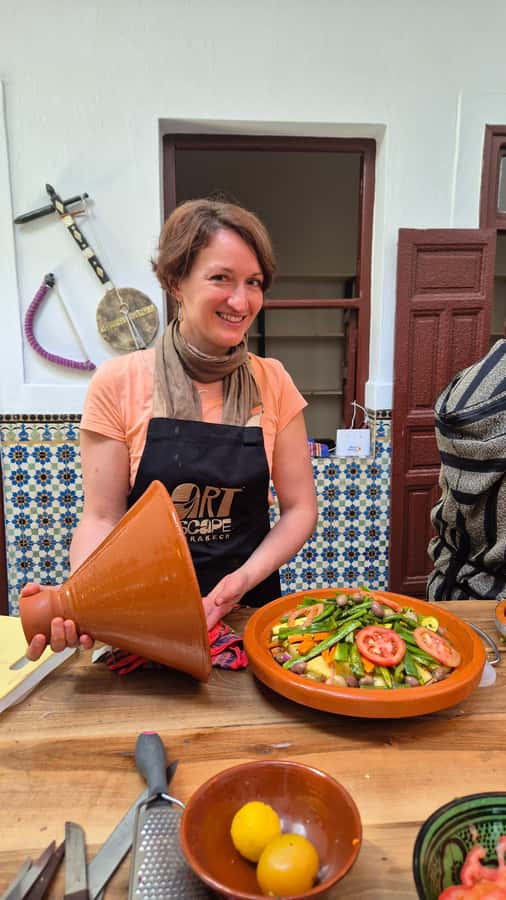
At $45 per person, this is a fair price for a four-hour food activity that includes both instruction and lunch. You receive fresh seasonal ingredients, cooking utensils, the tea ceremony, the prepared meal, cultural explanations, and recipe cards.
To judge the value, compare it with an ordinary restaurant meal. A restaurant gives you the finished tagine, but not the method, the bread lesson, the food stories, or the chance to ask how the seasoning works. Here, the meal is only part of what you are buying.
The price also covers a useful block of time. A short demonstration can be entertaining but easy to forget. Four hours gives you enough time to prepare several dishes, wait for the tagine to cook, and eat without being rushed.
There are limits. This is a shared class, so you will not receive private one-to-one attention at every moment unless the group happens to be very small. One session had only a single booking party, which allowed extra focus, but group size can vary.
Transport needs careful checking too. Some people have received pick-up and drop-off help, while one account noted that transportation could have been smoother. Treat transfers as something to confirm, not an automatic part of the $45 price.
Who will enjoy this class most
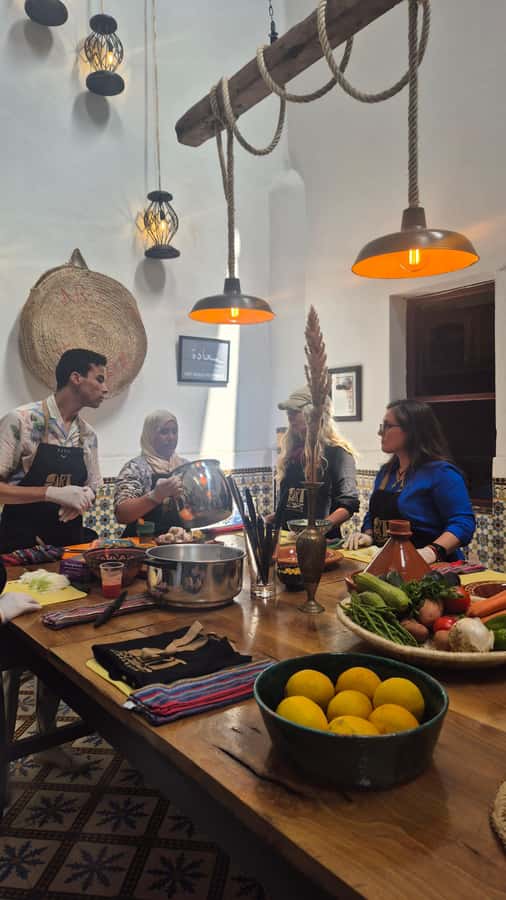
This is a strong choice if you want to understand Moroccan food instead of simply ordering it. Beginners are welcome, and the instructions are designed to be clear rather than technical.
Families can make good use of the format. Teenagers, in particular, can take part in chopping, shaping bread, and assembling tagines. The class also suits couples, solo visitors who enjoy meeting people, and anyone who likes food-based cultural activities.
Vegetarians have a reasonable option because vegetable tagine is available. Still, give the operator full details about allergies and restrictions before the day.
You should be comfortable with a social activity. The meal is shared, the work is cooperative, and the experience depends partly on the mood of the group. If you want a private chef lesson with a tightly controlled menu, this may feel too communal.
It is also not the best fit for someone who dislikes hands-on work. You will not spend four hours sitting back while someone else cooks. The reward comes from helping prepare the food.
Booking advice and the cancellation safety net
The activity offers free cancellation up to 24 hours before the start time for a full refund. You can also reserve now and pay later, which is useful when your Marrakech plans are still changing.
Give accurate contact details when booking. This matters for confirming the meeting point and any pick-up arrangements. Tell the operator about dietary needs at that stage, not after the class has begun.
Check the current menu if you care about the dessert or have a particular tagine in mind. The core format is clear, but the final sweet course can vary, and meat options may depend on the session.
Should you book this Marrakech cooking class?
I would book it if you want a practical introduction to Moroccan cooking with a proper meal at the end. The strongest features are the clear multilingual guidance, the friendly team, the msemen lesson, and the chance to hear about family and Berber food traditions while you cook.
The class is also good value for $45, especially if you count the four-hour schedule, ingredients, tea, meal, and recipes. Just confirm transport, arrive early at door 312, and ask about the dessert if that matters to you.
Skip it only if you prefer a private experience, dislike group cooking, or want a more elaborate pastry-focused menu. For most families, first-time visitors, and curious home cooks, this is one of the more useful ways to spend a morning in Marrakech.
FAQ
How long does the Marrakech cooking class last?
The class lasts four hours. The morning session runs from 10:30 a.m. to 2:30 p.m.
What dishes will I prepare?
The class includes two Moroccan salads, a tagine of your choice, Moroccan msemen bread, and a dessert or sweet final course.
Is the class taught in English?
Yes. The activity is conducted in English, French, and Arabic.
Where is the meeting point?
Use Google Maps and search for ArtEscape Marrakech to find the exact location. The door number is 312. The building may not have an outside sign, so you should ring the bell.
Should I arrive early?
Yes. You should aim to arrive 15 minutes before the start time for the introduction and welcome tea ceremony.
Are vegetarian options available?
Yes. Vegetarian options are available. You should provide details of allergies, dietary restrictions, or other food requests during booking.
Can I cancel or pay later?
You can cancel up to 24 hours before the activity for a full refund. Reserve now and pay later is also available.
More Workshops in Marrakech
- Marrakech: Pottery Workshop with Moroccan Tea
★ 4.8 · 756 reviews - Marrakech: Moroccan Cooking Workshop at La Maison Arabe
★ 5.0 · 446 reviews - Marrakesh cooking class with chef Hassan – Local dishes
★ 5.0 · 425 reviews - Marrakech: Tajine Cooking Class in a Traditional Riad
★ 4.8 · 424 reviews
Recently reviewed around Marrakech
- 4-Days Marrakech to Marrakech Désert Tour★ 5.0 · 17 reviews
- Camel riding in marrakech★ 4.5 · 17 reviews
- Camel ride at sunset in Marrakech palm grove★ 5.0 · 17 reviews
- Agafay camel ride★ 5.0 · 20 reviews
- Marrakech to Atlas Mountains and 4 Valleys Day Trip★ 5.0 · 17 reviews
- Agafay Desert Adventure, Culture, and Relaxation, From Marrakech★ 5.0 · 25 reviews
- Quad excursion to the Agafay desert near Marrakech★ 5.0 · 44 reviews
- Camel ride and dinner Agafay desert★ 5.0 · 25 reviews
Moroccan Cooking Classes, compared.
Traditional Moroccan Cooking Class & Market Visit
Read our review →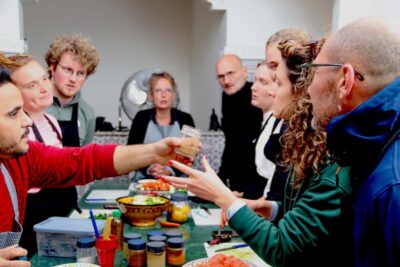
Moroccan Dishes Cooking Class with a Local Chef
Read our review →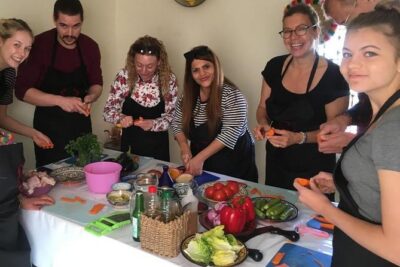
Moroccan Cooking Class & Marrakech Market Visit with Chef Khmisa
Read our review →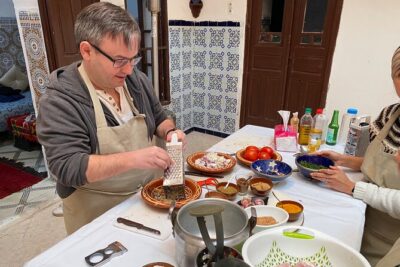
Half-Day Cooking Class with Local Chef Laila in Marrakech
Read our review →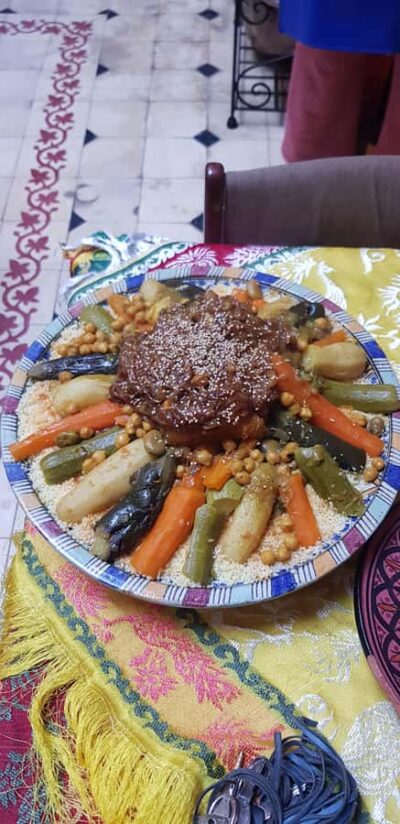
Browse the lists this tour appears in