
Reviewed · WORKSHOPS
Essaouira: Moroccan pastry workshop
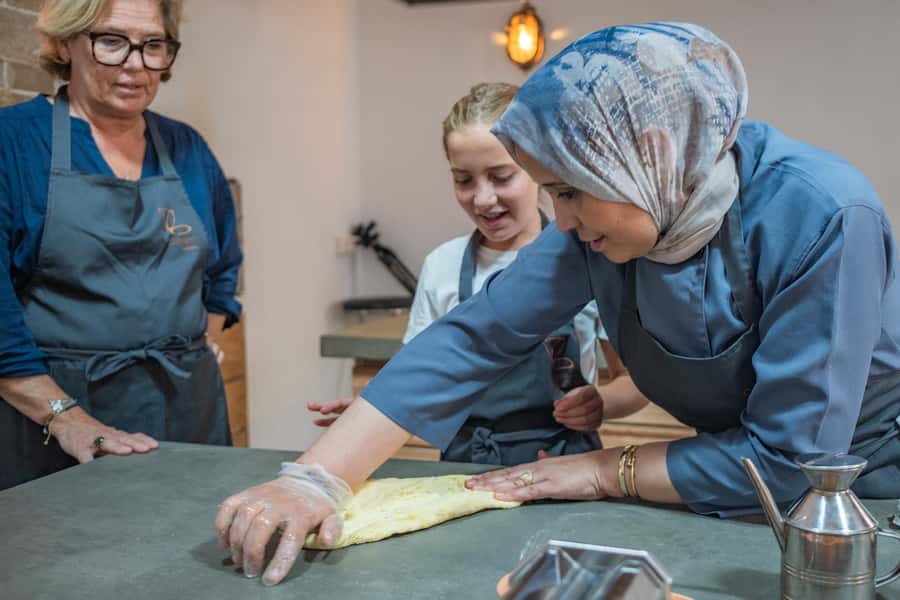
Moroccan pastry making is a patient business, and this small-group class in Essaouira lets you work with the dough, fillings, dried fruit, and sesame instead of simply watching a demonstration. You’ll prepare gazelle horns and fruit-and-sesame cakes, then sit down for the mint tea ceremony and taste what you made.
I like the use of fresh local ingredients, and I like that you leave with a box of pastries rather than only a few bites at the table. The class also works well for international visitors because instruction is offered in Arabic, French, and English.
The main consideration is timing. The class begins at 3:30 p.m., so it takes up much of the late afternoon, and hotel pickup is not included. Children under eight cannot join.
In This Review
- Key points at a glance
- What the Essaouira pastry class is really about
- Making gazelle horns by hand
- Preparing fruit and sesame cakes
- The mint tea ceremony at 3:30 p.m.
- The take-home pastry box is a real advantage
- Friendly instruction in three languages
- Why the nine-person limit helps
- Price and what your 300 dirhams buys
- Who should book this experience
- How the experience feels in practice
- Useful things to know before you go
- Should you book the Essaouira pastry workshop?
- FAQ
- How long does the Moroccan pastry workshop last?
- What time does the class begin?
- Which pastries will I make?
- Is the mint tea ceremony included?
- Do I receive pastries to take home?
- What languages are available?
- Can children join the workshop?
Key points at a glance
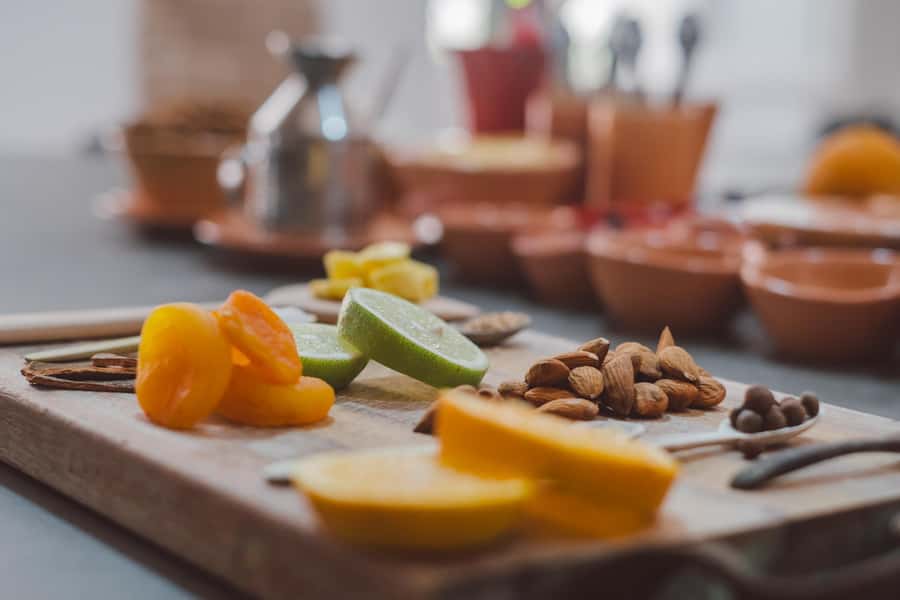
- Two classic Moroccan pastries: Make gazelle horns and cakes with dried fruit and sesame seeds.
- A proper tea ceremony: Learn how Moroccan mint tea is prepared and share it while tasting your pastries.
- Small class size: The group is limited to nine people, giving you a better chance to ask questions and get help.
- Take-home box included: Your finished cakes are packed for continued tasting after the class.
- Three teaching languages: The class is offered in Arabic, French, and English.
- Good value at 300 dirhams: The fee includes the class, tea tasting, pastries, and take-home box, but not hotel transport or extra café purchases.
What the Essaouira pastry class is really about
This is not a long cooking course or a full Moroccan meal. It is a focused afternoon workshop built around two sweets and one important social custom: mint tea.
That focus is useful. Instead of rushing through several recipes, you spend enough time with the basic methods to understand how the pastries come together. The class lasts about 1 hour and 45 minutes, while the activity is sold as a two-hour experience, so you should allow roughly two hours in your schedule.
The class is held at l’Atelier Essaouira and begins at 3:30 p.m. The setting has been praised for being attractive, and the teaching style is friendly and patient. You will work with a professional team, including a chef and an activity host who demonstrate the process and guide you through it.
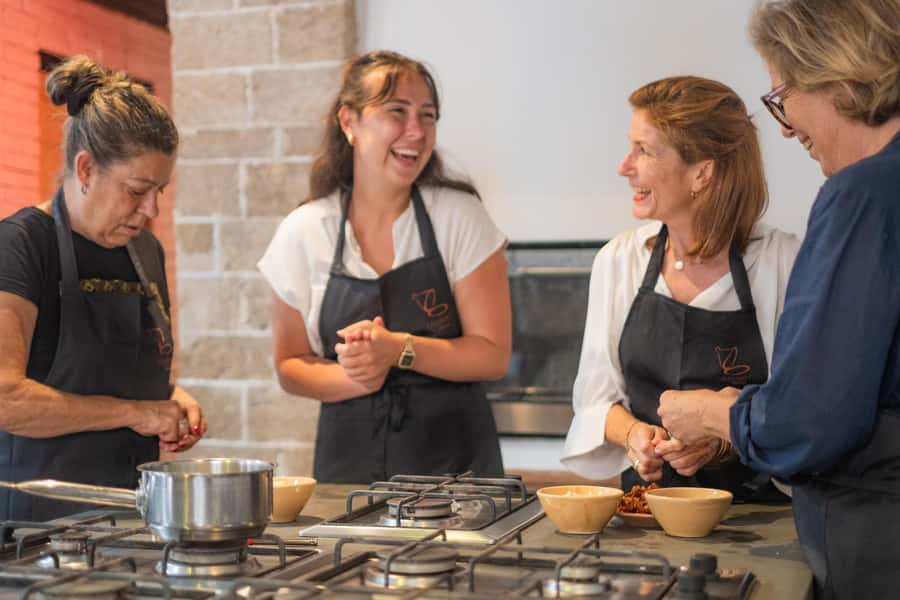
The group limit of nine matters here. Pastry work often depends on small corrections: how thin the dough should be, how much filling to use, and how to shape each piece. In a large class, you may only see the front of the room. With up to nine participants, you have a better shot at personal help.
More Essaouira trips worth a second look
- Essaouira: Surf Lessons
★ 4.9 · 412 reviews - Kitesurfing Lessons in Essaouira Beach
★ 5.0 · 206 reviews - Surf Lesson in Essaouira
★ 5.0 · 179 reviews
Making gazelle horns by hand
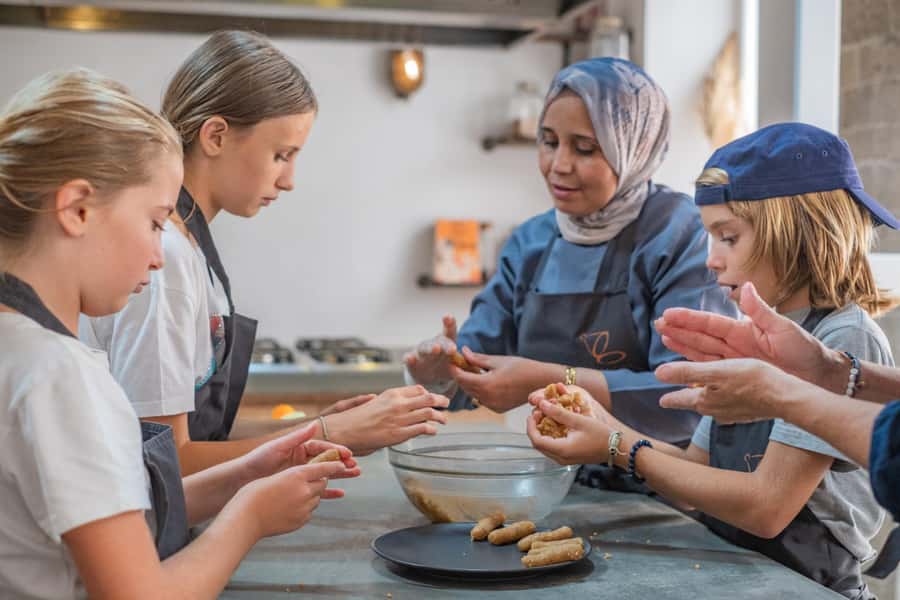
Gazelle horns, known in Morocco as kaab el ghazal, are among the country’s best-known pastries. Their name refers to the curved shape, not to any unusual ingredient. The pastry is typically associated with a delicate outer layer and a sweet filling, so careful shaping is part of the appeal.
Here, you learn the traditional method rather than simply receiving a finished cake. The instructor demonstrates the process, explains the ingredients, and then lets you try it yourself. The class is designed for participation, not just observation.
You should expect some variation in the finished pieces. That is normal in a hands-on pastry workshop, especially when you are learning a new technique in a short session. The useful part is not producing bakery-perfect shapes on the first attempt. It is seeing how the dough is handled and understanding the steps well enough to repeat them later.
The class uses fresh, local ingredients, which gives the lesson a stronger connection to Moroccan food culture. You are not just following a generic sweet recipe. You are working with the kinds of ingredients and methods that make these pastries part of everyday Moroccan hospitality.
Preparing fruit and sesame cakes
The second recipe is a cake made with dried fruit and sesame seeds. It offers a different texture and style from the gazelle horns, which keeps the class from feeling repetitive.
The dried fruit brings sweetness and chew, while sesame seeds add a nutty flavor and a little crunch. You learn how the ingredients are combined and shaped, then taste the result alongside the gazelle horns.
This recipe may be the more approachable one for home cooks because the finished pieces are less delicate in shape. The class also gives you a useful comparison between two Moroccan pastry styles: one that depends on neat shaping and one that gets more of its character from fruit and seeds.
One practical benefit is that the recipes are available on the provider’s website after you return home. That makes the class more useful than a one-time cooking memory. You can consult the instructions later and try to recreate the sweets in your own kitchen.
The mint tea ceremony at 3:30 p.m.
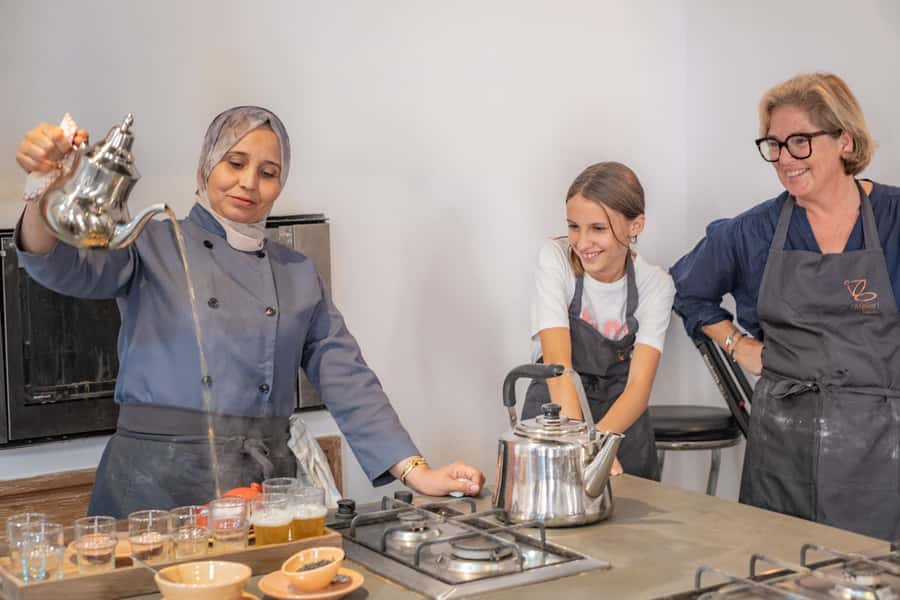
Mint tea is not simply a drink added to the end of the class. It is part of the point.
The workshop teaches the ceremony itself, then shares the tea while you taste the pastries you made. This gives the afternoon a natural rhythm: prepare the sweets, learn the tea ritual, and sit down to enjoy the results.
For you, the tea portion adds cultural context without requiring a separate formal tour. You get to see how a familiar Moroccan custom fits with food and conversation. It also gives everyone a calm finish after the hands-on work.
The timing is worth noting. A 3:30 p.m. start makes this a good choice after a morning of sightseeing or a relaxed lunch. It is less suitable if you want a free late afternoon for the beach, shopping, or another scheduled activity in Essaouira.
The class does not include additional consumption at the Atelier café. Tea and tasting your creations are part of the workshop, but any extra café purchases are your responsibility.
A different kind of day out, same corner of Morocco:
- From Marrakech: Essaouira & Atlantic Coast Full-Day Trip
★ 4.4 · 1,100 reviews - Big dunes and atlantic coast tour 2 HOURS
★ 5.0 · 439 reviews - 3 hours ride on camel at sunset
★ 5.0 · 326 reviews - Essaouira Sand Dunes: Half Day Quad Bike Tour
★ 5.0 · 313 reviews
The take-home pastry box is a real advantage
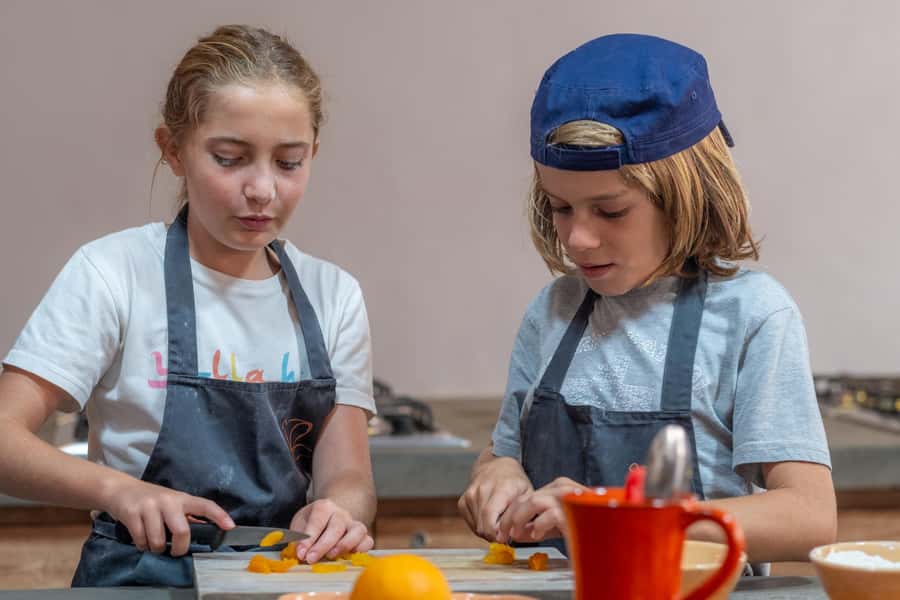
At the end, you leave with a box of cakes. This is one of the strongest practical features of the experience.
Many food activities give you a taste at the venue and nothing more. Here, you can continue eating the pastries later, share them with friends, or use them as a reminder when you attempt the recipes at home.
The box also helps justify the price. You are paying for instruction and an activity, but you are not leaving empty-handed. The pastries are the direct result of your work, which makes them more memorable than a packaged souvenir bought in a shop.
The exact quantity in the box is not specified, so do not book this expecting a large food haul. Think of it as a modest take-home portion from a workshop, not a replacement for dessert shopping.
Friendly instruction in three languages
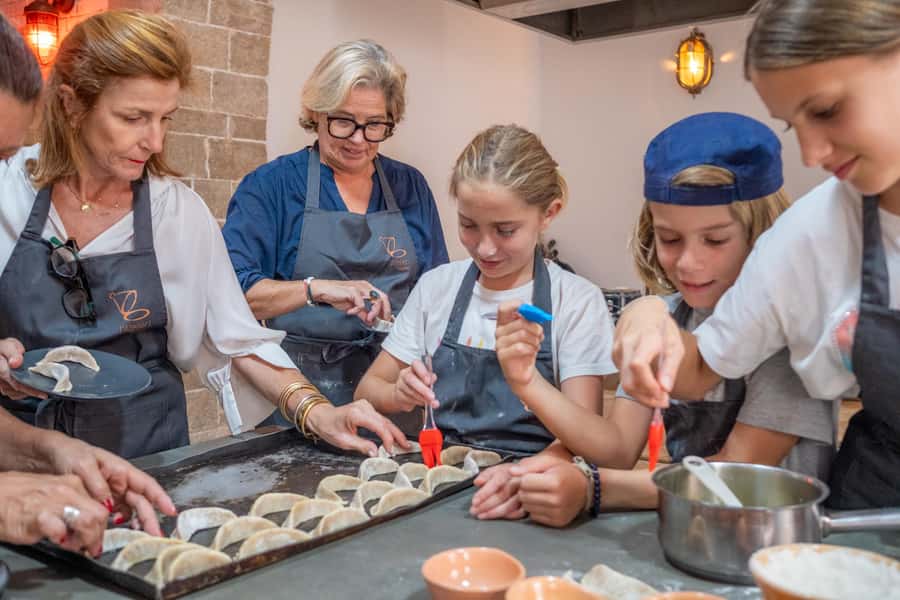
Classes are taught in Arabic, French, and English. That makes the experience accessible to a broad range of visitors, and the teaching style is built around demonstration as well as explanation.
The instructors are described as patient and encouraging, especially when participants are testing their understanding of the ingredients and methods. That matters in a pastry class, where a quick demonstration can otherwise be hard to follow.
You may not receive every explanation in all three languages at once. The available language depends on the session and the group, so choose the language you need when booking or confirm it in advance.
Some content may be presented in its original language. If you are comfortable with more than one language, that can add to the local feel. If you need detailed explanations in English, make sure that option is available for your date.
Why the nine-person limit helps
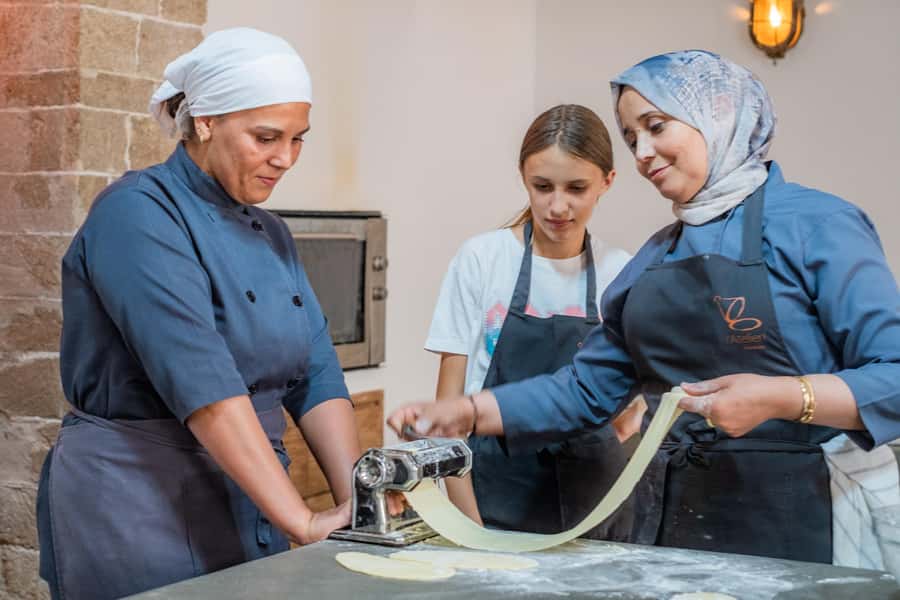
A maximum of nine participants keeps the workshop personal without making it feel like a private lesson.
You should have room to watch the demonstrations and then try the techniques yourself. The instructors can correct a shape, explain an ingredient, or repeat a step when needed. That is especially helpful if you have little baking experience.
The group size can vary. One participant had the class almost alone, while other sessions include several people. A nearly private session may offer extra attention, but you should not book on the assumption that the class will be private.
The social side is part of the charm. You make food alongside other participants and share the tea and tasting at the end. If you prefer a quiet, individual cooking lesson, a group workshop may feel less focused. If you enjoy meeting people over food, the format is a good fit.
Price and what your 300 dirhams buys
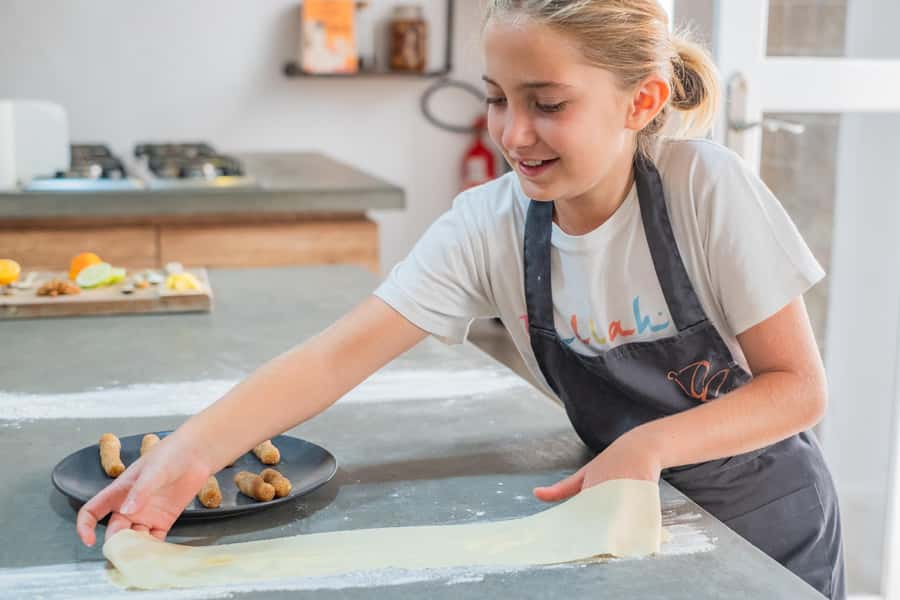
The listed price is 300 Moroccan dirhams per person, about $34. For a two-hour food activity, that is a fair price if you value instruction and the cultural element as much as the food itself.
Your fee includes:
- The pastry workshop
- Instruction for two Moroccan recipes
- The mint tea ceremony
- Tasting your finished pastries
- A take-home box of cakes
It does not include hotel pickup or extra café consumption. You will need to make your own way to l’Atelier Essaouira, and you should budget separately if you plan to order anything beyond what is included.
The value is strongest for people who want more than a cooking demonstration. You get to make the food, learn the method, share tea, and take home the results. If you are mainly looking for a cheap snack, the price may seem high compared with buying Moroccan pastries from a bakery.
The booking terms also reduce some risk. You can cancel up to 24 hours ahead for a full refund, and you can reserve now and pay later. That is useful if your Essaouira plans may change.
Who should book this experience
I would recommend this class to adults and children aged eight and older who enjoy food, craft, and small cultural activities. It suits couples, solo visitors, families with older children, and friends looking for something gentler than a full-day excursion.
It is especially good for you if:
- You want to learn a traditional Moroccan recipe
- You enjoy hands-on activities
- You like tasting food you have prepared yourself
- You want a short afternoon activity
- You appreciate a small group
- You would use the recipes at home
It may not suit you if you need hotel transport, dislike group activities, or want a full meal. It is also not available to children under eight, so families with younger children will need another plan.
The class is a nice fit for a free afternoon in Essaouira because it has a clear start and finish. Still, remember that the 3:30 p.m. start limits what else you can do that day.
How the experience feels in practice
The strongest part of the workshop is the combination of patient teaching and participation. You are not left to guess your way through the recipes, but you also are not kept on the sidelines.
The instructors demonstrate the process, explain the ingredients, and allow you to test your understanding. The atmosphere is described as lively and well organized, with a welcoming chef and activity host. That balance matters: too much structure can make a food class feel stiff, while too little can leave you confused.
The pastry tasting is another high point. Your work may not look identical to the instructor’s, but the tea ceremony gives you time to enjoy the finished sweets without rushing to the next activity.
The experience has earned a 5.0 rating from 19 reviews, with praise focused on the friendly staff, attractive setting, patient instruction, organization, and taste of the pastries. Those are the qualities I would consider most important here, since the class is short and the success of the afternoon depends heavily on the people teaching it.
Useful things to know before you go
Arrive ready to participate. This is a workshop, so you should expect to handle ingredients and shape pastries rather than sit through a presentation.
Keep the afternoon open from at least 3:30 p.m. until around 5:30 p.m. The formal class lasts approximately 1 hour and 45 minutes, but the advertised duration is two hours.
Do not count on transport from your hotel. Pickup is not included, and the meeting point is the Atelier café. Plan your route before the start time.
If you have language needs, check that the class will be taught in Arabic, French, or English on your chosen date. The provider lists all three languages, but individual sessions may vary.
Finally, remember that the pastry box is part of the experience. Leave room in your plans, and perhaps in your luggage, for the cakes you take home.
Should you book the Essaouira pastry workshop?
Yes, if you want a friendly, compact food activity with real participation and a clear local connection. The two recipes, mint tea ceremony, small group, and take-home box give you more than a simple tasting.
At 300 dirhams, the class offers good value for anyone who enjoys learning how food is made. I would be less quick to recommend it to someone seeking a full meal, hotel pickup, or an activity for children under eight.
Book it for a relaxed afternoon, confirm your preferred teaching language, and allow extra time to reach l’Atelier Essaouira. For most food-loving visitors, this is an enjoyable way to spend two hours and bring a little Moroccan pastry-making home.
FAQ
How long does the Moroccan pastry workshop last?
The class lasts approximately 1 hour and 45 minutes, while the overall activity duration is listed as two hours.
What time does the class begin?
The class starts at 3:30 p.m.
Which pastries will I make?
You will make gazelle horns and cakes containing dried fruit and sesame seeds.
Is the mint tea ceremony included?
Yes. The class includes instruction in the mint tea ceremony, followed by tea and tasting your pastries.
Do I receive pastries to take home?
Yes. You leave with a box of cakes at the end of the class.
What languages are available?
Instruction is available in Arabic, French, and English. Some content may be presented in its original language.
Can children join the workshop?
Children under eight are not permitted to participate.
Recently reviewed around Essaouira
- Individual Lessons of Kite Surf in Essaouira★ 5.0 · 113 reviews
- Private Kitesurf Lesson in Essaouira Morocco★ 5.0 · 38 reviews
- Group Kitesurfing lesson with a Local in Essaouira Morocco★ 5.0 · 175 reviews
- The Sunday Market in Had Draa & Local Food Tasting.★ 5.0 · 33 reviews
- How To Be A Real Moroccan Chef★ 5.0 · 101 reviews
- Private Surf Lessons★ 5.0 · 28 reviews
- Traditional Moroccan and Berber cooking classes★ 5.0 · 40 reviews
- Surf Rental★ 5.0 · 31 reviews
Workshops, compared.
Traditional Moroccan Cooking Class & Market Visit
Read our review →
Moroccan Dishes Cooking Class with a Local Chef
Read our review →
Moroccan Cooking Class & Marrakech Market Visit with Chef Khmisa
Read our review →
Half-Day Cooking Class with Local Chef Laila in Marrakech
Read our review →
Browse the lists this tour appears in