
Reviewed · FOOD & DRINK
Marrakesh: Guided Street Food Tasting by Locals
The best part of this Marrakech evening tour is that dinner becomes a walk through the city’s daily life. You move from Jemaa el-Fnaa into food markets, side streets, and small eateries, tasting Moroccan dishes while your guide explains how people shop, cook, bargain, and eat.
I like the large amount of food, which builds from olives and pastries to tagine, tangia, kofte, salads, bread, and tea. I also like the local route, including the market, an underground lamb oven, and tucked-away food stops that are easy to miss on your own.
The main thing to consider is the walking. You spend three hours on your feet in narrow, uneven Medina lanes, and the tour is not suitable for people with mobility impairments. You should also arrive hungry, since the portions and number of tastings can add up fast.
In This Review
- Key points to know before booking
- Starting at Jemaa el-Fnaa after dark
- Through Souk Semmarine and the food market
- Pastries, dates, olives, and an almond drink
- Tagine explained beyond the tourist menu
- Into the Medina’s side streets
- Méchoui, tangia, kofte, and fresh bread
- Seasonal salads and the spice trail
- Mint tea above a courtyard
- What the $47 price really buys you
- Who will enjoy this walk most
- Practical tips for a better evening
- Should you book this Marrakech food tour?
- FAQ
- Where does the Marrakech food tour start?
- How long does the experience last?
- What food is included?
- Are drinks included?
- Does the tour include hotel pickup?
- Can I choose a private tour?
- Which languages are available?
- Is the tour suitable for people with mobility impairments?
Key points to know before booking
- Dinner-sized tastings: Expect far more than a few token samples, with food served across roughly 10 or 11 stops.
- A useful first-night tour: The route helps you learn what to order and where to return during the rest of your stay.
- Local guides bring the context: Mo, Ali, and Mohammed have been praised for their warmth, humor, and strong connection to Marrakech’s food traditions.
- A varied route: You visit Jemaa el-Fnaa, Souk Semmarine, the main food market, hidden Medina lanes, and the Mellah area.
- A rooftop finish: Mint tea and a final meal or snack at a café offer a calm ending after the busy streets.
- Good value at $47: Food, drinks, and a guide are included, making this closer to a full evening meal with a city walk than a simple tasting.
Starting at Jemaa el-Fnaa after dark
Meet your guide in front of Café de France, beside Jemaa el-Fnaa. This is a practical meeting point because the square is easy to recognize, but it can be crowded and noisy at night, so give yourself time to find the café.
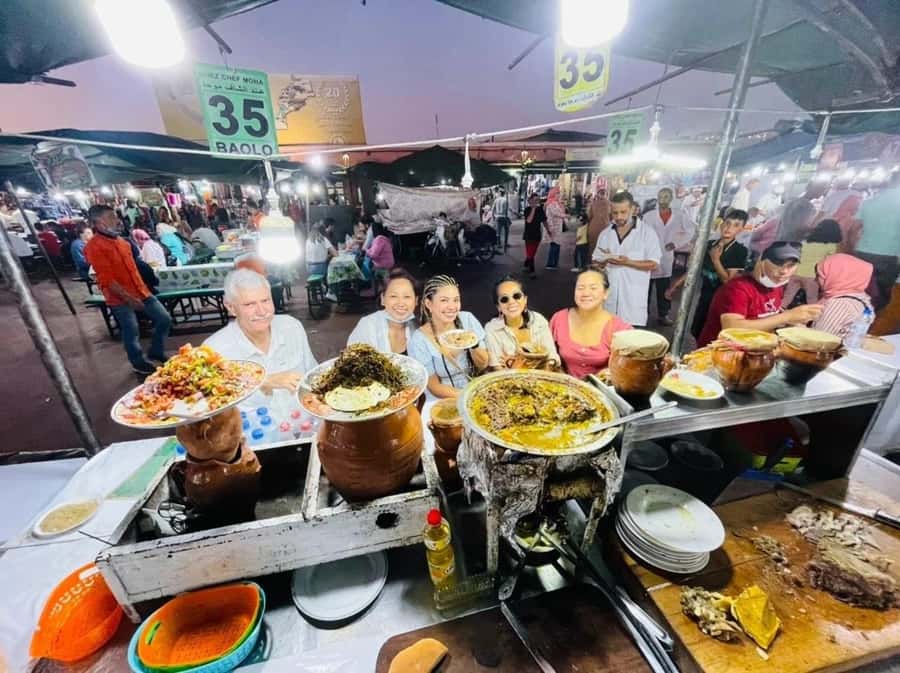
Jemaa el-Fnaa changes character after sunset. Food stalls, performers, shopkeepers, cooks, and shoppers fill the square with sound and motion. Your guide gives the scene some order, helping you notice the food rather than simply reacting to the commotion.
The opening walk around the square lasts about 30 minutes. You can expect a guided introduction to the area, with stops for photos and an explanation of how the square fits into Marrakech’s evening routine.
I like beginning here because you get your bearings before entering the Medina’s narrower lanes. The drawback is that the square can feel intense, especially if this is your first night in Marrakech. Staying close to the guide matters.
More Food Tours in Marrakech
- From Marrakech: Merzouga 3-Day Desert Safari with Food
★ 4.7 · 12,232 reviews - Marrakech: Street Food Tour with a Local Guide
★ 4.9 · 3,119 reviews - Marrakech: Street Food Tour by Night
★ 4.8 · 2,838 reviews
Through Souk Semmarine and the food market
From Jemaa el-Fnaa, the route continues toward Souk Semmarine and the main food market. You pass stalls piled with fruit, vegetables, meat, and poultry, while local shoppers choose ingredients for the evening meal.
This is one of the more useful parts of the walk. You are not just looking at prepared food. You see the raw materials behind Moroccan cooking and watch bargaining take place in a setting used by local residents.
Your guide can explain the role of spices such as saffron and cumin, as well as the fresh herbs and seasonal produce used in Moroccan salads. You may also see artisans preparing pastries, giving you a closer look at the work behind the sweet foods you taste later.
The market visit lasts about 30 minutes. It is a walking stop rather than a formal cooking class, so do not expect to prepare a dish yourself. Its value is in the setting and the explanation, especially if you want to understand Moroccan food beyond the familiar restaurant menu.
Pastries, dates, olives, and an almond drink
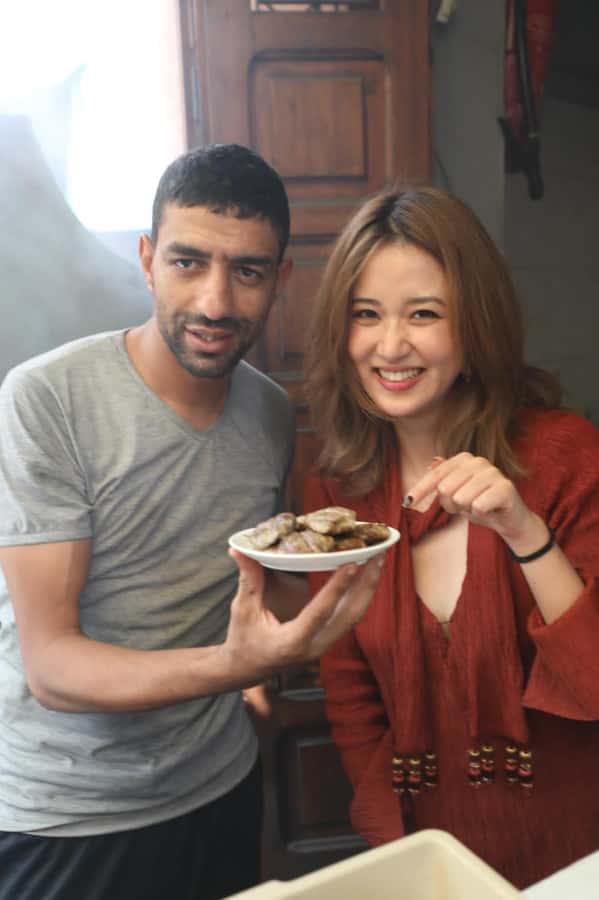
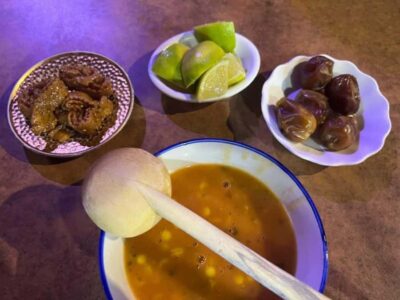
The tasting usually starts with smaller foods. Sweet pastries, marinated olives, dates, and seasonal produce help you notice the range of Moroccan flavors before the heavier dishes arrive.
Dates can be remarkably soft and sweet, while marinated olives bring a salty, sharp contrast. You may also try cactus fruit, described as somewhat like guava with purple flesh. It is an unusual stop for anyone who wants more than the standard tagine-and-mint-tea experience.
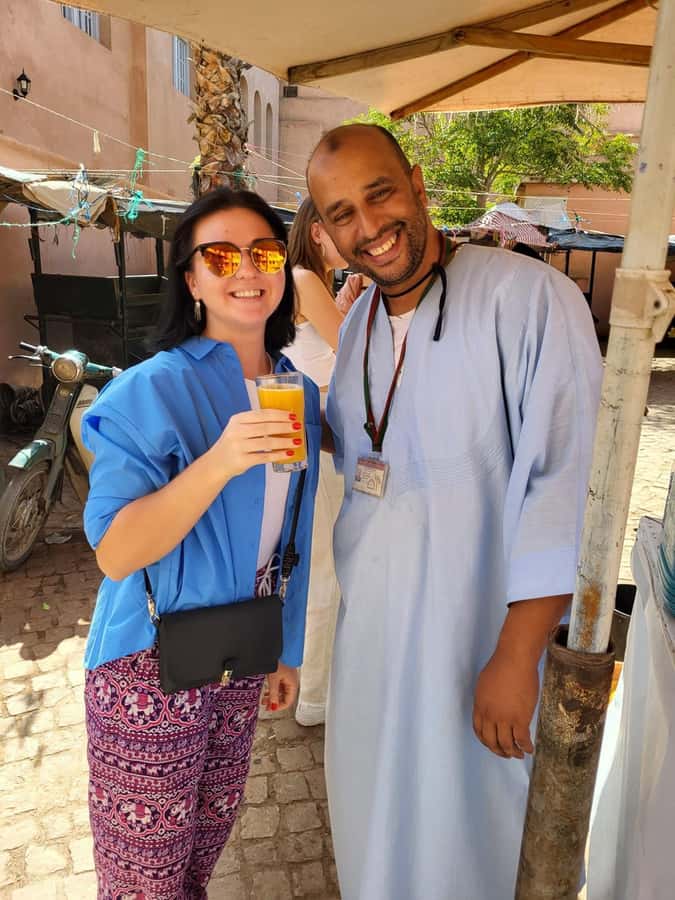
A local almond-based drink provides a refreshing change from the solid food. It is a popular drink among locals and gives your guide another opening to discuss everyday Moroccan tastes.
This sequence makes sense. You start with small bites, then build toward a full meal. Still, do not assume every serving is tiny. The food is described as plentiful, and several people found themselves full before the final stop.
Tagine explained beyond the tourist menu
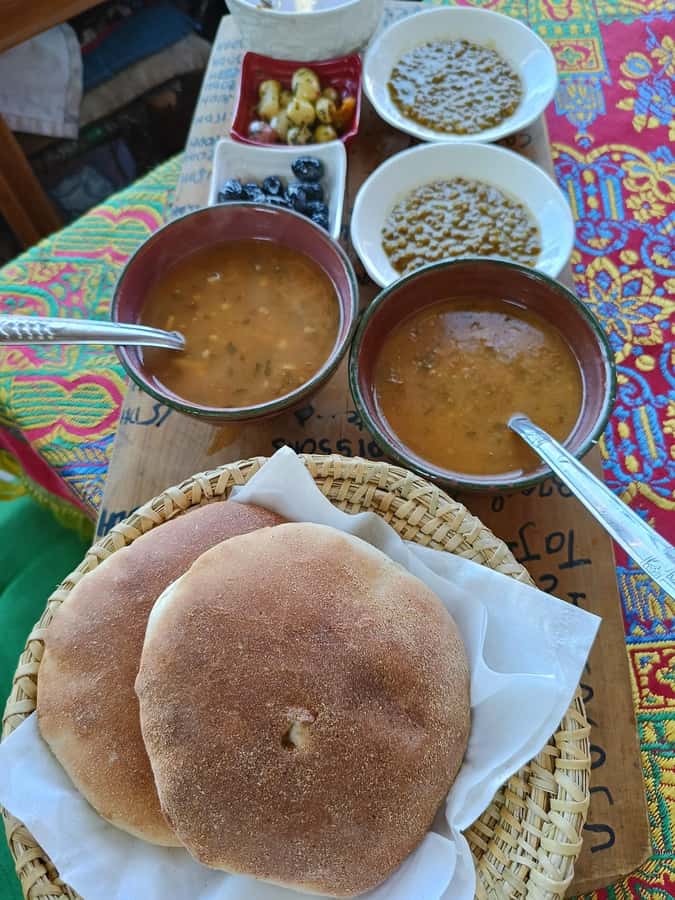
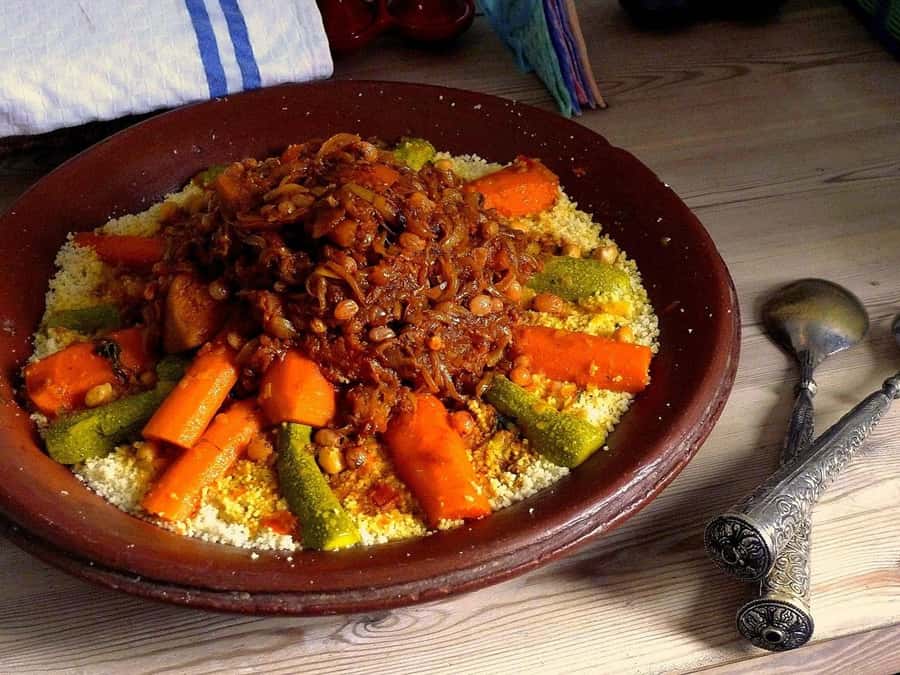
Tagine is one of the main food lessons of the evening. You taste a charcoal-baked version and hear about the different types of tagine, along with tips about how Moroccan families prepare the dish at home.
The word tagine refers both to the clay cooking vessel and to the dish made in it. The conical lid helps the food cook slowly, and the style can vary by ingredients and region. On this tour, the guide connects the dish to Moroccan home cooking rather than treating it as a generic menu item.
That distinction is useful. Many Marrakech restaurants serve tagine, but a guide can help you understand why one version might include vegetables, another meat, and another a sweet and savory combination. You also receive a local recipe to take home, a small but practical souvenir.
The tour may finish with another tagine at the rooftop café, depending on the evening’s food route. One detailed account described the final meal as a delicious rooftop tagine overlooking the square. Since the exact food sequence may vary, you should think of the tour as a generous progression of tastings rather than a fixed restaurant menu.
More Marrakech food and drink outings:
- 3-Day Tour to Merzouga Erg Chebbi with Food & Camel Trek
★ 5.0 · 1,770 reviews - Authentic Moroccan Food Tour in Marrakech with Dinner
★ 5.0 · 1,423 reviews - From Marrakech: Zagora 2-Day Desert Safari with Food & Camp
★ 4.5 · 1,137 reviews - Marrakech: Jemma El Fnaa Food Tour with Dinner
★ 4.7 · 394 reviews
Into the Medina’s side streets
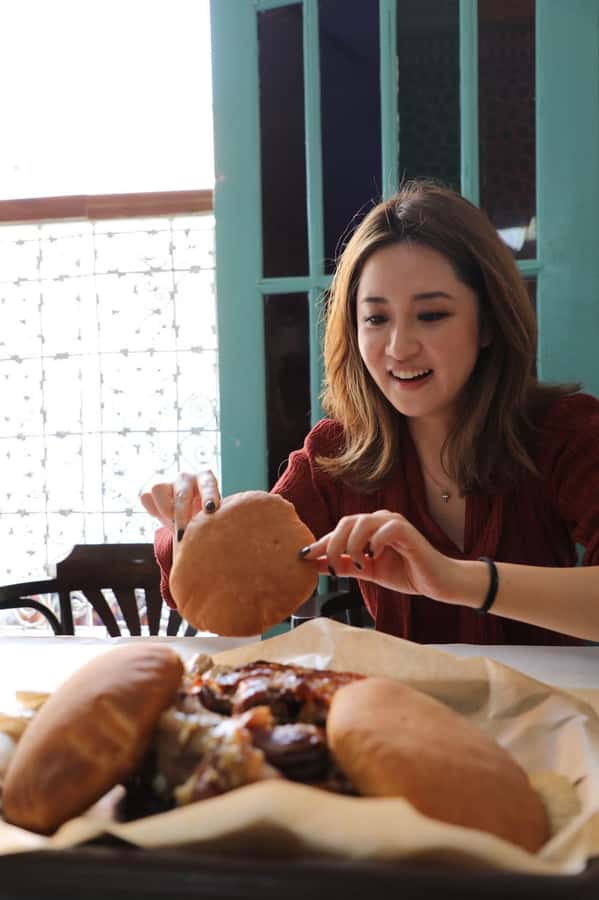
The route continues through Souk Semmarine and the wider Medina, with more walking through narrow lanes and side streets. You see food stalls that many first-time visitors would likely pass without noticing.
This is where a local guide earns the $47 price. Marrakech’s old city can be confusing, and a guide who knows the food sellers can take you past the most obvious tourist choices. The experience is not only about what you eat. It is about learning how to look for the places serving food to local customers.
The guide also adds the background that turns a snack into a cultural lesson. Food reflects the city’s regional influences, family habits, religious traditions, and daily shopping patterns. Guides such as Mo, Ali, and Mohammed have been praised for explaining these links with humor and enthusiasm.
The group option can include around 10 people, based on one account, though the exact size may change. A group gives the walk a social feel and may make the price more attractive. A private tour gives you more control over the pace and conversation, but the supplied details do not state the private-tour price.
Méchoui, tangia, kofte, and fresh bread
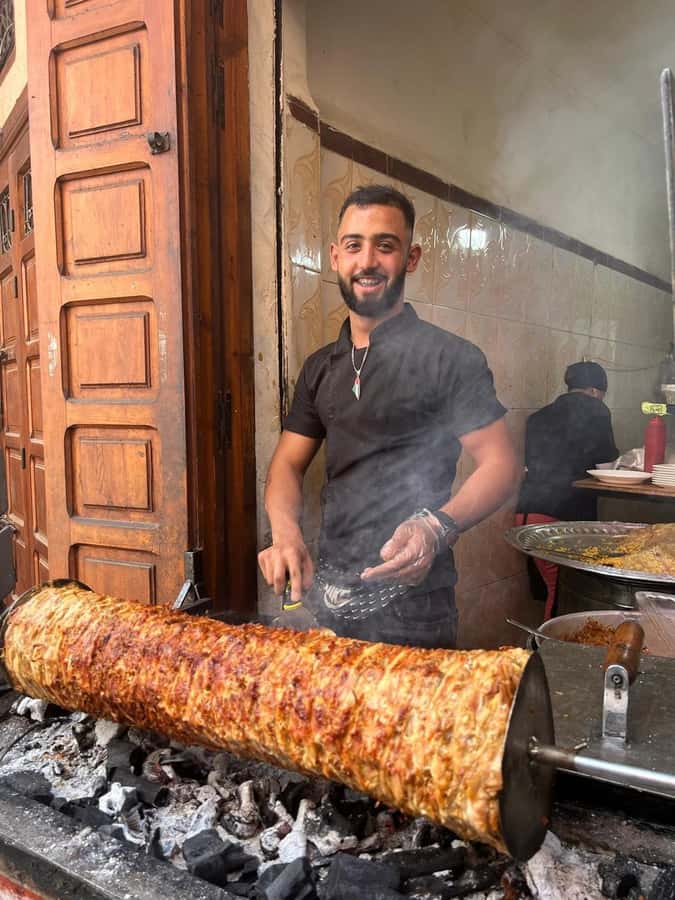
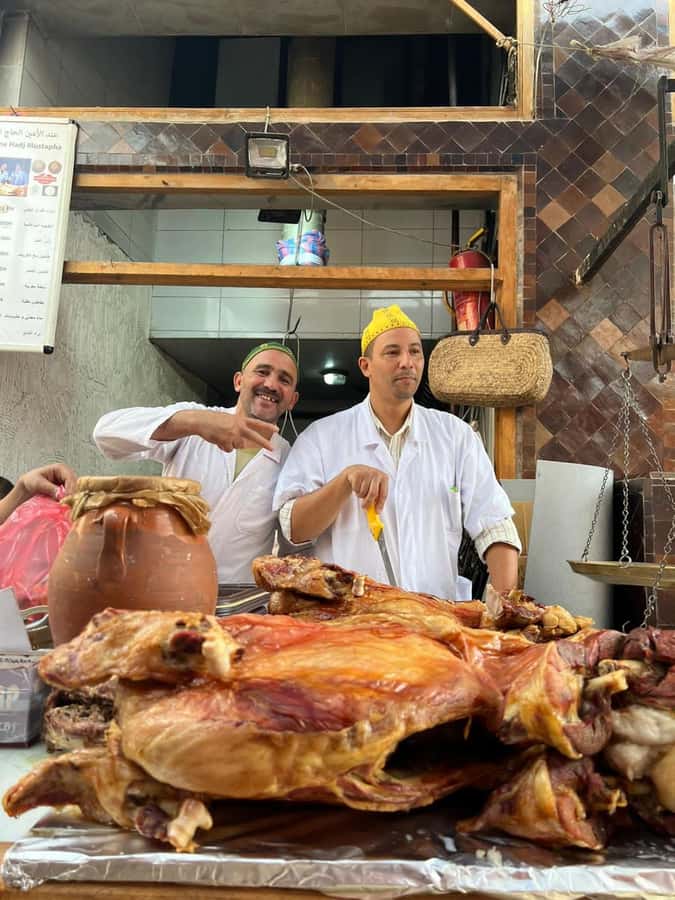
One of the most memorable food stops is a méchoui maker slow-roasting a whole lamb in a traditional underground oven. This is a striking example of how Moroccan cooking can rely on time, heat, and simple seasoning rather than elaborate presentation.
You then visit a small local eatery for more substantial foods, including tangia and kofte served with freshly baked bread. Tangia is especially associated with Marrakech, so tasting it here adds a city-specific note to the menu.
Kofte provides another change in texture and seasoning. Along with the bread, these dishes move the tour firmly into dinner territory. You should not plan a full restaurant meal before the walk.
The food can include less familiar choices for adventurous eaters. If you have strong dietary restrictions, allergies, or dislikes, ask before booking or tell the guide at the start. The supplied details do not promise vegetarian, vegan, halal-specific, gluten-free, or allergy-adapted arrangements.
Seasonal salads and the spice trail
Traditional salads form another part of the tasting. These use seasonal ingredients and are seasoned with herbs and spices such as cumin and saffron. They offer a lighter counterpoint to the meat dishes and bread.
I like this part because Moroccan salads are often treated as decoration by visitors who focus only on tagine. Here, they are part of the meal and help show how vegetables carry flavor through herbs, citrus, spices, and careful preparation.
As you walk, the smell of spices and fresh bread becomes part of the experience. The Medina is not a quiet museum, and you should expect crowds, scooters, shop activity, and uneven passageways. Wear comfortable shoes and keep your attention on the route.
The three-hour length feels well matched to the amount of food. A shorter walk would likely rush the market and food stops, while a much longer evening could become tiring after so many tastings.
Mint tea above a courtyard
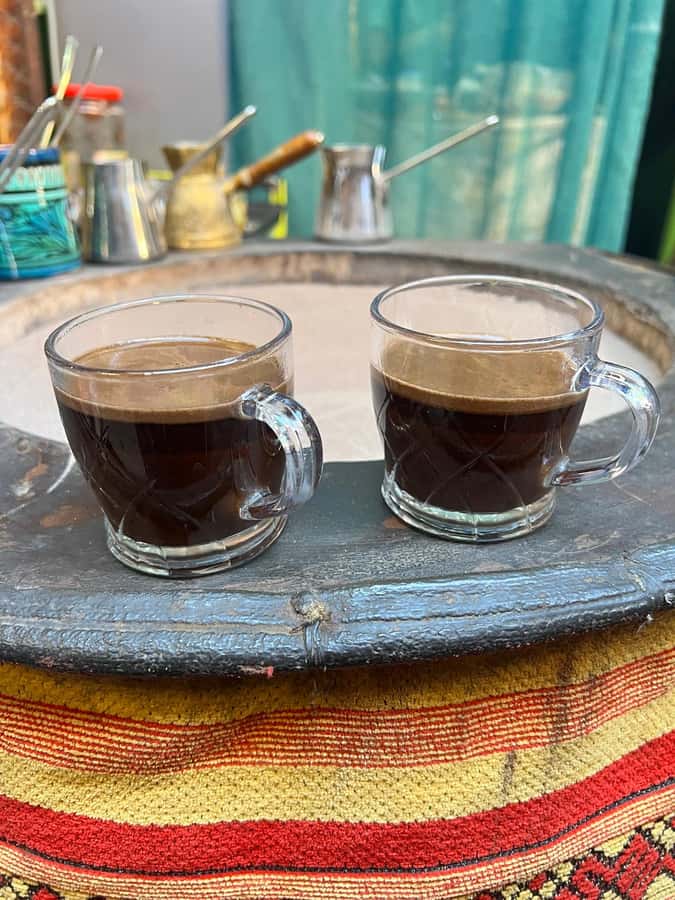
The final stop is a cozy rooftop café, where you relax with mint tea and look over a courtyard decorated with rugs, mosaic lamps, and fountains. One account described ending with tagine while watching the square below, while the planned experience emphasizes mint tea and a pleasant view.
Either way, the final pause changes the pace. After the noise and tight lanes, you have a place to sit, digest, and talk with the guide or your group. Mint tea is not just a drink here. It is a familiar Moroccan ritual and a fitting end to an evening built around food and conversation.
The rooftop view is a nice reward, but it is not the main reason to book. The strongest parts come earlier, in the market, side streets, and local eateries. Treat the café as the closing scene rather than the entire attraction.
The route returns to Café de France. Hotel pickup and drop-off are not included, so you need to make your own way to the meeting point and arrange your return afterward.
What the $47 price really buys you
At $47 per person, this tour offers solid value if you treat it as a three-hour dinner, food lesson, and Medina orientation. The guide, food, and drinks are included, so you are not paying the tour fee and then adding a separate meal on top.
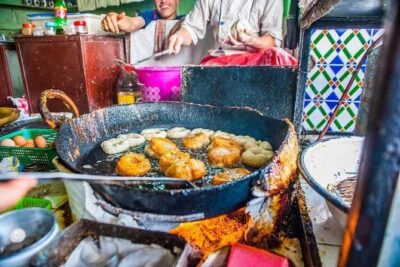
The number of tastings matters. The evening may include 10 or 11 stops, from olives and cactus fruit to pancakes, pastries, almond drink, Moroccan-style sloppy Joes, tagine, tangia, kofte, salads, bread, and mint tea. The exact selection can change, but the overall meal is clearly substantial.
The tour also saves you from paying for several uncertain food choices on your own. You can sample a range of dishes, then return later to the places you liked. That makes it particularly useful early in your stay.
A private option may suit couples, families, or small parties wanting a more personal pace. A shared group should cost less per person and adds the fun of eating with people from different places. Since the precise group size and private supplement are not stated, check those details before paying.
Free cancellation is available up to 24 hours before the start time, and you can reserve now and pay later. Starting times vary, so check the available evening slot when you book.
Who will enjoy this walk most
I would choose this tour for a first evening in Marrakech, especially if you want help making sense of Jemaa el-Fnaa and the Medina. It gives you a map in your head, a short list of dishes to seek out, and enough food to count as dinner.
It also suits curious eaters who want to try local specialties without guessing at every stall. The guide can explain what you are eating, how it is made, and why it matters in Moroccan homes.
You should be comfortable walking for three hours and eating several rich dishes. This is not the right choice for someone seeking a quiet seated meal, a cooking lesson, or a low-food sightseeing walk.
The tour is not suitable for people with mobility impairments. Narrow lanes, market crowds, and extended walking are central to the experience, not occasional details.
Practical tips for a better evening
Eat a light lunch and skip a large afternoon snack. Several people found the meal more than filling, and you want enough appetite for the later dishes.
Wear sturdy, comfortable shoes. The route runs through the Medina, markets, souks, and side streets, where surfaces and walking space can vary.
Meet at Café de France, not at your hotel. Hotel pickup and drop-off are not included, so plan your arrival and return before the tour begins.
If you are choosing between shared and private, use the shared option for value and a social evening. Pick private if you want more flexibility, though the experience details do not specify how much the route or food can be changed.
English, French, and Arabic guiding are available. Guides named in the feedback include Mo, Ali, and Mohammed, but your assigned guide may differ.
Should you book this Marrakech food tour?
Book it if you want a filling, food-centered introduction to Marrakech with a guide who can take you beyond the obvious stalls. The strongest reasons are the wide range of dishes, the market access, the explanation of Moroccan cooking, and the chance to return to favorite food stops later.
I would book it near the start of your trip, when the Medina still feels confusing and you are deciding what to eat. I would skip it if you have limited mobility, want a short tasting with only a few bites, or need a tightly controlled menu for dietary reasons.
For most visitors who enjoy walking and arrive hungry, $47 is a fair price for a three-hour evening that combines dinner, local food knowledge, and a practical introduction to the old city.
FAQ
Where does the Marrakech food tour start?
Meet your guide in front of Café de France at Hôtel Restaurant Café de France, beside Jemaa el-Fnaa Square.
How long does the experience last?
The guided street food tour lasts three hours.
What food is included?
The tastings can include tagine, tangia, kofte, marinated olives, dates, sweet pastries, salads, freshly baked bread, and other local specialties.
Are drinks included?
Yes. Drinks are included, including an almond-based local drink and mint tea at the final café.
Does the tour include hotel pickup?
No. Hotel pickup and drop-off are not included. You need to reach Café de France independently.
Can I choose a private tour?
Yes. You can choose between a shared group tour and a private evening tour.
Which languages are available?
The live guide service is available in English, French, and Arabic.
Is the tour suitable for people with mobility impairments?
No. The experience is not suitable for people with mobility impairments because it involves extended walking through the Medina, markets, souks, and narrow streets.
More Food in Marrakech
- Marrakech: Authentic Moroccan Food Walking Tour & Dinner
★ 4.8 · 261 reviews - Marrakech Night Street Food Tour / Taste The Real Marrakech
★ 4.9 · 200 reviews - Marrakech: Moroccan Cooking Class for vegetarians and vegan
★ 4.9 · 156 reviews - Marrakech: Medina Stories Food Tour with 15+ Tastings
★ 5.0 · 141 reviews
Recently reviewed around Marrakech
- 4-Days Marrakech to Marrakech Désert Tour★ 5.0 · 17 reviews
- Camel ride at sunset in Marrakech palm grove★ 5.0 · 17 reviews
- Agafay camel ride★ 5.0 · 20 reviews
- Camel riding in marrakech★ 4.5 · 17 reviews
- Marrakech to Atlas Mountains and 4 Valleys Day Trip★ 5.0 · 17 reviews
- Agafay Desert Adventure, Culture, and Relaxation, From Marrakech★ 5.0 · 25 reviews
- Quad excursion to the Agafay desert near Marrakech★ 5.0 · 44 reviews
- Camel ride and dinner Agafay desert★ 5.0 · 25 reviews
Food & Drink, compared.

3-Day Tour to Merzouga Erg Chebbi with Food & Camel Trek
Read our review →
Authentic Moroccan Food Tour in Marrakech with Dinner
Read our review →

Browse the lists this tour appears in