
Reviewed · MEDINA & SOUK WALKS
Marrakech: Medina Stories Food Tour with 15+ Tastings
Marrakech’s best food is often found away from the polished restaurant menus. This four-hour walk begins at Bab Doukkala and threads through the medina to Jemaa El Fnaa, stopping for 15 or more tastings, from smoky sardines and chicken skewers to snails, tangia, pastries, and mint tea.
I like two things especially: the chance to see working places such as a community bakery and a hammam oven, and the small group size, capped at eight people. Guides such as Rashid, Rachid, and Sayid add local stories and explain how each dish is made.
The main drawback is the food policy. This is not a safe choice for vegans, people with severe allergies, or anyone on a celiac diet. Vegetarians can join, but will receive four or five fewer tastings.
In This Review
- Key points to know before you book
- A food tour that starts with the real Marrakech
- Meeting at Bab Doukkala
- Bread, bakeries, and the work behind a meal
- The medina’s smoky, savory side
- Why the guide makes a difference
- Jemaa El Fnaa and the final rooftop stop
- What the $55 price buys you
- Dietary limits you should take seriously
- Who will enjoy this four-hour walk
- Tips for getting the most from the experience
- Should you book the Marrakech food tour?
- FAQ
- How long does the Marrakech food tour last?
- Where does the tour start?
- Where does the tour finish?
- How many tastings are included?
- Is the tour suitable for vegetarians or vegans?
- Can people with food allergies or celiac diets join?
- What language is the tour in, and how large is the group?
Key points to know before you book
- Start hungry: The food adds up to a very substantial meal, often enough to cover lunch and dinner.
- See the medina from Bab Doukkala to Jemaa El Fnaa: The route helps you get your bearings while introducing streets and food stops you might skip alone.
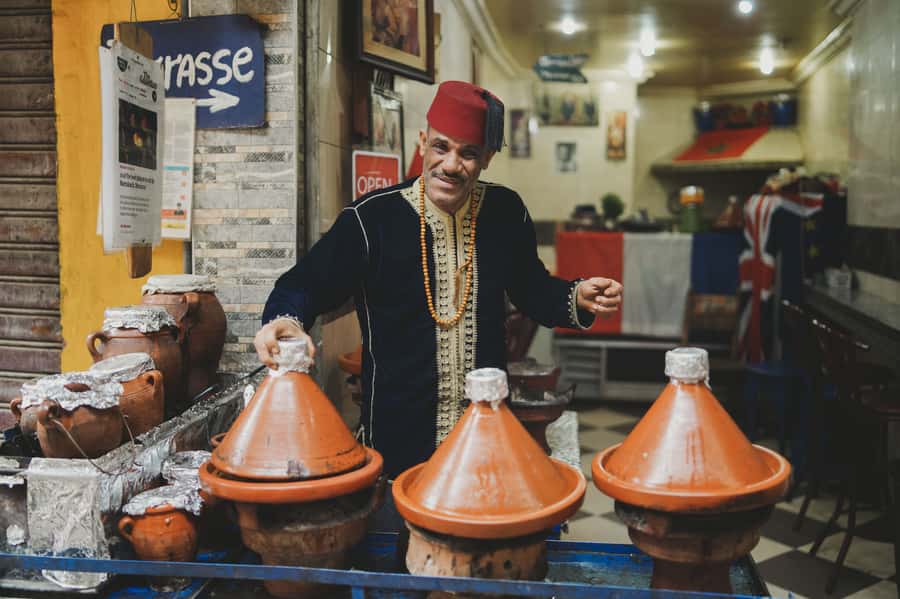
- Expect local specialties, not just tagine: Sardines, harira, snails, tangia, grilled meats, sweets, coffee, and tea all appear.
- Go behind the counter: The tour can include a communal bakery, pastry preparation, and the fire pit beneath a hammam where tangia cooks.
- Finish above the main square: Mint tea and a rooftop view give the final hour a calm contrast to the medina streets.
- Bring practical gear: Wear comfortable shoes and carry rain protection, since the tour runs in wet weather as well as dry.
A food tour that starts with the real Marrakech
At $55 per person, this is not a cheap snack crawl, but it offers much more than a series of small plates. You are paying for four hours of food, guiding, cultural explanation, bottled water, and access to local businesses that can be hard to approach without Arabic, local contacts, or confidence.
The strongest part is the combination of eating and orientation. The medina can feel confusing at first, with narrow lanes, busy crossings, food smoke, shops, and sudden changes in pace. Moving from Bab Doukkala in the north toward Jemaa El Fnaa gives you a useful route through the central medina, so you can return to areas you like later.
I would book this early in a Marrakech stay. You will learn what dishes are called, how they are prepared, and how to judge the places you pass afterward. Several stops are also the sort of places you might walk past without realizing what happens inside.
The tour is limited to eight people. That matters when you are standing around a bakery oven, sharing plates, or asking questions about unfamiliar ingredients. It also keeps the group small enough for a guide such as Rashid to manage tastings, tissues, water, and hand sanitizer without losing the personal feel.
More Food Tours in Marrakech
- From Marrakech: Merzouga 3-Day Desert Safari with Food
★ 4.7 · 12,232 reviews - Marrakech: Street Food Tour with a Local Guide
★ 4.9 · 3,119 reviews - Marrakech: Street Food Tour by Night
★ 4.8 · 2,838 reviews
Meeting at Bab Doukkala
The starting point is Bab Doukkala gate, on the Rue Boutouil side. The gate is about a 20-minute walk north of the Koutoubia Mosque and is reachable by taxi from city hotels.
Bab Doukkala has four arches. Two central arches carry road traffic between the medina and the newer part of town, while smaller pedestrian arches sit on either side. Look for the pedestrian side near the small sidewalk kiosk, where the guide will meet you.
Give yourself time to find the correct side of the gate. A large landmark is easier to identify than a small meeting point, but traffic and foot traffic can make the area confusing. Ask your hotel to help arrange a taxi if needed, and confirm that the driver knows Bab Doukkala rather than simply saying medina.
Starting here, instead of at Jemaa El Fnaa, is a good choice. You begin in a less theatrical part of Marrakech and gradually work toward the city’s famous central square. The route feels like a progression through daily life, food production, markets, and finally the public spectacle of Jemaa El Fnaa.
Bread, bakeries, and the work behind a meal
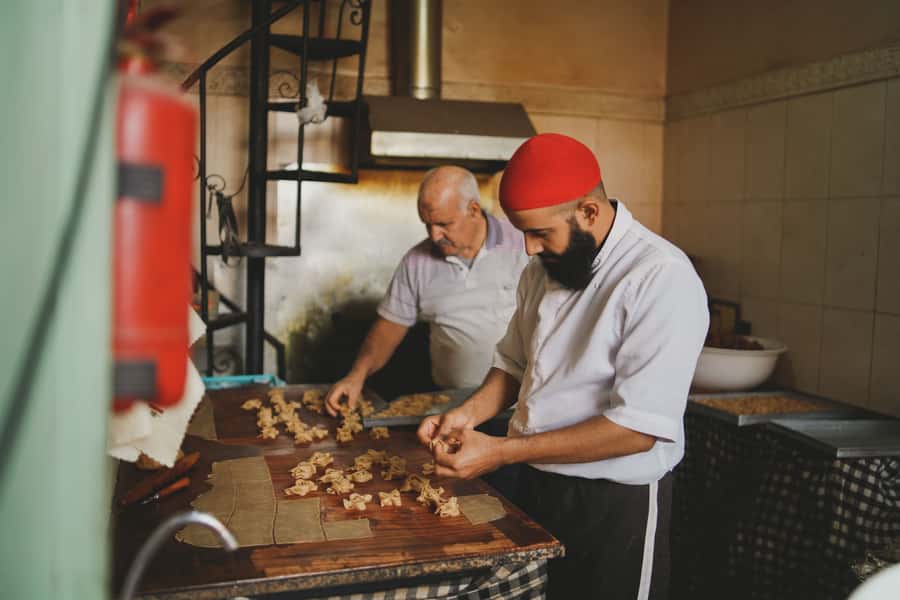
One of the most useful stops is a local community bakery. In Marrakech, bread is not just another side item. It is tied to household routines, neighborhood services, and the practical work of preparing food for a family.
You may see dough being shaped and baked in a communal setting, and some sessions include a chance to try shaping a pastry yourself. This small hands-on moment gives you a better sense of the skill involved. Moroccan sweets may look simple in a display, but forming them neatly takes practice.
The bakery visit also adds social context. Food tours can easily become a procession of plates, but this stop shows the people and systems that keep the medina fed. You learn why the local bakery matters to the neighborhood, not just what the finished bread tastes like.
The food is served in manageable portions, but do not mistake that for a light afternoon. The tour may include many separate bites, and the total quantity is substantial. Several people found they could not finish every item, even after skipping lunch. I recommend a small breakfast and no full meal beforehand.
The medina’s smoky, savory side

The middle two hours take place through the Marrakech medina, with street food, market stops, small eateries, and local snacks. This is where the tour earns its price. You are not limited to a standard restaurant meal, and you do not have to guess what unfamiliar vendors are serving.
Expect a broad range of tastes. Sardines may arrive hot from a wood-fired bakehouse, seasoned with cumin. Chicken skewers bring charcoal smoke, while grilled liver and other meat dishes offer a stronger, more rustic flavor. The food is generally served as small individual portions or shared tastings, so you can try widely without committing to a full plate of one dish.
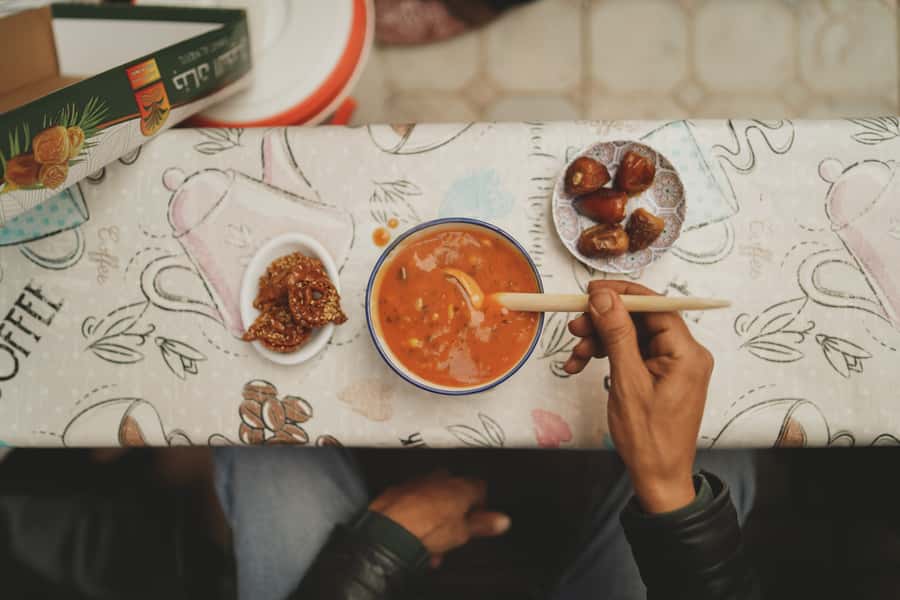
Harira provides a gentler pause. This soup is commonly paired with dates, whose sweetness balances the savory broth. The guide can explain ingredients, cooking methods, and local customs, including why dates may be served in odd numbers.
Snails simmered with ras el hanout are another stop that many people would not choose alone. They are a good example of why a local guide helps. You get an explanation of what you are eating, how it is seasoned, and how to approach it, rather than standing at a stall trying to decode the menu.
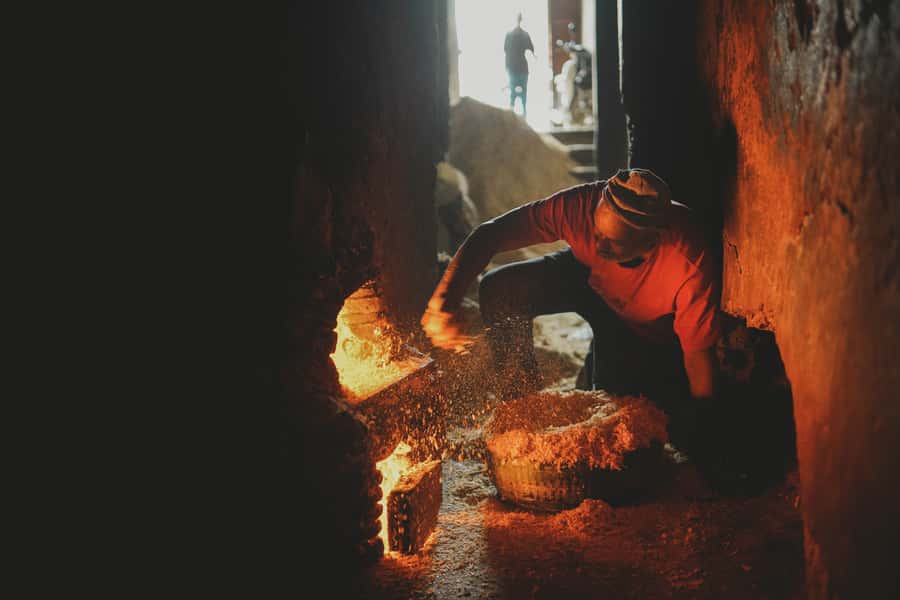
Tangia is one of the most memorable dishes on the route. It is slow-cooked in an earthen vessel and associated with the embers of a hammam. The long cooking time produces tender meat and a concentrated flavor. Seeing the oven or fire area beneath a hammam turns the dish into more than a taste. You begin to understand the connection between neighborhood services and everyday cooking.
The tour can also include beef, lamb, coffee, tea, and sweets. The exact order and number of items may vary, but the intended range is wide: savory food, soup, meat, pastries, drinks, and small snacks. Some people count more than 20 separate foods and drinks, so the advertised minimum of 15 should not be treated as a maximum.
More Medina Walks in Marrakech
- Marrakech: Bahia Palace, Saadian Tombs, Souk and Medina Tour
★ 4.7 · 4,974 reviews - Marrakech: Colorful Medina Souks Guided Walking Tour
★ 4.7 · 2,470 reviews - Marrakech: Saadian Tombs & Bahia Palace, Medina Guided Tour
★ 4.6 · 1,989 reviews - Marrakech: Bahia Palace, Madrasa Ben Youssef and Medina Tour
★ 4.7 · 1,347 reviews
Why the guide makes a difference
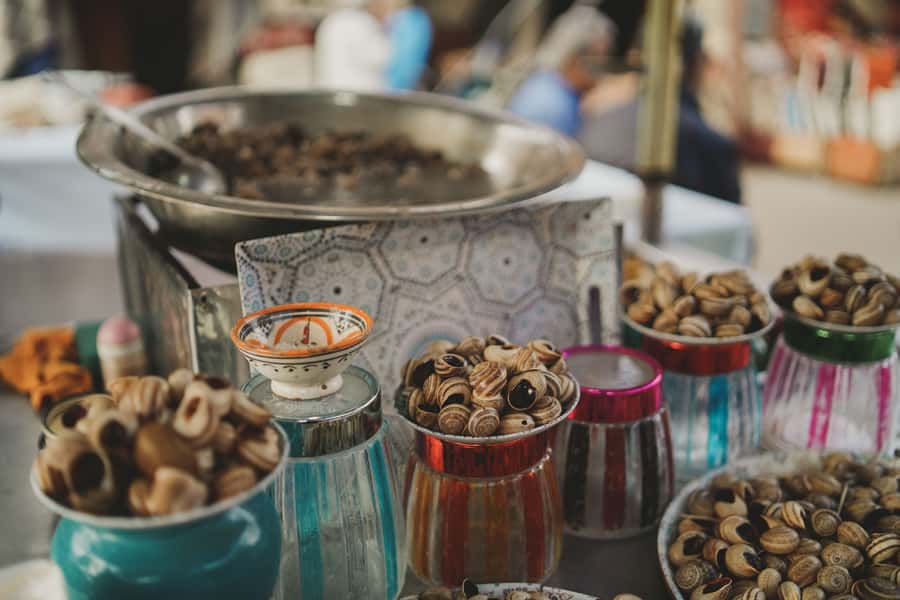
The medina is easy to explore on your own, but it is much harder to know which places are worth entering. A guide with local relationships can lead you into bakeries, tiny cafés, street stalls, and working food spaces that do not advertise themselves to passing tourists.
Rashid, also referred to as Rachid in some bookings, receives especially strong praise for his warmth, humor, food knowledge, and personal stories about growing up in Morocco. Sayid has also led sessions. Since guide assignments can vary, check the booking details if a particular guide matters to you.
The useful part is not simply naming ingredients. A good guide explains why bread carries such importance, what argan oil is used for, how food is cooked, and how local customs shape a meal. You may also learn how to order with more confidence during the rest of your stay.
The pace appears to be easy rather than athletic. You walk between stops, but there are frequent pauses to eat, watch preparation, and ask questions. Comfortable shoes still matter because four hours on medina streets is a long time, even at a relaxed pace.
The guide also has a practical job. Food arrives ready at many stops, seating may be prepared, and the group can avoid wasting time deciding what to order. Water, tissues, and hand sanitizer are supplied or handled along the way, which is reassuring when the tour involves several street-food locations.
Jemaa El Fnaa and the final rooftop stop
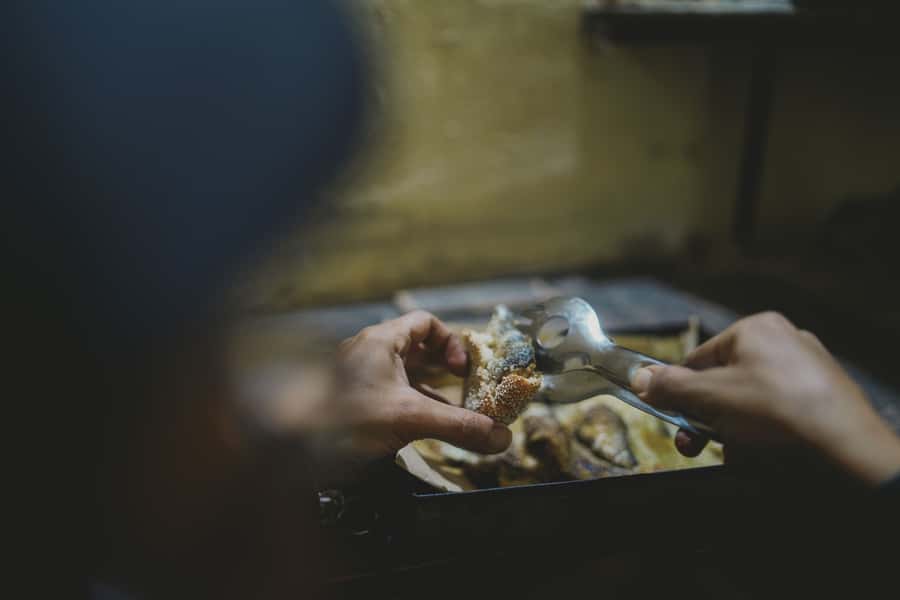
The final hour reaches Jemaa El Fnaa, Marrakech’s main square. Here the tone changes. After several hours in narrow lanes and small food businesses, you finish with tea, a walk, more local snacks, and a view from above.
The rooftop is a smart ending. From there, you can look over the square without being in the middle of its noise and activity. If your timing lines up with sunset, the view can be a memorable close to the afternoon, with the medina spreading below and the square shifting into its evening rhythm.
This is also the moment to think carefully about eating at Jemaa El Fnaa itself. The guide can explain how the square works and help you judge its food stalls, but you are not simply turned loose to order a large meal there. That is useful because the square is famous, yet a first-time visitor may not know which stall, dish, or portion makes sense.
The tour finishes at Jemaa El Fnaa, where taxis are available. There is no hotel pickup or drop-off, so plan your return from the square separately.
What the $55 price buys you
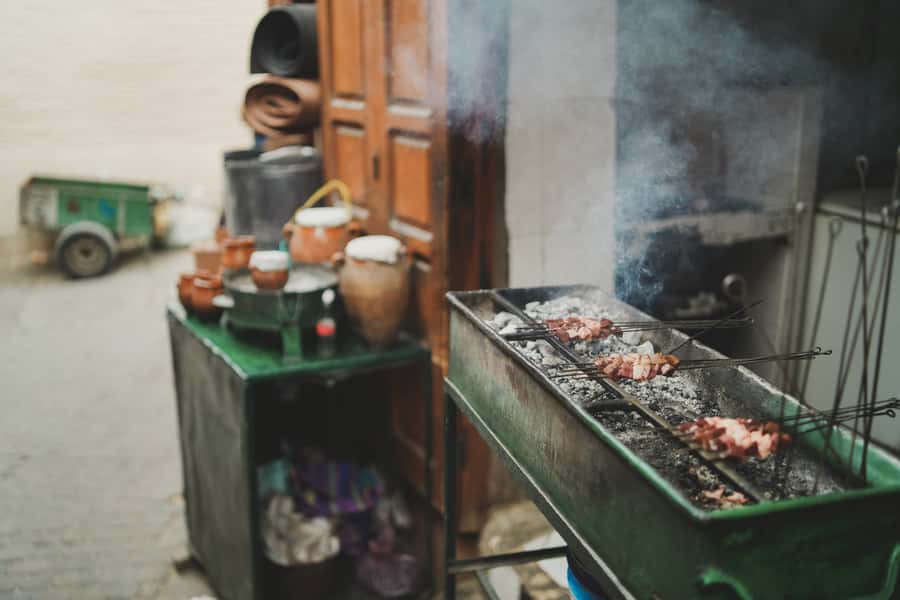
The value depends on how you use the tour. If you compare $55 with the cost of one restaurant dinner, it may seem high. If you count four hours of tastings, bottled water, a small-group guide, food education, neighborhood access, and a rooftop finish, the price becomes more reasonable.
The tour also reduces the cost of trial and error. You might spend money on a dish you cannot identify, miss a local bakery, or avoid a stall because the setting feels unfamiliar. With the guide handling the choices and explanations, you can sample more foods with less hesitation.
The portions are designed for variety rather than one large meal at each stop. That is a strength for curious eaters, but it can be overwhelming if you dislike eating frequently or prefer a slow sit-down lunch. Treat the experience as a main meal spread across four hours.
I would call it good value for people who care about local food and want context with it. It is less suitable if you want a formal cooking class, a restaurant-focused dinner, or a short tasting close to your hotel.
Dietary limits you should take seriously
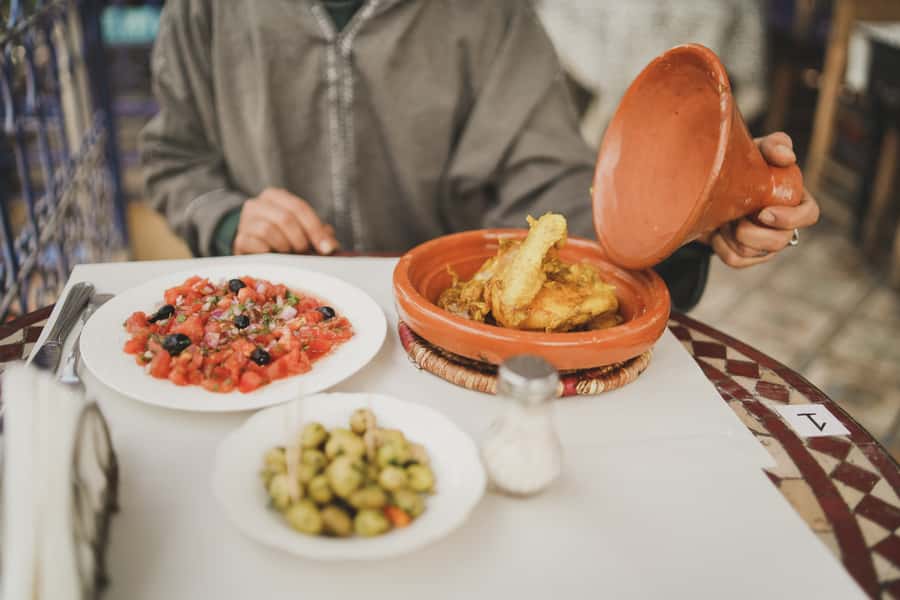
The food reflects local cooking and street-vendor conditions. Severe allergies and celiac diets are specifically unsuitable because of traces and cross-contamination. You should not book this expecting each stop to offer a fully controlled alternative.
Vegans are not suitable for this tour. Vegetarians may participate, but four or five tastings will be omitted because some stops have limited meat-free choices. One vegetarian participant still found the selection satisfying, but you should accept that the experience is built around Moroccan food as commonly served, not a vegetarian menu.
Pregnant women are also listed as unsuitable for the activity. If you have any medical dietary concern, contact the provider before booking rather than relying on substitutions on the day.
For everyone else, arrive ready to eat. The tour includes bottled water, but alcohol is not included. Comfortable, weather-appropriate clothing is sensible, and carry an umbrella or rain gear if rain is possible. The tour operates in wet weather as well as dry.
Who will enjoy this four-hour walk
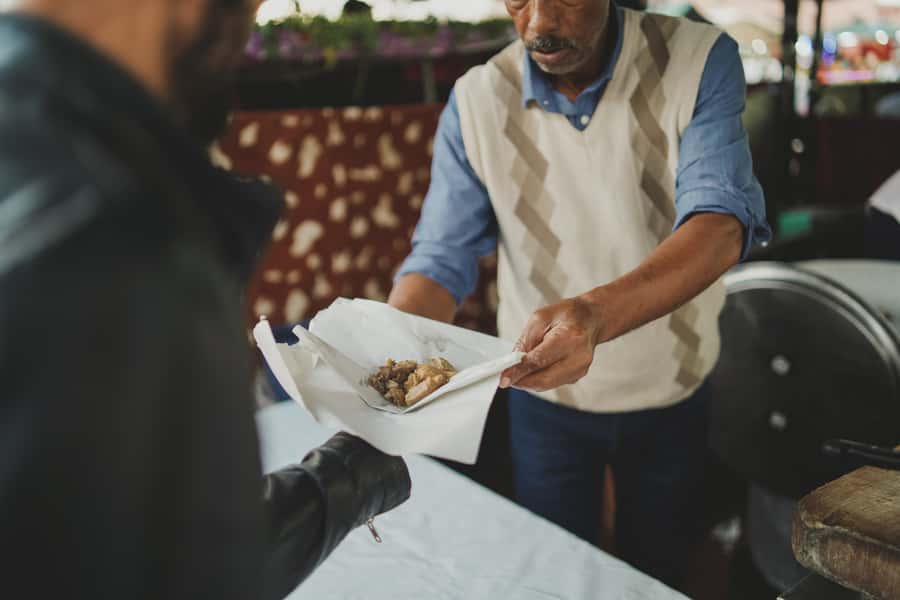
I would recommend it most strongly to first-time visitors who want an early introduction to Marrakech. The route gives you a working map of part of the medina, while the food lessons make later ordering much easier.
It also suits repeat visitors who have already eaten tagine and want a broader view of Moroccan cooking. The food can include sheep’s head, snails, tangia, grilled meats, pastries, soups, and local drinks. Some dishes may be familiar, while others will push you outside your usual order.
It is a good match for people who enjoy conversation. Guides explain cooking and customs, and the small group creates room for questions. The group may include couples and solo participants, so the social side depends partly on who joins your departure.
Families with children may need to think about the long duration, strong flavors, and unfamiliar dishes. The supplied information does not set a minimum age, so ask before booking if this is important to you.
Tips for getting the most from the experience
Book it near the start of your Marrakech stay, not at the end. You will gain restaurant ideas, food vocabulary, and a better sense of how to move through the medina.
Eat lightly beforehand. Do not plan lunch immediately before the tour, and do not schedule a large dinner right afterward. The number of tastings can be surprisingly high.
Bring a phone or camera if you want pictures of food preparation. Food makers may be happy to pose, but ask before photographing people or workspaces.
Keep an open mind about texture and presentation. Snails, grilled liver, sheep’s head, and other strongly local foods are part of the point. You do not have to love every bite, but the guide gives you a way to understand it.
Wear shoes that can handle uneven medina streets. This is an easy-paced walk, not a strenuous hike, yet you will be on your feet for about four hours.
Should you book the Marrakech food tour?
Book this tour if you want a full meal made of small discoveries, local guidance, and a look behind the food stalls. The combination of community bakery, hammam cooking, street food, medina orientation, and rooftop tea gives you a much fuller picture than a standard restaurant meal.
Skip it if you are vegan, have severe allergies, follow a celiac diet, are pregnant, or need a tightly controlled vegetarian menu. Also skip it if four hours of eating sounds excessive.
For most curious eaters, $55 is a fair price, especially when booked early in the visit. Come hungry, wear comfortable shoes, and let the guide lead you past the obvious choices.
FAQ
How long does the Marrakech food tour last?
The tour lasts four hours. It includes walking through the medina, food and drink tastings, local food stops, and a final visit around Jemaa El Fnaa.
Where does the tour start?
The meeting point is Bab Doukkala gate on the Rue Boutouil side, at Bab Doukkala, Marrakesh 40000, Morocco. The gate is about a 20-minute walk north of Koutoubia Mosque.
Where does the tour finish?
The tour finishes at Jemaa El Fnaa, Marrakech’s main square. Taxi services are available there.
How many tastings are included?
More than 15 food tastings are included, ranging from street snacks to full dishes. The total may include savory foods, sweets, soup, coffee, tea, and other local specialties.
Is the tour suitable for vegetarians or vegans?
Vegans are not suitable for this tour. Vegetarians can join, but they receive four or five fewer tastings because some vendors have limited meat-free alternatives.
Can people with food allergies or celiac diets join?
The tour is unsuitable for severe allergies and celiac diets because of the risk of traces and cross-contamination at street-food vendors.
What language is the tour in, and how large is the group?
The live tour is conducted in English. It is a small-group experience limited to eight participants.
More Food in Marrakech
- 3-Day Tour to Merzouga Erg Chebbi with Food & Camel Trek
★ 5.0 · 1,770 reviews - Authentic Moroccan Food Tour in Marrakech with Dinner
★ 5.0 · 1,423 reviews - From Marrakech: Zagora 2-Day Desert Safari with Food & Camp
★ 4.5 · 1,137 reviews - Marrakech: Jemma El Fnaa Food Tour with Dinner
★ 4.7 · 394 reviews
Recently reviewed around Marrakech
- 4-Days Marrakech to Marrakech Désert Tour★ 5.0 · 17 reviews
- Camel ride at sunset in Marrakech palm grove★ 5.0 · 17 reviews
- Agafay camel ride★ 5.0 · 20 reviews
- Camel riding in marrakech★ 4.5 · 17 reviews
- Marrakech to Atlas Mountains and 4 Valleys Day Trip★ 5.0 · 17 reviews
- Agafay Desert Adventure, Culture, and Relaxation, From Marrakech★ 5.0 · 25 reviews
- Quad excursion to the Agafay desert near Marrakech★ 5.0 · 44 reviews
- Camel ride and dinner Agafay desert★ 5.0 · 25 reviews
Medina & Souk Walks, compared.
Bahia Palace, Saadian Tombs, Souk and Medina Tour
Read our review →
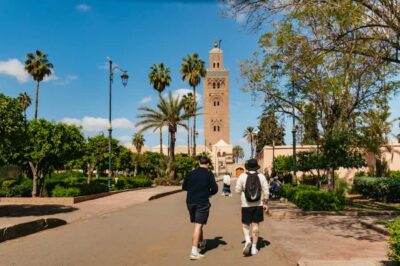
Saadian Tombs & Bahia Palace, Medina Guided Tour
Read our review →
Museum, Al Attarine Madrasa & Tannery and Medina Tour
Read our review →
Bahia Palace, Madrasa Ben Youssef and Medina Tour
Read our review →
Explore Fes: Unforgettable Guided Walking Tour of the Medina
Read our review →
Madrassa Ben Youssef, Secret Garden & Medina Tour
Read our review →Browse the lists this tour appears in