
Reviewed · FOOD & DRINK
Rabat Food Tour in the Old Town
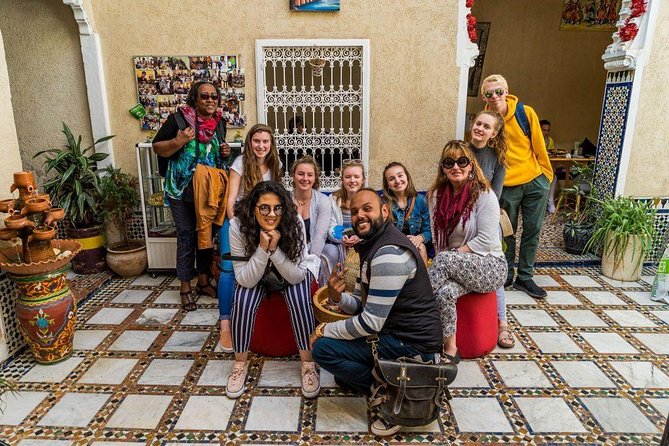
Rabat’s best food stories are found in the places you might pass without noticing: a bread stall near the Central Market, a shop tucked into a medina alley, or a café by the Bouregreg River. This tour links those stops with the old medina and Kasbah of the Udayas, giving you a useful introduction to Moroccan food and city life in about three hours.
I like two things right away. First, you taste more than the familiar tagine routine, including bread, olives, dates, yogurt, snacks, sweets, and other daily foods. Second, the guide helps you navigate the medina while explaining local customs, ingredients, and history. The main consideration is the amount of walking on uneven streets, so comfortable shoes and a healthy appetite matter.
In This Review
- Key things to know before you book
- Why this Rabat food tour works
- From Avenue Mohammed V to the Central Market
- Eating your way through Rabat’s old medina
- Dar El Medina and the two-course meal
- Mint tea beside the Bouregreg River
- What the food selection tells you
- Is the $72.12 price good value?
- Walking, timing, and meeting details
- Who will enjoy this experience most?
- My practical verdict
- FAQ
- How long does the Rabat Food Tour last?
- Where does the tour begin?
- Where does the tour end?
- Is lunch or dinner included?
- What foods will be tasted?
- Are vegetarian and vegan options available?
- How much walking is involved?
Key things to know before you book
- The tour begins at Rabat Ville: You meet near the train station on Avenue Mohammed V, then walk toward the old medina.
- The food is varied: Expect several small tastings before a substantial two-course lunch or dinner.
- The medina is part of the meal: You move through narrow lanes and local stalls that can be difficult to find on your own.
- The sit-down meal is a real centerpiece: Dar El Medina usually provides the main lunch or dinner stop, with Moroccan dishes served in a local restaurant.
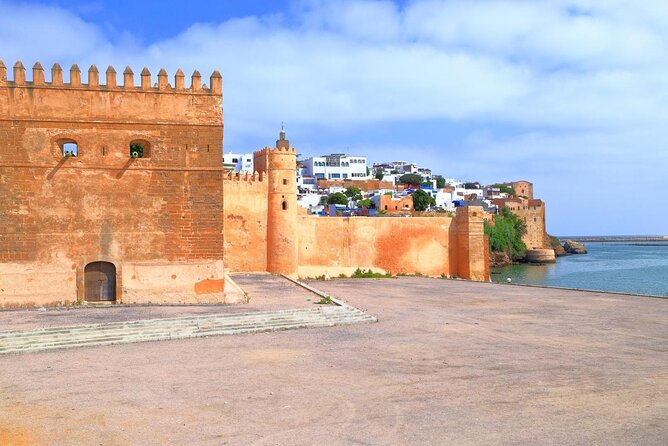
- The finish is by the river: Mint tea, dessert, and almond cookies are served at a café near the Kasbah des Udayas.
- The group stays small: A maximum of 12 people makes it easier to hear the guide and keep together in crowded lanes.
Why this Rabat food tour works
This is not just a meal with a bit of sightseeing added. It is a walking route through Rabat that uses food to explain how the city works. You see the formal French-style avenue, the working market, the old medina, a local restaurant, and the riverside promenade in one compact outing.
That mix is useful if Rabat is your first stop in Morocco. You get help with foods that may be unfamiliar, along with an early lesson in how Moroccans shop, eat, socialize, and welcome visitors. Even after several days in the country, you may still encounter new flavors here because the tastings are not limited to the standard tourist menu.
The tour has earned a 4.9 out of 5 rating from 102 ratings, with 99 percent recommending it. That is a strong sign that the guides and food stops are usually the experience’s greatest assets. The names that come up most often are Mohamed, Imane, Iman, Boutaina, and Ibrahime. Guides can vary, but the pattern is clear: friendly explanations and personal attention are central to the tour.
More Morocco food and drink outings:
- From Marrakech: Merzouga 3-Day Desert Safari with Food
★ 4.7 · 12,232 reviews - Marrakech: Street Food Tour with a Local Guide
★ 4.9 · 3,119 reviews - Marrakech: Street Food Tour by Night
★ 4.8 · 2,838 reviews
From Avenue Mohammed V to the Central Market
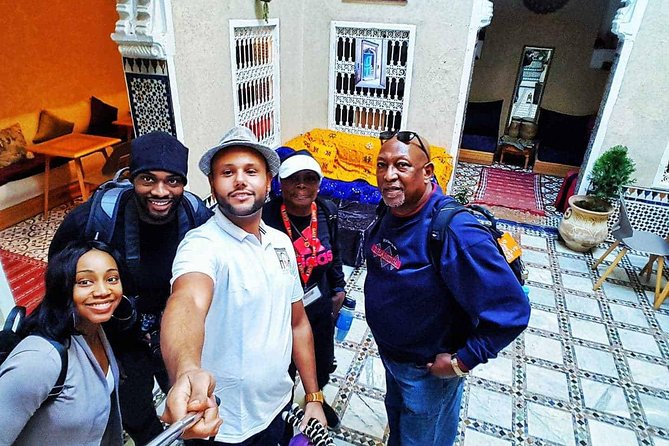
The meeting point is at Rabat Ville on Avenue Mohammed V. This broad avenue has French-style architecture and gives you a calmer start before the route turns into the tighter lanes of the medina.
The first tasting stop is usually near the end of the boulevard, at or around the Central Market. Bread is the focus here. That may sound simple, but bread is an excellent opening lesson in Moroccan eating. It is part of daily life, and seeing it in a market setting gives the tour a more grounded start than beginning with a restaurant plate.
You spend about 15 minutes at this stop. Admission is included, and bottled water is provided during the tour. The market also helps you get your bearings before entering the old city, though you should expect a short stop rather than a long market visit.
Eating your way through Rabat’s old medina
The longest walking portion takes place in the Rabat medina. Plan on about an hour among streets and alleyways, with food tastings along the way.
This is where a guide earns the price of admission. Medina lanes can turn quickly, and small food businesses are easy to miss if you are looking only for famous sights. Mohamed, Imane, and the other guides described for this experience do more than point out dishes. They explain what you are eating, answer questions, and add stories about Moroccan culture and daily life.
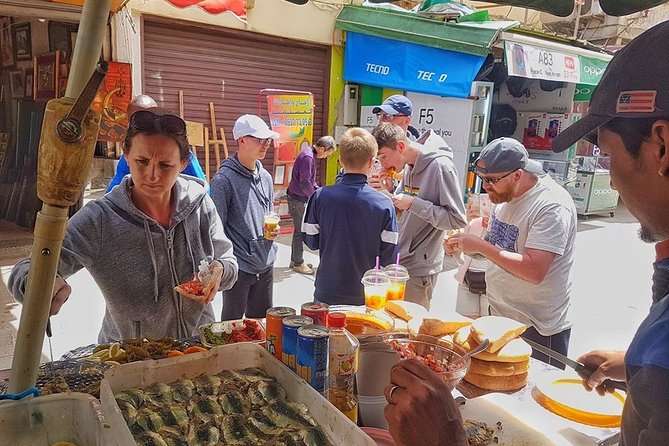
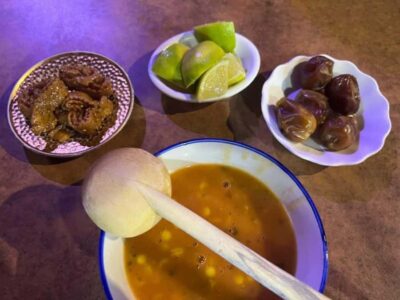
The exact menu can change, but the tastings described for the tour include both sweet and savory foods. Bread, olives, dates, yogurt, snacks, cookies, and several tagines may appear. Some meals have included as many as six or seven separate food tastings before the sit-down lunch.
That variety is one of the best reasons to choose this outing. You can compare textures and flavors instead of filling up on one dish. You might try something you would not have ordered from a menu, then learn how it is made or how local people use it at home.
The guide may also help you identify ingredients in the shops and stalls. One guide, Iman, is an accomplished home cook and has offered advice about using unfamiliar products. That sort of help is valuable if you plan to shop for Moroccan ingredients or want to understand the food beyond the meal in front of you.
The tradeoff is that this is an active food walk, not a seated tasting session. You may eat while standing or pausing beside a stall, and crowded lanes can make it harder to stay together. The group limit of 12 helps, but you still need to pay attention to the guide.
Dar El Medina and the two-course meal
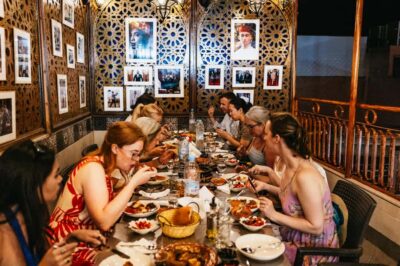
After the small tastings, you usually sit down at Dar El Medina for a two-course lunch or dinner. The restaurant is located on a narrow side street in the medina, which adds to the sense that you are eating in a working part of town rather than at a restaurant chosen only for easy coach access.
This meal is important because the early bites are deliberately varied and sometimes small. By the time you reach Dar El Medina, you have sampled several foods, but you also get a proper meal with time to sit, ask questions, and enjoy Moroccan cooking at a slower pace.
The menu is not specified in advance, so do not book this expecting one guaranteed dish. The food described across the experience includes tagines and other Moroccan staples, with some meals offering three different tagines for the group to taste. Portions are generous, and you should arrive ready to eat rather than planning a large meal immediately afterward.
On Saturdays and Sundays, live music may accompany the meal. It is an appealing extra, but it should be treated as a possibility, not a promise for every departure.
The restaurant stop lasts about an hour. For many people, this is the most satisfying part of the route because it brings together the social side of Moroccan dining and the cooking you have been learning about since the market.
More Morocco trips worth a second look
- 3-Day Tour to Merzouga Erg Chebbi with Food & Camel Trek
★ 5.0 · 1,770 reviews - Authentic Moroccan Food Tour in Marrakech with Dinner
★ 5.0 · 1,423 reviews - From Marrakech: Zagora 2-Day Desert Safari with Food & Camp
★ 4.5 · 1,137 reviews - Marrakech: Jemma El Fnaa Food Tour with Dinner
★ 4.7 · 394 reviews
Mint tea beside the Bouregreg River
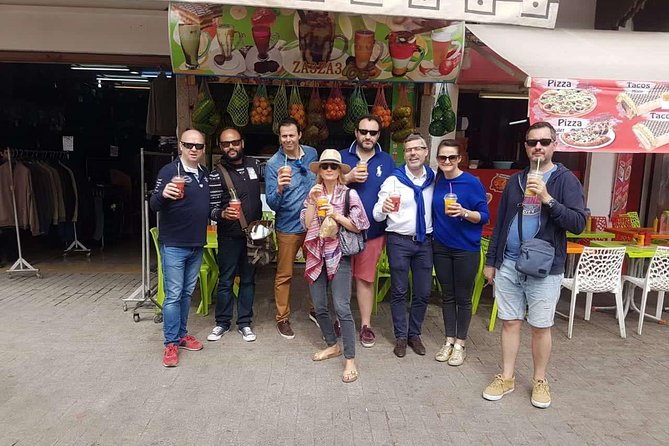
The final stop moves out toward Corniche Bouregreg, where the tour ends at a riverside café near the Kasbah des Udayas. You spend about 30 minutes here with Moroccan mint tea, dessert, and almond cookies.
This is a smart ending. After an hour in the medina and a full meal, you get a change of pace and a place to sit near the water. Mint tea is not just a hot drink in Morocco. It is a familiar part of hospitality, and ending with tea gives the tour a social finish rather than simply stopping after the main course.
The endpoint is not the same as the start. You finish on Avenue Al Marsa near the Kasbah des Udayas, at a café by the river. That makes the tour useful for continuing into the Udayas area afterward, but you should plan your onward route from the finish rather than assuming you will return to Rabat Ville.
What the food selection tells you
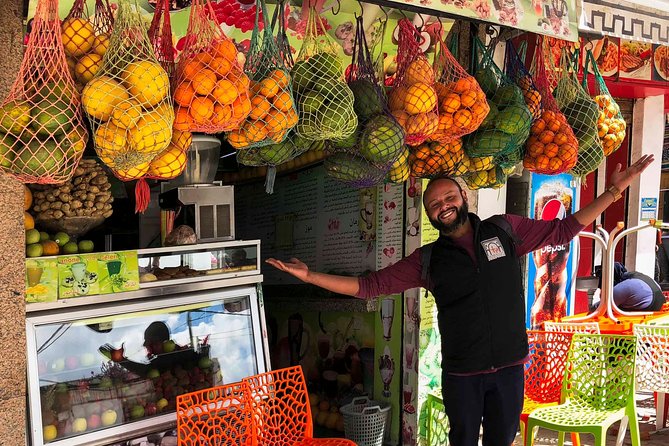
The tour’s food list is appealing because it reaches beyond the dishes most often served to first-time visitors. Tagine may be included, but it is only one part of the experience.
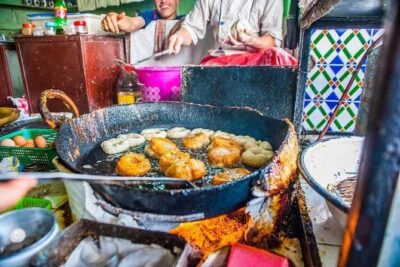
Bread, olives, dates, yogurt, cookies, market snacks, and sweets show how Moroccan food is woven through the day. You also get a chance to see food being prepared at some stops. That visual element helps explain what you are eating and can make unfamiliar items less intimidating.
You should come open to trying foods that are not familiar to you. The tour is designed for curiosity, not for a cautious sampler who wants only a predictable menu. At the same time, dietary needs can be handled if you give notice when booking. Vegetarian and vegan choices are available, but they need to be requested ahead of time.
Alcohol is not included. Coffee and tea are included, as are snacks, bottled water, and the two-course lunch or dinner. Because the tour has so many tastings, the $72.12 price should be judged against the full package, not against the cost of a single Moroccan meal.
Is the $72.12 price good value?
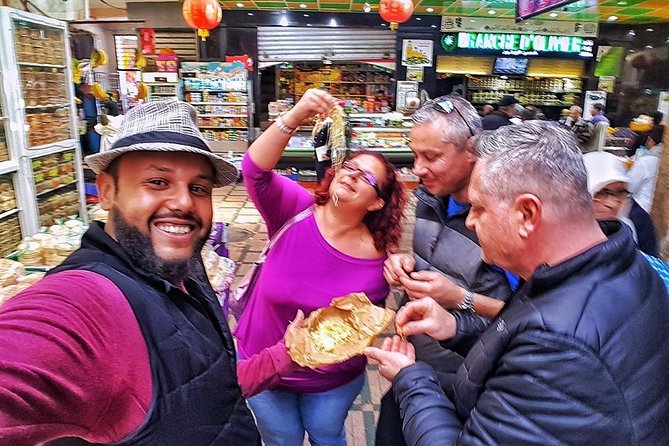
At $72.12 per person, this is not the cheapest way to eat in Rabat. You could certainly buy individual snacks and a restaurant meal for less.
The value comes from combining food, a local guide, medina navigation, cultural explanation, bottled water, the full two-course meal, and the final tea stop. If you are comfortable finding food on your own and already understand Moroccan menus, you may prefer independent eating.
I think the price is easier to justify if you are new to Rabat, have limited time, or want to taste a broad range of foods without guessing what to order. A small group of no more than 12 also matters. You are not paying for a large group procession through the lanes, and the guide has a better chance of answering individual questions.
This is also a useful first-day activity if your schedule allows it. You can ask about other places to eat, local products, and customs, then use those tips during the rest of your stay. Several guides have offered practical suggestions beyond the food itself.
Walking, timing, and meeting details
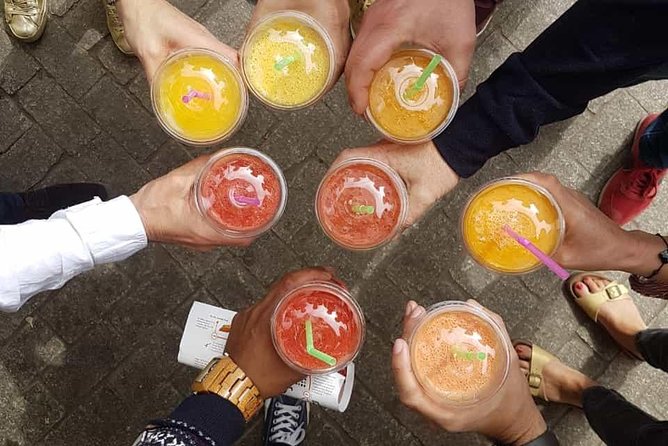
The advertised duration is about three to four hours, with the main route described as roughly three hours. Allow some flexibility because market stops, questions, food preparation, and group pace can affect the finish time.
You meet at Rabat Ville, near Avenue Mohammed V. The area is close to public transportation, which makes the starting point practical if you are staying in central Rabat or arriving by train.
There is no hotel pickup or drop-off. You need to reach the start yourself and arrange your own transport after the riverside finish.
The walking is moderate, but it is not a flat, polished promenade from start to finish. The medina includes narrow lanes and uneven surfaces, and you will be on your feet for much of the outing. Wear comfortable walking shoes. A moderate level of physical fitness is advised.
The tour uses a mobile ticket, and confirmation is provided when you book. You can cancel for a full refund up to 24 hours before the start time. Changes or cancellations made inside that window are not accepted, and the operator requires a minimum number of participants to run the tour.
Who will enjoy this experience most?
I would choose this tour if you want food to lead you into Rabat rather than simply stopping at famous sights. It suits first-time visitors, couples, small groups, solo visitors who like company, and anyone who enjoys asking questions while eating.
It is especially good for people who want to taste daily Moroccan foods instead of ordering tagine at every meal. The guides are repeatedly praised for clear English, warmth, humor, and the ability to keep a group together in the medina.
Families with older children may also find it appealing, provided everyone can manage the walking and is willing to try unfamiliar foods. The tour is less suitable if you have serious mobility limits, need a fixed menu, or want a quiet formal meal with very little walking.
If you have strict dietary requirements, contact the operator before booking. Vegetarian and vegan options are available, but the tour needs that information in advance.
My practical verdict
I like this experience because it gives Rabat a human scale. You start on an avenue built in a European style, pass through the market, follow the guide into the medina, sit down for a full meal, and finish with tea beside the river. The route feels like a compact introduction to how the city eats.
Book it if you want variety, local context, and help finding small food stops. Come hungry, wear good shoes, and keep your schedule loose after the tour. If you prefer to spend $72.12 on one long restaurant meal, or you already know Rabat’s food scene well, you may get better value on your own. For most first visits, though, the combination of food and orientation makes this a strong choice.
FAQ
How long does the Rabat Food Tour last?
The experience takes about three to four hours, with the main tour described as approximately three hours.
Where does the tour begin?
It begins at Rabat Ville on Avenue Mohammed V in Rabat, Morocco, near the train station.
Where does the tour end?
The tour ends at a riverside café on Avenue Al Marsa near the Kasbah des Udayas, along Corniche Bouregreg.
Is lunch or dinner included?
Yes. A two-course lunch or dinner is included, along with snacks, bottled water, coffee, and/or tea.
What foods will be tasted?
The tastings vary, but the experience can include bread, olives, dates, yogurt, snacks, sweets, cookies, and Moroccan classics such as tagines.
Are vegetarian and vegan options available?
Yes. Vegetarian and vegan options are available if you advise the operator when booking.
How much walking is involved?
A moderate amount of walking is involved through the market, medina streets, and alleyways. Comfortable walking shoes are recommended, and a moderate fitness level is advised.
Recently reviewed around Morocco
- 4-Days Marrakech to Marrakech Désert Tour★ 5.0 · 17 reviews
- Camel ride at sunset in Marrakech palm grove★ 5.0 · 17 reviews
- Agafay camel ride★ 5.0 · 20 reviews
- Camel riding in marrakech★ 4.5 · 17 reviews
- Marrakech to Atlas Mountains and 4 Valleys Day Trip★ 5.0 · 17 reviews
- Agafay Desert Adventure, Culture, and Relaxation, From Marrakech★ 5.0 · 25 reviews
- Quad excursion to the Agafay desert near Marrakech★ 5.0 · 44 reviews
- Camel ride and dinner Agafay desert★ 5.0 · 25 reviews
Food & Drink, compared.

3-Day Tour to Merzouga Erg Chebbi with Food & Camel Trek
Read our review →
Authentic Moroccan Food Tour in Marrakech with Dinner
Read our review →

Browse the lists this tour appears in