
Reviewed · SAHARA DESERT TOURS
Marrakech: 2 Days tour to Sahara Zagora Desert & Ait-BenHaddou
The best part of this two-day desert trip comes at the end of a very long road day: you climb onto a camel near Zagora, cross the dunes toward camp, and watch the desert light fade around you. The next morning brings another camel ride and sunrise before the long return to Marrakech.
I like the way this tour packs Ait Ben Haddou and Ouarzazate into a short schedule, and I like the warm camp experience, with dinner, Berber music, a fire, and beds in private tents. The price of about $105 also gives you a lot for your money.
The catch is simple: you spend much of the 35-hour experience in a minibus. The timing can feel tight, the Ouarzazate film-studio visit is not guaranteed, and the quality of the driver, vehicle air conditioning, and guiding can vary.
In This Review
- Key points to know before booking
- The real shape of this Marrakech desert trip
- Crossing the High Atlas from Marrakech
- Ait Ben Haddou, the worthwhile stop
- Ouarzazate and the uncertain film-studio visit
- Following the Drâa Valley toward Zagora
- The camel ride into the Nakhla dunes
- A night of Berber hospitality at camp
- Sunrise, breakfast, and the return ride
- Guides, drivers, and the small-group factor
- Is $104.68 good value?
- What to pack for the two days
- Should you book this Zagora tour?
- FAQ
- How long is the tour?
- What is included in the price?
- Are lunch and drinks included?
- Is the Ait Ben Haddou guide included?
- Is the Ouarzazate cinema studio visit guaranteed?
- How long are the camel rides?
- How many people can join the tour?
- Can I cancel for a full refund?
Key points to know before booking
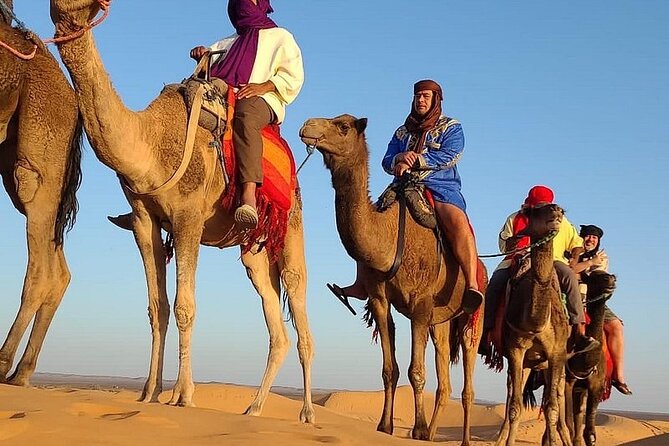
- Sunset and sunrise by camel: The ride into camp is planned for about 90 minutes, followed by a sunrise ride of similar length.
- Ait Ben Haddou is the strongest cultural stop: You have roughly 90 minutes there, with a local guide available for about €3.
- Expect a serious amount of road time: The route from Marrakech to Zagora and back can mean about six hours in the van each way.
- The camp includes the essentials: Dinner, breakfast, a private Berber tent, shared facilities, and an evening around the fire are included.
- Small-group travel helps: The vehicle can carry no more than 15 people, and some departures are much smaller.
- The price is good for a quick desert taste: It works best if you want the camel ride and camp night without giving three or more days to the desert.
The real shape of this Marrakech desert trip
This is not a leisurely journey through southern Morocco. It is an express circuit that links several major sights in a tight two-day window.
You leave Marrakech around 7:20 or 7:30 in the morning after breakfast. The route crosses the High Atlas, reaches Ait Ben Haddou, continues to Ouarzazate, then follows the Drâa Valley toward Zagora. By late afternoon, you change from minibus to camel and ride toward camp.
The next morning starts before sunrise. After breakfast, you ride back toward Zagora, may have a chance to shower, and then retrace the road to Marrakech. The usual arrival is between 5 and 6 p.m.
The timetable looks manageable on paper. In practice, traffic, meal stops, group changes, queues, and slow departures can stretch the day. I would treat the advertised times as a guide, not a promise.
More Sahara Desert Tours in Marrakech
- From Marrakech: 3-Day Merzouga and Sahara Desert Tour
★ 4.9 · 15,308 reviews - 3-Day Marrakech to Fes Sahara Desert Tour via Merzouga
★ 5.0 · 6,546 reviews - From Marrakech: 2-Day Sahara Tour to Zagora & Ait Ben Haddou
★ 4.4 · 1,925 reviews
Crossing the High Atlas from Marrakech
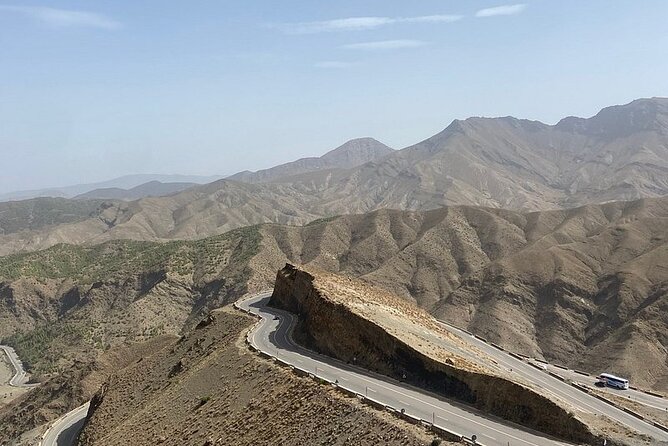
The first section gives you some of the most attractive scenery of the trip. The minibus climbs through the High Atlas, with wide views over valleys and mountain country.
This part is included in the transfer rather than offered as a separate mountain visit. You will stop for photos during the route, but the main purpose is getting across the range. If you enjoy watching Morocco change outside the window, this is worthwhile. If you dislike winding roads or long vehicle rides, the morning will test your patience.
Pickup is offered from accommodation that can be reached by car. Some old-town lanes around riads may not suit a minibus, so you may be directed to a nearby meeting point. Confirm the exact pickup place before bed, especially for the early departure.
The vehicle is described as modern and air conditioned, but this is one area where your experience may differ. Several positive accounts describe comfortable transport, while one particularly poor experience reported a packed van with no air conditioning. I would bring water, light layers, and anything you need for motion sickness.
Ait Ben Haddou, the worthwhile stop
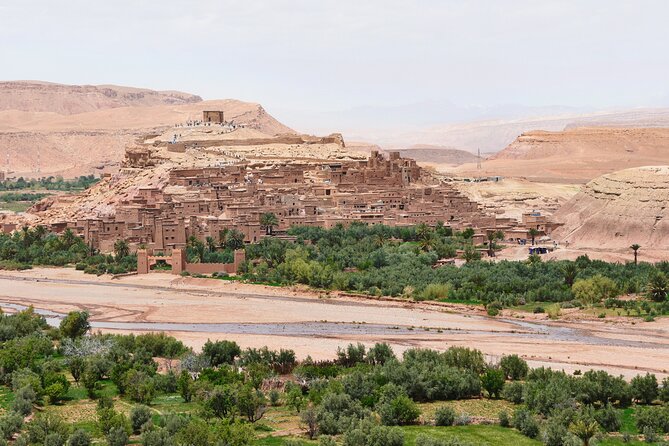
Ait Ben Haddou is the cultural centerpiece of the outward journey. This fortified earthen village, or ksar, is made up of closely packed buildings and passageways rising above the surrounding country. Its UNESCO listing gives it importance, but the appeal is more direct: it looks like the Morocco many people hope to see beyond Marrakech.
You get about 90 minutes here. That is enough for a brisk walk through the settlement and time for photographs, but not enough for an unhurried visit. A local guide is optional and costs about €3. I would take the guide if you want the buildings explained rather than simply photographed.
The guide arrangement may not be the same as having one historian with you all day. The main driver may give limited commentary during the road sections, with local guides handling specific stops. If you expect detailed information throughout the journey, this tour may feel light on explanation.
Wear shoes with a good grip and expect uneven ground. The visit is short, so stay aware of the meeting time. A late return to the minibus can reduce your time at the next stop, and this route has little room for delays.
Ouarzazate and the uncertain film-studio visit
After Ait Ben Haddou, the minibus continues to Ouarzazate, usually for lunch and a possible visit to the cinema studio. Lunch is not included, and you pay for your own food and drinks at a local café.
Ouarzazate has a strong connection to film production, and the studio can be an interesting stop if it is open to visitors. The tour does not guarantee entry. Filming may close parts of the site, or the schedule may leave too little time.
That distinction matters. Some people have found the studio visit enjoyable, while others received only a short photo stop. Plan your expectations around Ouarzazate as a meal and break stop with a possible studio visit, not as a full guided attraction.
The time here is roughly an hour. You may find the stop rushed, especially if the group has lost time earlier. It is also one of the places where optional purchases or fixed meal stops can affect the value of the day. Carry snacks if you prefer not to rely entirely on the café chosen for the group.
More Marrakech trips worth a second look
- From Marrakech: 2-Days luxurious experience to Zagora Desert
★ 4.9 · 1,502 reviews - From Marrakech: Zagora 2-Day Desert Safari with Food & Camp
★ 4.5 · 1,137 reviews - Mt Toubkal Ascent Express Trek 2 Days 1 Nights
★ 4.7 · 962 reviews - Marrakech/Ouarzazate: 2-Day Desert with Camel, 4×4 & Meals
★ 4.6 · 926 reviews
Following the Drâa Valley toward Zagora
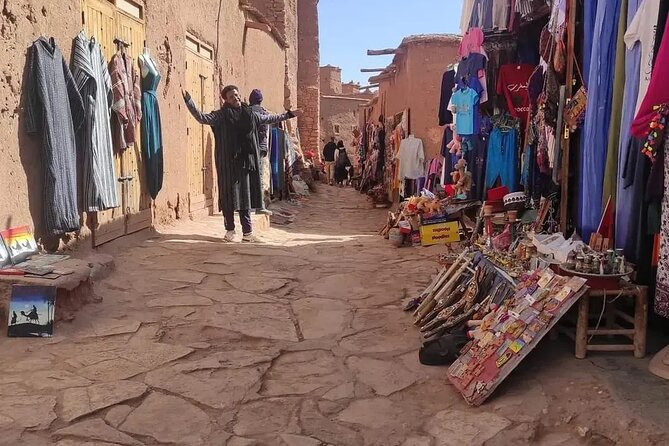
From Ouarzazate, the route follows the Drâa Valley. The scenery shifts again as the road runs through the long valley toward Zagora.
This section is less about scheduled sightseeing and more about watching the route unfold. You may stop for photographs and short breaks, but the destination is the priority. The listed stop in the valley is brief, while the full transfer can occupy several hours.
By the time you reach Zagora, you will probably be ready to stretch your legs. After a short break, you meet the camel handlers and leave the minibus behind. This change of pace is welcome, though the timing can be late enough that the first ride is partly or mostly in fading light.
The camel ride into the Nakhla dunes
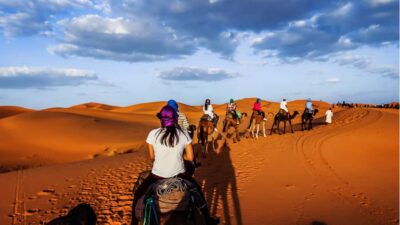
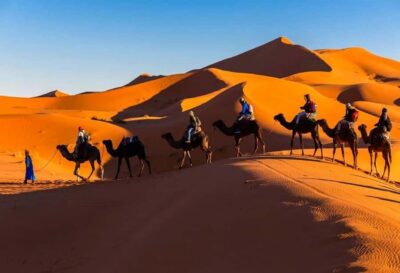
The planned camel journey to the camp takes about an hour and a half. You ride into the dunes of Nakhla, where the camp is set up for the night.
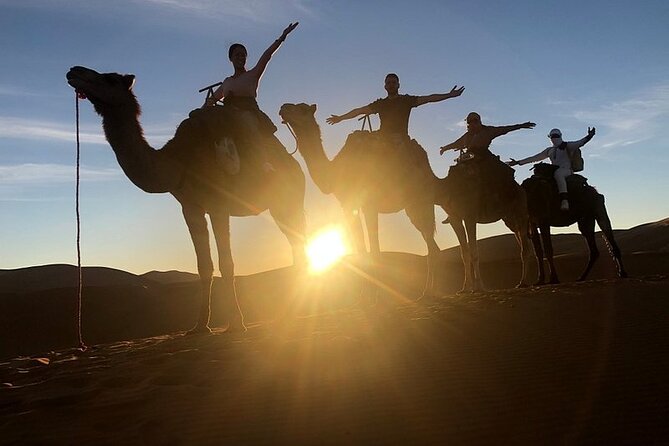
This is the moment the trip becomes special. The route has been long, but the slow rhythm of the camel, the open sand, and the changing light offer something a bus window cannot. The sunset ride is one of the strongest reasons to choose this tour.
There is a practical point to remember: camel timing depends on the road schedule. One group reached the camels later than expected and had little daylight left for photographs. You may still see the sunset, but you should not count on a long golden-hour photo session.
You also need to manage your expectations about the animals and riding comfort. The camels have been described as healthy and well treated, but sitting on a camel for 90 minutes can be tiring. Wear trousers or other comfortable clothing, and keep your camera and water within reach.
At times, luggage arrangements can be confusing. Bags may be carried by a vehicle while you ride, but one account reported having to carry luggage on the camel. Ask where your main bag is going before departure and keep essentials in a small day bag.
A night of Berber hospitality at camp
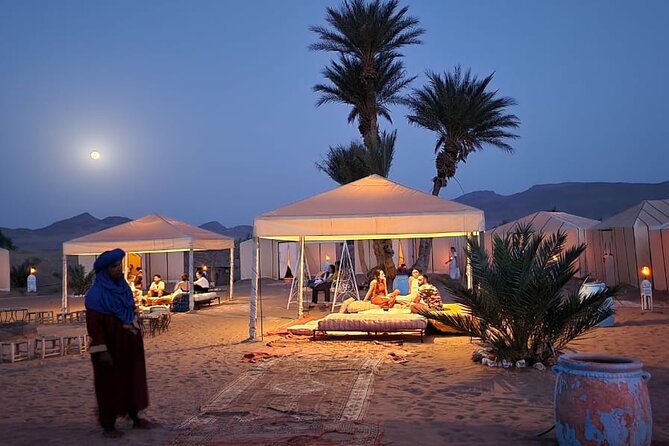
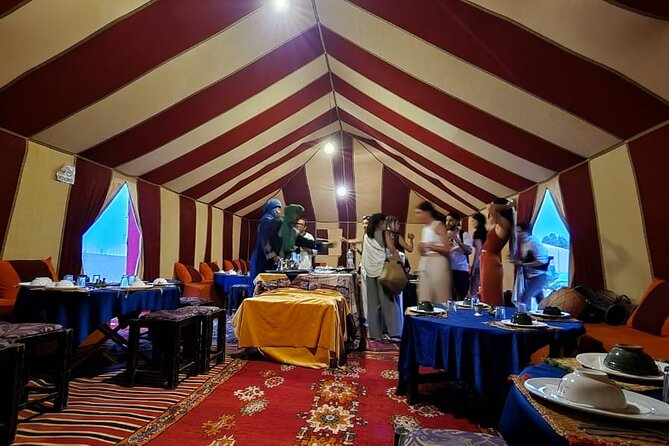
The overnight stay is in a private Berber camp, with dinner and breakfast included. The tents provide beds, but this is still a desert camp rather than a full hotel.
You can expect shared bathroom facilities, including a shower, toilet, and sink, according to the more detailed descriptions of the camp. Standards can vary, so pack basic toiletries, a small towel, and a warm layer. Desert temperatures can change sharply after sunset.
Dinner is a generous part of the evening, followed by music, singing, dancing, and time around the fire. These simple activities often create the most social part of the tour. You may have time to talk with people from different countries, but the experience is not built around a formal cultural performance.
The tents are comfortable enough for many people, though not ideal for picky sleepers. One account described the accommodation as simply a bed in a tent. If you need hotel-level quiet, a firm mattress, or private facilities, choose a longer and more comfortable desert itinerary instead.
The camp is also where the small-group size matters. With up to 15 people, the evening can feel more personal than a large coach tour. Some departures may be private or nearly private, but you should not assume that when booking.
Sunrise, breakfast, and the return ride
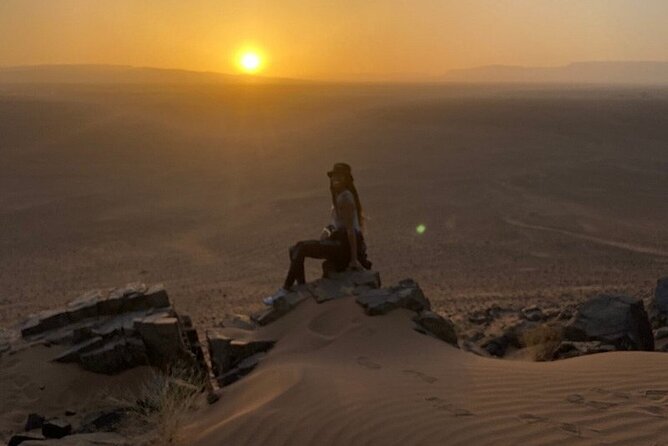
The second day begins early, before sunrise. After a traditional Berber breakfast, the plan is to ride camels for about 90 minutes, see the sunrise, and return toward Zagora.
This can be a beautiful way to start the day. The desert is cooler and quieter, and sunrise gives you a different view from the previous evening. You then return to Zagora, where a shower may be available before the drive back.
Weather can change this part of the schedule. One account described the sunrise camel ride being shortened or canceled because of cloud, followed by a long wait before departure. If sunrise is important to you, ask the local staff what is happening rather than waiting without information.
Other accounts describe a memorable sunrise and a smooth return. The difference shows why you should allow some flexibility. This is an outdoor activity in a remote setting, not a timed city attraction.
The drive back follows the Drâa Valley and crosses the High Atlas again. There are photo stops, lunch, and coffee breaks, but the road still takes most of the day. You normally reach Marrakech between 5 and 6 p.m., although delays are possible.
Guides, drivers, and the small-group factor
The human side of the trip can shape your experience more than the route. Drivers and guides named in positive accounts include Abdul, Jalal, Karim, Jawaf, Ayoub, and Yousuf.
Abdul is praised for being friendly and helpful with families, while Jalal is described as cheerful and full of local knowledge. Karim is noted for contacting people before departure and helping with questions. These are useful signs, but the company may assign a different driver to your group.
The tour may use several people rather than one guide for every part. You might have a driver on the road, a local guide at Ait Ben Haddou, and camel handlers at the camp. Language support can vary. English, French, Spanish, and other languages may be used, but do not assume that every guide speaks the language you selected.
A small group gives you more room to ask questions and swap seats. It can also make delays more noticeable, since the schedule depends on everyone returning on time. Good communication from the driver is especially important on a route this compressed.
Safety and air conditioning deserve attention. Most accounts describe professional, comfortable transport, but there are also serious complaints about poor vehicle conditions and unsafe driving. I would confirm the vehicle and driver arrangements at pickup and speak up immediately if the van is too hot or the driving feels unsafe.
Is $104.68 good value?
At about $104.68 per person, the price is appealing. It covers transport from Marrakech, the camel rides, a private Berber tent, dinner, breakfast, and the major route stops.
You still pay for lunch, drinks, and the optional Ait Ben Haddou guide. The Ouarzazate studio is not included and may not be available. Those extra costs are modest, but they matter when comparing the total price.
The bigger cost is your time. You are paying with long hours on the road, a rushed first day, and limited time at Ait Ben Haddou and Ouarzazate. For a quick taste of southern Morocco, that is fair value. For a relaxed desert holiday, it is not.
A three-day or longer route would give you more breathing room, but this two-day version suits someone with only a few days in Marrakech. If your main goal is simply sand, camels, and a camp night, a closer desert area such as Agafay may avoid much of the driving. Zagora is the better choice if you also want the Atlas, Ait Ben Haddou, Ouarzazate, and the Drâa Valley.
What to pack for the two days
Keep your main luggage organized and carry a small overnight bag. You will want quick access to water, sunscreen, medication, a phone charger, and a change of clothes.
Useful items include:
- Comfortable trousers for the camel ride
- Closed shoes for Ait Ben Haddou and the dunes
- A warm layer for the desert night
- Motion-sickness medicine if long, winding drives affect you
- Cash for lunch, drinks, and the optional local guide
- A small towel and basic toiletries for the camp shower
Do not pack your schedule too tightly after returning to Marrakech. The advertised arrival is 5 to 6 p.m., but road delays can happen.
Should you book this Zagora tour?
Book it if you want the lowest-cost practical route to a desert camp and you have only two days. The sunset camel ride, sunrise, camp dinner, and Ait Ben Haddou visit give you several memorable moments for a reasonable price.
Skip it if you dislike long minibus journeys, need dependable air conditioning, want detailed guiding throughout the drive, or expect a polished luxury camp. You should also think twice if the Ouarzazate studio is your main goal, since entry is not guaranteed.
My advice is to book this as an energetic sampler, not a restful escape. Confirm pickup, language, vehicle air conditioning, luggage handling, and the expected camel schedule before leaving Marrakech. With realistic expectations, this can be an excellent use of two days. If you want more time in the desert and less time on the road, spend more nights and choose a longer route.
FAQ
How long is the tour?
The tour lasts approximately two days. Pickup is around 7:20 a.m., departure is usually at 7:30 a.m., and return to Marrakech is normally between 5 and 6 p.m. on the second day.
What is included in the price?
The price includes air-conditioned vehicle transport, accommodation in a private Berber camp, dinner, breakfast, camel rides, and pickup and drop-off when your accommodation is accessible by car.
Are lunch and drinks included?
No. Lunch and drinks are not included, so you should budget for them on both days.
Is the Ait Ben Haddou guide included?
No. A local guide is optional and costs about €3.
Is the Ouarzazate cinema studio visit guaranteed?
No. The visit may not be possible if there is not enough time or if filming is taking place. Lunch is available at a local café.
How long are the camel rides?
The planned ride into the camp takes about one and a half hours. The sunrise ride on the second day is also planned for about one and a half hours.
How many people can join the tour?
The activity has a maximum group size of 15 people.
Can I cancel for a full refund?
Yes, if you cancel at least 24 hours before the local start time. Cancellations or changes made less than 24 hours before departure are not refunded. If poor weather causes the tour to be canceled, you will be offered another date or a full refund.
Recently reviewed around Marrakech
- 4-Days Marrakech to Marrakech Désert Tour★ 5.0 · 17 reviews
- Camel riding in marrakech★ 4.5 · 17 reviews
- Camel ride at sunset in Marrakech palm grove★ 5.0 · 17 reviews
- Agafay camel ride★ 5.0 · 20 reviews
- Marrakech to Atlas Mountains and 4 Valleys Day Trip★ 5.0 · 17 reviews
- Agafay Desert Adventure, Culture, and Relaxation, From Marrakech★ 5.0 · 25 reviews
- Quad excursion to the Agafay desert near Marrakech★ 5.0 · 44 reviews
- Camel ride and dinner Agafay desert★ 5.0 · 25 reviews
Sahara Desert Tours, compared.
3-Day Marrakech to Fes Sahara Desert Tour via Merzouga
Read our review →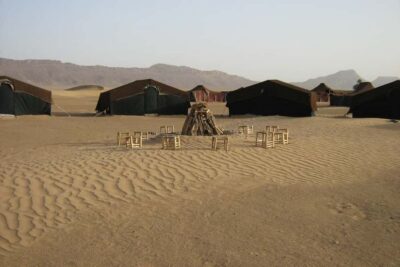
Sahara Desert 2-Day Tour with Merzouga Camp Stay
Read our review →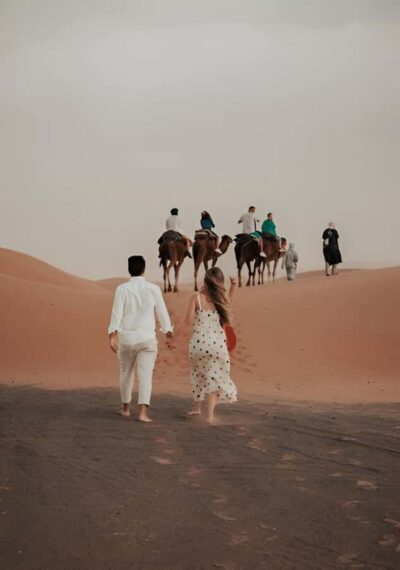
From Fes to Marrakech: 3-Day Sahara Desert Discovery Tour
Read our review →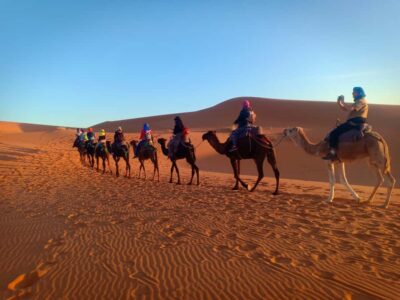
Browse the lists this tour appears in