
Reviewed · SAHARA DESERT TOURS
From Fes to Marrakech: 3-Day Sahara Desert Discovery Tour
The best part of this Fes to Marrakech desert tour is the sheer change in scenery. In three days, you move from the Middle Atlas and cedar forests to palm-filled valleys, Sahara dunes, deep gorges, kasbahs, and the High Atlas. It is a lot of Morocco in one well-packed crossing.
I like the sunset and sunrise in Erg Chebbi, plus the chance to sleep at a Berber camp rather than simply stop for a desert photo. I also like the practical route: you end in Marrakech instead of returning to Fes, and the stops at Todra Gorge, Ouarzazate, and Ait Ben Haddou break up the long road days.
The main drawback is clear: you spend many hours in the vehicle, especially on Day 1 and Day 3. The standard desert camp may also feel crowded and may not sit directly among the dunes, so check the accommodation option before booking.
In This Review
- Key points to know before booking
- Why this three-day crossing works
- Day 1: Fes to the Sahara through Ifrane and the Ziz Valley
- Sunset in Erg Chebbi and a night at camp
- Sunrise, 4×4 options, and the road to Todra Gorge
- Dades Valley and the Road of a Thousand Kasbahs
- Day 3: Ouarzazate, Ait Ben Haddou, and the High Atlas
- Guides, driving, and the human side of the trip
- What the $182 price really covers
- Who should book this Morocco route
- Should you book it?
- FAQ
- How long is the tour from Fes to Marrakech?
- Is pickup from my hotel or riad in Fes included?
- Where does the tour end?
- Are meals included?
- What type of desert accommodation is provided?
- Is the camel ride included?
- Are quad bikes or buggies included?
- Can I cancel the tour?
Key points to know before booking
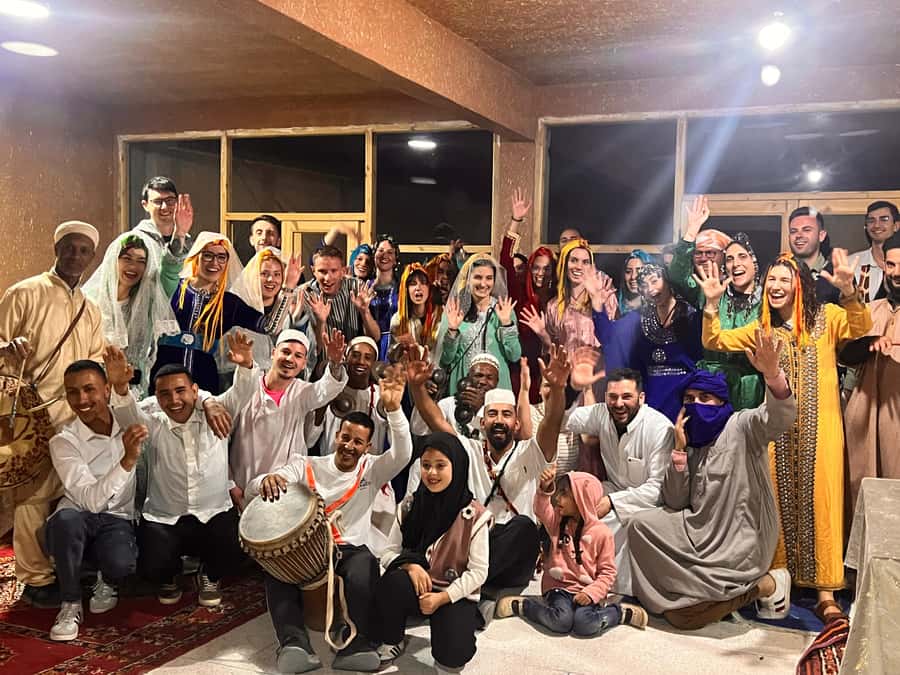
- Erg Chebbi comes with sunset, sunrise, music, dinner, and sandboarding, not just a quick camel photo.
- The route covers enormous variety, from snowy or wooded mountain country to palms and golden desert dunes.
- The driving days are long, with a 7:00 AM start and arrival in Marrakech around 6:00 PM on Day 3.
- Standard and luxury camp options differ, especially bathroom arrangements and the feel of the desert setting.
- Guides make a real difference, with names such as Moha, Hesham, Omar Faiz, Haadi, and Mustapha repeatedly praised for safety, humor, and organization.
- A free 4×4 transfer is available, which matters if you prefer not to ride a camel or need an alternative.
Why this three-day crossing works
At $182 per person, this is a strong-value way to connect two of Morocco’s major cities while seeing the Sahara and the southern part of the country. The price includes transport, a driver, two nights of lodging, two dinners, two breakfasts, camel rides, sandboarding, luggage transfer to camp, and guides for key visits.
You still pay for lunches, personal spending, and optional quad bikes or buggies. Even so, arranging this route independently would require several hotels, transport connections, and desert transfers. The tour’s value comes from combining those moving parts into one booking.
The route is best for someone with limited time who wants the major southern sights without planning every road connection. It is less suitable if you want slow mornings, long museum visits, or several nights in the desert. Think of it as a scenic cross-country journey with a desert night at its center.
The group may be private if you choose that option. Otherwise, the atmosphere depends on the departure, but several recent groups were small, including one with six people. That is a useful size for a long van ride because you can get to know the people around you without feeling packed into a large coach.
More Sahara Desert Tours in Fez
- From Fez: Sahara Desert 2-Day Tour with Merzouga Camp Stay
★ 4.8 · 1,716 reviews - From Fes To Marrakech: 3-Day Sahara Desert Tour & Camel Trek
★ 4.8 · 389 reviews - 3-Days Sahara Desert Tour from Fez to Marrakech
★ 5.0 · 158 reviews
Day 1: Fes to the Sahara through Ifrane and the Ziz Valley
Pickup begins early, around 7:00 AM, from your hotel or riad in Fes. If your accommodation sits inside the medina and a vehicle cannot reach it, you receive a nearby meeting point, usually within a short walk. Have breakfast before leaving or carry something with you, since lunch is not included.
The first stop is Ifrane, a mountain town with European-style buildings and a cooler, calmer feel than Fes. It is a brief visual change rather than a full sightseeing day, but it helps mark the start of the crossing. The road then continues toward Azrou and its cedar forests.
Azrou is known for its ancient cedar trees and Barbary macaques. The monkeys are one of the route’s memorable wildlife moments, but keep your belongings close and follow your guide’s instructions around them. The stop also gives you a chance to stretch your legs after the first section of driving.
From the Middle Atlas, the road reaches Midelt, where you stop for lunch and a rest. Lunch is your own expense, and the tour uses roadside cafés and rest stops along the way. These breaks are practical rather than leisurely, so do not expect a long meal followed by a relaxed town visit.
The scenery keeps changing as you head south. Mountain villages give way to drier country, and the Ziz Valley introduces one of the route’s most striking contrasts: a long green palm oasis running through an otherwise arid region. At viewpoints above the valley, you can see how water shapes settlement in southeastern Morocco.
This first day is also the hardest for anyone who dislikes road time. The journey from Fes to Merzouga covers a great distance, and you reach the desert late in the afternoon. Still, the changing scenery gives the drive a purpose. One hour you may be looking at high mountain slopes, and later you are watching palms cut through red-brown rock.
Sunset in Erg Chebbi and a night at camp
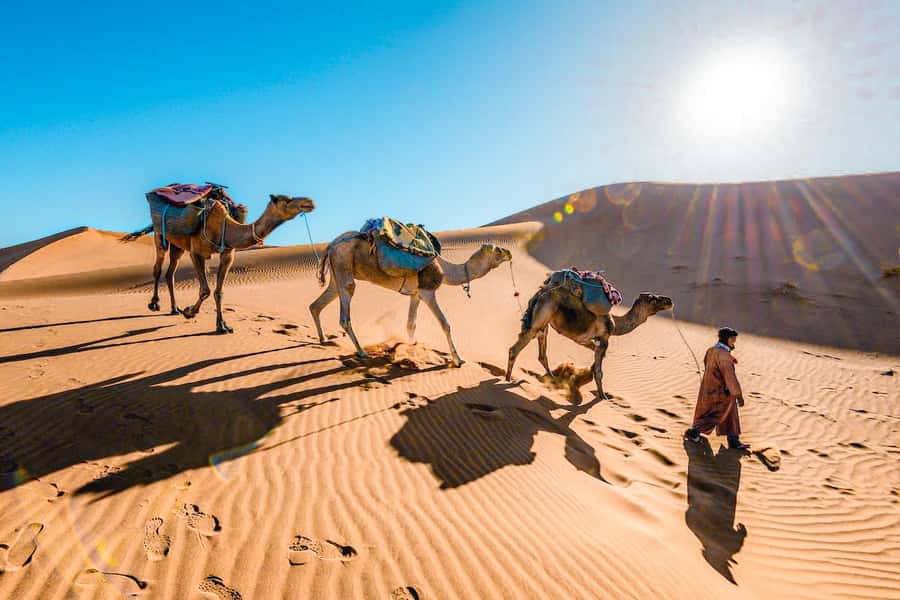
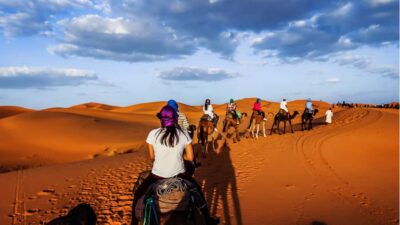
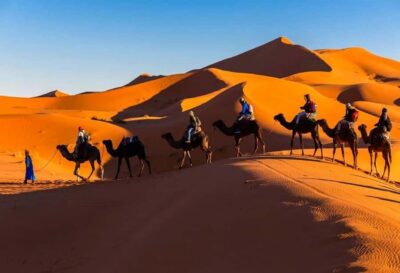
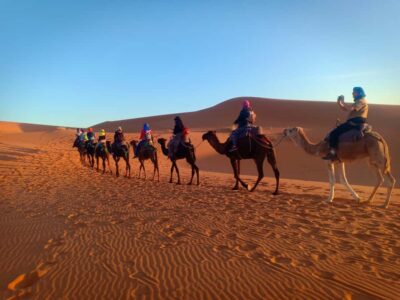
At Merzouga, you leave the vehicle and begin the desert portion of the trip. The included camel ride takes you into the Erg Chebbi dunes around sunset, when the sand takes on warmer colors and the temperature begins to drop.
You also receive luggage transfer to camp, so take a small day bag with essentials such as a jacket, water, sunscreen, and your phone. Do not assume your full suitcase will be beside your tent immediately. Pack what you need for the night before handing over larger luggage.
Sandboarding is included, giving you another way to enjoy the dunes. It is a simple activity, but it adds some energy after the long drive. If you prefer a quieter arrival, you can focus on the sunset and the open desert instead.
The camp includes dinner, traditional Berber music, and time beneath the stars. This evening is the emotional center of the tour. The music and dancing create a social, welcoming atmosphere, and several guides have helped keep the group involved by joining in themselves. Omar Faiz, Haadi, and Hesham are among the guides praised for humor and for making solo participants feel part of the group.
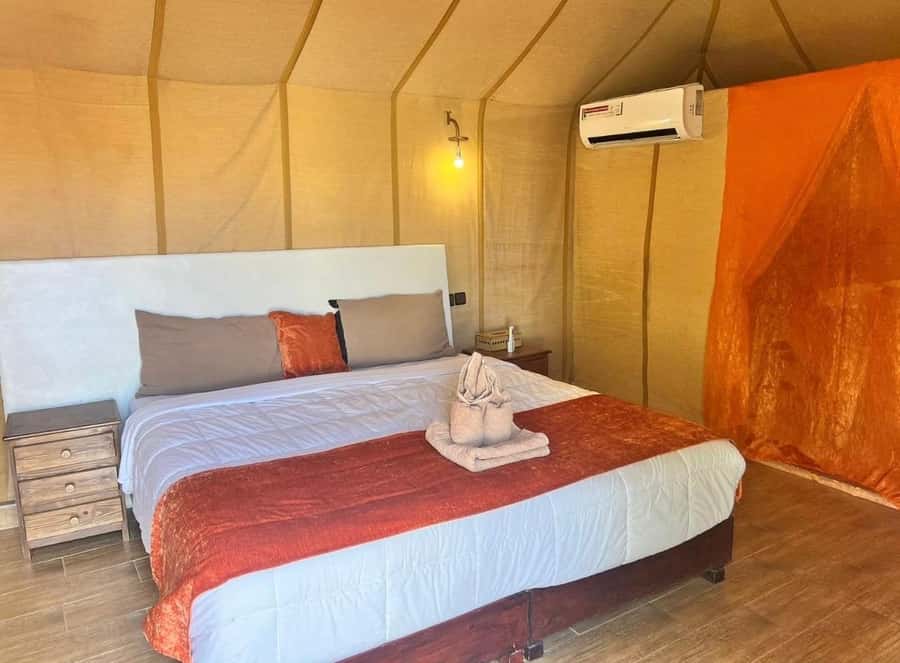
Pay close attention to the accommodation choice. A standard tent has a shared bathroom. A luxury tent has a private bathroom. One important detail is that the standard camp may be crowded and may not be located directly in the dunes, so the phrase desert camp can mean different things depending on the option you select.
Winter nights can be very cold even when the daytime sun feels pleasant. Bring a warm layer and a jacket, not just light desert clothes. In summer, daytime heat is the bigger concern. Sunglasses, a hat, sunscreen, and comfortable shoes are sensible at any time of year.
Sunrise, 4×4 options, and the road to Todra Gorge
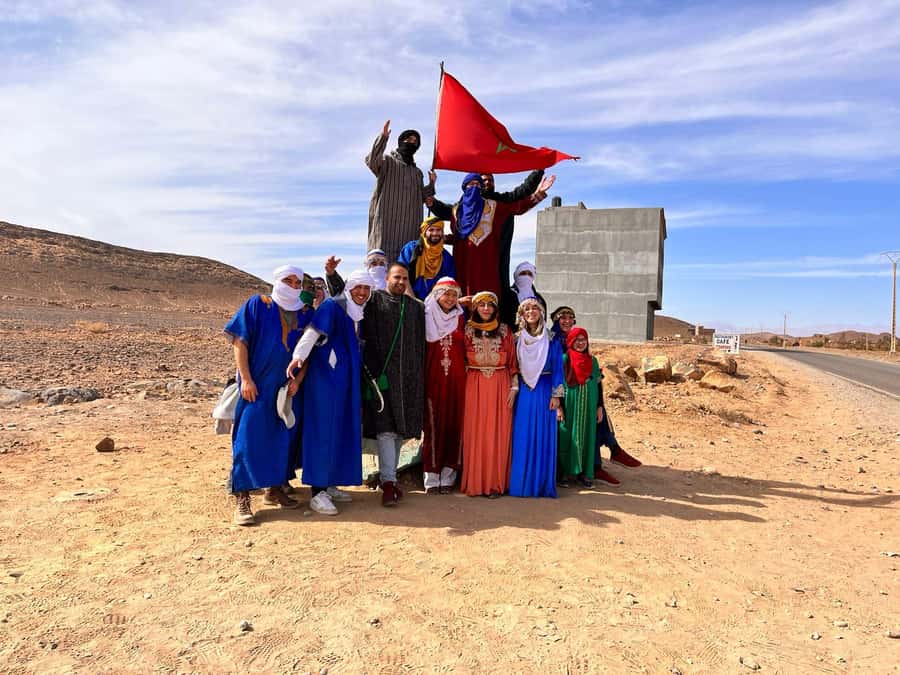
The second day starts early so you can watch sunrise over the Sahara. This is one of the reasons the overnight stay matters. A short desert stop would miss the quiet morning light and the gradual change in the dunes.
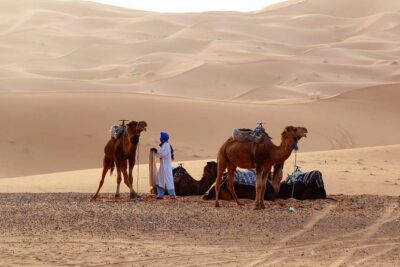
You return from camp by camel or by 4×4. The 4×4 transfer is free, and it should be made clear at the start if you do not want to ride a camel. The tour information includes the alternative, but the choice may not always be explained clearly without asking. Anyone concerned about animal welfare should raise the issue before the camel departure rather than waiting until the last minute.
After breakfast, the route leaves Merzouga for Todra Gorge. This is another long driving stretch, but it passes through villages, dry valleys, palm groves, and the shifting scenery of the Road of a Thousand Kasbahs.
Todra Gorge is famous for its towering rock walls and narrow canyon. You have free time to walk near the river and look up at the cliffs. The stop works well for photographers, walkers, and climbers. If you enjoy climbing, the rock walls are worth studying even if your visit is too short for a climb.
This is one place where timing matters. The itinerary gives you a walk and time to take in the canyon, not an extended hike through the entire region. Wear shoes with decent grip, especially if the ground is uneven or damp.
Lunch remains your own expense, though local meal stops can add a welcome taste of southern Moroccan cooking. One recent group enjoyed a home-cooked lunch near Todra Gorge, but meals vary by departure and are not part of the included price. Carry cash because personal expenses and lunches are not covered.
More Fez trips worth a second look
- Majestic Desert: 3-Day Luxury Journey from Marrakech to Fes
★ 4.9 · 1,437 reviews - Fes: Best Fez to Marrakech via Merzouga Desert Dunes, 3 Days Tour
★ 5.0 · 959 reviews - From Fes: Unforgettable Desert Tour to Marrakech 3-Day
★ 4.5 · 470 reviews - From Fes: 3 Days and 2 Nights Desert Trip to Marrakech
★ 4.6 · 460 reviews
Dades Valley and the Road of a Thousand Kasbahs
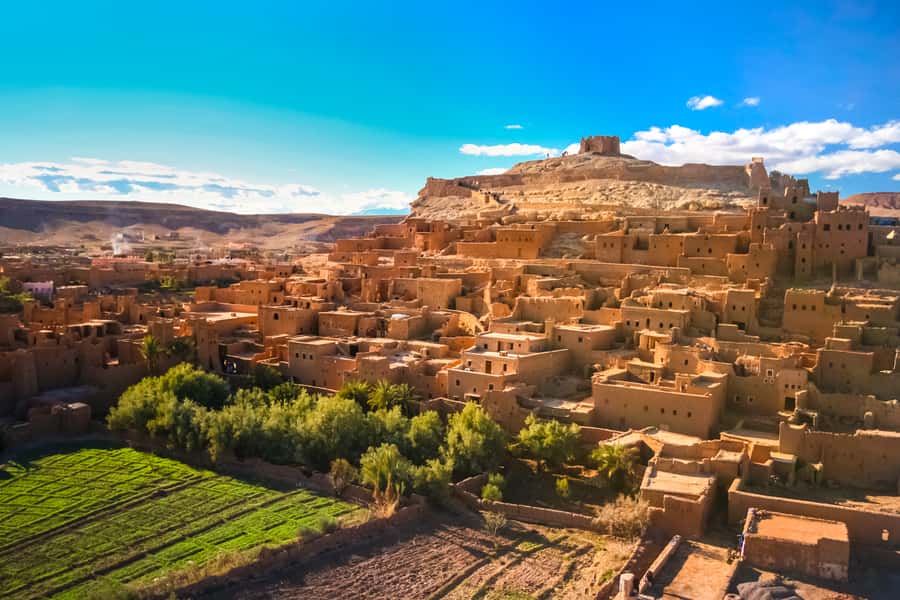
After Todra Gorge, you continue toward the Dades Valley. The road passes mud-brick villages, palms, and scattered kasbahs, showing how people have adapted to a dry climate with limited water.
The phrase Road of a Thousand Kasbahs is not a promise of a thousand formal monuments. It describes a broad route through southern Morocco where fortified homes and villages appear among the valleys. The pleasure is in seeing the pattern of settlement, not ticking off one famous building after another.
You spend the second night in a private room at a selected hotel or riad. Dinner and breakfast are included here. Accommodation has generally been described as comfortable, and solo participants may receive a single room, though exact arrangements can depend on the booking.
The Dades stay also gives you a more ordinary evening than the desert camp. After the music and activity of the first night, this is a chance to shower, sleep in a regular room, and prepare for the final mountain crossing.
Day 3: Ouarzazate, Ait Ben Haddou, and the High Atlas
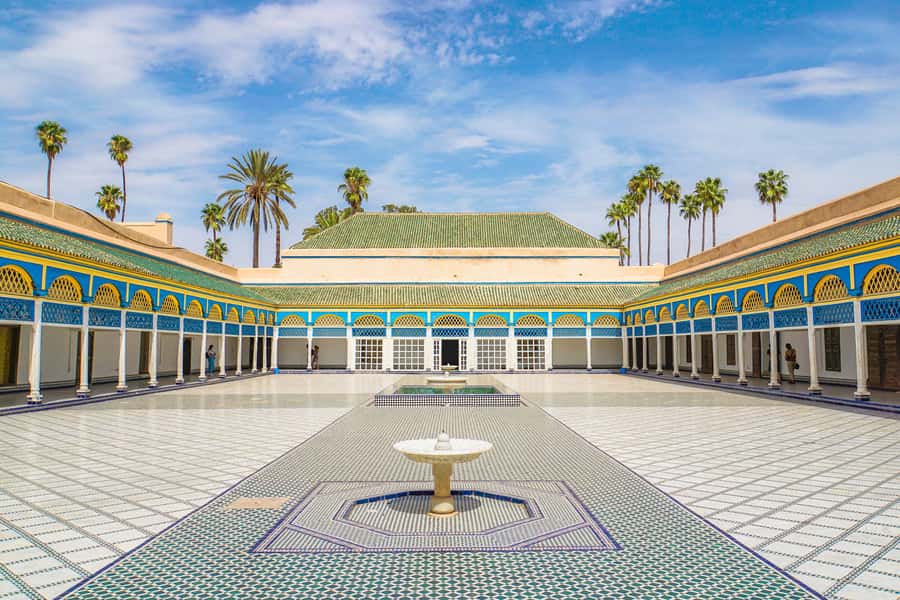
After breakfast, you head toward Ouarzazate, a city often used as a gateway to the desert and southern valleys. The route then continues toward Ait Ben Haddou, Morocco’s famous UNESCO-listed kasbah village.
Ait Ben Haddou is built from earthen materials and rises in a compact group of fortified structures. Its warm-colored walls and position beside the old route make it one of the most photogenic stops in Morocco. You can explore the lanes and viewpoints, but the exact amount of time depends on the day’s road conditions and schedule.
A local guide at Ait Ben Haddou is optional and costs a small extra fee. I recommend considering one if you want more than photographs. Without a guide, the setting is easy to admire but harder to interpret, especially if you want to understand how the buildings, community, and trade route fit together.
The tour then crosses the High Atlas via Tizi n’Tichka, Morocco’s highest road pass. The road climbs through mountain scenery, with stops for photographs and views toward Berber villages. Weather can change quickly at altitude. Snow and difficult conditions have occasionally required plans to shift, so keep your schedule after the tour flexible.
The final drive brings you into Marrakech in the evening, with arrival expected around 6:00 PM. Drop-off is included at your hotel or a central meeting point, following the same vehicle-access rules as pickup.
This last day is scenic but tiring. Ait Ben Haddou and the High Atlas deserve more time than a single crossing allows, yet seeing them on the way to Marrakech is far better than skipping the southern route entirely. If you want a relaxed visit to the kasbah or an in-depth mountain stop, add nights in the region.
Guides, driving, and the human side of the trip
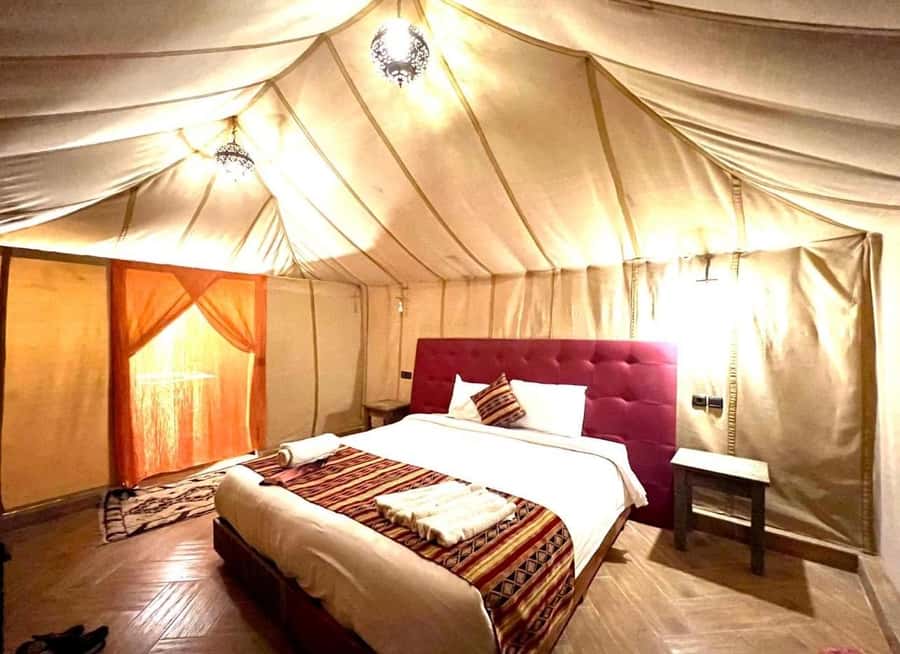
The guide is especially important on a route with so much time in the vehicle. The strongest guide names associated with this departure include Moha, Hesham, Omar Faiz, Haadi, Mustapha, Mehdi, Hannan, and others. The qualities that matter are practical ones: calm driving, clear updates, useful explanations, humor, and attention to the group.
Hesham has been praised for his language skills and for keeping people safe during difficult weather. Omar Faiz is known for making solo participants feel included, offering recommendations, and keeping the atmosphere lively. Haadi has helped groups feel like a small holiday crowd, while drivers such as Lahcen, Anas, Youssef Ali, and Mustapha have earned praise for steady handling and patience when conditions changed.
You cannot usually choose your guide, so treat these names as examples of the standard to expect rather than a guarantee. A good driver-guide can make the long roads feel manageable. A less engaging one would make the same schedule feel much harder.
The available languages are Arabic, English, French, and Spanish. Audio guides are also listed in those languages. Pickup information arrives by WhatsApp and email by 5:00 PM the day before departure, and last-minute bookings are handled through those channels, so keep your phone reachable.
What the $182 price really covers
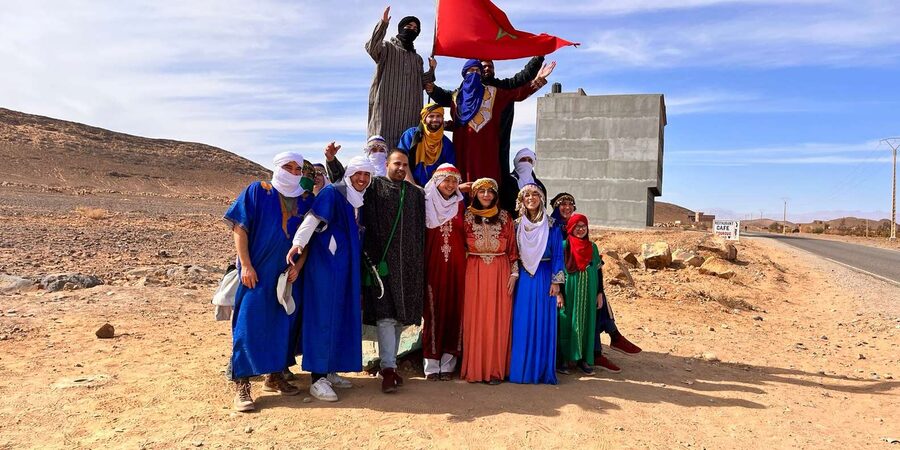
The $182 price is most attractive if you want a complete route rather than a single desert activity. Included costs cover:
- Hotel or riad pickup in Fes
- Hotel or riad drop-off in Marrakech
- Air-conditioned transport
- A professional driver
- Key-visit guiding
- One desert camp night in a private tent
- One hotel or riad night in a private room
- Two breakfasts
- Two dinners
- Sunset camel ride
- Sandboarding
- Berber music at camp
- Luggage transfer to camp
The gaps are easy to manage but should be part of your budget. You pay for three lunches, drinks, tips, personal purchases, an optional Ait Ben Haddou guide, and any quad bike or buggy activity. Quad biking costs €40 per person for one hour, with at least two people required. Buggy prices are available at the camp.
The 4.7 out of 5 score from 1,158 ratings supports the idea that this is a dependable, popular route. The repeated praise centers on organization, safe driving, the desert night, and value. The repeated cautions are just as useful: long road days, early starts, bland food at some stops, and uncertainty about the standard camp’s exact setting.
Who should book this Morocco route
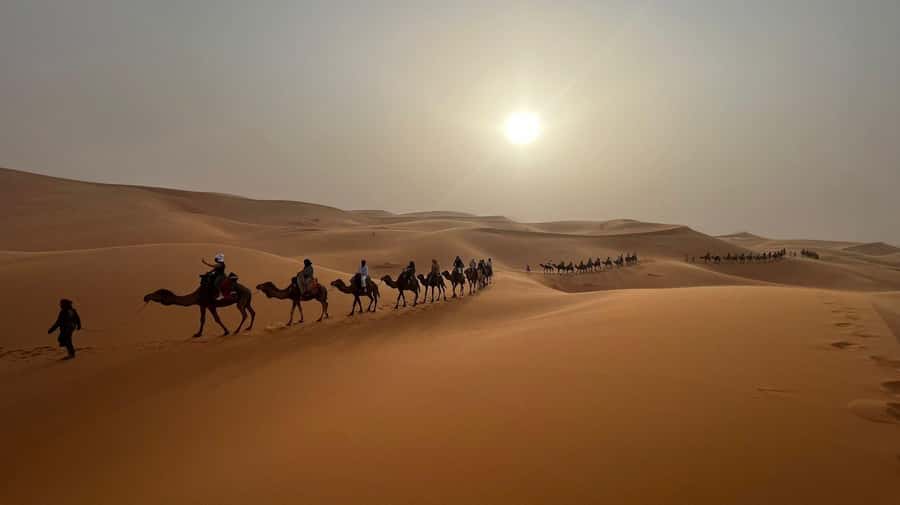
I would choose this tour if you want to see the Sahara but have only three days to get from Fes to Marrakech. It suits first-time visitors, solo participants, couples, and people who prefer a planned route with transport and accommodation handled in one package.
It also works well if you enjoy variety. You are not spending three days in one setting. You move through cedar forest, mountain passes, palm oases, gorges, desert dunes, earthen kasbahs, and Berber villages.
I would hesitate if you need lots of sleep, dislike winding roads, or want long independent visits at each sight. Pregnant women should not book this activity. Anyone sensitive to camel riding should arrange the free 4×4 option in advance and make the request explicit.
Pack comfortable clothes, sturdy shoes, a sun hat, sunglasses, sunscreen, cash, and a warm jacket. The most useful packing choice is layers, since Morocco can be hot in the desert and cold at night, particularly in winter.
Should you book it?
Book this tour if your priority is seeing a large slice of Morocco in a short time, with the Sahara as the main prize. The route is demanding, but the payoff is substantial: sunset and sunrise in Erg Chebbi, a night of music under the stars, Todra Gorge, Ait Ben Haddou, and the Atlas crossing, all ending in Marrakech.
Before paying, confirm two details: standard or luxury camp, and camel ride or free 4×4 transfer. If you accept the long drives and choose the accommodation that fits your needs, $182 offers a practical and unusually full introduction to southern Morocco.
FAQ
How long is the tour from Fes to Marrakech?
The tour lasts three days. It starts at about 7:00 AM on Day 1 and finishes around 6:00 PM on Day 3.
Is pickup from my hotel or riad in Fes included?
Yes. Pickup is included if your accommodation can be reached by vehicle. If it is inside the Fes medina, you will receive a nearby meeting point within walking distance.
Where does the tour end?
Drop-off in Marrakech is included at your hotel or riad if it is accessible by vehicle, or at a central meeting point if it is not.
Are meals included?
Breakfast on Day 2 and Day 3 is included. Dinner at the desert camp and dinner at the Day 2 hotel are also included. Lunches are not included.
What type of desert accommodation is provided?
You stay one night in a private desert tent. Standard tents have shared bathrooms, while luxury tents have private bathrooms.
Is the camel ride included?
Yes. A sunset camel ride in the Erg Chebbi dunes is included, along with the return journey after sunrise. A free 4×4 transfer to camp is also available if you prefer not to use a camel.
Are quad bikes or buggies included?
No. Quad biking is optional and costs €40 per person for one hour, with a minimum of two people. Buggy prices are available at the desert camp.
Can I cancel the tour?
You can cancel up to 24 hours in advance for a full refund. The reserve-now, pay-later option is also available.
Recently reviewed around Fez
- day trip from fez to middle atlas mountain★ 5.0 · 17 reviews
- Discover the city of Fes on foot with the best guides★ 5.0 · 27 reviews
- VIP TOUR OF FES- Medina by local guide & Rempart by car-FULL Day★ 5.0 · 74 reviews
- Private Fes Medina Walking Tour★ 5.0 · 25 reviews
- Fes to Chefchaouen Day Trip★ 5.0 · 20 reviews
- fes medina guided tour★ 4.5 · 60 reviews
- Fes to Volubilis, Moulay Idriss and Meknes Private Day Trip★ 4.5 · 26 reviews
- Fes to Middle Atlas Private Day Trip★ 5.0 · 48 reviews
Sahara Desert Tours, compared.
3-Day Marrakech to Fes Sahara Desert Tour via Merzouga
Read our review →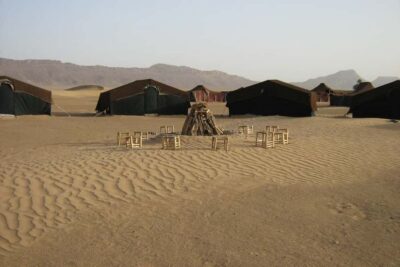
Sahara Desert 2-Day Tour with Merzouga Camp Stay
Read our review →
From Marrakech 4 Days Tour To Morocco Sahara Desert
Read our review →Browse the lists this tour appears in