
Reviewed · VIP
From Fes: 2-Day Luxury Desert Tour to Marrakech & Back Fez
The best part of this two-day Sahara trip is the sudden change from cedar forests and mountain roads to the giant orange dunes of Erg Chebbi. You leave Fes at 7:30 AM, ride camels into the desert near Merzouga, watch the sun set from the sand, and sleep in a comfortable tent beneath a star-filled sky.
I like the helpful drivers and the well-kept camps, especially when drivers such as Mohammed, Mustafa, Hamid, Imad, or Pedro take time to explain the places along the road. I also like the excellent value: for $112 per person, you get transport, a camel ride, dinner, breakfast, sandboarding, and a desert camp stay. The catch is simple: the driving is long, with roughly seven hours each way from Fes, and some stops and meals feel aimed at tourists.
In This Review
- Key points to know before booking
- From Fes to Ifrane and the cedar forests
- The Middle Atlas road to Midelt
- The Ziz Valley and the approach to Merzouga
- Camel riding into Erg Chebbi at sunset
- What the luxury desert camp is really like
- Sunrise, breakfast, and the return road
- Drivers, languages, and group style
- Is $112 a good value?
- Who should book this desert tour?
- Should you book it?
- FAQ
- How long is the tour?
- Is transportation included?
- What languages are available?
- Is the camel ride included?
- Are meals included?
- Can I cancel the booking?
Key points to know before booking
- The road is part of the trip: You cross Ifrane, cedar forests, the Middle Atlas, Midelt, and the Ziz Valley before reaching Merzouga.
- Camel sunset and sunrise: The camel ride leads into Erg Chebbi for sunset, with a second ride back toward Merzouga after breakfast.
- Luxury means comfort in the dunes: Tents can include private bathrooms, air conditioning, and hot and cold water, though hot water is not guaranteed.
- The camp feels social: Dinner comes with several courses, bread, fruit, traditional Berber music, and time around the fire.
- Bring cash and water: Lunch and drinks cost extra, and roadside water can cost about €2 for a 1.5-liter bottle.
- Confirm your final drop-off: The trip can return to Fes or continue to Marrakech, but the Marrakech drop-off may be at the Medina square rather than your hotel.
From Fes to Ifrane and the cedar forests
Your driver collects you from your hotel or riad at about 7:30 AM. Pickup details are confirmed after booking, which matters in Fes, where narrow lanes and restricted vehicle access can make a precise meeting point necessary.
The first notable stop is Ifrane, a mountain town with Alpine-style buildings created during the French colonial period in the 1930s. It looks unlike the Morocco many visitors picture, with chalet-style architecture and a cooler mountain setting. Ifrane is a pleasant early pause, though you should not expect a long guided visit. It is mainly a chance to stretch, take pictures, and see a different side of the country.
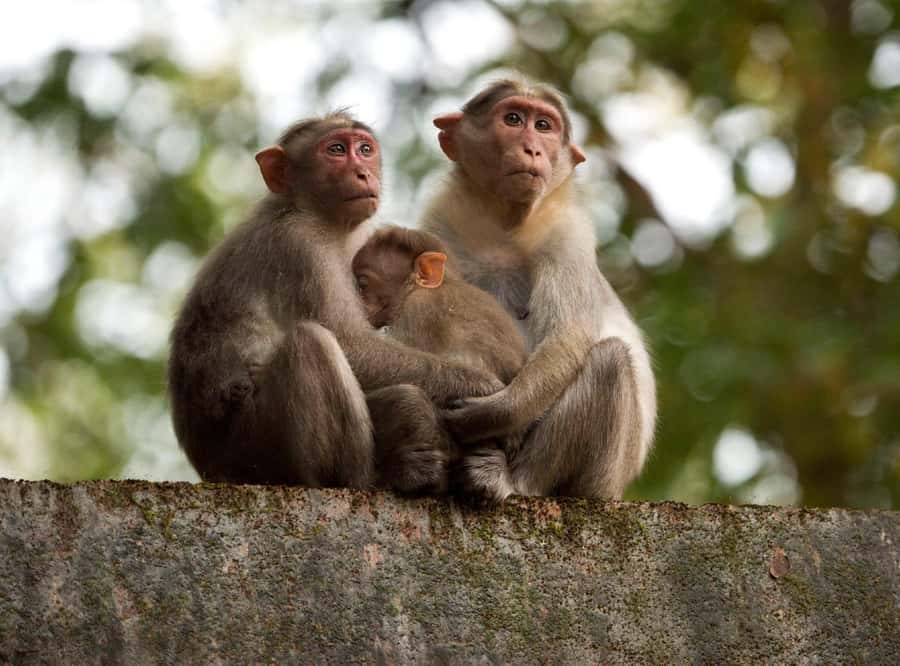
The road then reaches the cedar forests of the Middle Atlas. One popular stop is associated with Barbary macaques, often called the monkey forest. You may be able to see them near the road, but animals do not follow a tour schedule. Cloud, cold, or simple luck can mean they remain hidden.
If someone offers food for the monkeys, ask about the price before accepting it. One visitor was charged 20 MAD for food. That is not a large amount, but it is the kind of small surprise that is easy to avoid.
More Fez trips worth a second look
- From Fez: Sahara Desert 2-Day Tour with Merzouga Camp Stay
★ 4.8 · 1,716 reviews - From Fes: 2-Day Merzouga Desert Trip w/Luxury Tent & Dinner
★ 4.7 · 844 reviews - From Fes: 2-Day Desert Tour with Return to Fes or Marrakech
★ 4.6 · 427 reviews
The Middle Atlas road to Midelt
The drive through the Middle Atlas is scenic but demanding. You pass forested slopes, mountain streams, rock formations, and high road crossings before reaching Midelt around lunchtime.
I like this section because the scenery changes steadily rather than all at once. The road gives you a useful look at Morocco beyond its old cities and desert camps. At the same time, you are spending a large part of the day in the vehicle, so bring a phone charger, snacks, a light layer, and patience.
Lunch is not included. The food stop can be convenient, but it may also be one of the weaker value points. A buffet has been priced at about 120 MAD per person, and some meals have felt expensive or overly geared to tour groups. You can save money by planning ahead where practical, though the driver controls the timing and stop.
Drinks are also extra. Carry cash, since some roadside sellers accept cash only. A 1.5-liter bottle of water may cost about €2 near the desert, more than in Fes. I would buy water before leaving the city and add another bottle if you have room.
The Ziz Valley and the approach to Merzouga
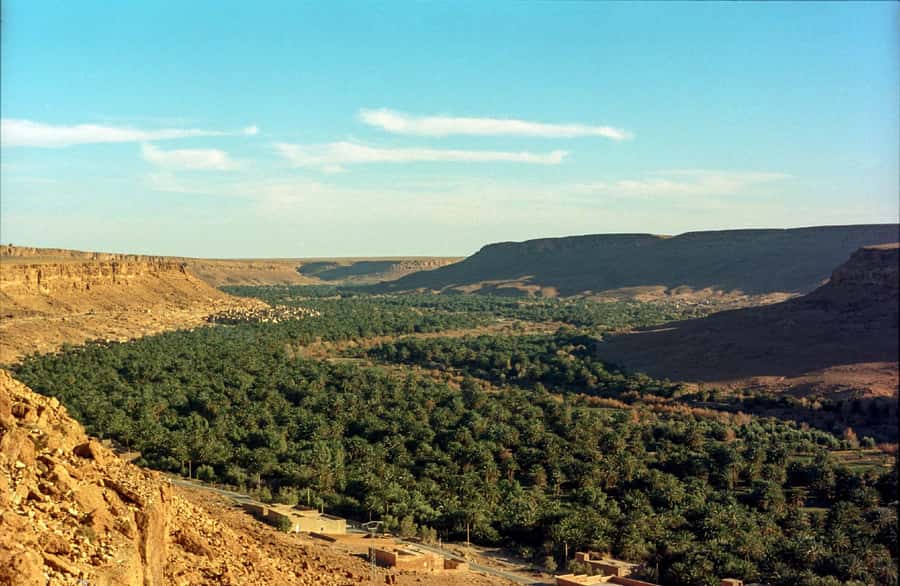
After Midelt, the route turns toward the southeast and the Ziz Valley. The scenery becomes drier and more open as the road moves away from the forests. Stops for photographs, coffee, and bathrooms break up the long drive.
The Ziz Valley is valuable as a transition point. You can see how quickly Morocco shifts from high mountain terrain to dry southern country. The trip is not just a transfer to the dunes, although the schedule means stops are generally short.
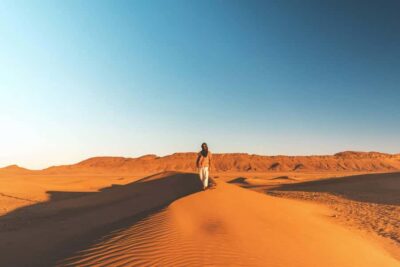
The final arrival at Merzouga brings the biggest visual change of the day. Erg Chebbi rises from the surrounding dry terrain in broad, golden dunes, some reaching about 50 meters. After hours on the road, this first view feels dramatic because the dunes seem to appear almost suddenly.
The timing can vary. The advertised arrival time has not always matched the actual schedule, with one arrival happening around 8:30 PM instead of 6:30 PM. Road conditions, breaks, and the pace of the group all affect the day. If the desert camp is your main goal, expect a late arrival rather than planning a precise evening appointment afterward.
Camel riding into Erg Chebbi at sunset
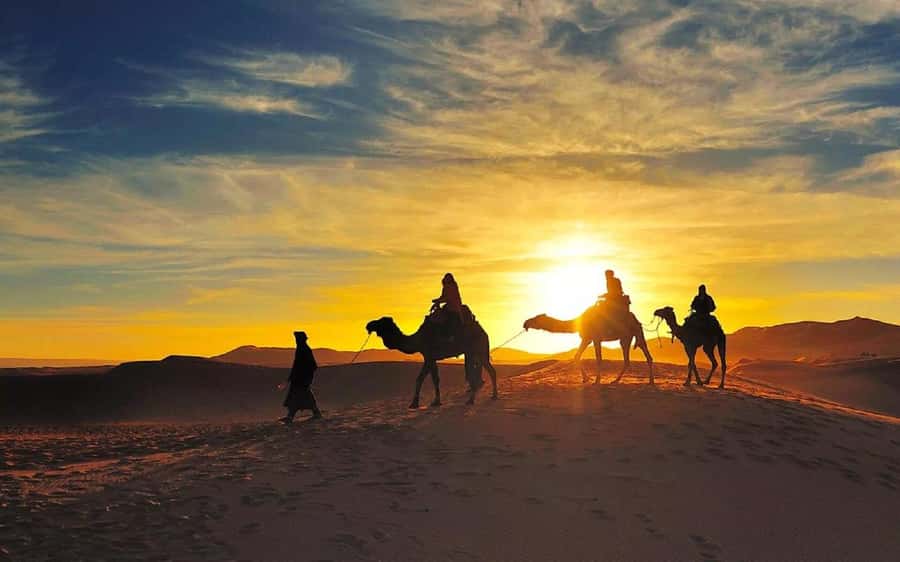
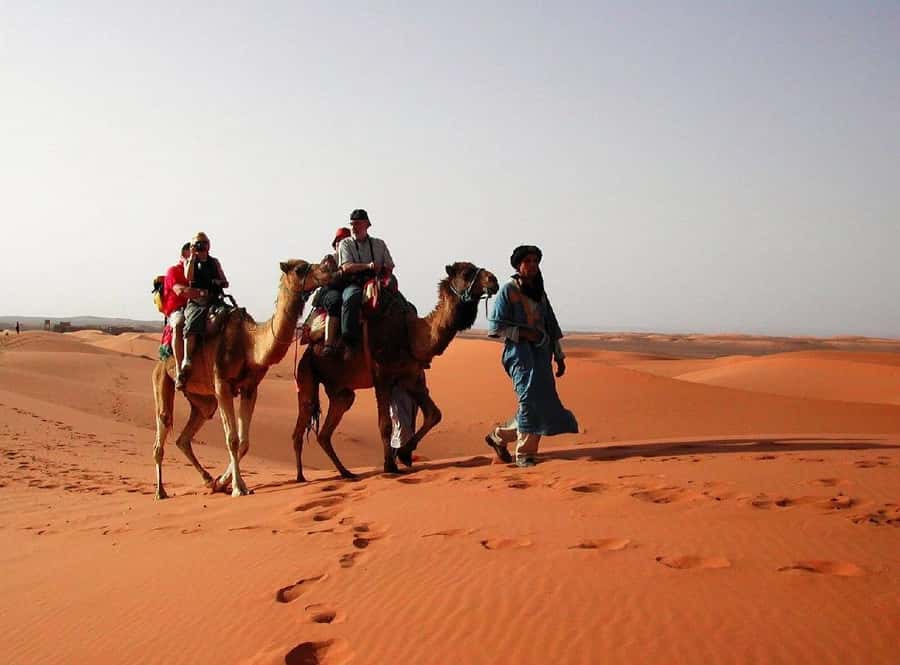
At a base camp or lounge near the dunes, you may have time to rest before meeting the camel guides. Guides such as Azize, Yousiff, and Ali have helped visitors tie their headscarves and prepare for the ride.
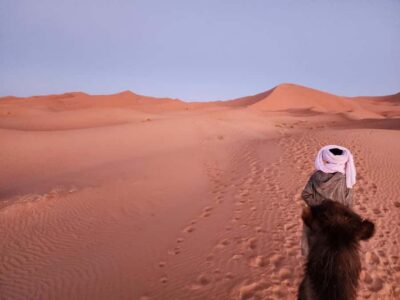
The camels take you across the sand toward the camp. The ride is not a fast desert safari. It is a slow, swaying way to enter the dunes, and getting on and off can be uncomfortable if you have stiff knees or back problems. You should also expect dust, strong sun, and a ride that may last long enough to make a cushion or padded clothing useful.
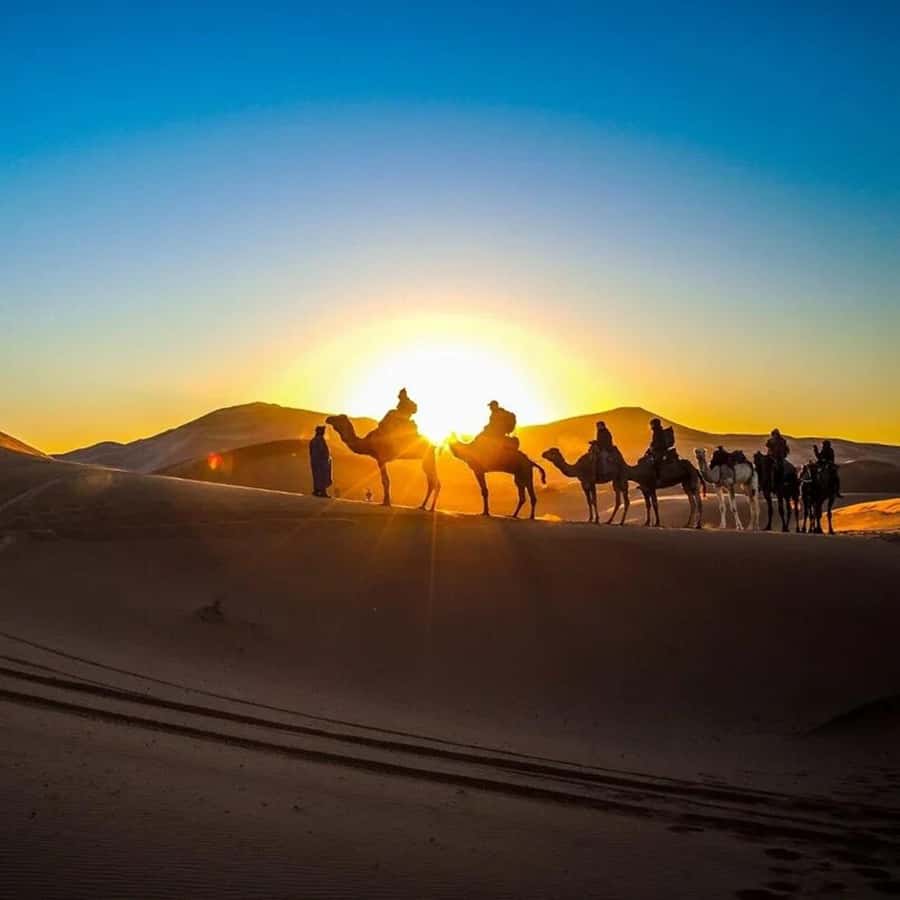
The reward is the sunset. As the light drops, the dunes shift from yellow to orange, pink, and brown. You may stop on a higher dune to watch the sky change, then try sandboarding before continuing to camp. Sandboarding is included in the listed package, but conditions and timing can affect whether it actually happens. In one case, it was not available, so treat it as a possible extra activity rather than the main reason to book.
A quad-bike ride may also be offered in the morning, but it costs extra. One visitor used a quad to reach a high dune for sunrise and felt it was worth paying for. That option is separate from the included camel ride.
A different kind of day out, same corner of Morocco:
- Chefchaouen Day Trip from Fez (Shared Group Tour)
★ 4.6 · 2,394 reviews - Fes: Volubilis Roman Ruins, Mouly Idriss, & Meknes Day Trip
★ 4.6 · 2,375 reviews - Fez Medina Guided Tour
★ 4.6 · 2,079 reviews - Blue City magic: Affordable Day Trip from Fez to Chefchaouen
★ 4.6 · 1,960 reviews
What the luxury desert camp is really like
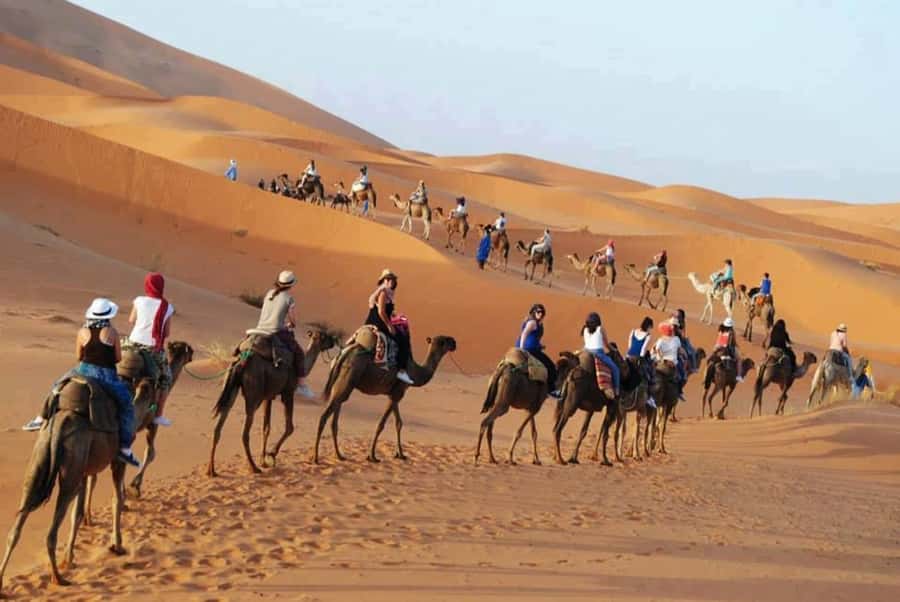
The camp is designed for comfort rather than a basic nomad-style night. Tents can be large and clean, with private bathrooms, air conditioning, and hot and cold water. That is a major advantage after a full day in a vehicle and on camelback.
Still, keep the word luxury in perspective. Desert utilities can be limited, and one stay ran out of hot water. Air conditioning and water service may not operate exactly like they do in a city hotel. You are paying for a private, comfortable camp setting in the dunes, not a five-star resort with unlimited facilities.
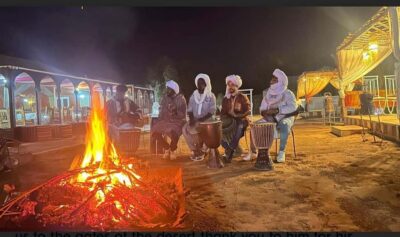
Dinner is usually a generous meal. Expect bread, a main course, several courses, and fruit, followed by traditional Berber music near the fire. The music and night sky are central to the experience. With little artificial light around the camp, stargazing can be excellent when clouds stay away.
Food quality can vary. Several meals have been praised as abundant and good, but one dinner was criticized for limited variety and one restaurant meal for poorly cooked spaghetti. I would approach the included dinner as part of the camp experience rather than a fine-dining event.
The camp staff are often a strong part of the evening. They help with the camel ride, headscarves, tents, meals, and music. The social side makes this trip work well for people who want more than a quick photo stop in the dunes.
Sunrise, breakfast, and the return road
The second day starts early. Wake before sunrise and walk or ride to a dune viewpoint as the first light colors the sand. Sunrise is weather-dependent, so clouds can block the show. One cloudy morning prevented a clear sunrise, despite the early start.
After sunrise, you have breakfast among the dunes. Then you ride camels back toward Merzouga, where the vehicle takes over again. The camel ride gives you a second look at the desert, but it also repeats the physical strain of the first day. If you find the ride uncomfortable, ask about other arrangements when you arrive, though the supplied details only confirm the camel option and the separately priced quad ride.
From Merzouga, the route heads back through the Middle Atlas. The itinerary describes a return to Fes, while the experience can also finish in Marrakech as a transfer. The drive to Marrakech is listed at about 550 kilometers, with stops for lunch, coffee, photographs, and bathrooms in the High Atlas.
That makes this a useful route for linking two Moroccan cities without returning to Fes. It also makes the second day very long. You will have a sunrise, breakfast, a camel ride, and then many hours in a vehicle. If your final stop is Marrakech, confirm exactly where you will be left. A drop-off in the Medina square rather than at your hotel has occurred, which may mean arranging a short local transfer with luggage.
Drivers, languages, and group style
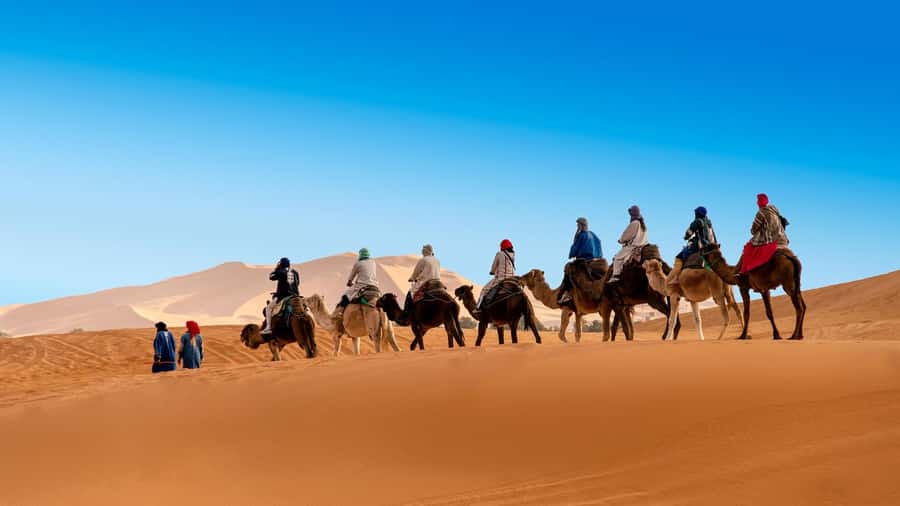
The driver can shape this trip more than any single stop. Drivers named in past bookings include Mohammed, Mustafa, Hamid, Imad, Pedro, Badr, and Lozi. The strongest experiences came when the driver explained towns and scenery, stopped at useful viewpoints, answered questions, and kept the long road day feeling manageable.
You can request a private or small-group format. That choice affects comfort, flexibility, and the pace of stops. A private vehicle gives you more control over photographs and breaks, while a small group may keep the cost low but require patience with other people’s timing.
Guiding is available in English, French, Arabic, Spanish, and Italian. The driver is not always a formal sightseeing guide at every stop, so expectations should be practical. You are mainly hiring a driver-guide for a long cross-country route, with local desert staff handling the camel ride and camp activities.
Solo visitors, couples, and families have all found the setup workable. Two women traveling together felt safe throughout their trip, and the drivers and camp staff were described as helpful. Safety is not a reason to avoid this route, but you should still keep your valuables close during public stops and ask about prices before accepting food or optional activities.
Is $112 a good value?
At $112 per person, the package includes the expensive pieces: pickup and drop-off, air-conditioned transport, a driver-guide, one desert camp night, camel riding, sandboarding, breakfast, and dinner. That is strong value if you want to see the Sahara but do not want to arrange separate taxis, accommodation, and desert transfers.
The price does not cover lunch or drinks. Add those costs before comparing it with a more expensive package. You should also budget for optional extras such as quad biking and small charges connected with roadside stops.
The main cost is not money. It is time and energy. You spend much of both days driving, and the route from Fes to Merzouga is too long for anyone seeking a slow desert holiday. I think the price works best for a first Moroccan visit, a tight itinerary, or a point-to-point trip ending in Marrakech.
A three-day desert tour would give you more time in the south, but this two-day option is useful when your schedule is fixed. You trade relaxed pacing for a memorable overnight in the dunes.
Who should book this desert tour?
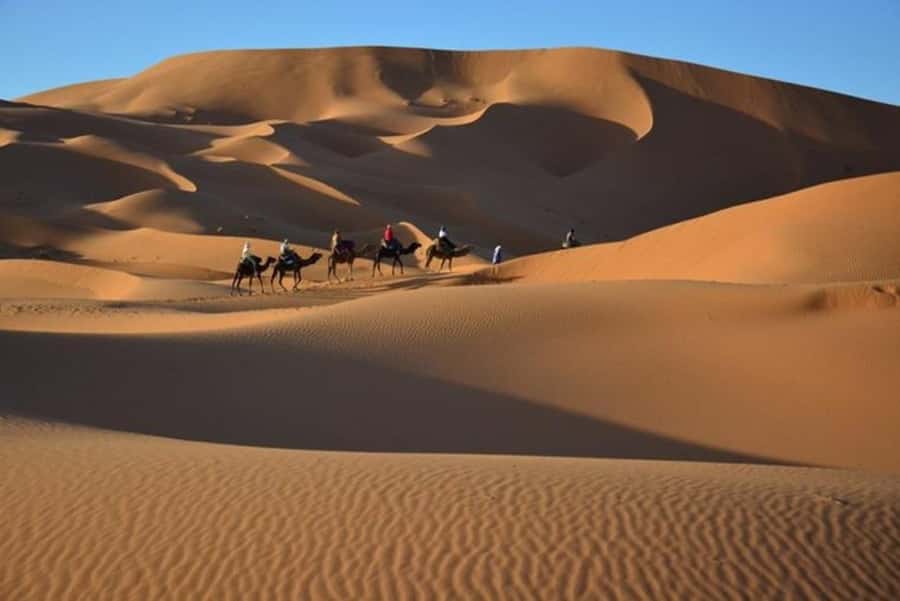
I would choose this trip if you want the classic Morocco combination of mountains, desert, camels, sunset, camp dinner, music, and stars in only two days. It suits people who can handle long road days and who see the journey itself as part of the experience.
It is especially practical if you are starting in Fes and want to finish in Marrakech. The route connects both cities while adding the Sahara, instead of forcing you to backtrack.
I would think twice if you dislike early mornings, bumpy camel rides, fixed meal stops, or long hours in a vehicle. I would also avoid placing an important Marrakech reservation immediately after the scheduled arrival, since road timing can shift.
Free cancellation up to 24 hours ahead and reserve-now-pay-later booking make it easier to fit into a changing itinerary. Just use that flexibility to confirm the pickup point, final city, and exact drop-off before you commit.
Should you book it?
Book this tour if the desert night matters more to you than a relaxed pace. The strongest parts are the changing mountain scenery, the striking arrival at Erg Chebbi, the sunset camel ride, the comfortable private-bathroom tents, and the evening music beneath the stars.
You should accept the long drives, extra lunch and drink costs, occasional changes in timing, and weather risk at sunrise. For $112, the package offers a lot, especially for a first visit to Morocco. I would book it for a short schedule, choose a private or small group if your budget allows, bring water and cash, and confirm whether your final destination is Fes or Marrakech before departure.
FAQ
How long is the tour?
The experience lasts two days. The first day runs from Fes through Ifrane, the Middle Atlas, Midelt, the Ziz Valley, and Merzouga. The second day returns to Fes or continues to Marrakech.
Is transportation included?
Yes. Pickup and drop-off, transportation in an air-conditioned vehicle, and a driver-guide are included.
What languages are available?
Live guiding is available in English, French, Arabic, Spanish, and Italian.
Is the camel ride included?
Yes. A camel ride into the Erg Chebbi dunes is included, along with a return camel ride after breakfast. A quad-bike ride is optional and costs extra.
Are meals included?
Breakfast and dinner are included. Lunch and drinks are not included, so bring cash and budget for roadside meals and bottled water.
Can I cancel the booking?
You can cancel up to 24 hours in advance for a full refund. The tour also offers reserve-now-pay-later booking.
Recently reviewed around Fez
- day trip from fez to middle atlas mountain★ 5.0 · 17 reviews
- Discover the city of Fes on foot with the best guides★ 5.0 · 27 reviews
- VIP TOUR OF FES- Medina by local guide & Rempart by car-FULL Day★ 5.0 · 74 reviews
- Private Fes Medina Walking Tour★ 5.0 · 25 reviews
- Fes to Chefchaouen Day Trip★ 5.0 · 20 reviews
- fes medina guided tour★ 4.5 · 60 reviews
- Fes to Middle Atlas Private Day Trip★ 5.0 · 48 reviews
- Fes to Volubilis, Moulay Idriss and Meknes Private Day Trip★ 4.5 · 26 reviews
VIP, compared.
Majestic Desert: 3-Day Luxury Journey from Marrakech to Fes
Read our review →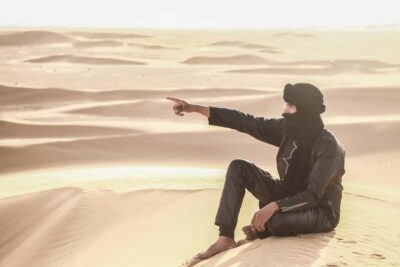
2-Day Merzouga Desert Trip w/Luxury Tent & Dinner
Read our review →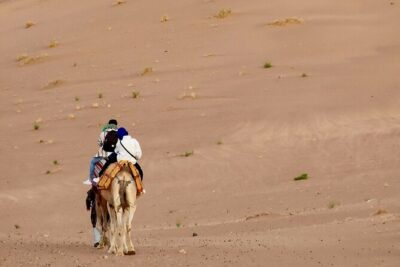
Experience Luxury in Zagora: 2-Day Desert Adventure
Read our review →
3-Day Tour from Marrakech to Merzouga Luxury Camp with Camel
Read our review →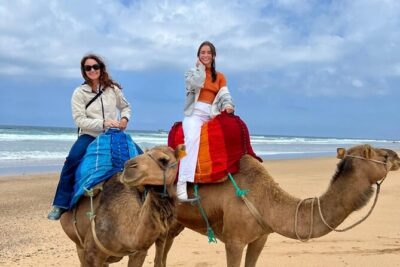
Browse the lists this tour appears in