
Reviewed · CAMEL RIDES
From Marrakech: 3-Day Desert with luxury camp, camel & meals
The best part of this trip is the sheer change of scenery in a short time: you leave Marrakech, cross the High Atlas at Tizi n’Tichka Pass, pass red kasbahs and narrow gorges, then reach the golden Erg Chebbi dunes by camel. The final night in a desert camp, with dinner, music, sunset, and sunrise, gives the journey a clear payoff.
I like the route’s variety and the useful drop-off choice in Fez or Marrakech. I also like the way the long drives are broken into stops, usually no more than about 1.5 hours between breaks. The drawback is simple: this is a lot of road time, often six to eight hours in a day, and lunches are not included.
In This Review
- The highlights at a glance
- Who this three-day route suits best
- Day one: Marrakech, the Atlas Mountains, and Aït Ben Haddou
- Day two: Dades, the Valley of Roses, and Todra Gorge
- Day three: camels, Erg Chebbi, and the desert camp
- Standard or luxury tent: what are you paying for?
- Optional quad biking, 4×4 driving, and sandboarding
- Food, driving, and the real value of the tour
- Choosing Marrakech, Ouarzazate, Fez, or Marrakech as your route
- What to pack for comfort
- Should you book this desert tour?
- FAQ
- Where does the desert tour begin?
- Where can I finish the tour?
- How many nights are included?
- Are meals included?
- Is camel trekking included?
- Can I choose a luxury desert tent?
- Are 4×4 dune tours and sandboarding included?
- What should I bring?
The highlights at a glance
- Tizi n’Tichka at 2,260 metres: Cross the High Atlas on a winding mountain road with broad views and plenty of photo stops.
- Aït Ben Haddou and Ouarzazate: See Morocco’s best-known fortified village and visit Ouarzazate’s film studios.
- Dades, Todra, and the Valley of Roses: Move through red cliffs, steep rock walls, and cultivated valleys on the way east.
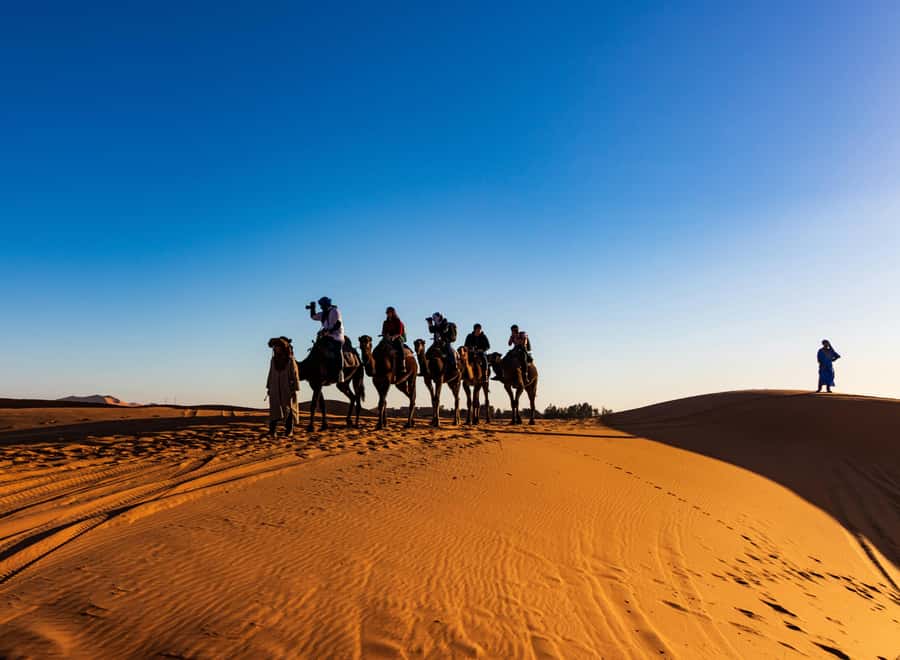
- Erg Chebbi by camel: Ride into the dunes for sunset, then wake early for sunrise.
- A desert camp with real comforts: Choose standard or luxury tents, with dinner, breakfast, music, and Berber hospitality included.
- Flexible final destination: Return to Marrakech or continue toward Fez, a useful option for a longer Morocco route.
Who this three-day route suits best
This tour works well if you have limited time but want more than a quick camel ride near Marrakech. In three days, you cover a large part of southern Morocco and see mountains, kasbahs, valleys, gorges, and the Sahara.
I would consider it especially useful for couples, solo visitors, families, and small groups who do not want to arrange several drivers, hotels, and desert transfers separately. Families with young children have completed the route successfully, though the long hours in a minibus can test patience.
It is less suitable if you dislike winding roads, early starts, or long stretches in a vehicle. The Sahara is far from Marrakech and Fez. There is no shortcut, so the road journey is part of the deal, not an unfortunate surprise.
The tour uses an air-conditioned minibus and an experienced driver. The quality of the day depends heavily on that driver, and names frequently associated with strong service include Alae, Abdul, Chafik, Moncef, Idris, Aymen, Hakim, and Abderrahman. Your assigned driver may be different, but the useful traits to expect are regular stops, help with photos and directions, and a willingness to adjust small details when possible.
More Camel Rides in Marrakech
- Marrakech: Agafay Desert Sunset, Camel Ride, and Dinner Show
★ 4.6 · 35,119 reviews - Marrakech: Agafay Desert Quad & Camel Rides with Dinner Show
★ 4.8 · 27,382 reviews - Marrakech: Agafay Desert Quad & Camel Rides with Dinner Show
★ 4.9 · 10,771 reviews
Day one: Marrakech, the Atlas Mountains, and Aït Ben Haddou
Pickup is from your hotel or the nearest accessible point. The first major stage is the climb into the High Atlas Mountains, using the Tizi n’Tichka pass at 2,260 metres.
This is a scenic start, but it is also a winding one. If you suffer from motion sickness, sit toward the front of the minibus and keep water close. The route offers mountain views and roadside stops, giving you a chance to stretch your legs rather than spending the entire morning seated.
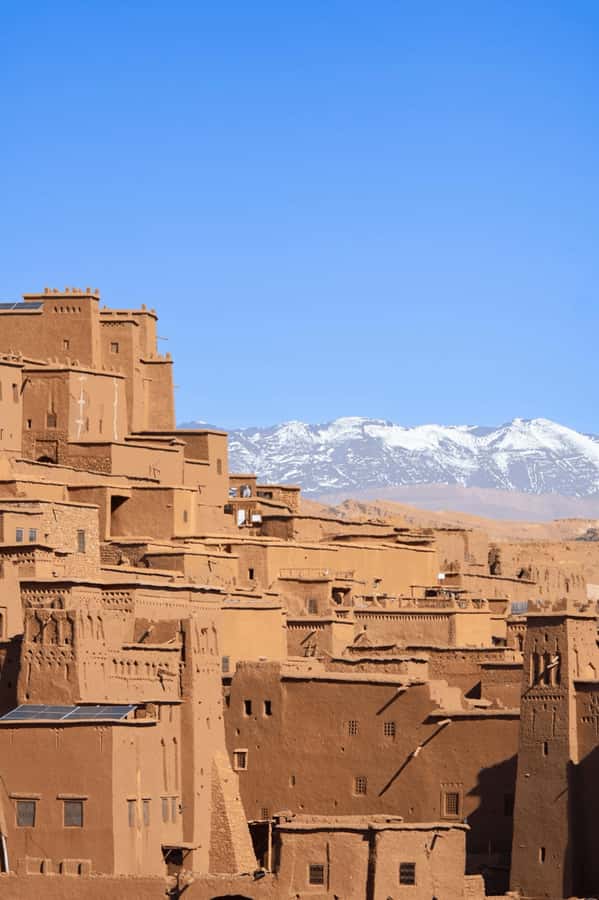
The next major stop is Aït Ben Haddou, the UNESCO-listed fortified village. Its earth-coloured walls and towers rise above the surrounding countryside, and its compact lanes make it easy to understand how a fortified settlement was built around protection, trade, and storage.
A guide on the first day is available for a small extra charge of 2.5 EUR. I would consider taking it if you want more context about the buildings and local culture. Without a guide, you can still appreciate the setting, but the visit may feel more like a photo stop than a proper introduction.
Ouarzazate follows, including its film studios. The city is often called Morocco’s film capital, and the studios add an unusual modern layer to a route otherwise focused on old villages and natural scenery. The stop helps explain why this part of Morocco has appeared in so many productions, though the exact studio visit and timing can vary with the day’s schedule.
Lunches and drinks are not included. This matters because the group is generally taken to set restaurants along the route, and the choice can be limited. Several visitors have found these lunches expensive for what is served, with minimum spending of about 150 Moroccan dirhams per person at some stops. Bring cash, compare what is offered, and treat lunch as a practical pause rather than a major food event.
By the end of the day, you reach the Dades Valley area for your first overnight stay. The valley is known for red rock walls, strange formations, and the contrast between dry slopes and green cultivated areas. The hotel is described as comfortable and clean, though you do not normally choose the property yourself.
One point worth noting: paying extra for a luxury desert tent does not necessarily upgrade the first-night hotel. The luxury option applies to the camp, so keep your expectations clear when comparing the two accommodation levels.
Day two: Dades, the Valley of Roses, and Todra Gorge
The second day connects some of the most rewarding stops on the route. You pass through the Valley of Roses, an area associated with rose cultivation and local products, then continue toward Todra Gorge.
The Valley of Roses is not just a quick scenic label. It shows how people make a living in an otherwise dry region, using water and fertile pockets of land to grow plants. The exact appearance changes with the season, so visit for the valley setting and local context rather than expecting flowers everywhere at every time of year.
Todra Gorge is the day’s big natural attraction. The road leads into towering rock walls, creating a dramatic passage that feels very different from the open mountain views of the first day. A walk through the gorge is included in the general route, and it is a good chance to leave the vehicle and see the scale of the cliffs at ground level.
You may also stop at small craft or farming locations along the way. These can add useful contact with local work and daily life, but they may include opportunities to buy handmade goods. The sales pressure appears to be limited, yet you should still feel free to browse without purchasing.
The road remains the main feature of the day. Drivers such as Khalid and Akim have been praised for safe driving and sensible breaks, while other strong drivers have kept the minibus comfortable with music and regular air conditioning. Conditions can vary, so bring a light layer, sunglasses, and a bottle of cold water. One vehicle received criticism for weak air conditioning, which is worth remembering during hot weather.
The overnight stop in the Dades Valley divides the journey sensibly. You do not reach the dunes on the first exhausting day, and you have time to see the gorge and valley rather than simply passing through them.
Day three: camels, Erg Chebbi, and the desert camp
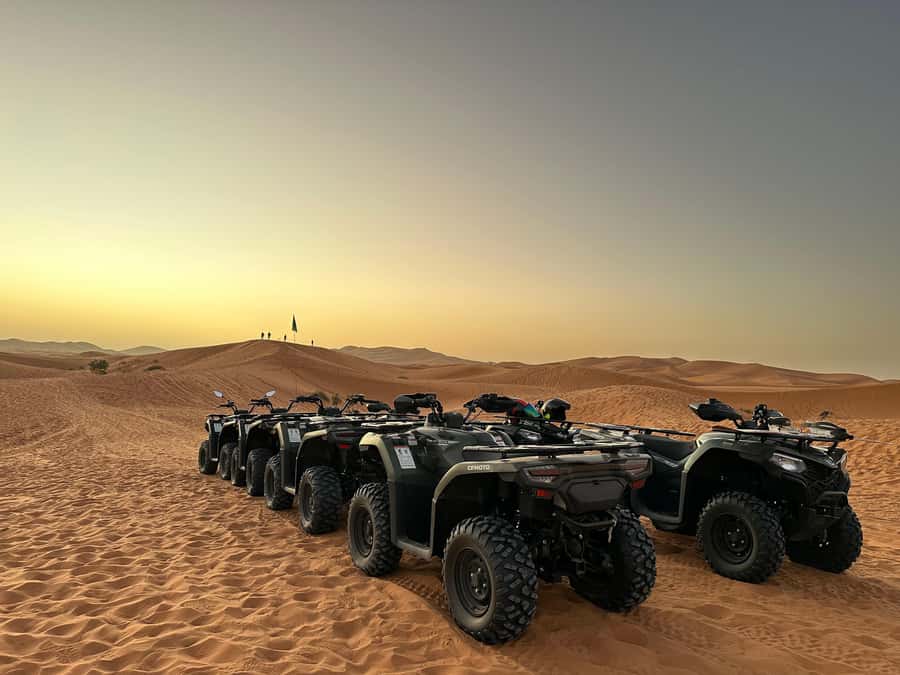
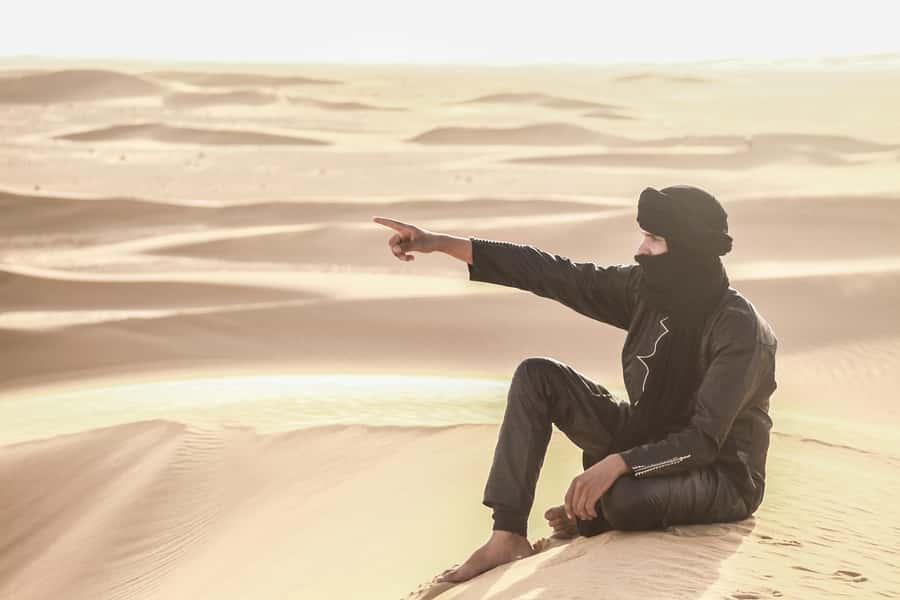
The approach to Merzouga changes the mood of the trip. The red cliffs and mountain roads give way to wide open desert, then the Erg Chebbi dunes appear in tall waves of sand.
The camel trek is the signature activity. You mount the camels near the dunes and ride toward camp, usually timing the journey for sunset. The ride gives you a slow view of the desert that you would miss from a road vehicle, though camel saddles can be uncomfortable and the ride may feel long for some people.
Take the advice to wear comfortable shoes and longer trousers. A headscarf is also useful for sun and wind protection, based on practical experience along this route. Sunglasses and sunscreen are essential, even when the air feels cool.
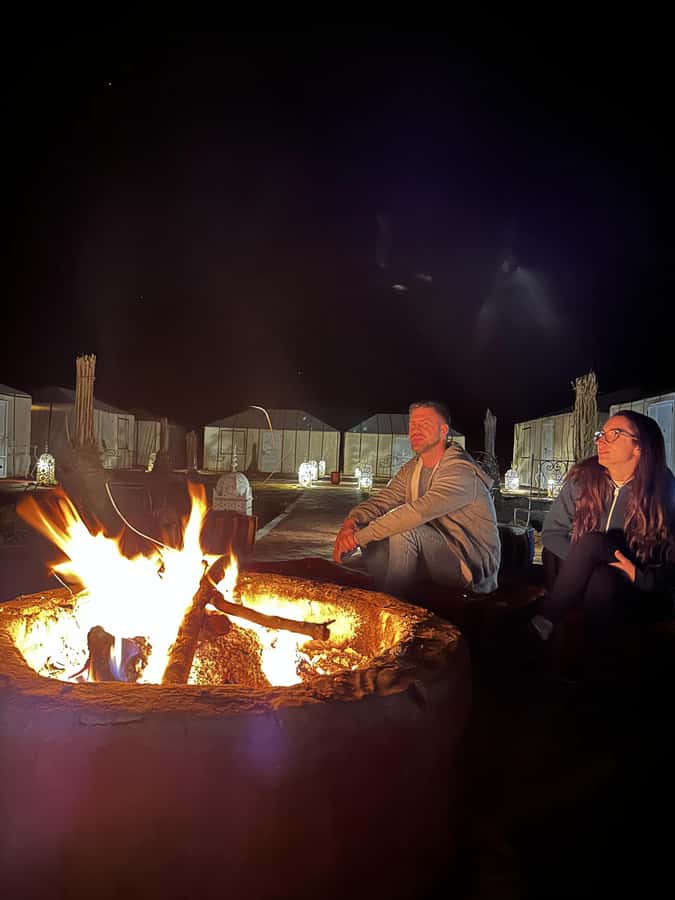
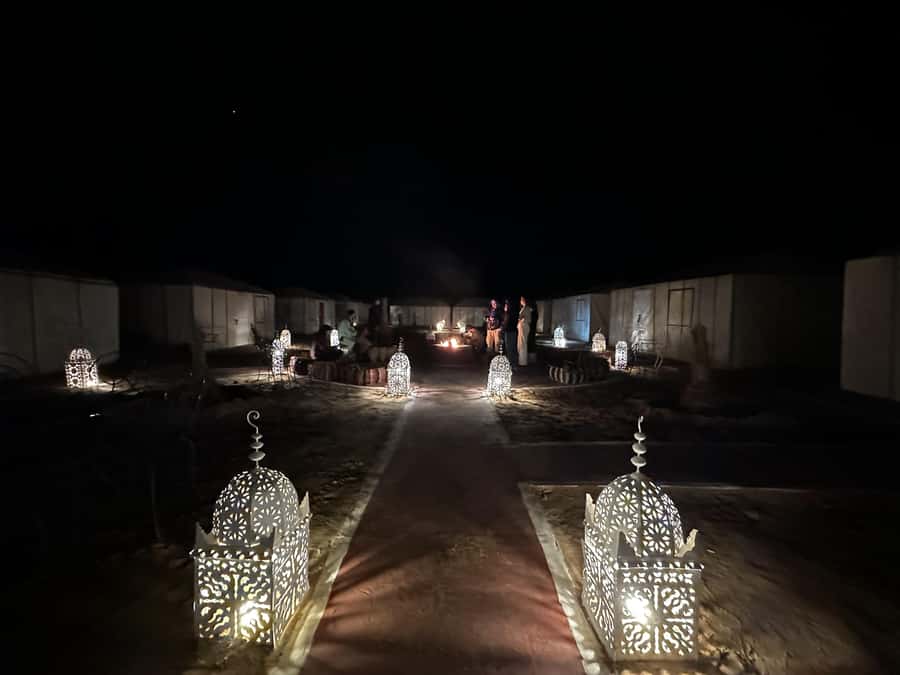
At the camp, you choose between standard and luxury tents. The luxury tents have been described as surprisingly comfortable, with air conditioning and private bathrooms and showers in some camps. That is closer to glamping than basic camping, but you are still in the desert. Wi-Fi may be absent or limited to the restaurant area, mobile signal can be patchy, and bathroom fixtures may not work like those in a city hotel.
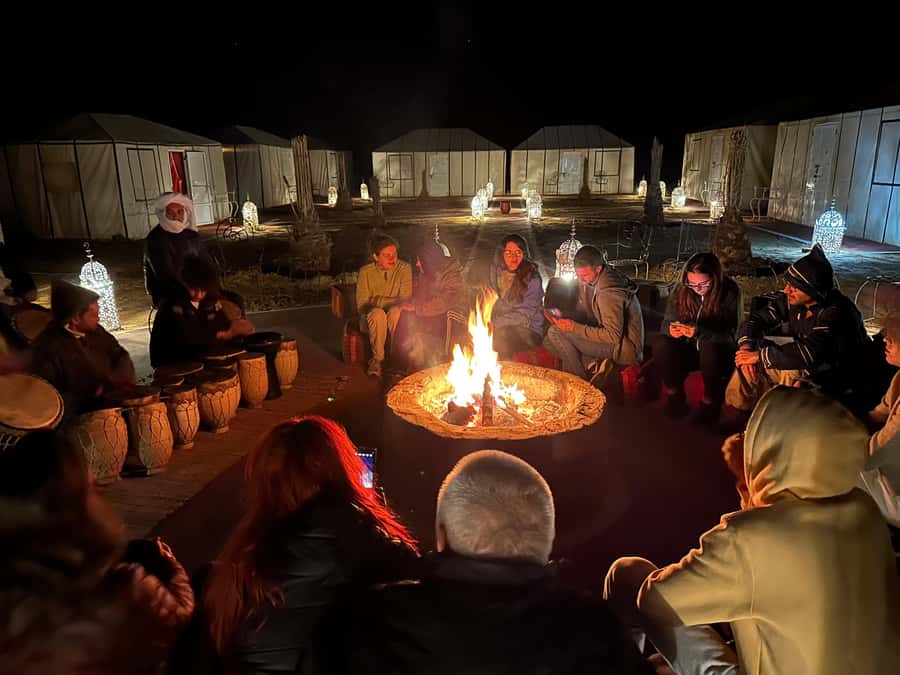
The camp dinner is included, along with breakfast the next morning. Evening entertainment normally includes live Berber music around the campfire, and some hosts demonstrate local dance. This is one of the most human parts of the tour. You are not only looking at dunes, you are sharing food and music with the people running the camp.
The sunrise is worth the early wake-up. The low light brings out the curves of the dunes, and it is often calmer than sunset, when several groups may be arriving at once. After breakfast, you leave the camp and continue according to your chosen final destination.
More Marrakech trips worth a second look
- From Marrakech: 3-Day Merzouga and Sahara Desert Tour
★ 4.9 · 15,308 reviews - From Marrakech: Merzouga 3-Day Desert Safari with Food
★ 4.7 · 12,232 reviews - 3 Days Desert Tour From Marrakech To Merzouga Dunes & Camel Trek
★ 5.0 · 10,125 reviews - 3-Day Marrakech to Merzouga Desert Tour: Camel Rides & Overnights
★ 5.0 · 8,734 reviews
Standard or luxury tent: what are you paying for?
The luxury option makes sense if you care about privacy, a better bathroom, and a softer end to long driving days. It is particularly appealing for a honeymoon, anniversary, or anyone who wants the desert setting without giving up basic hotel comforts.
Do not expect a full resort. The camp is remote, and practical limits remain. Internet can be weak, bathrooms may have limited water pressure, and the facilities may feel less polished than the word luxury suggests. One useful way to think about it is comfortable desert camping, not five-star accommodation.
The standard camp can still be a good-value choice. One account described standard accommodation as comfortable glamping, with air conditioning and good shower and toilet facilities. If the price difference is significant, standard tents may give you the same main experience: dunes, dinner, music, stars, and sunrise.
Optional quad biking, 4×4 driving, and sandboarding
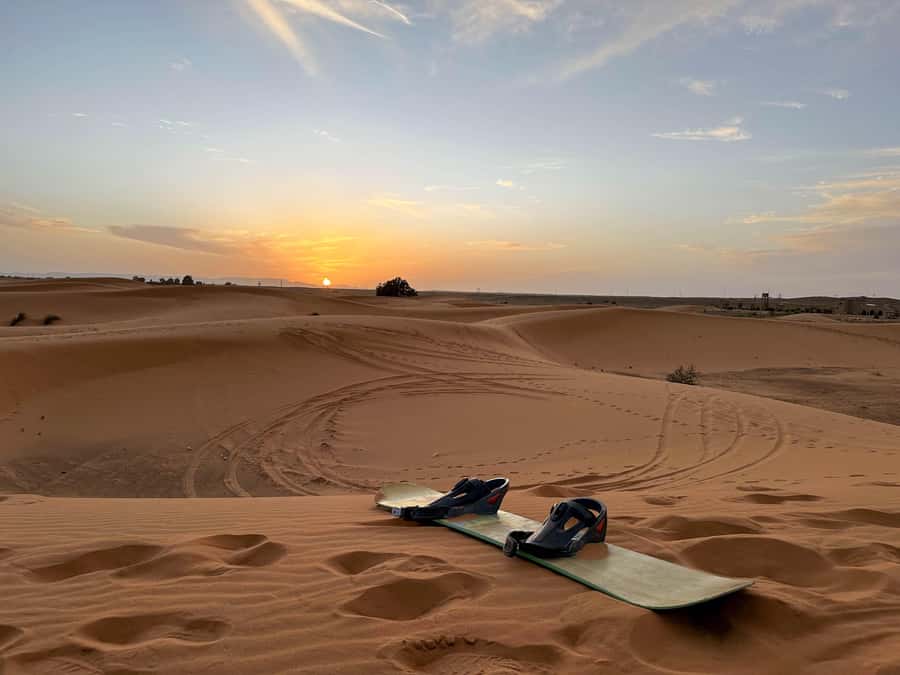
The tour includes camel trekking, while a 4×4 dune tour and sandboarding are listed as optional. Quad biking may also be available at an additional cost.
Quad biking is the strongest add-on for people who want speed and a more active way to cover the dunes. It lets you get farther across the sand than a camel and adds a clear adventure element.
Sandboarding is simpler and depends on the conditions of the dune and the equipment provided. It can be fun, but the extra cost may not feel worthwhile for everyone. Ask about the price before committing, especially since lunch costs can already add to your daily spending.
You should also carry cash for small expenses, drinks, optional activities, tips, and some public bathrooms. The tour price covers a great deal, but it is not an all-inclusive package.
Food, driving, and the real value of the tour
Breakfast and dinner are included on both tour days, along with two nights of accommodation, transportation, the driver, camel trekking, and Berber entertainment. Lunches and drinks are separate.
That package offers good value if you price each part separately. A private transfer across the mountains, two hotel or camp nights, a camel ride, and several sightseeing stops would quickly become complicated to arrange. Here, one booking links Marrakech or Ouarzazate with Merzouga and gives you the option of finishing in Fez.
The trade-off is control. You have less say over hotels, lunch venues, daily pacing, and how long you spend at each stop. This is a group-style road trip, not a private custom itinerary.
The long hours are broken up with scenic stops, bathroom breaks, food stops, and occasional chances to stretch. Still, six to eight hours of driving per day is a serious commitment. I would not book this tour immediately before a flight unless you have plenty of buffer time.
Music in the minibus can also shape the mood. Drivers such as Chafik and Bijad have been praised for creating a cheerful atmosphere, sometimes letting the group play its own music. That can make the road feel social, but you may prefer quiet at times. A polite request should help.
Choosing Marrakech, Ouarzazate, Fez, or Marrakech as your route
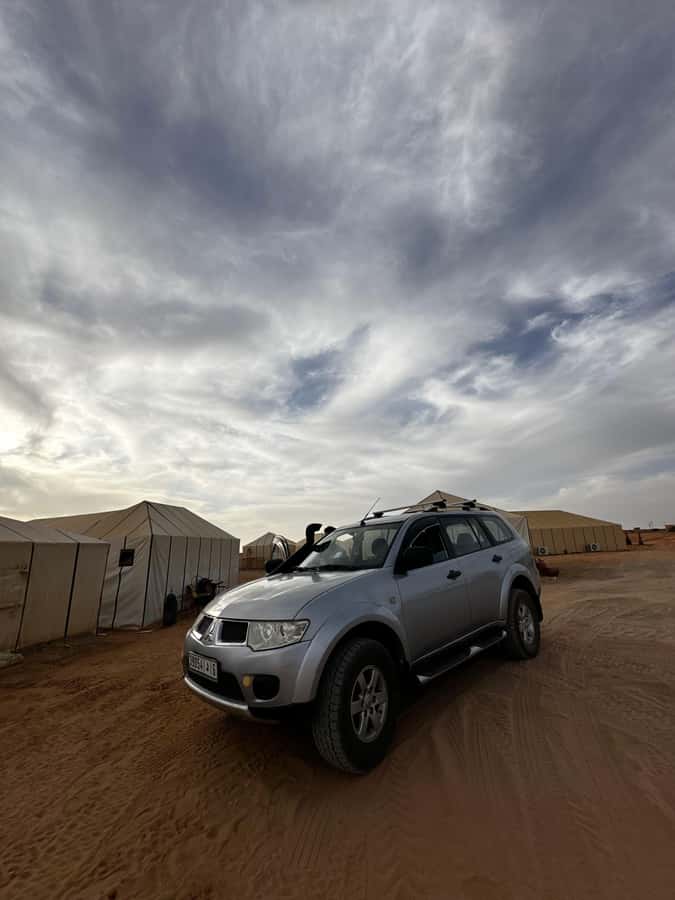
The experience can begin in Marrakech or Ouarzazate. Starting in Marrakech is the natural choice if you are visiting the city first and want to cross the Atlas directly.
The return choice matters more than it may seem. Returning to Marrakech is useful if your trip ends there or you want to continue to Essaouira or the coast. Continuing to Fez can save a separate transfer and creates a practical south-to-north route through Morocco.
The Fez continuation adds another long road stage, but it can include a stop to see monkeys along the way. Confirm your final drop-off details in advance, especially if your accommodation is inside a restricted old-city area and the vehicle can only reach the nearest accessible point.
Wheelchair users should note that the tour is not suitable for wheelchair access. The minibus, mountain roads, camel mounting, uneven paths, and desert camp setup all make mobility a serious issue.
What to pack for comfort
Keep your main luggage manageable and carry a small day bag inside the minibus. You will want quick access to:
- Comfortable closed shoes for Aït Ben Haddou, Todra Gorge, and the dunes
- Sunglasses and strong sunscreen
- A headscarf or similar covering for sun and wind
- Longer trousers for the camel ride
- Light clothing for hot vehicle days
- A warmer layer for the desert evening
- Cash for lunches, drinks, bathrooms, optional activities, and tips
- Water for the road
The desert can feel hot in the sun and cool after dark. The vehicle may also be warmer than expected if the air conditioning is not working well, so clothing you can adjust is more useful than one heavy outfit.
Should you book this desert tour?
Book it if you want a fast, well-organized way to see southern Morocco and you accept that the road is a major part of the adventure. The route delivers a strong mix of mountain scenery, old kasbahs, film history, gorges, village life, camels, dunes, music, and a comfortable camp.
I especially recommend it for first-time visitors with only a few days. The Fez drop-off is a real advantage, and the camp adds enough comfort to make the desert night accessible to people who do not want bare-bones camping.
Think twice if you need quiet travel, flexible meal choices, luxury hotel standards, or a slow pace. Bring cash, prepare for long driving days, and confirm whether standard or luxury tents match your expectations. With those limits understood, this is a strong-value route to the Sahara, rated 4.6 from 922 reviews, with drivers such as Alae, Abdul, Chafik, Idris, and Moncef often singled out for kindness, safe driving, and practical help.
FAQ
Where does the desert tour begin?
The tour can begin in Marrakech or Ouarzazate. Pickup is from your hotel or the nearest accessible point.
Where can I finish the tour?
You can choose to return to Marrakech or continue to Fez.
How many nights are included?
The tour includes two nights of accommodation: one hotel night and one desert camp night.
Are meals included?
Breakfast and dinner are included on both tour days. Lunches and drinks are not included.
Is camel trekking included?
Yes. Camel trekking into the Erg Chebbi dunes is included.
Can I choose a luxury desert tent?
Yes. You can choose between standard and luxury tent options. Some luxury tents include air conditioning and private bathroom and shower facilities.
Are 4×4 dune tours and sandboarding included?
A 4×4 dune tour and sandboarding are optional, not part of the included package.
What should I bring?
Bring comfortable shoes, sunglasses, and sunscreen. Longer trousers, a headscarf, cash, water, and a light warm layer are also practical for this route.
Recently reviewed around Marrakech
- 4-Days Marrakech to Marrakech Désert Tour★ 5.0 · 17 reviews
- Camel ride at sunset in Marrakech palm grove★ 5.0 · 17 reviews
- Agafay camel ride★ 5.0 · 20 reviews
- Camel riding in marrakech★ 4.5 · 17 reviews
- Marrakech to Atlas Mountains and 4 Valleys Day Trip★ 5.0 · 17 reviews
- Agafay Desert Adventure, Culture, and Relaxation, From Marrakech★ 5.0 · 25 reviews
- Quad excursion to the Agafay desert near Marrakech★ 5.0 · 44 reviews
- Camel ride and dinner Agafay desert★ 5.0 · 25 reviews
Camel Rides, compared.
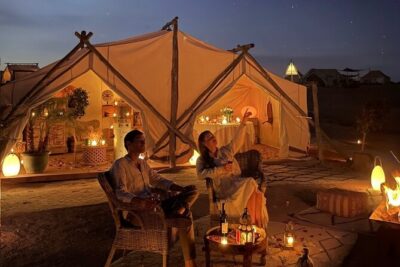
Agafay Desert Sunset, Camel Ride, and Dinner Show
Read our review →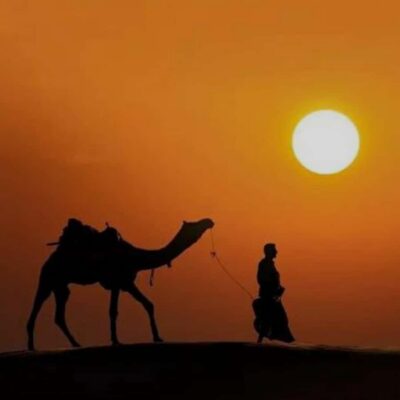
Agafay Desert Quad & Camel Rides with Dinner Show
Read our review →Agafay Desert Quad & Camel Rides with Dinner Show
Read our review →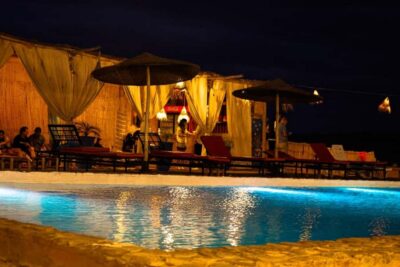
Agafay Desert Quad, Camel Ride & Dinner Show
Read our review →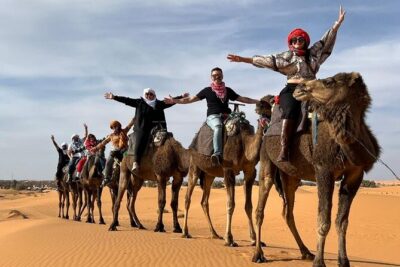
3 Days Desert Tour From Marrakech To Merzouga Dunes & Camel Trek
Read our review →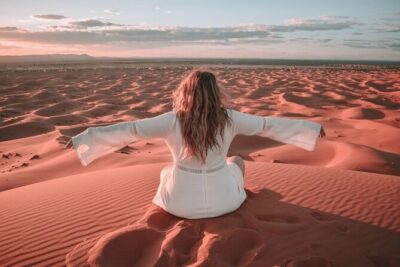
3-Day Marrakech to Merzouga Desert Tour: Camel Rides & Overnights
Read our review →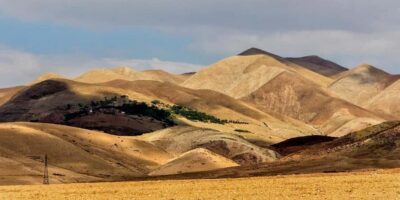
Desert & Mountain Tour with Camel Ride & Lunch
Read our review →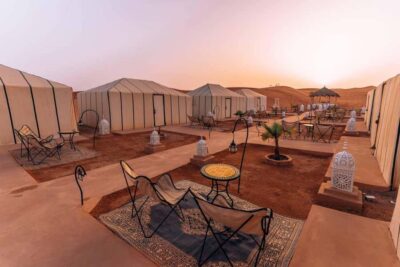
3-Day Merzouga Desert Experience Camel & Meals
Read our review →Browse the lists this tour appears in