
Reviewed · VIP
Majestic Desert: 3-Day Luxury Journey from Marrakech to Fes
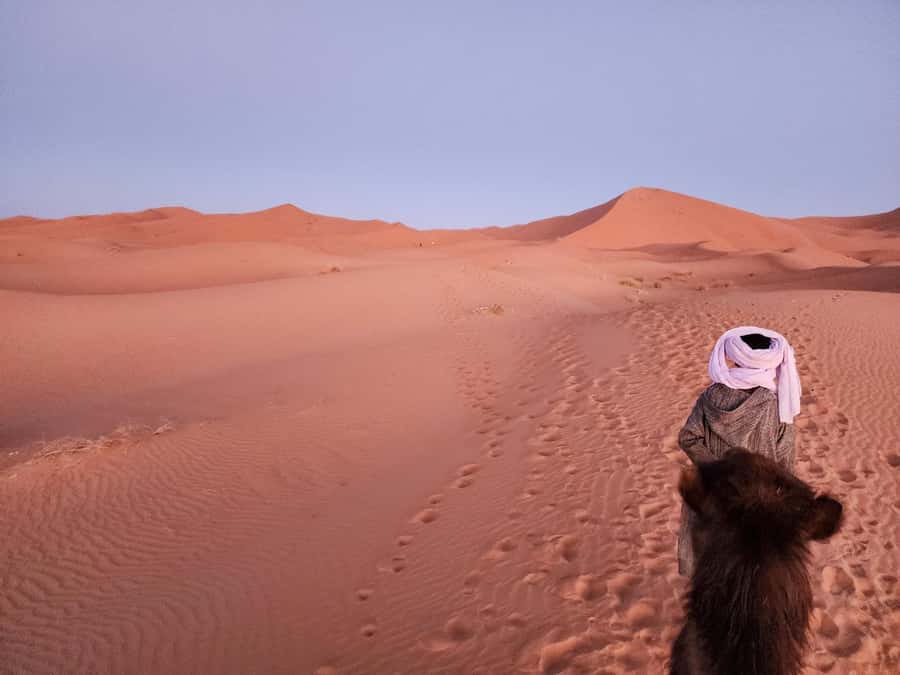
The best part of this Marrakech to Fes desert journey is the sheer change of scenery. In three days, you move from the High Atlas and old kasbahs to red-rock gorges, palm-filled valleys, golden dunes, cedar forests, and the cool mountain town of Ifrane. The camel ride into Erg Chebbi, especially at sunset, is the emotional high point.
I like two things in particular: the route is more than a simple desert transfer, and the guides often make the long road days enjoyable. Guides such as Omar, Ali, Mustafa, Mohamed el Qayed, and Zohair are frequently praised for humor, care, and clear explanations. I also like that the camp option can include comfortable beds, blankets, dinner, music, and private bathroom facilities in upgraded tents.
The catch is simple: you spend many hours in the vehicle. Day 3 includes about 7 hours and 15 minutes of driving, and even the shorter days involve long stretches on the road. Winter nights in the desert can also be very cold, with no heater in some tents, so warm layers matter.
In This Review
- Key points to know before booking
- Why this route works as a three-day journey
- Day 1: High Atlas passes and the red earth of Dades
- Day 2: Todra Gorge before the Erg Chebbi dunes
- The desert camp: comfort, cold, and a memorable night
- Day 3: From Merzouga palms to Middle Atlas forests
- Transport, group size, and the reality of the road
- What is included, and where extra costs appear
- Who should book this Marrakech to Fes tour?
- Should you book it?
- FAQ
- How long does the tour last?
- What time is pickup in Marrakech?
- Is hotel pickup available everywhere in Marrakech?
- Which languages are available?
- Is transportation included?
- Are meals included?
- Is the guide at Ait Ben Haddou included?
- Is quad biking included in the desert?
- What should I bring?
Key points to know before booking
- Erg Chebbi camel rides happen at sunset and sunrise, giving you two chances to see the dunes in changing light.
- Ait Ben Haddou, Todra Gorge, and Dades Valley make the route worthwhile even before you reach the Sahara.
- Day 3 is the longest road day, crossing Erfoud, the Ziz Valley, Azrou, Ifrane, and the Middle Atlas on the way to Fes.
- The deluxe camp is worth considering in cold months, with better bedding and, according to tour details, some tents offering private bathrooms and showers.
- Lunches, drinks, and beverages cost extra, and a guide at Ait Ben Haddou is not included.
- Pickup is arranged from central Marrakech, but Medina accommodations may require a short walk to the nearest vehicle-accessible meeting point.
Why this route works as a three-day journey
This is not a slow desert holiday. It is a carefully packed crossing of Morocco, designed for you to see the country between two major cities while adding a Sahara night along the way.
The route works because each day has a different character. Day 1 is about mountains, kasbahs, and the Dades Valley. Day 2 brings the most dramatic canyon scenery and the desert camp. Day 3 trades dunes for palm valleys, cedar woods, macaques, and the unexpected Alpine feel of Ifrane.
At $138 per person, the value is strong if you need transportation from Marrakech to Fes and want the major sights arranged for you. The price includes transport, fuel, tolls, a driver-guide, one hotel night, breakfasts, dinners, the desert camp, camel rides, the Todra Valley walk, and sandboarding. You still pay for lunches and drinks, and the final cost can rise if you choose a deluxe camp or add quad biking.
I would not book this simply as a way to get from one city to another. The journey takes roughly 60 hours because the sights are the point. If you dislike long drives, a four or five-day version would be easier, but this three-day trip gives you an impressive amount of Morocco for the money.
More Fez trips worth a second look
- From Fes to Marrakech: 3-Day Sahara Desert Discovery Tour
★ 4.7 · 1,158 reviews - Fes: Best Fez to Marrakech via Merzouga Desert Dunes, 3 Days Tour
★ 5.0 · 959 reviews - From Fes: Unforgettable Desert Tour to Marrakech 3-Day
★ 4.5 · 470 reviews
Day 1: High Atlas passes and the red earth of Dades
Pickup is around 7:30 a.m. from your hotel or riad in Marrakech. The vehicle may be a 4×4 or minibus, and the trip can be private or run as a small group. Your driver-guide handles the route and makes stops along the way.
The first major section climbs through the High Atlas via the Tizi n’Tichka pass. The road brings broad mountain views and sharp changes in elevation. You will want your camera ready, but keep some attention on the road, since the journey includes plenty of winding mountain travel.
Ait Ben Haddou is the day’s essential stop. This fortified village of earthen buildings is a UNESCO World Heritage site and one of Morocco’s most recognizable historic places. Its clustered walls and towers make clear why it has been used as a film location. The visit is worth taking slowly, even though the overall schedule is busy.
A local guide at Ait Ben Haddou is not included. The stated extra cost is about €2 per person. You can ask your driver about arranging one, especially if you want the stories behind the architecture rather than a quick walk through the lanes.
You then pass through Ouarzazate, often called the Hollywood of Africa because of its links to film production. This is more of a route highlight than a full sightseeing stop in the schedule, so do not expect a long studio visit unless your group’s timing allows it.
The Skoura Oasis changes the mood completely. Palm groves and irrigated farmland appear against dry, ochre-colored ground. The old kasbahs here show how water has shaped settlement in southern Morocco. The contrast between palms and bare hills is one of the strongest visual themes of the trip.
The day ends in the Dades Valley after about 5 hours and 35 minutes of driving. The valley is known for red cliffs, narrow rock formations, and quiet rural views. Your overnight stay is in a local guesthouse or hotel with an air-conditioned room and bathroom.
That first night is practical rather than luxurious in the grand sense, but it breaks up the journey well. Dinner and breakfast are included. Some trips also include music and time with a Berber family, adding a human touch to what could otherwise feel like a long transport day.
Day 2: Todra Gorge before the Erg Chebbi dunes
Day 2 starts in the Dades Valley and heads toward Todra Gorge. The planned driving time is about 4 hours and 45 minutes, though stops and group timing affect the actual day.
Todra Gorge is one of the route’s strongest natural sights. Towering cliffs close in around the canyon, creating a dramatic corridor of stone. The included Todra Valley walk lasts about 40 minutes to an hour and is led by a local guide. You may see traditional handmade carpets and learn about local life as well as the geology of the gorge.
The walk is not a strenuous mountain trek, but comfortable shoes are still important. Some travelers find the local guiding pace slower than expected, and language ability can vary, particularly when several language groups are combined. If you prefer to explore at your own speed, ask how much independent time you have before the group moves on.
After Todra, the road passes Berber villages and increasingly dry country. The changing views help make the drive feel purposeful. You are not just sitting through empty miles. The palms, villages, stone slopes, and distant dunes show how quickly southern Morocco shifts from one environment to another.
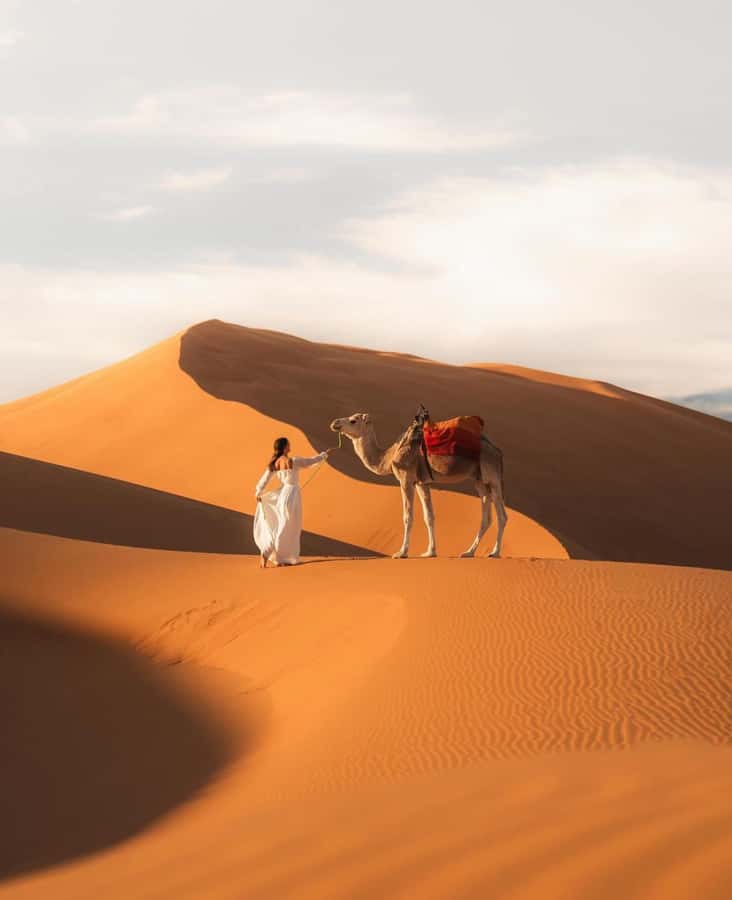
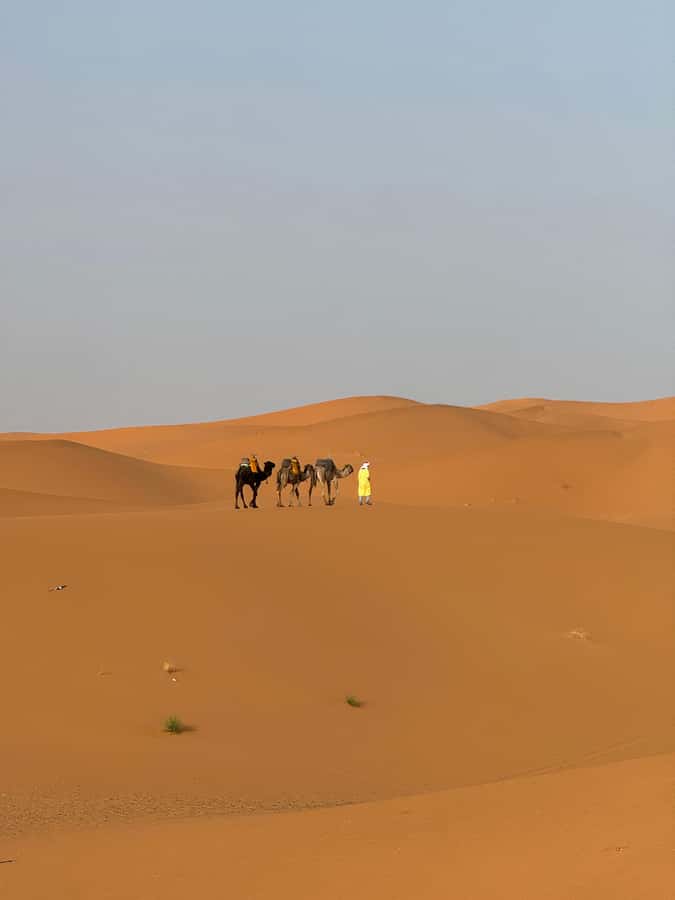
Merzouga is where the trip changes from road journey to desert experience. At the edge of the Erg Chebbi dunes, you mount a camel for the ride into camp. The sunset timing is the real prize. As the sun drops, the sand changes color, and the movement of the camel gives the evening a slow, quiet rhythm.
Camel riding is not especially comfortable for everyone. The saddles sit high, and you may feel the strain in your legs after the ride. Take water, follow the staff’s instructions, and do not treat the camel ride as a race. You can also ask about walking or other arrangements if riding becomes uncomfortable.
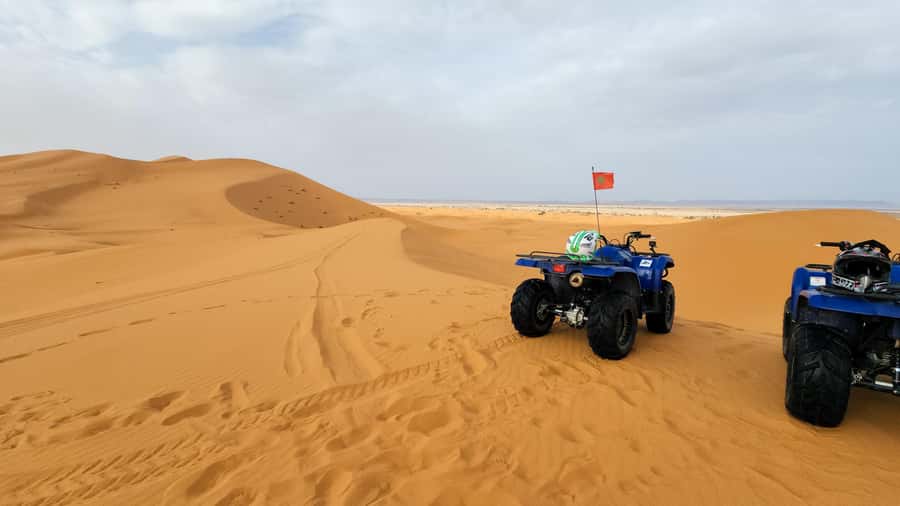
Sandboarding is included, giving you another way to enjoy the dunes. Quad bikes are not included but can be rented locally at the camp. I would treat the quad option as an optional extra, not a missing part of the main experience. The camel ride and the open dunes already provide the signature desert moment.
The desert camp: comfort, cold, and a memorable night
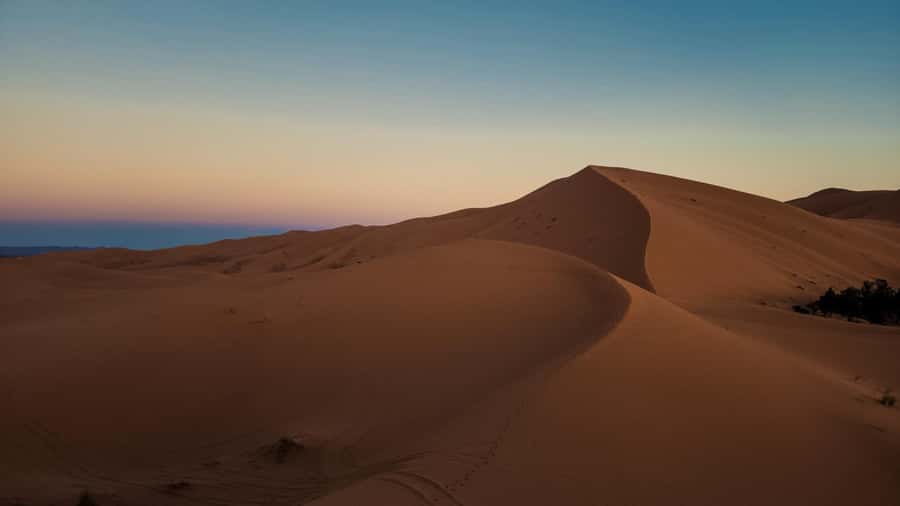
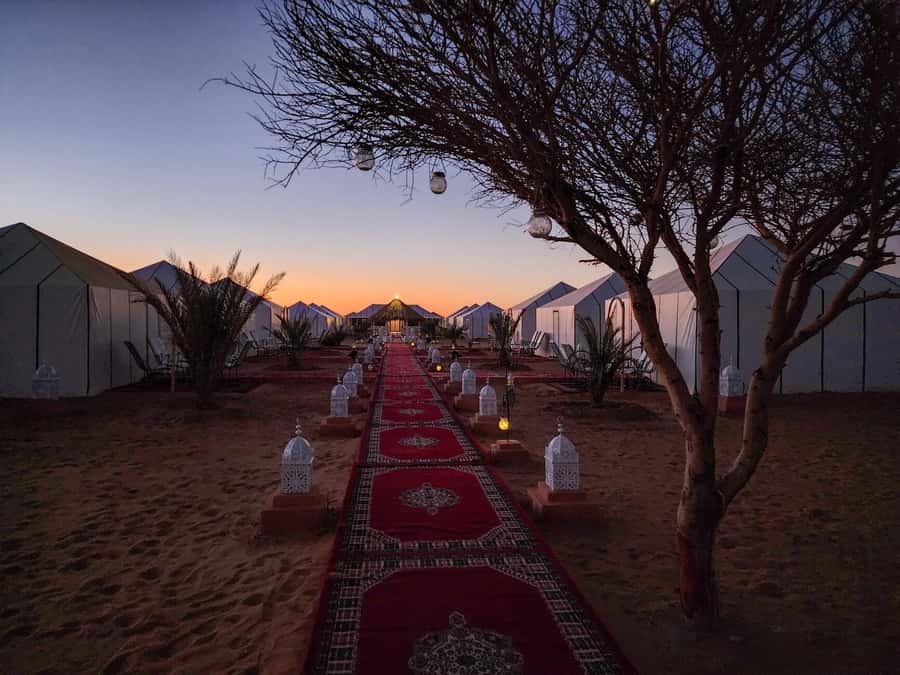
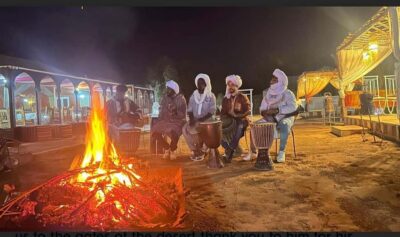
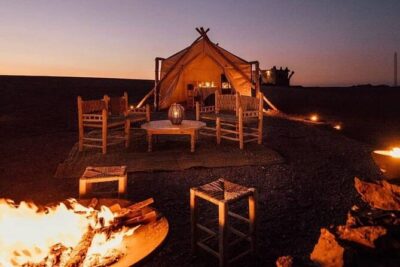
The camp is described as fully equipped, with dinner, traditional music, a campfire, and the chance to try Berber clothing and henna. The atmosphere depends partly on the size and makeup of your group, but evenings can include dancing and music around the fire.
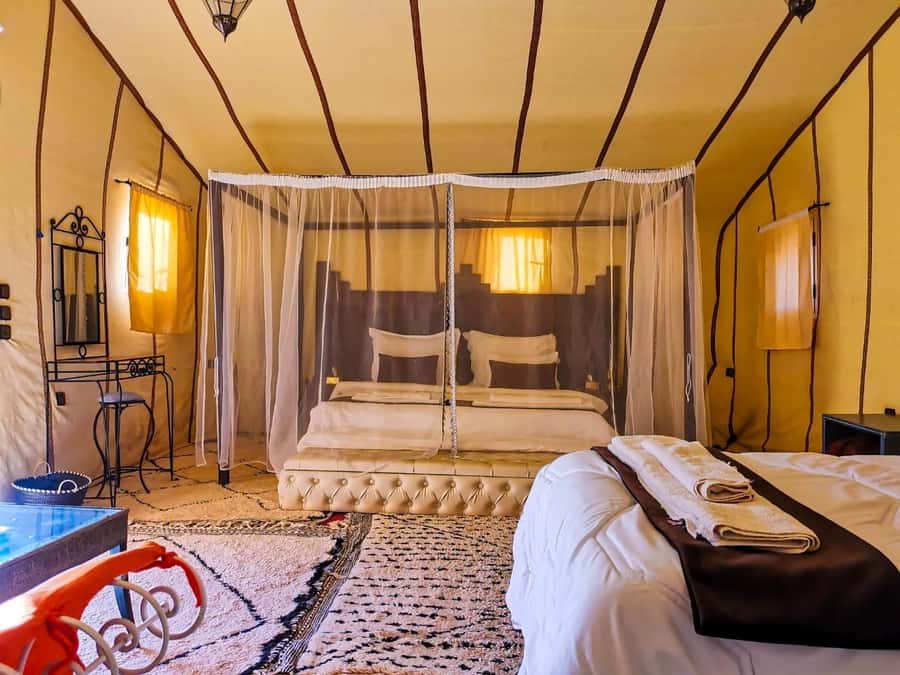
The biggest booking detail is the difference between standard and deluxe accommodation. The supplied trip information describes a camp stay, while many practical details from the experience point to a deluxe upgrade. Deluxe tents can be spacious and clean, with comfortable beds, several blankets, and in some cases a private toilet and shower.
Do not assume the tent will be heated. Winter nights can be bitterly cold, especially in December and January. Several layers of blankets help, but I would still pack a warm coat, hat, scarf, gloves, and thick socks. The desert may feel warm in the afternoon and freezing before dawn.
The food at camp is included with dinner and is generally described as a strong part of the stay. Breakfast follows the night in the dunes. Drinks and beverages are not included, so carry some cash for water and other purchases.
You will have an early start for sunrise. This means the desert night is not a late one, but stepping outside before breakfast to see the first light over the dunes is exactly the sort of effort that pays off.
A different kind of day out, same corner of Morocco:
- Chefchaouen Day Trip from Fez (Shared Group Tour)
★ 4.6 · 2,394 reviews - Fes: Volubilis Roman Ruins, Mouly Idriss, & Meknes Day Trip
★ 4.6 · 2,375 reviews - Fez Medina Guided Tour
★ 4.6 · 2,079 reviews - Blue City magic: Affordable Day Trip from Fez to Chefchaouen
★ 4.6 · 1,960 reviews
Day 3: From Merzouga palms to Middle Atlas forests
Day 3 is the longest driving day, listed at about 7 hours and 15 minutes. You leave Merzouga after sunrise and travel through a series of places that show Morocco’s less expected side.
Erfoud is known for fossils and is a useful stop after the dunes. The town’s connection to fossil products gives you a glimpse of local trade and geology. The itinerary does not promise a full museum visit, so think of this as a short cultural or shopping stop rather than a major attraction.
The Ziz Valley brings back green palms and cultivated land. From the road, the valley appears as a ribbon of life surrounded by dry mountains. It is another reminder that water management is central to settlement in this part of Morocco.
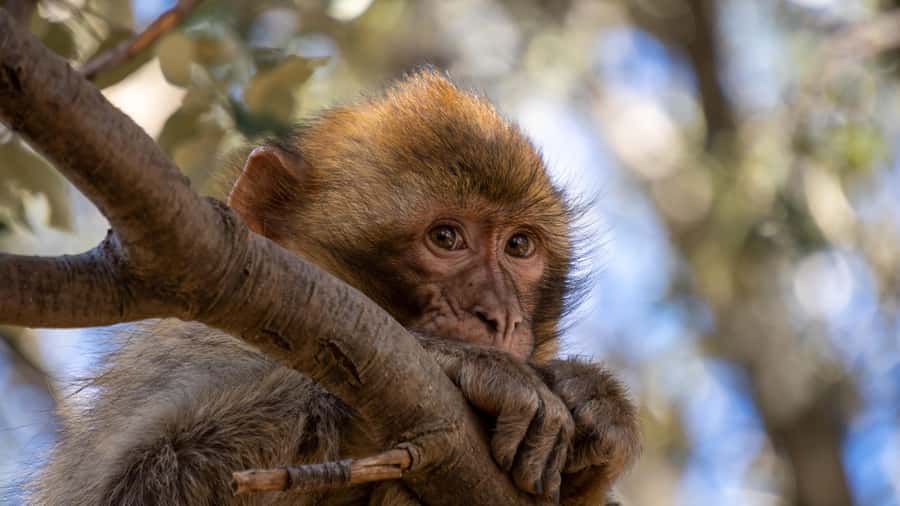
The route then climbs toward the Middle Atlas. The air and scenery change again as you reach the cedar forests around Azrou. The area is known for Barbary macaques, and there is an opportunity to stop for photographs. Keep your belongings secure and follow any local instructions around the animals.
Ifrane is one of the strangest and most entertaining contrasts on the route. Its European-style buildings and cooler mountain setting have earned it the nickname Little Switzerland. After the dry south, Ifrane can feel like another country. The planned stop is brief, but it breaks up the final drive and gives you time to stretch.
You then descend toward Fes, arriving in a city known for artisan work, traditional crafts, and a celebrated old quarter. Drop-off is at the nearest practical point to your hotel or riad, not always directly at the door. This matters in areas where vehicles cannot enter.
Transport, group size, and the reality of the road
The vehicle is air-conditioned and may be a 4×4 or minibus. Drivers are frequently praised for safe handling and care, with names including Hicham, Mustafa, Hami, Ibrahim, Said, and Muhammed appearing among the assigned teams. Your exact driver is not guaranteed, but the driver’s role is central to how comfortable the trip feels.
The road time is made easier by regular stops for food, coffee, toilets, photographs, and points of interest. Guides may also use jokes, music, dancing, or stories to keep the mood light. Still, no amount of sightseeing can change the basic fact that this is a lot of sitting.
Seat choice can matter in a minibus. The rear seats may feel cramped for tall people, particularly if the seat in front leaves little knee room. If you have long legs, ask politely about switching seats between days. The vehicle may also feel stuffy if the air conditioning or ventilation is turned down, so speak up if you need more airflow.
Small groups are usually the better fit for this route because they make stops and seating more manageable. A private trip gives you more control, but the supplied price is presented per person and group arrangements vary. Confirm the exact group size and vehicle before paying if personal space is important to you.
What is included, and where extra costs appear
The included package covers most of the expensive practical pieces:
- Marrakech pickup from a central location
- Air-conditioned 4×4 or minibus transport
- Fuel, tolls, and related transport costs
- A driver-guide in English, French, or Spanish
- One hotel night with breakfast and dinner
- One desert camp night with breakfast and dinner
- Todra Valley walk with a local guide
- Sunset and sunrise camel rides
- Sandboarding
- Berber clothing and henna opportunities
- Stops in the Middle Atlas and Ifrane
- Drop-off near your Fes accommodation
You pay separately for lunches, drinks, the Ait Ben Haddou guide, and optional quad biking. This is normal for a cross-country tour, but budget for those items instead of assuming the $138 price covers every meal and activity.
The price is particularly good if you are already planning to travel between Marrakech and Fes. You get a major route transfer plus accommodation and organized sightseeing. It is less compelling if you are staying in Morocco for a longer period and can arrange a slower private itinerary without needing to cover so much ground.
Who should book this Marrakech to Fes tour?
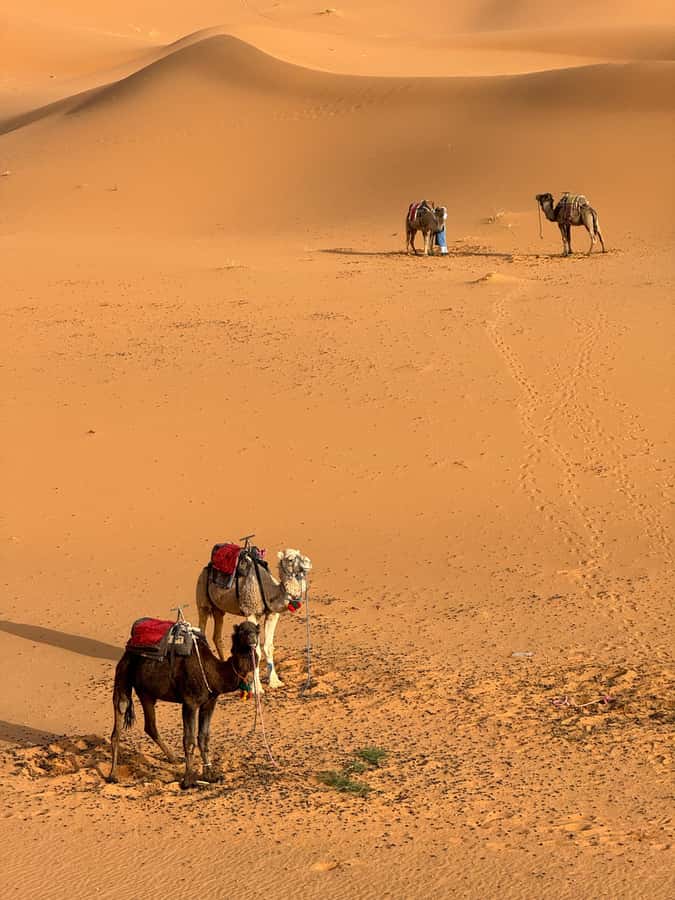
I would recommend it to you if you have limited time, want to see the Sahara, and prefer having transport and accommodation arranged. It suits first-time visitors who want a broad introduction to southern Morocco without managing mountain roads, desert transfers, and camp logistics alone.
It also works well for couples, friends, and solo visitors who enjoy meeting people in a small group. The guides often help groups connect, and the evening music gives the camp a social feel.
I would hesitate to recommend it to you if you want long visits at each stop, serious hiking, or a quiet private desert retreat. The schedule is efficient rather than leisurely. Families can enjoy it, but the long drives and cold desert night require preparation, especially for young children.
Pack comfortable shoes, sunscreen, comfortable clothes, a refillable water bottle, and very warm clothing in winter. A working WhatsApp number with your country code is required for pickup coordination, and you should provide the name of your Marrakech accommodation so the coordinator can choose the best meeting point.
Should you book it?
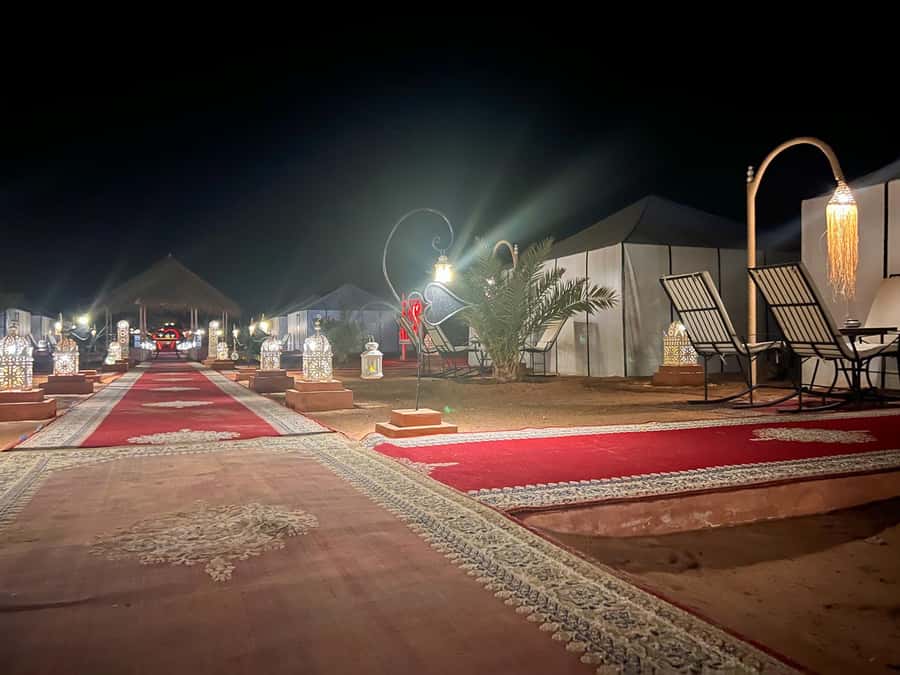
Book this trip if you want the greatest variety in the shortest time. Ait Ben Haddou, Todra Gorge, Dades Valley, Erg Chebbi, the Ziz Valley, Azrou, and Ifrane give you a remarkable cross-section of Morocco, with the sunset and sunrise camel rides providing the trip’s clearest highlights.
Before booking, confirm three things: the exact camp category, the expected group size, and how pickup will work from your riad. Choose the deluxe camp if you are visiting in winter and care about a warmer, more private night. If you can accept long drives and pack for cold weather, this is a very strong-value route from Marrakech to Fes.
FAQ
How long does the tour last?
The experience lasts about 60 hours over three days, beginning in Marrakech and ending in Fes.
What time is pickup in Marrakech?
Pickup is usually around 7:30 a.m. from your hotel or riad.
Is hotel pickup available everywhere in Marrakech?
Pickup is offered from centrally located areas. If your accommodation is inside the Medina or inaccessible to vehicles, you will be assigned the nearest meeting point.
Which languages are available?
The tour is available with live guidance in English, French, or Spanish.
Is transportation included?
Yes. Air-conditioned transportation by 4×4 or minibus is included, along with fuel, tolls, and related transport costs.
Are meals included?
Breakfasts and dinners are included. Lunches, drinks, and other beverages are not included.
Is the guide at Ait Ben Haddou included?
No. A guide there costs approximately €2 per person.
Is quad biking included in the desert?
No. ATV quad driving is available to rent locally at the camp, but it costs extra. Sandboarding is included.
What should I bring?
Bring comfortable shoes, sunscreen, and comfortable clothes. Warm layers are especially important in winter because desert nights can be very cold.
Recently reviewed around Fez
- day trip from fez to middle atlas mountain★ 5.0 · 17 reviews
- Discover the city of Fes on foot with the best guides★ 5.0 · 27 reviews
- VIP TOUR OF FES- Medina by local guide & Rempart by car-FULL Day★ 5.0 · 74 reviews
- Private Fes Medina Walking Tour★ 5.0 · 25 reviews
- Fes to Chefchaouen Day Trip★ 5.0 · 20 reviews
- fes medina guided tour★ 4.5 · 60 reviews
- Fes to Middle Atlas Private Day Trip★ 5.0 · 48 reviews
- Fes to Volubilis, Moulay Idriss and Meknes Private Day Trip★ 4.5 · 26 reviews
VIP, compared.
2-Day Merzouga Desert Trip w/Luxury Tent & Dinner
Read our review →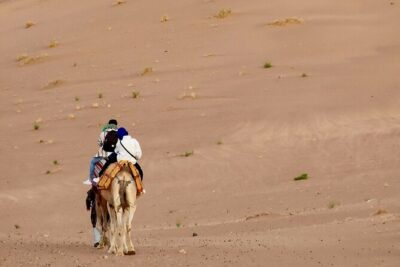
Experience Luxury in Zagora: 2-Day Desert Adventure
Read our review →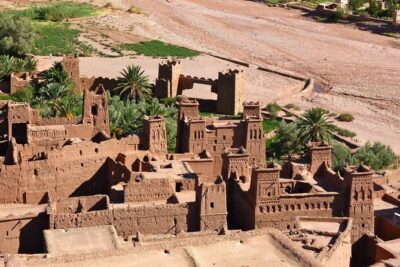
3-Day Tour from Marrakech to Merzouga Luxury Camp with Camel
Read our review →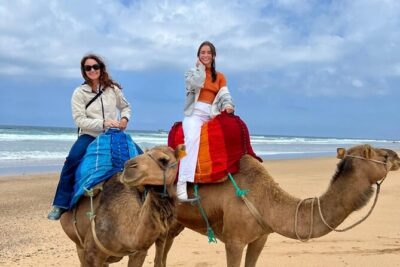
Camels & Quads on Sunset and Luxury Dinner with Show
Read our review →Browse the lists this tour appears in