
Reviewed · SAHARA DESERT TOURS
7-days: Casablanca to Chefchaouen then Fes and Sahara Desert – Camel Trekking
The big draw here is the sheer range of Morocco packed into one week. You move from Casablanca and the blue lanes of Chefchaouen to Fes, cedar country, the Sahara, Todra Gorge, Ait Ben Haddou, and Marrakech, with a camel trek and desert camp at the center of the trip. It is a busy route, but it gives you a strong first look at the country.
I like the mix of famous sights and human encounters, especially the stop with nomads and the visit to Khamlia for Berber pizza. I also like having a guide and driver handle the long road connections. The main caution is simple: you spend many hours in the vehicle, and some days are more about crossing Morocco than lingering in one place.
In This Review
- Key points to know before booking
- What this seven-day Moroccan route is really like
- Casablanca pickup and the road to Chefchaouen
- A free morning in Chefchaouen, then Fes
- Fes el-Bali, the royal palace, and the Jewish quarter
- Ifrane, Azrou, and the long crossing south
- Merzouga, nomads, Khamlia, and the camel ride
- Todra Gorge and the road through the valleys
- Roses, kasbahs, cinema country, and the High Atlas
- Is the $2,320.48 price good value?
- Who should book this Morocco adventure?
- Should you book it?
- FAQ
- Where does the tour start?
- Where does the tour finish?
- How long is the experience?
- What places are included?
- Is the camel ride included?
- Do you sleep in the Sahara?
- Are meals included?
- How many people can join the group?
- What is the cancellation policy?
Key points to know before booking
- The route covers nearly the full Moroccan highlight reel: Casablanca, Chefchaouen, Fes, Ifrane, Azrou, Ziz Valley, Merzouga, Todra Gorge, the Dades area, Ait Ben Haddou, and Marrakech.
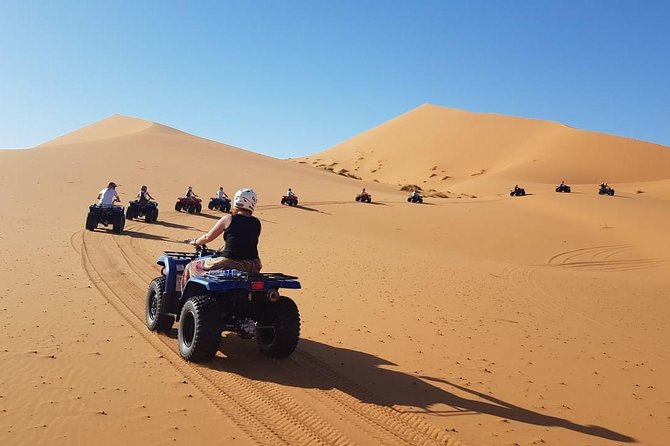
- The Sahara night is the emotional center: You ride camels into Erg Chebbi, watch the sunset, and sleep in a Berber-style desert tent.
- This is a small-group trip, not a private tour: The maximum group size is 20 people, which can make the long drives more social but less flexible.
- Only breakfast is included: You choose and pay for lunch and dinner, so budget beyond the listed price of $2,320.48 per person.
- The schedule is active and road-heavy: Chefchaouen to Fes takes about four hours, and the southern crossing includes long stretches between desert and Marrakech.
- Ask about the assigned guide: Youssef and Mohamed are names associated with Sahara Riders, both praised for friendly, informative guiding, but the exact guide for your departure is not specified.
What this seven-day Moroccan route is really like
This tour works as a broad introduction rather than a slow study of one region. You will see old cities, mountain roads, palm valleys, desert dunes, fortified villages, and film-country scenery in quick succession.
That variety is its great strength. It also explains the price and the pace. At $2,320.48 per person, this is not a bargain-basement bus trip, yet it includes seven days of transport, guided touring, accommodations, breakfasts, and the desert experience. You are paying for the route and the logistics as much as for admission tickets.
The group can reach 20 people. That is small enough to meet fellow participants and large enough that you should not expect every stop to be adjusted around your own interests. Pickup is offered, the start time is listed as 8:00 a.m., and the activity finishes in Marrakech.
The package is best for someone who wants Morocco’s major contrasts without arranging several hotels, transfers, and desert bookings independently. If you prefer late mornings, long lunches, or several unscheduled afternoons, this itinerary may feel tight.
More Camel Rides in Casablanca
- Marrakech Day Trip with Camel Ride from Casablanca
★ 5.0 · 740 reviews - From Casablanca: Day Trip to Marrakech with Camel Ride
★ 4.5 · 317 reviews - Private Marrakech excursion, camel ride or quad from Casablanca
★ 5.0 · 175 reviews
Casablanca pickup and the road to Chefchaouen
The journey begins with pickup from your hotel or the airport. If you arrive a day early, the Hassan II Mosque is the obvious Casablanca sight to consider. The schedule allows a possible visit depending on your arrival time, but you should not treat it as guaranteed on the first day.
The mosque is useful as an opening image of Morocco: grand, coastal, and modern in scale, before the route turns toward the Rif Mountains. The listed stop is only about 40 minutes, so this is more of a brief introduction than a full Casablanca visit.
Chefchaouen brings a sharp change of mood. Its white-walled medina is famous for blue doors and blue-painted lanes, with the main square forming the center of local life. The Kasbah, central mosque, cafés, and market give you several ways to spend your first evening.
I would use the free time to walk without a strict target. Chefchaouen rewards slow wandering, but its market also mixes traditional Moroccan goods with tourist merchandise. That means you can find attractive crafts, though you should compare prices and avoid assuming every item is locally made.
Ras El Ma, a short visit of about 12 minutes, gives you another nearby stop. The outing is brief, so think of it as a quick look rather than a major excursion. Overnight accommodation is in Chefchaouen.
A free morning in Chefchaouen, then Fes
Day two gives you a free morning before the drive to Fes. That is valuable because the first day offers only a short introduction to Chefchaouen. You can return to the lanes you liked, spend more time in the main square, or simply enjoy breakfast without rushing straight into another guided visit.
The drive to Fes takes about four hours. That is not extreme by Moroccan road-trip standards, but it is long enough to shape your day. Carry water, keep a light snack handy, and expect the scenery outside the windows to be part of the experience.
Fes is Morocco’s oldest imperial city and one of the major cultural stops on the route. The first contact with Fes el-Bali, the old medina, is left partly to you. This is a good idea in principle, since you can get your bearings before the formal guided exploration the next day.
The medina can feel confusing at first. Streets, lanes, workshops, food stalls, and old buildings crowd together, so keep your accommodation details easy to reach. The short listed timing for the first Fes el-Bali stop should not be read as a full sightseeing session. It is an arrival introduction.
Fes el-Bali, the royal palace, and the Jewish quarter
Day three is the main Fes sightseeing day. A local guide leads you through Fes, including the outside of the King’s Palace, the medina, the Jewish quarter, and ceramic workshops.
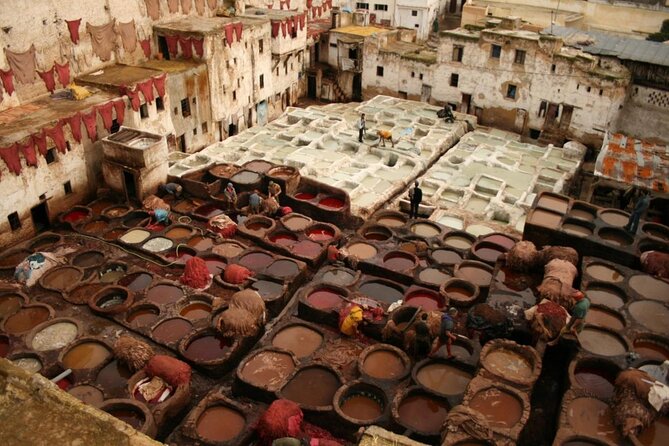
The King’s Palace is viewed from outside, so this is a photo stop and architectural introduction, not an interior tour. The Jewish quarter adds useful context to Fes’s layered past, while the ceramic manufactories show how Moroccan decorative arts are made and sold.
The guided medina visit is listed at about two hours. That is enough for a structured first look, but Fes deserves more time if you are deeply interested in architecture, religious buildings, markets, or craft production. Use the guide’s explanations to understand what you are seeing, then return later if your schedule permits.
Guide quality matters most here. Youssef is repeatedly associated with this company and is described as professional, personable, proud of Moroccan culture, and good at explaining local traditions. Mohamed is another guide linked with the company. Since the specific assignment is not confirmed, ask before departure who will lead your group.
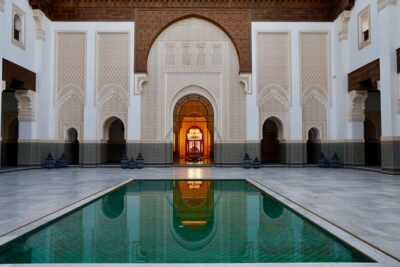
You sleep in a riad in the Fes and Meknes area. A riad can make the overnight feel more connected to Moroccan architecture than a standard chain hotel, though the exact property and location are not supplied. Confirm whether the accommodation is in Fes proper or elsewhere in the region if that distinction matters to you.
More Sahara Desert Tours in Casablanca
- 10-days Private tour in Morocco: Sahara Desert + Imperial Cities
★ 5.0 · 279 reviews - Morocco Tour from Casablanca to Sahara and Marrakech 5 days
★ 4.5 · 171 reviews - 8-Day Morocco Adventure: Imperial Cities & Sahara Desert Trek
★ 5.0 · 37 reviews - Morocco 11 Days Tour from Casablanca via Sahara Desert
★ 5.0 · 25 reviews
Ifrane, Azrou, and the long crossing south
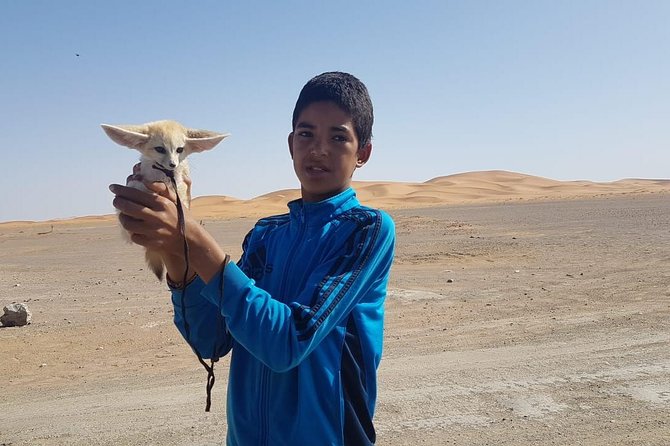
Day four shifts from imperial cities to the Middle Atlas and the desert approach. After breakfast, the route stops in Ifrane, often called the Switzerland of Africa. The nickname points to its different appearance and mountain setting, but the stop itself is relatively short, about one hour.
Next comes Azrou, known here for wild monkeys. You will have time to take pictures, followed by lunch at one of the restaurants. The monkey stop is appealing for families and anyone who wants a break from old-city sightseeing, but keep your distance and do not treat wildlife as a photo prop.
The road continues south through the Ziz Valley, where the route includes a canyon stop near Errachidia. The valley provides some of the trip’s best changing scenery, with rock, palms, and dramatic road views. A separate mention of fossils points to the area’s fossil trade and geology, though the exact sales stop is not clearly set out.
This day involves substantial driving. That is the price of connecting northern Morocco with Merzouga in a single itinerary. I would choose a comfortable day bag, wear loose clothing, and keep your camera ready, since the scenery changes quickly even when you are not stopping.
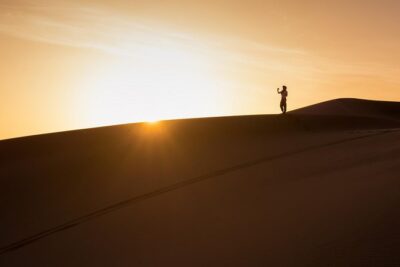
By evening, you reach Erg Chebbi, the dune area beside Merzouga. The plan includes enjoying the sunset and spending the night in a hotel before the main camel trek the following day. This split is practical: you arrive, rest, and then explore the desert area with more time.
Merzouga, nomads, Khamlia, and the camel ride
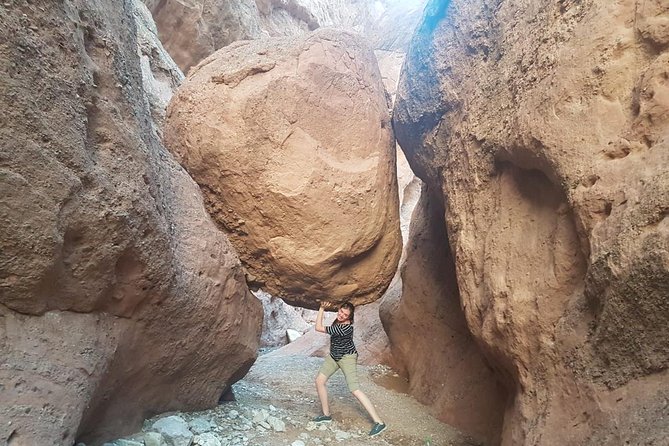
Day five is the tour’s strongest day for variety. You explore the Merzouga area, visit nomads, see old mines, and may take a hike depending on the season. The nomad visit is one of the more meaningful parts of the program because it gives you a chance to learn about life beyond the towns and tourist routes.
The precise form of the visit is not fully specified, so keep expectations open. It may involve meeting a local family and hearing about their way of life, a type of encounter associated with Sahara Riders. Approach it with courtesy: listen first, ask before taking photographs, and remember that a home visit is not a staged performance.
The Lake of Merzouga is a seasonal stop. If water is present, you visit the flamingo lake for about 20 minutes. If it is dry, this part cannot offer the same sight, so do not book the tour solely for flamingos.
Khamlia is scheduled for lunch, with Berber pizza as the local specialty. This is a nice break from standard roadside meals and gives the day a cultural flavor without turning every stop into a formal museum visit. Since lunch is not included, keep cash available for meals and optional purchases.
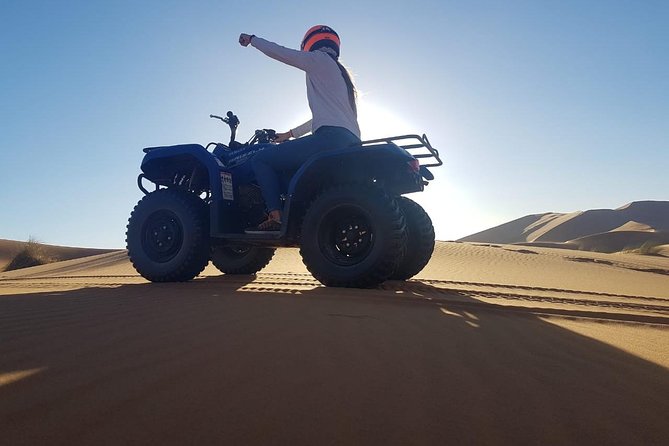
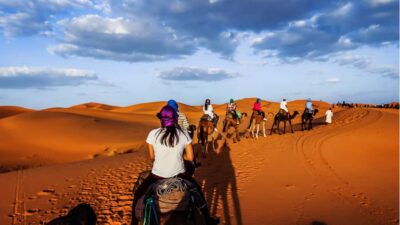
The camel trek to the desert camp takes about one hour. You ride into Erg Chebbi, stop to enjoy the sunset near Merzouga, and spend the night in a Berber tent. For many people, this is the moment that justifies the long drives.
Camel riding is not a smooth horseback-style activity. The animal’s rising and kneeling can feel awkward, and the motion may become uncomfortable for some people. If you have back, hip, or knee concerns, ask the operator about alternatives before you commit. The information provided confirms the camel trek, but it does not describe a vehicle transfer option.
The desert camp is also the one night most likely to feel different from a normal hotel. You should expect a simpler, more outdoors-focused stay. The appeal is the setting, the sunset, and the sense of being away from city noise, not hotel-style convenience.
Todra Gorge and the road through the valleys
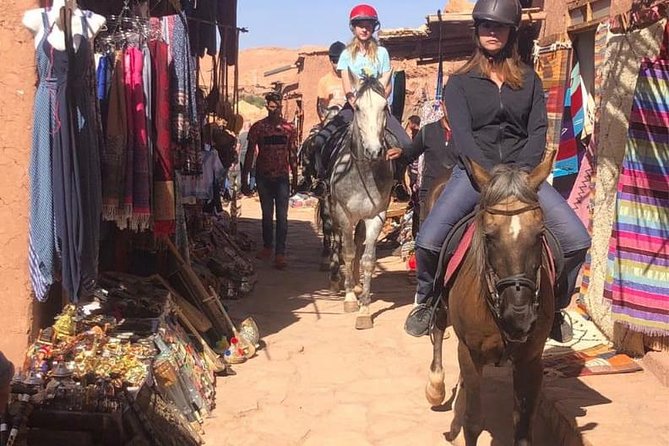
After the desert night, the route heads toward Todra Gorge and the Dades area. The gorge is described as roughly 1,000 feet high, with vertical limestone cliffs on both sides. A 30-minute stop gives you time to see the scale of the rock walls and take photographs.
Todra Gorge is a strong contrast with the Sahara. The desert is open and horizontal, while the gorge closes around you with towering stone. The stop is short, so it may leave you wanting more time for walking. If hiking is important to you, ask how much free time the group will have on your departure.
The route may also include a Berber cooperative where you can see handmade rugs, kilims, and carpets. This can be worthwhile if you want to understand Moroccan weaving and support local craft, but buying is optional. Do not feel pressured to purchase a large rug simply because you are shown one.
Overnight is in Boumalne Dades. The itinerary gives this portion about 10 hours, suggesting a full day of movement and sightseeing. You will likely be ready for a shower and a quiet evening by the time you arrive.
Roses, kasbahs, cinema country, and the High Atlas
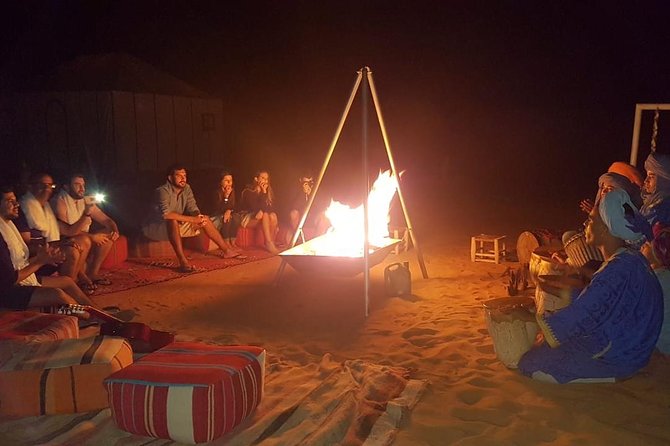
The final day strings together several stops before Marrakech. First comes the Valley of Roses, known for rose products and photo opportunities. The stop is especially appealing in season, though the information provided does not specify the exact flowering dates.
Next is Skoura Valley, famous for old kasbahs. Amridil is singled out as one of the best. This is the kind of place where you can see how earthen architecture fits the dry setting, rather than simply checking off another town.
The route then passes through an area known as the city of cinema. The itinerary does not name the city, but it clearly places the stop within Morocco’s film-country route. You may find this interesting if you enjoy seeing how Moroccan locations have been used for productions, though the exact visit is not detailed.
Ait Ben Haddou is the day’s major historic stop. You visit the old kasbah for about an hour. Its fortified earthen buildings and compact form make it one of the most memorable structures on the route, but an hour is enough only for a focused visit and photographs.
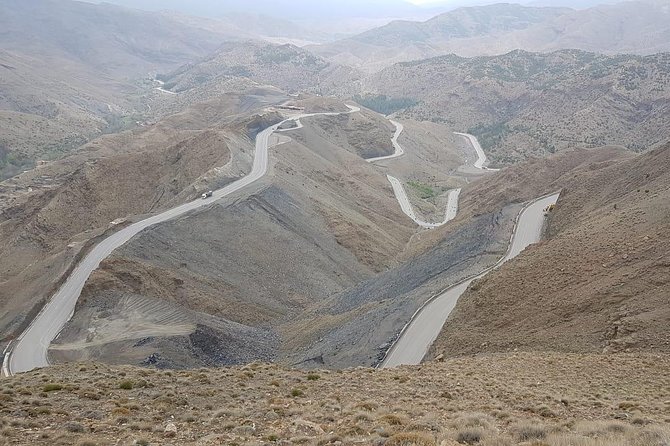
The final mountain crossing uses the Tizi n’Tichka pass. You get about an hour for panoramic views and pictures. Weather and road conditions matter in the High Atlas, which is why the operator reserves the right to reschedule or cancel when conditions are poor.
The tour ends in Marrakech, known for its medina and busy main square. The finish is convenient if you plan to continue in the city, but the itinerary does not include a dedicated Marrakech sightseeing session. Arrange your own final accommodation unless the booking details state otherwise.
Is the $2,320.48 price good value?
The price is high enough to deserve careful comparison. You are getting a seven-day route with pickup, a driver, a guide, accommodations, breakfasts, the camel trek, and a group capped at 20 people. You also avoid arranging several long transfers across Morocco, which can be worth a great deal when you are unfamiliar with the country.
On the other hand, lunches and dinners are not included. Admission is listed as free at many stops, but the tour still leaves room for meals, drinks, tips, craft purchases, and personal expenses. I would calculate the full trip cost, not just the headline price.
The strongest value comes from the itinerary’s reach. In seven days, you visit places that are far apart and would be difficult to connect by public transport without losing time. The weakest value comes if you want long visits in each place. You are paying for access to many regions, not a slow-paced stay.
The trip is commonly booked well in advance, with an average booking lead time of 238 days. That suggests you should not assume a last-minute place will be available, especially if your dates are fixed.
Who should book this Morocco adventure?
I would recommend it to you if this is your first Morocco visit and you want the major contrasts in one organized trip. It also suits solo participants who like meeting a small group, couples who do not want to manage desert logistics, and friends who want a mix of medinas, outdoor scenery, crafts, and local encounters.
It is less suitable if you dislike long drives or need a flexible pace. The route contains several short stops, and the desert crossing takes time. It is also not the best choice for someone who wants all meals included or a luxury-only standard.
Most people can participate, and service animals are allowed. The experience is near public transportation, but the central feature is the provided road transport. Good weather is required, and the operator may offer another date or a full refund if weather or minimum numbers force cancellation.
The cancellation terms are friendly if your plans remain uncertain: cancel at least 24 hours before the start time for a full refund. Inside that 24-hour window, no refund is provided, and changes are not accepted.
Should you book it?
Book this tour if your priority is seeing a lot of Morocco in seven days, with the Sahara camel ride as the centerpiece. The strongest moments are likely to be Chefchaouen’s blue medina, Fes with a local guide, the nomad and Khamlia stops, the Erg Chebbi sunset, Todra Gorge, and Ait Ben Haddou.
Before paying, confirm the exact hotel names, the guide assigned to your group, how many hours you will spend on the road each day, and what happens if you prefer not to ride a camel. If you can accept a packed schedule and separate meal costs, the route offers a practical way to connect Morocco’s far-flung highlights without carrying the planning burden yourself.
FAQ
Where does the tour start?
The tour starts in Casablanca, with pickup from a hotel or the airport. The listed start time is 8:00 a.m.
Where does the tour finish?
The tour finishes in Marrakech after the Tizi n’Tichka mountain crossing and the visit to Ait Ben Haddou.
How long is the experience?
The tour lasts approximately seven days.
What places are included?
The route includes Casablanca, Chefchaouen, Ras El Ma, Fes, Fes el-Bali, Ifrane, Azrou, Ziz Valley, Errachidia, Erg Chebbi, Merzouga, Khamlia, the Lake of Merzouga when water is available, Todra Gorge, Boumalne Dades, the Valley of Roses, Skoura Valley, Ait Ben Haddou, Tizi n’Tichka, and Marrakech.
Is the camel ride included?
Yes. A camel trek to the desert camp is scheduled on day five and takes about one hour.
Do you sleep in the Sahara?
Yes. The itinerary includes one night in a Berber tent at the desert camp. You also spend a night in a hotel at Erg Chebbi before the camel trek.
Are meals included?
Breakfasts are included. Lunches and dinners are not included and are arranged separately during the tour.
How many people can join the group?
The maximum group size is 20 people.
What is the cancellation policy?
You can cancel at least 24 hours before the experience begins for a full refund. Cancellations or changes made less than 24 hours before the start time are not accepted for a refund. If poor weather or insufficient numbers cause cancellation, you will be offered another date or experience, or a full refund.
More Hiking Tours in Casablanca
- 7 Days Luxury Desert Tour From Casablanca to Marrakech via fez -Camel trekking
★ 5.0 · 146 reviews - From Marrakech: Ouzoud Waterfalls Guided Hike and Boat Trip
★ 4.7 · 33,630 reviews - Berber villages : Atlas Mountains Day Hike from Marrakech
★ 5.0 · 14,007 reviews - 3 Days Desert Tour From Marrakech To Merzouga Dunes & Camel Trek
★ 5.0 · 10,125 reviews
Recently reviewed around Casablanca
- Casablanca Airport Transfer from hotel in Casablanca★ 5.0 · 18 reviews
- Amazing airport pickup/ drop off in Casablanca/ safe&easy★ 5.0 · 218 reviews
- Your Private Casablanca Transfer★ 5.0 · 52 reviews
- Chefchaouen the Blue City Full-Day Trip from Casablanca★ 4.5 · 79 reviews
- Sunset Camel Ride in the Palm Grove Of Marrakech★ 5.0 · 34 reviews
- Exclusive tour of Casablanca with access to the Hassan II Mosque★ 5.0 · 205 reviews
- Private full day trip to chefchaouen from Casablanca with lunch★ 5.0 · 20 reviews
- 14 Days From Casablanca- Morocco Grand Tour★ 5.0 · 24 reviews
Sahara Desert Tours, compared.
3-Day Marrakech to Fes Sahara Desert Tour via Merzouga
Read our review →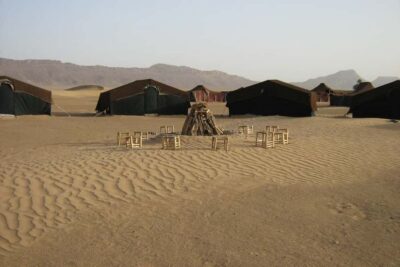
Sahara Desert 2-Day Tour with Merzouga Camp Stay
Read our review →
From Fes to Marrakech: 3-Day Sahara Desert Discovery Tour
Read our review →
Browse the lists this tour appears in