
Reviewed · CASABLANCA TOURS
14 Days From Casablanca- Morocco Grand Tour
Morocco’s greatest strength is its variety, and this 15-day private circuit packs in nearly all of it: Atlantic cities, blue mountain streets, Roman ruins, imperial capitals, cedar forests, Sahara dunes, kasbahs, and fishing ports. You ride in a private air-conditioned vehicle, so you can watch the scenery instead of watching the road.
I like the route’s big geographic sweep and the freedom to adjust it with your guide. I also like the human scale: a small private party, local city guides, riad stays, camel travel, and stops in places such as Rissani and an Argan-oil cooperative. The main drawback is the pace. Several days involve four to six hours on the road, and the $4,627.23 price per person is a serious investment.
In This Review
- Key points at a glance
- What this 15-day Morocco route really gives you
- Casablanca and Rabat: a quick start with grand architecture
- Chefchaouen: blue streets and a long northern drive
- Volubilis, Meknes, and Fez: Morocco’s strongest history lesson
- Through the Middle Atlas to Midelt
- Rissani and Merzouga: the road to the Sahara
- Todra Gorge and the Dades Valley
- The Thousand Kasbahs road to Marrakech
- Marrakech: palaces, gardens, and Jemaa El Fna
- Essaouira: a slower Atlantic finish
- Safi, El Oualidia, and the final night
- Who will get the most from this tour
- Should you book the Morocco Grand Tour?
- FAQ
- How long does the Morocco Grand Tour last?
- Where does the tour start?
- Where can the tour end?
- Is this a private tour?
- What meals are included?
- Does the price include accommodation?
- Does the tour visit the Sahara Desert?
- Is a local guide included?
- What is the cancellation policy?
Key points at a glance
- A full Morocco circuit: Casablanca, Rabat, Chefchaouen, Fez, the Middle Atlas, Merzouga, Marrakech, Essaouira, and more are linked in one trip.
- Private road travel: Your group rides in its own air-conditioned vehicle with a driver-guide.
- A real Sahara night: You ride camels into Erg Chebbi, watch the sunset, and sleep at a luxury desert camp.
- Strong cultural range: Roman Volubilis, Jewish and Islamic heritage in Fez, Berber villages, Gnawa music, medinas, souks, and artisans all appear.
- Planning support: Youssef is praised for prompt communication and for handling custom changes before and during the trip.
- Useful flexibility: The tour can finish at Casablanca Airport or Marrakech Airport, depending on your plans.
What this 15-day Morocco route really gives you
This is not a short highlights trip with one imperial city and a quick desert stop. It is a long, private journey across much of Morocco, with time in the north, the Middle Atlas, the desert, the south, and the Atlantic coast.
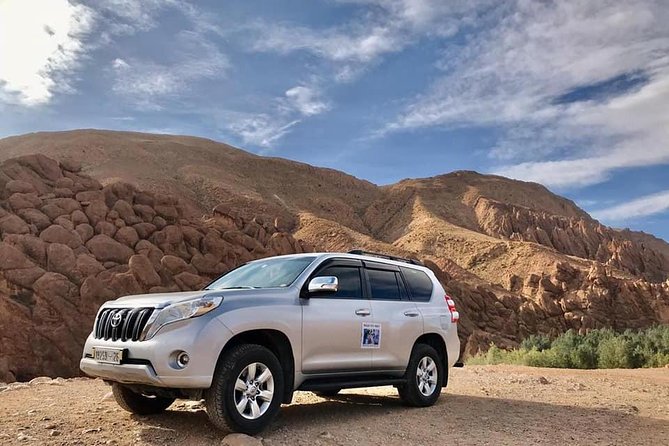
The private format matters. You are not tied to a large coach group or a fixed public schedule. Your guide can help adjust the day, and letting someone else handle the winding mountain roads is a genuine benefit. You can stop for photographs, village scenery, or a meal without negotiating with a busload of strangers.
The route is best understood as a series of contrasts. Casablanca gives you modern Morocco and the Atlantic. Chefchaouen brings blue-painted lanes and Rif mountain air. Fez supplies the strongest historic and cultural focus. The Sahara changes the rhythm entirely, then Marrakech and Essaouira finish with gardens, markets, fortifications, artisans, and the sea.
The price includes accommodation, local taxes, a driver-guide, local guides, 14 breakfasts, and four dinners. It does not include drinks, tips, travel insurance, or dinners not specifically listed. At this level, you are paying mainly for a private vehicle, two weeks of logistics, accommodation, guiding, and the ability to customize. It is good value for a couple or small group that wants convenience and support, but less attractive if you prefer independent hotels, public transport, and planning your own meals.
Other Casablanca days travellers weigh against this one:
- From Marrakech: Casablanca Tour with Hassan II Mosque Visit
★ 4.7 · 4,756 reviews - Casablanca: Hassan II Mosque Premium Tour with Entry Ticket
★ 4.5 · 2,971 reviews - Casablanca City Tour with Hassan II mosque ticket
★ 5.0 · 2,480 reviews
Casablanca and Rabat: a quick start with grand architecture
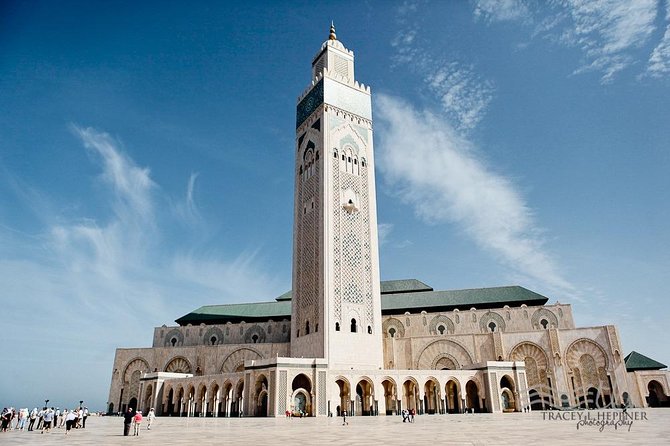
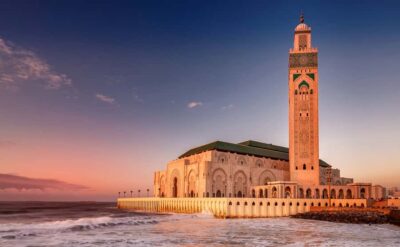
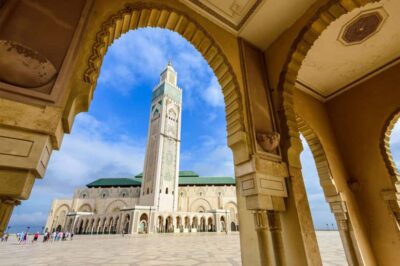
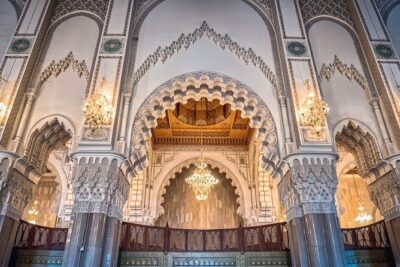
The first day begins with airport pickup in Casablanca or collection from your hotel at about 9 a.m. The city visit centers on Hassan II Mosque, one of Morocco’s defining sights and a dramatic introduction to the country. You also see the Corniche before driving to Rabat, the national capital.
Rabat brings a calmer opening than Casablanca. The route includes the Mausoleum, Hassan Tower, and the Oudaya Kasbah. These sights give you an early look at Morocco’s royal, religious, and fortified traditions without demanding a full day of walking.
The first day is listed at about two hours of sightseeing, so this is a gentle arrival day rather than a thorough Casablanca tour. If your flight lands late or you need recovery time, that is helpful. If you want more time in Casablanca, ask about the schedule before booking.
Chefchaouen: blue streets and a long northern drive
Day two is a substantial transfer, about six hours, mostly along the coast and through rural areas before reaching the Rif Mountains. Stops may include Moulay Bouselham and Ouezzane, with lunch around Ouezzane. The countryside matters here. You see farming villages and a less polished side of Morocco between the major destinations.
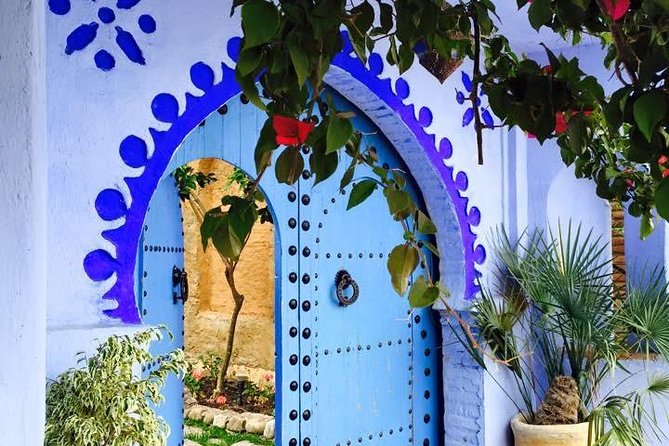
Chefchaouen rewards the long drive. The medina is known for whitewashed walls, blue doors, and blue window frames. Spanish influence is also part of the city’s character, reflecting its past connection with Spain.
The following morning is devoted to the medina, with about three hours to walk the lanes and meet local people. Wear shoes with a firm sole, since medina streets can be uneven. The town is compact compared with Fez or Marrakech, but its appeal is visual and atmospheric, so you will appreciate having time to wander rather than rushing through a photo stop.
Volubilis, Meknes, and Fez: Morocco’s strongest history lesson
The route from Chefchaouen to Fez passes through Volubilis and Meknes. Volubilis preserves Roman ruins dating to 225 BC, including mosaics that remain in good condition. This is one of the tour’s most valuable stops because it places Morocco within the wider story of the Roman world, rather than treating the country as a destination isolated from Europe and the Mediterranean.
Meknes was the Ismaili capital, and its grand Bab Mansour gate reflects the ambitions of Sultan Moulay Ismail. The itinerary also includes the granary and Sahrij Souani, an irrigation and plantation complex. The day involves about five hours of driving and sightseeing, so it is full, but the stops break up the journey well.
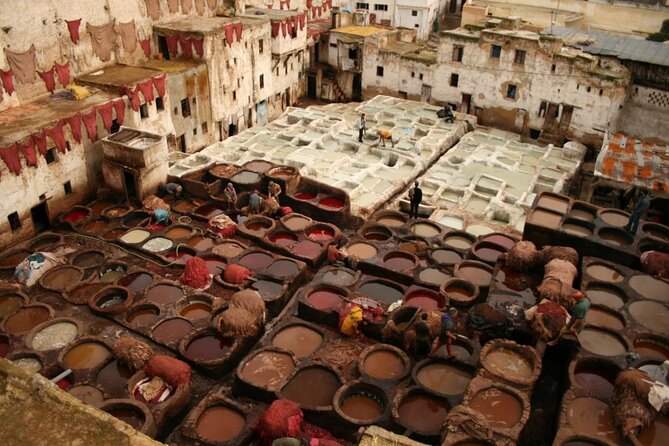
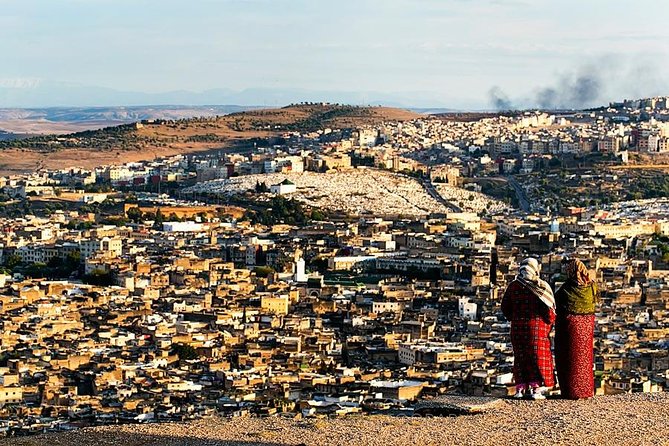
Fez deserves two nights. On the first full day, you explore Fes el-Bali, the old city, on foot. The visit includes the Royal Palace exterior, the Jewish quarter known as the Mellah, Al Qaraouine University, the tanneries, a ceramic factory, and a panoramic viewpoint over the medina. A drink in the newer city follows in the afternoon.
I especially like the balance here. You see religious, royal, Jewish, craft, and commercial sides of Fez rather than only shopping streets. The old city is a maze, so a local guide is useful. The tradeoff is that the day runs for about five hours and includes several planned stops connected with crafts. If you want unstructured time for shopping or photography, tell the guide clearly.
A different kind of day out, same corner of Morocco:
- Casablanca: City Tour with Hassan II Mosque Entry Ticket
★ 4.6 · 1,137 reviews - Private Tour of Casablanca with Hassan II Mosque Entry Ticket
★ 5.0 · 1,102 reviews - Marrakech Day Trip with Camel Ride from Casablanca
★ 5.0 · 740 reviews - Casablanca: Hassan II Mosque & City Highlights Tour
★ 4.5 · 573 reviews
Through the Middle Atlas to Midelt
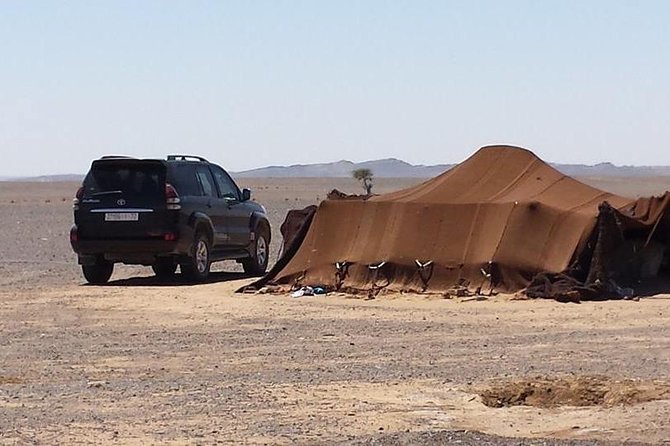
Leaving Fez, you travel toward Ifrane, often called the Switzerland of Morocco, then continue through Azrou and Midelt toward Errachidia. The drive takes about four hours and introduces a different Morocco, with mountain towns, cedar forest, and changing vegetation.
Azrou sits near Morocco’s largest cedar forest, where you may spot Barbary apes. The wording matters: this is a chance, not a guaranteed wildlife encounter. The route then grows drier as you approach Errachidia and the desert region.
This day is less about a single famous monument and more about the shift in scenery. It also provides a useful pause between Fez’s crowded old city and the Sahara. Keep a light layer handy, since mountain temperatures can differ sharply from the desert.
Rissani and Merzouga: the road to the Sahara
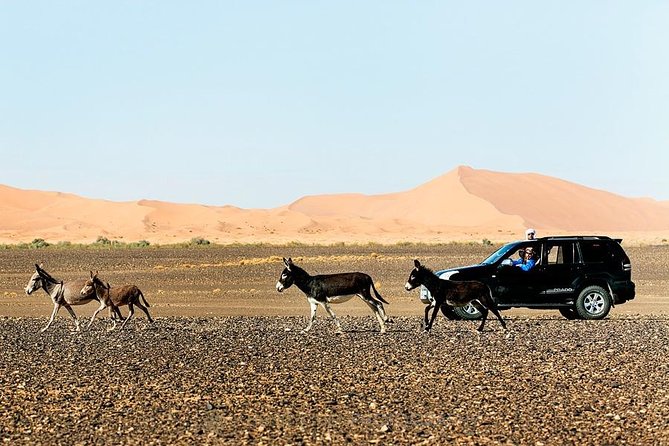
The journey continues through the Ziz Valley, with panoramic stops, Berber villages, Erfoud, and Rissani. Rissani is tied to the Alaouite dynasty, Morocco’s current ruling royal family. Its souk is held three times a week and sells spices, vegetables, and cloth.
Rissani also carries the memory of Sijilmassa, a former meeting point for salt caravans from Timbuktu in Mali. The donkey park and fortified ksar villages add local detail that you will not get from a simple drive directly to a desert hotel. Lunch may include madfouna, a local stuffed flatbread often described as Moroccan pizza.
The following day explores the Merzouga area before the camel ride. You visit the Gnawa community, whose ancestors were brought from Sudan, and may visit the nearby lake, known for bird populations. A nomad wire house offers a chance to see Berber handicrafts, often at lower prices than in large cities.
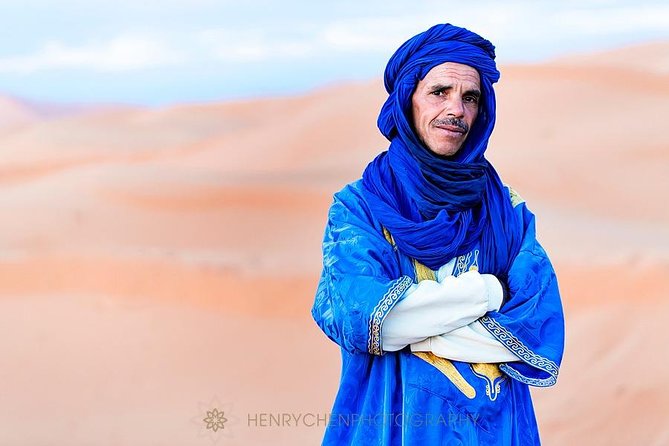
In the afternoon, you mount camels with an experienced camel handler and travel into the Erg Chebbi dunes. Sunset over the sand is the visual high point of the desert section. The night is spent at a luxury camp.
The camel ride is memorable, but it is not effortless. You sit high, the movement is repetitive, and the desert sun can be strong. Bring water, sun protection, and comfortable clothing. If camel riding is not suitable for you, ask in advance about alternatives, since the supplied information does not specify them.
Todra Gorge and the Dades Valley
A sunrise wake-up is offered before you camel-trek back to the village. Morning light changes the color and shape of the Erg Chebbi dunes, and the return ride gives you a second view of the desert rather than ending the experience at sunset.
After breakfast, the route passes through Rissani and Tinghir to Todra Gorge, described as Morocco’s highest and narrowest gorge. Lunch is taken in the gorge before continuing into the Dades Valley, where rock formations called monkey toes and large sand-colored structures provide more striking scenery.
The overnight hotel overlooks the Dades Valley. This is another day of about four hours on the road, but the stops make it feel more varied. The Dades section is especially good for photography, although the route does not provide a long hiking program. If walking is a priority, ask how much time is available at Todra Gorge and in the valley.
The Thousand Kasbahs road to Marrakech
Day ten is the longest listed drive, about six hours, through the Dades Valley toward Kalaat Mgouna and Ouarzazate. This is the route of the Thousand Kasbahs, with repeated chances to stop for photographs.
Kalaat Mgouna is associated with roses and rosewater. You can purchase rosewater here, a practical souvenir that is lighter than pottery or metalwork. The next major stop is Ait Ben Haddou, a large fortified settlement associated with Et Hami El Glaoui and the Glaoui family.
The road then continues through the High Atlas toward Marrakech. This is a scenic day, but also a tiring one. You are combining a long drive, several photo stops, and a major historic site. I would not plan an important evening event in Marrakech unless you are comfortable arriving late or tired.
Marrakech: palaces, gardens, and Jemaa El Fna
Marrakech receives a full touring day. The historic program includes the Saadian Tombs, Bahia Palace, El Badi Palace, and the Ben Youssef Quranic School. Lunch is planned near the main square, followed by the Majorelle and Menara gardens and a visit to Koutoubia Tower.
After dinner, you can walk around Jemaa El Fna, where food sellers, storytellers, magicians, and snake charmers gather. This evening visit is one reason an overnight stay in Marrakech is important. You experience the square after the daytime sightseeing ends, when its character changes.
The itinerary lists about four hours for the day, not counting every meal or optional evening walk. That leaves some room, but Marrakech has plenty to fill it. Your guide can help with orientation, while you should still protect time for simply walking and observing.
The private format is useful here because you can discuss how much shopping, garden time, or monument time you want. Past trip accounts specifically praise guides such as Abdul, Marouan, Mustafa, and Ayoub for looking after groups and explaining Morocco’s history. The exact guide depends on the departure, so confirm who will accompany you.
Essaouira: a slower Atlantic finish
The drive to Essaouira takes about three hours, with photography stops and a visit to an Argan-oil women’s cooperative. You can see how the oil is extracted and learn about its culinary, cosmetic, and medical uses.
Essaouira offers a welcome change after the long inland route. The town has Portuguese influence, blue-painted doors, whitewashed walls, a Skala Fortress, a fishing port, souks, Thuya wood carving, and many handicrafts. Strong winds have earned it the nickname City of the Wind and attract surfers.
Two nights here make sense. The first day introduces the town, while the next gives you about three hours to explore the fortress, port, souks, medina lanes, and artisan workshops. It remains smaller and less intense than Fez or Marrakech, making it a good place to slow down before the return to Casablanca.
The Argan cooperative is a planned shopping and learning stop, so decide ahead of time how interested you are in buying products. You can ask for time to focus on the port or medina instead.
Safi, El Oualidia, and the final night
The return route follows the coast through Safi and El Oualidia before taking the motorway to Casablanca. The drive takes about six hours, with an opportunity in Safi to see pottery craftsmen and learn about ceramic production.
El Oualidia provides a coastal lunch stop before the final motorway section. This is another long transfer day, so the value depends on your interest in the Atlantic coast. If you need to fly from Casablanca the next morning, staying there overnight is sensible.
On day fifteen, the company drives you to the airport according to your departure time. The tour can also be arranged to finish at Marrakech Airport, which may save backtracking if your onward plans fit that option.
Who will get the most from this tour
I would choose this tour if you want Morocco’s major regions in one organized trip and prefer a private vehicle to trains, buses, or self-drive travel. It suits couples, families, and small groups who value personal attention and want help with medinas, desert logistics, and long mountain roads.
It is also a strong choice if you want to customize. Youssef is described as responsive during planning, and the company has handled changes to dates, trip length, and itinerary details. That matters for a two-week journey, since your interests may shift after you see the pace of the first few days.
I would think twice if you dislike frequent hotel changes or long drives. The itinerary moves often, and several days are built around reaching the next region. It also requires at least two people per booking, so solo travelers cannot book it as presented.
The tour has a 5 rating from 24 supplied ratings and a 100 percent recommendation figure. The strongest praise centers on prompt planning, caring driver-guides, educational explanations, comfortable Mercedes vans, and the way the itinerary covers Morocco’s major contrasts. Those are meaningful strengths, but they do not remove the need to ask about exact hotels, vehicle size, guide assignment, included dinners, and the amount of free time.
Should you book the Morocco Grand Tour?
Book it if you want a private, carefully connected route and do not want to spend weeks arranging riads, transfers, guides, desert camps, and entrance plans. The combination of Fez, Volubilis, the Sahara, Ait Ben Haddou, Marrakech, and Essaouira gives you an unusually broad first visit.
Before paying $4,627.23 per person, get the hotel category, room arrangements, dinner schedule, exact guide names, and final airport plan in writing. I would also ask how the camel section can be adjusted if needed and how much free time you receive in Fez, Marrakech, and Essaouira.
For a small group that wants support and flexibility, this is a strong value despite the high price. For independent-minded visitors who enjoy building their own route, it may feel over-organized and expensive.
FAQ
How long does the Morocco Grand Tour last?
The experience lasts approximately 15 days, with the itinerary running from day one through day fifteen. It includes accommodation for the listed route.
Where does the tour start?
The tour starts in Casablanca, with pickup available from Casablanca International Airport or a Casablanca hotel. The listed start time is 9 a.m.
Where can the tour end?
The standard end point is Casablanca. The tour can also be arranged to finish at Marrakech Airport, depending on your plans.
Is this a private tour?
Yes. Only your group participates, and the tour uses a private air-conditioned vehicle with a driver-guide.
What meals are included?
The package includes 14 breakfasts and four dinners. Other dinners, drinks, and tips are not included.
Does the price include accommodation?
Yes. Accommodation according to the itinerary is included, along with local taxes.
Does the tour visit the Sahara Desert?
Yes. The route includes Merzouga and Erg Chebbi, a camel ride at sunset, and an overnight stay at a luxury desert camp.
Is a local guide included?
Yes. The package includes both a driver-guide and local guides. The itinerary includes guided visits in places such as Chefchaouen, Fez, and Marrakech.
What is the cancellation policy?
You can receive a full refund if you cancel at least six full days before the start time. A cancellation two to six full days before the start may receive a 50 percent refund. Cancellations less than two full days before the start are not refunded.
Recently reviewed around Casablanca
- Casablanca Airport Transfer from hotel in Casablanca★ 5.0 · 18 reviews
- Amazing airport pickup/ drop off in Casablanca/ safe&easy★ 5.0 · 218 reviews
- Your Private Casablanca Transfer★ 5.0 · 52 reviews
- Chefchaouen the Blue City Full-Day Trip from Casablanca★ 4.5 · 79 reviews
- Sunset Camel Ride in the Palm Grove Of Marrakech★ 5.0 · 34 reviews
- Exclusive tour of Casablanca with access to the Hassan II Mosque★ 5.0 · 205 reviews
- Private full day trip to chefchaouen from Casablanca with lunch★ 5.0 · 20 reviews
- Marrakeck City tour from Casablanca all the day around trip★ 5.0 · 35 reviews
Casablanca Tours, compared.
Hassan II Mosque Premium Tour with Entry Ticket
Read our review →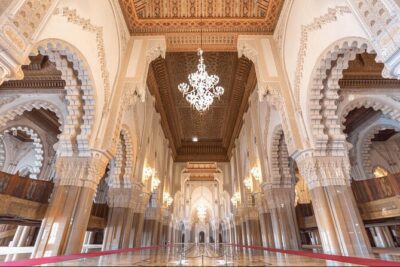
Casablanca City Tour with Hassan II mosque ticket
Read our review →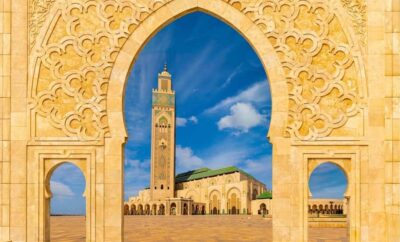
Private Tour of Casablanca with Hassan II Mosque Entry Ticket
Read our review →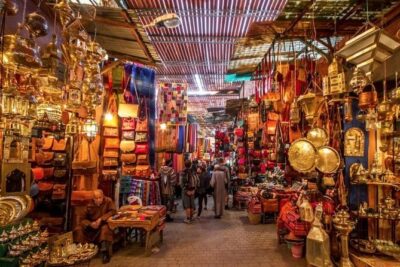
Marrakech Day Trip with Camel Ride from Casablanca
Read our review →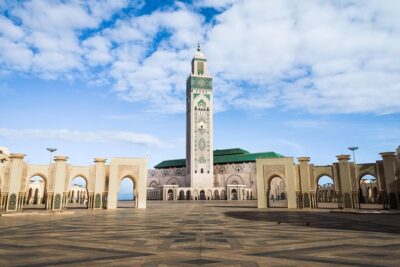
Browse the lists this tour appears in