
Reviewed · HIKING & TREKKING
From Marrakesh: 2-Day Mount Toubkal Trek
Mount Toubkal rises to 4,167 meters, making this a serious mountain day wrapped inside a short Moroccan trip. In two days, you go from the streets of Marrakesh to mule paths, a high refuge, and a summit with views toward the Marrakech Plain, the Anti-Atlas, and the Sahara.
I like the small groups, limited to 10, and the care shown by guides such as Rachid, Mustafa, Hassan, Ahmed, and Abdulsamad. I also like the value: transport, a mountain guide, all meals, and one refuge night are included for $125. The catch is simple: this is not an easy hike, and snow, altitude, illness, or bad weather can stop you short of the summit.
In This Review
- Key points before you book
- From Marrakesh to Imlil, the mountains take over
- Aremd and the Mizane Valley set the pace
- Sidi Chamarouch adds a cultural stop
- Toubkal Refuge means basic, useful shelter
- Summit morning is short on sleep and big on views
- The summit rewards every slow step
- The descent is easier on the lungs, harder on the knees
- What the $125 price really covers
- Guides are the strongest part of the experience
- Who should book this two-day climb?
- Should you book the Mount Toubkal trek?
- FAQ
- How long does the Mount Toubkal trek take?
- What is the highest point reached on the trek?
- Is transport from Marrakesh included?
- What accommodation is included?
- Are meals included?
- Which languages are available for the guided tour?
- Do I need special equipment in winter?
- What happens if the weather is too bad for the summit?
- Can I cancel the booking?
Key points before you book
- A 4,167-meter summit in only two days: The schedule is compact, with a long uphill first day and an early, demanding summit morning.
- Imlil is the gateway: Your trek begins in this mountain village, then follows the Ait Mizane Valley toward Aremd and Sidi Chamarouch.
- Local guides make the difference: The strongest praise goes to guides who set a steady pace, carry a tired hiker’s bag, arrange help, and put safety first.
- A refuge night is part of the adventure: Accommodation is included, but sleep may be light, so pack earplugs and do not expect a hotel.
- Winter conditions can change the plan: Crampons and ice axes may be needed in snow, and poor weather can mean hiking around Imlil instead.
- Good value, with a few extra costs: Soft drinks are not included, and you may need to budget for gear rental and a guide tip.
From Marrakesh to Imlil, the mountains take over
Pickup is included from your hotel or riad in Marrakesh. If a car cannot reach your accommodation, you receive a nearby meeting point. The exact pickup details normally arrive by email the day before, so give the correct hotel or riad name when booking and be ready five to ten minutes early.
The ride to Imlil is the first shift in mood. Marrakesh is flat, busy, and warm. Imlil puts you among the High Atlas foothills, where the road gives way to mountain paths and the air feels different. Transport is not a glamorous part of the tour, but it matters. You do not have to arrange a taxi, negotiate a private transfer, or work out where the trail begins.
The route returns through Imlil after the summit, with drop-off at the original point or another address in Marrakesh if you request it. That flexibility is handy if you are changing hotels after the trek.
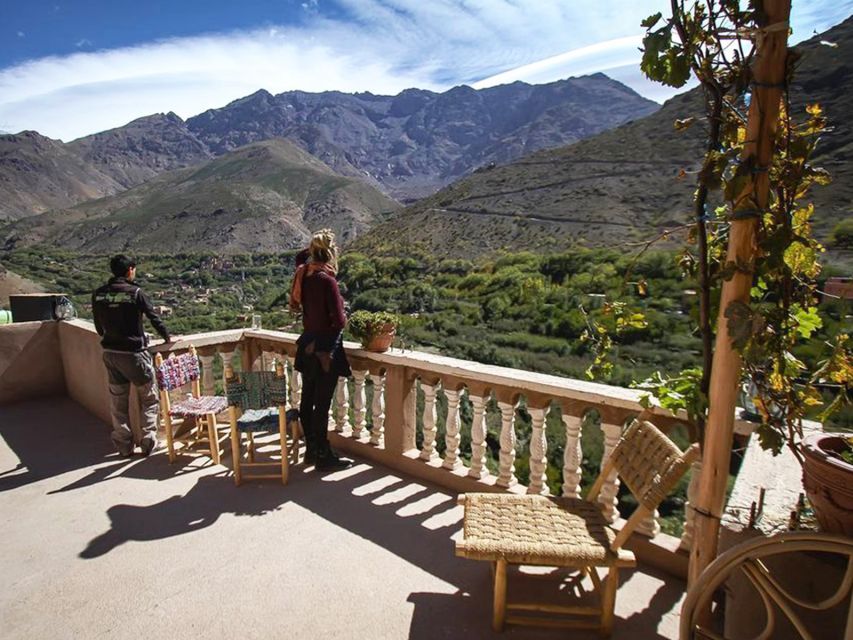
Imlil itself is more than a parking spot. It is the practical start of the climb and your first chance to see how mountain life works in this part of Morocco. From here, you walk through the Ait Mizane Valley toward Aremd, following paths used by local residents and mule handlers.
More Hiking Tours in Marrakech
- From Marrakech: Ouzoud Waterfalls Guided Hike and Boat Trip
★ 4.7 · 33,630 reviews - Berber villages : Atlas Mountains Day Hike from Marrakech
★ 5.0 · 14,007 reviews - 3 Days Desert Tour From Marrakech To Merzouga Dunes & Camel Trek
★ 5.0 · 10,125 reviews
Aremd and the Mizane Valley set the pace
The first day is a steady climb rather than a quick mountain sprint. You pass through Aremd and continue up the Mizane Valley, with the route rising from roughly 1,000 meters toward the refuge at about 2,500 meters.
That gain is the main challenge of day one. The distance may not look extreme on paper, but six hours of uphill walking can test your legs. The pace matters, and this is where a good guide earns the fee. Guides named Rachid, Mustafa, Hassan, Ahmed, Kamal, Mohamed, and Abdulsamad have been especially praised for checking on the group, adjusting speed, and keeping tired hikers moving without turning the day into a race.
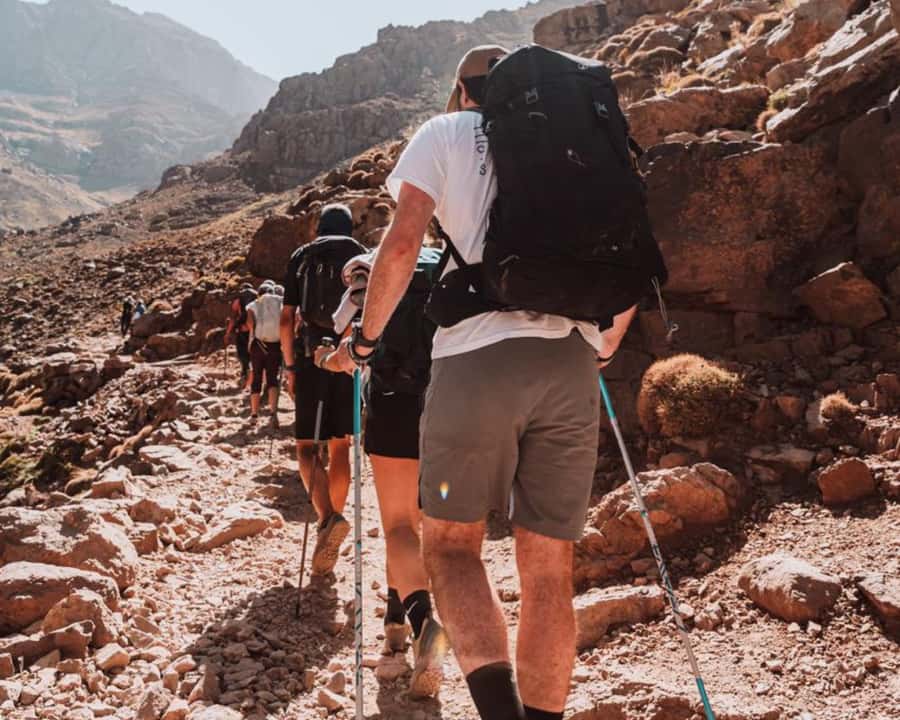
You will walk on mountain paths and mule tracks rather than a smooth paved trail. There are places to stop for water, food, and drinks, but you should still carry snacks. One useful tip is to keep your own small supply of energy food in an easy-to-reach pocket. You do not want to search through a large pack every time the climb gets steep.
The scenery changes as you gain height. Villages and valley views give way to more exposed rock. The route feels increasingly remote, although the presence of mule tracks and the refuge keeps it connected to the local mountain economy.
Sidi Chamarouch adds a cultural stop
On the way up, you pass the shrine of Sidi Chamarouch. It is an important stop on the route and gives the walk a sense of place beyond simply climbing a high peak.
The shrine sits among the rocky mountain surroundings, and the stop breaks up the long ascent. Your guide can help place it within the route and local setting. Do not expect a long formal sightseeing visit. This is a short mountain stop encountered on foot, not a separate city tour.
From Sidi Chamarouch, the trail continues into steeper, rockier ground. The path follows mule tracks into high cliffs and keeps climbing toward the Toubkal Refuge. This section can feel slow, especially if you are not used to sustained uphill walking. Keep your pace conservative. At altitude, saving energy early is more useful than proving you can walk fast.
Toubkal Refuge means basic, useful shelter
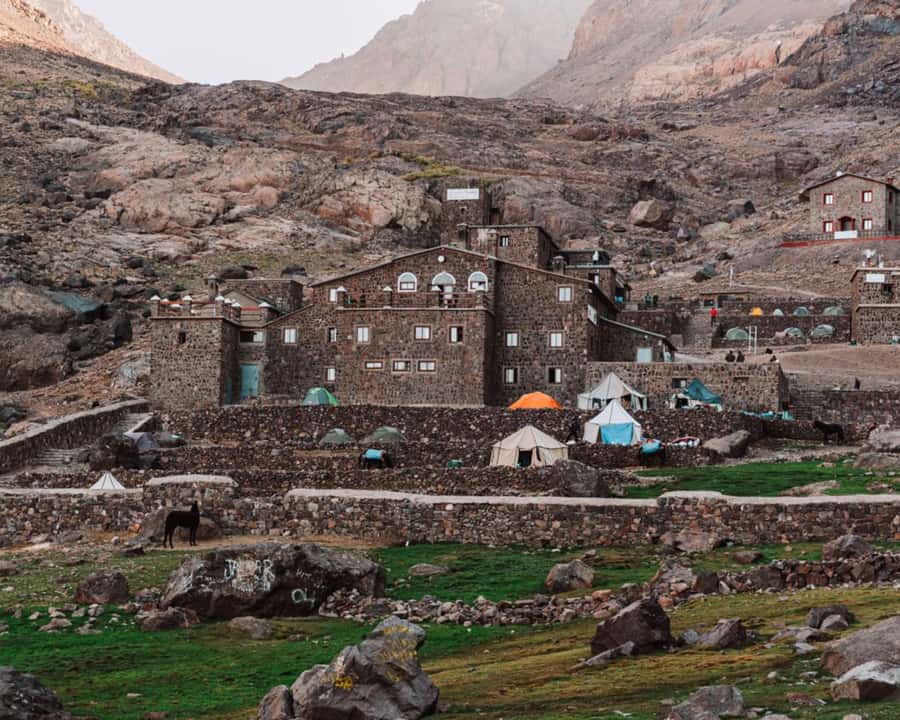
The overnight stay at Toubkal Refuge is included, along with meals. It is shelter in a high mountain setting, not a comfortable inn. The accommodation is described as better than some hikers expect, but you should prepare for a shared and noisy night.
One practical tip comes up again and again: bring earplugs. Summit day begins very early, and people may be moving around before dawn. You might sleep well, or you might not. Either way, earplugs weigh almost nothing and can help.
The food is one of the better parts of the package. Lunches and dinner are often described as plentiful, local, and wholesome. Breakfast is smaller, so bring extra snacks for the summit morning. Tea and meals are provided, but soft drinks are not included.
At the refuge, your guide will also help you prepare for the next day. This is the time to check your boots, warm layers, headlamp if you have one, water, and any rented equipment. You need trekking gear and hiking shoes. If you arrive without everything required, equipment can be rented locally, and the guide can help with winter gear when conditions call for it.
More treks around Marrakech:
- From Marrakech: Atlas Mountains Full-Day Hiking Trip w Lunch
★ 4.8 · 7,417 reviews - Marrakech: Ourika Valley Trip with Waterfall Hike
★ 4.6 · 6,792 reviews - Marrakech: Ourika Valley Trip with Waterfall Hike & Lunch
★ 4.9 · 5,303 reviews - Marrakech: ourika valley lunch & guided hike to waterfalls
★ 4.9 · 3,737 reviews
Summit morning is short on sleep and big on views
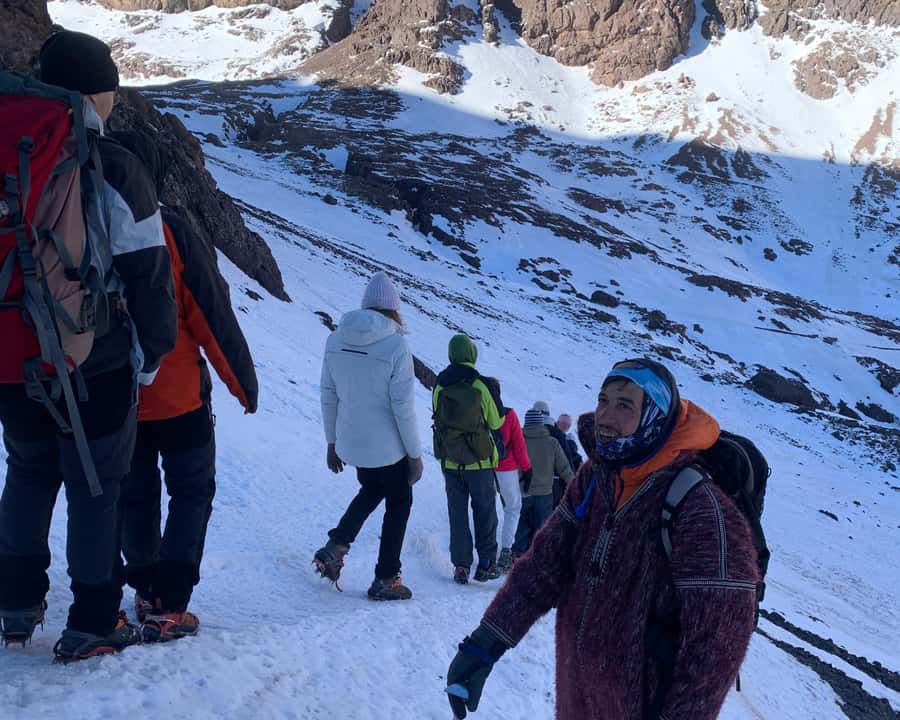
The second day starts very early, often around 4 a.m. The goal is to climb the summit in darkness and reach the top around sunrise. That early departure is not a minor detail. You will be tired from day one, breakfast may be light, and the route becomes harder as the altitude increases.
The climb follows the southern circle route. It is described as not highly technical, but that should not be mistaken for easy. Scree, steep sections, cold, darkness, and altitude can make the ascent difficult. You need to be comfortable walking uphill for several hours and managing your own effort.
At 4,167 meters, altitude is the serious issue. It can affect people who are otherwise fit, and the short schedule gives you little time to adjust. Take your guide’s instructions seriously, move steadily, drink water, and tell the guide early if you feel unwell.
The best guides do not treat the summit as more important than the group’s safety. When one hiker became ill, Jamal walked back down with that person and arranged a taxi to Marrakesh. Other guides have carried bags for struggling hikers, stayed close to people who were fading, and changed plans when snow, avalanches, or police restrictions made the summit unsafe.
That is exactly the kind of support you want on this trip. A summit is a bonus. Getting everyone back down safely is the real measure of a mountain guide.
The summit rewards every slow step
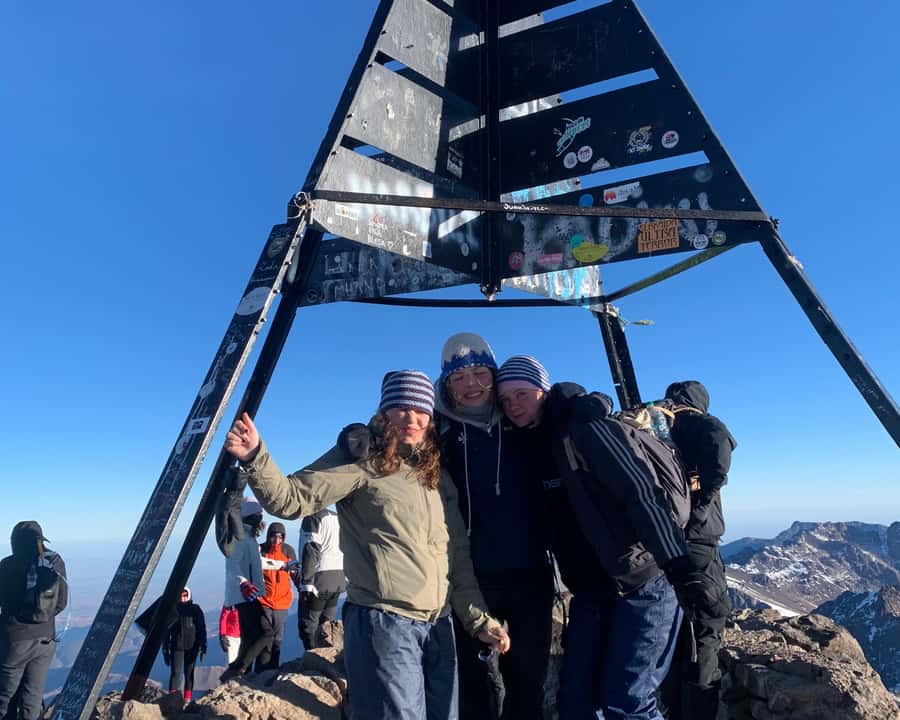
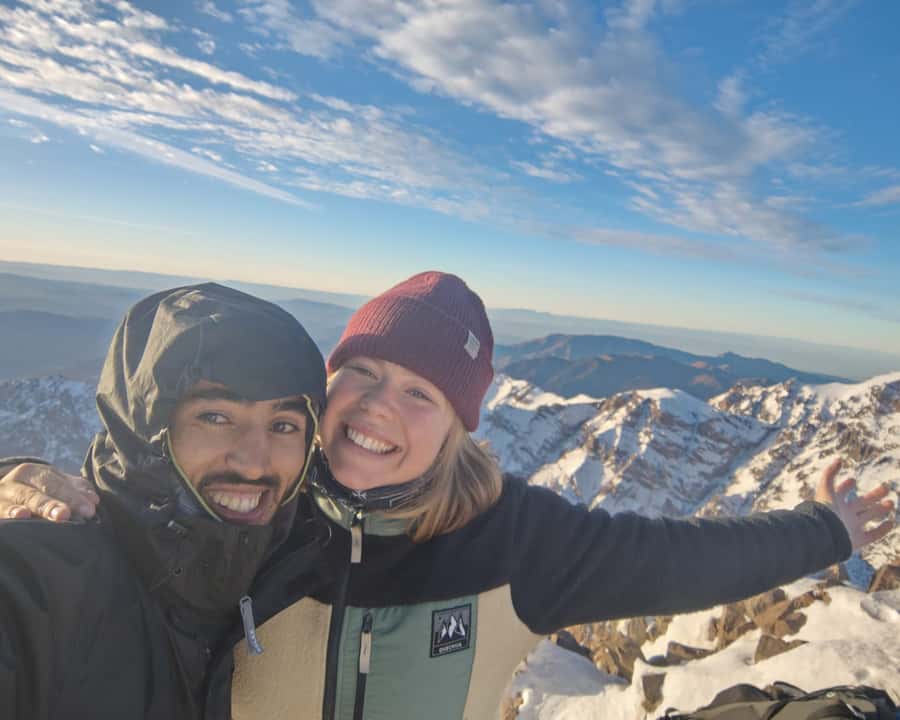
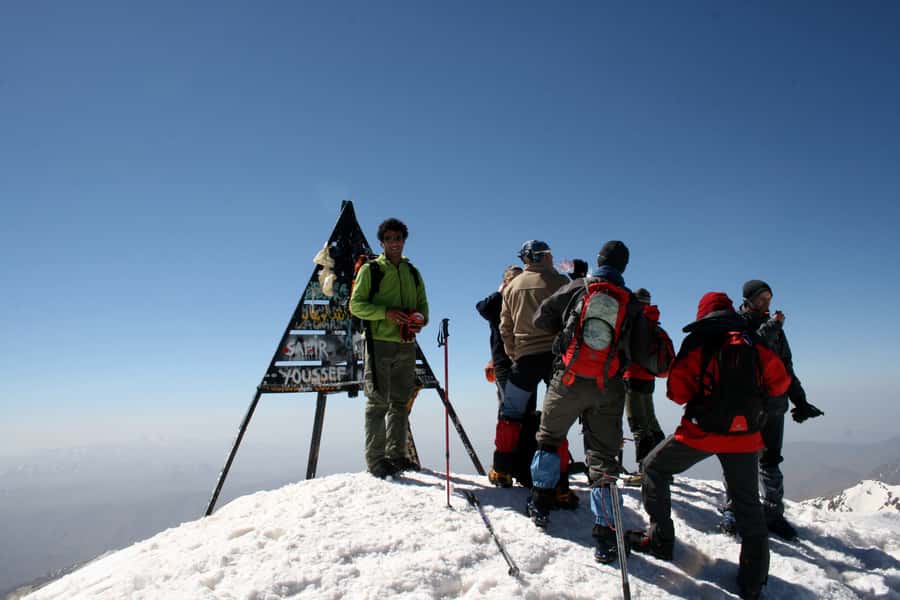
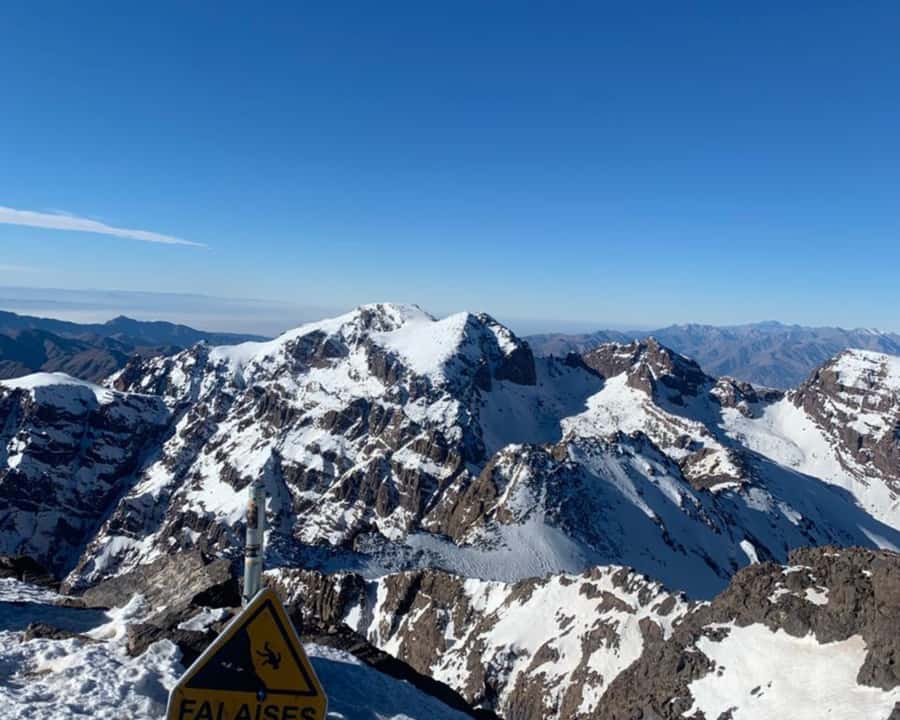
At the top, the view opens in every direction. Look north toward the Marrakech Plain and the High Atlas Mountains. To the south, the sightline reaches toward the Anti-Atlas and the Sahara Desert.
A sunrise from Toubkal can be the emotional high point of the trek. Several groups have reached the summit in time for first light, with clear skies turning the rocky peaks and distant plains into a wide panorama. The route itself also gives you plenty to watch, which helps take your mind off the climb.
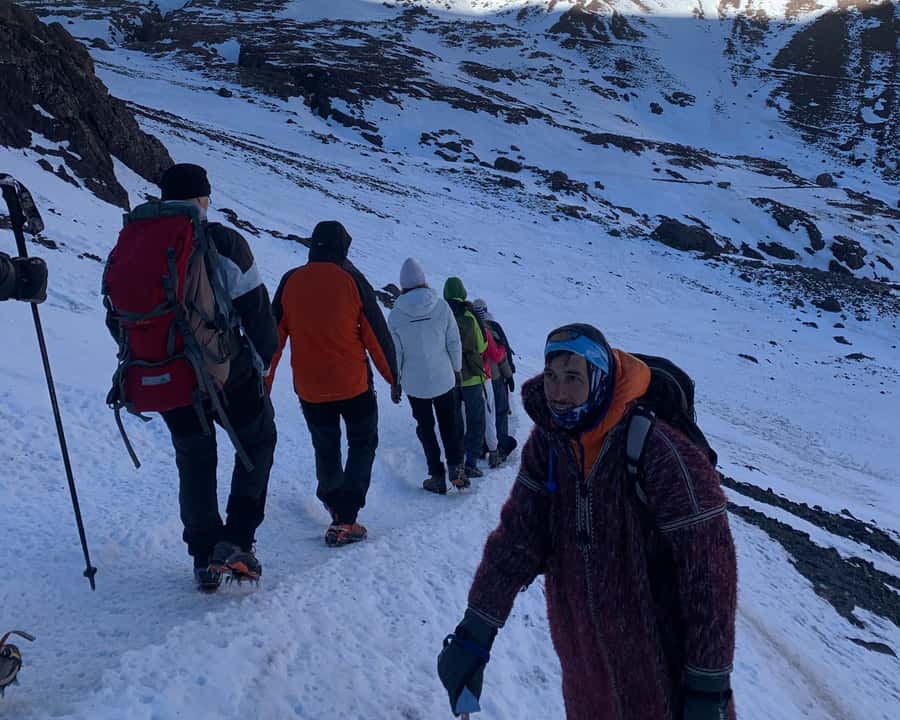
Still, do not book this only for a guaranteed summit photograph. Conditions can change quickly in the mountains. Snow, harsh weather, an avalanche, or a temporary police restriction can close the upper route. In those cases, the group may visit Imlil, hike around the valley, or climb another lower mountain instead.
That alternative will not replace Toubkal, but it is a sensible safety decision. Recent groups have still enjoyed a 2,600-meter mountain walk and strong views when the main summit was closed. A flexible attitude will make the experience much better.
The descent is easier on the lungs, harder on the knees
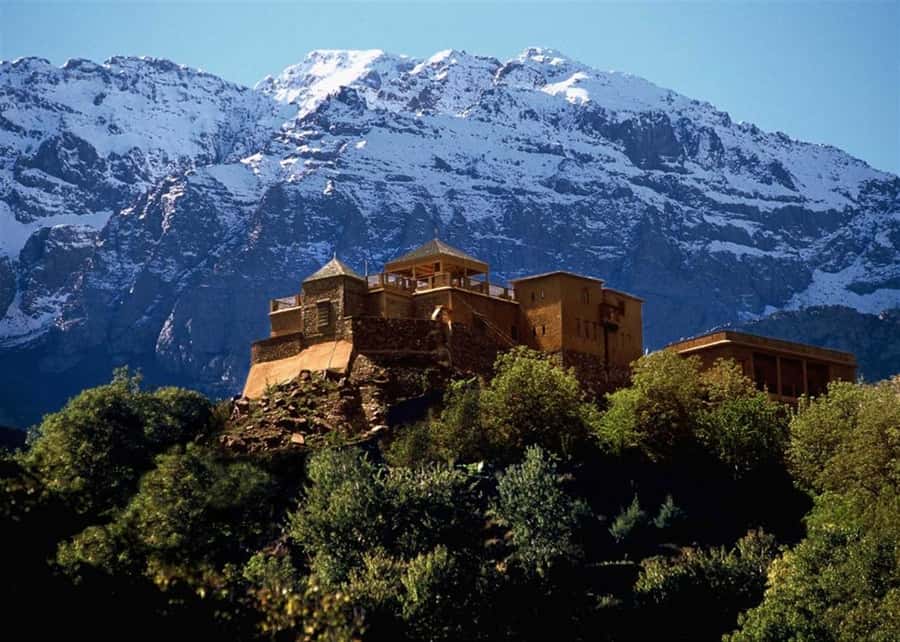
After the summit, you descend toward Imlil and return to Marrakesh. Going down often feels faster than climbing, but it can be rough on your knees and ankles. Scree is loose, so use care and avoid rushing just because the route points downhill.
Your guide stays important during this part. It is easy to lose focus after reaching the summit, yet tired legs and loose rock can cause trouble. Keep your water available and make sure your footwear is secure.
The return journey is also when the value of included transport becomes clear. You finish a long mountain day without needing to find your own ride from Imlil. Some groups have finished early enough for the driver to be called ahead, while others have returned at the planned pace.
What the $125 price really covers
At $125 per person, this is strong value if you want a guided summit attempt without arranging every part yourself. The price includes a local mountain guide, transport to and from Imlil, one night at Toubkal Refuge, all meals, and Wi-Fi.
You are paying for coordination as much as for the hike. The company handles the Marrakesh pickup, the mountain transfer, the guide, the refuge, and food. That removes several moving parts from a trek that would otherwise require separate planning.
The price is not the final amount you should budget. Soft drinks are extra. Gear rental may also be needed, especially in winter, when crampons and ice axes can be required. Plan for a tip for your guide as well. One practical suggestion is around €10, although the amount is up to you.
The biggest value is the small-group format. Groups are limited to 10, and some departures have been smaller. A compact group makes it easier for the guide to monitor tired hikers, answer questions, and keep the pace sensible.
Guides are the strongest part of the experience
The guide can make or break a high-altitude trek. Here, the strongest pattern is personal care. Rachid is often praised for staying close to slower hikers and helping them reach the summit. Mustafa is described as calm and attentive, while Hassan and Ahmed are praised for keeping spirits up and adapting to different abilities.
Abdulsamad has been noted for encouragement, food checks, and emotional support during difficult sections. Jamal and Ahmed helped when a participant became ill, including arranging a return to Marrakesh. These details matter more than a polished speech about local culture.
Language can vary by departure. The activity is offered with English, French, Spanish, and Arabic-speaking guides, but one English-speaking group had a guide who could not speak English. The guide still provided technical help, but explanations were limited. If detailed English commentary is important to you, confirm the language before departure.
Who should book this two-day climb?
This trip suits you if you want a compact High Atlas challenge and have experience with long uphill walks, or at least a strong level of fitness. You do not need to be a technical climber based on the route description, but you do need to handle steep walking, loose rock, early starts, and altitude.
It is a good fit for solo visitors who want the security of a group. You can meet other hikers without paying for a private tour, and the guide keeps an eye on the pace and safety.
It is less suitable if you want a relaxed mountain holiday, a private room, a late breakfast, or a guaranteed summit. The two-day schedule is efficient, but it leaves little spare time for weather or slow acclimatization.
Winter requires extra care. Snow may mean renting crampons and ice axes, and the guide can help if those tools are needed. If the weather is poor, the climb may be canceled or changed to an Imlil-area hike. That is not a fault in the plan. It is the correct response to unsafe mountain conditions.
The tour may also be canceled if there are not enough participants. You can cancel up to 24 hours in advance for a full refund, and reserve now while paying later, which helps if your Marrakesh plans are still shifting.
Should you book the Mount Toubkal trek?
Book it if you want a well-priced, guided attempt on North Africa’s highest peak and you accept that the mountain makes the final decision. The included transport, refuge, meals, and small group keep the planning simple, while guides such as Rachid, Mustafa, Hassan, Ahmed, and Abdulsamad appear to bring the practical care this route needs.
Go in prepared, not casual. Bring hiking shoes, trekking gear, a passport, warm layers, snacks, and earplugs. Allow money for gear rental, soft drinks, and a tip.
I would choose this tour for the value and the human support, but I would not choose it as a guaranteed summit product. If you can handle a hard first day, a 4 a.m. start, and the possibility of turning back for safety, it offers a memorable mountain experience in a very short time.
FAQ
How long does the Mount Toubkal trek take?
The activity lasts two days, including the journey from Marrakesh to Imlil, the overnight stay at Toubkal Refuge, the summit attempt, and the return to Marrakesh.
What is the highest point reached on the trek?
The planned summit is Mount Toubkal at 4,167 meters.
Is transport from Marrakesh included?
Yes. Transport to and from Imlil Village is included, with pickup from your hotel or riad in Marrakesh. If the vehicle cannot reach your accommodation, a nearby meeting point is arranged.
What accommodation is included?
You spend one night at Toubkal Refuge. It is basic mountain accommodation, and bringing earplugs is a useful idea because sleep may be limited.
Are meals included?
Yes. All meals are included during the activity. Soft drinks are not included, and bringing extra snacks is recommended, particularly because breakfast may be small.
Which languages are available for the guided tour?
The listed guide languages are English, French, Spanish, and Arabic. Guide language can vary by departure, so confirm your preferred language when booking.
Do I need special equipment in winter?
When there is snow, crampons and ice picks may be required. You can rent equipment locally, and your guide can help if winter gear is needed.
What happens if the weather is too bad for the summit?
If heavy snow or poor weather makes Toubkal unsafe, the activity may visit Imlil and include a different local hike instead. The summit is not guaranteed in unsafe conditions.
Can I cancel the booking?
You can cancel up to 24 hours before the activity for a full refund. The reserve-now, pay-later option is also available.
More 2-Day Experiences in Marrakech
- From Marrakech: 2-Day Sahara Tour to Zagora & Ait Ben Haddou
★ 4.4 · 1,925 reviews - From Marrakech: 2-Days luxurious experience to Zagora Desert
★ 4.9 · 1,502 reviews - From Marrakech: Zagora 2-Day Desert Safari with Food & Camp
★ 4.5 · 1,137 reviews - Mt Toubkal Ascent Express Trek 2 Days 1 Nights
★ 4.7 · 962 reviews
Recently reviewed around Marrakech
- 4-Days Marrakech to Marrakech Désert Tour★ 5.0 · 17 reviews
- Camel ride at sunset in Marrakech palm grove★ 5.0 · 17 reviews
- Agafay camel ride★ 5.0 · 20 reviews
- Camel riding in marrakech★ 4.5 · 17 reviews
- Marrakech to Atlas Mountains and 4 Valleys Day Trip★ 5.0 · 17 reviews
- Agafay Desert Adventure, Culture, and Relaxation, From Marrakech★ 5.0 · 25 reviews
- Quad excursion to the Agafay desert near Marrakech★ 5.0 · 44 reviews
- Camel ride and dinner Agafay desert★ 5.0 · 25 reviews
Hiking & Trekking, compared.
Berber villages : Atlas Mountains Day Hike from Marrakech
Read our review →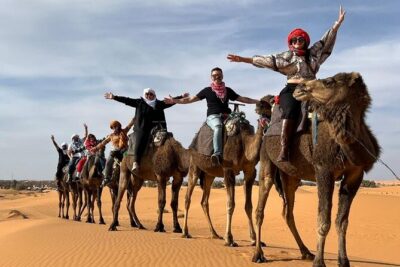
3 Days Desert Tour From Marrakech To Merzouga Dunes & Camel Trek
Read our review →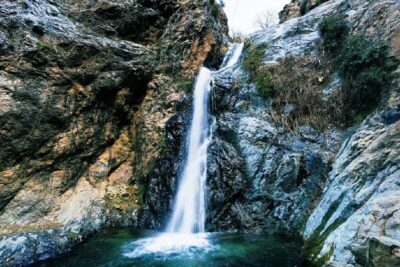
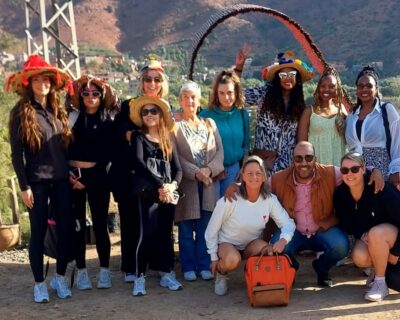
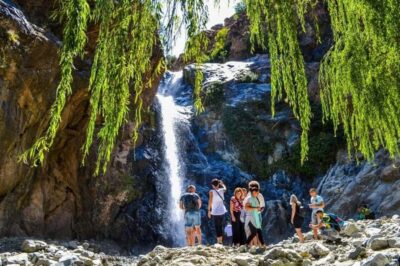
Ourika Valley Trip with Waterfall Hike & Lunch
Read our review →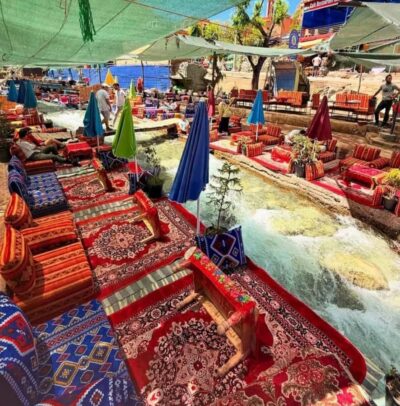
ourika valley lunch & guided hike to waterfalls
Read our review →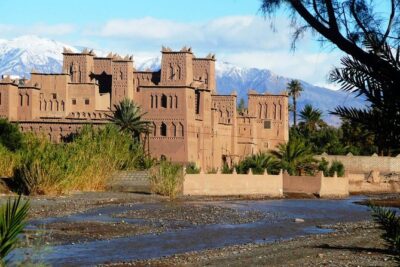
3-Day Tour to Merzouga Erg Chebbi with Food & Camel Trek
Read our review →Browse the lists this tour appears in