
Reviewed · BERBER VILLAGE TOURS
Climb Toubkal: 2-Day Atlas Trek with Local Berber Guide
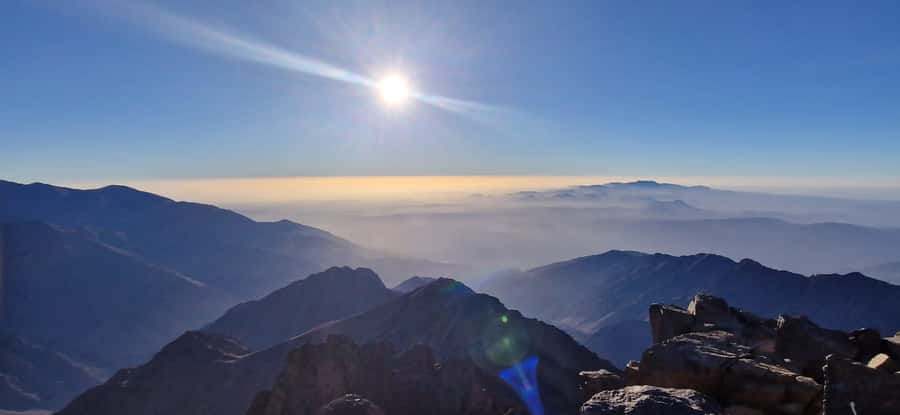
Mount Toubkal is not a gentle hill with a grand name. At 4,167 meters, it is North Africa’s highest peak, and the two-day route packs a serious climb into a short schedule. Your local Berber guide, often named Hussein or Houssain, leads you from Imlil to the refuge, then up the summit before the long walk down.
I like the local village connection and the practical mule support. You eat traditional food, pass terraced fields and stone villages, and carry only a daypack while a mule handles heavier bags. I also like the guides’ personal approach, especially Hussein’s steady encouragement and explanations of Berber life.
The main catch is simple: this is a hard mountain trek, not a sightseeing stroll. The second day can involve about 8.5 hours of walking, a 1,000-meter climb before breakfast, and a descent of roughly 2,500 meters. You need solid fitness, warm gear, and a willingness to sleep lightly at a busy mountain refuge.
In This Review
- Key Points Before You Book
- From Marrakesh to Imlil, the Mountain Begins
- Day One: Imlil to the Toubkal Refuge at 3,200 Meters
- The Refuge Night and the Very Early Summit Start
- Day Two: Rocky Trail to Mount Toubkal’s Summit
- The Long Descent to Imlil
- What the $193 Price Really Covers
- Food, Berber Culture, and the Human Side of the Trek
- What to Pack for Toubkal
- Who Should Book This Two-Day Climb?
- Should You Book the Mount Toubkal Trek?
- FAQ
- How high is Mount Toubkal?
- Where does the trek begin?
- How long is the activity?
- Is a local guide included?
- Are meals included?
- Is luggage carried for me?
- Do I need crampons?
- Is the trek suitable for beginners?
Key Points Before You Book
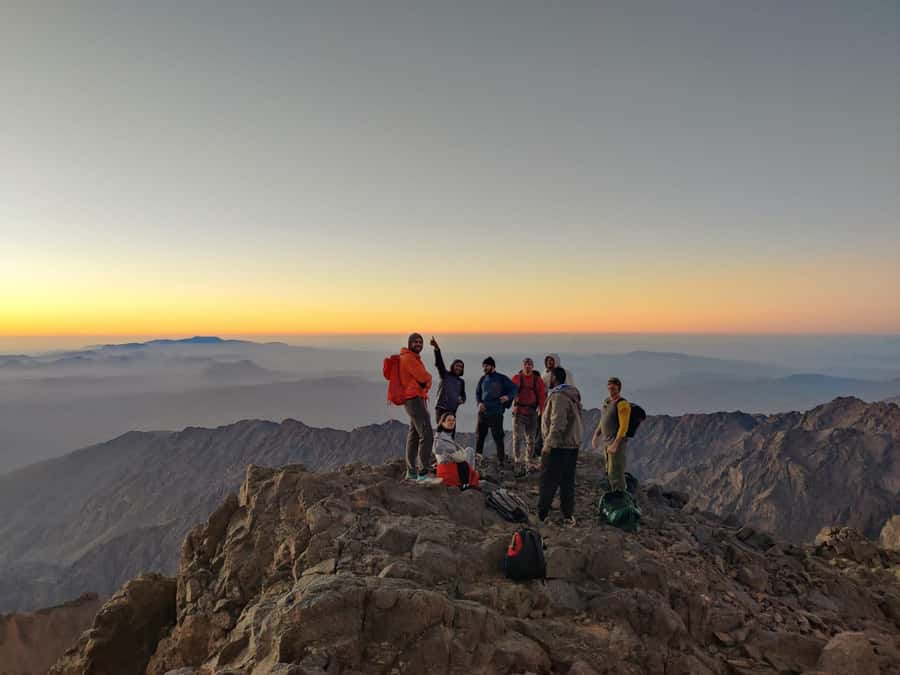
- 4,167-meter summit: Reach the highest point in North Africa, with wide views across the Atlas Mountains.
- Two demanding days: Walk from Imlil to the Toubkal Refuge on day one, then summit and return to Imlil on day two.
- Berber-led experience: Hussein or Houssain can explain local customs, village life, and mountain traditions along the way.
- Mule support included: Your heavier luggage can travel with the mule, leaving you with a smaller pack.
- Meals and refuge stay included: Local food is provided, along with an overnight stay at the mountain base camp.
- Winter needs extra care: Snow can require crampons, and temperatures at the summit may become brutally cold.
From Marrakesh to Imlil, the Mountain Begins
The day starts with pickup from your Marrakesh hotel or riad, usually in a private car or van. Imlil is about 90 minutes from Marrakesh, so the transfer gives you a quick change from city streets to mountain villages.
At Imlil, you meet your guide and mule team. This is where the trip becomes personal. The guide sets the pace, checks your equipment, and organizes the bags before you start walking. The group size can vary. One outing had 10 people and two guides, while another was a small, intimate group. Ask about the expected group size if that matters to you.
Imlil is the practical starting point, not the summit trail itself. You can leave larger luggage there or arrange for it to stay with the mule during the trek. That makes the trip easier, especially since you need warm layers, water, snacks, and personal gear even though your main bag is carried separately.
More Hiking Tours in Marrakech
- From Marrakech: Ouzoud Waterfalls Guided Hike and Boat Trip
★ 4.7 · 33,630 reviews - Berber villages : Atlas Mountains Day Hike from Marrakech
★ 5.0 · 14,007 reviews - 3 Days Desert Tour From Marrakech To Merzouga Dunes & Camel Trek
★ 5.0 · 10,125 reviews
Day One: Imlil to the Toubkal Refuge at 3,200 Meters
The first day follows old mountain paths through valleys, terraced fields, and traditional Berber villages. You’ll see how closely daily life is tied to the slopes, streams, and high pastures. The walking is steady at first, giving you time to settle into the rhythm.
Your guide is one of the best reasons to choose this tour instead of attempting the route alone. Hussein has been praised for keeping different ability levels together, helping slower walkers, and explaining Berber culture along the way. That matters here. A local guide knows when to ease the pace and how to read changing mountain conditions.
Lunch comes during the climb, often near a village or beside a stream. The food is described as filling, healthy, and home-style, with mint tea appearing as a welcome break. You may have a cook accompanying the group, preparing meals along the route. It is a small but important luxury when you are spending the day burning energy uphill.
As you leave the lower villages, the views open up. The path becomes rougher, the slopes steeper, and the surrounding peaks more severe. This is the point where the tour shifts from cultural walk to mountain expedition. You should not expect a smooth trail or a relaxed afternoon.
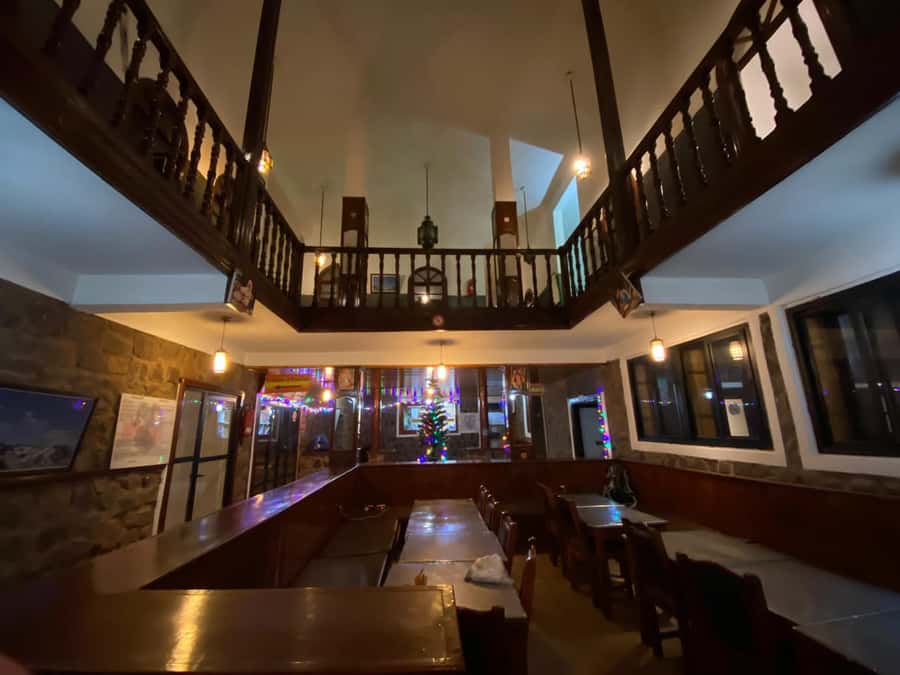
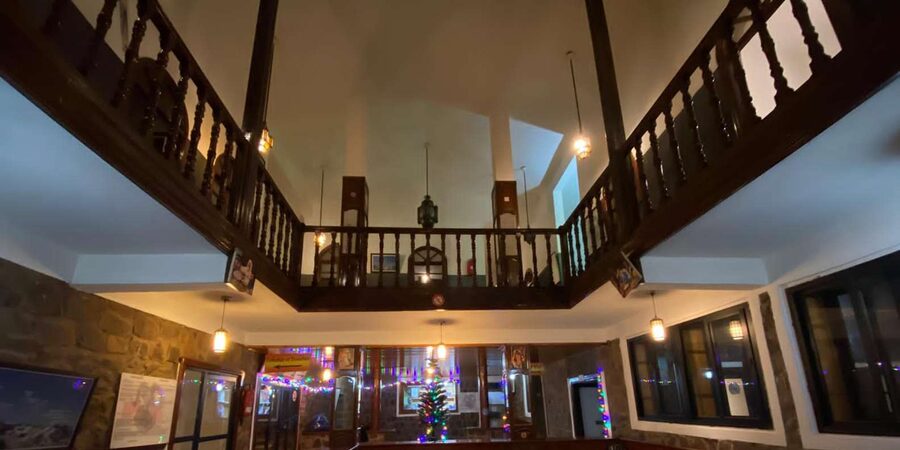
The Toubkal Refuge sits at about 3,200 meters. It is a stone mountain base camp with bunkrooms, shared facilities, food, and other climbing groups. One useful tip is to bring earplugs. The refuge can be noisy, and sleep is often fitful, partly because of the shared setting and partly because the summit start comes very early.
Dinner is served at the refuge, with local dishes intended to prepare you for the next day. Eat well even if nerves or tiredness reduce your appetite. The summit climb begins before dawn, and breakfast is your last proper meal before the long descent.
The Refuge Night and the Very Early Summit Start
The overnight stay is included, but comfort is basic. You should think of it as a mountain shelter, not a hotel. Bring a sleeping bag, or confirm local rental options before setting out. Extra equipment can be rented locally, including headlamps and other items.
A headlamp is especially useful. One group arrived without them and arranged rentals through the guide. It is better to sort this out before bedtime, since the summit start may be around 4 a.m., with some groups waking at about 3 a.m.
Altitude adds another layer of difficulty. The refuge is already at 3,200 meters, and the summit reaches 4,167 meters. The short itinerary gives you limited time to adjust. Pay attention to how you feel, tell the guide about problems early, and follow the guide’s advice if weather or physical condition makes the summit unsafe.
Day Two: Rocky Trail to Mount Toubkal’s Summit
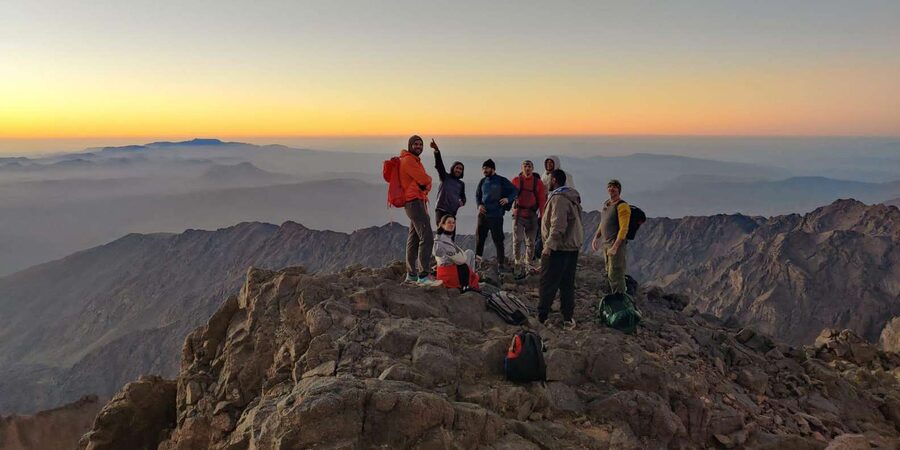
The second morning is the real test. After breakfast, you begin in darkness or near darkness, climbing a rocky route toward the summit. Depending on the season, snow may cover sections of the trail. In winter, crampons are required, and warm clothing is not optional.
The climb is steep and slow. The goal is not speed. A good guide keeps a manageable rhythm, offers encouragement, and makes sure the group does not splinter too badly. Hussein has helped people who felt underprepared reach the top, but that should not be taken as a promise that the route is easy. Support helps, yet your legs still have to do the work.
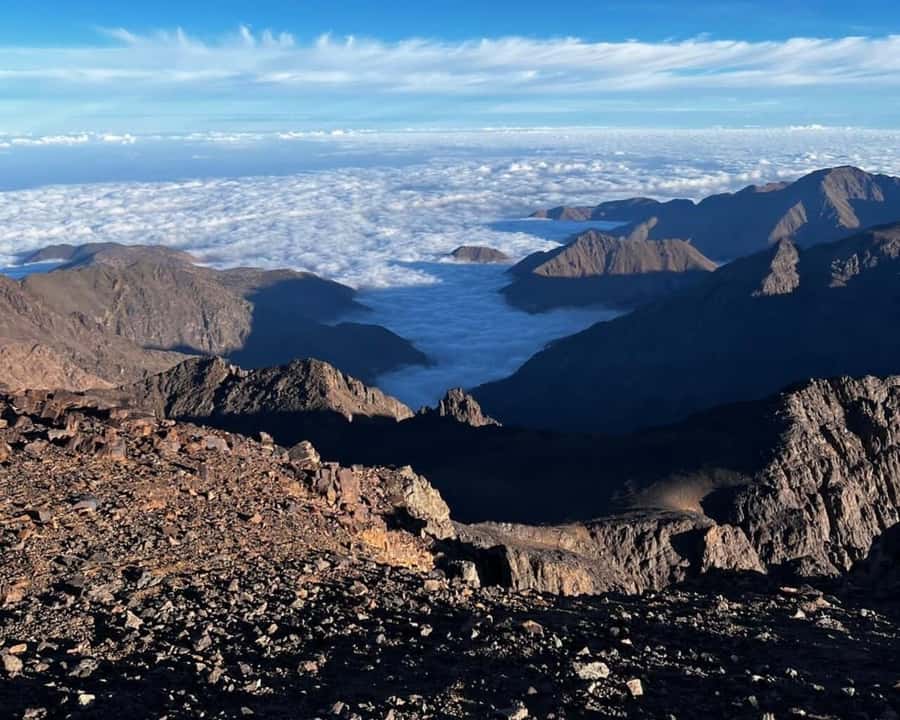
The summit reward is a 360-degree view of the Atlas Mountains and surrounding valleys. Standing at 4,167 meters gives the climb a clear purpose. Take photographs, but do not linger carelessly in severe cold or wind. One winter account recorded a wind chill of minus 30 degrees at the top, so summit conditions can be much harsher than the sunshine in Marrakesh suggests.
The weather can change quickly. Sun, cold, wind, and snow may all be part of the same outing. Check the season before booking and listen to the guide on the mountain. If conditions turn unsafe, the provider says alternative plans are available. That flexibility is more valuable than forcing a summit for the sake of a photograph.
More treks around Marrakech:
- From Marrakech: Atlas Mountains Full-Day Hiking Trip w Lunch
★ 4.8 · 7,417 reviews - Marrakech: Ourika Valley Trip with Waterfall Hike
★ 4.6 · 6,792 reviews - Marrakech: Ourika Valley Trip with Waterfall Hike & Lunch
★ 4.9 · 5,303 reviews - Marrakech: ourika valley lunch & guided hike to waterfalls
★ 4.9 · 3,737 reviews
The Long Descent to Imlil
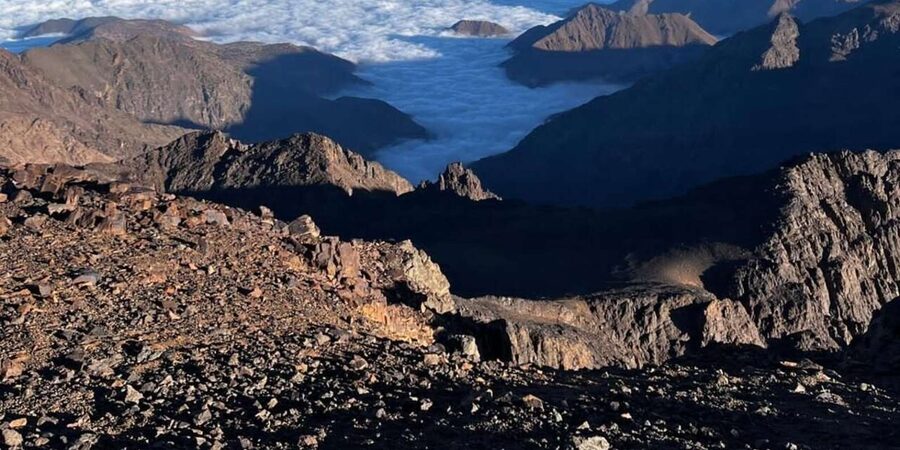
After the summit, you return toward the refuge, usually stopping for lunch. Then comes the long descent to Imlil. This is where many people discover that going downhill is not the easy half. Tired knees and sore feet take a beating, and the total walking time can reach roughly 8.5 hours on the second day.
One detailed account described reaching the summit around 6:50 a.m. and returning to the bottom by about 2:30 p.m., with lunch along the way. Another described the full trip as roughly 40 kilometers with about 4,100 meters of total ascent and descent. Exact figures can vary with the route and group pace, but the message is clear: save energy for the return.
The mule carries the heavier bags, but it does not carry you. Bring a comfortable daypack with water, sun protection, spare layers, snacks, and anything you need during the day. Trekking poles can help on both the rocky climb and the punishing descent.
Once you reach Imlil, transport takes you back to Marrakesh. The return ride may feel wonderfully quiet. You will have spent two days walking through villages, high valleys, rock, snow, and mountain shelter life, rather than simply viewing the Atlas Mountains from a road.
What the $193 Price Really Covers
At $193 per person, this trip offers solid value if you would otherwise need to arrange each part separately. The price includes Marrakesh pickup, transport, a local guide, meals, mule support, the refuge overnight stay, and the summit attempt.
The food is more than a box of snacks. The route includes cooked meals and mint tea, with one group describing lunch and dinner as delicious and healthy. Dietary needs can be accommodated when you tell the guide in advance. That matters on a hard trek, since dependable meals help you keep going.
Mule support is another practical saving. Without it, you would carry warm clothes, sleeping gear, and personal items over steep ground. Equipment is not included, but boots, crampons, sleeping bags, headlamps, and other standard items can be rented locally. Check the condition and cost of rented gear before leaving Imlil.
The value is strongest for someone who wants a guide and transport arranged in one booking. You are also paying for local judgment, route organization, and cultural contact. It is less attractive if you already have mountain equipment, transport, and an experienced guide lined up.
The tour offers free cancellation up to 24 hours before departure and a reserve-now, pay-later option. Those terms help if your Marrakesh plans are still shifting, though weather and mountain conditions remain outside your control.
Food, Berber Culture, and the Human Side of the Trek
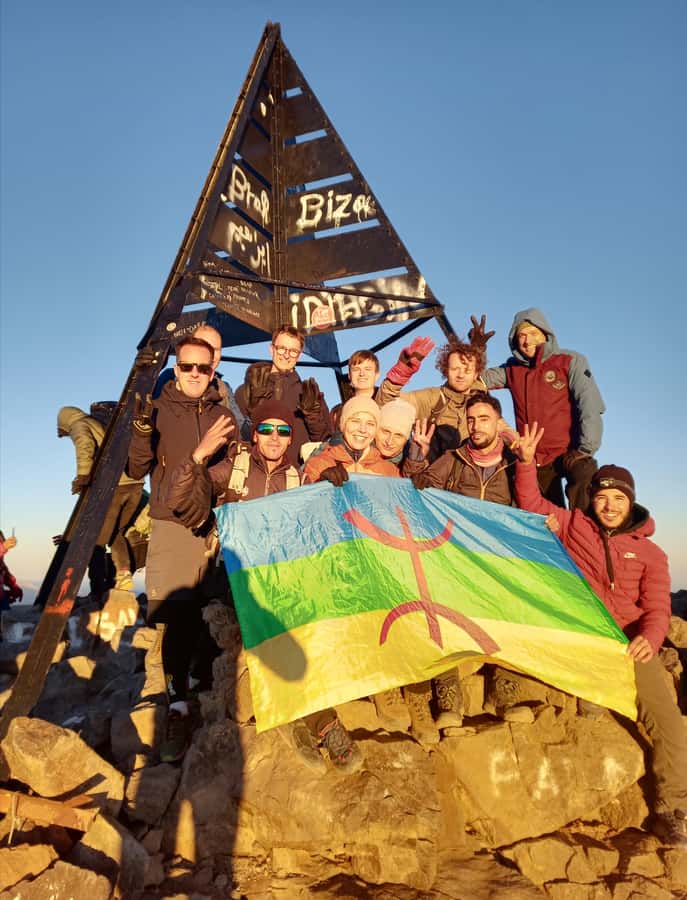
This experience is not only about collecting a summit. The walk through Berber villages, the shared meals, and the guide’s stories give the route its character. You get to see more than peaks. You get a brief look at how people live in the Atlas Mountains.
The strongest cultural element comes from the guide. Hussein or Houssain can discuss Moroccan and Berber traditions in English, French, Arabic, or Spanish, depending on your guide and group. His role is part mountain leader, part interpreter, and part morale officer when the trail gets steep.
Local meals also make the trip feel grounded. Lunch near a village stream, mint tea during the walk, and dinner at the refuge are simple pleasures, but they break up the physical effort. If you have dietary requirements, communicate them before the trek.
What to Pack for Toubkal
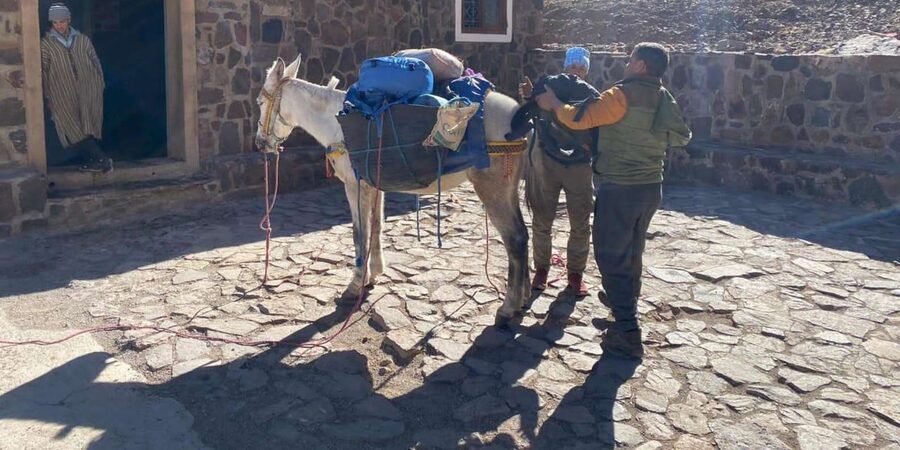
Pack for a cold, exposed summit rather than a warm day in Marrakesh. You need sturdy hiking boots, warm clothing, hiking pants, a sun hat, sunglasses, sunscreen, water, snacks, and a daypack.
You should also bring a sleeping bag, trekking poles, and clothes that can get dirty. A headlamp is highly useful for the pre-dawn climb. Crampons are required during winter months when snow covers the summit route.
Do not assume that rental gear solves every problem. Local rental equipment is available, but you still need clothing that fits, boots you trust, and enough layers for changing temperatures. Keep larger luggage in Imlil or with the mule, and carry only what you need between the refuge and summit.
Who Should Book This Two-Day Climb?
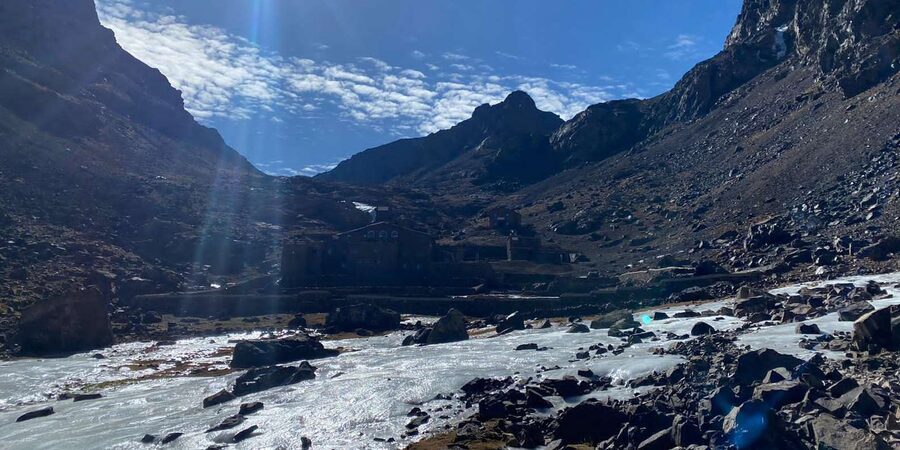
You should book if you want a serious but organized mountain challenge, enjoy local food and village contact, and prefer having a Berber guide handle the route and support team. It suits fit adults who can walk for long hours on steep, rocky ground.
It is not suitable for children under seven, people with a low level of fitness, or people over 70 according to the activity guidance. Those limits are sensible, but age alone does not determine readiness. Your ability to handle steep climbs, cold, poor sleep, and a long descent matters more.
If you have never done a demanding mountain trek, train before arriving. Build up long walks, hills, and stairs. The guide can encourage you, but no guide can remove the physical strain.
Should You Book the Mount Toubkal Trek?
I would choose this trip if reaching Toubkal is a major goal and you want the mountain experience tied to local people and food. The included transport, meals, mule, guide, and refuge stay make the $193 price reasonable, especially for a first Atlas Mountains climb.
Book with realistic expectations. You may sleep badly, walk for eight or more hours on summit day, face fast-changing weather, and find the descent harder than expected. If you bring proper boots, warm layers, sun protection, a headlamp, and a sensible level of fitness, this two-day route offers a powerful high-mountain experience with genuine Berber contact.
FAQ
How high is Mount Toubkal?
Mount Toubkal is 4,167 meters high, or 13,671 feet. It is the highest mountain in North Africa.
Where does the trek begin?
The trek begins in Imlil, a Berber village about 90 minutes from Marrakesh. Pickup from your Marrakesh hotel or riad is included.
How long is the activity?
The trek lasts two days. Day one goes from Imlil to the Toubkal Refuge, and day two includes the summit climb and return to Imlil.
Is a local guide included?
Yes. A local guide is included, with English, French, Arabic, and Spanish available. Guides named Hussein and Houssain lead the trek.
Are meals included?
Yes. All meals are included, including local food during the trek and dinner and breakfast at the refuge. Tell the guide about dietary requirements in advance.
Is luggage carried for me?
A mule carries heavier bags during the trek. Larger luggage can be stored in Imlil or left with the mule, while you carry a smaller daypack.
Do I need crampons?
Crampons are required during winter months because snow may cover the summit route. Equipment, including crampons and sleeping bags, can be rented locally.
Is the trek suitable for beginners?
The route is demanding and is not suitable for people with a low level of fitness. You need to manage steep climbs, rocky ground, cold temperatures, limited sleep, and a long descent.
More 2-Day Experiences in Marrakech
- From Marrakech: 2-Day Sahara Tour to Zagora & Ait Ben Haddou
★ 4.4 · 1,925 reviews - From Marrakech: 2-Days luxurious experience to Zagora Desert
★ 4.9 · 1,502 reviews - From Marrakech: Zagora 2-Day Desert Safari with Food & Camp
★ 4.5 · 1,137 reviews - Mt Toubkal Ascent Express Trek 2 Days 1 Nights
★ 4.7 · 962 reviews
Recently reviewed around Marrakech
- 4-Days Marrakech to Marrakech Désert Tour★ 5.0 · 17 reviews
- Camel ride at sunset in Marrakech palm grove★ 5.0 · 17 reviews
- Agafay camel ride★ 5.0 · 20 reviews
- Camel riding in marrakech★ 4.5 · 17 reviews
- Marrakech to Atlas Mountains and 4 Valleys Day Trip★ 5.0 · 17 reviews
- Agafay Desert Adventure, Culture, and Relaxation, From Marrakech★ 5.0 · 25 reviews
- Quad excursion to the Agafay desert near Marrakech★ 5.0 · 44 reviews
- Camel ride and dinner Agafay desert★ 5.0 · 25 reviews
Berber Village Tours, compared.
Berber villages : Atlas Mountains Day Hike from Marrakech
Read our review →
Balloon Flight, Berber Breakfast & Certificate
Read our review →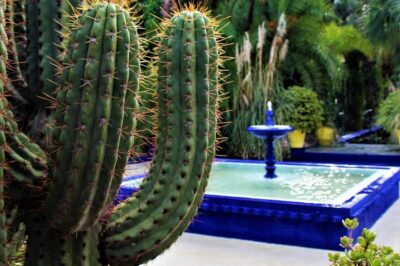
Majorelle Garden, YSL, and Berber Museum Entry
Read our review →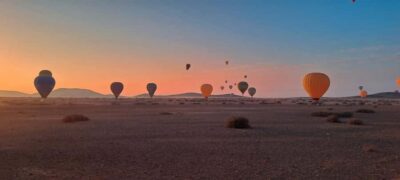
Hot Air Balloon Flight with Berber Breakfast
Read our review →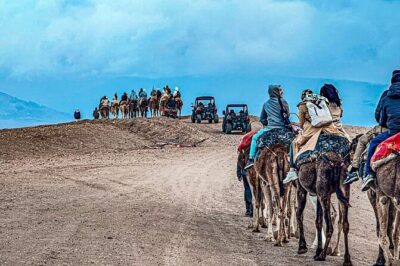
Atlas Mountains, Berber Villages and Three Valleys all inclusive
Read our review →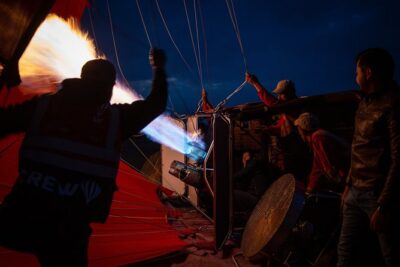
Atlas Mountains Hot Air Balloon Ride from Marrakech with Berber Breakfast and Desert Camel Experience
Read our review →
Atlas Mountains, Berber Villages, Agafay & Camel Ride
Read our review →
Balloon Flight, Berber Breakfast, and Camel Ride
Read our review →Browse the lists this tour appears in