
Reviewed · ATLAS MOUNTAINS DAY TRIPS
Marrakech: 3-Day High Atlas Mountains and Three Valleys Trek
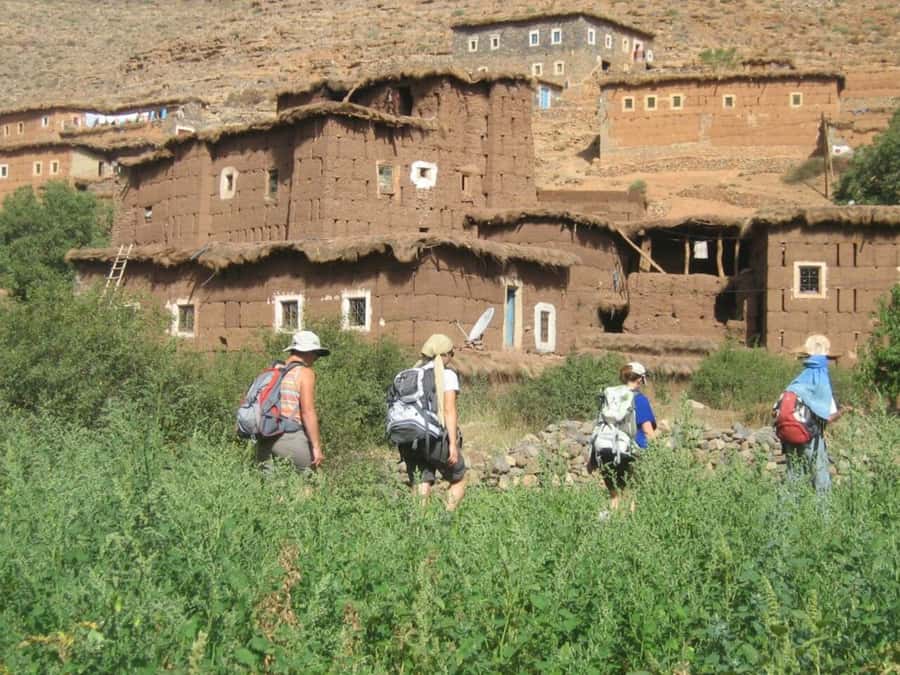
The best part of this three-day High Atlas trek is the change of scene. Within a few hours of Marrakech, you trade Medina traffic for walnut trees, dry mountain slopes, stone villages, waterfalls, and long views across the valleys. This is not a quick photo stop at the mountains. You walk through them, sleeping in local guesthouses along the way.
I like the sensible route and the human touch. You cross three valleys, eat freshly prepared Moroccan food, and learn about Amazigh life from local guides such as Abdul, Abdou, Mustafa, or Kamel. I also like that mules carry your main luggage, leaving you with a daypack instead of a loaded rucksack.
The trade-off is comfort. Guesthouses are clean and welcoming but basic, and sheets may not be provided. Some trails are rocky, steep, and slippery on descents, so this suits a reasonably fit walker with proper trail shoes or hiking boots, not someone seeking a soft adventure.
In This Review
- Key points before you book
- Why three days is better than a quick Atlas outing
- Day 1: Imlil to Tizi n’Tamaterte and Tachdirt
- Day 2: Tachdirt, Aguersiwal, Matat, and Ait Aissa
- Day 3: Waterfalls, Mzik Pass, and the return to Marrakech
- The food, luggage support, and village hospitality
- What the $227 price really covers
- Fitness, weather, and what to pack
- Should you book this High Atlas trek?
- FAQ
- How long is the Marrakech High Atlas trek?
- Where does the trek begin?
- Which mountain passes does the route cross?
- Where do you sleep?
- Are meals included?
- Do mules carry luggage?
- What languages do the guides speak?
- Can I cancel or pay later?
Key points before you book
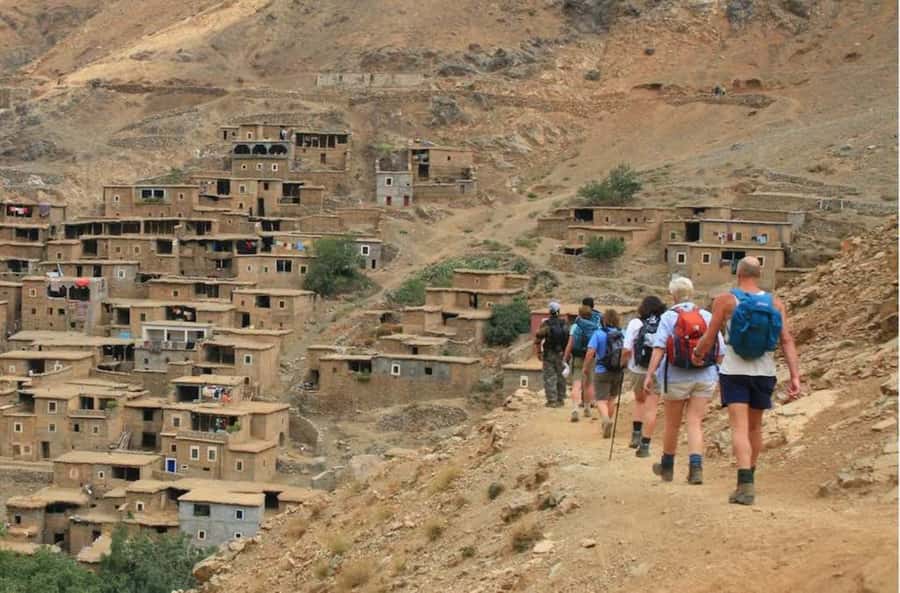
- Three valleys in three days: Walk from Imlil through Tachdirt, Aguersiwal, Matat, and Ait Aissa before returning over the Mzik Pass.
- A real mountain walk: Expect roughly five to six hours of walking on the first two days and about six hours on the third.
- Local guides and cooks: Guides including Abdul, Abdou, Mustafa, and Kamel have led groups, while cooks such as Ibrahim, Mohamed, and Hassan prepare generous traditional meals.
- Mules carry your luggage: You walk with a lighter pack while muleteers transport bags and food between overnight stops.
- Simple overnight stays: Two nights are in mountain guesthouses or gites, with blankets provided. Hot showers, Wi-Fi, and cell service may be available, but facilities vary.
- Good value at $227: Transport, guide, luggage support, accommodation, and seven included meals make this a strong package for an active three-day escape from Marrakech.
Why three days is better than a quick Atlas outing
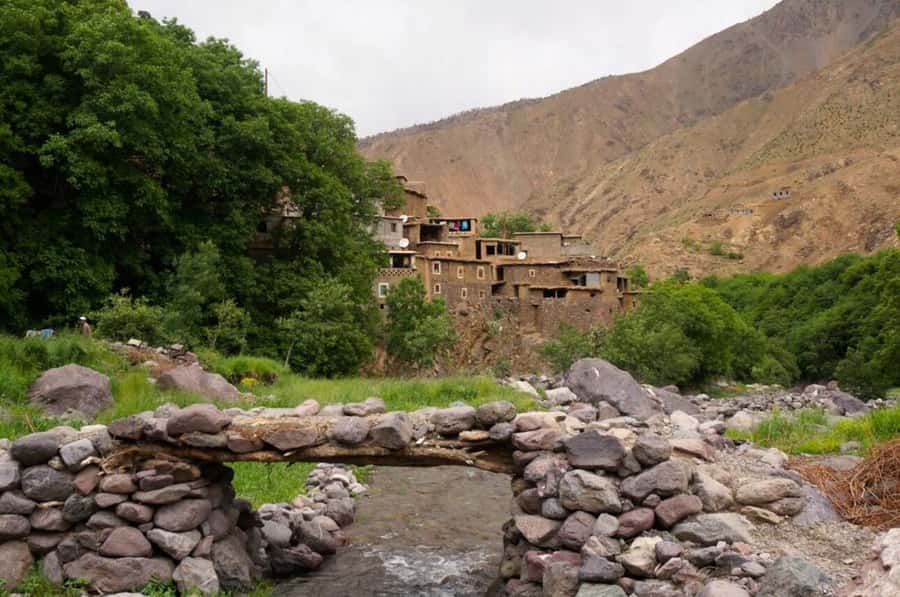
A day trip from Marrakech can show you a mountain village and a few viewpoints. This route gives you time to see how the valleys connect and how daily life carries on away from the city. You pass through villages rather than simply looking at them from a roadside stop.
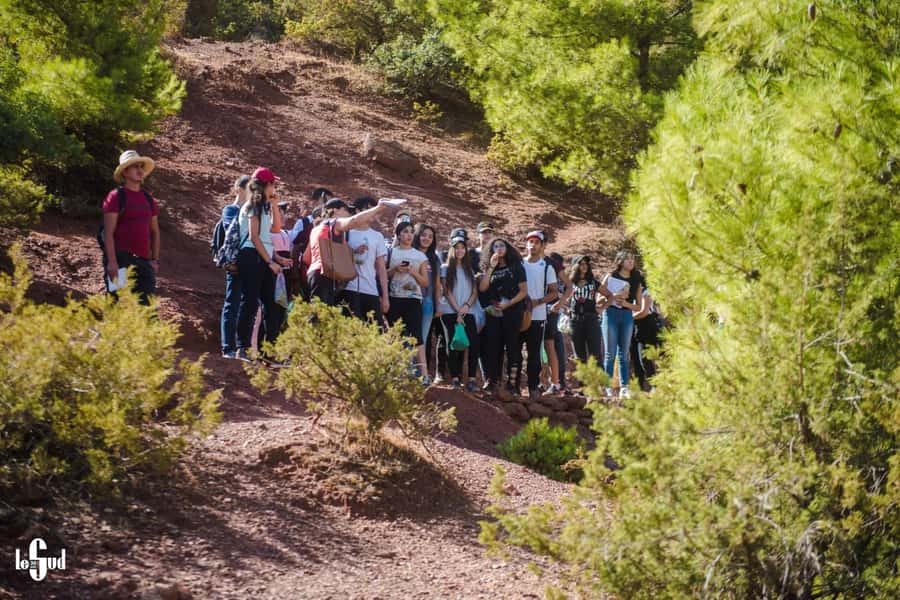
The pace also gives the experience room to breathe. Lunch can take place beside a river or under a walnut tree, and there is time to stop for photographs without turning the walk into a race. Guides have adjusted the pace for different abilities, which matters on a route with steady climbs and rough descents.
The small-group format is advertised at up to 10 participants. One booking had a group of about 15 on the first two days, while other departures had only two people or even one. That means the feel can vary, so ask about the expected group size if personal attention is important to you.
More Hiking Tours in Marrakech
- From Marrakech: Ouzoud Waterfalls Guided Hike and Boat Trip
★ 4.7 · 33,630 reviews - Berber villages : Atlas Mountains Day Hike from Marrakech
★ 5.0 · 14,007 reviews - 3 Days Desert Tour From Marrakech To Merzouga Dunes & Camel Trek
★ 5.0 · 10,125 reviews
Day 1: Imlil to Tizi n’Tamaterte and Tachdirt
Your walk begins in Imlil, at about 1,740 metres. The village is a practical starting point for mountain routes, and the air already feels far removed from Marrakech. From here, you climb toward Tizi n’Tamaterte, a pass at roughly 2,300 metres.
This is a moderate five to six-hour day, with the main effort coming on the ascent to the pass. The reward is a broad view over the surrounding mountain country. Bring your camera, but keep it easy to reach because the scenery changes as you gain height.
Lunch at the pass is one of the day’s useful pleasures. Instead of rushing through a sandwich, you can sit high above the valleys and take in the view. The walking then continues toward Tachdirt or Tinghourine, where you spend the night in a local guesthouse.
The overnight stay is part of the appeal, but you should set your expectations correctly. These are rustic mountain lodgings, not Marrakech riads. You will have blankets, and some people found the rooms comfortable and clean, but sheets are not guaranteed. A sleeping bag liner, pillowcase, or even a spare T-shirt for the pillow is a smart addition.
The first evening is a good time to ask your guide about the route ahead and local village life. Guides such as Abdul and Mustafa have been praised for explaining Amazigh culture, answering questions, and adjusting the walking speed. Do not expect a formal lecture. The value is in the informal conversation as you walk and eat.
Day 2: Tachdirt, Aguersiwal, Matat, and Ait Aissa
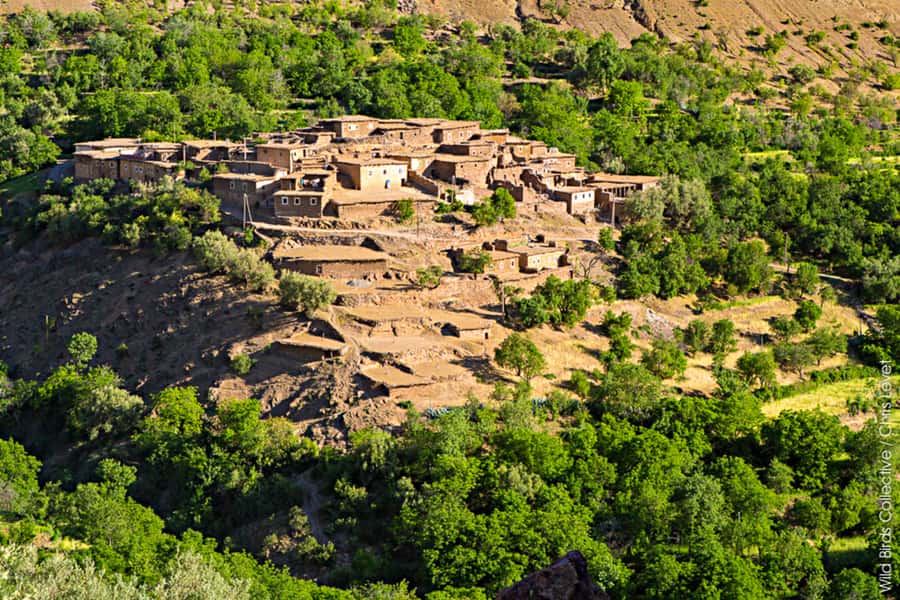
The second day links several mountain villages and passes. You walk toward Aguersiwal Pass, at about 2,100 metres, then continue toward Matat and Ait Aissa. The route crosses the Oudit Pass, roughly 2,200 metres above sea level.
This is another five to six-hour walking day, though the feel depends on weather, fitness, and the group’s pace. The route is not described as extreme, but it includes uneven ground, climbs, and descents. If you are used to hill walking, you should find it manageable. If you rarely walk on rough ground, the downhill sections may be the hardest part.
The reward is variety. You are not walking through the same type of scenery all day. In spring, fruit trees can be in blossom, with cherry and apple trees making the first part of the day especially attractive. At other times, the valleys offer a more rugged view, with bare slopes, village terraces, and changing light across the mountains.
Ait Aissa provides the second overnight stop. The gite has been described as simple but comfortable, and a steam shower may be available. Hot water should be treated as a welcome bonus rather than a guarantee. One night may offer a hot shower, while another can be colder or more limited.
Meals are a major strength of this trip. The cook travels with the group and works with the muleteer, preparing food from supplies carried along the route. Expect filling Moroccan dishes, tagines, salads, bread, tea, and breakfasts. The meals have also been adapted for vegan diets and food allergies when arranged in advance.
You probably do not need to pack a large supply of snacks. The meals are consistently described as generous, though lunch can come late, around 2 pm on some departures. Pack a small snack for the walk, especially if you eat early or need regular energy.
Day 3: Waterfalls, Mzik Pass, and the return to Marrakech
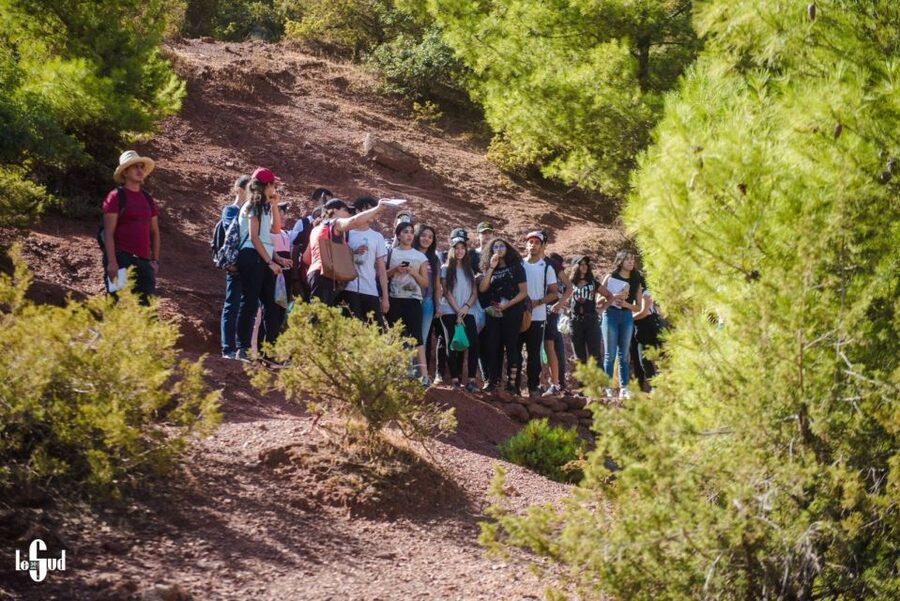
The final day is the longest-feeling day for some walkers, at around six hours. You begin from Ait Aissa and head toward the waterfalls in Toubkal National Park. The falls provide a refreshing change after two days of passes and village trails.
From there, the route climbs toward Tizi Mazik, also called the Mzik Pass, at about 2,500 metres. This is the highest pass on the stated route and may be the day’s main physical test. Your guide can set a pace suited to the group, but you should still be ready for a sustained uphill section.
At the top, you get wide views across the Ait Mizan Valley. This is the kind of viewpoint you earn with your legs. It is also a good place to pause, catch your breath, and take photographs before the descent.
Lunch in Mzik comes before the walk down to Imlil. Descending can be harder than climbing when the trail is steep or loose. Good footwear matters here. Several walkers who normally use trainers felt that boots or trail shoes would have been a better choice, particularly on downhill sections.
Once you reach Imlil, transport takes you back to Marrakech. Hotel pickup and drop-off are included, and the transfer has been described as comfortable and well organized. Pickup from the Medina can be convenient, though you should confirm the exact meeting point with the operator because vehicles may not reach every narrow lane.
More treks around Marrakech:
- From Marrakech: Atlas Mountains Full-Day Hiking Trip w Lunch
★ 4.8 · 7,417 reviews - Marrakech: Ourika Valley Trip with Waterfall Hike
★ 4.6 · 6,792 reviews - Marrakech: Ourika Valley Trip with Waterfall Hike & Lunch
★ 4.9 · 5,303 reviews - Marrakech: ourika valley lunch & guided hike to waterfalls
★ 4.9 · 3,737 reviews
The food, luggage support, and village hospitality
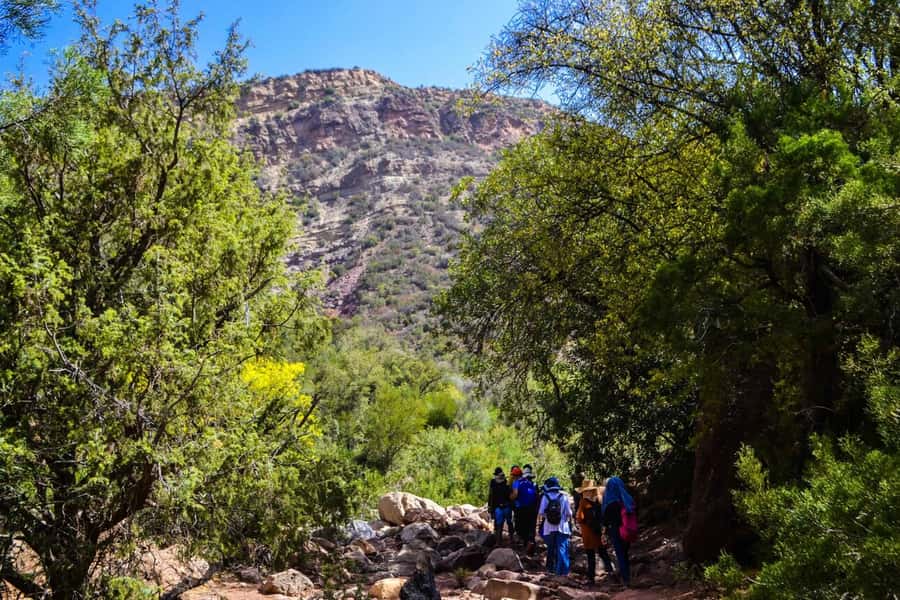
The included meals are not a minor detail. The price covers three breakfasts, three lunches, and two dinners, so you receive food throughout the walking days and evenings. Cooks such as Ibrahim, Mohamed, Braham, and Hassan have prepared abundant meals, often using traditional Moroccan flavors and fresh ingredients.
I like the way the food fits the trip. You are not eating at an isolated hotel restaurant. Meals are prepared as part of the mountain operation, with the cook and muleteer supporting the group from one village to the next. Tea stops and occasional invitations into local homes have also been part of the experience, depending on the guide and route.
The mules carry luggage, food, and other supplies. You still need a daypack for water, sunscreen, extra layers, and personal items, but you do not need to carry your main bag over the passes. This makes the route much more approachable than a fully self-supported trek.
Guides have also helped make the cultural side meaningful. Abdul, Abdou, Mustafa, Kamel, and others have shared information about Amazigh traditions, villages, farming, and mountain life. Some guides are more comfortable in French than English, but English-speaking guides are available, and the activity lists both English and French.
What the $227 price really covers
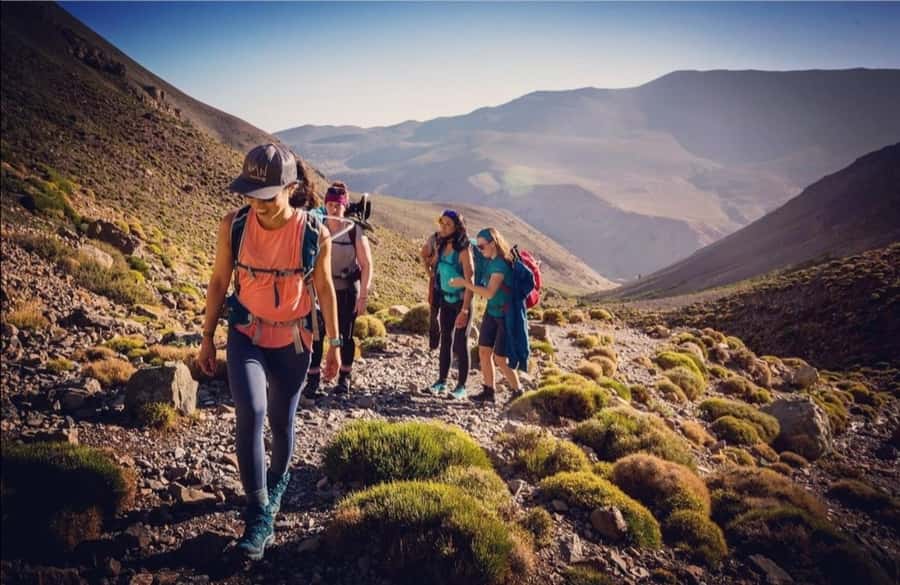
At $227 per person, this is a strong value if you want a complete three-day walking package rather than a bare guide service. The cost includes Marrakech transport, a local guide, muleteers and mules, two nights of accommodation, and all meals during the trek.
You would otherwise need to arrange several separate pieces: transport to Imlil, a route guide, overnight stays, meals, and luggage carriage. The convenience is worth something, particularly when you are unfamiliar with the mountain roads and village paths.
Mineral water and soft drinks are not included. Bottled water can be bought along the route, and some walkers found plenty of chances to stop for tea and supplies. Carry cash for drinks and tips. Cash is also useful for tipping the guide, cook, and muleteers at the end.
The price does not buy luxury. You may find Wi-Fi, electricity, hot showers, and cell service at the lodgings, but conditions vary. Blankets are available, while sheets may not be. That is why a liner, towel, toilet paper, baby wipes, and warm sleepwear matter more than extra snacks.
Fitness, weather, and what to pack
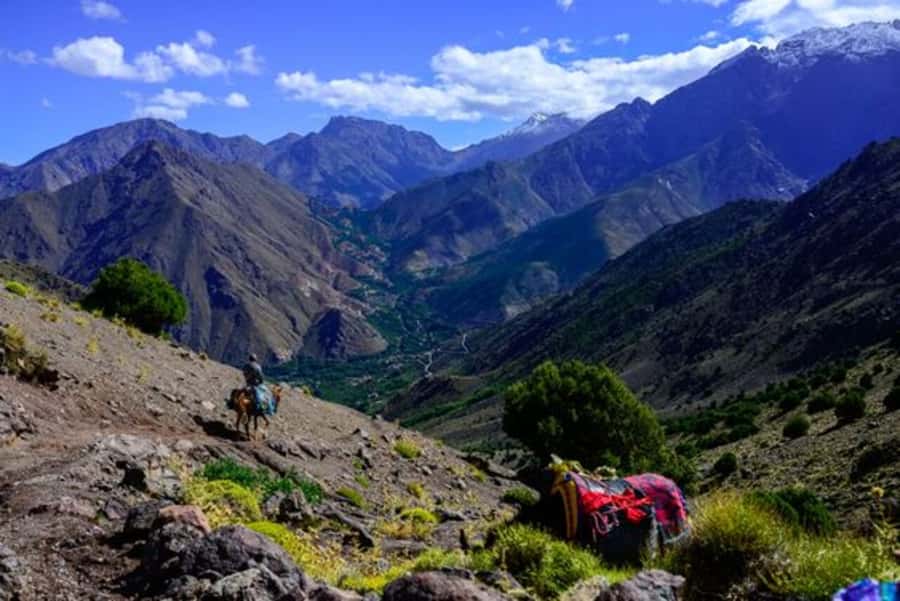
You should be comfortable walking for five to six hours on consecutive days. The route is described as moderate, but that word can hide the effect of steep paths, altitude, heat, and rocky footing. You do not need to be a peak climber, yet basic hill-walking fitness will make the trip far more enjoyable.
Wear hiking boots or sturdy trail shoes with good grip. Trainers may work for experienced walkers in dry conditions, but the descents can be slippery and uneven. Bring comfortable walking clothes, a warm jumper for the evenings, a hat, sunglasses, sunscreen, and a towel.
A practical small pack would also include:
- Passport or ID card
- Water and money for drinks
- Sleeping bag liner and pillowcase
- Toilet paper or tissues
- Baby wipes
- Light snacks
- A book or pack of cards for evenings
- Warm clothing for the night
Summer is not automatically too hot for this route. A summer departure had daytime temperatures around 25 to 27 degrees Celsius, with cooler nights. Winter evenings can feel distinctly cold, so pack for mountain nights rather than Marrakech afternoons.
This activity is not suitable for pregnant women, wheelchair users, or people with heart problems. Anyone with doubts about fitness or medical needs should choose a less demanding outing.
Should you book this High Atlas trek?
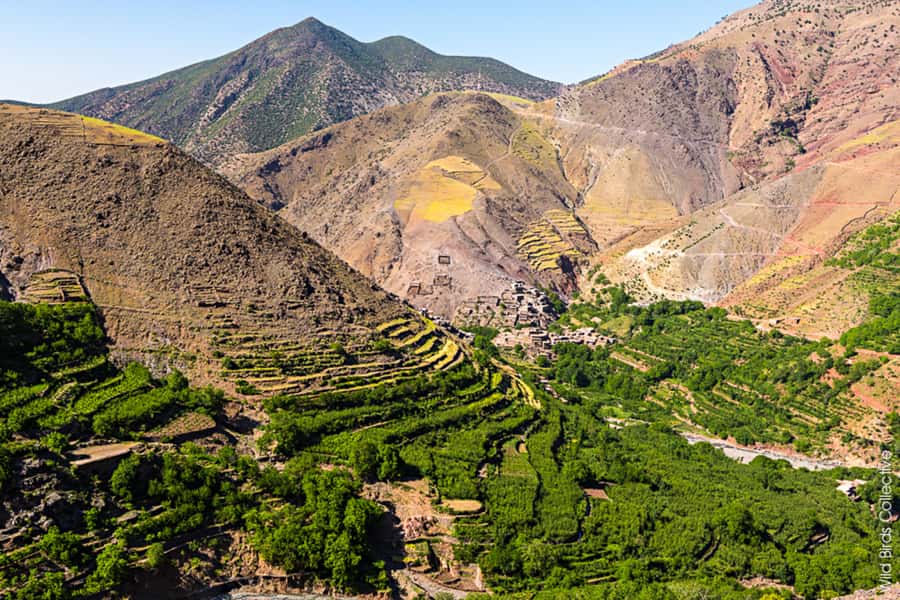
Book it if you want a proper mountain experience without carrying a full load. You will see waterfalls, passes, villages, and broad views, while local staff handle the route, food, luggage, and transport. The strongest part is the balance between walking and cultural contact.
Choose another activity if you need hotel-standard rooms, reliable hot showers, private facilities, or perfectly predictable group numbers. Also think twice if rocky descents and six-hour walking days sound unpleasant.
For active visitors with three days to spare, this is one of the better ways to leave Marrakech behind and experience the High Atlas at walking pace. Bring good footwear, a liner, warm night clothes, and a flexible attitude. The mountains provide the views. The guide and cook make the trip work.
FAQ
How long is the Marrakech High Atlas trek?
The experience lasts three days. The walking takes about five to six hours on the first two days and around six hours on the third day.
Where does the trek begin?
The trek begins in Imlil Valley, at an altitude of about 1,740 metres. Transport from Marrakech is included.
Which mountain passes does the route cross?
The route includes Tizi n’Tamaterte at about 2,300 metres, Aguersiwal Pass at about 2,100 metres, Oudit Pass at about 2,200 metres, and Tizi Mazik at about 2,500 metres.
Where do you sleep?
You spend two nights in mountain guesthouses or gites in Tachdirt or Tinghourine and Ait Aissa. The accommodation is simple, and blankets are provided.
Are meals included?
Yes. The price includes three breakfasts, three lunches, and two dinners during the trek. Mineral water and soft drinks are not included.
Do mules carry luggage?
Yes. Muleteers and mules carry luggage and supplies, so you only need to carry your personal daypack during the walk.
What languages do the guides speak?
Live guiding is available in English and French. Guides such as Abdul, Abdou, Mustafa, and Kamel have led different departures.
Can I cancel or pay later?
You can cancel up to 24 hours before the activity for a full refund. The reserve-now, pay-later option allows you to hold a place without paying immediately.
More 3-Day Experiences in Marrakech
- From Marrakech: 3-Day Merzouga and Sahara Desert Tour
★ 4.9 · 15,308 reviews - From Marrakech: Merzouga 3-Day Desert Safari with Food
★ 4.7 · 12,232 reviews - 3-Day Marrakech to Merzouga Desert Tour: Camel Rides & Overnights
★ 5.0 · 8,734 reviews - 3-Day Marrakech to Fes Sahara Desert Tour via Merzouga
★ 5.0 · 6,546 reviews
Recently reviewed around Marrakech
- 4-Days Marrakech to Marrakech Désert Tour★ 5.0 · 17 reviews
- Camel ride at sunset in Marrakech palm grove★ 5.0 · 17 reviews
- Agafay camel ride★ 5.0 · 20 reviews
- Camel riding in marrakech★ 4.5 · 17 reviews
- Marrakech to Atlas Mountains and 4 Valleys Day Trip★ 5.0 · 17 reviews
- Agafay Desert Adventure, Culture, and Relaxation, From Marrakech★ 5.0 · 25 reviews
- Quad excursion to the Agafay desert near Marrakech★ 5.0 · 44 reviews
- Camel ride and dinner Agafay desert★ 5.0 · 25 reviews
Atlas Mountains Day Trips, compared.
Atlas Mountains, Ourika Valley, Waterfall & Lunch
Read our review →
Berber villages : Atlas Mountains Day Hike from Marrakech
Read our review →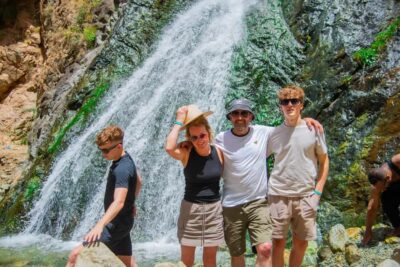
Ourika Waterfalls, Atlas Mountains, Guide + Lunch
Read our review →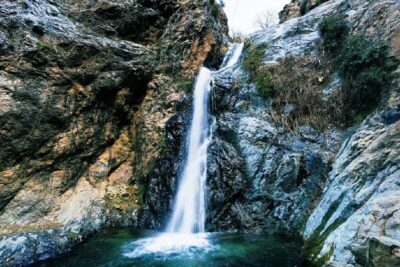
Atlas Mountains & Agafay Desert Tour w Camel Ride
Read our review →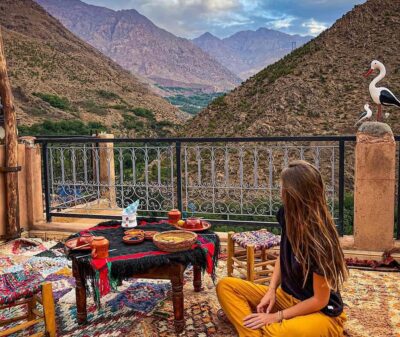
Atlas Mountains, Waterfalls, Ourika Valley +Lunch
Read our review →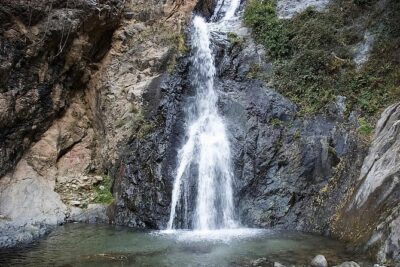
Atlas Mountains & 5 Valleys Tour from Marrakech – All inclusive –
Read our review →Browse the lists this tour appears in