
Reviewed · MERZOUGA DESERT TOURS
3-Day Marrakech to Merzouga Desert Tour: Camel Rides & Overnights
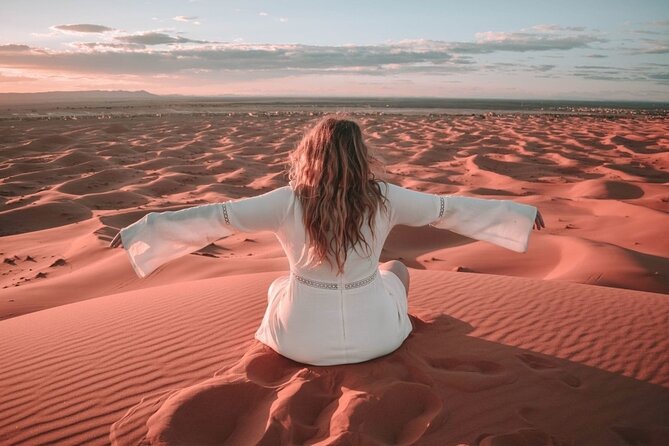
The big draw is a night among the dunes of Erg Chebbi, reached by camel at sunset and followed by dinner, music, and a sunrise ride. I like that the price also covers two breakfasts, two dinners, transport, two nights of lodging, and sandboarding. You get far more than a simple Marrakech day trip.
I also like the route through the High Atlas and the stop at Ait Ben Haddou, a UNESCO-listed fortified village with a striking setting. The trade-off is clear: this is a long road trip, with especially heavy driving on the first and third days. You see a lot, but you need stamina and a willingness to spend hours in a minibus.
In This Review
- Key points to know before booking
- What you are really buying for $115.86
- Meeting in Jemaa el-Fnaa before the Atlas crossing
- Two hours inside Ait Ben Haddou
- Ouarzazate and the Valley of Roses
- Todra Gorge starts the second morning
- The camel ride into Erg Chebbi
- Camp comfort: enjoyable, but do not assume luxury
- The long return to Marrakech
- Guides make a major difference
- What to pack for the road and desert
- Who should book this three-day route?
- Final call: a worthwhile first taste of the Sahara
- FAQ
- Where does the tour start?
- What time does the tour begin?
- How large can the group be?
- Is hotel pickup included?
- What meals are included?
- Are the camel rides included in the price?
- Is a guide included at Ait Ben Haddou?
- What is the cancellation policy?
Key points to know before booking
- Sunset and sunrise camel rides are included, along with sandboarding in the dunes.
- Ait Ben Haddou gets about two hours, enough for a useful first look without turning the day into a long guided history lesson.
- The first night is in Tinghir or Kelaat Mgouna, in a private room with half-board lodging.
- The group can reach 19 people, so the experience is social rather than intimate.
- Lunches, drinks, and the local guide at Ait Ben Haddou cost extra, so carry cash and snacks.
- The desert stay is short but memorable, with dinner, traditional music, and a night beneath the stars.
What you are really buying for $115.86
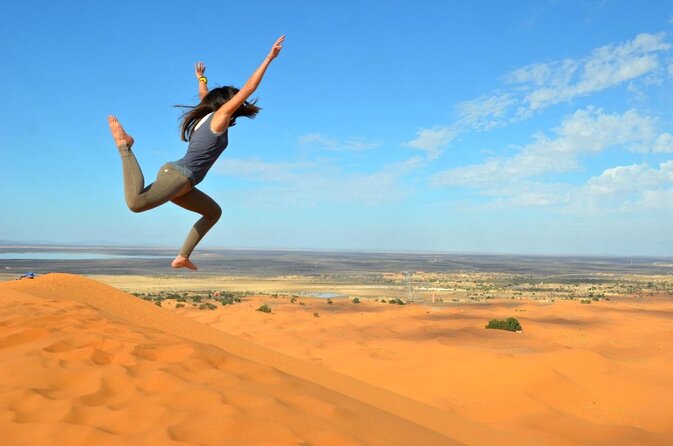
At $115.86 per person, this is a strong-value way to reach the Sahara from Marrakech. The price includes round-trip transport, a driver-guide, a hotel night, a desert camp night, two dinners, two breakfasts, camel rides at sunset and sunrise, and sandboarding.
You are not buying a slow, private journey. You are buying access to a faraway part of Morocco without arranging several transfers yourself. The value comes from packing the long approach, sightseeing, lodging, meals, and desert activities into three days.
I would compare this price with the cost of arranging a private car, hotel, camp, camel trek, and return transport separately. The group format keeps the cost down, though it also means less control over stop lengths and daily departure times.
A few extras need to be budgeted for. Lunches and drinks are not included, and a local guide at Ait Ben Haddou is not included. Some people also choose an ATV ride in the desert, but that is an additional activity rather than part of the listed price.
More Camel Rides in Marrakech
- Marrakech: Agafay Desert Sunset, Camel Ride, and Dinner Show
★ 4.6 · 35,119 reviews - Marrakech: Agafay Desert Quad & Camel Rides with Dinner Show
★ 4.8 · 27,382 reviews - Marrakech: Agafay Desert Quad & Camel Rides with Dinner Show
★ 4.9 · 10,771 reviews
Meeting in Jemaa el-Fnaa before the Atlas crossing
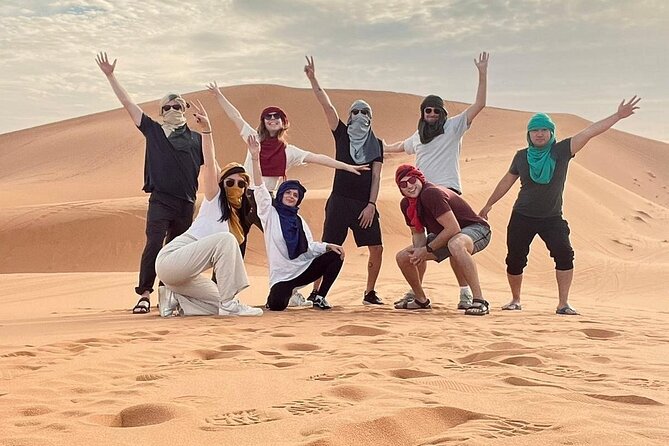
The meeting point is Hôtel Restaurant Café de France beside Jemaa el-Fnaa in central Marrakech. The published start time is 7:30 a.m., while the day-one description says departure is around 8 a.m., so I would arrive early and confirm the exact pickup time before setting out.
You leave the city in an air-conditioned minibus with an experienced driver-guide. Group size can reach 19 people, which affects the rhythm of the day: loading bags, gathering everyone after stops, and finding a seat all take a little patience.
The first major stretch crosses the High Atlas through the Tizi n’Tichka pass at about 2,260 meters. The road brings broad mountain views and sharp bends. The scheduled photo stop at the pass is only about 15 minutes, so keep your camera ready and do not expect a long walk.
This is a useful place to understand the shape of the trip. The road itself is part of the experience, but much of your time is spent watching Morocco pass by from the window. Bring water, snacks, and something small to occupy you during the longer sections.
Two hours inside Ait Ben Haddou
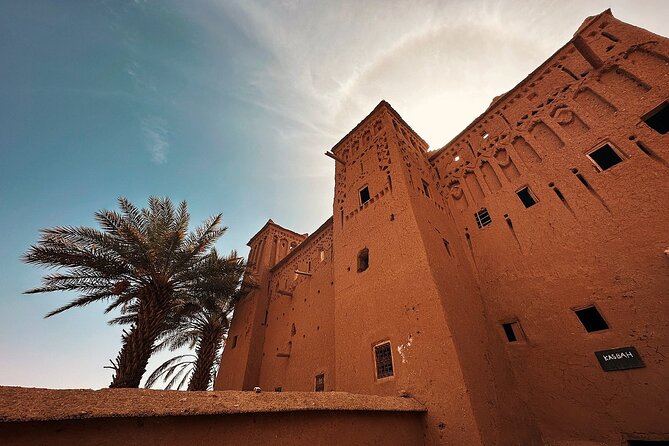
Ait Ben Haddou is the strongest cultural stop on the first day. This fortified village, or ksar, sits beyond a river from the main road. You cross over and explore at leisure for about two hours.
The earthen buildings and narrow lanes are the real reason to stop. The village has also appeared in films including Lawrence of Arabia, Gladiator, and The Kingdom of Heaven, but the film connection should be an extra, not the main point. The architecture and setting tell you more about southern Morocco than a movie reference does.
A local guide is not included. That keeps the base price low, but it means the visit may be more visual than explanatory unless you arrange guiding locally. I would use the free time to look beyond the most photographed lanes and notice the village’s position above the surrounding valley.
Two hours is a fair compromise. You have enough time to cross, walk through the old settlement, take photographs, and pause for the view. You do not have enough time for a slow, detailed archaeological visit, so keep expectations realistic.
Ouarzazate and the Valley of Roses
After Ait Ben Haddou, the minibus continues toward Ouarzazate. The stop is brief, about 10 minutes, and focuses on a photograph of the Atlas Studios rather than a studio visit.
The road then reaches the Valley of Roses. There are short photo stops and a 15-minute break for coffee and traditional tea. Rose picking begins in April, with a three-day festival in the first week of May, and local associations sell cosmetics made with rose oil.
This is a quick introduction rather than a full farm or production tour. If you visit during rose season, the valley has extra interest. Outside that period, the stop still breaks up the drive and gives you a look at a local product tied to the area.
The day ends with a panoramic stop over the Dades area before you spend the night in Tinghir or Kelaat Mgouna. The accommodation is described as a private room with half-board service. Some bookings have included a comfortable, even four-star-style hotel, but standards can vary by departure and available lodging, so I would treat the hotel as practical overnight accommodation rather than a fixed luxury category.
More Merzouga Desert Tours in Marrakech
- From Marrakech: 3-Day Merzouga and Sahara Desert Tour
★ 4.9 · 15,308 reviews - From Marrakech: Merzouga 3-Day Desert Safari with Food
★ 4.7 · 12,232 reviews - 3 Days Desert Tour From Marrakech To Merzouga Dunes & Camel Trek
★ 5.0 · 10,125 reviews - 3-Day Marrakech to Fes Sahara Desert Tour via Merzouga
★ 5.0 · 6,546 reviews
Todra Gorge starts the second morning
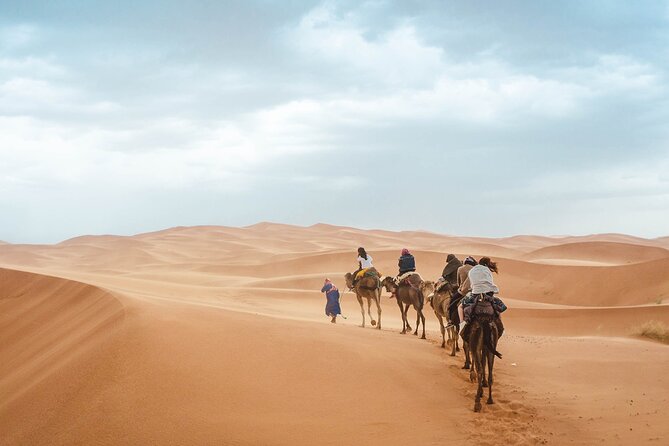
After breakfast, you head to Todra Gorge and the surrounding palm grove. The planned visit lasts about an hour.
The gorge gives the second day a welcome change of pace after the first day’s road miles. You can expect a short sightseeing stop rather than a long hike or a full day in the valley. The nearby grove adds a softer contrast to the rock walls and dry mountain surroundings.
From there, the route continues through Berber villages and Tinejdad toward Erfoud, known as a center for fossils. The Erfoud stop lasts about 30 minutes. It is another taste of the region rather than a detailed museum visit.
This part of the journey is attractive because the scenery keeps changing. It is also another reminder that the tour is designed around distance. You should enjoy looking out the window, but do not book this trip if sitting in a vehicle for several hours makes you miserable.
The camel ride into Erg Chebbi
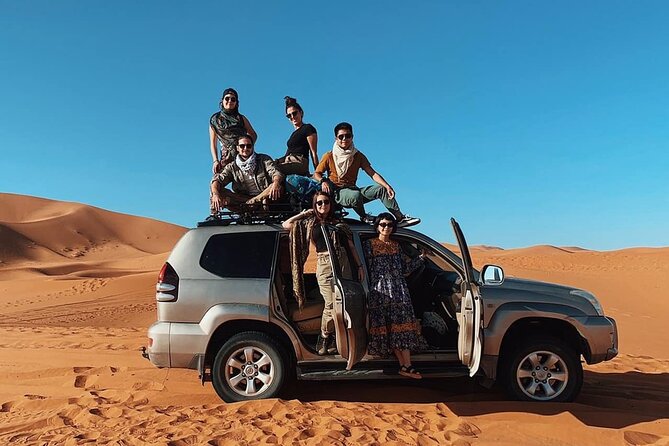
The desert is the main event. At Merzouga, you leave the minibus and mount camels for the ride into the Erg Chebbi dunes.
The evening ride is timed for sunset. As the light changes over the sand, the pace becomes slow and quiet. This is not a fast excursion, and the camel’s rocking motion can feel tiring, but the gradual approach to camp is part of what makes it memorable.
The overnight camp includes dinner and a night in a nomad-style tent. Traditional music and live entertainment are part of the evening, giving the camp a social feel rather than a completely silent wilderness stay.
The included sandboarding is another welcome touch. You can try it in the dunes without paying a separate activity fee. Some people add an ATV outing, particularly around sunrise, but that is optional and costs extra.
The next morning brings breakfast and a sunrise camel ride. That timing matters. You get the dunes in cooler light and a second chance to enjoy the camel experience without repeating the sunset atmosphere exactly.
Expect the desert stay to last less than 24 hours. That is enough for a first taste, but not enough for a slow Sahara retreat. The camp is the highlight, yet it is one part of a much longer loop.
Camp comfort: enjoyable, but do not assume luxury
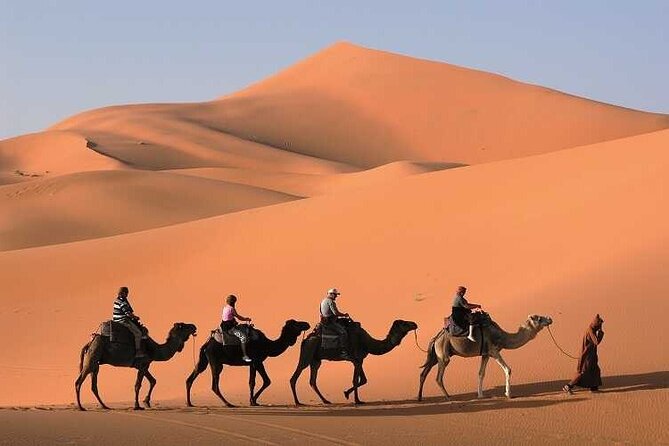
The standard experience is a desert camp with dinner, breakfast, traditional entertainment, and sleeping arrangements in tents. The camp has been described as clean and fun, with good food and welcoming staff.
You should not automatically read the word camp as hotel-style comfort. A premium option may offer air conditioning, a flushing toilet, and a shower, but even that upgrade has not always matched expectations for glamping. Reports have included ill-fitting sheets, an unclean basin, and a lack of places to hang wet towels.
That does not cancel out the setting, which is the point of sleeping here. It does mean you should pack with a practical attitude. Take a small overnight bag instead of bringing your full suitcase onto the camel trek, and carry personal toiletries and a change of clothes.
The camp staff may have limited English, so your main driver-guide remains important for communication. Guides named Omar, Mehdi, Jawad, Simo, Hakim, Haadi, Abdul, Idris, Mohammed, Rachid, Morad, and Yoness have all been associated with highly praised departures, but the specific guide is not guaranteed.
The long return to Marrakech
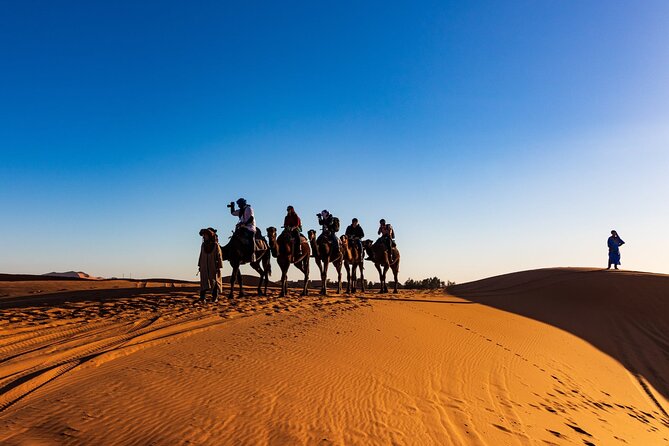
After an early breakfast, you ride back toward the main road and the Kelaat Mgouna area. A lunch stop is planned in the Valley of Roses, but lunch itself is not included.
The return passes through Ouarzazate and back over Tizi n’Tichka before reaching Marrakech. The final day is the hardest on paper because the desert is far from the city. You may spend most of the day in the vehicle, with short stops at Ouarzazate and the mountain pass.
I strongly recommend leaving a free day after this tour if your schedule allows. That gives you time to recover, wash clothes, and enjoy Marrakech without rushing straight from the minibus into another major activity.
The return transfer ends at the original meeting point, with drop-off at your accommodation stated as part of the service. Confirm the exact arrangement with the driver on the final morning, particularly if you have an evening train, flight, or separate hotel booking.
Guides make a major difference
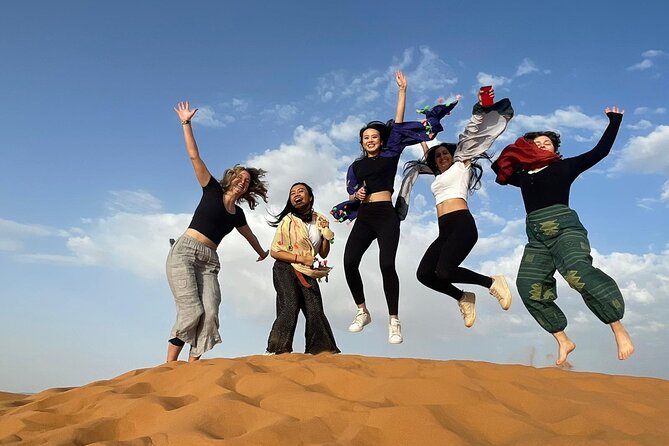
The structure of the tour is fixed, but the personality of the driver-guide shapes the experience. Guides such as Omar, Hakim, Haadi, Mehdi, and Jawad have been praised for being friendly, timely, entertaining, and attentive to different needs within the group.
That matters on a trip with so many road hours. A guide who explains the towns, shares local context, keeps the group moving, and helps with practical problems can make the same route feel much easier.
Names are not a guarantee, though. You may receive someone else, and the quality of communication with the tour operator before departure may not be consistent. Direct messages and emails have not always received quick replies, so save the meeting point, start time, and provider details before the morning of departure.
The driver’s road skills matter too. One departure specifically praised safe driving and help contacting accommodation in Marrakech after the return. That kind of practical assistance is useful at the end of a tiring three-day loop.
What to pack for the road and desert
Keep your main luggage organized, but prepare a small overnight bag for the desert. You will find the camel transfer easier if you are not trying to manage a large suitcase.
Pack:
- Water and snacks for the minibus
- Comfortable clothes for warm days and cooler nights
- Sun protection
- A change of clothes for the camp
- Basic toiletries
- Cash for lunches, drinks, tips, and optional activities
- A phone charger or power bank
- Shoes suitable for walking on uneven ground and sand
Do not count on every meal or drink being covered. Breakfast and dinner are included, but lunches and drinks are not. The scheduled meal stops make it possible to buy food, though carrying snacks gives you more control.
The desert can also be windy or unexpectedly unpleasant. One departure faced poor weather and still enjoyed the trip, but conditions can change the feel of the camp and camel ride. The weather policy allows a different date or full refund if the operator cancels because of poor conditions.
Who should book this three-day route?
I would choose this tour if you have limited time in Morocco and want to combine major southern sights with one night in the Sahara. It suits first-time visitors, families with older children, and friends who enjoy shared transport and a busy schedule.
Children aged 10 and 13 have completed the trip successfully, according to the supplied experience details, but the long road days still deserve attention. Most people can participate, and service animals are allowed, but you should be comfortable with camel riding, stairs or uneven paths at Ait Ben Haddou, and extended time in a vehicle.
I would not choose it for a relaxed desert holiday. You spend less than a full day at the camp, and several stops are short. A private or longer tour would give you more time in each place, but this group trip costs less and removes much of the planning work.
The maximum group size of 19 is small enough to feel organized, but it is not a private journey. If you want to stop whenever you like, choose your own restaurants, or spend hours photographing one valley, this will feel too controlled.
Final call: a worthwhile first taste of the Sahara
I would book this tour if the desert camel ride is your priority and you accept the road miles needed to reach it. The strongest parts are the sunset and sunrise rides, the camp dinner and music, Ait Ben Haddou, and the steady support of a good driver-guide.
The value is hard to ignore at $115.86, especially with lodging, meals, transport, camel rides, and sandboarding included. Just go in prepared: bring snacks, plan for extra costs, pack light for the camp, and leave recovery time after the return.
Skip it if you dislike long drives or expect a polished luxury camp. Choose it if you want a practical, energetic introduction to Morocco beyond Marrakech, with the Sahara as the payoff.
FAQ
Where does the tour start?
The meeting point is Hôtel Restaurant Café de France beside Jemaa el-Fnaa at Rue des Banques in Marrakech.
What time does the tour begin?
The stated start time is 7:30 a.m. The day-one schedule also refers to an 8 a.m. departure, so confirm the exact time before setting out and arrive early.
How large can the group be?
The tour can have a maximum of 19 travelers.
Is hotel pickup included?
Round-trip hotel transfers are included, and the service information states that pickup is offered. The listed meeting point is Café de France beside Jemaa el-Fnaa.
What meals are included?
Two dinners and two breakfasts are included. Lunches and drinks are not included.
Are the camel rides included in the price?
Yes. The tour includes camel rides at sunset and sunrise. Sandboarding is also included.
Is a guide included at Ait Ben Haddou?
Transport and the stop at Ait Ben Haddou are included, but a local guide at the kasbah is not included.
What is the cancellation policy?
You can receive a full refund if you cancel at least 24 hours before the local start time. Cancellations or changes made within 24 hours are not accepted for a refund. If poor weather causes the operator to cancel, you will be offered another date or a full refund.
More 3-Day Experiences in Marrakech
- Marrakech: 3-Day Merzouga Desert Experience Camel & Meals
★ 4.6 · 6,252 reviews - From Marrakech: Unforgettable 3-Day Desert Tour to Fes
★ 4.9 · 2,614 reviews - 3-Day Tour to Merzouga Erg Chebbi with Food & Camel Trek
★ 5.0 · 1,770 reviews - From Marrakech: 3-Day Sahara Tour with Private tent & Meals
★ 4.8 · 1,652 reviews
Recently reviewed around Marrakech
- 4-Days Marrakech to Marrakech Désert Tour★ 5.0 · 17 reviews
- Camel ride at sunset in Marrakech palm grove★ 5.0 · 17 reviews
- Agafay camel ride★ 5.0 · 20 reviews
- Camel riding in marrakech★ 4.5 · 17 reviews
- Marrakech to Atlas Mountains and 4 Valleys Day Trip★ 5.0 · 17 reviews
- Agafay Desert Adventure, Culture, and Relaxation, From Marrakech★ 5.0 · 25 reviews
- Quad excursion to the Agafay desert near Marrakech★ 5.0 · 44 reviews
- Camel ride and dinner Agafay desert★ 5.0 · 25 reviews
Merzouga Desert Tours, compared.
3 Days Desert Tour From Marrakech To Merzouga Dunes & Camel Trek
Read our review →
3-Day Marrakech to Fes Sahara Desert Tour via Merzouga
Read our review →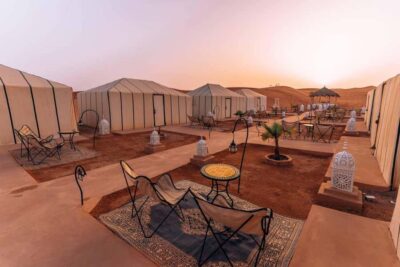
3-Day Merzouga Desert Experience Camel & Meals
Read our review →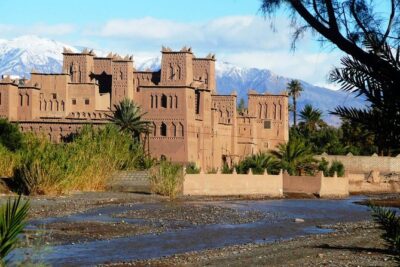
3-Day Tour to Merzouga Erg Chebbi with Food & Camel Trek
Read our review →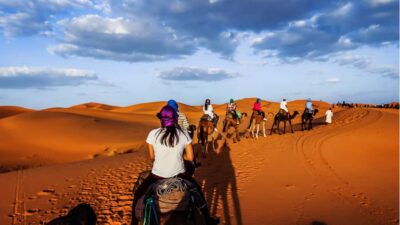
Sahara Desert 2-Day Tour with Merzouga Camp Stay
Read our review →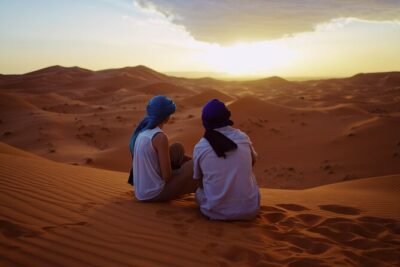
Marrakech to Merzouga Desert 3-Day via the High Atlas Mountains
Read our review →Browse the lists this tour appears in