
Reviewed · ATLAS MOUNTAINS DAY TRIPS
Marrakech: 3-Day Atlas Mountains Berber Villages Trek
The best part of this trek is that it trades the usual rush to Mount Toubkal for three quiet days among Berber villages. You walk from Imlil over mountain passes, beside streams, and through valleys where daily life still follows the pace of the seasons.
I like the real village contact and the strong value: $159 covers hotel transfers, a guide, mule support, meals, and two nights of lodging. The catch is simple: guesthouses are basic, the walks last five to seven hours, and snow or earthquake damage can force changes to the planned route.
In This Review
- Key points to know before booking
- Why this Atlas trek feels different from a Toubkal trip
- Leaving Marrakech for Imlil at 1,740 meters
- Day one: Imlil to Tizi n’Tamaterte and Tachdirt
- Day two: villages, river paths, and the Oudit Pass
- Day three: Azib Tamsoulte waterfall and the Mzik Pass
- What the views and villages are really like
- Guesthouses, meals, and the mule service
- How difficult is the three-day walk?
- Group size, guides, and communication
- Is $159 good value?
- What to pack for this trek
- Who should book this Atlas Mountains trek?
- FAQ
- How long is the Marrakech Atlas Mountains trek?
- Is Mount Toubkal included?
- What is included in the $159 price?
- Where do you sleep?
- Can the route change because of weather?
- What languages are available for the guide?
- Should you book it?
Key points to know before booking

- Three valleys without a Toubkal summit: You see the High Atlas from several passes while focusing on villages and rural life.
- The Azib Tamsoulte waterfall: Day three includes the largest waterfall in Toubkal National Park.
- A mule carries extra luggage: You can leave bags you do not need for the hike, making the walking easier.
- Two simple family guesthouses: Expect clean, basic accommodation, local cooking, and friendly hosts rather than hotel comforts.
- Small group, up to 16 people: The group is manageable, but 16 hikers can feel busy on narrow mountain paths.
- Weather can change the route: Snow and damage from the September earthquake have already caused itinerary adjustments.
Why this Atlas trek feels different from a Toubkal trip

Many Atlas excursions are built around a summit attempt. This one is not. You stay mostly around 2,000 meters, climb several passes, and spend more time looking at how people live in the valleys than chasing a peak.
That makes the trek a good match for you if mountain walking appeals to you but mountaineering does not. No previous mountaineering experience is required, and the route is described as technically moderate rather than technical. Still, five to seven hours of walking each day is a real commitment. You need comfortable shoes, hiking shoes, and clothing that can handle steep climbs, descents, and changing weather.
I especially like the slower rhythm. You have time to pause beside a river, look across the High Atlas, and notice the simple village architecture fitted into the hillsides. The experience is less about checking off monuments and more about seeing the connection between homes, footpaths, water, farming, and mountain passes.
The guide matters greatly here. Guides named Mohamed, Abdul, Mustapha, Hussein, Ismail, and others have led departures, with strong praise for their English, kindness, local knowledge, and care for the group. Your guide should explain the history of the villages and changes in local ways of life, not simply point you along the path.
More Hiking Tours in Marrakech
- From Marrakech: Ouzoud Waterfalls Guided Hike and Boat Trip
★ 4.7 · 33,630 reviews - Berber villages : Atlas Mountains Day Hike from Marrakech
★ 5.0 · 14,007 reviews - 3 Days Desert Tour From Marrakech To Merzouga Dunes & Camel Trek
★ 5.0 · 10,125 reviews
Leaving Marrakech for Imlil at 1,740 meters
The tour includes pickup and drop-off at your hotel. If you stay in a medina riad that cars cannot reach, the operator contacts you by WhatsApp or email before departure to arrange a meeting point. That small detail matters in Marrakech, where a driver cannot always pull up at your front door.
The walking begins in Imlil, at about 1,740 meters. This is the main gateway for trekking in the Toubkal area, but you are not immediately pushed toward the summit route. Instead, the first day leads into the valleys and villages around the High Atlas.
Before setting off, you can leave behind bags you will not need. A mule carries extra luggage onward to the next accommodation. You should still pack a small day bag with water, warm layers, rain protection, personal items, and anything you need during the day.
This is also the point to ask your guide about the exact route. Snow, heavy weather, or damage from the September earthquake may lead to a revised plan. One past departure was adjusted because of snow, and another had route changes because parts of the area had been damaged. A flexible attitude is part of the deal.
Day one: Imlil to Tizi n’Tamaterte and Tachdirt

The opening walk takes about five to six hours. From Imlil, you climb toward Tizi n’Tamaterte at roughly 2,300 meters. This is the day’s main high point and a fine place to understand the shape of the trek: you are working uphill, but the reward is a broad view across the High Atlas and the plains beyond.
Lunch is served after the pass. That timing is useful because the climb comes before the main meal, and you can rest before continuing toward Tachdirt, also called Tamgist in the description. The overnight stop may be in Tachdirt or Tinghourine, depending on the operating route.
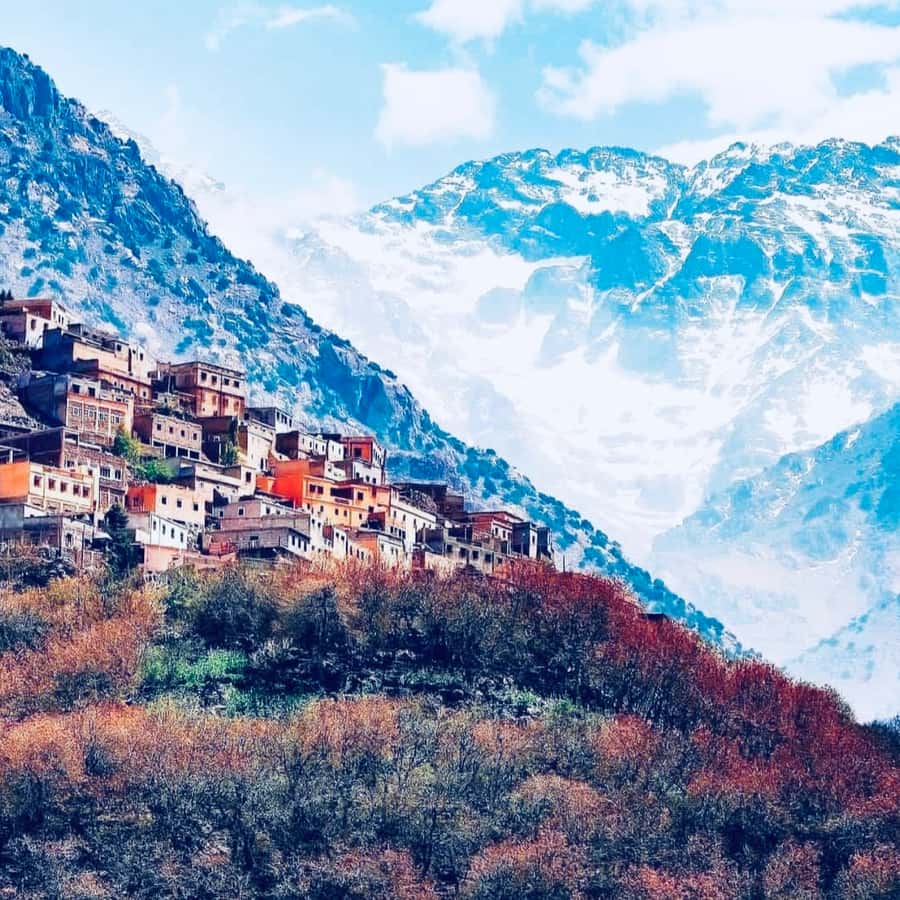
The villages are the main attraction here. You will see traditional homes built to suit the mountain setting, with paths linking houses and valleys rather than roads doing all the work. The appeal is not polished sightseeing. It is the ordinary feel of a rural place, along with the chance to learn how village life has changed.
The first night is in a family guesthouse. You should expect a clean but basic refuge, not a private resort. The cooking is one of the most praised parts of the trip, and meals are included. Moroccan mountain food is an important part of the experience, especially after a long walk.
One practical tip: bring a quick-dry towel and toilet paper. Those items were specifically useful to people on the trek, and they take up very little room.
Day two: villages, river paths, and the Oudit Pass

Day two is the longest walking day, at around six to seven hours. The route continues from Tinghourine or Tachdirt toward Ikkis, Aguersiwal at about 2,100 meters, Matat, and Ait Aissa.
This is where the trek earns its village focus. You pass through more settlements and see how the valleys connect. The walking is not just a point-to-point transfer between tourist sites. The route gives you repeated contact with the built environment, farmland, streams, and steep mountain slopes.
The Oudit Pass, at approximately 2,200 meters, adds another climb and another wide view. You should be ready for uphill and downhill sections rather than expecting a level valley stroll. Several people found the daily walks reasonable, but steep ascents and descents are still part of the route.
Ait Aissa is the second overnight stop. There is a gite, or simple mountain lodge, and a steam bath, or hammam, if you want to use it. The hammam can be a welcome treat after the day’s climb, but the accommodation remains basic. Think family hospitality and shared mountain facilities, not a full-service hotel.
The food is a real strength. Meals are included throughout the trek, and the guides or cooks may be involved in preparing them. Past departures specifically praised the cooking by people such as Ibrahim and the guides Mustapha and Mohammed. That combination of filling meals and warm hosting adds real value to a trip at this price.
More treks around Marrakech:
- From Marrakech: Atlas Mountains Full-Day Hiking Trip w Lunch
★ 4.8 · 7,417 reviews - Marrakech: Ourika Valley Trip with Waterfall Hike
★ 4.6 · 6,792 reviews - Marrakech: Ourika Valley Trip with Waterfall Hike & Lunch
★ 4.9 · 5,303 reviews - Marrakech: ourika valley lunch & guided hike to waterfalls
★ 4.9 · 3,737 reviews
Day three: Azib Tamsoulte waterfall and the Mzik Pass

The final day lasts about six hours and brings the most dramatic natural feature of the trek: the waterfall at Azib Tamsoulte, described as the largest waterfall in Toubkal National Park.
The waterfall gives the day a clear goal, but the walk is still about the route around it. You then join the path over Mzik Pass at roughly 2,500 meters. This is higher than the previous passes and provides a strong view over the Ait Mizan Valley.
After lunch at Mzik, you walk downhill to Imlil. The descent sounds easy on paper, but long downhill sections can be tiring on knees and ankles. Hiking poles are not listed as required, so you should decide for yourself if they would help. At the end of the walk, transport returns you to Marrakech.
The final day packs several different scenes into one stretch: water, a high pass, valley views, lunch in the mountains, and the return to the trailhead. It is a satisfying finish, though you should not expect a leisurely morning followed by a short stroll.
What the views and villages are really like

The High Atlas views are the visual reward throughout the trip. You climb above the villages, look across the plains, follow river valleys, and watch the terrain change from one pass to the next.
The village architecture is simple and practical. Homes fit closely into the mountain setting, and the walking paths offer a closer look at rural Morocco than a quick day trip from Marrakech. You also have more time to speak with your guide about Berber culture and local life.
That cultural side is one of the strongest reasons to choose this route. Guides have been praised for explaining the history of the villages and the changes in how people live. If you want that part of the experience, ask questions as you walk. The guide can give meaning to details you might otherwise miss.
You should also keep your expectations grounded. This is not a staged cultural show, and the schedule does not promise a long list of organized village activities. The value comes from walking through the area, staying with local families, eating their cooking, and observing daily life respectfully.
Guesthouses, meals, and the mule service

The two overnight stays are in family guesthouses or simple gites. Descriptions of the accommodation consistently point to clean, basic places in beautiful settings. You may meet other hikers and share the informal atmosphere that comes with mountain lodging.
Privacy and hotel-style facilities should not be your reason for booking. The accommodation is part of the rural experience, but it can feel spare if you are used to Marrakech riads or standard hotels. Pack a quick-dry towel, personal toiletries, and toilet paper so that basic facilities do not catch you off guard.
All meals are included. This is a major advantage because finding food along a remote multi-day route would be difficult, and the meal cost can quickly add up on an independent trek. The cooking received some of the warmest praise, with specific mention of delicious meals and cooks such as Ibrahim.
The mule service is equally practical. You can hand over luggage you do not need during the walking days, though you should confirm the arrangement with your guide at the start. Keep your essential items in your day bag and avoid bringing a large suitcase.
How difficult is the three-day walk?

The trek is not technically difficult and does not require mountaineering experience. That does not mean it is effortless. The daily distances run from five to seven hours, and the route includes passes at about 2,200 to 2,500 meters.
You should be comfortable with sustained uphill walking and long descents. The route is best for someone who hikes now and then, or who is fit enough to spend most of a day on mountain paths. It is not suitable for pregnant people or people with mobility impairments.
I would check the forecast before booking, as the operator recommends. Snow can make the route more challenging and can force a change of plan. In winter, you should expect colder conditions and ask what footwear and clothing are needed for the current route.
Summer brings its own concerns, though no exact temperatures are supplied. Carry water, protect yourself from the sun, and listen to the guide about the pace. The fact that the trek avoids the Toubkal summit does not remove the need for sensible mountain preparation.
Group size, guides, and communication

The group is limited to 16 people. That qualifies as a small group in booking terms, but 16 is still large enough to affect the pace and feel of a mountain walk. If two groups are combined, as happened on one snow-affected departure, the full number can feel more noticeable.
The available guide languages are Arabic, French, Dutch, English, Spanish, and German. English-speaking guides named Mohamed, Abdul, Hussein, and others have been praised for being clear, kind, and attentive. Guide quality is especially important on a route that may need to change at short notice.
A good guide does more than lead the way. You want someone who checks that everyone is comfortable, explains local history and village life, and handles changes calmly. The experience has received strong praise for guides who did exactly that.
The company is Marrakech Day Trips and Tours. Hotel pickup, a licensed local guide, a mule, meals, and accommodation are included, so you are paying for a supported trek rather than arranging each part yourself.
Is $159 good value?
At $159 per person, the package offers solid value. You receive transport from and back to Marrakech, three days of guiding, two nights of accommodation, all meals, and mule support. Buying those pieces separately would take more time and could cost more, especially once you add food and local transport.
The price makes the most sense if you want a straightforward introduction to the Atlas Mountains. You do not need to plan guesthouses, locate a guide, or work out how to move luggage between valleys.
The tradeoff is comfort. The low price is helped by basic guesthouses, simple mountain facilities, and a shared group format. If you want private rooms, polished service, or a fixed route that cannot change, this is not the right product.
Free cancellation up to 24 hours before departure and the option to reserve now and pay later reduce the risk of booking, but they do not remove the need to check weather and route conditions first.
What to pack for this trek
Keep your packing practical and light. The supplied requirements include a passport, comfortable shoes, hiking shoes, hiking pants, and a camera.
I would also bring:
- A small daypack for water, snacks if needed, layers, and personal items
- Warm clothing for higher passes and evenings
- A quick-dry towel
- Toilet paper and basic personal supplies
- Clothing suitable for steep walking and changing weather
The mule can carry extra luggage, but you still need to manage what you take with you during the day. Do not rely on carrying a full suitcase from village to village.
Who should book this Atlas Mountains trek?
You should consider booking if you want a three-day break from Marrakech, enjoy walking for several hours, and prefer village life to a summit-focused challenge. It suits people who want mountain views, local meals, family lodging, and a guide who can explain the region.
It is also a good choice if you are a capable beginner. The route does not demand mountaineering skills, and the guide support makes it more approachable than planning an independent trek.
I would think twice if you dislike basic accommodation, cannot manage steep slopes, or need a guaranteed itinerary. Snow and earthquake damage have affected the route before, and the day three description includes more than one place name, so confirm the exact plan before leaving Marrakech.
FAQ
How long is the Marrakech Atlas Mountains trek?
The experience lasts three days. Walking takes about five to six hours on day one, six to seven hours on day two, and about six hours on day three.
Is Mount Toubkal included?
No. This route avoids a Mount Toubkal summit and focuses on Berber villages, valleys, mountain passes, rivers, and the Azib Tamsoulte waterfall.
What is included in the $159 price?
The price includes hotel pickup and drop-off, a local guide, mule support, all meals, and accommodation for the two nights of the trek.
Where do you sleep?
You stay in family guesthouses or simple gites in villages such as Tachdirt or Tinghourine and Ait Aissa. The accommodation is basic but described as clean and welcoming.
Can the route change because of weather?
Yes. Snow has caused route changes, and earthquake damage in the area has also led to itinerary adjustments. Check the weather before booking and confirm the current route with the operator.
What languages are available for the guide?
Guides are available in Arabic, French, Dutch, English, Spanish, and German. The group size is limited to 16 people.
Should you book it?
Book this trek if your ideal Atlas Mountains trip includes long walks, simple family guesthouses, local food, and time in villages rather than a race for Morocco’s highest peak. The combination of guide, meals, lodging, transfers, and mule support makes $159 a fair price.
Go in with the right expectations. You are signing up for mountain walking, basic facilities, and a route that may shift with snow or local conditions. Pack lightly, bring a towel and toilet paper, check the forecast, and ask for the current itinerary. If that sounds like part of the appeal rather than a problem, this is a well-priced way to trade Marrakech traffic for Berber valleys and High Atlas views.
More 3-Day Experiences in Marrakech
- From Marrakech: 3-Day Merzouga and Sahara Desert Tour
★ 4.9 · 15,308 reviews - From Marrakech: Merzouga 3-Day Desert Safari with Food
★ 4.7 · 12,232 reviews - 3-Day Marrakech to Merzouga Desert Tour: Camel Rides & Overnights
★ 5.0 · 8,734 reviews - 3-Day Marrakech to Fes Sahara Desert Tour via Merzouga
★ 5.0 · 6,546 reviews
Recently reviewed around Marrakech
- 4-Days Marrakech to Marrakech Désert Tour★ 5.0 · 17 reviews
- Camel ride at sunset in Marrakech palm grove★ 5.0 · 17 reviews
- Agafay camel ride★ 5.0 · 20 reviews
- Camel riding in marrakech★ 4.5 · 17 reviews
- Agafay Desert Adventure, Culture, and Relaxation, From Marrakech★ 5.0 · 25 reviews
- Marrakech to Atlas Mountains and 4 Valleys Day Trip★ 5.0 · 17 reviews
- Quad excursion to the Agafay desert near Marrakech★ 5.0 · 44 reviews
- Camel ride and dinner Agafay desert★ 5.0 · 25 reviews
Atlas Mountains Day Trips, compared.
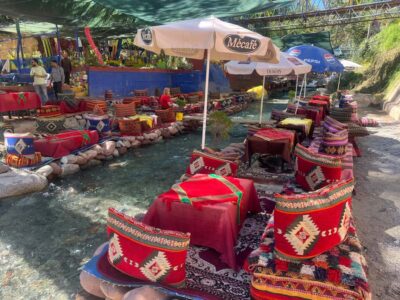
Atlas Mountains, Ourika Valley, Waterfall & Lunch
Read our review →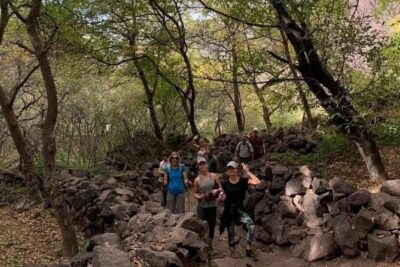
Berber villages : Atlas Mountains Day Hike from Marrakech
Read our review →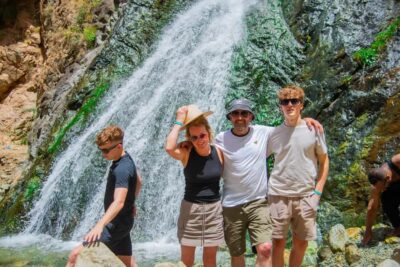
Ourika Waterfalls, Atlas Mountains, Guide + Lunch
Read our review →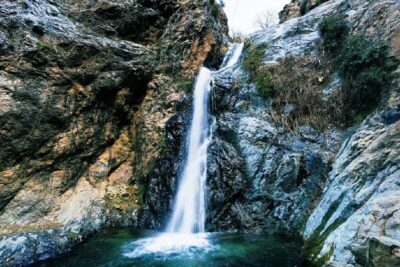
Atlas Mountains & Agafay Desert Tour w Camel Ride
Read our review →
Atlas Mountains, Waterfalls, Ourika Valley +Lunch
Read our review →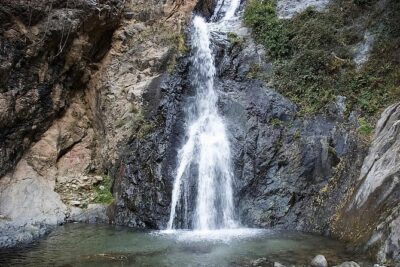
Atlas Mountains & 5 Valleys Tour from Marrakech – All inclusive –
Read our review →Browse the lists this tour appears in