
Reviewed · HIKING & TREKKING
From Marrakech: 3-Day Mount Toubkal Climbing Trek
Mount Toubkal rises to 4,167 meters, making it the highest mountain in North Africa. This is a non-technical climb, but it is no casual hill walk. You’ll cross high passes, sleep in mountain refuges, and face a long summit day that combines altitude, cold, loose scree, and a major descent.
I like the three-day circular route, which shows you more of the High Atlas than the standard two-day out-and-back trip. I also like the careful pacing and personal support from guides such as Kamal, Hassan, Mustafa, Mohammed, and Youssef. The main catch is simple: you need decent fitness, warm gear, and a willingness to accept changes if weather or road conditions close part of the route.
In This Review
- Key points to know before you book
- Why three days is better than rushing Toubkal in two
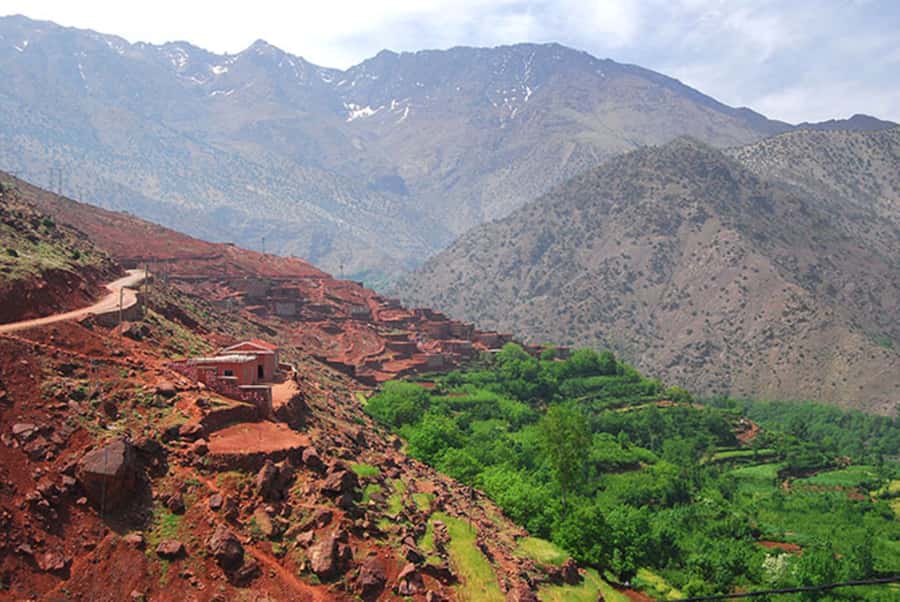
- From Marrakech to Imlil through Berber country
- Day one: Tizi Mzik Pass and Tamsoult Waterfalls
- Day two: the serious climb to Aguelzim Pass
- Day three: sunrise on Toubkal, then a huge descent
- Guides, group size, and the human side of the trek
- Food and refuge nights: useful, not luxurious
- What to pack for 4,167 meters
- Is $226 good value?
- Weather, route changes, and realistic expectations
- Who should book this trek?
- Should you book the three-day Toubkal trek?
- FAQ
- How high is Mount Toubkal?
- How long does the trek last?
- Where does the walking begin?
- Is transportation from Marrakech included?
- What languages does the guide speak?
- How many people can be in the group?
- Are meals included?
- Is luggage carried for me?
- What should I bring?
- Is mountain equipment included?
- Can the route change?
- Can I cancel the booking?
Key points to know before you book
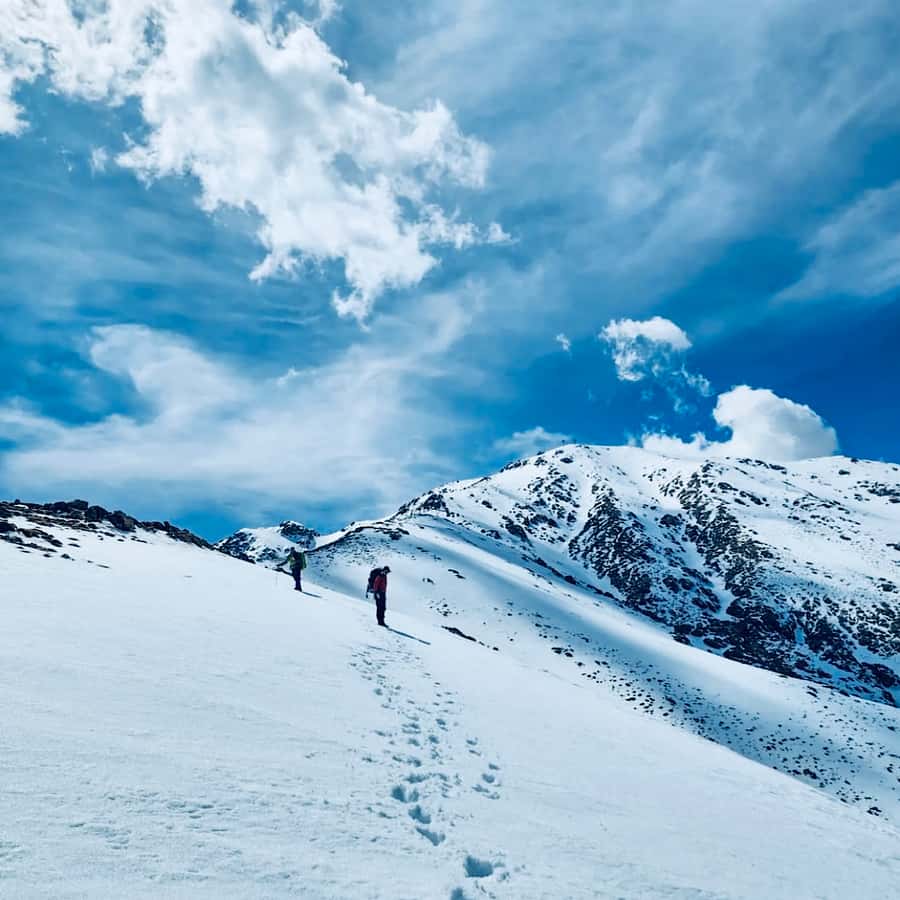
- A true 4,167-meter summit attempt: The climb is non-technical, but the altitude and 2,500-meter descent on the final day make it demanding.
- A more scenic three-day loop: You pass Tizi Mzik Pass, juniper forest, Tamsoult Waterfalls, remote Berber villages, and two different mountain refuge areas.
- Strong guide support: Guides set the pace, check on tired walkers, and can adjust plans when weather or roads change.
- Mules carry luggage: You carry only what you need during the day, while muleteers transport bags and help prepare meals.
- Basic but useful mountain lodging: Expect bunk beds, blankets, shared facilities, and sometimes hot showers, but pack toilet paper, soap, and a sleeping bag or liner.
- Excellent value at $226: Transport, guiding, mules, accommodation, and meals are included, leaving you to arrange insurance, gear, personal spending, and tips.
Why three days is better than rushing Toubkal in two
The usual quick Toubkal trip follows a direct route to the summit and back. This three-day option takes a wider circuit, giving you a fuller taste of the Atlas Mountains rather than treating the peak as a single athletic objective.
That extra day matters for two reasons. First, you see more than the busiest route. Second, the schedule gives your body more time to adjust before the summit push. You still gain altitude quickly, but the walking is spread across three days instead of forcing nearly everything into a short dash.
The first day is scenic and varied. The second is the big acclimatization day, with a climb to Aguelzim Pass at 3,650 meters. The third is the test: an early ascent to the summit followed by a very long descent to Imlil.
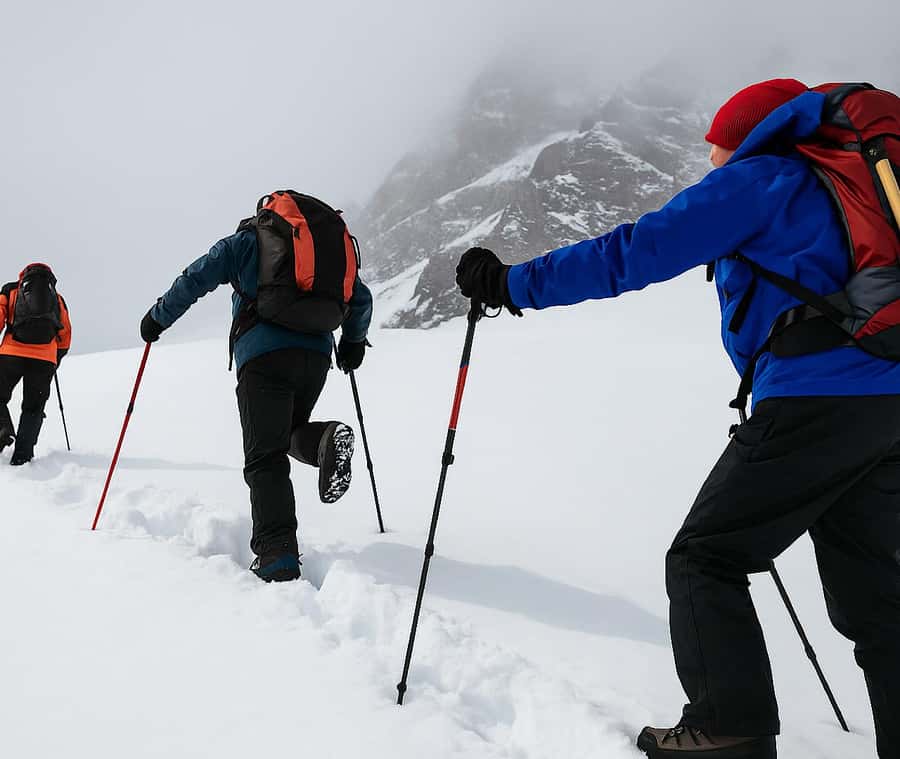
You should not confuse non-technical with easy. No ropes or climbing instruction are described for this route, but you need to walk for six to nine hours, cope with cold at altitude, and remain steady on rough ground. Several people found the trek suitable for beginners who were in good shape, while others found the upper sections distinctly tough.
More Hiking Tours in Marrakech
- From Marrakech: Ouzoud Waterfalls Guided Hike and Boat Trip
★ 4.7 · 33,630 reviews - Berber villages : Atlas Mountains Day Hike from Marrakech
★ 5.0 · 14,007 reviews - 3 Days Desert Tour From Marrakech To Merzouga Dunes & Camel Trek
★ 5.0 · 10,125 reviews
From Marrakech to Imlil through Berber country
Pickup is arranged from your hotel or riad in Marrakech. If your accommodation is outside the Medina, wait in the hotel lobby. Inside the Medina, cars may not reach the door, so the operator contacts you through WhatsApp about 24 hours before departure to arrange a nearby meeting point.
The drive heads south toward the High Atlas, passing Tahanaout, Oued Ghighaya, and Asni. This is more than a transfer. You’ll see traditional Berber villages spread along the valleys, with the mountains growing larger as you leave the city behind.
Imlil is about 65 kilometers from Marrakech and serves as the walking base. Here you meet the certified mountain guide and muleteer team. The mule support is a practical advantage, since you do not have to carry every item for three days. Pack your day bag carefully, though. One useful detail that is not always clear at booking is that luggage you do not need immediately may be sent ahead to the next refuge.
Transport is generally efficient, although pickup can run slightly late. That is worth allowing for if you have an evening flight or a fixed Marrakech appointment. The return normally reaches Marrakech around 5:00 PM on the final day, but mountain timing is never perfectly mechanical.
Day one: Tizi Mzik Pass and Tamsoult Waterfalls
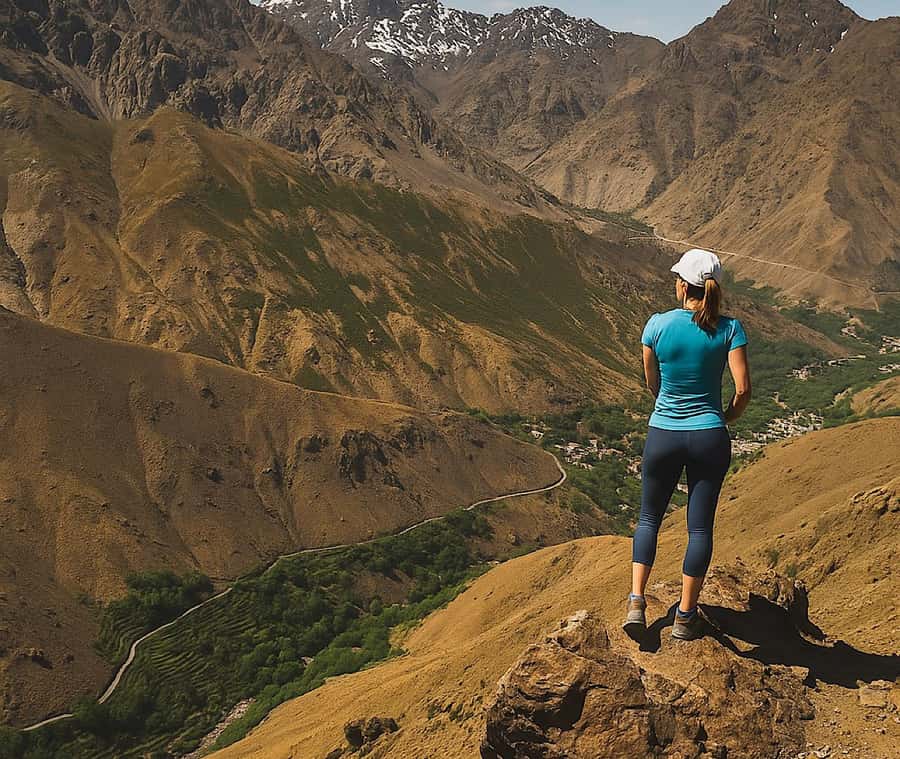
From Imlil, you begin walking uphill toward Tizi Mzik Pass at 2,479 meters. The pass gives you broad views over the Imlil Valley and toward Mount Toubkal. It is a good opening section because you get a clear sense of the route ahead without immediately tackling the highest ground.
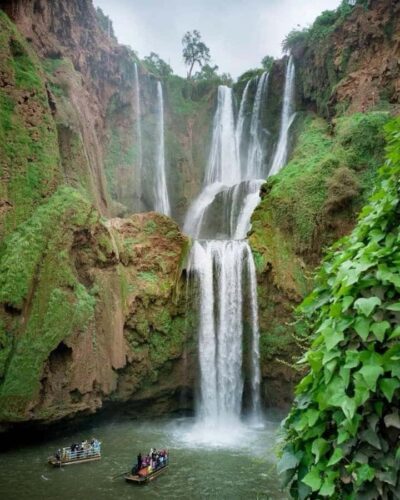
The route continues through juniper forest to Tamsoult Waterfalls, described as the highest waterfalls in the Atlas Mountains at about 100 meters. The combination of forest, rock, village views, and falling water gives this day a welcome variety.
The published figures are 11 kilometers, with 800 meters of ascent and 400 meters of descent. Walking time is about five to six hours. That is a full day, but it is a sensible introduction to the mountains before the harder altitude gain on day two.
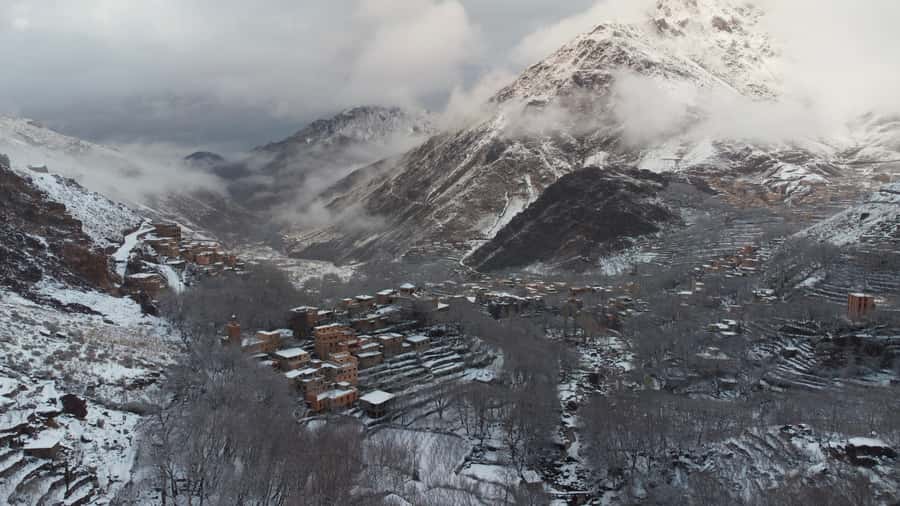
You spend the night at Tamsoult Refuge. Accommodation is basic mountain-hut lodging, not a private hotel room. Expect bunk beds and shared facilities. Some departures have had hot showers, while other mountain facilities may charge a small fee for them, so do not depend on a shower as part of the experience.
Dinner is included in the stated package, along with breakfast and lunch each day. The food is repeatedly described as warm, plentiful, fresh, and useful after long walks. Local cooks and muleteers prepare meals along the route, which is one of the appealing human parts of the trip.
Day two: the serious climb to Aguelzim Pass
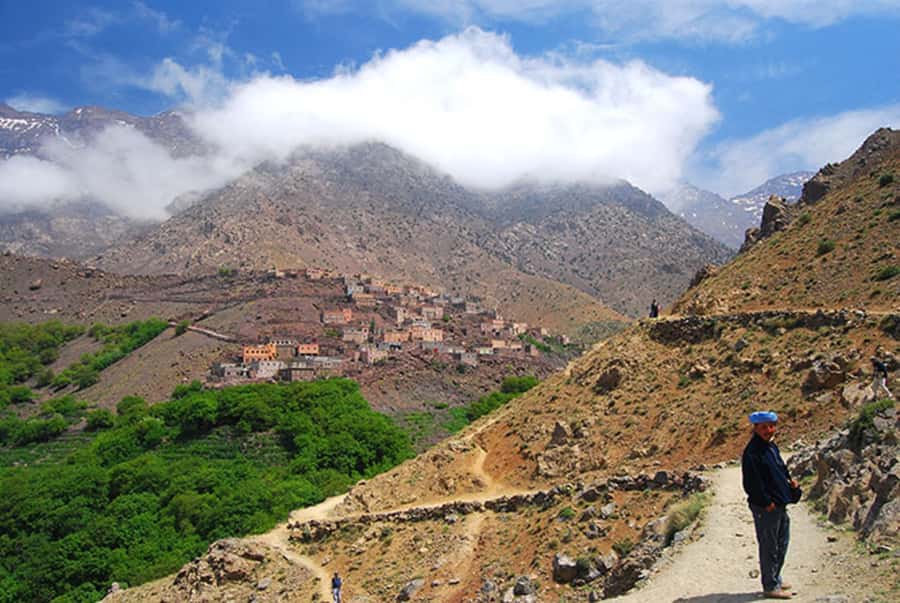
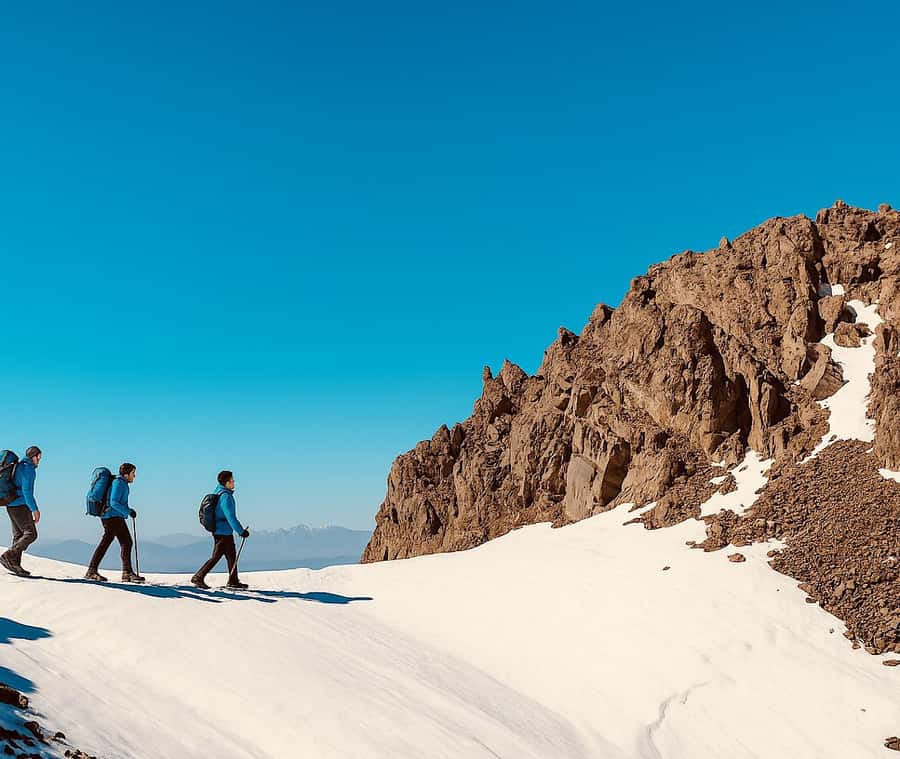
Day two brings the largest sustained altitude gain. You gradually climb to Aguelzim Pass at 3,650 meters, with the route designed to keep the pace steady rather than turn the ascent into a race.
The figures are 10 kilometers, 1,200 meters up, and 300 meters down, taking roughly six to six and a half hours. At this height, even a modest slope can feel much harder than it looks. Slow progress, regular pauses, water, and honest communication with your guide matter more than speed.
From the pass, you get strong views toward the Toubkal Summit. This is also where the three-day format earns its keep. You have spent a day already walking at altitude, and you are not trying to fit the entire approach and summit into one exhausting stretch.
After Aguelzim, you descend carefully to Toubkal Refuge at 3,207 meters. This is your base for the summit attempt. The refuge has bunk-style accommodation and shared facilities. Conditions vary, but you should expect a practical place to sleep rather than comfort. A sleeping bag or liner is a wise choice, especially outside the warmest months, even though blankets may be supplied.
The cold can be serious near the top at any time of year. One detailed account reported summit temperatures around 5 degrees Celsius in August, while late autumn and winter departures can feel much colder. Pack a beanie, gloves, warm layers, a jacket, and a headlamp.
More treks around Marrakech:
- From Marrakech: Atlas Mountains Full-Day Hiking Trip w Lunch
★ 4.8 · 7,417 reviews - Marrakech: Ourika Valley Trip with Waterfall Hike
★ 4.6 · 6,792 reviews - Marrakech: Ourika Valley Trip with Waterfall Hike & Lunch
★ 4.9 · 5,303 reviews - Marrakech: ourika valley lunch & guided hike to waterfalls
★ 4.9 · 3,737 reviews
Day three: sunrise on Toubkal, then a huge descent
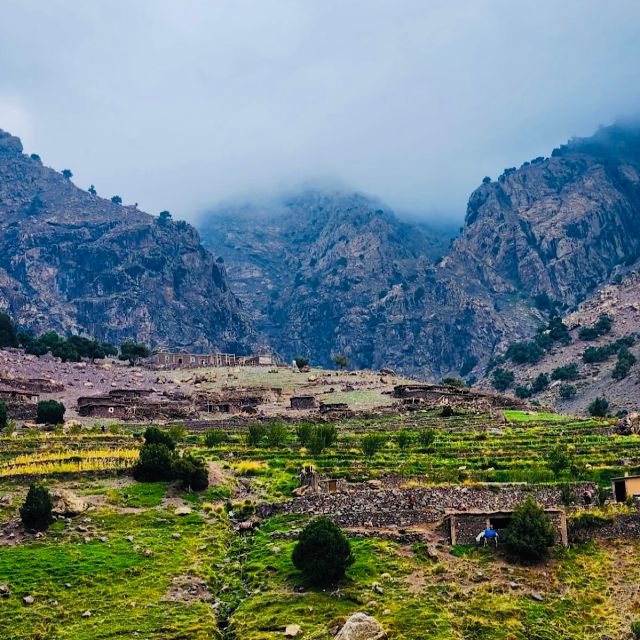
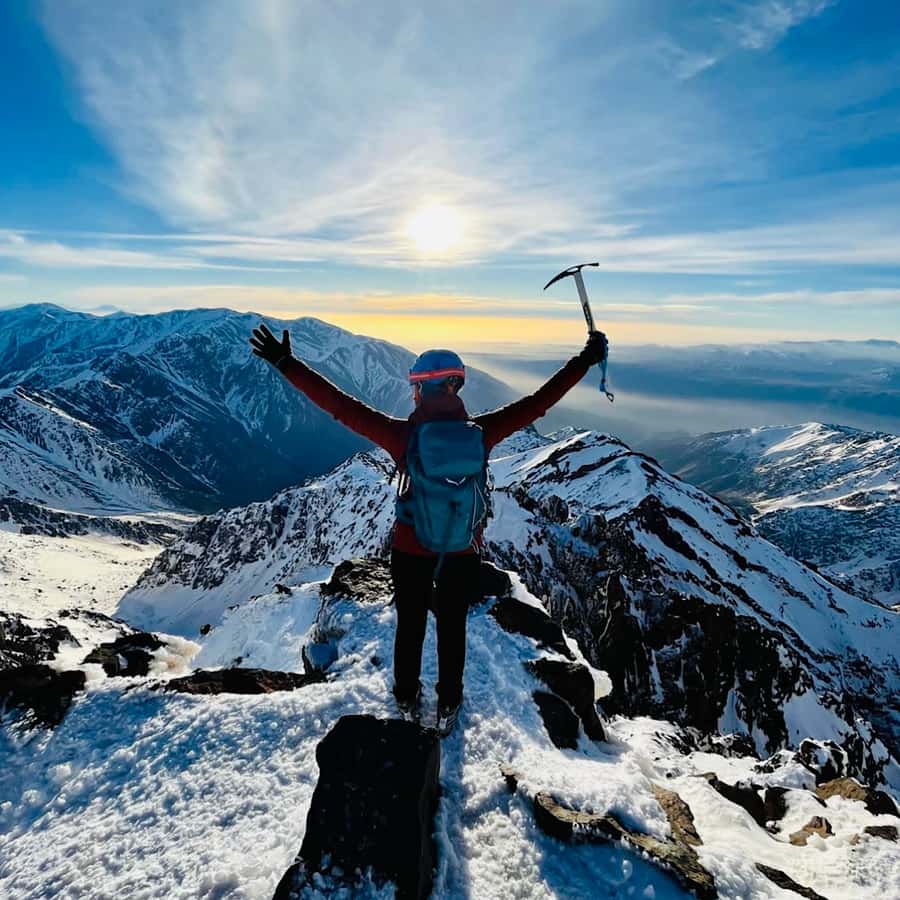
Summit day starts early, often before sunrise. The purpose is to reach the top in good morning light and, when conditions cooperate, see the mountains at their clearest.
The summit section is listed as a four-kilometer loop, followed by four kilometers of descent before the long return toward Imlil. The full day is described as about 14 kilometers of descent to Imlil, with 980 meters of ascent and 2,500 meters of descent overall. Walking time is eight to nine hours.
That final figure tells you what to prepare for. Reaching the summit is only the middle of the day. After a short break at Toubkal Refuge, you continue downhill to Imlil, and the descent can be hard on knees, ankles, and tired legs. Loose scree requires care, especially if you are already fatigued.
At the summit, weather permitting, you’ll see wide views across the High Atlas, with the Sahara reportedly visible on the horizon. The early light is a major reward, but no guide can promise clear skies. Storms have prevented summit attempts, and road closures have caused route changes. In such cases, a good guide should focus on safety and offer a sensible alternative, such as village walks or another summit.
One important strength of the guiding team is pacing. Guides including Kamal, Hassan, Mustafa, Mohammed, Omar, and Youssef are repeatedly praised for keeping groups together, checking on people who were struggling, and changing the speed to fit the group. That does not remove the physical challenge, but it makes the challenge more manageable.
Guides, group size, and the human side of the trek
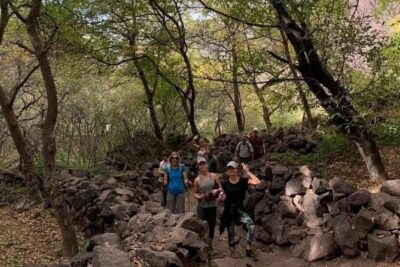
The group is limited to 14 people, though several departures have had smaller groups of five, seven, eight, or twelve. A smaller group usually makes it easier to find a shared pace and gives the guide more time to notice when someone is tired or unwell.
The guide may speak Arabic, English, and French. This is helpful not just for trail instructions, but for explaining the area and helping the group interact with the people who run the refuges and prepare the meals.
The strongest praise is directed at the guides’ care and judgment. Hassan has helped tired walkers continue safely, Kamal has been praised for timing the summit arrival around sunrise, and Mustafa is known for keeping morale up during evenings at the refuge. Youssef has also been praised for adapting the walking speed and checking that everyone was comfortable.
You should still ask questions if you want more explanation about Berber culture, plants, rocks, or local geography. The level of storytelling may depend on the individual guide. Some guides are especially talkative, while others focus more on safety and pace.
The muleteer team is just as important as the person leading the walk. Mules carry luggage and supplies, while the muleteers help with camp logistics and meals. Their work is largely behind the scenes, so budget for tips if you are pleased with the service.
Food and refuge nights: useful, not luxurious
Three breakfasts, three lunches, and three dinners are listed as included. Meals are a major part of the value here. Reports describe large portions, freshly prepared dishes, good timing, and food that provides enough energy for long days.
Do not expect a restaurant menu or special mountain comforts. You are eating in remote settings, where warm, filling food is the real luxury. Bring snacks you already know you can eat while walking, plus electrolytes or ORS if you find them useful.
The refuge experience is basic but social. You may sleep in shared bunk rooms, and cleanliness and comfort can vary. Bring toilet paper, soap, and a small towel. Earplugs may help if you sleep lightly. Slippers are useful inside the refuge, though the activity information says sandals and flip flops are not suitable for the trek itself, so use proper hiking shoes outdoors.
A small amount of Moroccan currency is practical for water, snacks, shower charges, or other personal needs. Personal expenses are not included.
What to pack for 4,167 meters
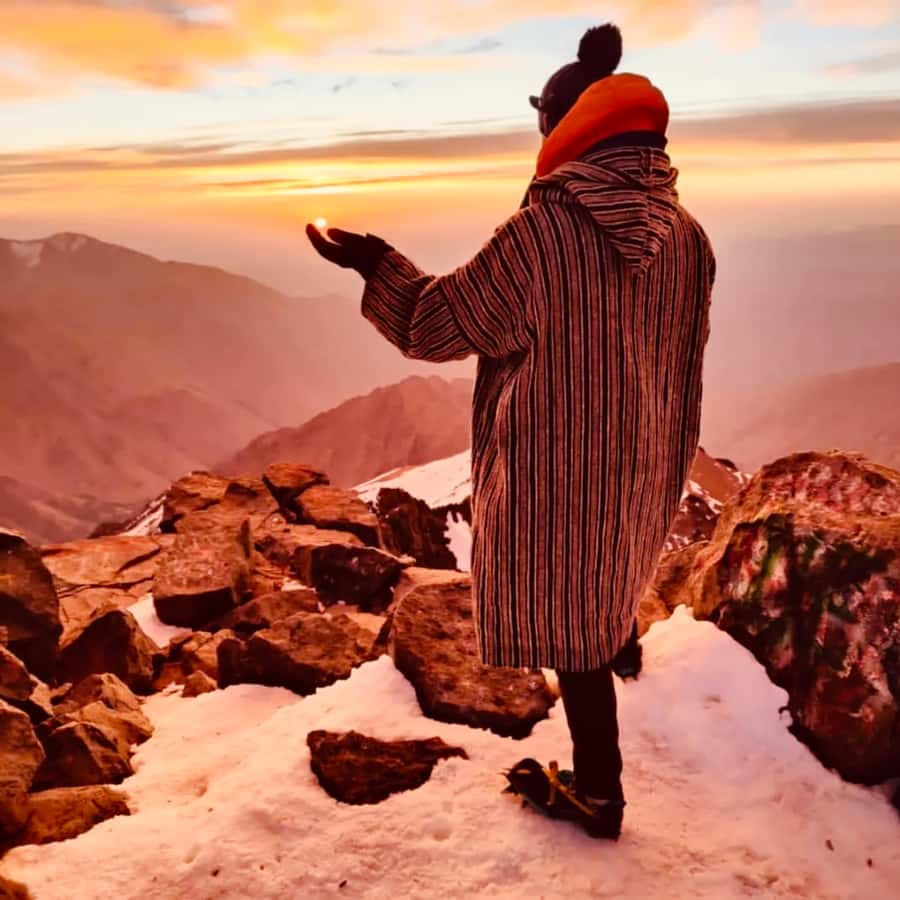
The official list asks for a passport, warm clothing, camera, hiking shoes, jacket, rain gear, and sleeping bag. Take that list seriously.
Your footwear should be sturdy and comfortable. Sandals, flip flops, and slippers are not suitable for the trail. A headlamp is especially useful for the pre-dawn summit start, and a hat or beanie helps protect you from cold wind.
Mountain gear is not included in the price. Some people have rented equipment locally without much trouble, but it is best to confirm what is available before departure rather than assume every item will be on hand.
Also pack sunscreen, water, personal medication, toilet paper, soap, snacks, and warm layers that you can add or remove. The summit can be cold even in summer, while lower sections may feel warm in the sun. A light day pack is enough for immediate needs, since the mule team carries other luggage.
Travel insurance is excluded. For a high-altitude trek with weather-related changes, insurance is sensible.
Is $226 good value?
At $226 per person, this is a strong package if you would otherwise need to arrange a driver, guide, mule support, three days of meals, and refuge accommodation separately.
The price includes round-trip transport from Marrakech, a mountain guide, muleteers and mules for luggage, local-house accommodation, and three breakfasts, lunches, and dinners. That removes many of the small arrangements that can become tiring in a remote mountain area.
The value is especially good for solo visitors or couples who want a guided climb without hiring a private team. A group of up to 14 keeps the price down, though a larger departure may mean more variation in walking speed.
Check the meal details before you go. One booking description included dinner on the final day, but a departure was told this was a listing error and dinner was not provided. It is a small issue, but it shows why you should confirm the exact meal schedule.
Free cancellation up to 24 hours before departure and the option to reserve now and pay later also reduce booking risk. Still, the more important question is physical readiness, not payment flexibility.
Weather, route changes, and realistic expectations
Mountain plans can change. A closed road has led to a different route, and storms have stopped summit attempts. One three-day departure became a shorter trek followed by a Berber-village visit, while another reached Toubkal on day two and used the third day for a different summit.
That flexibility is sensible if safety comes first. You should understand that paying for a summit attempt does not guarantee standing on the summit. Weather, snow, wind, road access, and group condition can all affect the plan.
Clear communication is important when changes happen. Ask your guide what has changed, where you will sleep, which meals are included, and how the return to Marrakech will work. A revised plan can still give you an excellent mountain experience, but you should know what you are agreeing to.
Who should book this trek?
I would choose this trip if you enjoy long day walks, want a real mountain challenge, and prefer local support over independent route planning. It suits fit beginners as well as experienced hikers who want a social trip with logistics handled.
It is not a good fit if you want guaranteed comfort, a relaxed holiday, or a short scenic walk from Marrakech. The altitude is real, the summit day is long, and the refuge nights are basic.
The activity is not suitable for children under two, pregnant women, people with high blood pressure, or people over 95. Those restrictions do not replace a medical assessment. If you have concerns about altitude or strenuous walking, get professional medical advice before booking.
Should you book the three-day Toubkal trek?
Yes, if you want more than a quick peak bagging trip. The three-day loop gives you waterfalls, villages, high passes, two refuge areas, and a better chance to adjust to altitude before the summit.
Book it with realistic expectations. Bring proper clothing, a headlamp, toilet paper, soap, snacks, electrolytes, and a sleeping bag or liner. Expect the final descent to be as demanding as the climb, and accept that weather may change the route.
For $226, the combination of transport, meals, guiding, mule support, and accommodation is hard to beat. The best reason to choose it is not simply reaching the highest point in North Africa. It is spending three demanding, well-supported days moving through the High Atlas at a human pace.
FAQ
How high is Mount Toubkal?
Mount Toubkal reaches 4,167 meters and is the highest mountain in North Africa.
How long does the trek last?
The experience lasts three days, including transportation from Marrakech, the mountain trek, refuge stays, and the return to Marrakech.
Where does the walking begin?
The walking begins in Imlil, about 65 kilometers from Marrakech.
Is transportation from Marrakech included?
Yes. Round-trip transportation from Marrakech is included, with pickup from your hotel or riad.
What languages does the guide speak?
Guides are available in Arabic, English, and French.
How many people can be in the group?
The activity is offered as a small group with up to 14 participants.
Are meals included?
Three breakfasts, three lunches, and three dinners are listed as included. Confirm the final dinner details before departure, since one departure was told that the listed final dinner was a mistake.
Is luggage carried for me?
Muleteers and mules carry luggage. You should still carry a day bag with the items you need while walking.
What should I bring?
Bring your passport, hiking shoes, warm clothing, a jacket, rain gear, camera, and sleeping bag. Toilet paper, soap, snacks, electrolytes, a headlamp, and a warm hat are also useful based on the mountain conditions and refuge facilities.
Is mountain equipment included?
No. Mountain gear is not included. Some equipment may be available to rent locally, but you should confirm availability before the trek.
Can the route change?
Yes. Weather, road closures, and mountain conditions can lead to a shorter trek or a different route. Summit access is not guaranteed in poor weather.
Can I cancel the booking?
You can cancel up to 24 hours in advance for a full refund.
More 3-Day Experiences in Marrakech
- From Marrakech: 3-Day Merzouga and Sahara Desert Tour
★ 4.9 · 15,308 reviews - From Marrakech: Merzouga 3-Day Desert Safari with Food
★ 4.7 · 12,232 reviews - 3-Day Marrakech to Merzouga Desert Tour: Camel Rides & Overnights
★ 5.0 · 8,734 reviews - 3-Day Marrakech to Fes Sahara Desert Tour via Merzouga
★ 5.0 · 6,546 reviews
Recently reviewed around Marrakech
- 4-Days Marrakech to Marrakech Désert Tour★ 5.0 · 17 reviews
- Camel ride at sunset in Marrakech palm grove★ 5.0 · 17 reviews
- Agafay camel ride★ 5.0 · 20 reviews
- Camel riding in marrakech★ 4.5 · 17 reviews
- Marrakech to Atlas Mountains and 4 Valleys Day Trip★ 5.0 · 17 reviews
- Agafay Desert Adventure, Culture, and Relaxation, From Marrakech★ 5.0 · 25 reviews
- Quad excursion to the Agafay desert near Marrakech★ 5.0 · 44 reviews
- Camel ride and dinner Agafay desert★ 5.0 · 25 reviews
Hiking & Trekking, compared.
Berber villages : Atlas Mountains Day Hike from Marrakech
Read our review →
3 Days Desert Tour From Marrakech To Merzouga Dunes & Camel Trek
Read our review →
Ourika Valley Trip with Waterfall Hike & Lunch
Read our review →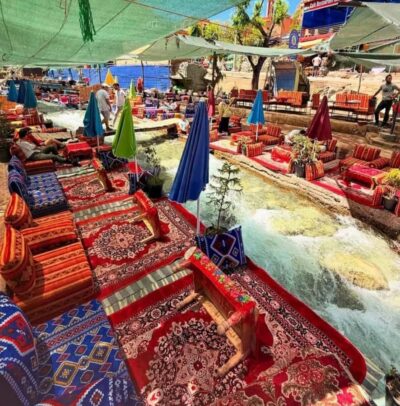
ourika valley lunch & guided hike to waterfalls
Read our review →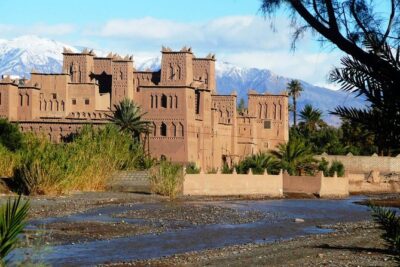
3-Day Tour to Merzouga Erg Chebbi with Food & Camel Trek
Read our review →Browse the lists this tour appears in