
Reviewed · 3-DAY EXPERIENCES
From Marrakech: 3-Day Desert Tour to Agadir
The best part of this 3-day desert tour is the sheer variety packed into one road journey. You cross the High Atlas, walk through Ait Ben Haddou, pass rose-growing valleys and palm-lined oases, then trade mountain roads for the wide dunes of Erg Chebbi. The camel ride at sunset and camp night give the trip its big finish.
I like the strong mix of Morocco’s famous sights and smaller local stops, including Berber villages, a women’s argan-oil cooperative, scarf shops, and the Tinghir Oasis. I also like the careful guides. Ayoub, Imad, Walid, Hakim, Azzdin, and several others are praised for safe driving, humor, local insight, and helping with snacks, ATMs, and unexpected needs. The catch is simple: there are long hours in the van, especially on the final run to Agadir.
In This Review
- Key points to know before booking
- Why this Marrakech to Agadir route works
- Day 1: Crossing Tizi n’Tichka to Ait Ben Haddou
- Ouarzazate and the kasbah route
- Day 2: Todra Gorge, Tinghir, and the road to Merzouga
- The Erg Chebbi camel ride and camp night
- Day 3: Sunrise, the Draa Valley, and the final road to Agadir
- Guides, drivers, and the human side of the trip
- What is included, and where the value lies
- Who should book this desert tour?
- What to pack for the three days
- Should you book it?
- FAQ
- Where does the tour begin?
- Where does the tour finish?
- Is transport included?
- How many nights are included?
- Is the camel ride included?
- Is sandboarding included?
- Are meals included?
- Are entrance fees included?
- Should I bring warm clothes?
- Is the tour suitable for people with motion sickness?
Key points to know before booking
- Sunset by camel at Erg Chebbi: Ride one camel per person into the Merzouga dunes, with sandboarding included.
- Ait Ben Haddou and film country: Explore Morocco’s best-known fortified village and pass locations associated with films and television.
- Two very different overnights: Sleep in the Dades Valley on the first night, then camp in the Sahara on the second.
- A long but rewarding route: The tour covers Marrakech, the Atlas Mountains, the Dades and Todra areas, Merzouga, Ouarzazate, and Agadir.
- Comfort depends on your camp choice: Standard camping is included, while premium or luxury options may add air conditioning and charging plugs.
- Bring cash and warm layers: Lunches and entrance fees are not included, and desert evenings can be surprisingly cold.
Why this Marrakech to Agadir route works
This is not a quick ride to a pile of dunes. It is a cross-section of southern Morocco, linking mountain passes, mud-brick architecture, canyon country, oases, and the Sahara. In three days, you see a lot, but you pay for that range with long drives.
The route is especially useful if your Morocco plans begin in Marrakech and end in Agadir. Instead of returning to Marrakech after a desert visit, you use the final day to cross the Draa Valley and continue west through Taznakht and Taliouine.
The road journey is broken up by stops, short walks, photo opportunities, meals, and local guides. That makes the distance easier to handle, though you should not mistake this for a relaxed, slow-paced retreat. It is an active sightseeing trip with a great deal of time spent seated.
Transport is by air-conditioned vehicle, with fuel and an English, French, or Spanish-speaking guide-driver included. Vehicles and air conditioning can vary in comfort. One useful practical point from the trip reports is that the air conditioning in one van was not very strong, so I would keep a small fan, water, and a light layer close at hand.
More Marrakech trips worth a second look
- From Marrakech: 3-Day Merzouga and Sahara Desert Tour
★ 4.9 · 15,308 reviews - From Marrakech: Merzouga 3-Day Desert Safari with Food
★ 4.7 · 12,232 reviews - 3 Days Desert Tour From Marrakech To Merzouga Dunes & Camel Trek
★ 5.0 · 10,125 reviews
Day 1: Crossing Tizi n’Tichka to Ait Ben Haddou
The first day begins with the High Atlas Mountains and the Tizi n’Tichka pass. The road climbs through dramatic mountain scenery and Berber villages, giving you a sharp change from Marrakech’s city streets.
This section is scenic, but it is also where motion sickness and back discomfort may begin to matter. The drive includes bends and changing elevations. If you know you are sensitive to winding roads, sit near the front, keep water handy, and consider bringing whatever travel remedy you normally use.
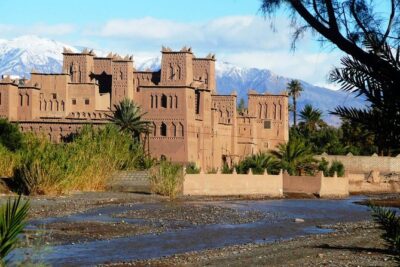
Ait Ben Haddou is the day’s major stop. This fortified village, built from earthen architecture, is one of Morocco’s most recognizable sights and a UNESCO World Heritage Site. Its clustered walls and towers explain why it has been used as a setting for productions associated with Gladiator and Game of Thrones.
Give yourself time to look beyond the famous photo angle. The value here is in seeing how the buildings fit together, how the settlement rises above the surrounding area, and how traditional construction uses earth rather than imported modern materials. A local guide leads the visit, and an entrance fee or guide fee may be payable separately. One specific cost mentioned in the trip details is about €4 for a guide on the first day, so carry small cash.
Ait Ben Haddou can feel busy around the main approach, and some local stops may include carpet or scarf shopping. Those visits can be interesting if you want to learn about regional crafts, but they may feel like sales stops if shopping is not your priority. Keep your expectations clear and ask your guide how much time is planned.
Ouarzazate and the kasbah route
After Ait Ben Haddou, the route continues to Ouarzazate, often called Morocco’s film city. The stop at Taourirt Kasbah gives you another chance to see southern Moroccan architecture, this time in a larger urban setting.
I like the contrast between Ait Ben Haddou and Taourirt. One feels like a fortified village on a hill, while the other helps you understand the role of kasbahs in towns and regional administration. The buildings are not just decorative ruins. They show how local communities adapted to heat, scarce water, and the need for protection.
From Ouarzazate, you continue through Skoura and the Rose Valley toward Dades Town. The route passes palm groves, kasbahs, and agricultural areas. Depending on the season, you might see the Rose Valley looking dry and quiet or catch more color and activity around its rose products.
The overnight stop is in the Dades Valley, with dinner and breakfast included. Accommodation is described as a hotel or auberge-style stay, and several people found the food and service particularly good. You should see this night as a practical rest stop rather than a destination hotel. Its job is to put you close to the next morning’s canyon route.
Day 2: Todra Gorge, Tinghir, and the road to Merzouga
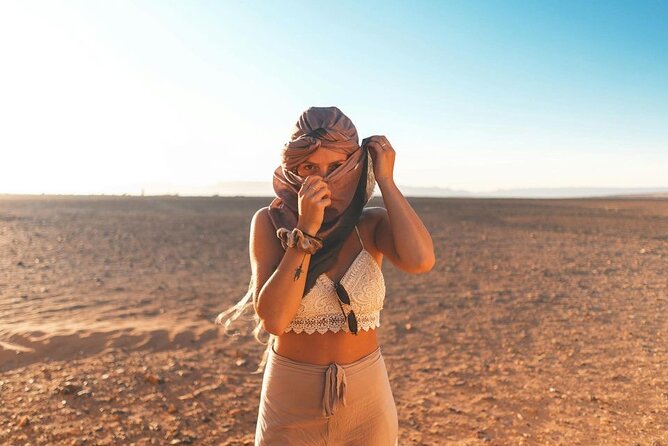
Day two brings the Todra Gorge, one of the most striking natural sections of the trip. Towering rock walls close around the road and walking area, creating a strong sense of scale even if you spend only a limited time there.
The stop is well suited to photographs and a short walk. Wear shoes with a decent grip rather than sandals that fill with grit. The gorge is one of the places where the tour feels less like a transfer and more like a real outing.
Near Tinghir, local guiding may add context about the oasis and Berber life. This is valuable because the palm-lined agricultural areas are not simply scenery. They reflect long-standing water management and farming traditions in an otherwise dry part of Morocco.
Do not expect every stop to receive equal time. Some people felt that local guides moved quickly toward carpet or scarf shops instead of allowing a longer visit in the community. That does not ruin the trip, but it is worth knowing before you book. If a shopping stop is not for you, tell your guide politely and use the time for photos or a short walk where possible.
The route then passes through Erfoud, associated with the desert approach, before reaching Merzouga and the Erg Chebbi dunes. This is a long day on the road, but the scenery changes often enough to keep it from becoming a single dull stretch. The vehicle may stop for drinks, snacks, photographs, and ATMs, and guides such as Imad and Walid have been praised for watching out for those small needs.
A different kind of day out, same corner of Morocco:
- Marrakech: Agafay Desert Sunset, Camel Ride, and Dinner Show
★ 4.6 · 35,119 reviews - From Marrakech: Ouzoud Waterfalls Guided Hike and Boat Trip
★ 4.7 · 33,630 reviews - Marrakech: Agafay Desert Quad & Camel Rides with Dinner Show
★ 4.8 · 27,382 reviews - Marrakech: Agafay Desert Quad Biking Tour with Dinner-Show
★ 4.8 · 16,569 reviews
The Erg Chebbi camel ride and camp night
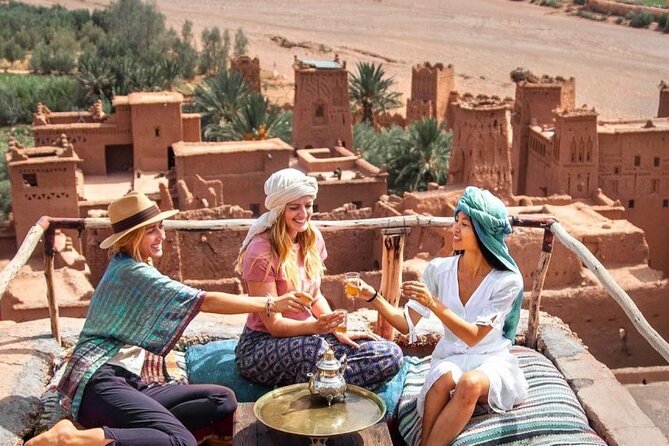
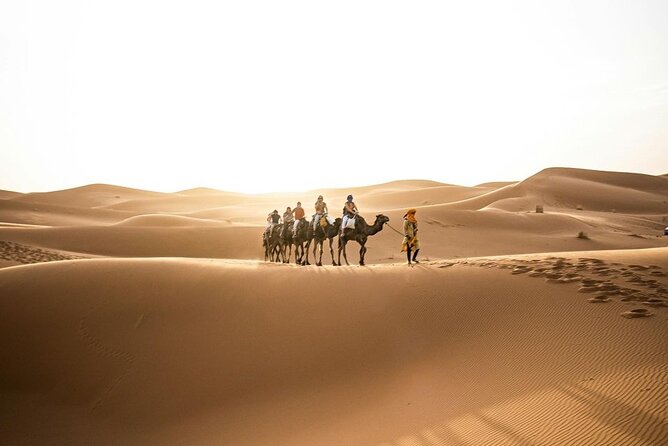
The desert section is the emotional center of the tour. At Merzouga, you leave the vehicle for a camel ride into the dunes. One camel is provided per person, and the ride is timed so you can watch the sun drop over the sand.
Camel riding is not a smooth, fast activity. Getting on and off can be awkward, and the saddle may become uncomfortable after a while. Still, moving slowly across the dunes gives you time to notice the silence, the changing color of the sand, and the distance from roads and buildings.
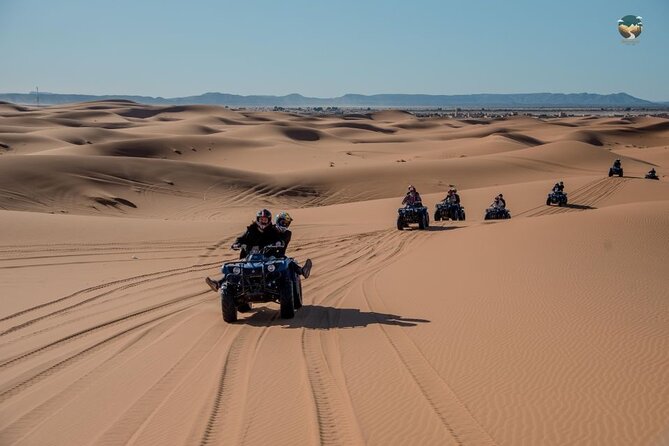
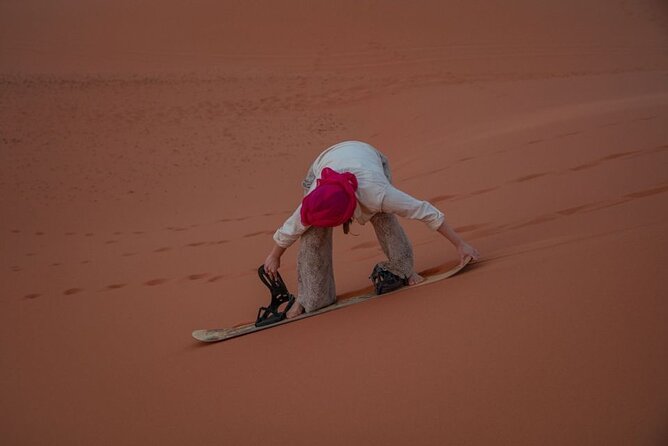
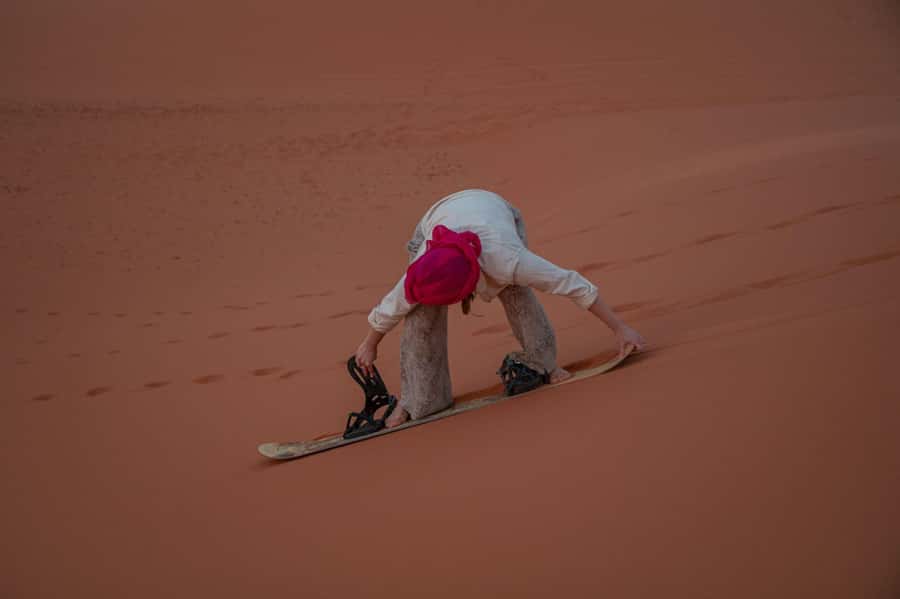
Sandboarding is included. It is a simple extra, but it gives children and active adults something to do after the camel ride. Quad biking may also be available as an optional activity, but it is not included in the stated package. If you want to add it, ask about the price and timing before setting off.
At camp, dinner and breakfast are included. The evening includes drumming and group entertainment, though you should keep your expectations realistic about the word traditional. The camp is designed for comfort and organized group hosting, not complete isolation or a purely nomadic setup. One account even noted electric guitar alongside the drumming.
Camp standards vary. Standard tents provide the basic desert overnight, while premium or luxury options may include air conditioning, charging plugs, and more comfortable facilities. Air conditioning is especially useful in hot weather. In cooler months, however, warmth is the bigger concern. Nights can be cold enough that thermal clothing, gloves, thick socks, and a wool hat are sensible.
The desert is also a place where small comforts matter. Bring a warm layer even if Marrakech feels hot, keep your phone charged before leaving, and carry cash for drinks, optional activities, and entrance fees. Sunglasses and a sun hat are just as useful as warm clothes because the sun on pale sand is intense.
Day 3: Sunrise, the Draa Valley, and the final road to Agadir
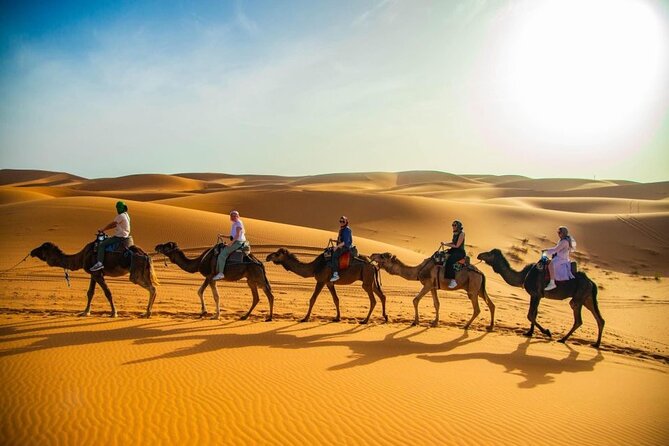
The third day begins early with sunrise over the dunes. This is one of the strongest reasons to stay overnight rather than visit Merzouga only for an afternoon. The dawn light changes quickly, and the quiet before breakfast gives you a little time to appreciate the setting without a packed schedule around you.
After returning to the auberge or vehicle area, the route heads through the Draa Valley. Here, kasbahs, palm groves, and Berber settlements appear along the road. The valley gives you a final look at how people live with limited water and harsh conditions.
The journey then continues through Taznakht and Taliouine before reaching Agadir. This is the hardest day physically because the distance is substantial. You may spend much of the day in transit, even though there are breaks and changing views.
There is an important transport detail to understand. Upon arrival in Ouarzazate, the group may be split, and you may continue to Agadir by taxi. The tour includes drop-off at your Agadir hotel or the nearest accessible point, but a narrow lane leading to a riad may require a short walk from the vehicle.
This arrangement is practical, but it can feel less unified than the first two days. If you are meeting someone in Agadir or catching another service, allow extra time. The final transfer is part of the tour’s structure, not a private door-to-door journey all the way from the desert.
Guides, drivers, and the human side of the trip
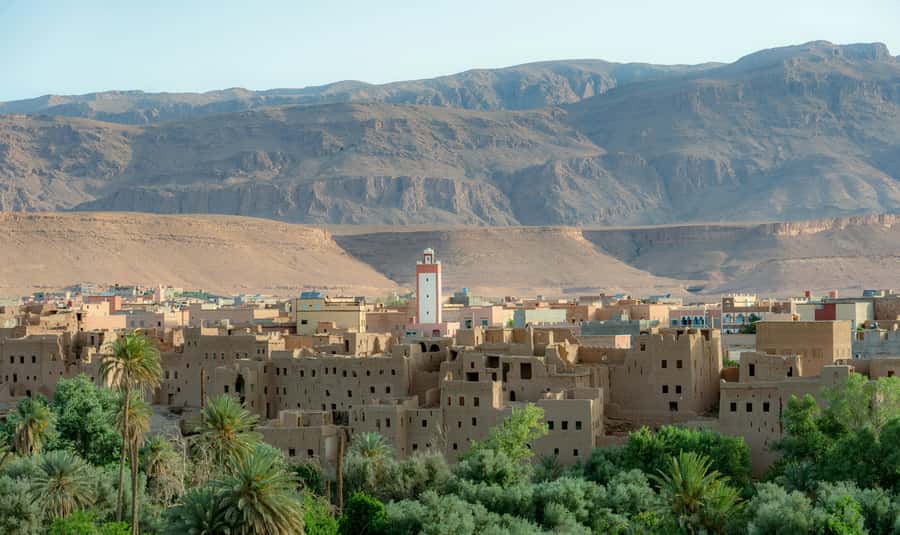
The guides make a major difference on a route this long. Names that appear repeatedly in the feedback include Ayoub, Imad, Walid, Hakim, Azzdin, Abdul, Youssef, Muha, Rahim, and Abderrahman.
The most useful qualities are not formal speeches. You want a driver who keeps you informed, drives carefully, makes sensible stops, and notices when someone needs help. Guides such as Ayoub and Walid are praised for combining local explanations with humor and practical care. Abderrahman is singled out for making a solo visitor feel safe and looked after, while Hakim is remembered for his energy and jokes.
You may also meet separate local guides at Ait Ben Haddou, Todra Gorge, and other sites. That can add depth, though the quality and pace may differ from one stop to the next. A good approach is to ask direct questions and decide which parts you want to explore more closely.
The group setting adds a social element. Groups can include families, solo visitors, and people from many countries. That can make the camp dinner and music more fun, but it also means you have less control over departure times and stop lengths.
What is included, and where the value lies
The package includes pickup and drop-off from your Marrakech accommodation, or the closest point a vehicle can reach. It also includes an air-conditioned vehicle, fuel, a guide-driver, the Dades overnight stay, desert camping, dinner and breakfast, one camel per person, and sandboarding.
Lunch is not included. Entrance fees are also excluded, and you should carry cash. Along the route, restaurants are used for midday meals, so budget for those separately. The meal stops are convenient, but they may not offer the same value or choice you would find by choosing a restaurant independently in a city.
The value is strongest if you want an efficient first look at southern Morocco. You are paying for transport over a huge distance, two nights of accommodation, multiple local guides, the camel transfer, desert logistics, and drop-off in another major city. Arranging all of that alone would take more planning and could cost more once fuel, lodging, and transfers are counted.
The tradeoff is time. A slower private trip could give you longer walks, more freedom at Ait Ben Haddou, and greater choice over meals and stops. This shared tour is better for convenience and coverage than for lingering.
Who should book this desert tour?
I would recommend it to a first-time visitor who wants to connect Marrakech and Agadir while seeing the Sahara. It also suits people who prefer a planned route, enjoy meeting a mixed group, and do not mind long drives in exchange for major sights.
Families can enjoy the camel ride, sandboarding, music, and dunes, though parents should prepare children for the road time. Solo visitors may appreciate the social group and the support of a guide. The luxury camp option is worth considering if you need air conditioning, charging points, or a softer landing after a full day outside.
I would hesitate to recommend it to anyone with serious back problems, strong motion sickness, or very little tolerance for early starts and road travel. It is also not the right choice if your main goal is several quiet days in the desert. You will see many places, but you will not have hours to wander at every one.
What to pack for the three days
Bring warm clothing even in a warm season, especially for the desert night. Add comfortable shoes for sand and short walks, sunglasses, a sun hat, sunscreen, and a small day bag.
Keep cash accessible for lunches, entrance charges, optional quad biking, drinks, and shopping. A refillable water bottle, phone charger, and small fan can make the van ride more comfortable.
For winter or colder periods, pack gloves, thick socks, and a warm hat. Sand gets everywhere, so avoid bringing delicate footwear or clothing you would hate to dust off.
Should you book it?
Book this tour if you want the major southern Morocco sights in one well-organized trip and accept that the itinerary moves quickly. The strongest moments are the Ait Ben Haddou visit, Todra Gorge, sunset by camel, sunrise over Erg Chebbi, and the overnight camp.
Before paying, confirm the type of desert camp, the cost of any entrance fees, the lunch budget, and the arrangements for the Ouarzazate to Agadir transfer. Choose a premium camp if comfort matters, and choose standard camping if the desert setting matters more than private facilities.
For a first visit, the route offers excellent coverage and a memorable night in the dunes. Just bring patience for the mileage, warm clothes for the evening, and enough cash to keep the practical parts easy.
FAQ
Where does the tour begin?
The tour begins with pickup from your Marrakech accommodation, or from the nearest accessible point if your riad is on a road the vehicle cannot reach.
Where does the tour finish?
It finishes in Agadir, with drop-off at your hotel or the closest accessible location to your accommodation.
Is transport included?
Yes. The tour includes an air-conditioned vehicle, fuel, and a guide-driver who speaks English, French, or Spanish.
How many nights are included?
You spend one night in the Dades Valley and one night camping in the Erg Chebbi desert near Merzouga.
Is the camel ride included?
Yes. Camel trekking is included, with one camel per person.
Is sandboarding included?
Yes. Sandboarding in the dunes is included.
Are meals included?
Dinner and breakfast are included during the accommodation and desert camp stays. Lunches are not included.
Are entrance fees included?
No. Entrance fees, if required, are paid separately.
Should I bring warm clothes?
Yes. Desert evenings and nights can be cold, particularly in winter. Warm layers, gloves, thick socks, and a hat may be useful.
Is the tour suitable for people with motion sickness?
The tour involves long hours of driving and mountain roads, so it may not suit people with motion sickness or back problems. Sit near the front and bring suitable personal remedies if you normally need them.
Recently reviewed around Marrakech
- 4-Days Marrakech to Marrakech Désert Tour★ 5.0 · 17 reviews
- Agafay camel ride★ 5.0 · 20 reviews
- Camel riding in marrakech★ 4.5 · 17 reviews
- Camel ride at sunset in Marrakech palm grove★ 5.0 · 17 reviews
- Marrakech to Atlas Mountains and 4 Valleys Day Trip★ 5.0 · 17 reviews
- Agafay Desert Adventure, Culture, and Relaxation, From Marrakech★ 5.0 · 25 reviews
- Quad excursion to the Agafay desert near Marrakech★ 5.0 · 44 reviews
- Camel ride and dinner Agafay desert★ 5.0 · 25 reviews
3-Day Experiences, compared.
3 Days Desert Tour From Marrakech To Merzouga Dunes & Camel Trek
Read our review →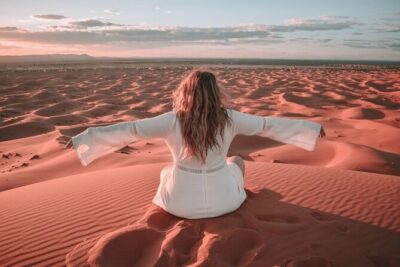
3-Day Marrakech to Merzouga Desert Tour: Camel Rides & Overnights
Read our review →
3-Day Marrakech to Fes Sahara Desert Tour via Merzouga
Read our review →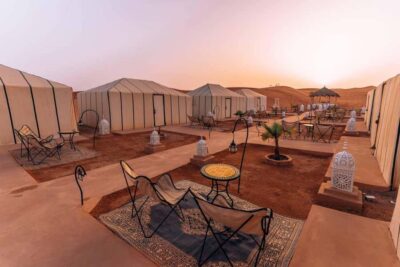
3-Day Merzouga Desert Experience Camel & Meals
Read our review →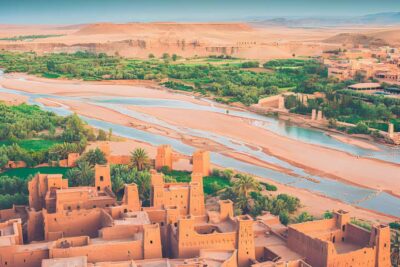
3-Day Tour to Merzouga Erg Chebbi with Food & Camel Trek
Read our review →Browse the lists this tour appears in