
Reviewed · ATLAS MOUNTAINS DAY TRIPS
From Marrakech: 2-Day Berber experience Atlas Mountains
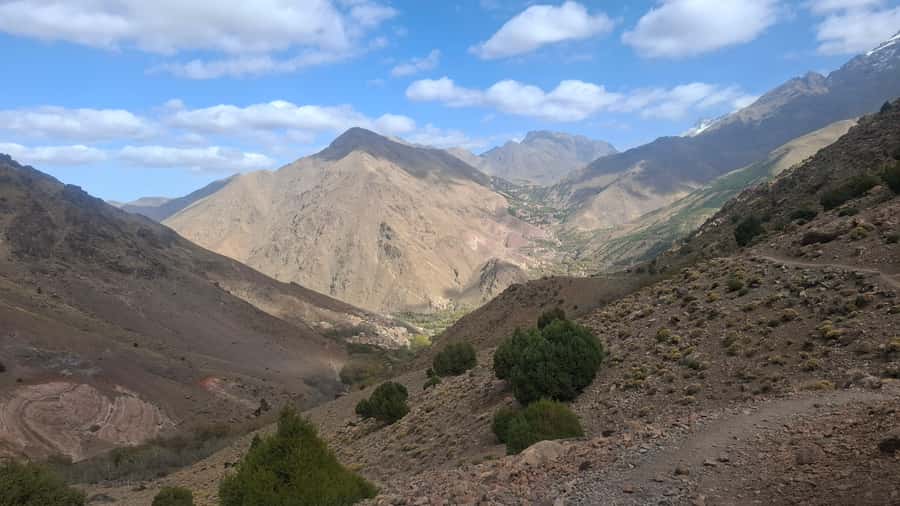
The best part of this Atlas Mountains escape is how many sides of rural Morocco fit into two days. You ride a camel across the Kik Plateau, shop for cooking ingredients in Asni, walk through Berber villages, and sleep in a local guesthouse near Imlil. I especially like the market-to-table cooking class and the second day’s mule ride and picnic lunch in the Tizi Mzik forest.
The main drawback is the amount of time spent in the vehicle. The trip leaves Marrakech at 10:00 and returns around 15:00 the next day, so this is not a quick mountain outing. You should also expect simple facilities, and one report described poor air-conditioning during a very hot journey.
In This Review
- Key points at a glance
- Why this two-day trip works
- Leaving Marrakech for the Kik Plateau
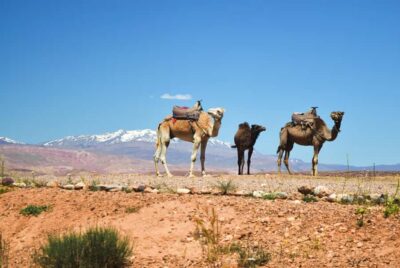
- Forty minutes on a camel at Kik Plateau
- Shopping for dinner in Asni
- Arriving in Imlil and meeting village life
- Cooking Moroccan food from market ingredients
- Spending the night in a local guesthouse
- Mule ride and the Tizi Mzik forest
- Lunch outdoors, then back to Marrakech
- What to pack for comfort
- Who gets the best value from $35
- Should you book this Atlas Mountains trip?
- FAQ
- How long does the Atlas Mountains experience last?
- Is pickup from my Marrakech accommodation included?
- What languages does the guide speak?
- Is the camel ride included?
- What meals are included?
- How much walking is involved?
- What should I bring?
Key points at a glance
- A 40-minute camel ride on the Kik Plateau: A gentle introduction to the mountain region, with time for mint tea and wide Atlas views.
- A real market stop in Asni: You help buy vegetables and ingredients for the evening cooking class rather than simply arriving for a prepared meal.
- A local night near Imlil: The guesthouse stay gives you more contact with village life than a day trip can provide.
- Three hours of walking and mule riding: Day two follows a mix of paths toward the Tizi Mzik forest, with lunch prepared outdoors.
- Strong food experiences: Tagine, bread, and home cooking receive the warmest praise, though tastes are personal and the salad may not suit everyone.
- Good value at $35: Transport, lodging, three meals, camel riding, and guiding are included, but drinks cost extra.
Why this two-day trip works
I see this as a compact introduction to the foothills south of Marrakech. It is not a high-altitude trekking holiday, and it does not promise a long stay in one village. Instead, you get a well-packed sample of mountain life: transport through the countryside, animal rides, local food, village walking, and a night away from the city.
The price is the strongest part of the offer. At $35 per person, the package includes private transport, a guesthouse night, dinner, breakfast, two lunches, and the camel ride. Drinks are not included, so carry some cash for beverages, but the main costs are already covered.
You should think of the trip as a small-group or private outing rather than a large sightseeing bus tour. The exact group size can vary, and English, French, and Spanish guiding is available. Pickup is provided from your address in Marrakech city, which is useful if you are staying in a small alley where a large vehicle cannot pull up directly.
The experience has earned a 3.9 rating from 65 bookings, which suggests a good but not flawless record. The high praise focuses on friendly guides, excellent food, careful pickup, and beautiful surroundings. The weaker points are practical: long vehicle time, basic bathrooms, limited commentary from some drivers, and a reported air-conditioning problem in 45-degree heat.
More Marrakech trips worth a second look
- From Marrakech: 2-Day Sahara Tour to Zagora & Ait Ben Haddou
★ 4.4 · 1,925 reviews - From Marrakech: 2-Days luxurious experience to Zagora Desert
★ 4.9 · 1,502 reviews - From Marrakech: Zagora 2-Day Desert Safari with Food & Camp
★ 4.5 · 1,137 reviews
Leaving Marrakech for the Kik Plateau
The day starts with a 10:00 pickup in Marrakech. That is later than many mountain excursions, so you avoid a very early departure, but it also means the day has a fixed rhythm and little room for delays. If you want a long trek, this start time may feel restrictive.
The drive is part of the experience, but it is also the least exciting part for some people. You will spend a fair amount of time on the road before reaching the mountain villages. The route includes stops for views and photographs, yet you should bring patience, especially if you dislike long drives.
Vehicle comfort matters here. One past booking reported that the air-conditioning did not work during a 45-degree day. That may have been an isolated problem, but it is worth asking about the vehicle and ventilation when confirming your pickup.
The payoff comes at the Kik Plateau, where you pause for mint tea before the camel ride. This is a scenic opening to the trip, with broad views toward the Atlas Mountains and a more open setting than the tight streets of Marrakech.
Forty minutes on a camel at Kik Plateau
The camel ride lasts about 40 minutes. That is long enough to enjoy the novelty and take photographs without turning the outing into a full camel trek. For most people, it is a gentle ride rather than a serious riding challenge.
You should still wear trousers or comfortable clothing and expect a different pace from a horse ride. A camel’s movement can feel awkward at first, particularly when it stands up or sits down. Follow the guide’s instructions and keep your daypack secure.
This stop works best as part of the wider day. You are not being taken to a desert camp for a long overnight camel journey. The point is to experience one traditional form of transport while seeing the high-country views, then continue toward the villages and food activities.
The camel ride is one of the most praised parts of the outing, but it is not the only animal experience. Day two brings a mule ride, giving you a chance to see how these animals remain useful in mountain communities where paths can be steep and narrow.
Shopping for dinner in Asni
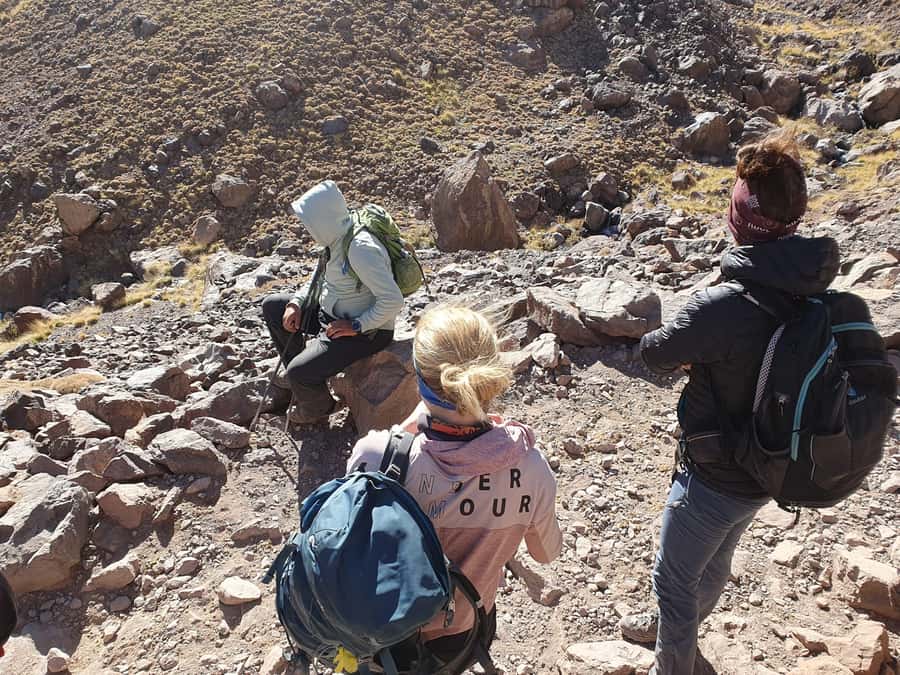
The next major stop is Asni, where you buy vegetables and other ingredients for the cooking class. This is a small detail with real value. Instead of treating Moroccan food as something that appears on a plate, you see the beginning of the process and help shape the evening menu.
The menu is decided at the market, so the meal is not fixed in advance. That adds a local feel, though it also means you may not know exactly what you will cook until the shopping is finished. If you have allergies or strong food restrictions, tell the guide before shopping.
Asni also breaks up the drive. You get to stretch your legs, see a local market, and take part in a practical activity before heading farther into the Imlil valley. The market visit is not described as a long guided tour, so keep your expectations modest. Its value comes from buying ingredients and connecting the shopping with dinner.
A different kind of day out, same corner of Morocco:
- Marrakech: Agafay Desert Sunset, Camel Ride, and Dinner Show
★ 4.6 · 35,119 reviews - From Marrakech: Ouzoud Waterfalls Guided Hike and Boat Trip
★ 4.7 · 33,630 reviews - Marrakech: Agafay Desert Quad & Camel Rides with Dinner Show
★ 4.8 · 27,382 reviews - Marrakech: Agafay Desert Quad Biking Tour with Dinner-Show
★ 4.8 · 16,569 reviews
Arriving in Imlil and meeting village life
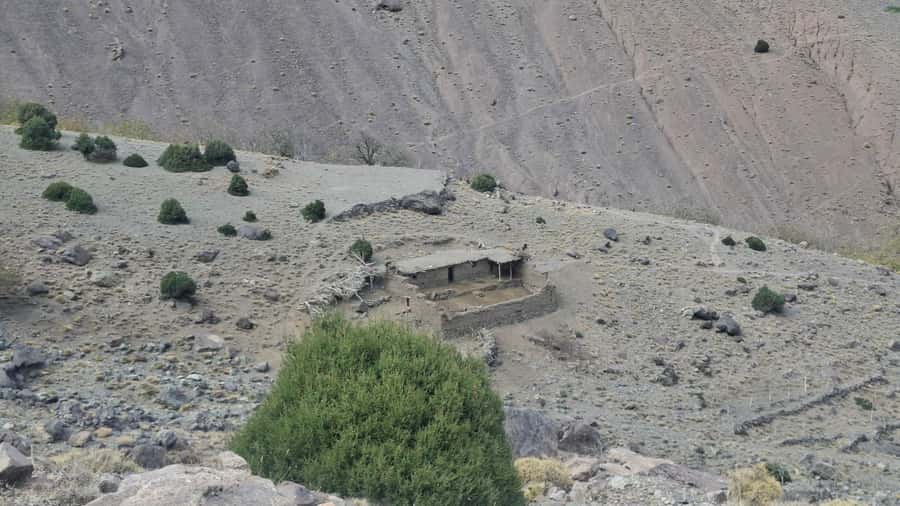
After Asni, the route continues to the Imlil valley. On arrival, you have lunch at a local house, followed by a short walk through the village and nearby agricultural fields.
This is where the trip shifts from scenic transport to personal contact. You can meet local people, hear stories, and see how farming fits into daily life. The walk is described as short on the first day, so you do not need to treat it as the main hike. It is a chance to get your bearings before the cooking class.
The village walk also gives you a useful contrast with Marrakech. The city offers markets, monuments, and noise. Imlil offers mountain paths, fields, and a slower pace. That change is one of the best reasons to spend the night rather than return to Marrakech after a few hours.
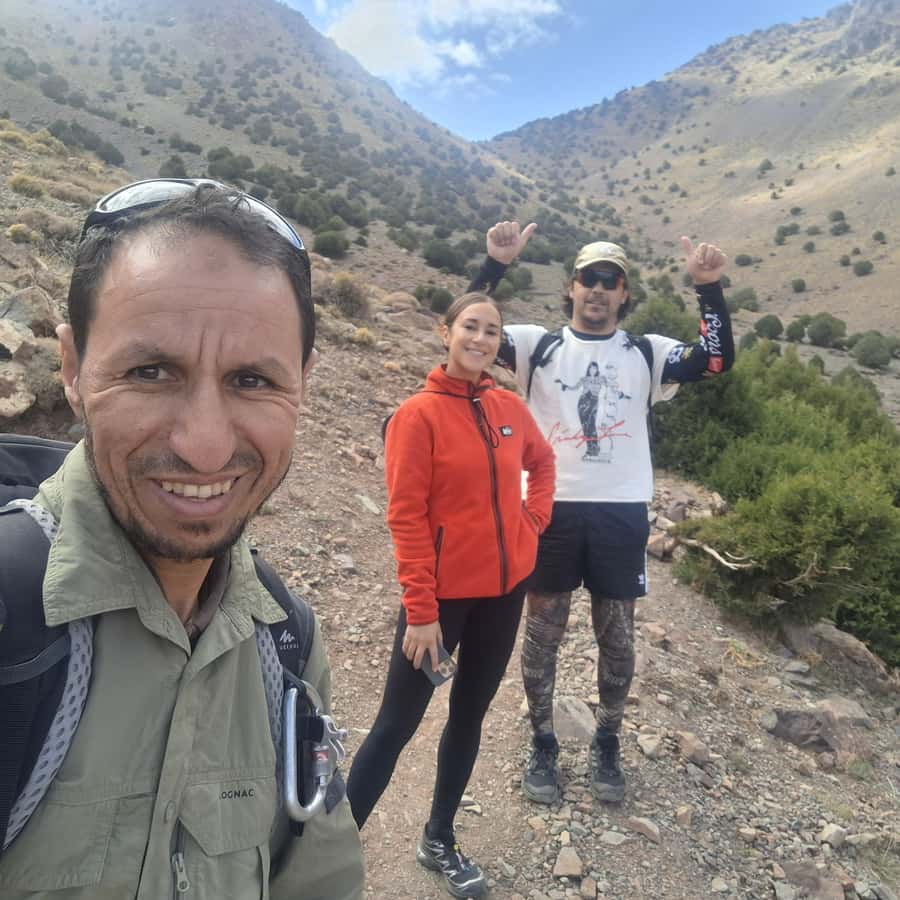
The guides can add a lot here. Names connected with this experience include Mohammed and Abdull, and both have been singled out for kindness, local explanation, and help with photographs or small practical needs. Your assigned guide may be different, but you can ask when booking who will lead your group.
Cooking Moroccan food from market ingredients
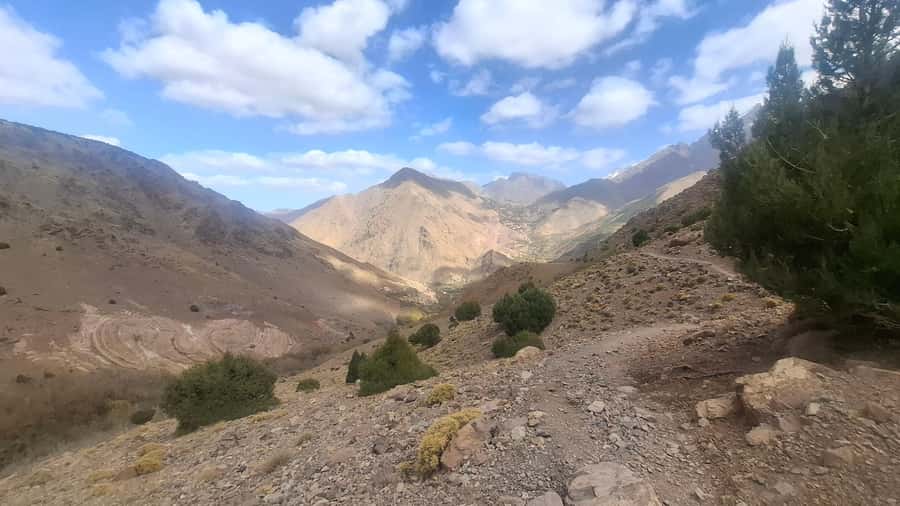
The cooking class begins at the guesthouse after the village walk. The menu comes from the ingredients bought in Asni, and dinner follows the class.
This is one of the most worthwhile parts of the itinerary because it turns a meal into an activity. You are not just eating tagine in a restaurant. You are learning how a local meal comes together, with the guide or host explaining the basic steps as you work.
The food has been a major strength of this experience. Tagine and bread receive particularly warm praise, and home-prepared lunches have been described as among the best meals of a Morocco trip. One person did not enjoy the salad mix, so do not assume every dish will suit your taste. Still, the food component is clearly more personal than a standard roadside lunch.
The information does not specify the exact recipe, cooking equipment, or class length. I would therefore treat it as a hands-on household cooking session rather than a formal culinary school lesson. That is part of its appeal. The setting is simple, and the meal is connected to the local home and market.
Dinner and the guesthouse night follow the class. Drinks are not included, so buy what you need in advance or ask the guide where to purchase beverages.
Spending the night in a local guesthouse
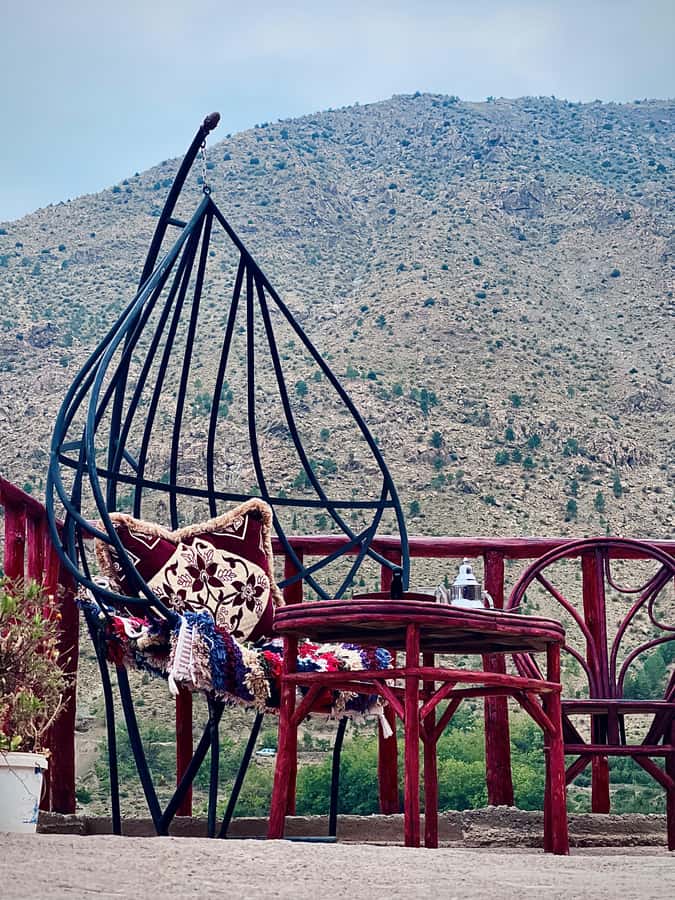
The overnight stay is in a charming local guesthouse in the Imlil area. This is basic accommodation, not a resort, and you should pack with that in mind.
The supplied details do not specify private bathrooms, room arrangements, or exact facilities. One booking described the bathroom and restroom as less comfortable than expected. That does not make the stay unsuitable, but it does mean you should be ready for simple standards.
Bring a change of clothes, flip-flops, and a small daypack. Flip-flops are useful after hiking, while a daypack keeps your essentials close during the walks and mule ride. The accommodation includes dinner and breakfast, so you do not need to plan a separate evening meal.
The night matters because it slows the trip down. You get a chance to eat, sleep, and wake in the mountain valley instead of rushing back to Marrakech after the village visit. If your main goal is a polished hotel stay, this may not be the right choice. If you want a local home-style setting, it fits better.
Mule ride and the Tizi Mzik forest
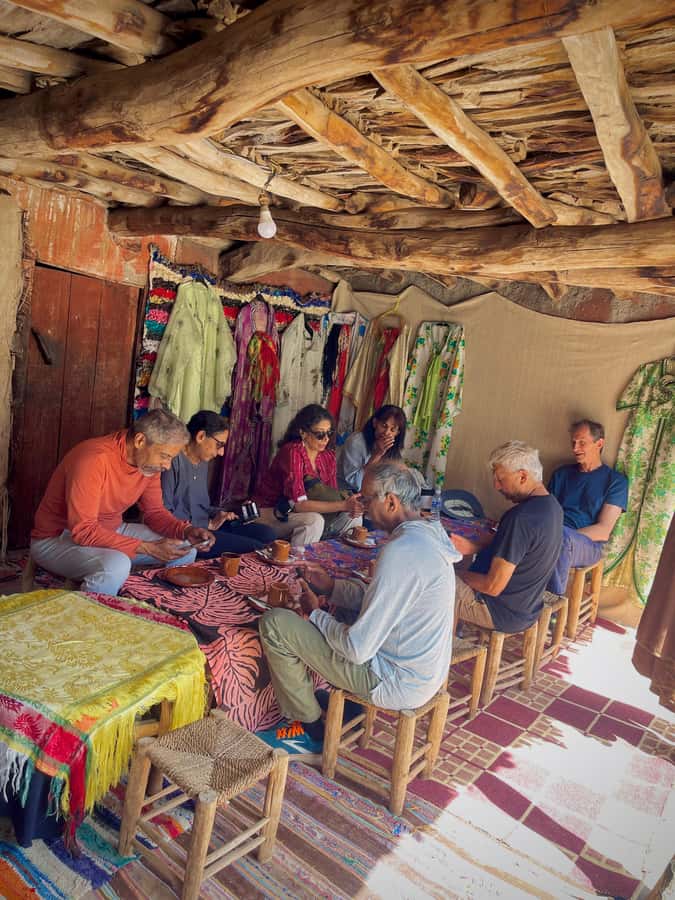
After breakfast, day two is devoted to the outdoors. The schedule combines mule riding with walking toward the forest of Tizi Mzik.
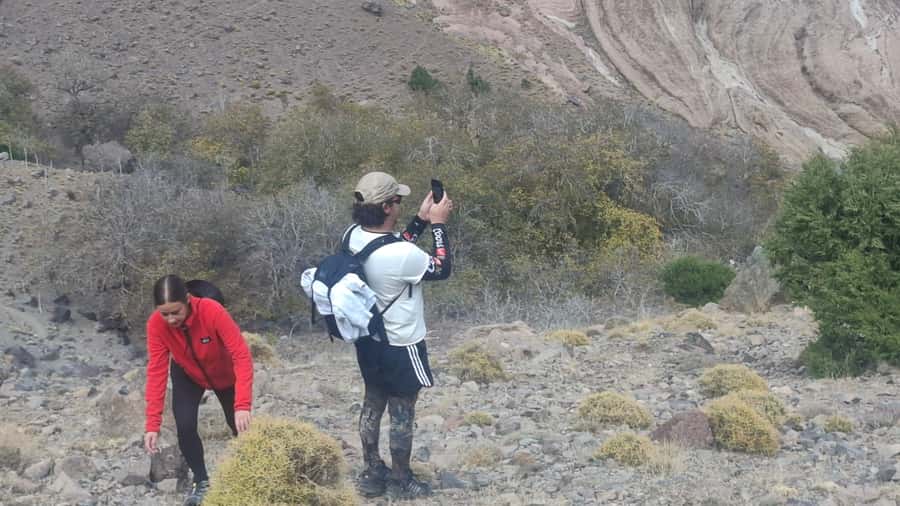
The total hike covers about three hours there and back. That is a real walk, though it is not described as a technical mountain trek. You should have comfortable shoes, and hiking or trekking shoes are a sensible choice. The provider lists the outing as unsuitable for people with mobility impairments.
The mule ride can reduce the effort on parts of the route, but it does not remove the need to walk. The exact balance between riding and hiking may depend on the group and conditions. If you have knee problems, limited balance, or little experience on uneven paths, ask for a clearer description before paying.
The forest stop gives day two a different feel from the open plateau and village streets of day one. You will have time outdoors, mountain views, and a slower route through the countryside. The guide’s role is important here, especially for setting a comfortable pace and keeping the group together.
Lunch outdoors, then back to Marrakech
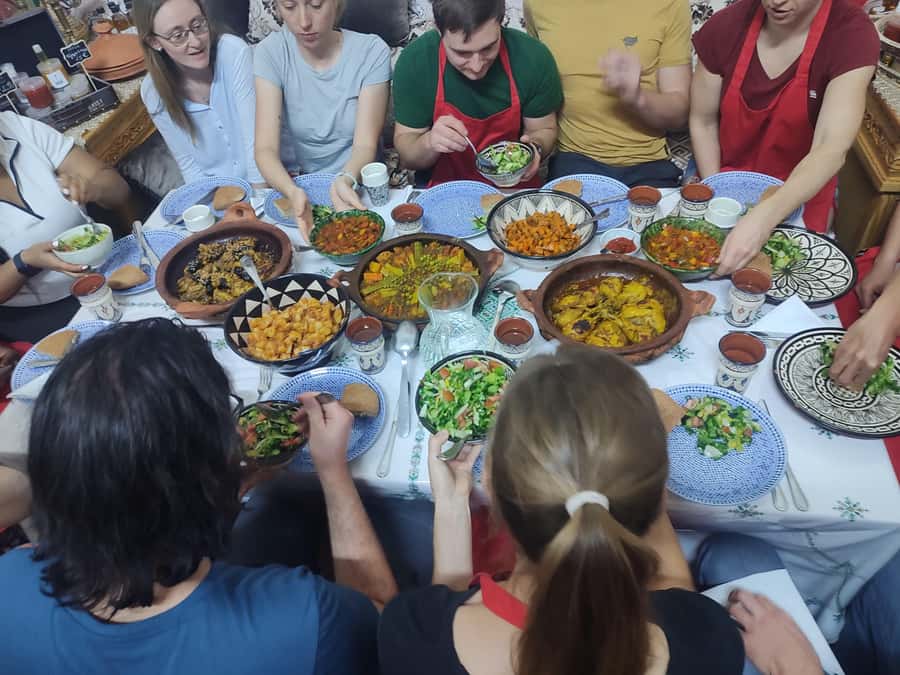
A chef prepares lunch in nature during the second day. This is another practical touch that makes the trip feel connected to the setting. You are not simply hiking until a restaurant appears. The meal is part of the outdoor outing.
The schedule aims to return to Imlil by 15:00, followed by the drive back to your Marrakech hotel. The return journey means you should not plan a tight evening reservation in the city. Traffic, road conditions, and the group’s pace can affect the timing.
Two lunches are included in the package: the first after reaching the local house and the second outdoors on day two. Breakfast and dinner are included as well. Drinks remain outside the package, so plan for that small extra cost.
This final day is best for people who want a mix of movement and comfort. You walk for several hours, but you also have mule support and a prepared meal. It is more active than a simple village tour, yet far less demanding than a multi-day trek with full camping equipment.
What to pack for comfort
The packing list is practical rather than technical. Bring comfortable shoes and proper hiking shoes if you have them. The route includes village paths, a forest walk, and a three-hour round trip, so flimsy fashion shoes are a poor choice.
Pack:
- A small daypack
- A change of clothes
- Hiking or trekking shoes
- Comfortable everyday shoes
- Flip-flops
- Basic trekking gear
- Money for drinks
The clothing advice matters because the tour combines camel riding, walking, food preparation, and an overnight stay. You will be more comfortable with clothes that can handle dust and cooking splashes.
Pets are not allowed. The activity is also not suitable for people with mobility impairments, given the village paths, mule ride, and forest hike.
Who gets the best value from $35
At $35, this is unusually broad value if you want many activities in one short trip. Private transport alone can make a mountain outing worthwhile, and here you also receive accommodation, four included meals across the two days, a camel ride, guiding, and the mule and hiking program.
The price does come with tradeoffs. You should not expect luxury transport, polished hotel facilities, or a carefully timed private expedition. The experience depends on the condition of the vehicle, the quality of the assigned guide, and your comfort with simple accommodation.
I would recommend it most strongly to first-time visitors who want to see beyond Marrakech without committing to a long trek. It also suits couples, friends, and small groups who enjoy food activities and village contact.
I would think twice if you want a quiet luxury escape, dislike long drives, need fully accessible paths, or expect detailed commentary throughout every part of the journey. One driver was friendly but spoke very little English, so the guide and driver may not provide the same level of explanation.
Free cancellation up to 24 hours before departure and the option to reserve now and pay later make the booking less risky. Still, confirm the pickup point, language, vehicle condition, room setup, and dietary needs before departure.
Should you book this Atlas Mountains trip?
Book it if you want a low-cost, activity-packed introduction to the Atlas foothills. The strongest reasons are the market-based cooking class, the warm local food, and the chance to combine camel riding, mule riding, village walking, and an overnight stay in one short program.
Skip it if your priority is a long, quiet trek or comfortable hotel service. The drive takes time, facilities are simple, and the second day requires several hours on foot.
For most people with two free days in Marrakech, I think the mix is appealing. Pack good shoes, accept the basic guesthouse, leave room in your schedule for the return drive, and you are paying a modest price for a broad look at mountain life.
FAQ
How long does the Atlas Mountains experience last?
The experience lasts two days. Pickup from Marrakech begins at 10:00 on day one, and the group is scheduled to return to Imlil by about 15:00 on day two before driving back to Marrakech.
Is pickup from my Marrakech accommodation included?
Yes. Pickup is included from your address in Marrakech city. The provider can collect you even when an accommodation is located in a small alley.
What languages does the guide speak?
Guiding is available in English, French, and Spanish. The exact guide can vary, and some drivers may provide less commentary in English than the main guide.
Is the camel ride included?
Yes. The camel ride takes place at the Kik Plateau and lasts about 40 minutes.
What meals are included?
The package includes one dinner, one breakfast, and two lunches. The evening meal follows the cooking class, while the second lunch is prepared outdoors during the day-two hike. Drinks are not included.
How much walking is involved?
The first day includes a short village walk. The second day combines mule riding with a hike of about three hours round trip toward the Tizi Mzik forest.
What should I bring?
Bring comfortable shoes, hiking shoes, a change of clothes, flip-flops, a daypack, and trekking gear. Pets are not allowed, and the activity is not suitable for people with mobility impairments.
Recently reviewed around Marrakech
- 4-Days Marrakech to Marrakech Désert Tour★ 5.0 · 17 reviews
- Camel ride at sunset in Marrakech palm grove★ 5.0 · 17 reviews
- Agafay camel ride★ 5.0 · 20 reviews
- Camel riding in marrakech★ 4.5 · 17 reviews
- Agafay Desert Adventure, Culture, and Relaxation, From Marrakech★ 5.0 · 25 reviews
- Marrakech to Atlas Mountains and 4 Valleys Day Trip★ 5.0 · 17 reviews
- Quad excursion to the Agafay desert near Marrakech★ 5.0 · 44 reviews
- Camel ride and dinner Agafay desert★ 5.0 · 25 reviews
Atlas Mountains Day Trips, compared.
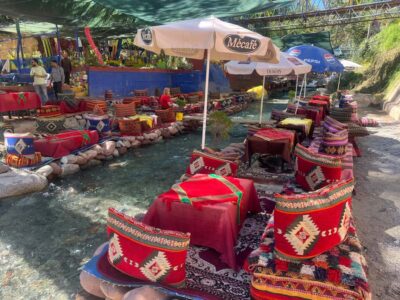
Atlas Mountains, Ourika Valley, Waterfall & Lunch
Read our review →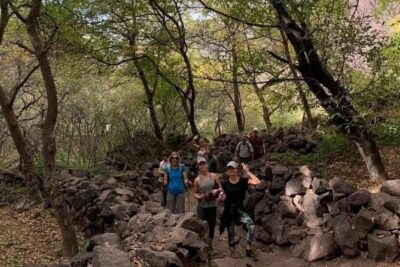
Berber villages : Atlas Mountains Day Hike from Marrakech
Read our review →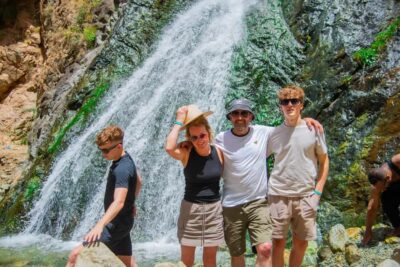
Ourika Waterfalls, Atlas Mountains, Guide + Lunch
Read our review →
Atlas Mountains & Agafay Desert Tour w Camel Ride
Read our review →
Atlas Mountains, Waterfalls, Ourika Valley +Lunch
Read our review →
Atlas Mountains & 5 Valleys Tour from Marrakech – All inclusive –
Read our review →Browse the lists this tour appears in