
Reviewed · CITY TOURS
Fez: Walking Tour in the Ancient City of Fez
Fez is easiest to appreciate once someone helps you read its maze. On this three-hour walk, guide Mustafa leads you through the old medina, from the patterned courtyards of Bou Inania Madrasa to the leather tanneries, artisan workshops, old schools, shrines, and squares that give the city its character.
I like two things right away: the tour is built around history rather than shopping, and Mustafa gives you practical advice for exploring on your own later. The steady pace also matters here. You will walk a lot, but the route is designed to show you the main sights without making you feel hurried.
The main consideration is that this is a general group tour, not a private walk. The medina has narrow lanes, uneven footing, and religious sites with cultural rules, so wear closed-toe shoes and modest clothing, and confirm the exact meeting point before setting out.
In This Review
- Key points to know before you book
- Why a guide matters in Fez medina
- Bou Inania Madrasa and the art of Fez
- The tanneries: an old trade in plain view
- Schools, shrines, and the city’s religious heart
- Seffarine Square and the working quarters
- What makes the historical focus valuable
- The guide and the pace
- Is $28 a good value?
- Who will enjoy this Fez walk
- Should you book it?
- FAQ
- How long is the Fez walking tour?
- What time does the tour begin?
- Where does the tour meet?
- Where does the tour finish?
- Which languages are available?
- Is this a private tour?
- Is entry to Al-Attarine Madrasa included?
- Are purchases required at the artisan workshops?
- What should I wear and bring?
Key points to know before you book
- Bou Inania Madrasa and Al-Attarine Madrasa: See two of Fez’s finest examples of Moroccan religious architecture, with Al-Attarine available for an extra entry fee.
- A history-first route: The focus stays on landmarks, traditions, and city life, with no pressure to buy from workshops or shops.
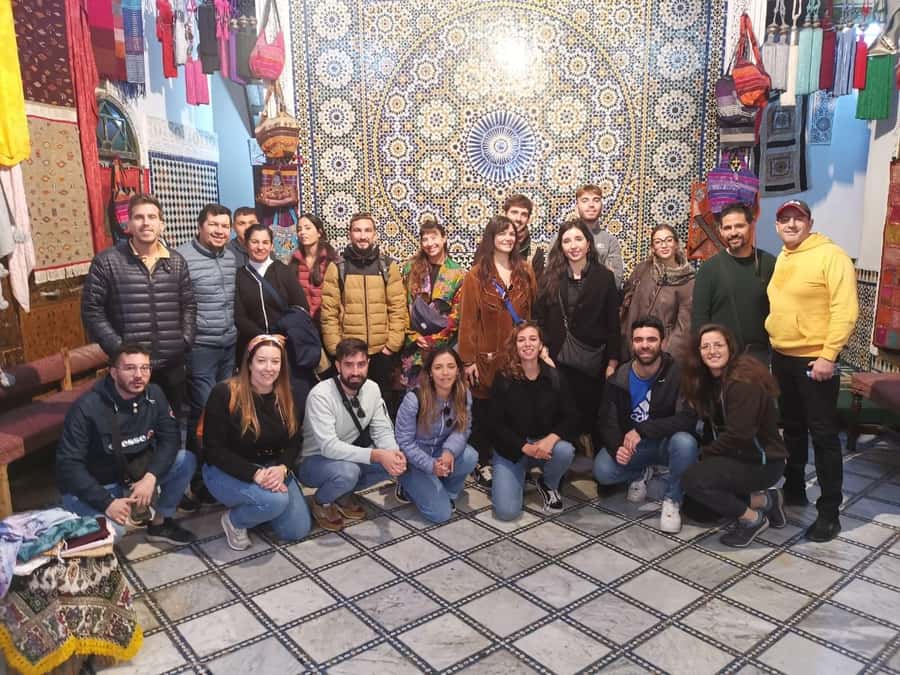
- Mustafa’s local guidance: Expect explanations in English, Italian, or Spanish, along with advice for finding your way around later.
- The tanneries and artisan workshops: Watch leather-making and traditional crafts in working settings rather than only seeing finished souvenirs.
- A useful first-day orientation: The route helps you understand the medina before you attempt it alone.
- $28 for three hours: The price is fair if you want a strong introduction to Fez without paying for a private guide.
Why a guide matters in Fez medina
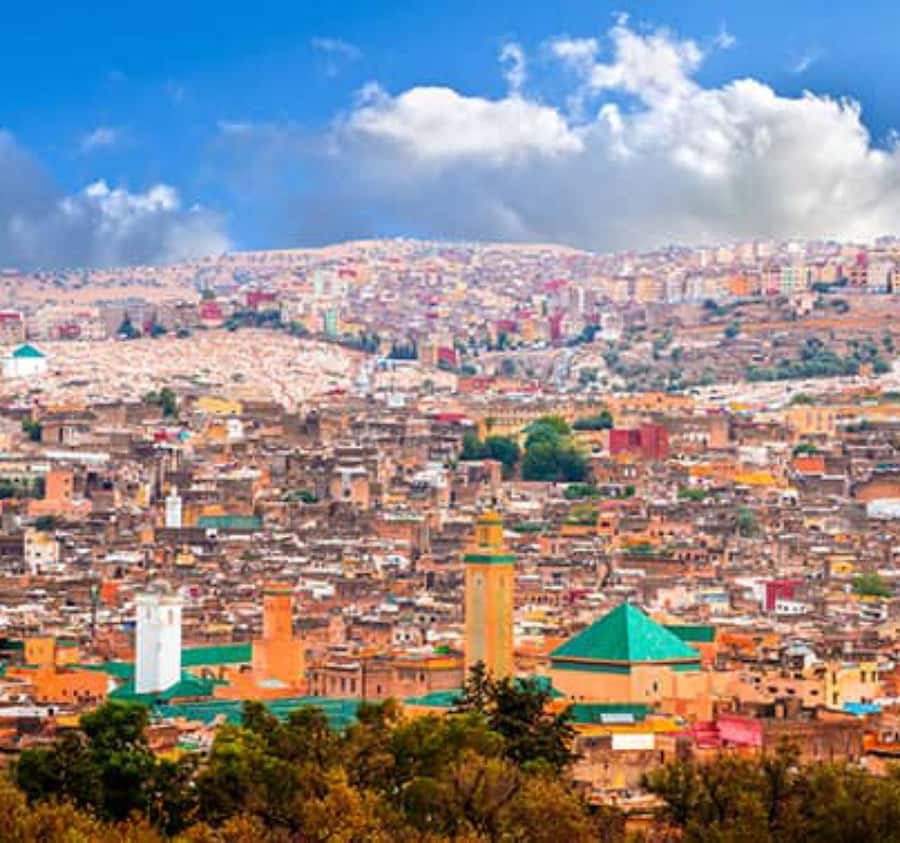
Fez medina is not a place I recommend treating like a simple grid on a phone map. Its lanes twist through different quarters, signs can be easy to miss, and important buildings often sit behind unassuming doors or along passages crowded with everyday activity.
That is why this walk works best early in your stay. You are not just checking off monuments. You are learning the basic shape of the old city, seeing which areas connect, and getting a sense of where you might return for a slower look.
The route begins at 10:30 AM at Batha Bus Stop. Mustafa meets the group there and leads you into the medina on foot. The meeting point may vary with the option you book, so check your confirmation rather than assuming Batha is always the final arrangement.
This is a group walk, and the advertised languages are English, Italian, and Spanish. A group setting can mean less flexibility than a private tour, but it also keeps the $28 price low. The pace is described as steady, and the route takes about three hours.
More City Tours in Fez
- Blue City magic: Affordable Day Trip from Fez to Chefchaouen
★ 4.6 · 1,960 reviews - Private Half-Day Tour of the Authentic City of Fez
★ 5.0 · 199 reviews - Day Trip to Chefchaouen the blue city
★ 4.0 · 187 reviews
Bou Inania Madrasa and the art of Fez
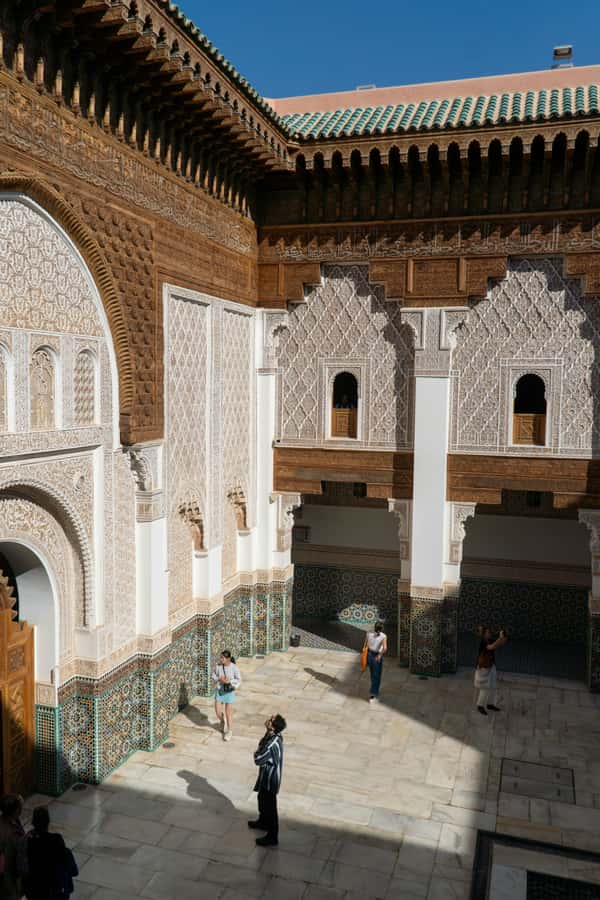
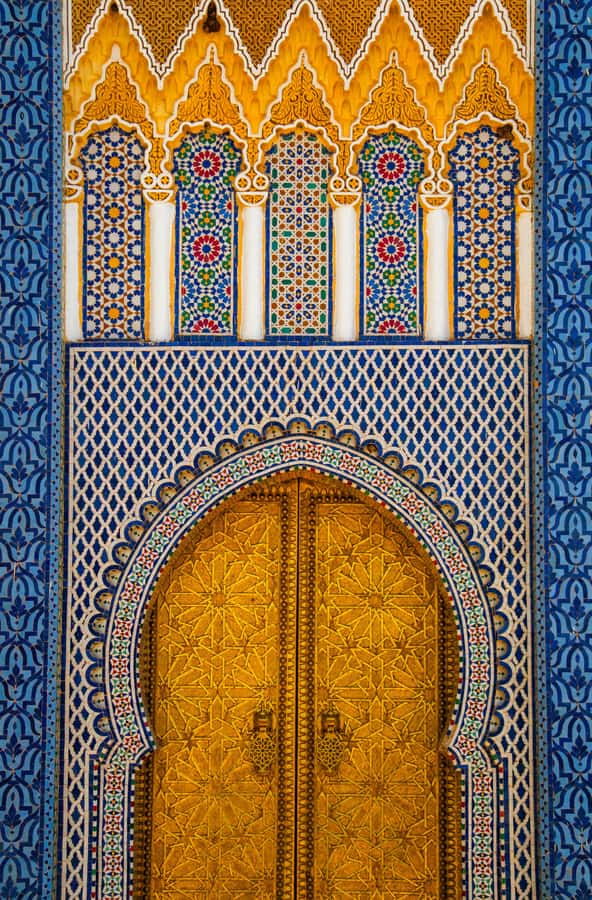
Bou Inania Madrasa is one of the major sights on the route, and it gives you an immediate lesson in Moroccan design. Look for the careful tile patterns, carved plaster, and carved woodwork. The building is not simply an old school to photograph. It shows how education, religion, craft, and public life were linked in historic Fez.
Mustafa’s role is especially useful at places like this. Architecture in Morocco can look dazzling at first glance, but a guide can point out what you are seeing and explain why a madrasa mattered. You get more from the details when someone helps you place them in the city’s story.
The walk also includes the Museum of Woodworkers, Foundouk Nejjarine, and the School of Cooks. These stops widen the focus beyond grand religious buildings. Fez developed through skilled trades, teaching, lodging for merchants, food preparation, and the work of craftspeople.
You should expect a lot of visual detail packed into a short time. Three hours is enough for an introduction, but not enough to linger at every site. Take notes or mark places you want to revisit afterward.
The tanneries: an old trade in plain view

The tanneries are among the most memorable stops because they show a working craft rather than a preserved monument. You can watch the traditional process of preparing and dyeing leather, with hides arranged in the tanning area and color spread across the scene.
This is also one of the tour’s more commercial-looking moments, since shops are often found near major viewing points. The important distinction here is that you are not required to buy anything. The tour is presented as historical and cultural, and its stated purpose is to explain the trade and the work behind the products.
If you are sensitive to strong smells, the tanneries may be challenging. The supplied information does not promise any special accommodation for this part of the route, so treat it as a practical consideration. Still, seeing leather-making in place gives you a clearer understanding of Fez than simply passing a shop window.
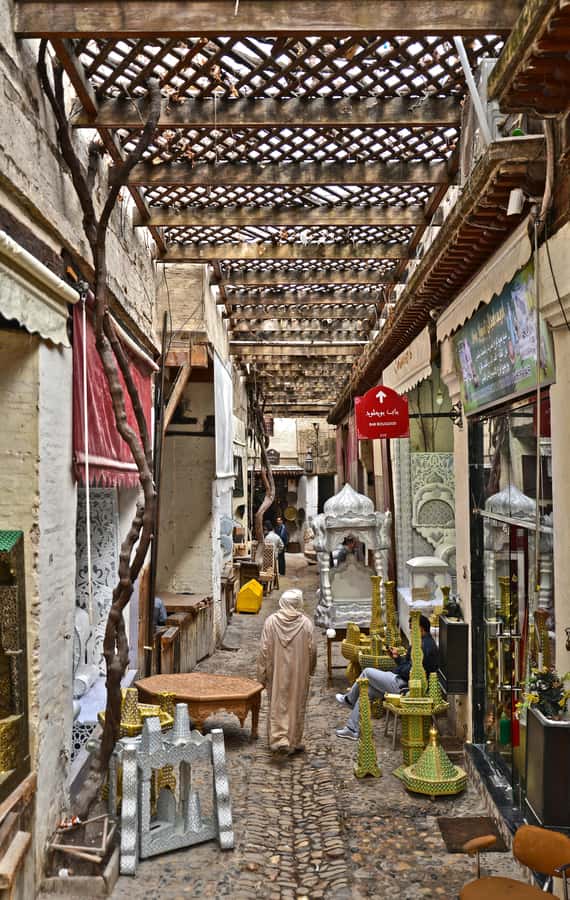
The same approach applies to the artisan workshops. You can watch craftspeople at work and learn how traditional goods are made. I like this because it lets you connect the finished object with the time and skill required to produce it, without turning the walk into a compulsory shopping trip.
Schools, shrines, and the city’s religious heart
The route continues to Al-Attarine Madrasa, one of the city’s notable historic schools. Entry is optional and costs extra, so decide based on your interest in architecture and your remaining budget. If Bou Inania has already given you a taste of madrasa design, Al-Attarine offers a useful comparison.
The tour also includes the Mosque and Mausoleum of Moulay Idriss, the Mosque and Mausoleum of Sidi Ahmed Tijani, and Dar Dheb. These places help explain the religious importance of Fez and the role of shrines in the city’s identity.
The Kairaouine Mosque and University are included in the tour description as part of the historical experience. Keep in mind that a guided visit to a major religious site can involve limits on where non-Muslim visitors may go. The information supplied does not promise full interior access, so ask Mustafa what you can see on the day.
Modest dress is a sensible choice throughout this section. Cover your shoulders and knees, and choose clothing that lets you walk comfortably in warm or cool weather. Fez can be chilly in winter, so layers are useful, especially for a morning start.
More Walking Tours in Fez
- Explore Fes: Unforgettable Guided Walking Tour of the Medina
★ 4.7 · 1,339 reviews - Exclusive Fez Medina Walking Tour with Private Guide
★ 5.0 · 392 reviews - Fez: Guided Walking Tour of the Historic Medina
★ 5.0 · 359 reviews - Fez Medina 4-Hour Guided Walking Tour
★ 4.5 · 248 reviews
Seffarine Square and the working quarters
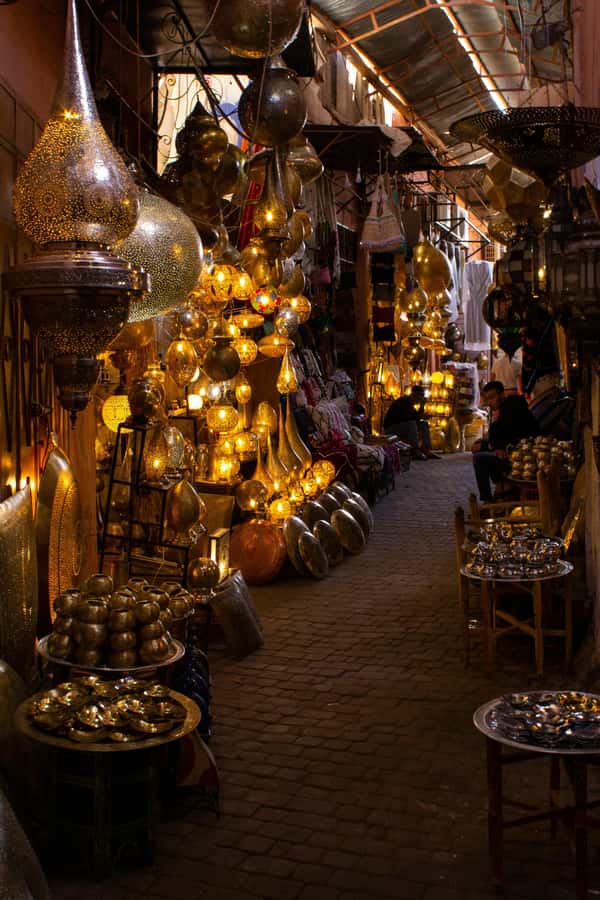
Seffarine Square gives the route a change of pace. After the formal beauty of madrasas and shrines, you see a public space tied to everyday work and movement through the medina. It is a good place to notice how Fez is not an outdoor museum. People live, work, study, worship, and shop here.
The Museum of Woodworkers and Foundouk Nejjarine add more context to this working side of the city. A foundouk traditionally served as a place connected with merchants, goods, and trade. On a short tour, the value of these stops is not only the buildings themselves. They help you understand why craft quarters and commercial routes developed where they did.
Mustafa also points out the School of Tanners and School of Cooks. These names may sound unusual on a standard sightseeing route, but they fit the tour’s main idea: Fez’s past is tied to training, work, and specialized trades as much as to palaces and monuments.
The walk finishes at R’cif Square, with a listed drop-off location of Sandwich du Hamid in the provided details. Since meeting and end points can vary by booking option, use the exact information sent to you. R’cif is also a useful place from which to continue exploring, provided you are comfortable navigating the medina after the group separates.
What makes the historical focus valuable
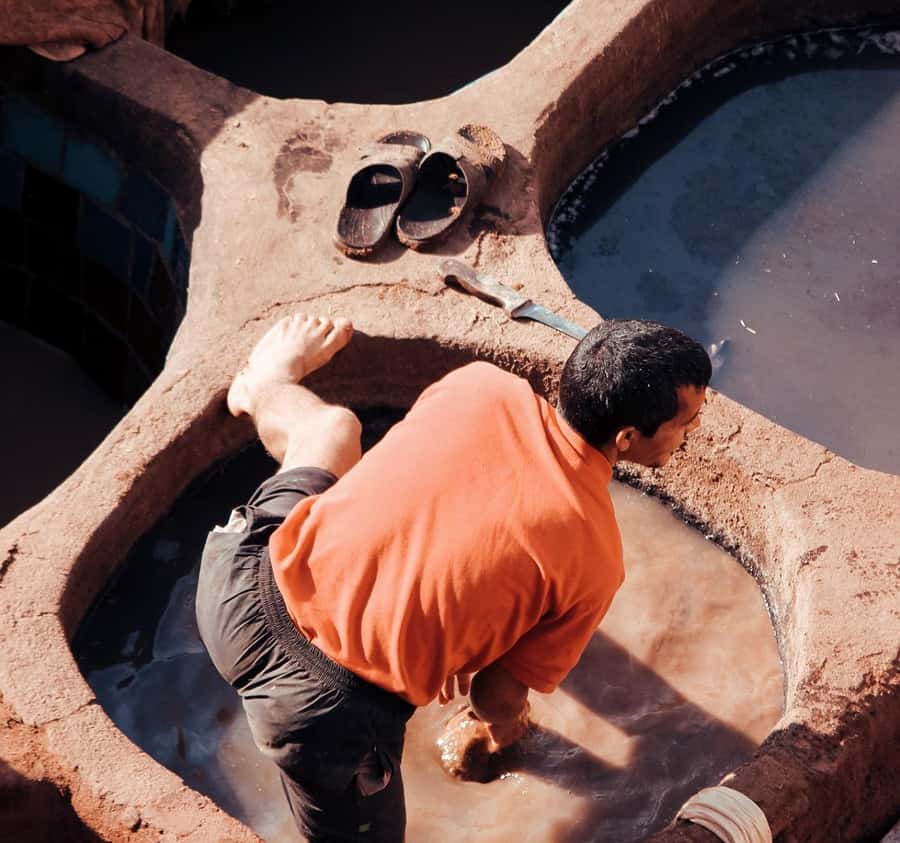
Many city walks in old medinas drift toward carpet, leather, ceramics, or jewelry shops. Those stops can be useful if you want to buy something, but they can also swallow the time meant for history.
This tour takes a clearer position. You may pass shops and artisan cooperatives, yet you are not obliged to purchase anything. The emphasis stays on buildings, trades, schools, shrines, and the structure of the old city.
That focus is particularly helpful if you already know you want to shop independently. You can learn what you are looking at first, then return later with a better sense of quality, price, and purpose. You also avoid making your first experience of Fez feel like a series of sales pitches.
The tour is not entirely free of commercial surroundings, since workshops and shops are part of medina life. That is not a flaw by itself. It simply means you should expect to encounter sales areas even though the guide is not making purchases part of the program.
The guide and the pace
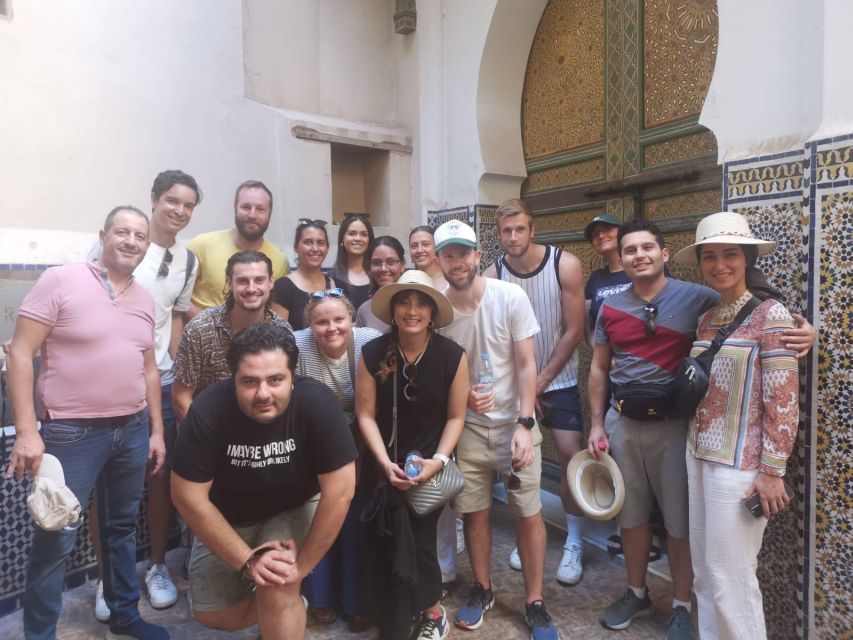
Mustafa is the central reason to consider this walk. The description presents him as a local history expert and licensed guide, and the experience is designed around his explanations rather than a pre-recorded script.
Specific praise centers on his clear explanations, local advice, friendly manner, and ability to guide people through the medina without rushing them. He has also handled mixed-language groups in English and another language, taking care to keep the explanations welcoming and light.
That matters because a guide can be factually strong but hard to follow. Here, the useful combination is historical context plus navigation help. You should come away knowing not only what a building is, but also how the streets and quarters fit together.
A three-hour route still requires reasonable expectations. You will see many places, but some stops will be brief. If you want extended time inside every madrasa, museum, or shrine, a private tour or separate visits may suit you better.
Is $28 a good value?
At $28 per person, this is a sensible price for a three-hour guided walk with a licensed guide and a long list of historic stops. You are paying mainly for interpretation and orientation, not transportation, meals, or a bundle of admission tickets.
That distinction helps you judge the value honestly. If you are happy to wander without context, you could spend less by walking independently. But Fez’s medina is complex, and the cost of a guide can save time while helping you understand places that might otherwise blur together.
Al-Attarine Madrasa requires an extra entry fee, and personal purchases, food, drinks, and transportation to and from the meeting point are not included. Plan for those costs separately.
The best value comes when you take the tour near the beginning of your visit and use Mustafa’s recommendations afterward. You can revisit a building, quarter, restaurant, or shop with more confidence instead of spending your first day simply trying to find your way.
Who will enjoy this Fez walk
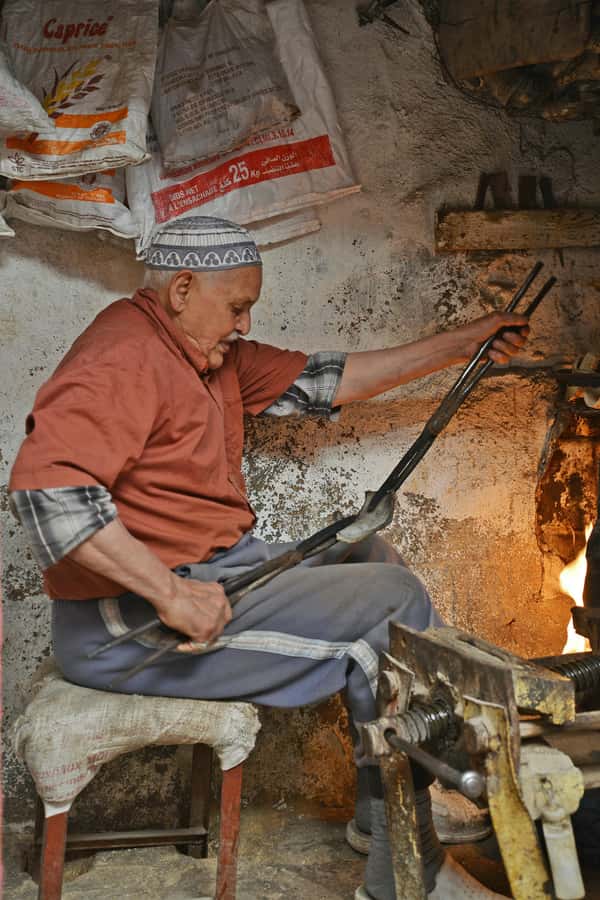
I would choose this experience if you want a broad historical introduction, prefer walking to riding between attractions, and like having a local guide explain details as you go.
It suits first-time visitors especially well. The medina can be hard to read at first, and the route gives you a practical starting point before you explore alone. It also works for people who want traditional crafts and architecture but do not want a shopping-heavy excursion.
It may be less suitable if you dislike group tours, need a slow pace, or want to spend most of the time inside a small number of monuments. The walk covers many locations, so comfortable shoes are essential. Narrow lanes and historic surfaces are part of the experience.
Bring water, dress modestly, and use layers in cool weather. Since the tour is outdoors and on foot, your comfort will affect how much attention you can give to Mustafa’s explanations.
Should you book it?
Book this tour if you want to get your bearings quickly, understand Fez through its architecture and crafts, and receive practical advice for the rest of your stay. Mustafa’s calm pace, language options, and history-first approach make the walk a strong choice at $28.
Skip it if you want a private itinerary, long visits at every stop, or transportation included. For most first visits, though, this is a useful opening lesson in Fez: you see the famous places, learn how the old city works, and leave with a better plan for exploring it on your own.
FAQ
How long is the Fez walking tour?
The tour lasts approximately three hours.
What time does the tour begin?
The stated start time is 10:30 AM.
Where does the tour meet?
The listed meeting point is Batha Bus Stop, though the exact meeting point may vary depending on the option booked.
Where does the tour finish?
The route concludes at R’cif Square. A listed drop-off location is Sandwich du Hamid, at 327G+2X9 in Fez, Morocco. Check your booking details for the exact arrangement.
Which languages are available?
The live tour guide is available in English, Italian, and Spanish.
Is this a private tour?
No. It is a general group tour, so you will likely walk with other tourists.
Is entry to Al-Attarine Madrasa included?
No. Al-Attarine Madrasa is optional, and its entry fee costs extra.
Are purchases required at the artisan workshops?
No. You can observe the traditional crafts without buying anything.
What should I wear and bring?
Wear comfortable closed-toe shoes for the narrow streets and walking route. Modest clothing covering the shoulders and knees is recommended, especially near religious sites. In winter, bring layers because Fez can be chilly.
Recently reviewed around Fez
- day trip from fez to middle atlas mountain★ 5.0 · 17 reviews
- Discover the city of Fes on foot with the best guides★ 5.0 · 27 reviews
- VIP TOUR OF FES- Medina by local guide & Rempart by car-FULL Day★ 5.0 · 74 reviews
- Private Fes Medina Walking Tour★ 5.0 · 25 reviews
- Fes to Chefchaouen Day Trip★ 5.0 · 20 reviews
- fes medina guided tour★ 4.5 · 60 reviews
- Fes to Middle Atlas Private Day Trip★ 5.0 · 48 reviews
- Fes to Volubilis, Moulay Idriss and Meknes Private Day Trip★ 4.5 · 26 reviews
City Tours, compared.
Casablanca City Tour with Hassan II mosque ticket
Read our review →
Blue City magic: Affordable Day Trip from Fez to Chefchaouen
Read our review →
Marrakech Historical and Cultural Tour – Half Day City Tour
Read our review →
Browse the lists this tour appears in