
Reviewed · MEDINA & SOUK WALKS
Fez: Guided Walking Tour of the Historic Medina
The best part of this Fez walking tour is not simply finding the famous monuments. It is seeing how the Medina works as a living neighborhood, with craftsmen at their benches, food sellers serving locals, and residents greeting a guide who grew up here. Abdul receives the strongest praise, though Abdul, Abdel, Ahmed, and Reda may lead different departures.
I like the visits to traditional artisan workshops, where you can watch leather, metal, wood, or other Moroccan crafts being made rather than seeing only finished goods in a shop. I also like the mix of major sights and quieter local streets. The main caution is simple: this is a serious walking tour, and the four-hour schedule can stretch to five, six, or even longer if the guide follows the group’s interests.
In This Review
- Key points to know before booking
- Starting at Bab Guisa
- Bou Inania Madrasa and Al-Attarine Madrasa
- The tanneries and Fez’s leather trade
- Souks, food stalls, and daily life
- Artisan workshops where the work happens
- The guide makes the difference
- How much walking should you expect?
- Is $22 good value?
- Who should book this Fez tour?
- My call: book it for local access and a flexible pace
- FAQ
- Where does the Fez walking tour start?
- Where does the tour finish?
- How long does the tour last?
- Which languages are available?
- Are Bou Inania Madrasa and Al-Attarine Madrasa included?
- Is lunch included?
- Is hotel pickup included?
- What should I bring?
- Is the tour suitable for people with mobility impairments?
Key points to know before booking
- A local view of Fez: Abdul was born and raised in the Old Medina and often adds family stories, neighborhood details, and introductions to people he knows.
- More than monuments: Bou Inania Madrasa and Al-Attarine Madrasa share the route with souks, food stalls, working neighborhoods, and craft studios.
- Leather in production: The traditional tanneries show how leather has been processed in Fez for generations.
- Shopping without a fixed sales pitch: Workshops are part of the route, but you are not required to buy anything.
- Allow extra time: The advertised duration is four hours, while the actual walk can run well beyond that.
- Prepare for the Medina: Wear sturdy shoes, carry water and sun protection, and leave large bags behind.
Starting at Bab Guisa
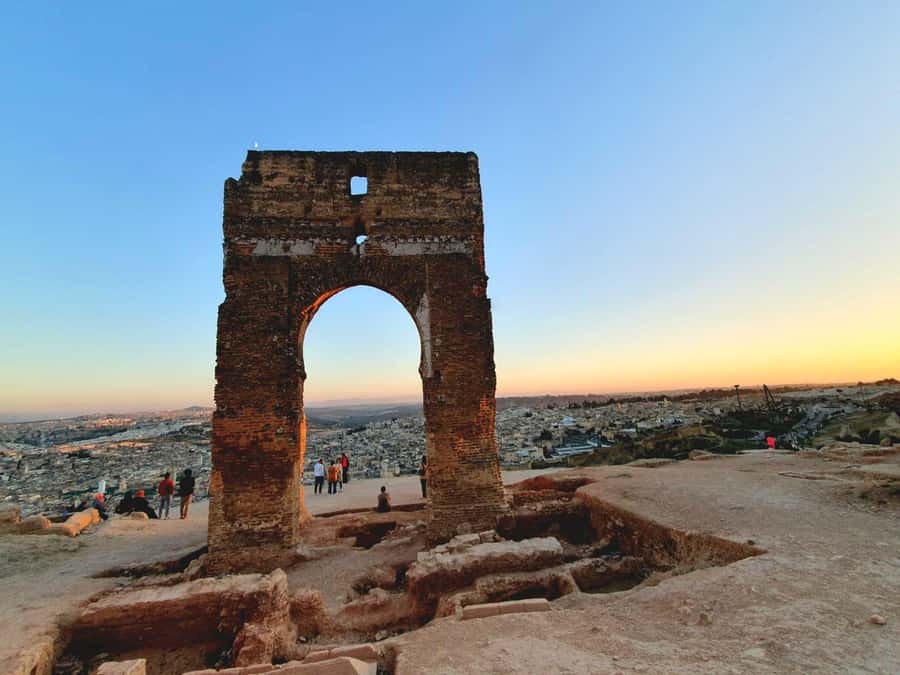
Your meeting point is the arch at Bab Guisa, one of the northern entrances to Fez’s old city. Look for a guide wearing a uniform or holding a sign with the activity provider’s logo. The tour ends back at Bab Guisa, although you can choose to continue exploring the Medina on your own.
Starting at a gate gives you an important advantage. Fez’s old city is a maze of lanes, covered passages, steps, workshops, and small squares. A map can show you the general shape, but it does not explain which turn leads to a monument, a market, a neighborhood, or a dead end. Your guide handles the route while you pay attention to the sights.
The meeting point is not a hotel pickup. You must make your own way to Bab Guisa, and hotel drop-off is not included. Bring only what you need for the walk. Large bags and luggage are not allowed, which is sensible in narrow lanes filled with people and goods.
At the start, expect a short briefing about the day. This is a good time to tell the guide if you care most about architecture, food, crafts, photography, or shopping. The guide can adjust the pace and explain what will happen next.
More Medina Walks in Fez
- Fez Medina Guided Tour
★ 4.6 · 2,079 reviews - Fes: Museum, Al Attarine Madrasa & Tannery and Medina Tour
★ 4.6 · 1,655 reviews - Explore Fes: Unforgettable Guided Walking Tour of the Medina
★ 4.7 · 1,339 reviews
Bou Inania Madrasa and Al-Attarine Madrasa
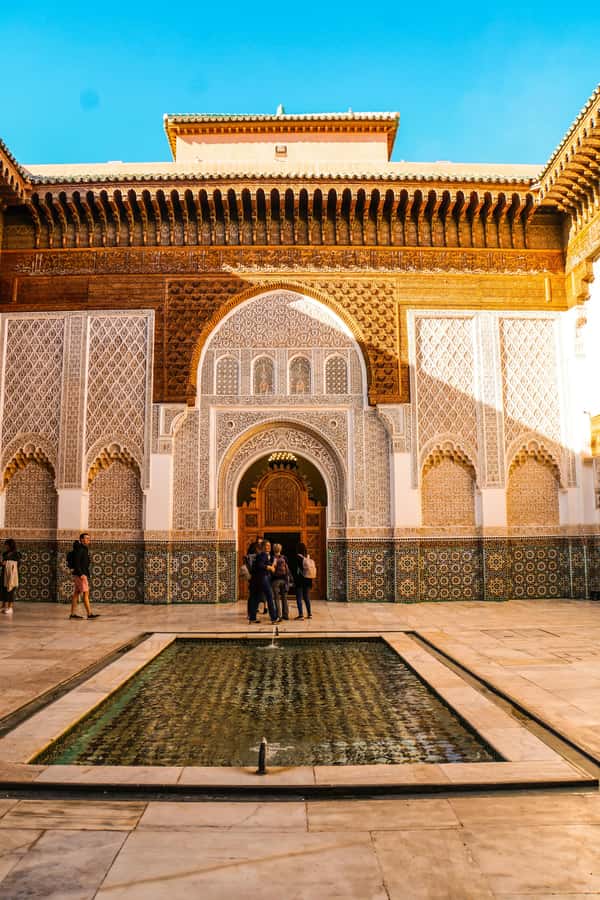
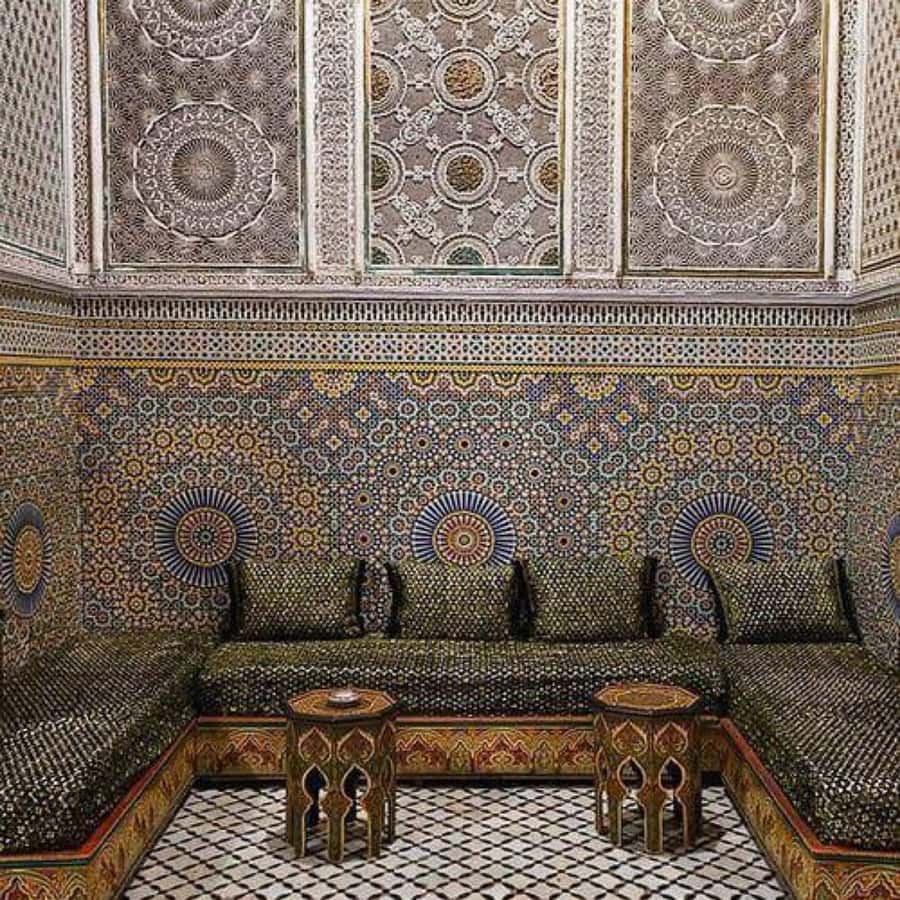
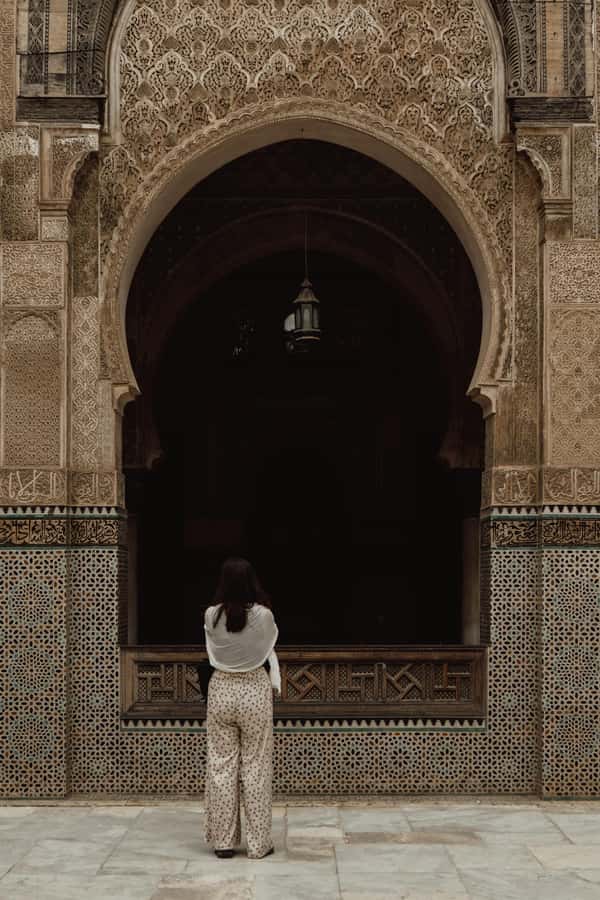
The early part of the tour focuses on important buildings in the Medina, including Bou Inania Madrasa and Al-Attarine Madrasa. These schools are valuable stops because their beauty is not just decoration. Their carved plaster, tilework, wood details, courtyards, and careful proportions reflect the religious and educational life of old Fez.
A guide adds the context that is easy to miss when you walk through alone. You can look at geometric tile patterns, carved surfaces, and architectural details, but the larger story explains why these buildings mattered and how they fit into the city’s past.
Do not expect a slow museum visit with long periods of quiet viewing. This is a walking tour, and the madrasas form part of a larger route. You will be moving between monuments, markets, workshops, and residential streets. If you want to spend a long time photographing every tile, you may need to return later on your own.
That is one reason I like doing this experience near the start of a Fez stay. It gives you a working map of the Medina and helps you decide which places deserve a second visit. One useful approach is to note the locations of the buildings and souks you want to revisit, since the lanes can look very different on the way back.
The tanneries and Fez’s leather trade
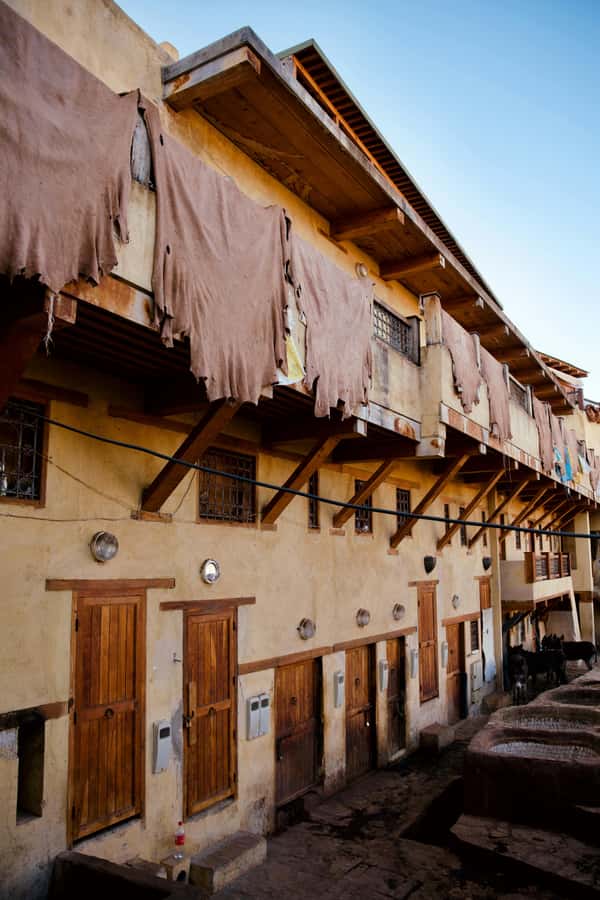
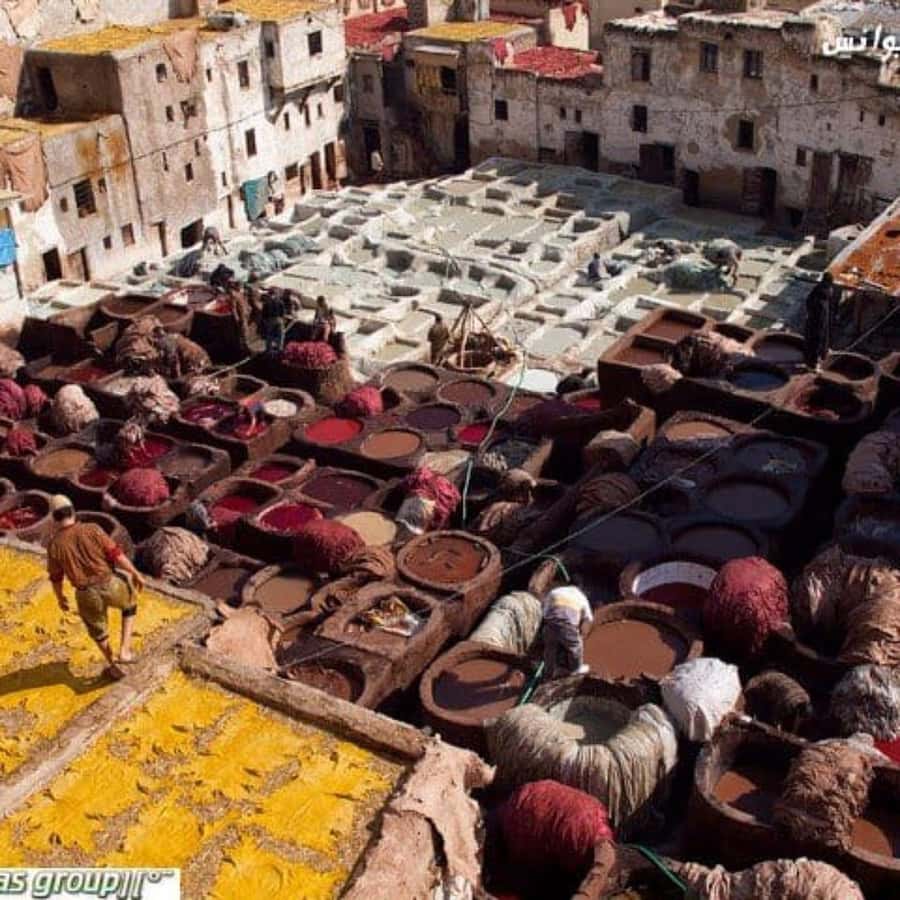
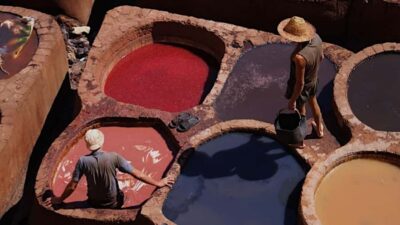
The traditional tanneries are among the most memorable stops. Here, leather is still processed using methods passed down through generations. The sight is striking: workers handle hides, colors, and processing areas in a setting that looks much as it has for centuries.
This stop shows the difference between buying a leather item and understanding how it is made. After seeing the labor involved, you may look at bags, belts, slippers, or jackets with a more careful eye. Craft production is not a quick stop on a factory line. It involves repeated work, skill, and time.
The tanneries can also be an intense experience. The smells may be strong, and the working conditions are not polished for tourism. That is part of their value, but you should be ready for an industrial process rather than a tidy display. Keep your camera charged, but stay aware of where you are walking and follow the guide’s instructions.
This is also a point where the guide’s local connections matter. A guide who knows the area can help you understand what you are seeing instead of leaving you with a quick view from a shop terrace. The tour includes visits to workshops, and you can ask practical questions about materials, methods, and the time needed to produce an item.
Souks, food stalls, and daily life
After the main sights, the route moves through the souks and local markets. This is where the tour becomes less like a monument checklist and more like a walk through everyday Fez. You may see shopkeepers, craftspeople, residents, and food sellers carrying on with normal business around you.
The difference between exploring alone and walking with a local guide is clear here. A guide can point out what a stall sells, explain a custom, help you read the rhythm of the market, and steer you through streets you might otherwise skip. Abdul is especially praised for showing parts of the Medina where tourists are less common, including local neighborhoods and quieter lanes.
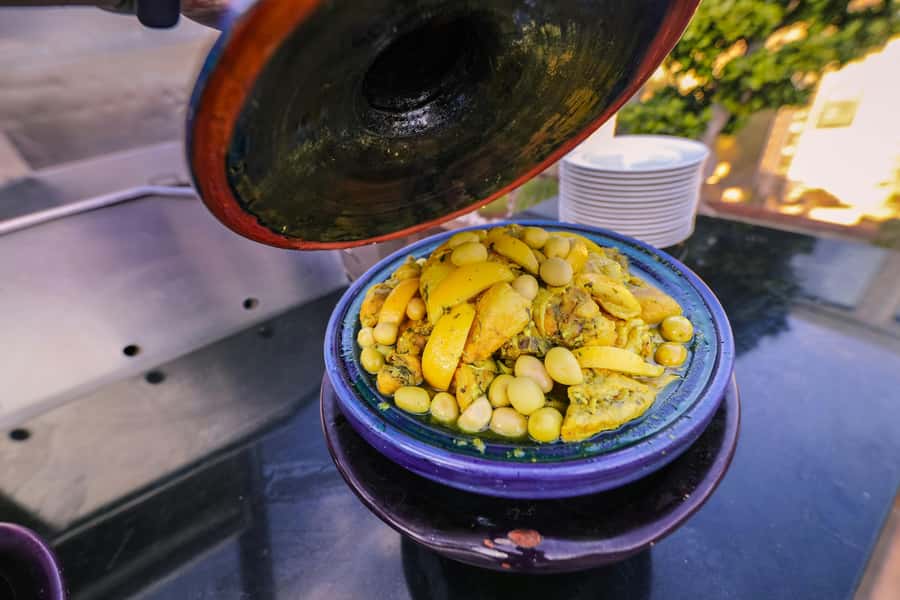
The food portion is another useful feature. The planned program includes lunch at a local Moroccan restaurant, and the walk can also include tastings of street food, fruit, sweets, nuts, pancakes, or other local items. The exact food experience may depend on the day, the guide, and what is open along the route.
Think of this as a chance to sample local flavors, not a formal cooking class or a dedicated food tour. If you have allergies, dietary restrictions, or strong food preferences, tell the guide at the beginning. The supplied details do not promise a particular menu, so do not book this expecting a specific dish.
The meal gives your feet a break, but do not assume the walking is over afterward. The route continues to artisan workshops, and the free time near the end can add more walking if you keep exploring the souks.
More Walking Tours in Fez
- Exclusive Fez Medina Walking Tour with Private Guide
★ 5.0 · 392 reviews - Fez Medina 4-Hour Guided Walking Tour
★ 4.5 · 248 reviews - Private walking tours Fez Medina
★ 4.5 · 164 reviews - Half-Day Private Guided Walking Tour Of Fez Medina
★ 5.0 · 136 reviews
Artisan workshops where the work happens
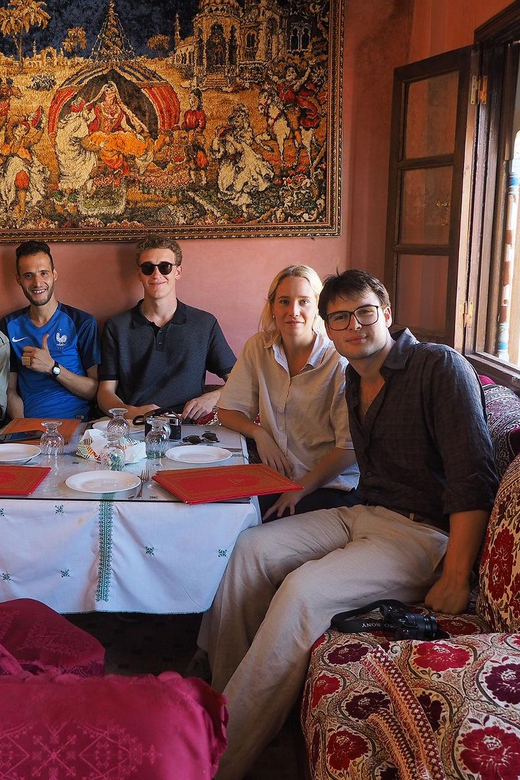
The workshop visits are the heart of this experience for many people. Instead of seeing only finished souvenirs behind glass, you can watch skilled artists at work. The focus is on traditional handicrafts and the techniques that keep these trades alive.
I find this more useful than a standard shopping stop because it gives you a way to judge quality. You can see the materials, the tools, the stages of production, and the handwork involved. That makes a purchase more meaningful, and it may help you avoid treating every similar-looking item as equal.
The workshops also provide access. Some places are difficult to notice from the street, and a visitor walking alone may not know if it is appropriate to enter. A local guide can introduce you, explain the craft, and translate questions. Abdul is often described as having friendly relationships with people across the Medina, which can make these visits feel more personal.
You should still keep your buying decisions clear. The tour includes workshops, but buying is not listed as a requirement. You can watch, ask questions, and leave without purchasing. If you do want souvenirs, use the tour to learn about the work first, then compare prices and quality before committing.
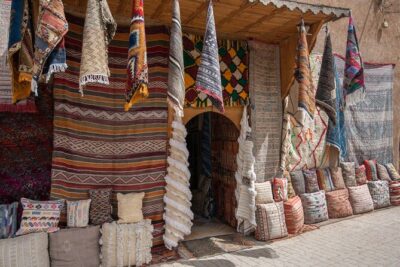
The experience is particularly useful if you are interested in Moroccan rugs, leather, metalwork, woodwork, ceramics, or other handmade goods. The exact workshops can vary, so the tour should not be treated as a guarantee of one specific product.
The guide makes the difference
The activity is sold with a live guide in English, French, or Spanish. The most consistently praised guide is Abdul, who grew up in the Medina and brings personal family and neighborhood stories into the walk. He is also described as speaking excellent English and French, while the activity information lists Spanish as an available language.
Other departures may be led by Abdel, Ahmed, or Reda. This matters because the strongest feature of the tour is the guide’s personality and local knowledge. A good guide can turn a complicated route into a clear story. The guide can also help with practical questions, food choices, workshop etiquette, and shopping.
Abdul’s style appears to be generous with time. Some walks last much longer than the stated four hours because he answers questions, adds extra stops, or follows an interesting moment in the neighborhood. One group encountered musicians preparing for a wedding and ended up hearing traditional music and dancing with local people.
That flexibility can be wonderful if you enjoy an unhurried day. It can be inconvenient if you have a train, dinner reservation, or another tour soon afterward. I would keep the rest of your schedule open, especially if you want to take advantage of the guide’s extra recommendations.
The personal element also appeals to families. One group traveling with children and a stroller received careful help through narrow streets, steps, and constant activity. Still, the official information says the tour is not suitable for people with mobility impairments, so you should judge your own walking ability carefully rather than relying on one flexible experience.
How much walking should you expect?
The Medina is not a flat, open-air promenade. Expect narrow lanes, uneven surfaces, steps, crowds, and frequent stops. The supplied preparation list calls for comfortable shoes, and that advice is not optional.
Several participants ended up walking for five to eight hours because the guide kept showing them more of Fez. The advertised duration is four hours, and you should plan around that as the formal schedule, but leave a generous buffer. Do not book a tight transfer, timed attraction, or dinner immediately afterward.
A sun hat, sunscreen, umbrella, camera, and charged smartphone are recommended. The umbrella can help with sun or rain, while the smartphone is useful for contacting the provider or saving photos and directions. Carrying a large day bag is not practical, and large luggage is specifically not allowed.
Sleeveless shirts are also not permitted. Dress with the Medina’s religious and cultural setting in mind, using clothing that covers the shoulders. Bring a passport or identification card, with a copy accepted according to the activity information.
Is $22 good value?
At $22 per person, this is a low-cost way to hire a local guide for a substantial introduction to Fez. The price includes the walking tour, guide, and workshop visits. It does not include hotel transportation, and the activity information does not list entrance fees or meals as separate included items, so confirm the lunch arrangement when booking.
The value comes from navigation and interpretation rather than transport or luxury. You are paying for someone who can connect the grand architecture with daily life, guide you through the souks, introduce you to craftspeople, and help you understand what you are seeing.
The price looks especially good if you are visiting Fez for the first time. A four-hour orientation can save you time and reduce the stress of getting lost in the Medina. It can also help you return later to the places you liked best.
The main value question is your preferred tour style. If you want a tightly timed route with a fixed list of stops, this experience may feel loose. If you like asking questions, pausing for food, entering workshops, and following local details, the flexible pace is a strength.
The booking terms are practical. You can cancel up to 24 hours before the activity for a full refund, and you can reserve now while paying later. Check the available starting times before you commit, since the tour lasts four hours on paper but may run longer in practice.
Who should book this Fez tour?
I would recommend it most strongly to first-time visitors who want help finding their way around the Medina. It also suits travelers who care about history and architecture but do not want a tour limited to famous buildings.
Craft shoppers should consider booking early in their stay. Seeing how goods are made can help you make better choices later, and the guide may point you toward shops with quality products and fairer prices. You are still responsible for deciding what to buy, but the context is useful.
Food lovers will appreciate the Moroccan lunch and possible street tastings, though this is not a dedicated food tour. Families may benefit from the guide’s care and flexibility, but strollers and mobility needs require careful thought because the route includes narrow lanes and steps.
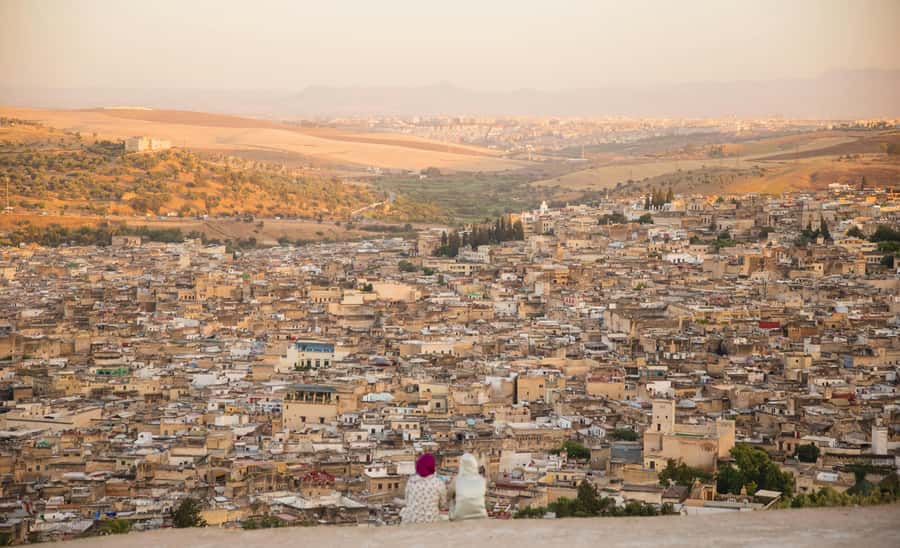
Independent-minded visitors can also enjoy it. This is not simply a speech followed by a march from one sight to the next. The guide may show you neighborhoods, local markets, viewpoints, workshops, and personal places that are difficult to find alone.
I would skip it if you dislike walking, prefer guaranteed short timing, or want a fully accessible route. I would also avoid carrying shopping luggage during the tour.
My call: book it for local access and a flexible pace
Book this tour if you want Fez explained by someone connected to its streets, crafts, and people. The madrasas and tanneries give you the classic sights, while the markets, food, workshops, and neighborhood stories supply the character.
My practical advice is to schedule it on your first day in Fez, wear your best walking shoes, and keep the rest of the day free. Choose Abdul if his departure is available, while remembering that the assigned guide may be Abdel, Ahmed, or Reda.
At $22, the tour offers strong value, especially for a first visit. Just treat four hours as a minimum framework, not a hard finish time.
FAQ
Where does the Fez walking tour start?
The tour starts at the arch at Bab Guisa. Look for a guide in uniform or holding a sign with the activity provider’s logo.
Where does the tour finish?
The planned return point is Bab Guisa. After the tour, you can return to your hotel independently or continue exploring the Old Medina.
How long does the tour last?
The advertised duration is four hours. You should allow extra time because the walk may run longer depending on questions, stops, and the group’s pace.
Which languages are available?
The live guide service is available in English, French, and Spanish.
Are Bou Inania Madrasa and Al-Attarine Madrasa included?
Yes. Both madrasas are named stops on the walking route, where the guide explains their architecture and history.
Is lunch included?
The program includes a Moroccan lunch at a local restaurant. The walk may also include tastings of street food and other local items, but a specific menu is not guaranteed.
Is hotel pickup included?
No. Hotel pickup and drop-off are not included. You must reach Bab Guisa on your own.
What should I bring?
Bring comfortable shoes, a sun hat, sunscreen, an umbrella, a camera, and a charged smartphone. You should also carry a passport or identification card, and a copy is accepted.
Is the tour suitable for people with mobility impairments?
The activity is listed as unsuitable for people with mobility impairments. The Medina route includes narrow lanes and steps, so consider your walking ability carefully before booking.
More Historical Tours in Fez
- Full-day Historical Meknes Volubilis and Moulay Idriss Tour
★ 4.5 · 196 reviews - Fes: A Guided Walking Tour Through the Historic Medina
★ 4.4 · 97 reviews - Discover the secrets of the Medina of Fez: guided cultural tour (private)
★ 5.0 · 68 reviews - History and culture with Fes Medina private tour guide
★ 5.0 · 56 reviews
Recently reviewed around Fez
- day trip from fez to middle atlas mountain★ 5.0 · 17 reviews
- Discover the city of Fes on foot with the best guides★ 5.0 · 27 reviews
- VIP TOUR OF FES- Medina by local guide & Rempart by car-FULL Day★ 5.0 · 74 reviews
- fes medina guided tour★ 4.5 · 60 reviews
- Private Fes Medina Walking Tour★ 5.0 · 25 reviews
- Fes to Chefchaouen Day Trip★ 5.0 · 20 reviews
- Fes to Middle Atlas Private Day Trip★ 5.0 · 48 reviews
- Fes to Volubilis, Moulay Idriss and Meknes Private Day Trip★ 4.5 · 26 reviews
Medina & Souk Walks, compared.
Bahia Palace, Saadian Tombs, Souk and Medina Tour
Read our review →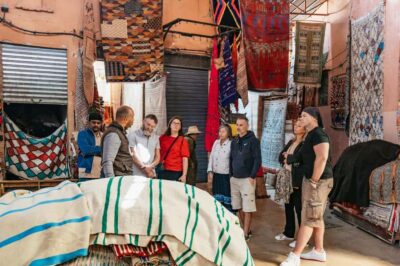

Saadian Tombs & Bahia Palace, Medina Guided Tour
Read our review →
Museum, Al Attarine Madrasa & Tannery and Medina Tour
Read our review →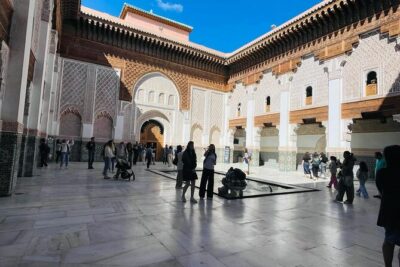
Bahia Palace, Madrasa Ben Youssef and Medina Tour
Read our review →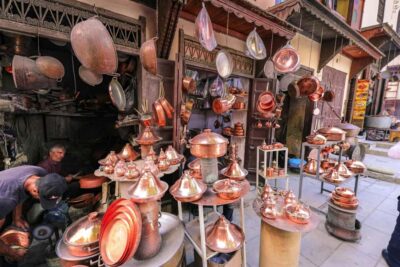
Explore Fes: Unforgettable Guided Walking Tour of the Medina
Read our review →
Madrassa Ben Youssef, Secret Garden & Medina Tour
Read our review →Browse the lists this tour appears in