

Reviewed · MEDINA & SOUK WALKS
Casablanca Cultural Tour: Medina, Views & Local Delights
Casablanca’s movie fame is only the doorway. This four-hour tour quickly moves from Rick’s Café to the old medina, Portuguese-era Sqala Tower, French-Moroccan streets, and a lookout facing the Hassan II Mosque. Guide Aafif and guides named Mohammed have been especially praised for adding warmth, local stories, and practical help.
I like the useful mix of walking and short taxi rides, which lets you cover far more than you could on foot. I also like the food stops: olives, Moroccan pastries, and mint tea give the tour a taste of daily life, not just a parade of buildings. The main consideration is pace. You see many parts of Casablanca in four hours, but the schedule leaves limited time for lingering, shopping, or a full mosque visit.
In This Review
- Key details before you book
- Why this four-hour Casablanca tour works
- Starting at Rick’s Café and sorting out the movie myth
- Sqala Tower and the Atlantic edge
- Walking through the old medina
- Mohammed V Square and the city’s grand center
- Sacred Heart Cathedral and Arab League Parc
- Habous Quarter: Moroccan style with a French plan
- Bennis Pastry House and a proper Moroccan pause
- Taxi rides are part of the Casablanca lesson
- Al Aank Observation Deck and the Hassan II Mosque view
- The guides make the biggest difference
- Who should book this tour?
- Practical details and final verdict
- FAQ
- How long does the Casablanca cultural tour last?
- Where does the tour begin?
- What language is the tour offered in?
- Is transportation included?
- Are food and drinks included?
- Can the tour accommodate dietary restrictions?
Key details before you book
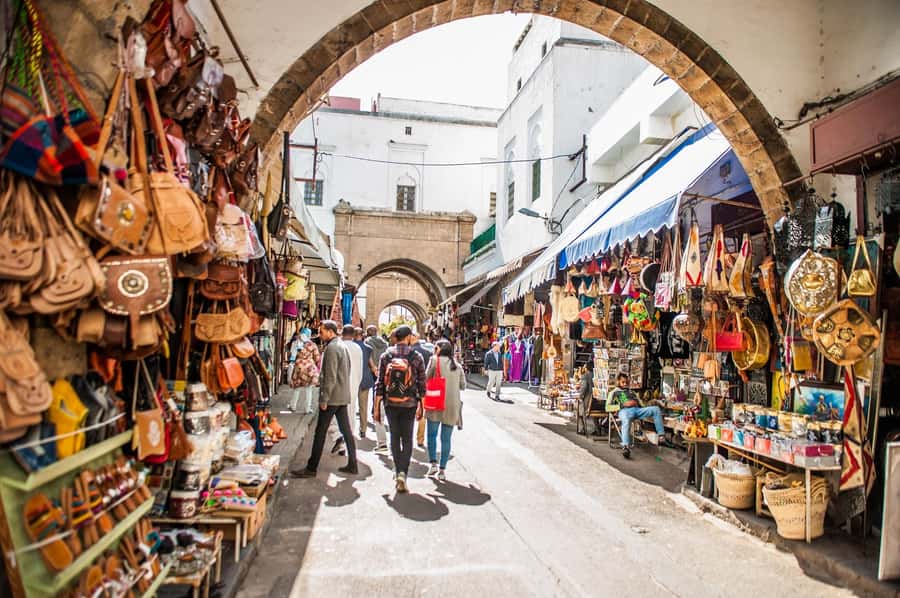
- Rick’s Café sets the scene: Learn how Casablanca’s movie image fits, and does not fit, the real city.
- Sqala Tower brings ocean views: Portuguese-era cannons and the Atlantic coast offer a strong early look at Casablanca’s past.
- The old medina feels local: Walk market lanes, see artisan goods, and learn how the older city works.
- Taxi rides save your feet: The tour connects distant areas without turning the day into one long walk.
- Bennis Pastry House adds flavor: Try Moroccan sweets such as gazelle horns and Fekkas with tea or coffee.
- Al Aank is the visual finale: Look across toward the Hassan II Mosque and the Atlantic Ocean.
Why this four-hour Casablanca tour works
Casablanca can feel scattered at first. The old city, central squares, colonial-era buildings, Habous Quarter, waterfront, and Hassan II Mosque are not all gathered around one compact center. This tour solves that problem with a sensible combination of walking and taxis.
You begin at Rick’s Café, Place du Jardin public, on Boulevard Sour Jadid. From there, a local English-speaking guide leads you through a city shaped by Moroccan, Portuguese, French, Jewish, and modern urban influences. The value is not just seeing more sights. You get a framework for understanding why Casablanca looks and feels different from Morocco’s imperial cities.
The group is limited to 12 people, with a private option available. That size matters in the medina, where a large crowd would make it harder to hear, keep together, or pause at a market stall. Solo visitors may find themselves with a nearly private outing during quieter periods, while small groups benefit from the chance to ask questions.
At $53 per person, the price is reasonable if you want a guided introduction rather than arranging several taxis and finding each place yourself. The fee includes the guide, taxi transportation between key sites, olive tasting, pastry tasting at a local stop, tea or coffee, and the Al Aank Observation Deck. It does not cover extra pastries, additional food, or additional drinks, so budget a little more if you want to buy treats to take away.
More Casablanca trips worth a second look
- Casablanca to Fez: Scenic & Historical Day Trip with Lunch
★ 4.7 · 111 reviews - 6-Day Private Morocco Cultural Tour From Casablanca To Marrakech
★ 5.0 · 24 reviews - Marrakech Historical and Cultural Tour – Half Day City Tour
★ 4.5 · 1,180 reviews
Starting at Rick’s Café and sorting out the movie myth
Rick’s Café is an easy meeting point and a playful beginning. The restaurant was created in the spirit of the famous film, but the movie itself was filmed in Hollywood rather than Casablanca. Your guide explains that distinction and uses the café to talk about the city’s place in popular culture.
I like this opening because it gives you a familiar reference before the tour moves into less expected parts of Casablanca. You can enjoy the atmosphere without allowing the film connection to define the whole city.
The meeting point is in front of the café, not necessarily inside it, so arrive ready to begin outside. If you are coming from a cruise ship, pay close attention to your arrival arrangements. One cruise passenger had to take a ship shuttle to United Nations Square and faced a late start. The company arranged a car pickup in that case, but cruise passengers should contact the operator in advance if their ship transfer does not go directly to Rick’s Café.
Sqala Tower and the Atlantic edge
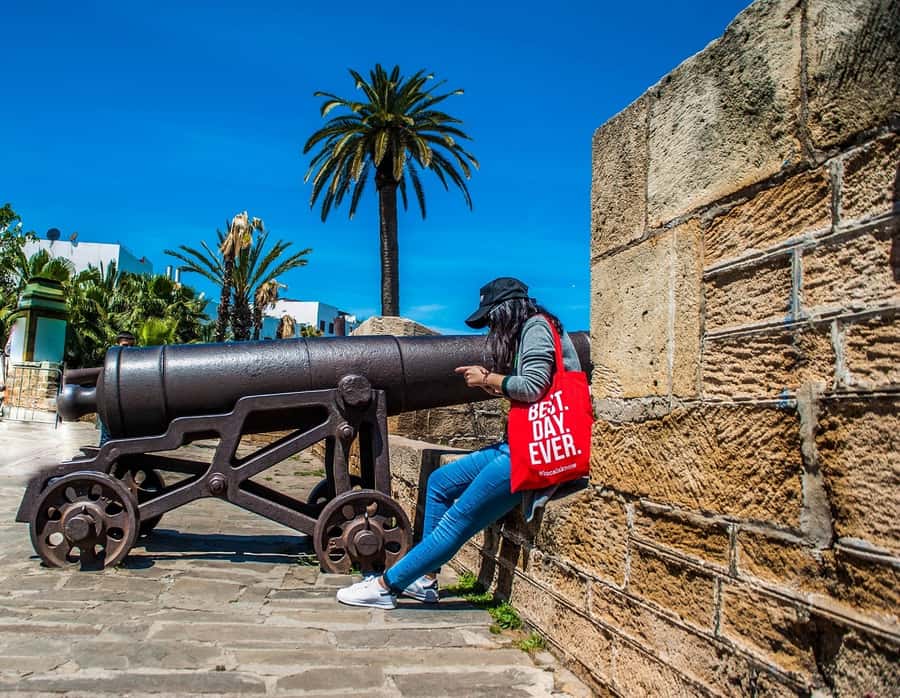
The next important stop is Sqala Tower, part of the old defensive edge of Casablanca. Portuguese-era cannons point to the city’s earlier European connections, while the elevated position gives you views toward the Atlantic coast.
This is a good place for your guide to explain that Casablanca is not simply a modern business city. Its waterfront position brought trade, conflict, and outside influence long before the wide boulevards and white buildings associated with modern Casablanca.
The ocean view also breaks up the history talk. You get a broad visual sense of the city before entering tighter streets. Bring a phone or camera if you want photographs, but do not expect a long scenic stop. The tour has several locations to cover, so your guide will likely keep the group moving.
Walking through the old medina
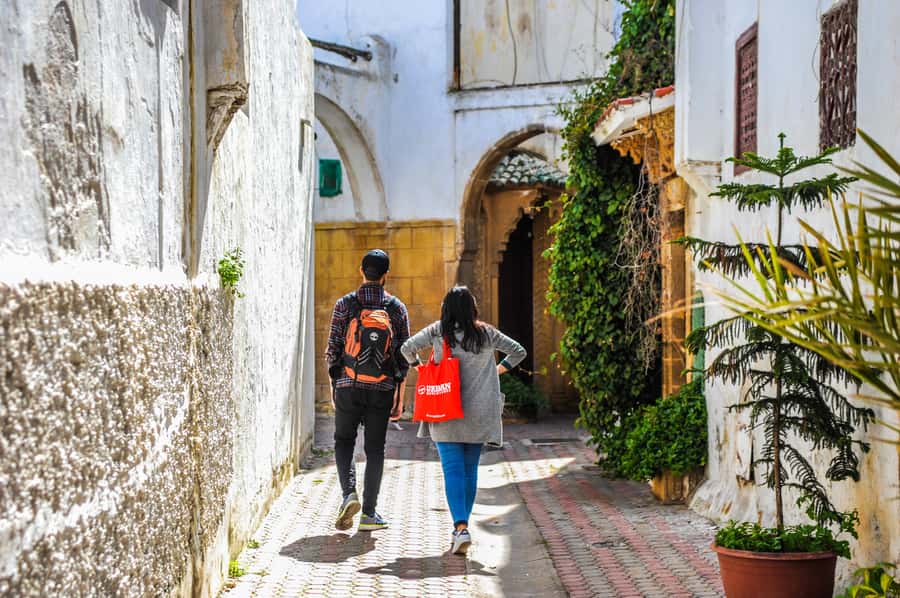
The old medina is where the tour becomes most useful for first-time visitors. You walk through market lanes, see artisan crafts and traditional goods, and get a closer look at ordinary city life than you would from a vehicle.
I would not treat this section as a major shopping expedition. The purpose is to understand the medina, ask questions, and notice how the streets function. If you find something you want to buy, tell your guide, but keep in mind that extended bargaining or browsing can cut into time at later stops.
The walking can be uneven and crowded in places, so comfortable shoes are essential. Dress for the weather and choose clothing that feels respectful in a conservative setting. The tour can accommodate vegetarians and other dietary needs, but you need to share those requests ahead of time.
An advantage here is the guide’s local perspective. Guides including Mohammed, Aafif, Hicham, and Bennis Mohammed have been praised for explaining not just dates and buildings, but faith, football, food, neighborhood life, and the way Casablanca has changed. That broad conversation is more useful than a memorized list of monuments.
A different kind of day out, same corner of Morocco:
- From Marrakech: Casablanca Tour with Hassan II Mosque Visit
★ 4.7 · 4,756 reviews - Casablanca: Hassan II Mosque Premium Tour with Entry Ticket
★ 4.5 · 2,971 reviews - Casablanca City Tour with Hassan II mosque ticket
★ 5.0 · 2,480 reviews - Casablanca: City Tour with Hassan II Mosque Entry Ticket
★ 4.6 · 1,137 reviews
Mohammed V Square and the city’s grand center
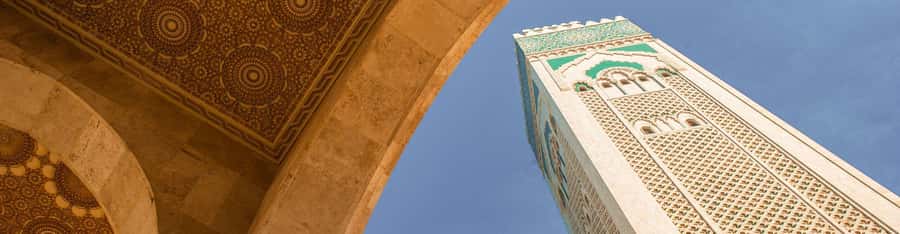
The route continues to Mohammed V Square, often called Pigeon Square. This is one of Casablanca’s main civic spaces and a clear place to see the city’s French and Moroccan architectural mix.
Your guide points out how broad public planning and Moroccan decorative details meet in the same setting. The square helps explain the contrast between the narrow medina and the more formal city built during the French protectorate and later periods.
The stop is guided rather than a long independent visit. You will hear the background, take photographs, and continue to the next area. That is useful if you have only one day in Casablanca, but less satisfying if your ideal tour means sitting in a square with a coffee and watching life pass.
Sacred Heart Cathedral and Arab League Parc
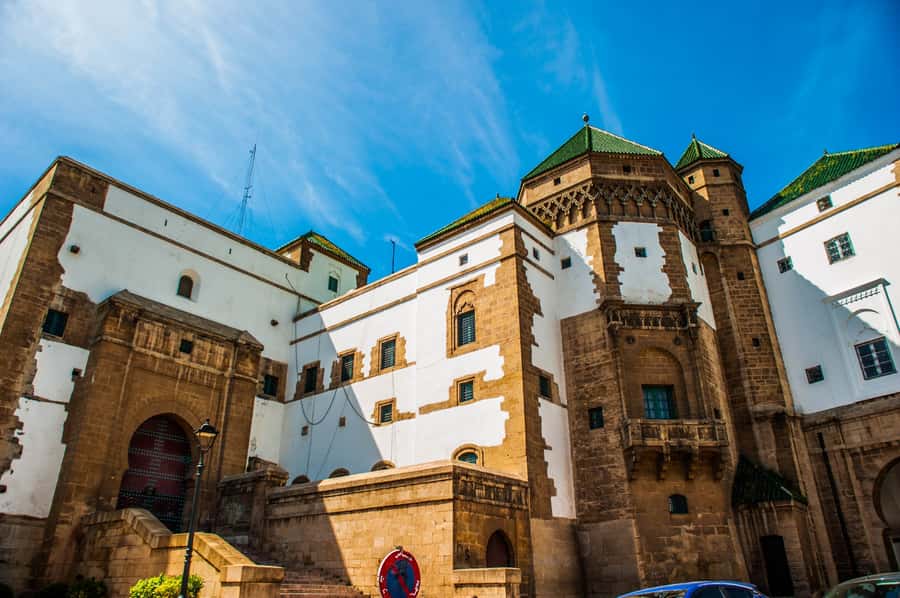
Sacred Heart Cathedral is one of Casablanca’s most striking reminders of its varied past. Its religious history and European design give your guide a chance to discuss the city’s changing communities and the ways different faiths have shaped its buildings.
Nearby Arab League Parc offers a calmer setting. The park gives your legs a break and changes the rhythm after the medina and central streets. You are not seeing Casablanca as a single historic quarter. You are seeing a city where older districts, civic buildings, religious sites, green spaces, and modern movement all sit close together.
The exact amount of time at each stop can vary. This is a guided overview, not an architectural study tour, so ask questions when a building catches your eye. Guides have often adjusted the route to group interests, and some have added a stop when timing allowed.
Habous Quarter: Moroccan style with a French plan
The Habous Quarter is one of the most enjoyable parts of the route for shoppers and architecture fans. Its streets combine Moroccan forms, arcades, traditional shops, and a more organized French-era plan.
This area is a better place than the old medina for calmly browsing traditional goods, though the tour still gives you only a limited window. You might find leather items, ceramics, sweets, or other local products, but the available goods and prices can change.
I like Habous because it shows that Casablanca’s architectural story is not a simple choice between old and new. The quarter feels designed to present Moroccan traditions within a planned urban district. Your guide can help you read those details rather than treating the area as a generic shopping stop.
If you hope to make serious purchases, carry a small amount of shopping time into your own schedule after the tour. On the tour itself, listen first and buy only if you have enough time to stay with the group.
Bennis Pastry House and a proper Moroccan pause
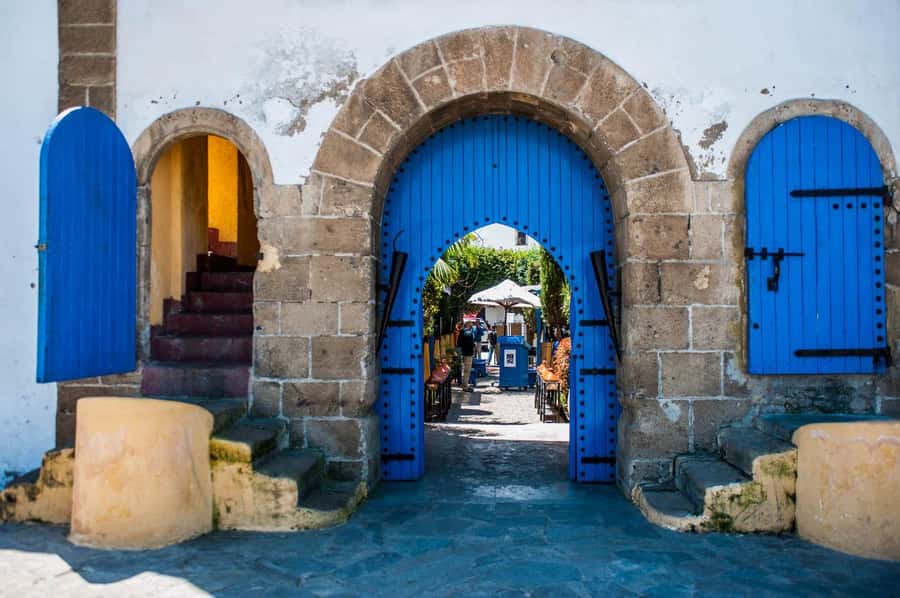
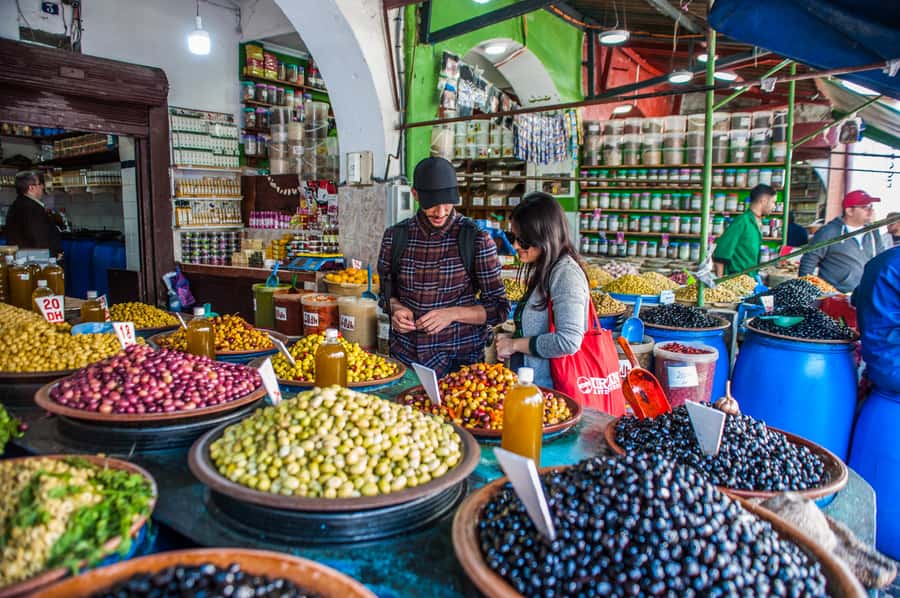
Food is one of the tour’s strongest features. At the legendary Bennis Pastry House, you sample Moroccan sweets such as gazelle horns and Fekkas, with Moroccan mint tea or coffee.
Gazelle horns are delicate crescent-shaped pastries, while Fekkas are crisp biscuits often served with tea. You also taste traditional Moroccan olives, giving the food section a savory counterpoint to the sweets.
The pastry stop is not just a snack. Baking and tea service are part of Moroccan hospitality, and a local pastry house shows you something about the daily rhythm of the city. The stop also gives you a chance to ask about ingredients and local habits.
The included tasting covers the planned sample, but additional pastries and drinks are not included. If you want a box to take home, plan to pay separately. The schedule may also include a less publicized food-market stop and a local café or bar for tea. These smaller pauses are often where the tour feels most personal.
Taxi rides are part of the Casablanca lesson
The taxis are practical, not a luxury add-on. They connect the old city with central Casablanca, Habous, and the observation area without asking you to walk the full distance between each district.
Several guides have used the rides to point out parts of the city that would otherwise pass too quickly. You get a moving view of Casablanca and a better sense of its scale. For many people, these short trips are part of the city experience itself.
There is a tradeoff. Traffic can affect the rhythm, and you should not expect a private sightseeing car with constant commentary. The walking sections provide the close contact with markets and buildings, while the taxis make the wider route possible.
Some tours have included a driver, while the standard description promises taxi transportation. If having a dedicated vehicle matters to you, confirm the arrangement before booking. The tour itself is built around a mix of walking and local taxis.
Al Aank Observation Deck and the Hassan II Mosque view
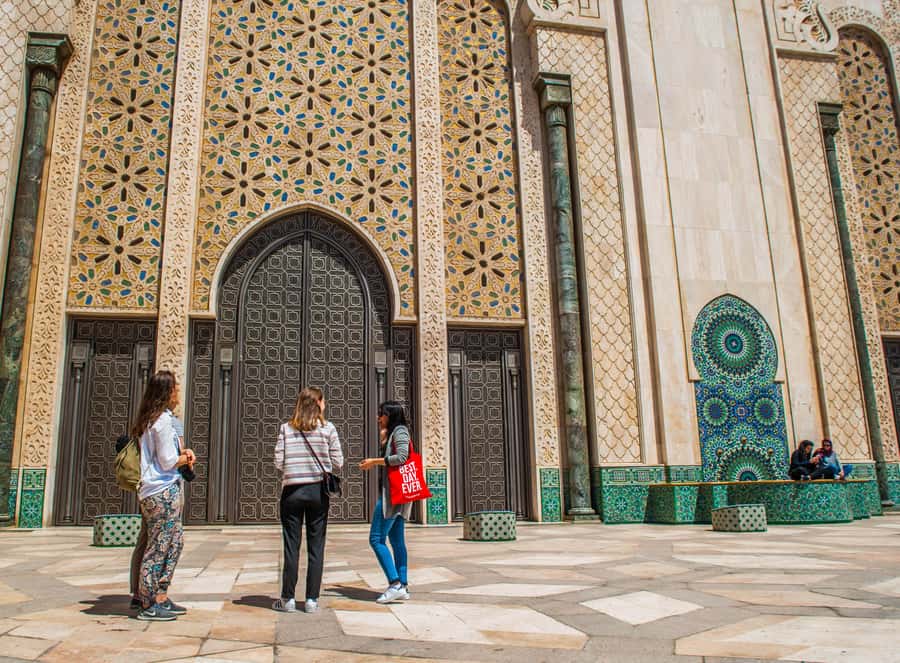
The final stop at Al Aank Observation Deck provides the tour’s broadest view. From here, you look toward the Hassan II Mosque and the Atlantic Ocean.
The mosque is one of Casablanca’s defining sights, and seeing it from across the water puts its scale into context. This is a viewpoint visit, not automatically an interior mosque tour. A few guides have helped arrange a mosque visit when schedules, Ramadan hours, or extra time allowed, but you should not book this tour assuming mosque entry is included.
That distinction matters. If the Hassan II Mosque interior is your main reason for visiting Casablanca, arrange that separately and check its visiting schedule. If you want a wide view and a strong final photograph, Al Aank gives the tour a satisfying finish.
The tour ends at J86X+4PJ in Casablanca. Some guides have helped with onward transport, hotel drop-offs, or directions to a restaurant, but those arrangements should be treated as helpful possibilities rather than a guaranteed part of the four-hour plan.
The guides make the biggest difference
The most consistently praised part of this experience is the guiding. Mohammed appears repeatedly as a warm and flexible host, while Aafif is noted for humor, care, and detailed explanations. Hicham and Bennis Mohammed have also been praised for adapting the route and sharing a strong connection to Casablanca.
That matters because the city’s buildings can be hard to read without context. A guide who can explain architecture, religion, local food, history, and current life turns a series of stops into a coherent picture.
You should still expect different personalities from different guides. The operator assigns the guide, so you may not receive a particular person. If you have a strong preference, you can ask when booking, but it cannot be assumed.
The best guides also appear willing to help beyond the formal route. Examples include arranging a taxi, directing someone safely to a restaurant, explaining how to return to United Nations Square, or helping a visitor fit in a mosque visit. Appreciate that help, but keep the official four-hour schedule in mind.
Who should book this tour?
I recommend it most for first-time visitors with a short stay, cruise passengers with a limited window, and anyone who wants an introduction before exploring Casablanca alone.
It suits you if you enjoy walking, food samples, architecture, and conversation. It is also a good choice if you want to see both the old and newer sides of the city without managing several taxis yourself.
You may want a different plan if you prefer long museum visits, extensive shopping, or a slow food tour. The schedule covers a lot, so some stops are brief. People with limited walking ability should also ask about the route before booking, since the experience includes medina walking and several transitions on foot.
The four-hour length is useful for a first look, but it is not a full Casablanca day. Leave time afterward for the Hassan II Mosque interior, a longer meal, or independent shopping if those are priorities.
Practical details and final verdict
Wear comfortable walking shoes and dress for the weather. Tell the operator about vegetarian meals or other dietary restrictions in advance. The tour is offered in English, is carbon neutral, and is operated by a B Corp certified company.
You can cancel up to 24 hours before departure for a full refund, and reserve now while paying later. Starting times depend on availability. A private group option is available if you want more control over the pace.
At $53, I see good value in the combination of a local guide, several neighborhoods, taxi transfers, tastings, and the observation deck. The price is less attractive only if you plan to visit one or two sights slowly and arrange the rest yourself.
Book this tour if you want Casablanca explained through its streets, food, buildings, and people, especially when time is short. Skip it if you want a relaxed, single-neighborhood outing. For most first visits, the mix of old medina lanes, Habous shops, Moroccan pastries, and Hassan II Mosque views makes this a practical way to get your bearings fast.
FAQ
How long does the Casablanca cultural tour last?
The tour lasts four hours. Starting times depend on availability when you book.
Where does the tour begin?
It begins in front of Rick’s Café at Place du Jardin public, 248 Bd Sour Jadid, Casablanca 20250, Morocco.
What language is the tour offered in?
The tour is offered with a live English-speaking guide.
Is transportation included?
Yes. Taxi transportation between key sites is included, along with a guided walking tour.
Are food and drinks included?
The planned experience includes traditional olive tasting, a pastry tasting at a local stop, and coffee or Moroccan mint tea. Additional pastries, food, and drinks are not included.
Can the tour accommodate dietary restrictions?
Yes. Vegetarian and other dietary requests can be accommodated if you notify the operator in advance.
Recently reviewed around Casablanca
- Casablanca Airport Transfer from hotel in Casablanca★ 5.0 · 18 reviews
- Amazing airport pickup/ drop off in Casablanca/ safe&easy★ 5.0 · 218 reviews
- Your Private Casablanca Transfer★ 5.0 · 52 reviews
- Chefchaouen the Blue City Full-Day Trip from Casablanca★ 4.5 · 79 reviews
- Sunset Camel Ride in the Palm Grove Of Marrakech★ 5.0 · 34 reviews
- Exclusive tour of Casablanca with access to the Hassan II Mosque★ 5.0 · 205 reviews
- Private full day trip to chefchaouen from Casablanca with lunch★ 5.0 · 20 reviews
- 14 Days From Casablanca- Morocco Grand Tour★ 5.0 · 24 reviews
Medina & Souk Walks, compared.
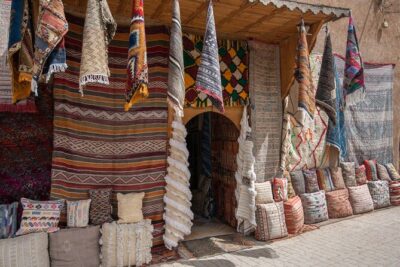
Bahia Palace, Saadian Tombs, Souk and Medina Tour
Read our review →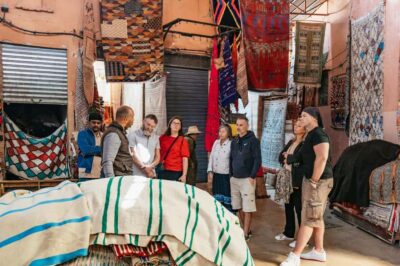
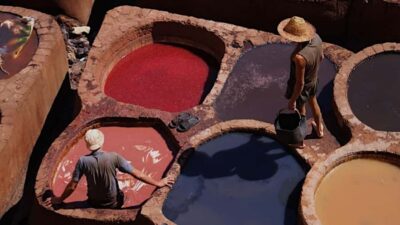
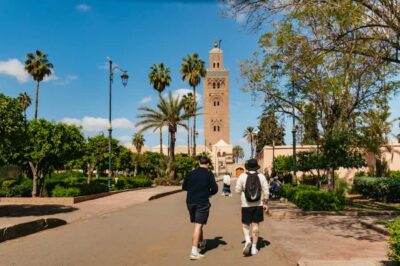
Saadian Tombs & Bahia Palace, Medina Guided Tour
Read our review →
Museum, Al Attarine Madrasa & Tannery and Medina Tour
Read our review →
Bahia Palace, Madrasa Ben Youssef and Medina Tour
Read our review →
Explore Fes: Unforgettable Guided Walking Tour of the Medina
Read our review →
Madrassa Ben Youssef, Secret Garden & Medina Tour
Read our review →Browse the lists this tour appears in