
Reviewed · CASABLANCA TOURS
Best 9-Day Morocco Tour From Casablanca
Morocco packs a lot into nine days, and this route gives you the big hits: Chefchaouen’s blue lanes, Fez’s old medina, and the Sahara dunes. The most memorable stretch comes in the southeast, where you ride a camel into Erg Chebbi, sleep in a Berber tent, then continue through Todra Gorge and the Dades Valley.
I like the small maximum of eight people, which should make long drives and group stops easier to manage. I also like the practical mix of guided walks in Fez and Marrakech with free time in Chefchaouen and the desert. The main drawback is the pace: several days involve long road journeys, and lunches and drinks are not included.
In This Review
- Key points to know before booking
- Casablanca arrival and the Hassan II Mosque
- Chefchaouen’s blue lanes and the road to Fez
- Fez, from the Mellah to the tanneries
- Ifrane, cedar forest, and the long run to Merzouga
- Sunrise over Erg Chebbi and the desert camp
- Todra Gorge and the Dades Valley
- The Thousand Kasbahs road to Ait-Ben-Haddou
- Crossing the High Atlas to Marrakech
- Marrakech with a local guide
- What the $1,858.33 price covers
- Who should choose this Morocco route?
- FAQ
- How long is the Morocco tour?
- Where does the tour begin and end?
- What is included in the tour price?
- Are lunches and drinks included?
- How many people can join the tour?
- Is the Sahara camel ride included?
- Should you book this tour?
Key points to know before booking
- The Sahara overnight is the tour’s centerpiece: Ride camels into the Merzouga dunes, sleep at a desert camp, and return after sunrise.
- You cover a wide slice of Morocco: The route links Casablanca, Rabat, Chefchaouen, Fez, Ifrane, Midelt, Merzouga, Todra Gorge, Ouarzazate, Ait-Ben-Haddou, and Marrakech.
- The group is capped at eight: This is a shared tour, but the small size gives it a more personal feel than a large coach trip.
- Fez and Marrakech include local walking guides: The two medinas receive the most structured sightseeing.
- Eight breakfasts and two dinners are included: You should budget separately for seven lunches, other dinners, and drinks.
- Airport arrangements need checking: The final transfer can go to Casablanca Airport or Marrakech Airport, depending on your flight.
Casablanca arrival and the Hassan II Mosque
Your driver meets you at Casablanca Airport with a sign showing your name, then takes you to your hotel or riad. Day one is intentionally light. After a flight, a direct transfer is useful, and you do not have to find your own way into the city.
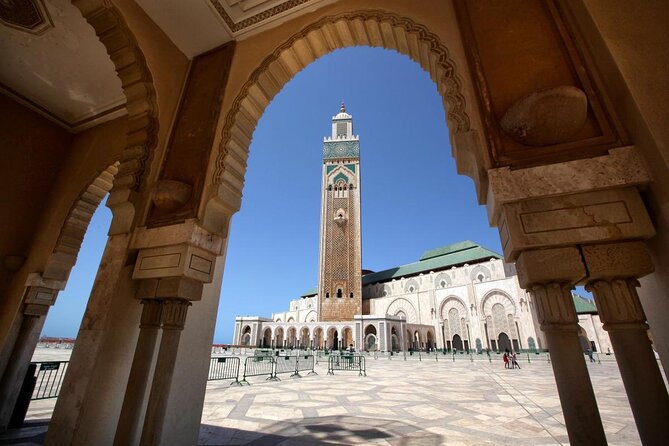
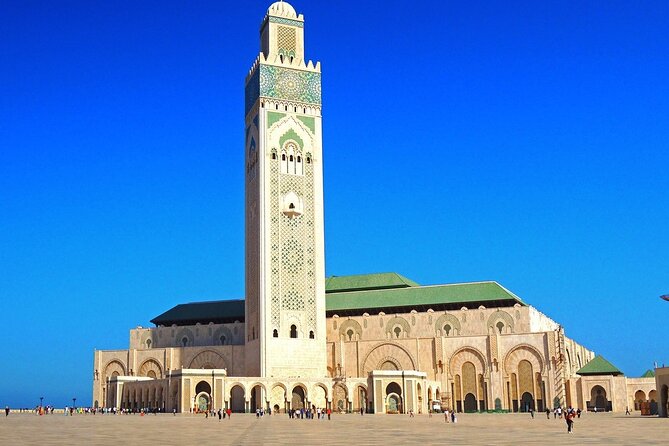
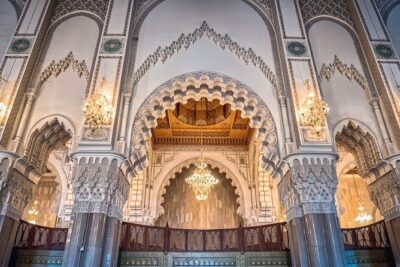
The next morning begins at the Hassan II Mosque, described as Casablanca’s largest mosque. The visit is followed by a drive to Rabat, Morocco’s capital. The plan gives about two hours in Rabat for the Hassan Tower, the Mausoleum of Mohammed V, Bab Challah, a royal palace gate, and the Oudaya Kasbah.
This is a good opening because it gives you a quick look at Morocco’s modern political center and its older monuments before the route turns north. The schedule is short, though, so do not expect a slow, detailed exploration of every site.
After Rabat, you continue to Chefchaouen. The itinerary aims to arrive early enough for a first walk through the blue lanes and a chance to try local food. The road time and sightseeing make this a full day, but the reward is arriving in one of Morocco’s most photogenic towns rather than spending the night in a less distinctive stop.
Other Casablanca days travellers weigh against this one:
- From Marrakech: Casablanca Tour with Hassan II Mosque Visit
★ 4.7 · 4,756 reviews - Casablanca: Hassan II Mosque Premium Tour with Entry Ticket
★ 4.5 · 2,971 reviews - Casablanca City Tour with Hassan II mosque ticket
★ 5.0 · 2,480 reviews
Chefchaouen’s blue lanes and the road to Fez
Chefchaouen gets much of the next morning. Its old town sits in the Rif Mountains, with steep cobbled alleys, faded blue buildings, leather and weaving workshops, and the central Outa el Hammam square.
You can visit the red-walled casbah and its keep, which date to the fifteenth century, then look for the Great Mosque’s octagonal minaret. The free morning matters here. Chefchaouen is best experienced on foot, at your own speed, with time to turn down side streets and pause for photographs.
After lunch, the drive to Fez takes about three hours. This is one of the tour’s recurring tradeoffs. You see more of Morocco by road, but the route does not leave much room for unplanned stops. If you enjoy watching the scenery change from mountain country to city, the drive will feel worthwhile. If you prefer fewer hotel changes, this itinerary may feel demanding.
Fez, from the Mellah to the tanneries
Fez receives a full day, beginning after breakfast with a guided walk. The route includes the Royal Palace gate, the Jewish quarter, and the Mellah, identified here as Morocco’s first Jewish quarter, built in the fourteenth century.
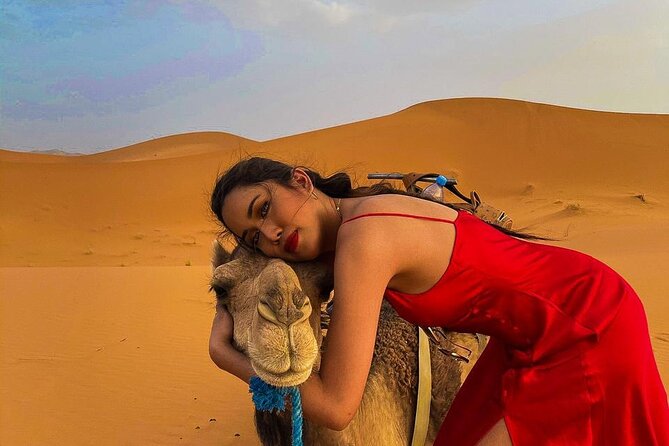
Inside the old city, the tour takes you to Al Qaraouine University, the tanneries, and the Moulay Idriss mausoleum. After lunch, you visit a tile cooperative and then stop at a viewpoint over the Fez medina.
This is exactly where a local guide earns the cost of the tour. Fez is a maze of alleys, workshops, religious buildings, and commercial streets. The guide gives the day a clear shape and helps connect the craft traditions with the places you see.
The schedule also includes a tile cooperative, so expect some shopping opportunities. That is not automatically a problem, but you should know the difference between cultural context and a sales stop. You can look, ask questions, and buy only if something genuinely appeals to you.
Ifrane, cedar forest, and the long run to Merzouga
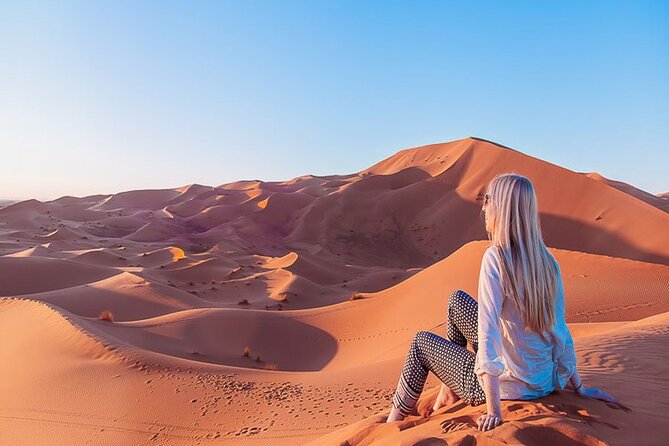
Day five is one of the longest driving days. You leave Fez for Merzouga by way of Ifrane, Midelt, the Middle Atlas, and the Ziz Valley.
Ifrane is a brief stop, followed by the cedar forest near Azrou. The forest is described as the largest in Morocco, and you may have the chance to see Barbary apes. Midelt provides a lunch stop and a pause in the mountain journey.
After lunch, the route crosses the Tiz Ntalghamt pass and follows the Ziz Gorge toward Errachidia. The scenery changes gradually, with mountain views giving way to drier country and early signs of the desert. Stops for panoramic views near the Ziz Valley, Erfoud, and Rissani break up the drive.
You reach Merzouga in the afternoon and receive mint tea before the camel ride. The camels take you across the Sahara dunes to the camp, where you spend the night in a Berber tent.
The practical point is simple: this day is about the journey as much as the destination. The listed stop times are short, but the full day lasts roughly fourteen hours. Bring water, keep your camera handy, and expect limited time outside the vehicle.
A different kind of day out, same corner of Morocco:
- Casablanca: City Tour with Hassan II Mosque Entry Ticket
★ 4.6 · 1,137 reviews - Private Tour of Casablanca with Hassan II Mosque Entry Ticket
★ 5.0 · 1,102 reviews - Marrakech Day Trip with Camel Ride from Casablanca
★ 5.0 · 740 reviews - Casablanca: Hassan II Mosque & City Highlights Tour
★ 4.5 · 573 reviews
Sunrise over Erg Chebbi and the desert camp
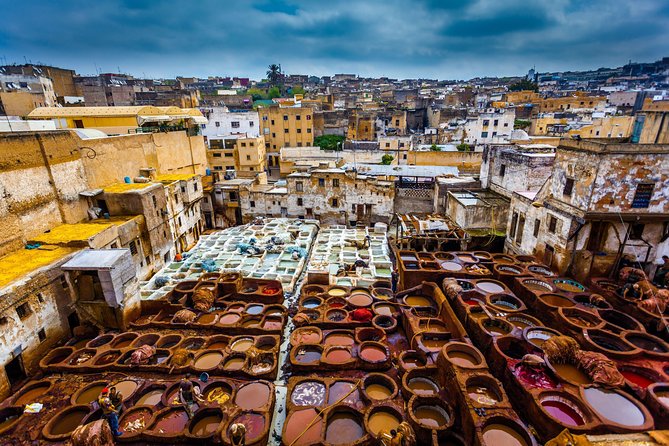
A camel guide wakes you early on day six for sunrise. You then ride back toward Merzouga, watching the Erg Chebbi dunes change color as the light moves across them.
This is the part of the tour that many people picture when they think of Morocco. It is also the part that requires the most tolerance for basic conditions. The desert camp is not a regular hotel, and the overnight comes after a long road day. The reward is a rare change of setting, with open sand, a camel trek, and a night away from the cities.
After breakfast and a hot shower at the riad, you continue toward Rissani, Tinghir, and Todra Gorge. The return to a shower is a small but welcome detail after the desert night.
Todra Gorge and the Dades Valley
Todra Gorge is described as Morocco’s highest and narrowest gorge. The visit is followed by lunch in the gorge, then a drive through the Dades Valley toward Boumalne Dades.
The valley brings a different kind of scenery: sand-colored rock, steep formations, and shapes known as monkey toes. You spend the night in a guest house overlooking the valley, with dinner and breakfast included.
This overnight helps break up the long desert-to-Marrakech journey. It also gives you a more local-feeling stop than another major city hotel. Still, the day remains road-heavy, and the listed stop at Todra Gorge is only about forty-five minutes. If you want extended walking or hiking in the gorge, this itinerary does not promise it.
The Thousand Kasbahs road to Ait-Ben-Haddou
The route from Boumalne Dades to Marrakech passes through the Dades Valley and along the road known as the way of the thousand kasbahs. The name fits the visual character of the journey: earthen buildings, fortified villages, and changing mountain scenery provide frequent photo stops.
At Kalaat M’Gouna, you have the option to visit a rose cooperative and buy rosewater. This is an optional shopping stop, so treat it as a chance to learn about a local product rather than a required purchase.
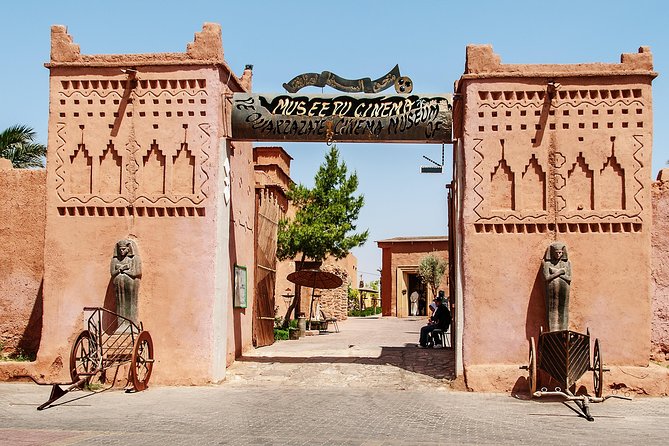
Ouarzazate follows. The city is known as the gateway to the Sahara and includes the large Taourirt Kasbah, a nineteenth-century palace. You may also visit the Cinema Museum. The surrounding rocky country has been used in films, which adds a bit of movie trivia without taking away from the town’s architectural interest.
The major stop is Ait-Ben-Haddou, a fortified ksar on a hillside. Its earthen homes sit inside defensive walls reinforced with corner towers, and some buildings resemble small castles with decorated towers. The oldest structures date to the seventeenth century.
Allowing about two hours here gives you time to walk through the settlement and see how the buildings fit together. Ait-Ben-Haddou is one of the strongest historical stops on the route, but footing can be uneven, and the visit is largely on foot.
Crossing the High Atlas to Marrakech
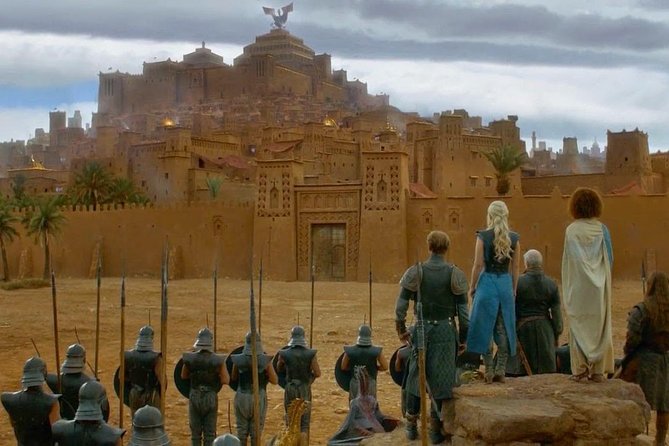
From Ait-Ben-Haddou, you cross the High Atlas via the Tizi n’Tichka Pass at about 2,260 meters. The road offers mountain views and a clear sense of how much Morocco’s scenery changes in a single trip.
There is also a stop at an argan oil cooperative run by Berber women. You can learn about the production process and see a product closely tied to Morocco. As with the rose cooperative, buying is optional.
The pass can make this a tiring afternoon, especially after several days of driving. The benefit is that the tour avoids repeating the same route and delivers you directly into Marrakech, the final major stop.
Marrakech with a local guide
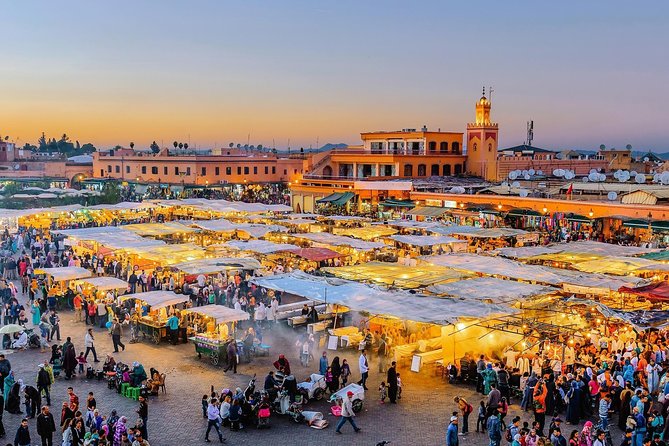
Day eight is devoted to Marrakech, known as the red city. A local guide leads you to the Majorelle Gardens, the Koutoubia Tower, the Saadian tombs, and the Bahia Palace.
After lunch at a restaurant near the main square, you walk through the souks and see rows of handicrafts. The afternoon includes free time, which lets you revisit an area, shop, or simply explore at your own pace.
I like this balance. A guide handles the major sights, while the free hours keep Marrakech from feeling like a checklist. The souks can be intense, particularly if you are not used to persistent sales pitches, so keep your plans simple and your attention on your belongings.
The itinerary describes one full day in Marrakech. That is enough for a first look at the main sights, but not enough to cover every museum, garden, and neighborhood. If Marrakech is your main reason for visiting Morocco, consider adding extra nights before or after the tour.
What the $1,858.33 price covers
At $1,858.33 per person, this is not a budget road trip. The value comes from the amount of organization packed into the price: airport pickup, an air-conditioned vehicle, a driver, eight nights of accommodation, eight breakfasts, two dinners, a Sahara camel ride, and local guides in Fez and Marrakech.
A small group of no more than eight is important here. You are not paying only for transport. You are also buying a prepared route across a large part of Morocco, with hotel changes, desert arrangements, and city guides already handled.
You still need to pay for lunches and drinks, and most dinners are not listed as included. Those costs can add up over nine days. Ask for the exact accommodation names and dinner arrangements before booking, since the information provided identifies hotels, riads, a guest house, and a Berber camp but not their individual names.
The tour is often booked about four weeks ahead, so do not leave it until the last moment if your dates are fixed. Confirmation is provided at booking, and cancellation is free up to 24 hours before the start time. Most people can participate, but the long drives, camel ride, uneven old-city lanes, and early desert sunrise are worth considering.
Who should choose this Morocco route?
I would choose this tour if you want a broad first visit without planning every transfer yourself. It suits you if you want famous cities, mountain roads, desert scenery, and historic kasbahs in one trip.
It is also a good fit if you like a social setting but do not want a large coach group. The maximum of eight should make it easier to ask questions and manage stops.
I would hesitate if you want slow travel. The route changes accommodation often, and days five through seven include substantial road time. You should also think twice if you want guaranteed long visits at every attraction, since several stops are brief.
The final transfer can go to Casablanca Airport or Marrakech Airport, depending on your flight location and time. Confirm this before booking, especially because the tour is described as ending in Marrakech but begins with a Casablanca arrival.
FAQ
How long is the Morocco tour?
The tour lasts approximately nine days and includes eight nights of accommodation.
Where does the tour begin and end?
It begins with pickup at Casablanca Airport. On the final day, transfer is provided to Casablanca Airport or Marrakech Airport, depending on your flight location and time.
What is included in the tour price?
The price includes an air-conditioned vehicle, a camel ride in the Sahara, eight breakfasts, two dinners, a local guide in Fez, and a local guide in Marrakech.
Are lunches and drinks included?
No. Lunches and drinks are not included. Most dinners are also not listed as included.
How many people can join the tour?
The maximum group size is eight travelers.
Is the Sahara camel ride included?
Yes. The camel ride is included. You ride into the Merzouga dunes to reach the desert camp, then return after an early sunrise the following morning.
Should you book this tour?
Book it if you want Morocco’s greatest contrasts in one organized trip: Casablanca’s mosque, Rabat’s monuments, Chefchaouen’s blue medina, Fez’s old city, the Erg Chebbi dunes, Todra Gorge, Ait-Ben-Haddou, and Marrakech’s souks.
Before paying, confirm the hotel names, the exact final airport transfer, and how the two included dinners are arranged. If you accept long drives and a brisk pace, the route offers strong value for a first visit. If you want quiet mornings, extended walks, or several nights in each city, choose a slower itinerary instead.
Recently reviewed around Casablanca
- Casablanca Airport Transfer from hotel in Casablanca★ 5.0 · 18 reviews
- Amazing airport pickup/ drop off in Casablanca/ safe&easy★ 5.0 · 218 reviews
- Your Private Casablanca Transfer★ 5.0 · 52 reviews
- Chefchaouen the Blue City Full-Day Trip from Casablanca★ 4.5 · 79 reviews
- Sunset Camel Ride in the Palm Grove Of Marrakech★ 5.0 · 34 reviews
- Exclusive tour of Casablanca with access to the Hassan II Mosque★ 5.0 · 205 reviews
- Private full day trip to chefchaouen from Casablanca with lunch★ 5.0 · 20 reviews
- 14 Days From Casablanca- Morocco Grand Tour★ 5.0 · 24 reviews
Casablanca Tours, compared.
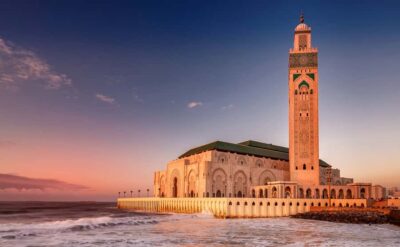
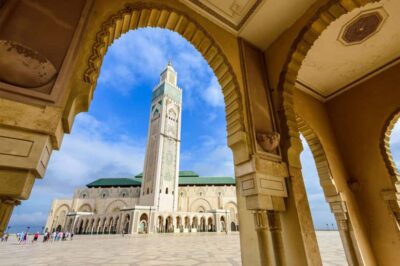
Hassan II Mosque Premium Tour with Entry Ticket
Read our review →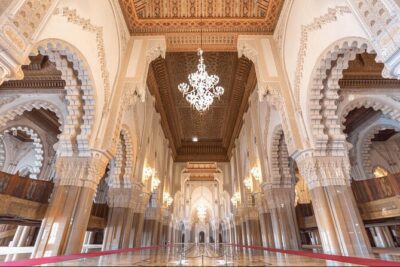
Casablanca City Tour with Hassan II mosque ticket
Read our review →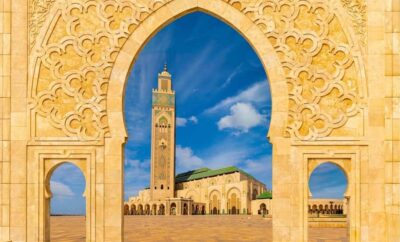
Private Tour of Casablanca with Hassan II Mosque Entry Ticket
Read our review →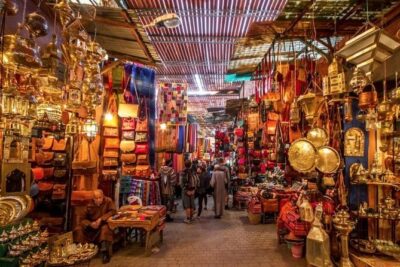
Marrakech Day Trip with Camel Ride from Casablanca
Read our review →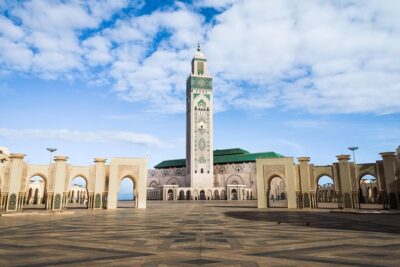
Browse the lists this tour appears in