
Reviewed · MERZOUGA DESERT TOURS
3 days tour from Marrakech to Merzouga
The best part of this three-day Marrakech to Merzouga tour comes late on the second day, when you leave the road and ride a camel into the Sahara. After a long crossing through Morocco’s High Atlas and kasbah country, the desert camp gives you sunset, dinner, drums, and a night sky far from city lights. The next morning, you ride back after watching the sun rise over the dunes.
I like the route for two clear reasons: it includes major sights such as Aït Ben Haddou and Todra Gorge, and it is a private trip, so your group can travel at its own pace. Guides named Ali, Lhoucine, Zaid, Rachid, Hassan, and Rasheed have led this route, though your assigned guide may differ. The drawback is the schedule: reaching Merzouga and returning to Marrakech in only three days means long hours in the vehicle and limited time at some stops.
In This Review
- Key Points Before You Book
- What the $460.61 Price Buys You
- Day One: Crossing Tizi N’Tichka to Aït Ben Haddou
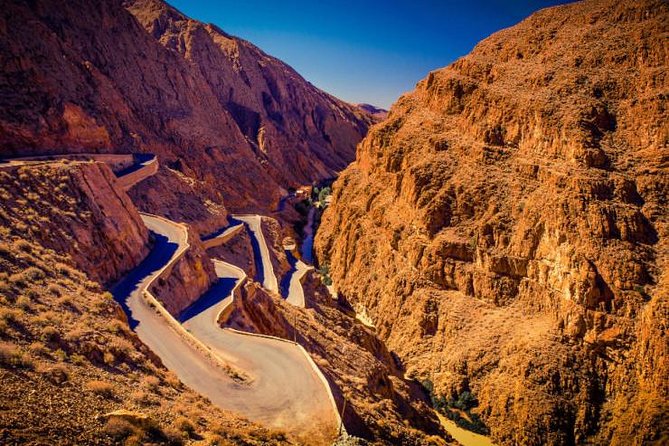
- Dades Valley and the Rock Walls of Todra Gorge
- The Merzouga Camel Trek and Camp Night
- Sunrise, Tafilalet, and the Long Road Home
- Vehicles, Guides, and Comfort on the Road
- Who Will Enjoy This Three-Day Route
- Booking Details Worth Checking
- Should You Book It?
Key Points Before You Book
- Camel ride and desert camp: Ride into the Merzouga dunes, spend the night at a luxury camp, then return by camel after sunrise.
- Aït Ben Haddou included: Walk through the famous fortified village, a UNESCO World Heritage Site since 1987.
- Private transport: Your group travels alone in a 4WD vehicle or air-conditioned minibus with a driver-guide.
- Two nights covered: Hotel or riad accommodation, desert lodging, two dinners, and two breakfasts are included.
- High Atlas crossing: The road passes over Tizi N’Tichka at about 2,260 meters, with stops for mountain views and Berber villages.
- A demanding return day: Merzouga to Marrakech in one day is practical for a short holiday, but it is not a relaxed schedule.
What the $460.61 Price Buys You
At $460.61 per person, this is not a cheap transport connection with a camel ride tacked on. You are paying for private transportation, fuel, a driver-guide, two nights of accommodation, two dinners, two breakfasts, camel trekking, and the desert camp.
The value improves if you are traveling with family or friends because group discounts are available. A private vehicle also changes the feel of the trip. You are not tied to strangers’ wishes, and you can ask your driver to stop for photographs or a short break when the road allows. Several guides, including Ali and Zaid, are praised for driving carefully and stopping at useful viewpoints, but the exact service can depend on who is assigned to your group.
Lunches and drinks are not included. Set aside extra money for both, especially because the route crosses remote areas where stopping for meals is part of the day. You should also clarify the accommodation level before booking. The supplied details describe both hotel or riad lodging and a luxury desert camp, while some bookings refer to superior or luxury packages. The camp is included, but the exact hotel and room category should be confirmed.
More Merzouga Desert Tours in Marrakech
- From Marrakech: 3-Day Merzouga and Sahara Desert Tour
★ 4.9 · 15,308 reviews - From Marrakech: Merzouga 3-Day Desert Safari with Food
★ 4.7 · 12,232 reviews - 3 Days Desert Tour From Marrakech To Merzouga Dunes & Camel Trek
★ 5.0 · 10,125 reviews
Day One: Crossing Tizi N’Tichka to Aït Ben Haddou
Pickup is scheduled for 8:00 a.m. in Marrakech, from your accommodation or another agreed location in the city. The first stage takes you out of the flat city basin and up into the High Atlas Mountains.
Tizi N’Tichka Pass reaches roughly 2,260 meters. The road brings changing colors, mountain slopes, and views of Berber villages. Your driver-guide is expected to make stops for photographs and scenery, but this is still a road day. Bring water and keep your camera handy, since the best views come between formal sightseeing stops.
The mountain crossing is one of the trip’s most useful features because it gives you a sense of Morocco’s geographic change. In a few hours, you move from Marrakech’s urban setting into high mountain terrain and then toward the dry valleys south of the Atlas. The road can be winding, so anyone prone to motion sickness should prepare accordingly.
By around midday, the route reaches Aït Ben Haddou, the most important historical stop on the first day. This fortified village is built from earthen structures and has been protected as a UNESCO World Heritage Site since 1987. It has also appeared in several films, which explains its familiar look, though its value is more than a movie connection.
You get free time to walk through the kasbah. Wear shoes with a firm sole, since the route through the old settlement includes uneven ground and slopes. The visit is not described as a guided admission tour, so ask your driver-guide where to meet afterward and how much time you have before wandering off.
Aït Ben Haddou is also a good place to slow down and look at construction details. Earthen walls, narrow passages, and high defensive forms make the settlement easy to understand from ground level. The stop is more rewarding if you treat it as a living architectural site rather than a quick photograph from the road.
After Aït Ben Haddou, you continue toward the Dades Valley and the Dades Gorges. The supplied schedule allows about three hours for this stop, although the overall drive means the day will feel full. You spend the night in a Dades Valley hotel or riad, with dinner and breakfast included.
The overnight stay matters. Instead of pushing directly to the desert, the tour breaks the route into two stages. That makes the second day more manageable, though you should not expect a long, leisurely evening. Hotel names can vary, and one luxury booking specifically refers to Ksar Sultan Dades, so confirm your property if the room standard is important to you.
Dades Valley and the Rock Walls of Todra Gorge
After breakfast, the route heads through the Dades Valley toward Tinghir and Todra Gorge. Before leaving the valley, you may see the unusual rock formation known as the Monkey Toes, along with the still-standing 19th-century Kasbah of Ait Yul.
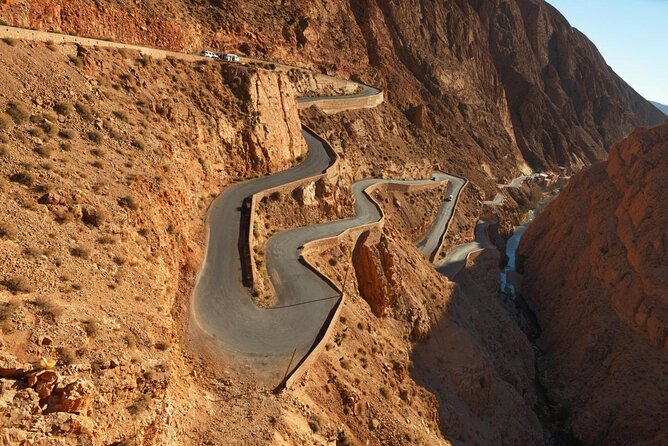
The Dades area is not only a place to sleep. The road reveals old mud villages and mountain formations shaped by erosion. Your driver-guide may stop at high viewpoints above the valley, giving you a broader view of the villages and cultivated areas below. These short stops are useful because much of the day is spent seated in the vehicle.
The next major stop is Todra Gorge, where red cliffs rise to about 300 meters. You can walk beneath the rock walls, and the gorge is also known for rock climbing. The walk is one of the best chances to stretch your legs on the route. Give yourself time to look upward: the narrow passage and towering cliffs are the point, not simply the arrival photograph.
The gorge stop is free of an admission charge according to the supplied details. That does not mean every expense along the route is covered, so keep your own money for lunch, drinks, or optional purchases.
From Todra, the road continues through Tinjdad, Touroug, Erfoud, and Rissani before reaching Merzouga. Lunch is planned around Erfoud or Rissani, but lunch itself is not included. The progression is gradual: mountain valleys give way to drier, wider country, and the road begins to feel like a true approach to the Sahara.
Rissani is an important waypoint before Merzouga, and the route passes through the Tafilalet palm grove on the return journey. The trip gives you more than a direct transfer because it links several different Moroccan regions, but the price of that variety is time in the minibus or 4WD.
The Merzouga Camel Trek and Camp Night
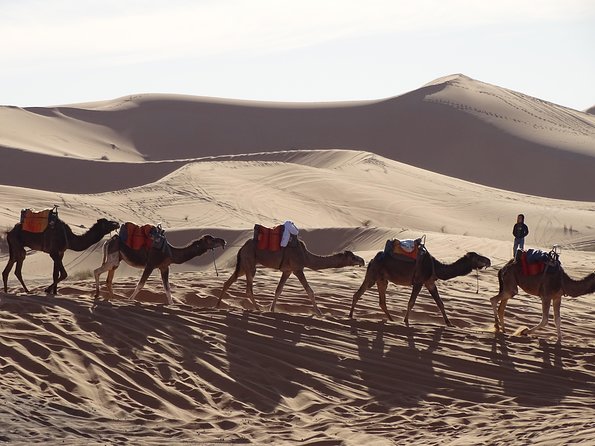
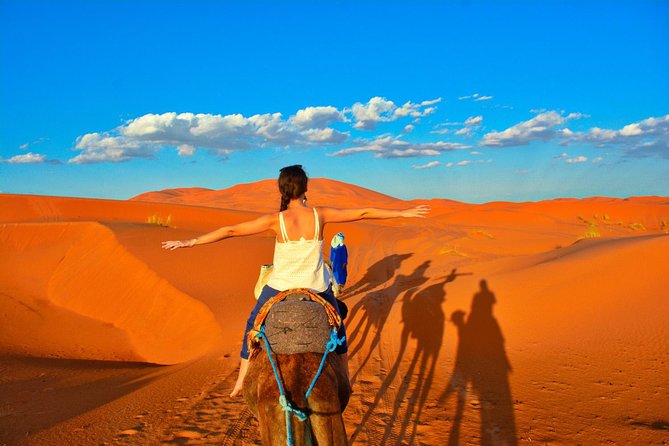
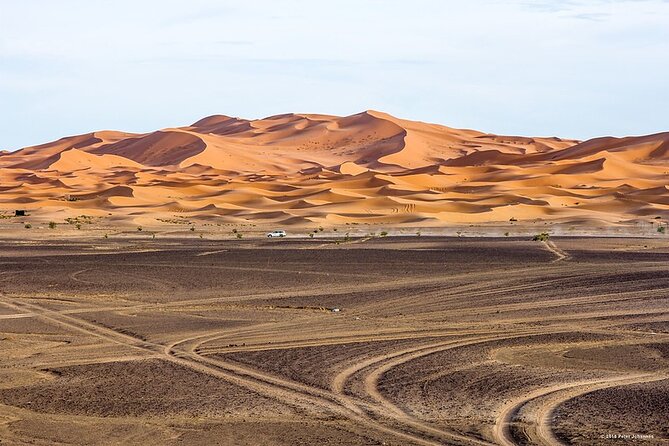
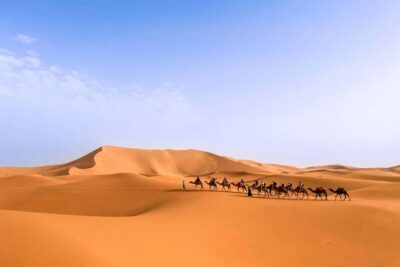
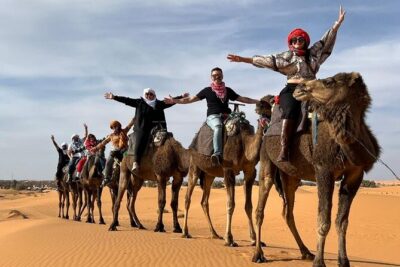
The camel ride is the emotional center of the tour. At Merzouga, camels are waiting for the journey into the dunes. You ride toward the desert camp, with the timing arranged around the evening arrival and camp program.
Camel riding is not a smooth substitute for walking. The saddle can feel awkward, and the motion may be tiring, especially if you have never ridden before. Hold on carefully as the camel stands and sits, and tell the guide if you need help. The route is short enough to form part of a larger tour, but it is still a physical activity.
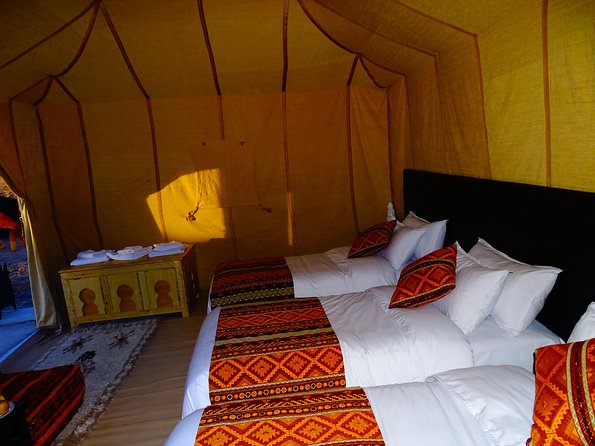
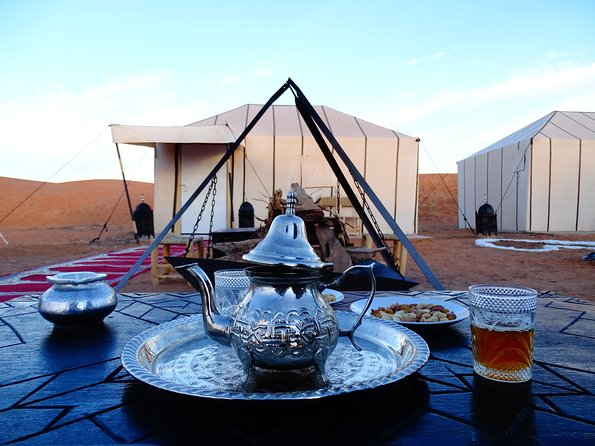
The camp night is described as a luxury desert camp, with dinner included. Exact tent furnishings and entertainment are not specified, so do not assume a particular bathroom arrangement or level of private facilities without checking your package. The camp hosts are described as welcoming, and dinner and the desert setting are central parts of the stay.
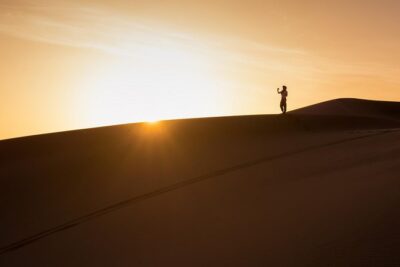
After sunset, the lack of city light gives you a chance to look at the stars. This is one reason the long road from Marrakech can feel worthwhile. The desert night is not just another hotel stop. It changes the pace of the trip, even though the route reaches it through a demanding day of driving.
Pack a warm layer, even if you visit during hot weather. Desert temperatures can change sharply after dark, and the tour information does not promise heating inside the tents. A small overnight bag is also easier to manage than taking all your luggage onto the camel route.
More Marrakech trips worth a second look
- 3-Day Marrakech to Merzouga Desert Tour: Camel Rides & Overnights
★ 5.0 · 8,734 reviews - 3-Day Marrakech to Fes Sahara Desert Tour via Merzouga
★ 5.0 · 6,546 reviews - Marrakech: 3-Day Merzouga Desert Experience Camel & Meals
★ 4.6 · 6,252 reviews - From Marrakech: Unforgettable 3-Day Desert Tour to Fes
★ 4.9 · 2,614 reviews
Sunrise, Tafilalet, and the Long Road Home
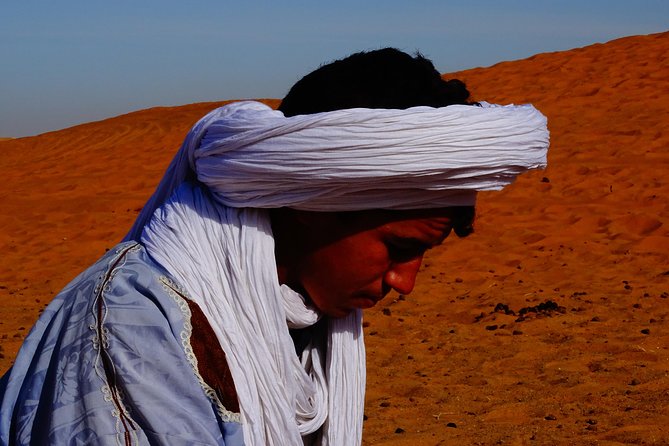
The third day begins early. A camel guide wakes you in time to watch the sunrise from the dunes. You then ride the camels back to the hotel, have breakfast, and take a shower before starting the return journey.
This early start is worth protecting. The sunrise is one of the few quiet moments on a schedule otherwise packed with roads and stops. If you care about photographs, keep your phone or camera ready, but also take a moment to watch the dunes change color without a screen in front of you.
After breakfast, the group travels through Rissani and the large palm grove of Tafilalet, then follows the Draa Valley toward Ouarzazate. The route offers a different view of the region than the outward journey, but the day remains long.
The schedule provides free time for lunch in Ouarzazate before the drive back to Marrakech. Taourirt Kasbah in Ouarzazate is named among the tour’s highlights, but the detailed day-by-day plan does not clearly state how much time is reserved for an interior visit. If seeing Taourirt Kasbah is important to you, confirm that it is part of your day rather than assuming the lunch stop includes a full tour.
Arrival in Marrakech is expected in the evening, with drop-off at your riad or another location in the city. The return drive is the main practical weakness of the itinerary. You get a complete Sahara round trip in three days, but the final day gives you little spare time for extra stops or an early evening plan in Marrakech.
Vehicles, Guides, and Comfort on the Road
Transport is by 4WD vehicle or air-conditioned minibus, with private transportation for your group. Air conditioning is particularly useful in the desert climate, where a hot vehicle can quickly make a long road day unpleasant.
The tour is private, not a shared group departure. That is valuable for couples, families, and friends who want control over photo stops and breaks. It also means you should speak up early about your preferred pace. The schedule is fixed by distance, but small choices during the day may be possible.
The guide names associated with this route include Ali, Lhoucine, Zaid, Rachid, Hassan, and Rasheed. Ali is repeatedly praised for comfortable driving, warmth, humor, and practical help. Lhoucine is noted for explaining Moroccan culture and society along with the sights. Zaid is described as a careful driver who knows good photo stops, while Hassan is praised for being responsible and engaged.
Those details give you a useful picture of the service, but they are not a guarantee that one specific guide will lead your tour. Ask who is assigned if guide style or language matters to you. The tour includes a driver-guide, but the supplied information does not specify a fixed language list.
Who Will Enjoy This Three-Day Route
This trip suits you if the Sahara is a priority and you have only a few days in Marrakech. It combines several major stops with the camel camp without requiring you to arrange hotels, desert transport, or return travel yourself.
It is also a good fit for a private group that values personal service. Families have used the route, including one group traveling with a 17-month-old child, and the private format can make a young child easier to manage. Still, the long drives and early sunrise start require patience. The tour data says most people can participate, but children must be accompanied by an adult.
I would choose a longer itinerary if you dislike road travel or want more time at each kasbah and gorge. Three days is enough to reach Merzouga and experience the camp, but not enough to make every stop feel unhurried. A four or five-day version would likely give you more breathing room, though that option is not the tour being priced here.
The trip is less suitable if you want a deep stay in Marrakech, a relaxed desert camp, or a short transfer with minimal driving. You should also be comfortable with a camel ride, basic schedule discipline, and paying separately for lunches and drinks.
Booking Details Worth Checking
Confirmation is provided at booking, and pickup begins at 8:00 a.m. Children must travel with an adult. The activity is near public transportation, although the service itself provides private transport and pickup from your Marrakech accommodation or another agreed place.
Free cancellation is available if you cancel at least 24 hours before the scheduled start time. Cancellations made within 24 hours are not refunded, and changes inside that window are not accepted. The cut-off follows local time.
Before paying, I would confirm four points: the exact vehicle type, the hotel in Dades, the facilities and room arrangement at the desert camp, and whether Taourirt Kasbah is a proper sightseeing stop. These questions do not change the core trip, but they help you match the package to your comfort needs.
Should You Book It?
Book this tour if you want the Sahara camel ride and camp night more than you want a slow road trip. The route packs in Tizi N’Tichka, Aït Ben Haddou, Dades, Todra Gorge, Merzouga, and the Draa Valley, while private transport and included dinners simplify a complicated journey.
Skip it if three long days on the road would wear you down. The strongest reason to choose this tour is the balance of private service, major southern Morocco sights, and a genuine overnight desert stop. The main caution is simple: Merzouga is far from Marrakech, and this itinerary cannot hide that distance.
Recently reviewed around Marrakech
- 4-Days Marrakech to Marrakech Désert Tour★ 5.0 · 17 reviews
- Camel ride at sunset in Marrakech palm grove★ 5.0 · 17 reviews
- Agafay camel ride★ 5.0 · 20 reviews
- Camel riding in marrakech★ 4.5 · 17 reviews
- Marrakech to Atlas Mountains and 4 Valleys Day Trip★ 5.0 · 17 reviews
- Agafay Desert Adventure, Culture, and Relaxation, From Marrakech★ 5.0 · 25 reviews
- Dinner Show & camel ride with sunset views★ 5.0 · 192 reviews
- Quad excursion to the Agafay desert near Marrakech★ 5.0 · 44 reviews
Merzouga Desert Tours, compared.
3 Days Desert Tour From Marrakech To Merzouga Dunes & Camel Trek
Read our review →
3-Day Marrakech to Merzouga Desert Tour: Camel Rides & Overnights
Read our review →
3-Day Marrakech to Fes Sahara Desert Tour via Merzouga
Read our review →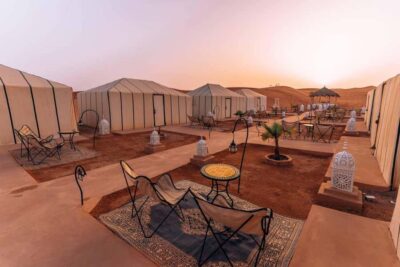
3-Day Merzouga Desert Experience Camel & Meals
Read our review →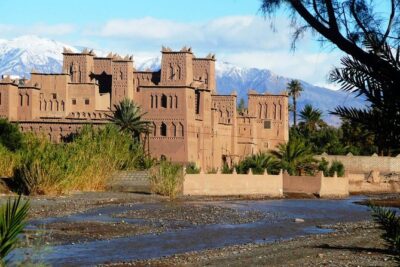
3-Day Tour to Merzouga Erg Chebbi with Food & Camel Trek
Read our review →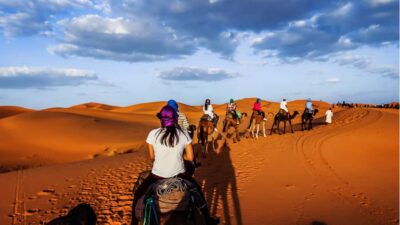
Sahara Desert 2-Day Tour with Merzouga Camp Stay
Read our review →Browse the lists this tour appears in