
Reviewed · MERZOUGA DESERT TOURS
3-Days Desert Tour to Marrakech with Night in Erg Chebbi from Fes
The best part of this three-day crossing from Fes to Marrakech is the change in scenery. You start among cedar forests and Middle Atlas villages, reach the orange dunes of Erg Chebbi for a sunset camel ride, then cross kasbah country before climbing back over the High Atlas.
I like the route’s variety and the fact that it includes the desert night, a Todra Gorge stop, Ait Ben Haddou, and the Tizi n’Tichka Pass in one trip. I also like the choice of group size and camp style. The tradeoff is serious: you spend long hours in the van, and the schedule can feel rushed, especially on the final day.
In This Review
- Key points at a glance
- What this Fes to Marrakech route really involves
- Day 1: Ifrane, Azrou, Midelt, and the road to Erg Chebbi
- The Erg Chebbi camp and the sunset camel ride
- Day 2: Kasbah country, Todra Gorge, and Dades Valley
- Day 3: Ouarzazate, Taourirt Kasbah, and Ait Ben Haddou
- Crossing Tizi n’Tichka into Marrakech
- Guides, group size, and the service you may receive
- Food, shopping, and extra costs
- Who should book this desert tour
- Should you book it?
- FAQ
- Where does the tour start?
- Where does the tour finish?
- Is the camel ride included?
- What accommodation is included?
- Are meals and entrance fees included?
- How many people can join the group?
Key points at a glance
- Sunset at Erg Chebbi: Ride a camel for about an hour to a Berber-style camp, then watch the dunes under a clear desert sky.
- A cross-country route: See Ifrane, Azrou’s cedar forest, Midelt, the Ziz Oasis, Todra Gorge, Dades Valley, Ouarzazate, and Ait Ben Haddou.
- Three days, two very long drives: This is a transfer with major sights, not a relaxed village-to-village holiday.
- Camp choices matter: Standard, ensuite small-group, luxury, and private options are available, with prices changing by group size and accommodation.
- Guide service can vary: Drivers such as Driss, Abdul, Zaki, Hamza, and Mohammed have received warm praise, but some departures operate more like guided transport than a full historical tour.
- Bring extra cash: Lunches, drinks, and entrance fees are not included. Atlas Studios costs 8 euros per person according to the itinerary.
What this Fes to Marrakech route really involves
At $186.10 per person, this tour can offer good value if you need to get from Fes to Marrakech and want the Sahara experience along the way. The price includes two nights of accommodation, an air-conditioned minivan, a professional driver, camel riding, sandboarding, two dinners, and two breakfasts.
You are not simply buying a desert excursion. You are paying for a long overland transfer through much of central Morocco, with the desert camp as its biggest reward. A train or direct road transfer would be simpler, but it would not give you the same sequence of mountains, palm oases, mud-brick villages, gorges, and desert dunes.
The standard group can include up to 15 people. Smaller groups cost more but usually give you a better chance to ask for photo stops, adjust meal breaks, and avoid waiting for a large party. A private option includes private car, minivan, or 4WD transport, along with a luxury desert camp and tent.
The tour is often booked well ahead, with an average booking point of 48 days in advance. That is useful to know if you want a particular date or a higher camp category.
More Merzouga Desert Tours in Fez
- From Fez: Sahara Desert 2-Day Tour with Merzouga Camp Stay
★ 4.8 · 1,716 reviews - Fes: Best Fez to Marrakech via Merzouga Desert Dunes, 3 Days Tour
★ 5.0 · 959 reviews - From Fes: 2-Day Merzouga Desert Trip w/Luxury Tent & Dinner
★ 4.7 · 844 reviews
Day 1: Ifrane, Azrou, Midelt, and the road to Erg Chebbi
Pickup begins around 8 a.m. from your hotel in the Fes Medina. The first stretch takes you toward Ifrane, a mountain resort built by the French in the 1930s with a Swiss-inspired look. It is an unusual opening to the trip, since Morocco suddenly feels alpine rather than North African.
The road continues through the Middle Atlas toward Azrou. The cedar forest is known for its Barbary macaques, and the stop is often treated as a quick wildlife photo opportunity. Keep your expectations in check. The monkey viewing area is close to the road and can feel organized for tourism, rather than like a quiet walk in the forest.
From there, you cross mountain country marked by springs, rocky slopes, small villages, and changing colors. This is a scenic day, but it is also a long one. The road to the desert takes most of the day, so you should be comfortable sitting in a vehicle for hours.
Midelt is the main lunch stop, roughly halfway through the drive. The town is known for fossils and rocks, though lunch is not included. Some stops along this route can be geared toward tour groups, and food prices may be higher than in a local market or casual neighborhood restaurant. You can save money by carrying snacks and water from Fes.
The approach to Merzouga brings a major change. The mountain road gives way to palms, dry plains, and the broad Ziz Oasis, seen from a panoramic point before you reach the dunes. This view helps explain how settlements survive here: water supports long ribbons of palms and small communities in an otherwise dry region.
The Erg Chebbi camp and the sunset camel ride
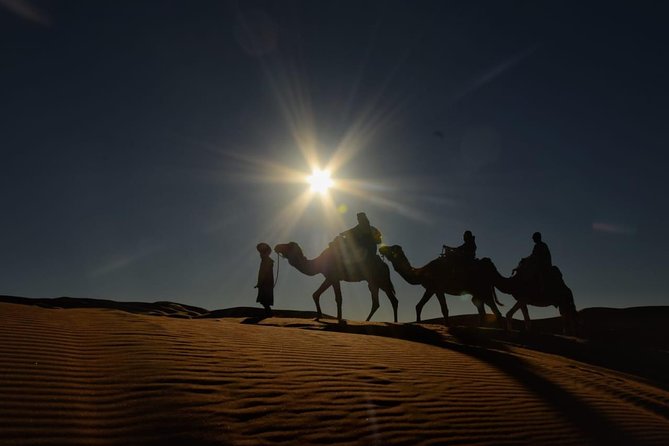
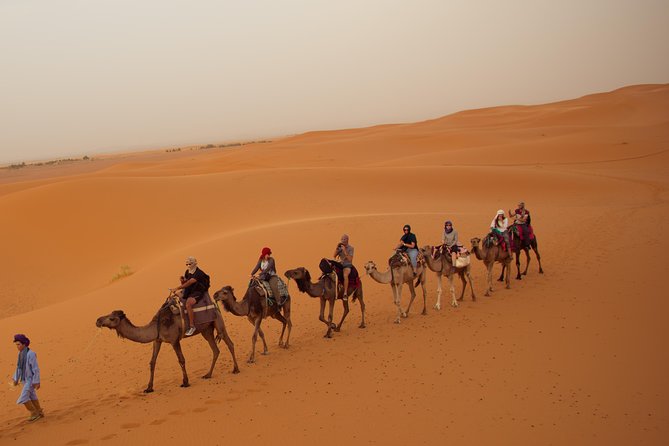
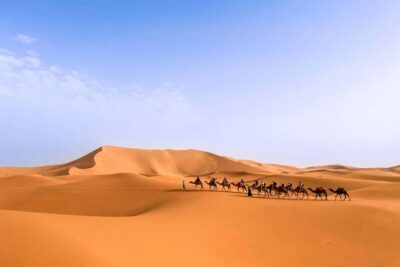
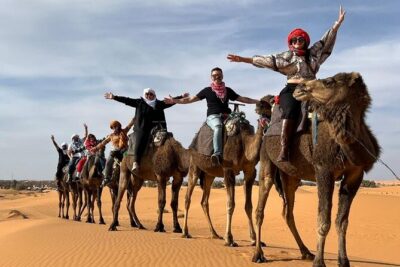
In Merzouga, you have mint tea before meeting the camel handlers. The ride to camp takes about an hour and is timed for sunset. From a camel’s back, the dunes unfold slowly, and the low evening light brings out bands of gold and orange.
You can also choose to walk part of the route if you are uncomfortable with the animals or with the saddle. One important point is animal welfare. The experience can be memorable, but you should pay attention to how the camels are handled and speak up if an animal appears distressed. The quality of this part depends heavily on the local camp team and the conditions that day.
At camp, the camels are hobbled, mint tea is served, and dinner follows. Sandboarding is included, though the supplied information does not specify how much equipment or instruction is provided. After dinner, you can sit outside and look at the stars. That quiet night is one of the strongest reasons to choose this route instead of a faster Fes to Marrakech transfer.
Standard accommodation uses a traditional Berber tent. The small-group ensuite option gives you a private bathroom, while the luxury option provides a deluxe camp and tent. The camp is the part where an upgrade may feel worthwhile, especially if you care about bathroom access and a more comfortable night.
The desert can also be windy. A sandstorm has affected at least one departure, so pack a scarf or other face covering, protect your phone and camera, and expect conditions to change. The camel ride may also feel uncomfortable if you are not used to riding for an hour.
Day 2: Kasbah country, Todra Gorge, and Dades Valley
After breakfast, the route turns toward Ouarzazate along the famous Road of a Thousand Kasbahs. The name refers to the many fortified mud-brick buildings and village walls scattered along old caravan routes. You pass palm groves, river valleys, and low mud villages that seem to grow from the earth.
This is one of the most photogenic parts of Morocco, but the schedule leaves limited time for unplanned village stops. The tour is covering a great distance, so much of the day is seen through the minivan window. I would treat the drive itself as part of the experience, not expect a string of long village visits.
The itinerary includes lunch and a walk into Todra Gorge. The gorge’s steep rock walls make a sharp contrast with the open desert, and the walk gives you a chance to stretch after hours on the road. Admission is not included, and the exact timing can vary because the route has several moving parts.
The day continues through the Dades Valley, with dramatic escarpments and more kasbahs. Dinner is scheduled late at the hotel in the gorge or in Ouarzazate, depending on the departure. This is a demanding day, and you may arrive tired.
Accommodation on the second night is a hotel. Do not assume it will be a traditional kasbah stay just because the route passes so many kasbahs. Some departures have used Western-style hotels aimed at package groups. That may be comfortable, but it can feel less connected to the local setting than the desert camp.
The driver and guide make a real difference on this day. Driss has been praised for explaining the route in English and French, answering questions, and driving carefully. Ismael and Mustapha have also worked well as a driver and guide team. On other departures, the driver has handled most of the commentary, which may suit you if you mainly want transport but disappoint you if you expect detailed cultural background.
More Fez trips worth a second look
- From Fes: 3-Day 2-Night Desert Tour to Marrakech
★ 4.5 · 259 reviews - luxury desert tour 3days 2 night fez merzouga ouarzazat marakech
★ 4.5 · 111 reviews - GROUP TOUR – 1 night 2 Day LUXURY Desert TRIP from FES to FES
★ 5.0 · 52 reviews - Fez: 2 Day-1 Night Luxury Sahara Desert Trip to Fez/Marakech
★ 4.7 · 41 reviews
Day 3: Ouarzazate, Taourirt Kasbah, and Ait Ben Haddou
Breakfast starts the final day, followed by time in Ouarzazate. The town is closely linked with film production, and the tour includes the chance to visit Taourirt Kasbah and Atlas Studios.
Atlas Studios is an optional expense, listed at 8 euros per person. It is the largest and most famous film studio in Africa, and the route connects it with movies such as The Last Temptation of Christ, The Jewel of the Nile, Hideous Kinky, The Gladiator, Babel, and Lawrence of Arabia.
The studio can be fun if you enjoy movie locations, but it is not essential to the desert route. You may need to organize your own entry, and the additional fee is not part of the tour price. If you would rather spend time walking through a village or having a slower lunch, ask how long the studio visit will take before you commit.
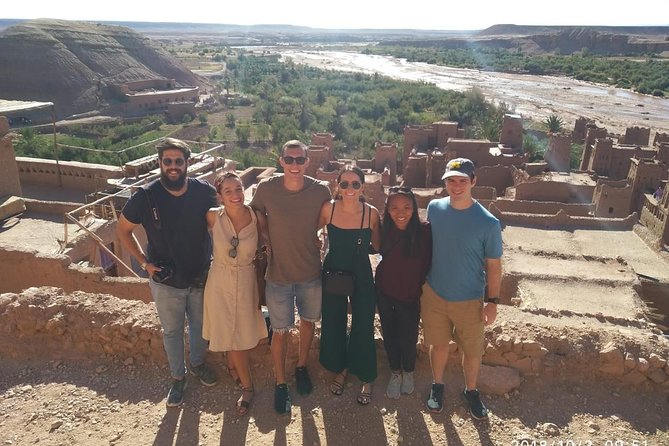
Ait Ben Haddou is the day’s major cultural stop. This fortified mud-brick settlement is protected as a UNESCO World Heritage site and has been used as a setting for films including The Gladiator, Babel, and Lawrence of Arabia. Its clustered towers, passageways, and earthen walls are easy to recognize, but the place is more than a movie backdrop.
You arrive around lunchtime, and admission to the kasbah itself is not listed as included. The stop is beautiful, but it is also highly geared to sightseeing and shopping. If you want photographs without crowds, use the time before lunch wisely and ask your guide where the best view is.
Crossing Tizi n’Tichka into Marrakech
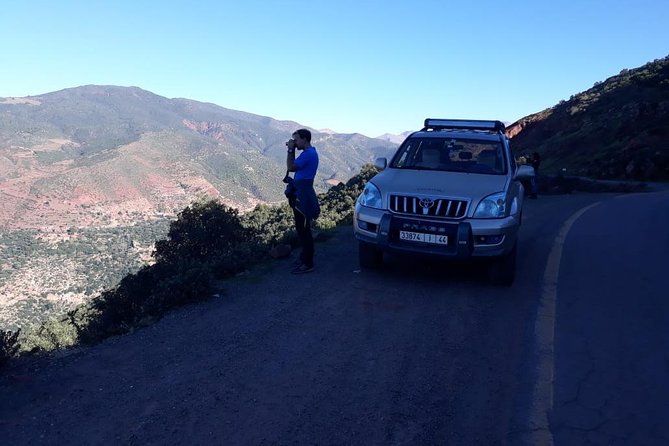
After Ait Ben Haddou, the road climbs toward the High Atlas and the Tizi n’Tichka Pass. At about 2,260 meters above sea level, this is the final major climb of the journey.
The scenery changes quickly as you pass small villages, waterfalls, rock walls, and high mountain slopes. In a few hours, you can go from sandy desert colors to cooler mountain tones and then down toward Marrakech. The contrast is one of the most rewarding parts of the entire trip.
The itinerary allows about two hours for the pass, followed by drop-off at your Marrakech hotel or riad. In practice, arrival can be later than the stated estimate. Mechanical trouble, traffic, long meal stops, and group delays can all affect the finish. Plan nothing time-sensitive for that evening.
The minivan is air-conditioned, which matters on the long desert roads. Still, this is not a luxury road journey unless you book the private or upgraded option. Shared departures can include smokers, different meal habits, and different preferences for stops. A smaller group reduces those problems but does not remove the long driving days.
Guides, group size, and the service you may receive
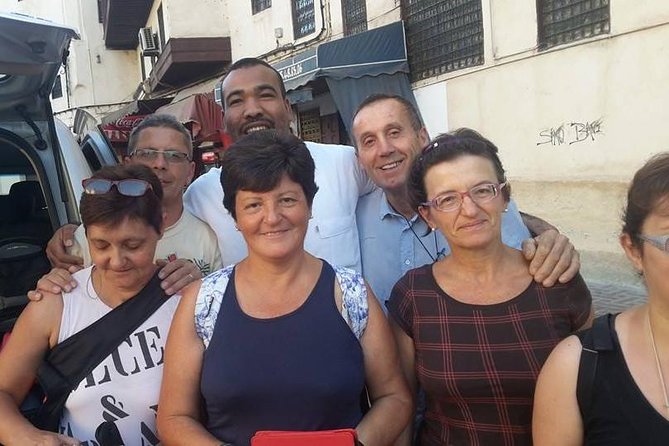
The experience is strongest when the driver is also a good host. Guides and drivers named on different departures include Ibrahim, Zaki, Driss, Mohammed, Hamza, Abdul, and Aimed. Zaki has been praised for fluent English and useful explanations of the scenery. Abdul has been described as both a careful driver and an effective guide who allowed time for photographs.
Driss appears particularly helpful if you want conversation and practical advice. Mohammed and Driss have also been a well-liked pair on smaller groups. Hamza and Hamza-style service have been praised for showing more of the country than just the desert, while Aimed has been appreciated for being friendly and helpful even when his historical commentary was limited.
That last point is important. This is not guaranteed to include a dedicated historian at every stop. On some departures, you get a professional driver who offers basic explanations. If you want detailed archaeology, local history, or architecture, ask at booking if a separate guide will accompany you.
The tour may also be operated in sections by different local partners. That can affect the vehicle, guide, hotel, and communication style between the desert and Marrakech. Most of the time this is simply a practical arrangement, but it can create confusion about pickup names, entrance tickets, or who is responsible for each part of the route.
Food, shopping, and extra costs
Two dinners and two breakfasts are included. Lunches and drinks are not, and the quality and price of meal stops can vary. Some stops are built for tour groups and may charge more than a local cafe away from the main route.
Shopping stops also require care. The route can include carpet, spice, fossil, or craft presentations. You are not required to buy anything, and you should compare prices before purchasing. A guided visit described as a cooperative is not automatically the cheapest or most community-focused place to shop.
Budget for entrance fees as well. Atlas Studios is listed at 8 euros per person, and the itinerary says entrance fees are generally excluded. Ask your driver what is optional and what is expected before you arrive at each stop.
Vegetarian food is available if you advise the operator when booking. Bring water, snacks, sunglasses, sunscreen, and a small bag for the camp. Your main luggage may be less convenient during the camel transfer, so keep essentials easy to reach.
Who should book this desert tour
I would choose this trip if you have only three days to connect Fes and Marrakech and want to see the Sahara without arranging separate transport, hotels, and desert activities. It suits you if the camel ride, desert camp, mountain scenery, and famous kasbahs matter more than slow travel.
It is also a good fit for people who enjoy scenic road trips and do not mind early starts or long stretches in a vehicle. The route gives you a broad view of Morocco in a short time.
I would hesitate if you want quiet villages, long walks, careful cultural interpretation, or a guaranteed local and low-tourism experience. The monkey stop, studio visit, shopping stops, and group restaurants can feel packaged. The camel ride also deserves your attention to animal treatment.
Book the smallest group you can afford if you value flexibility. Choose the ensuite or luxury camp if comfort matters. For the most control, book private transport and confirm the guide arrangement, camp type, planned stops, and expected arrival time in Marrakech before paying.
Free cancellation is available up to 24 hours before the 8 a.m. start time. Poor weather or failure to meet the minimum group size can lead to a new date, a different experience, or a full refund.
Should you book it?
Book this tour for the big picture of Morocco: cedar forest, desert dunes, palm oases, gorges, kasbahs, film country, and High Atlas passes in three packed days. The sunset camel ride and night sky at Erg Chebbi are the emotional high points, while the scenery between stops gives the trip its real breadth.
Skip it if you dislike long drives or expect a carefully paced cultural journey. At $186.10, it offers strong value as a combined transfer and desert trip, but you get the best return by choosing a small group, carrying your own snacks, allowing for late arrival, and confirming exactly who will guide you.
FAQ
Where does the tour start?
Pickup is offered from your hotel in the Fes Medina. The stated start time is 8 a.m.
Where does the tour finish?
The tour ends with drop-off at your hotel or riad in Marrakech.
Is the camel ride included?
Yes. A camel ride to the Erg Chebbi desert camp is included, with the ride taking about one hour. Sandboarding is also included.
What accommodation is included?
The tour includes two nights of accommodation. The first night is at a desert camp in a traditional Berber tent, and the second night is at a hotel in the Dades Gorges area or Ouarzazate. Upgraded options include ensuite or luxury desert tents.
Are meals and entrance fees included?
Two dinners and two breakfasts are included. Lunches, drinks, and entrance fees are not included. Atlas Studios is listed at 8 euros per person.
How many people can join the group?
The tour has a maximum of 15 people. You can select a standard group, small-group, luxury, or private option when booking, with prices varying by choice.
Recently reviewed around Fez
- day trip from fez to middle atlas mountain★ 5.0 · 17 reviews
- Discover the city of Fes on foot with the best guides★ 5.0 · 27 reviews
- VIP TOUR OF FES- Medina by local guide & Rempart by car-FULL Day★ 5.0 · 74 reviews
- Private Fes Medina Walking Tour★ 5.0 · 25 reviews
- Fes to Chefchaouen Day Trip★ 5.0 · 20 reviews
- fes medina guided tour★ 4.5 · 60 reviews
- Fes to Middle Atlas Private Day Trip★ 5.0 · 48 reviews
- Fes to Volubilis, Moulay Idriss and Meknes Private Day Trip★ 4.5 · 26 reviews
Merzouga Desert Tours, compared.
3 Days Desert Tour From Marrakech To Merzouga Dunes & Camel Trek
Read our review →
3-Day Marrakech to Merzouga Desert Tour: Camel Rides & Overnights
Read our review →
3-Day Marrakech to Fes Sahara Desert Tour via Merzouga
Read our review →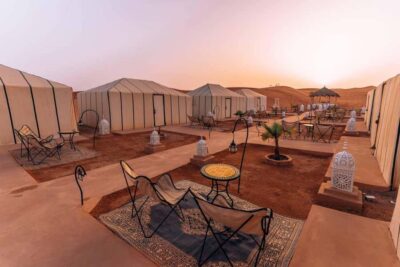
3-Day Merzouga Desert Experience Camel & Meals
Read our review →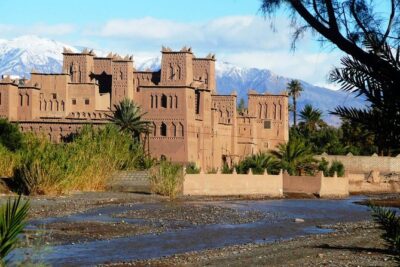
3-Day Tour to Merzouga Erg Chebbi with Food & Camel Trek
Read our review →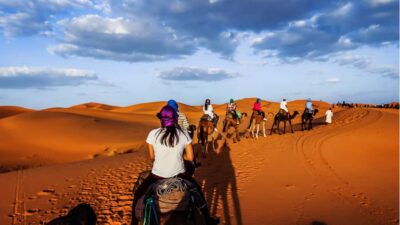
Sahara Desert 2-Day Tour with Merzouga Camp Stay
Read our review →Browse the lists this tour appears in