
Reviewed · 3-DAY EXPERIENCES
3 Days 2Nights Desert Trip to Fez from Marrakech
The big draw here is simple: in three days, you cross half of Morocco by road, ride a camel into the Erg Chebbi dunes, sleep in a desert camp, and finish in Fez. The route also takes you over the Tizi-n-Tichka Pass and through Ait Ben Haddou, rose country, the Dades Valley, and the Ziz Oasis.
I like the way the trip combines famous sights with time in smaller places, especially the night near the dunes and the walk through Rissani’s market. I also like that accommodation, breakfasts, dinners, transport, and the camel ride are included for $160 per person. The catch is the amount of time spent in the vehicle, with the first day in particular feeling like a long road day.
In This Review
- Key points to know before booking
- A three-day crossing from Marrakech to Fez
- Day one: over Tizi-n-Tichka to Ait Ben Haddou
- Ouarzazate and the road into Dades
- Day two: Todra Gorge, Rissani, and the camel ride
- Sunrise over Erg Chebbi and the road to Fez
- What the driver adds to the experience
- Transport, group size, and daily comfort
- What is included, and what is not
- Who should book this desert trip
- Should you book it?
- FAQ
- Where does the trip start?
- Where does the trip end?
- Is the camel ride included?
- Are meals included?
- How many people can join the tour?
- What happens if I need to cancel?
Key points to know before booking
- Erg Chebbi is the main event: Ride camels into the golden dunes before dinner and a night in a Berber tent.
- The route crosses Morocco’s interior: You travel through the High Atlas, Ait Ben Haddou, Ouarzazate, Dades, Todra, Rissani, and the Ziz Valley.
- Moha is a guide to request: Several guests specifically praise his careful driving, good humor, photo help, history talks, and attention to comfort.
- The price covers the costly basics: Air-conditioned minibus transport, two nights, two breakfasts, two dinners, camel riding, and taxes are included.
- Expect long driving days: This is a point-to-point transfer with sightseeing, not a slow desert holiday.
- The group may reach 15 people: The experience requires at least two people, and the advertised maximum is 15.
A three-day crossing from Marrakech to Fez
This trip works best if you think of it as a scenic transfer with a desert adventure in the middle. You are not simply being driven from one city to another. You are crossing mountain roads, fortified villages, film country, river valleys, dry plateaus, and cedar forests before reaching Fez.
The route is packed. That is its strength and its weakness. You see a great deal without arranging separate hotels, taxis, desert transport, or camp reservations. At the same time, you will spend many hours in an air-conditioned minibus, and some stops may be brief.
The tour is listed at $160 per person. For that price, the included transport, accommodation, two breakfasts, two dinners, and camel ride make it a strong value. You still pay for lunches, drinks, monument entry, tips, and travel insurance, so your real cost will be higher. Even so, the package removes the largest planning chores.
The description calls the outing private, but the additional information gives a maximum of 15 people. Ask how your departure will operate if having a private vehicle matters to you.
More Marrakech trips worth a second look
- From Marrakech: 3-Day Merzouga and Sahara Desert Tour
★ 4.9 · 15,308 reviews - From Marrakech: Merzouga 3-Day Desert Safari with Food
★ 4.7 · 12,232 reviews - 3 Days Desert Tour From Marrakech To Merzouga Dunes & Camel Trek
★ 5.0 · 10,125 reviews
Day one: over Tizi-n-Tichka to Ait Ben Haddou
You meet after breakfast at Hôtel Restaurant Café de France beside Jemaa el-Fnaa in Marrakech. The route then climbs into the High Atlas on the Tizi-n-Tichka road, reaching about 2,260 meters above sea level.
This first stretch gives you changing views as the road leaves the plains. Small villages, waterfalls, mountain slopes, and shifting colors provide plenty to look at through the minibus windows. A stop at the pass is planned for mint tea and photographs, giving you a chance to stretch your legs.
The mountain road is scenic but winding. If you get carsick, sit near the front, keep water close, and bring any medication you normally use. The trip information asks for a moderate level of physical fitness, and that applies less to strenuous walking than to handling a full day of road travel, steps, uneven ground, and the camel ride ahead.
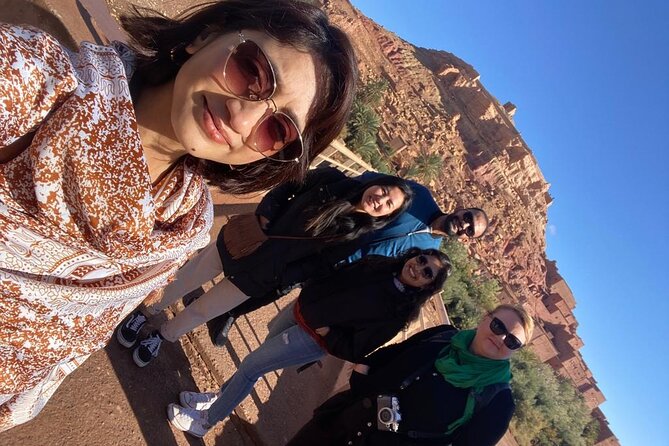
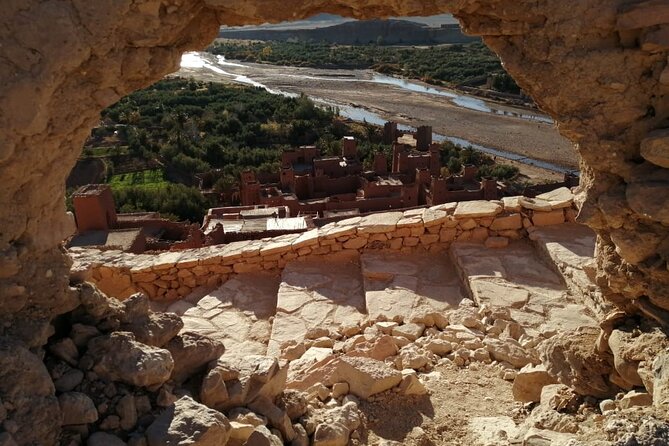
After the pass, you continue toward Ait Ben Haddou, usually reaching the kasbah around lunchtime. Lunch is not included, so you choose and pay for your meal. The stop is important, not just a quick photo break. Ait Ben Haddou is a UNESCO World Heritage site, a fortified settlement made of earthen buildings and defensive walls.
You have time to visit the kasbah, where scenes from films such as Gladiator, Lawrence of Arabia, Babel, and The Sheltering Sky were made. The movie connection is fun, but the real interest is the architecture and the way the settlement rises from the dry surroundings. Wear shoes with a firm sole, since exploring a historic kasbah means uneven paths and steps.
Ouarzazate and the road into Dades
From Ait Ben Haddou, the minibus continues to Ouarzazate, often called Morocco’s movie capital. The itinerary includes the Atlas Studios, described as the largest and most famous film studio in Africa.
The studio visit adds a different note to the day. You move from medieval-looking earthen architecture to constructed sets and the machinery of film making. Entry to some monuments is not included, so confirm the current admission cost before you commit to every stop.
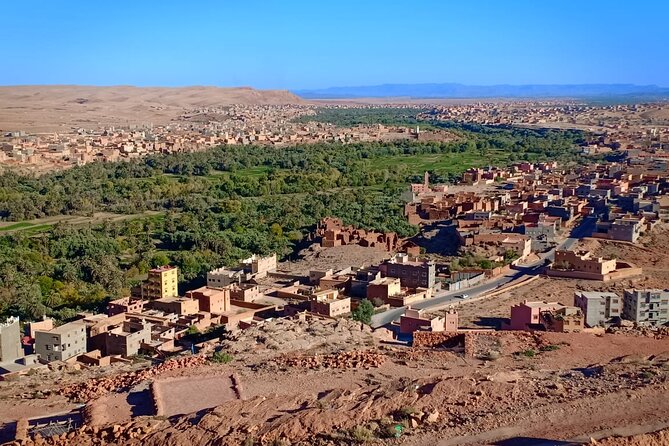
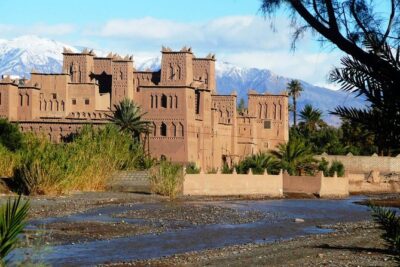
The road then passes through the Valley of Roses and into the Dades Valley. The scenery changes again, with dry hills and cultivated areas appearing along the route. This is one reason the drive earns its place in the trip, even though it can feel long. You are watching Morocco change from high mountain country to southern valleys and desert-edge terrain.
You aim to reach the Dades Gorge around sunset. Dinner and the night are provided at a traditional hotel in the gorge. The accommodation is included, but the exact hotel standard is not specified, so do not book this expecting a luxury property. The wording suggests a characterful, traditional stop rather than a large resort.
The first day is the hardest part for many people. You leave Marrakech after breakfast and cover a great deal of ground before dinner. Several guests have described this as essentially a full day of driving, while also saying the later desert section made the effort worthwhile. I would book this route for scenery and convenience, not for long, leisurely visits at every stop.
Day two: Todra Gorge, Rissani, and the camel ride
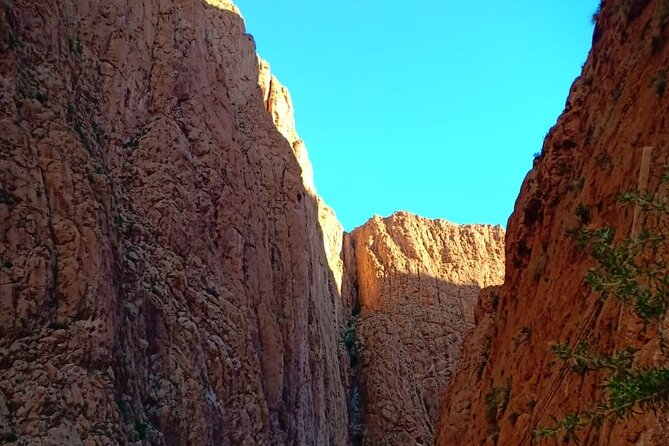
After breakfast, you may walk through the Todra Gorges. This gives you a welcome chance to leave the vehicle and see one of the region’s most striking natural formations on foot.
The route then follows the road known as the road of the 1,000 kasbahs. You pass Tinghir, a Jewish kasbah, and other fortified settlements before continuing toward Rissani. The exact length of each visit is not given, so treat the day as a guided overview rather than a detailed archaeological tour.
Rissani is a useful stop because it connects the road journey with everyday local life. You walk through the area’s large market and see kasbahs before lunch. Lunch is again at your own expense. Several guests appreciated drivers who suggested inexpensive restaurants, but you should still carry some Moroccan dirhams and ask about prices before ordering.
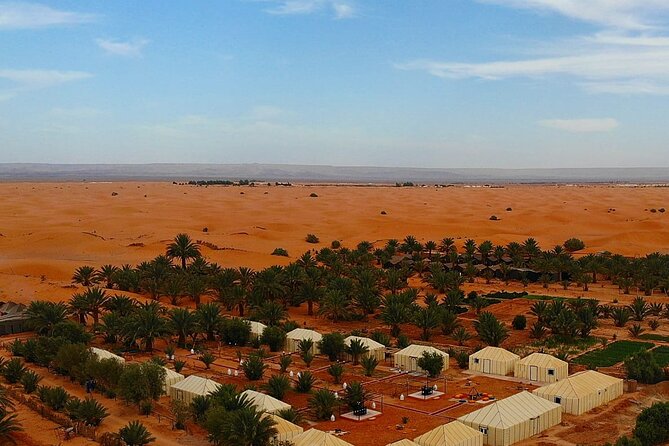
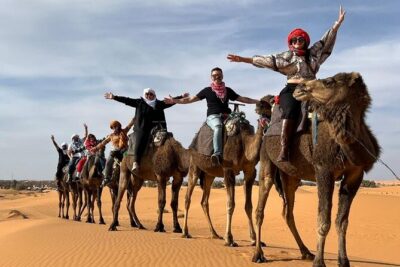
From Rissani, the road continues to Merzouga and the Erg Chebbi dunes. You arrive before sunset, leave the minibus at a hotel, and transfer to camels for the ride into the desert camp.
This is the moment the trip has been building toward. The camel trek gives you a slow approach to the dunes, with the light changing as evening comes on. You then have dinner at the Berber camp and spend the night in a tent beneath the stars.
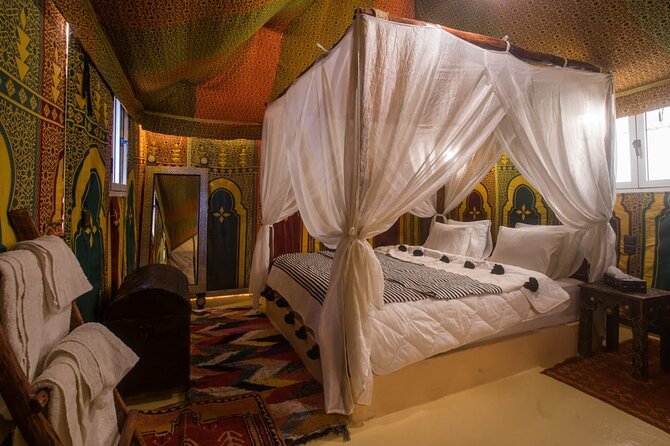
The camp is described as a Berber bivouac. It is a desert stay, not a standard hotel night, even if some camps provide comfortable beds and basic conveniences. The supplied information does not promise private bathrooms, heating, or a particular level of comfort. Pack with that uncertainty in mind.
Bring a warm layer, even if Marrakech was hot. Desert temperatures can drop after sunset. A small overnight bag is also smarter than carrying your full luggage on the camel ride. Keep your phone, medication, cash, and water where you can reach them.
The camel ride is a highlight, but it is not effortless. Mounting and dismounting can be awkward, and sitting on a camel for an extended ride may leave your legs and back sore. The moderate fitness requirement is worth taking seriously. If you have mobility concerns, ask the operator what alternatives are available before booking.
A different kind of day out, same corner of Morocco:
- Marrakech: Agafay Desert Sunset, Camel Ride, and Dinner Show
★ 4.6 · 35,119 reviews - From Marrakech: Ouzoud Waterfalls Guided Hike and Boat Trip
★ 4.7 · 33,630 reviews - Marrakech: Agafay Desert Quad & Camel Rides with Dinner Show
★ 4.8 · 27,382 reviews - Marrakech: Agafay Desert Quad Biking Tour with Dinner-Show
★ 4.8 · 16,569 reviews
Sunrise over Erg Chebbi and the road to Fez
The camel guide wakes you early on day three so you can watch the sunrise from the dunes. The itinerary refers to dunes around 300 meters high, giving you a sense of the scale at Erg Chebbi.
Sunrise is one of the best reasons to accept the early start. The desert is quiet, and the low light gives the sand a different color from the evening before. After sunrise, you return by camel to the hotel, where breakfast and a shower are provided before the long drive to Fez.
This is a practical arrangement. You get the desert night but also a place to wash and reset before spending another major part of the day on the road. Pack a small toiletry kit in your overnight bag so you are not searching through the vehicle for basic items.
The morning route passes through Rissani, described as the first capital of the Alaouite dynasty, and continues through the Ziz Valley. You stop for lunch in an apple-growing village along the way. Lunch is not included, but the stop breaks up the drive.
The scenery then shifts toward mountain country and cedar forest before you reach Fez in the afternoon. Several panoramic stops are planned for photos, though the exact locations and timing can change with road conditions and the pace of the group.
The final day is another long transfer. It is useful if you need to get from the Sahara to Fez without arranging a separate train, flight, or private car, but it leaves little time for an independent visit in the towns along the route. I would not schedule a major Fez activity immediately after arrival.
What the driver adds to the experience
The driver matters greatly on a trip like this. You are in the vehicle for hours, and a careful driver can make the difference between an exhausting ride and a pleasant one.
Moha and Moha Moha are the names most often singled out in the supplied feedback. The praise is specific: careful driving, good timing, useful stops, Moroccan music when requested, help with group photos, and clear explanations of Moroccan culture and history. Moha is also described as checking that people were comfortable, adjusting the air conditioning, answering questions, and keeping the mood light.
Hassan is another driver mentioned favorably, particularly for being friendly and accommodating. The quality of the trip may depend on the assigned driver, so if you have a preferred guide, request that person at booking, but understand that a request may not be guaranteed.
The driver is not necessarily a specialist guide at every monument. His role appears to combine driving, route commentary, practical help, and coordination. For a deeper visit inside Ait Ben Haddou or the film studio, ask what guiding is included and what requires an extra fee.
Transport, group size, and daily comfort
The trip uses an air-conditioned minibus. That is essential for the long distances, especially as the route crosses warmer southern areas. The vehicle is shared unless you have confirmed a private arrangement.
The maximum group size is 15 people. A group this size can make departures and photo stops slower, but it can also keep the price low. The experience requires at least two people per booking, and children must be accompanied by an adult. A child rate is available only when the child shares with two paying adults.
You should expect a moderate physical demand rather than a hiking trip. The main challenges are long hours seated, winding mountain roads, walking around kasbahs and gorges, and the camel ride. Comfortable shoes, a refillable water bottle, sun protection, a warm evening layer, and a small overnight bag will make the three days easier.
Pickup is offered, but the listed meeting point is Hôtel Restaurant Café de France at Jemaa el-Fnaa. At the Fez end, you are dropped at your hotel, riad, or the closest practical point. The operator can also call someone at your accommodation, which helps if your lodging is in a narrow medina lane.
What is included, and what is not
The package includes:
- Air-conditioned minibus transport
- Accommodation for two nights
- Two breakfasts
- Two dinners
- Camel riding at Erg Chebbi
- One night in a desert bivouac
- Application taxes
- An English-speaking professional driver
You pay separately for lunches, drinks, some monument entry fees, driver tips, and travel insurance. These exclusions are normal for a budget road trip, but they matter when you calculate the full cost.
The $160 price is strongest for people who value convenience. You are paying one modest fee for a cross-country transfer, two nights of lodging, meals at the included properties, and the desert camp experience. A private car would likely cost more, while arranging these pieces independently takes time and careful coordination.
The trade-off is control. You may not choose every restaurant, hotel, stop length, or vehicle arrangement. If you want slow mornings, long museum visits, or a carefully selected boutique hotel, a private custom itinerary would suit you better.
Who should book this desert trip
I would recommend this trip to you if you want the Sahara experience but have only three days to connect Marrakech and Fez. It also suits first-time visitors who prefer having the transport, desert camp, and basic accommodation organized in advance.
Families can make it work, and a family group with children has used the route successfully. Still, the road hours and early sunrise call may test younger children. Ask about seating and sleeping arrangements before paying if you are traveling with a family.
This is less suitable if you dislike long drives, need a high level of hotel comfort, or want a private, quiet itinerary. It is also not the best choice for anyone with serious mobility limits unless the operator confirms suitable arrangements for the camel ride and walking sections.
Cancellation is free if you cancel at least 24 hours before the start time. A late cancellation is not refunded, and changes made inside that 24-hour window are not accepted. Poor weather or failure to reach the minimum number of people can lead to a rescheduled trip or full refund.
Should you book it?
Book this tour if you want the classic Morocco route in a compact package: High Atlas passes, Ait Ben Haddou, Dades, the Sahara, camel riding, and arrival in Fez. The price is hard to fault for what it covers, and a friendly driver such as Moha can add real warmth and useful local context.
Skip it if you want an unhurried trip. The first and third days involve substantial driving, and the desert camp may be simpler than a hotel. Go in prepared for the road time, bring cash for lunches and drinks, and request your preferred driver if possible. For the right person, this is an efficient and memorable way to cross Morocco.
FAQ
Where does the trip start?
The listed meeting point is Hôtel Restaurant Café de France at Jemaa el-Fnaa, on Rue des Banques in Marrakech. Pickup is offered, so confirm the exact arrangement with the operator.
Where does the trip end?
The trip ends in Fez. You will be dropped at your hotel or riad, or at the closest suitable point, and the operator can call someone from your accommodation if needed.
Is the camel ride included?
Yes. The package includes a camel ride at Erg Chebbi, with a ride into the dunes on the second day and a return to the hotel after sunrise on the third day.
Are meals included?
Two breakfasts and two dinners are included. Lunches and drinks are not included, so you should budget separately for them.
How many people can join the tour?
The minimum booking is two people, and the stated maximum is 15 travelers. Children must be accompanied by an adult, and the child rate applies only when sharing with two paying adults.
What happens if I need to cancel?
You can receive a full refund if you cancel at least 24 hours before the experience start time. Cancellations or changes made less than 24 hours before departure are not accepted for a refund.
Recently reviewed around Marrakech
- 4-Days Marrakech to Marrakech Désert Tour★ 5.0 · 17 reviews
- Camel ride at sunset in Marrakech palm grove★ 5.0 · 17 reviews
- Agafay camel ride★ 5.0 · 20 reviews
- Camel riding in marrakech★ 4.5 · 17 reviews
- Marrakech to Atlas Mountains and 4 Valleys Day Trip★ 5.0 · 17 reviews
- Agafay Desert Adventure, Culture, and Relaxation, From Marrakech★ 5.0 · 25 reviews
- Quad excursion to the Agafay desert near Marrakech★ 5.0 · 44 reviews
- Camel ride and dinner Agafay desert★ 5.0 · 25 reviews
3-Day Experiences, compared.
3 Days Desert Tour From Marrakech To Merzouga Dunes & Camel Trek
Read our review →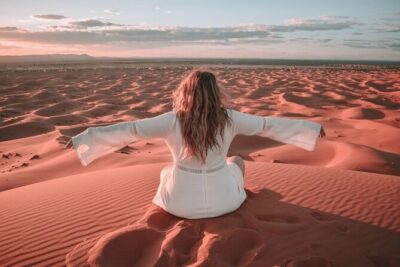
3-Day Marrakech to Merzouga Desert Tour: Camel Rides & Overnights
Read our review →
3-Day Marrakech to Fes Sahara Desert Tour via Merzouga
Read our review →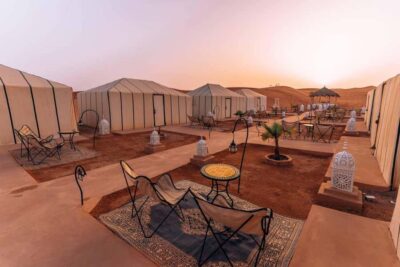
3-Day Merzouga Desert Experience Camel & Meals
Read our review →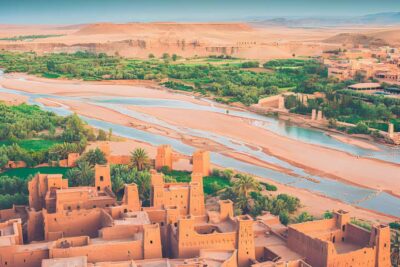
3-Day Tour to Merzouga Erg Chebbi with Food & Camel Trek
Read our review →Browse the lists this tour appears in