
Reviewed · CAMEL RIDES
3 Days – 2 Nights Desert Tour From Marrakech with Camel Ride
The best part of this three-day road trip is the change in scenery: Marrakech gives way to the Atlas Mountains, mud-brick kasbahs, narrow gorges, and finally the Erg Chebbi dunes near Merzouga. You ride a camel into camp at sunset, then wake early for another ride back.
I like the inclusion of Ait Ben Haddou and Todra Gorge, two of Morocco’s most memorable sights, and I like that the price covers transport, two dinners, two breakfasts, a Dades hotel, and a desert camp. The drawback is the long return drive on day three, roughly nine hours, with several stops packed into a tight schedule.
In This Review
- Key points to know before booking
- A fast road from Marrakech to the Sahara
- Day one: Atlas passes, Ait Ben Haddou, and the Dades Valley
- Walking through Ait Ben Haddou
- Ouarzazate and the road to Dades
- Day two: Todra Gorge and the camel ride into Erg Chebbi
- Todra Gorge gives the trip a welcome change of scale
- Reaching Merzouga and the desert camp
- Sunrise in the dunes and a long return to Marrakech
- Rissani, Nqob, and Tamnougalt
- The guide and communication question
- What the $96 price really covers
- What to pack for the mountains and the Sahara
- Who will enjoy this trip most
- Should you book this Marrakech desert tour?
- FAQ
- Where does the tour begin?
- What time does the tour start?
- How long is the tour?
- How are the two nights spent?
- Are camel rides included?
- What meals are included?
- Are lunches and drinks included?
- Which languages are available?
- Can I cancel the booking?
Key points to know before booking
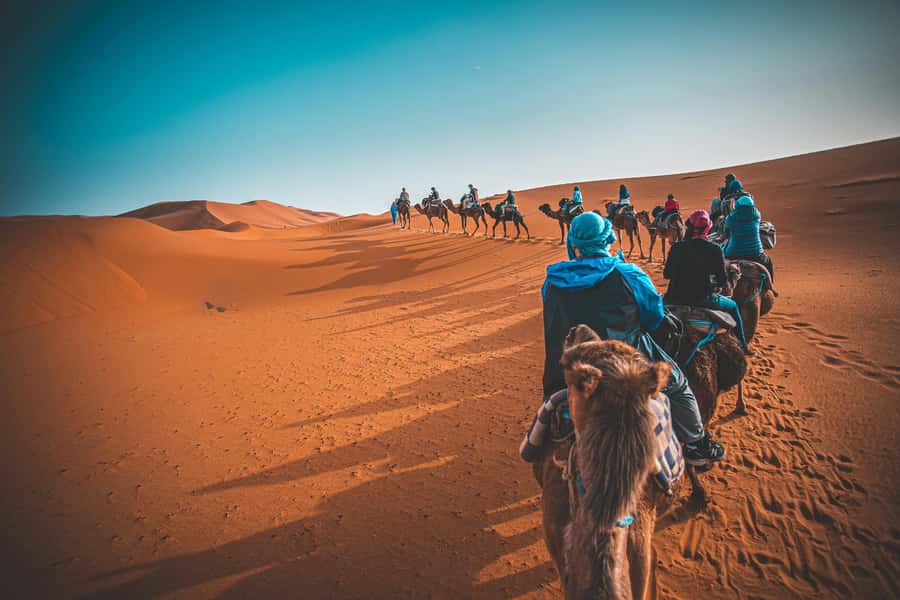
- Camel rides at sunset and sunrise: You get one camel for each ride, with the evening crossing leading to a desert camp.
- Ait Ben Haddou and Todra Gorge included: These are major highlights that many short Morocco trips leave out.
- One night in Dades, one night in the dunes: The first night breaks up the road journey before the Sahara stay.
- Air-conditioned minibus transport: Most of the trip is spent on the road, with about six hours of driving on day one, four on day two, and nine on day three.
- Meals are limited but useful: Two breakfasts and two dinners are included, while lunches, drinks, and extras cost more.
- Guide languages vary: English, Spanish, French, and Arabic are available, but communication should be confirmed before departure.
A fast road from Marrakech to the Sahara
This is not a leisurely desert escape. It is a tightly packed road journey that takes you from Marrakech across Morocco to Merzouga and back in only three days.
That short length is the main reason the tour costs about $96 per person. For that price, you receive an air-conditioned minibus, fuel and taxes, two nights of lodging, two dinners, two breakfasts, camel rides, campfire music, and stops along the route. You still pay for lunches, drinks, and an optional guide at Ait Ben Haddou, but the basic package covers the costly parts of reaching the dunes.
You begin at 7:15 a.m. from the Station Shell near Jemaa El Fna Square. If you are staying near the square, this is a practical meeting point, but you should confirm the exact pickup instructions before the morning of departure. The minibus is the main vehicle for all three days, so bring water, snacks, and clothing you can handle in both cool mountain air and hot desert sun.
The description refers to a scenic flight, but the detailed schedule describes travel by minibus. Plan on a road trip, not an aircraft journey. The slow change from city streets to mountain passes and desert villages is part of the experience, though the driving can be tiring.
More Ouarzazate trips worth a second look
- From Marrakech: Quad, Camel, & Dinner 3-Day Merzouga Tour
★ 4.9 · 483 reviews - 3 Days Group Tour from Marrakech to Merzouga Desert
★ 5.0 · 147 reviews - Marrakech: 3-Day Luxurious Desert Tour to Fes via Merzouga.
★ 4.9 · 116 reviews
Day one: Atlas passes, Ait Ben Haddou, and the Dades Valley
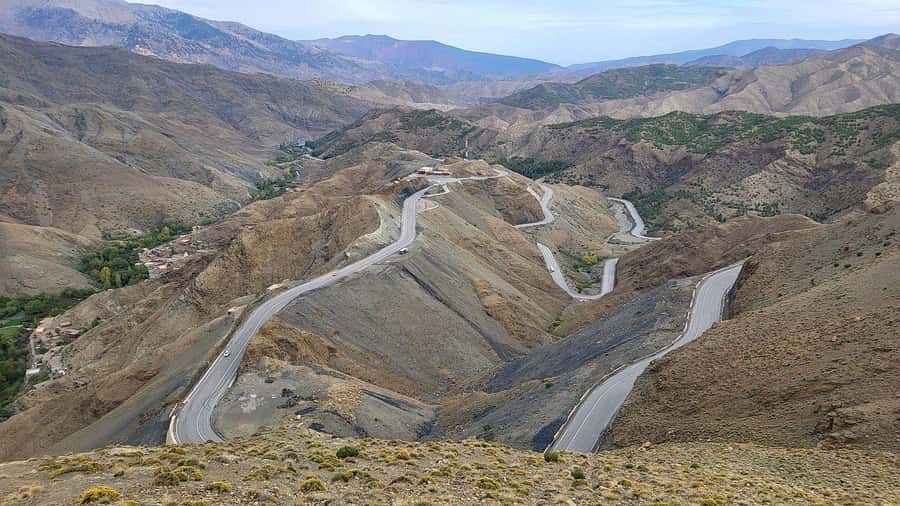
The first day takes you from Marrakech over the Atlas Mountains toward Ait Ben Haddou. The drive is listed at about six hours, not counting stops, meals, and visits.
The mountain crossing gives you a dramatic opening to the trip. Morocco changes quickly here. You leave Marrakech behind and move into high, rugged country before descending toward the old caravan routes and kasbahs of the south.
Walking through Ait Ben Haddou
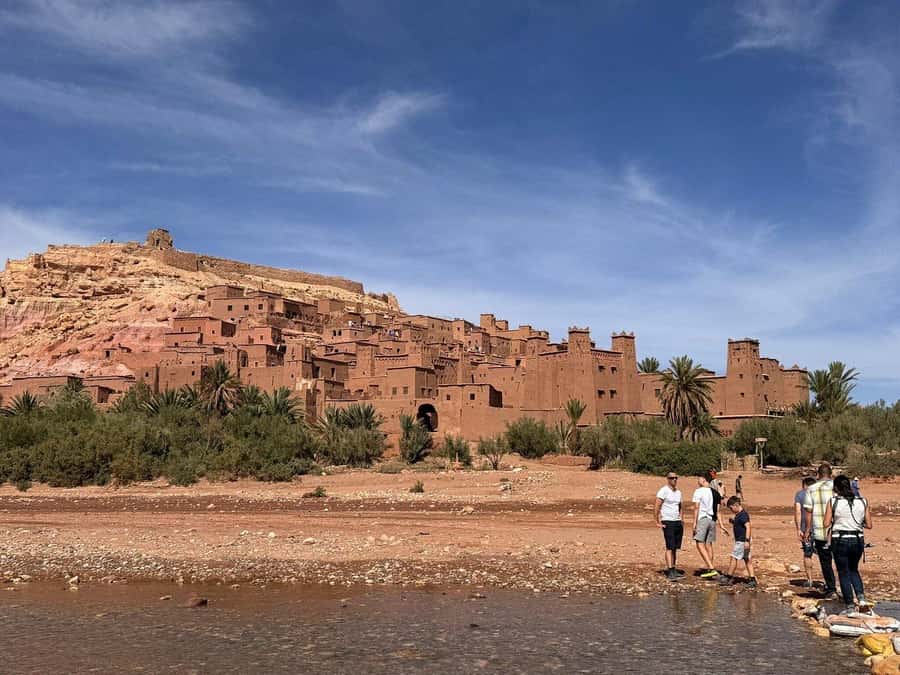
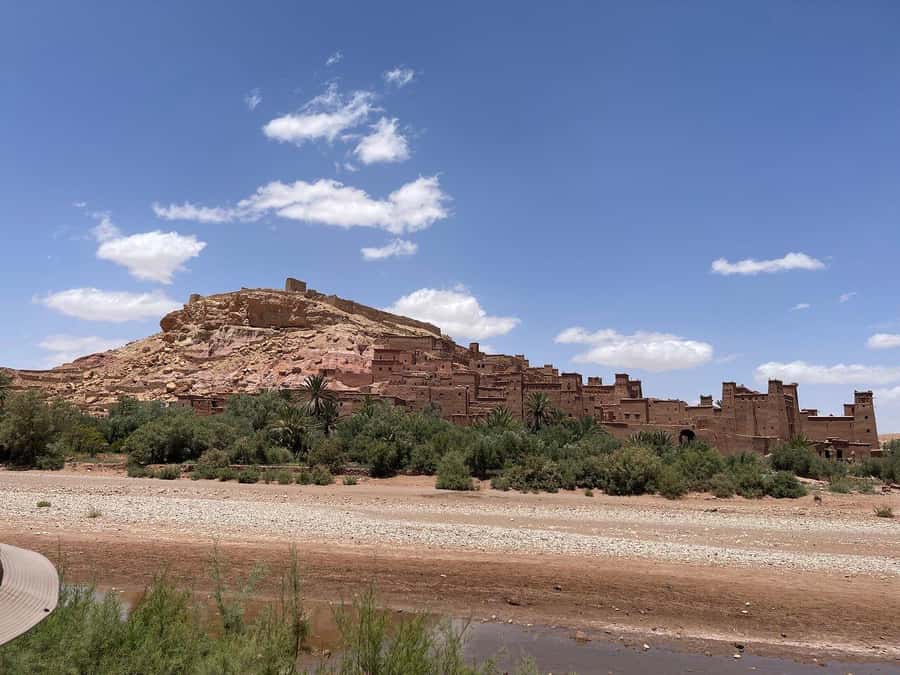
Ait Ben Haddou is the day’s major visit. This fortified village is built from earthen clay and has the look of a desert trading settlement, with narrow routes, high walls, and views over the surrounding country.
You have time to explore and eat lunch at the kasbah. An optional local guide costs about two euros per person. I would consider paying for the guide if you want context about the buildings, old trade routes, and filming history. Without one, you can still walk through the site, but you may miss some of the meaning behind what you are seeing.
This stop works well because it gives you more than a photo break. Ait Ben Haddou shows how architecture and climate meet in southern Morocco. The thick earthen walls are not decorative in the modern sense. They reflect a building tradition shaped by heat, scarce materials, and life along the routes south of the Atlas Mountains.
Allow for uneven walking and wear comfortable shoes. The tour specifically recommends sturdy footwear, sunscreen, water, and a camera. A scarf is useful for sun and dust protection.
Ouarzazate and the road to Dades
After Ait Ben Haddou, the minibus continues to Ouarzazate, often called the Gateway to the Desert. The town is linked with major productions including The Mummy and Lawrence of Arabia, and the stop includes time at a café.
This is a shorter pause than the main sightseeing stops, so keep your expectations modest. You are not getting a full film-studio visit or a long town tour. It is a chance to rest, have a drink at your own cost, and break up the afternoon drive.
The day ends in the Dades Valley, where you have dinner and sleep in a hotel. This overnight stop is important. Without it, the drive from Marrakech to the Sahara would be far more punishing. The hotel night also means you do not have to go directly from the Atlas crossing into a camel ride.
Your first dinner is included, with vegan and vegetarian choices available. Drinks are not included, so keep some Moroccan dirhams ready for water or other purchases.
A different kind of day out, same corner of Morocco:
- From Marrakech: Guided Ouzoud Waterfalls Tour with Boat Ride
★ 4.9 · 737 reviews - From Marrakech To Essaouira Mogador Full Day Trip Smallgroup
★ 4.9 · 280 reviews - From Ouarzazate: 2-Day Excursion to Zagora Desert
★ 4.7 · 93 reviews - 3-Day Desert Adventure: Ouarzazate to Merzouga
★ 4.8 · 76 reviews
Day two: Todra Gorge and the camel ride into Erg Chebbi
Day two is shorter on the road, listed at about four hours of driving, but it still covers a lot. After breakfast, you leave Dades for Tinghir and Todra Gorge, then continue toward Merzouga.
Todra Gorge gives the trip a welcome change of scale
Todra Gorge is one of the most striking stops on the route. High rock walls close in around the road and walking area, creating a narrow passage that feels very different from the open desert you will see later.
I like this stop because it prevents the tour from becoming a single-theme Sahara trip. You get mountain scenery, geological drama, and a physical place to walk before the dunes. After visiting, you stop for lunch at your own expense.
The lunch break is worth planning for. Since lunch is never included on the tour, check what the driver or escort recommends and carry a small snack in case the timing does not suit you. You also need to budget for lunch on all three days.
Reaching Merzouga and the desert camp
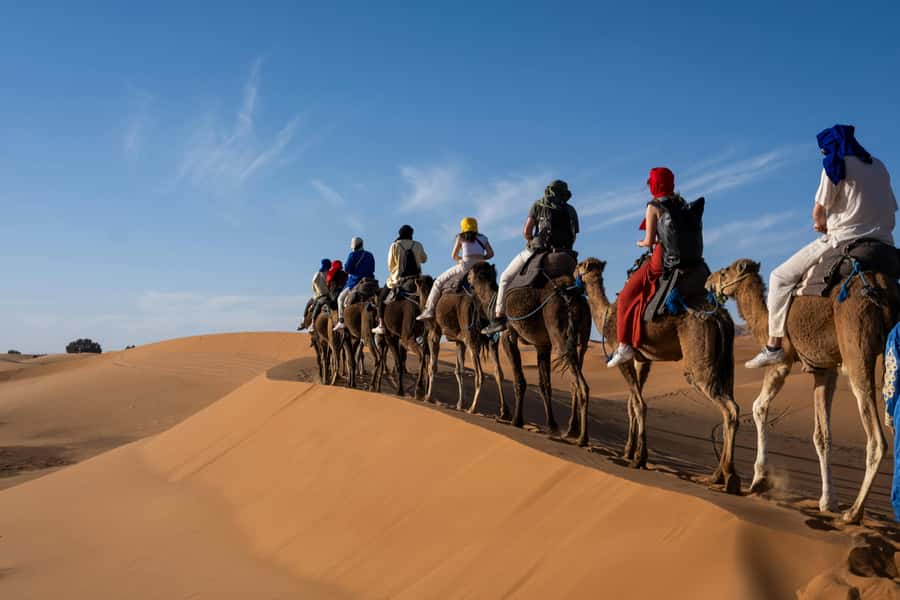
After Todra Gorge, the road heads toward Merzouga and the Erg Chebbi dunes. This is where the pace changes. Instead of staying in the minibus, you mount one camel and cross the dunes toward the Berber camp around sunset.
The camel ride is included twice, once in the evening and again at sunrise. The evening ride is the more atmospheric of the two. The light softens, the dunes take on warmer tones, and you have the pleasure of arriving at camp under your own power rather than simply being driven there.
Camel riding is not the same as riding a horse. The animal rises and sits in stages, so hold on as it stands. Comfortable trousers are a better choice than clothing that restricts your legs. You may also want a scarf and a jacket, since desert temperatures can drop after dark.
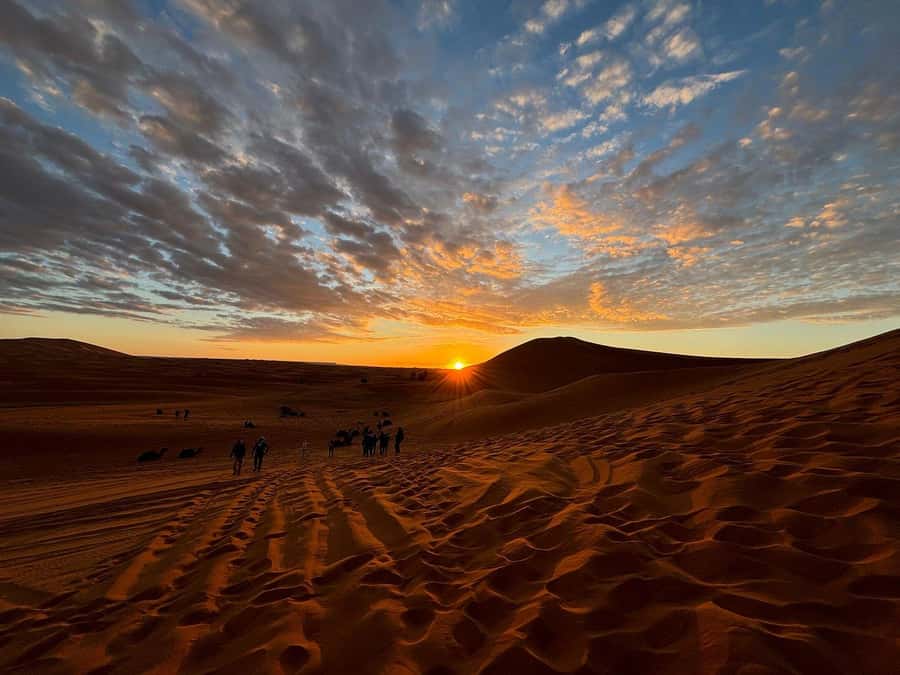
The camp stay includes dinner, music, and a campfire. This is one of the tour’s strongest features because the night is not treated as just a place to sleep. You gather around the fire, listen to live music, and spend time under the stars.
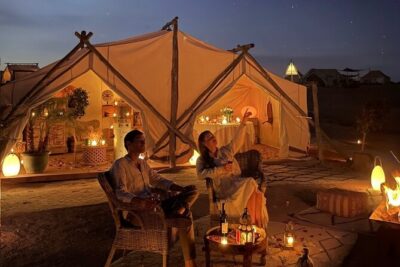
The accommodation is described as a desert camp, but no upgrade or tent category is specified. If a private tent, private bathroom, or a more comfortable camp matters to you, ask about an accommodation upgrade before booking. The standard price should be judged as a simple desert night, not as a luxury camp stay.
Dinner includes vegan and vegetarian options. Breakfast is served the next morning before the return camel ride. Drinks remain extra.
Sunrise in the dunes and a long return to Marrakech
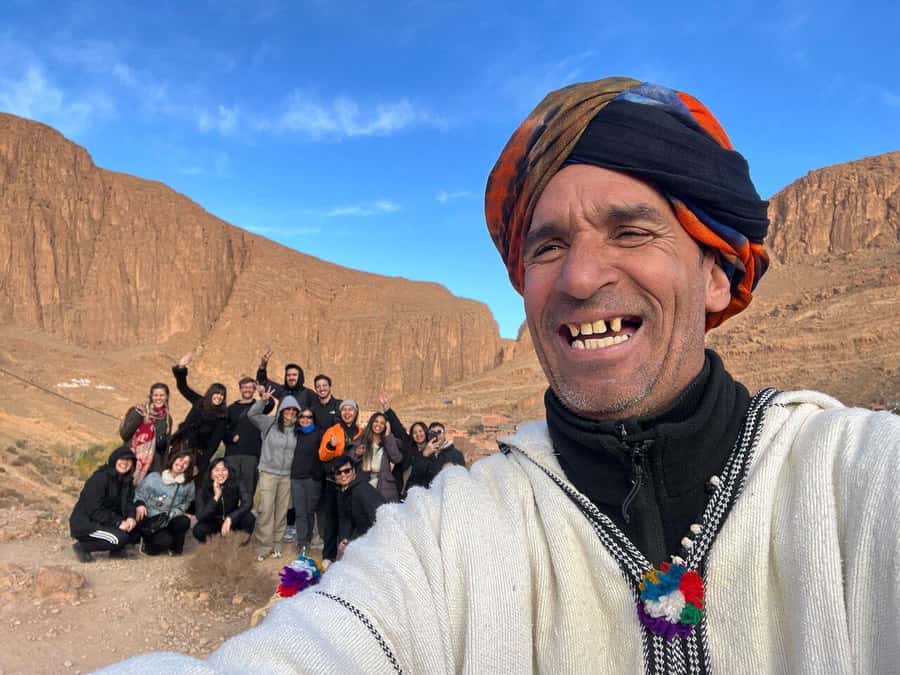
Day three starts early. You eat breakfast, then ride the camels back to the minibus as the sun comes up.
The sunrise ride is a useful second look at the dunes. Evening light and morning light show the sand differently, and the cooler air makes the ride more comfortable for many people. Still, an early start is part of the bargain. This is not the right trip if you want slow mornings at camp.
Once you return to the minibus, the longest driving day begins. The schedule gives about nine hours from Merzouga back to Marrakech, with stops through the Draa Valley, Rissani, Nqob, Tamnougalt, and Ouarzazate.
Rissani, Nqob, and Tamnougalt
Rissani is included as a photography stop, with Moroccan architectural details such as palaces, gateways, and temples. This is a good chance to see more than sand and dunes. The town connects the desert route with older forms of southern Moroccan building and urban design.
The schedule also passes through Nqob and Tamnougalt. These stops help fill out the return journey, but the day’s timing is ambitious. A stop can be shortened or missed if road conditions, group delays, or timing problems arise. One section of the experience has caused confusion for some passengers, including a missed final stop and uncertainty about where to meet the group.
That makes one piece of advice especially important: keep your phone charged, listen closely to meeting instructions, and ask the escort to repeat the next departure time and location. Do not simply follow the group if you are unsure. Clear communication matters on a fast-moving shared tour.
You return to Ouarzazate for lunch at a local restaurant, again at your own cost. From there, the minibus crosses the Atlas Mountains and should reach Marrakech around 8:00 p.m.
The guide and communication question
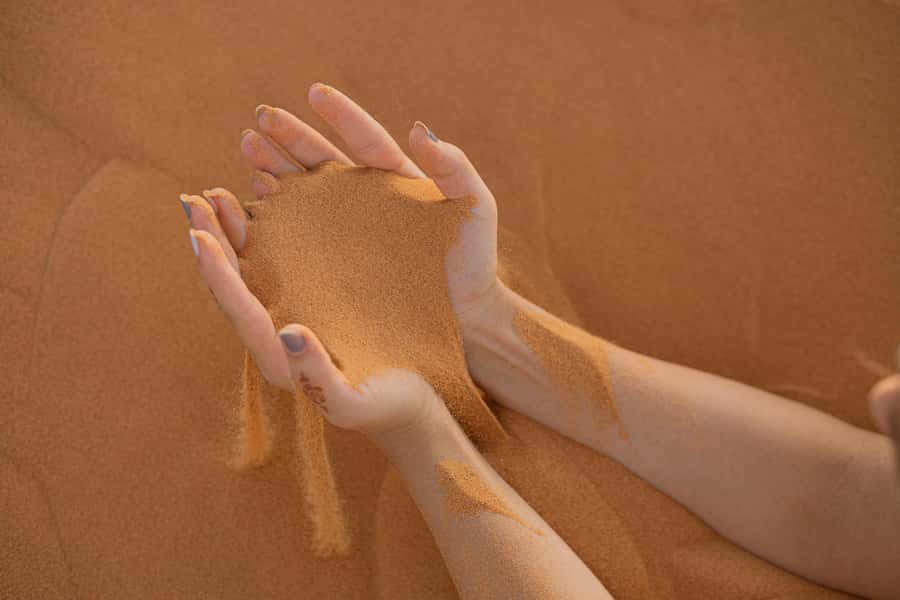
The tour offers live guiding in English, Spanish, French, and Arabic. Names connected with the operation include Mustafa, Jawad, and Bashir. Jawad is specifically associated with warm, capable driving, while Bashir is described as attentive and friendly. Your assigned driver or escort may differ, so do not book based on a particular person unless the provider confirms that person for your date.
The distinction between driver and guide is worth understanding. Your driver handles a demanding route over mountain roads and long desert stretches. The escort may organize stops, camp arrangements, and group movement. A good driver can make the long hours much easier, but that does not always mean you receive detailed guiding at every site.
Language organization also deserves attention. The advertised languages are broad, but a multilingual group may be combined in one vehicle. Confirm your preferred language when booking, especially if French or Spanish commentary is important to you.
The best approach is to treat this as a shared transport trip with guiding support, not as a private cultural tour. You will see a lot, but the depth of explanation can depend on the person assigned to the group.
What the $96 price really covers
At $96, the tour offers strong practical value for anyone who wants to reach Merzouga without arranging several separate transfers.
Included:
- Air-conditioned minibus transport
- Fuel, fees, and taxes
- One hotel night in Dades
- One night at a desert camp
- Two breakfasts
- Two dinners
- Sunset and sunrise camel rides
- Campfire music
- Stops along the route
Not included:
- Three lunches
- Drinks
- Optional extras
- Accommodation upgrades
- The optional Ait Ben Haddou guide, about two euros per person
The value is strongest when you compare it with the effort of arranging the route yourself. You would otherwise need to connect Marrakech, Ait Ben Haddou, Dades, Todra Gorge, Merzouga, and the return journey, while also booking a hotel and desert camp. Here, those pieces are bundled together.
The tradeoff is comfort and control. A low-cost shared minibus means fixed timing, group decisions, and long hours on the road. If you want more time at each stop, a private vehicle or longer tour would suit you better.
What to pack for the mountains and the Sahara
Pack for several climates, not just the desert. The Atlas Mountains and late-night camp can feel cool, while daytime stops require sun protection.
Bring:
- Comfortable walking shoes
- Warm clothing
- A jacket
- Toiletries
- A scarf
- Sunscreen
- Water
- A camera
A small overnight bag is easier than opening a large suitcase at every stop. Keep valuables and anything needed for the desert night with you in the minibus. Since lunches and drinks are extra, carry some cash for food and water.
Vegetarian and vegan meals are available for the included breakfasts and dinners. State your preference clearly when you book and remind the escort at the start of the trip.
Who will enjoy this trip most
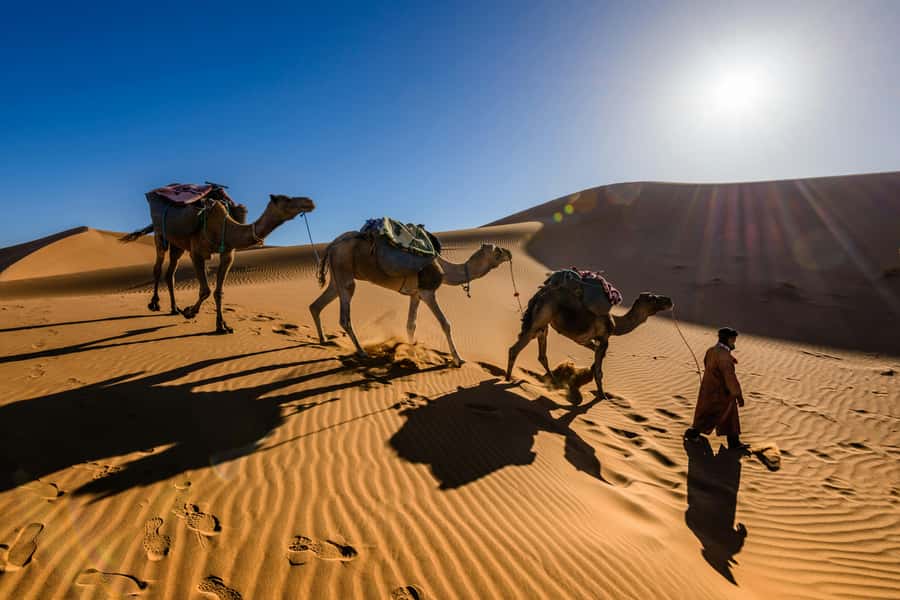
I would recommend this tour to someone visiting Morocco for the first time who wants the major southern sights in a short window. You see a kasbah, a film-linked town, a gorge, old desert architecture, the Draa Valley, and the Sahara camp in one compact journey.
It also suits budget-minded visitors who value included transport and lodging more than personal space. The campfire music and two camel rides give the trip a social feel, which can be fun if you like meeting people from different countries.
I would think twice if you dislike early starts, long drives, or changing plans. Day three is especially demanding. The tour is also a weaker fit if you want a polished, private experience with long guided visits and guaranteed time at every scheduled stop.
The overall rating is 4.1 out of 5 from 19 bookings, which fits the picture: strong scenery, good value, and several highly praised drivers and escorts, balanced by some communication and organization concerns. The most consistently positive points are the staff, the scenery, and the sense that the trip is well arranged when the group communication works.
Should you book this Marrakech desert tour?
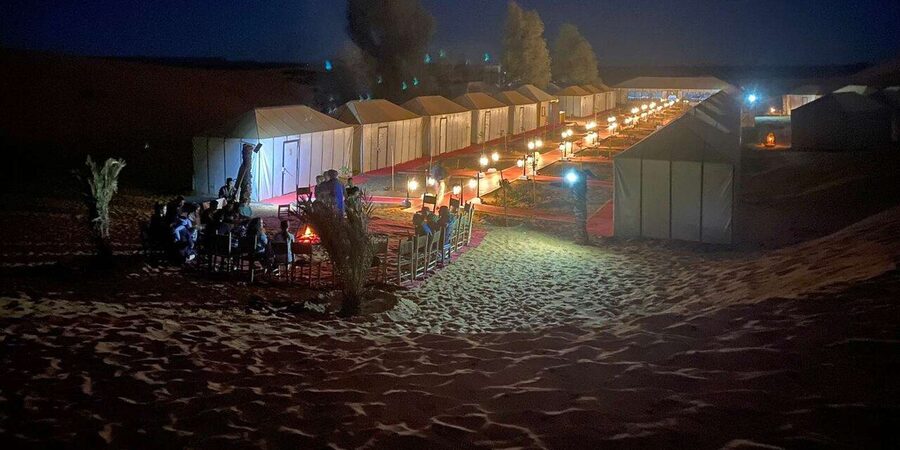
Book it if you want maximum southern Morocco for a low price and accept that the route will be busy. Ait Ben Haddou, Todra Gorge, the Erg Chebbi dunes, two camel rides, and a desert camp make this a substantial three-day package.
Before paying, confirm the meeting point, pickup time, preferred guide language, meal requirements, camp standard, and whether any accommodation upgrade is available. If you can add a fourth day, the return drive would feel less rushed. If three days is all you have, this tour gives you a practical way to reach the Sahara, with the clear warning that the final day will be long.
Free cancellation is available up to 24 hours before departure, and you can reserve now and pay later. That flexibility is useful while your Morocco plans are still taking shape.
FAQ
Where does the tour begin?
The meeting point is Station Shell near Jemaa El Fna Square in Marrakech.
What time does the tour start?
Day one begins at 7:15 a.m. You should confirm the exact meeting instructions before departure.
How long is the tour?
The experience lasts three days and two nights.
How are the two nights spent?
You spend one night in a hotel in the Dades Valley and one night at a desert camp in the dunes.
Are camel rides included?
Yes. One camel ride takes place at sunset, and another takes place at sunrise. One camel is provided for each person.
What meals are included?
The tour includes two breakfasts and two dinners. Vegan and vegetarian choices are available.
Are lunches and drinks included?
No. Lunches, drinks, and other extras are not included in the price.
Which languages are available?
Live guiding is offered in English, Spanish, French, and Arabic.
Can I cancel the booking?
Yes. You can cancel up to 24 hours in advance for a full refund. You can also reserve now and pay later.
Recently reviewed around Ouarzazate
- Excursion to Gorge Dades and Canyon Fingers of Monkey Morocco★ 5.0 · 23 reviews
- Private Monkey Fingers Canyon Hike★ 5.0 · 41 reviews
- Marrakech: Ouarzazate Excursion★ 3.1 · 25 reviews
- Marrakech: 4D Desert to Merzouga w/ 2 nights in the desert★ 4.0 · 17 reviews
- From Ouarzazate: 2-Day Excursion to Zagora Desert★ 4.7 · 93 reviews
- From marrakech : Day trip to Ouarzazate and Ait benhaddou★ 4.7 · 22 reviews
- From Marrakech: 3 Days Desert Tour To Merzouga Luxury Camp★ 4.7 · 36 reviews
- From Marrakech: 3-Day Luxury Desert Tour to Fes via Merzouga★ 4.9 · 25 reviews
Camel Rides, compared.
Agafay Desert Sunset, Camel Ride, and Dinner Show
Read our review →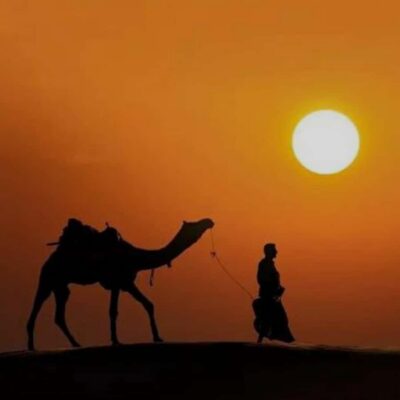
Agafay Desert Quad & Camel Rides with Dinner Show
Read our review →Agafay Desert Quad & Camel Rides with Dinner Show
Read our review →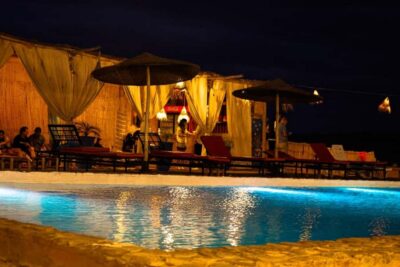
Agafay Desert Quad, Camel Ride & Dinner Show
Read our review →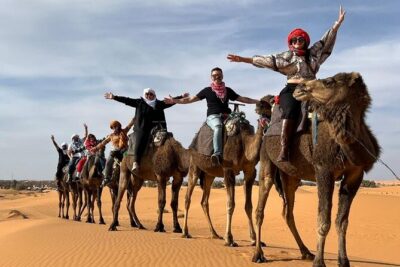
3 Days Desert Tour From Marrakech To Merzouga Dunes & Camel Trek
Read our review →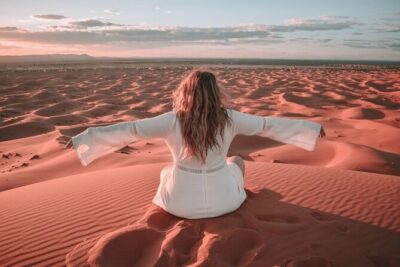
3-Day Marrakech to Merzouga Desert Tour: Camel Rides & Overnights
Read our review →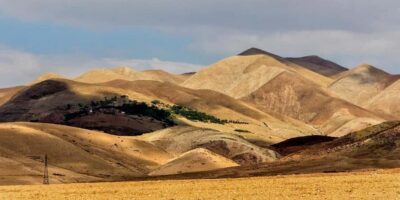
Desert & Mountain Tour with Camel Ride & Lunch
Read our review →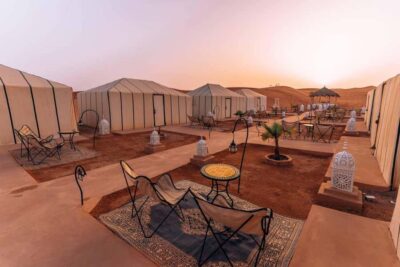
3-Day Merzouga Desert Experience Camel & Meals
Read our review →Browse the lists this tour appears in