Reviewed · 1-DAY TOURS
Marrakech: UNESCO Kasbahs and Telouet Green Valley Day Trip
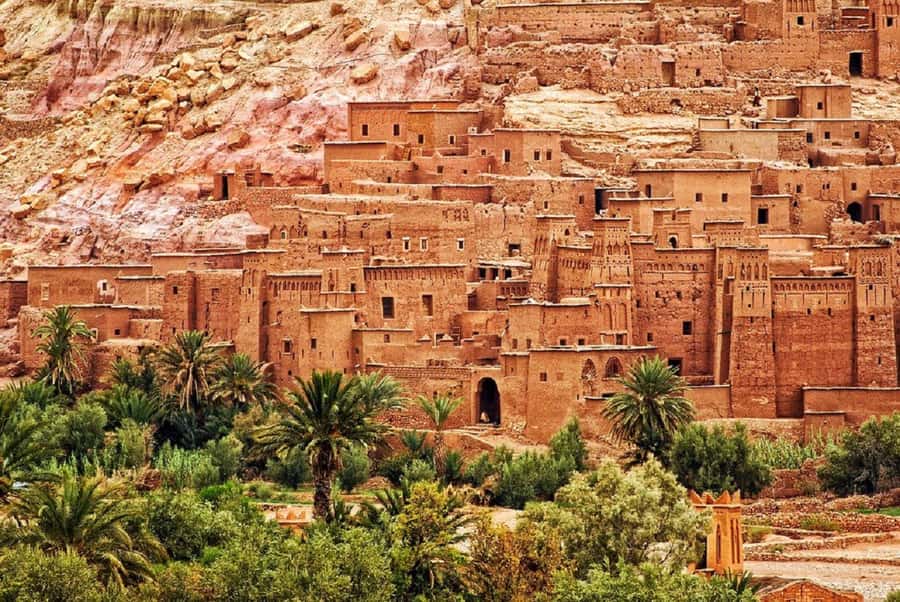
A day among Morocco’s mud-brick fortresses is really a day on the road. You cross the High Atlas, stop at the 2,260-meter Tizi n’Tichka Pass, follow the beautiful Ounila Valley, visit Telouet Kasbah, and walk through Ait Ben Haddou. The reward is not only the famous ksar, but the changing scenery between Marrakech and the desert edge.
I especially like the quiet route through the Telouet Valley and the lunch served in a local Berber home. Guides such as Reda, Mahmoud, Ali, and Mustapha have been praised for safe driving, helpful stops, and easy conversation. The catch is simple: this is a long day, with roughly nine hours of driving in total, so you need to be comfortable spending much of the day in a vehicle.
In This Review
- Key points at a glance
- Why this Marrakech day trip is worth the long drive
- Leaving Marrakech for the Tizi n’Tichka Pass
- The Ounila Valley and the green side of Telouet
- Telouet Kasbah and the remains of Glaoui power
- A Berber home lunch near Ait Ben Haddou
- Walking through the UNESCO ksar at Ait Ben Haddou
- What the vehicle time feels like
- Who should book this experience
- Practical details before you reserve
- Should you book the Telouet and Ait Ben Haddou day trip?
- FAQ
- How long does the day trip last?
- What is included in the price?
- Is a guide at Ait Ben Haddou included?
- What languages are available?
- How high is the Tizi n’Tichka Pass?
- Is lunch served at a tourist restaurant?
- Is the trip suitable for wheelchair users?
- What should I bring?
Key points at a glance
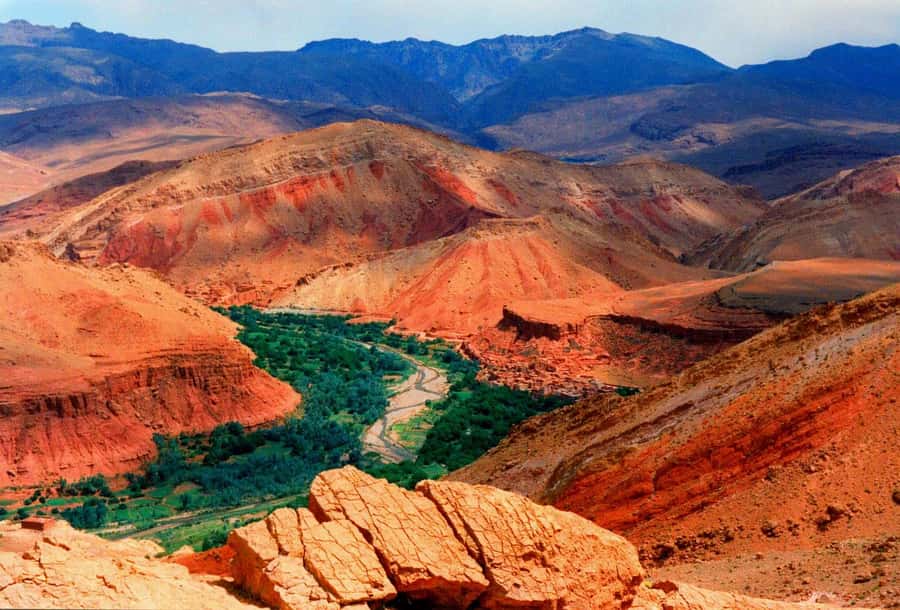
- High Atlas crossing: Reach the Tizi n’Tichka Pass at 2,260 meters, with photo stops on the mountain road.
- Two very different kasbah sites: See the damaged but atmospheric Telouet Kasbah and the better-preserved Ait Ben Haddou.
- A quieter route: The road through the Ounila Valley brings green palms, villages, cliffs, and fewer tour vehicles than the main road.
- Lunch with a local family: A Berber home meal, often chicken tagine, adds a personal touch to a busy sightseeing day.
- Small-group feel: Some departures become private trips, while others remain small enough for questions and flexible stops.
- A full day out: Transport, driver, water, tea, and lunch are included for $102 per person, but the journey is tiring.
Why this Marrakech day trip is worth the long drive
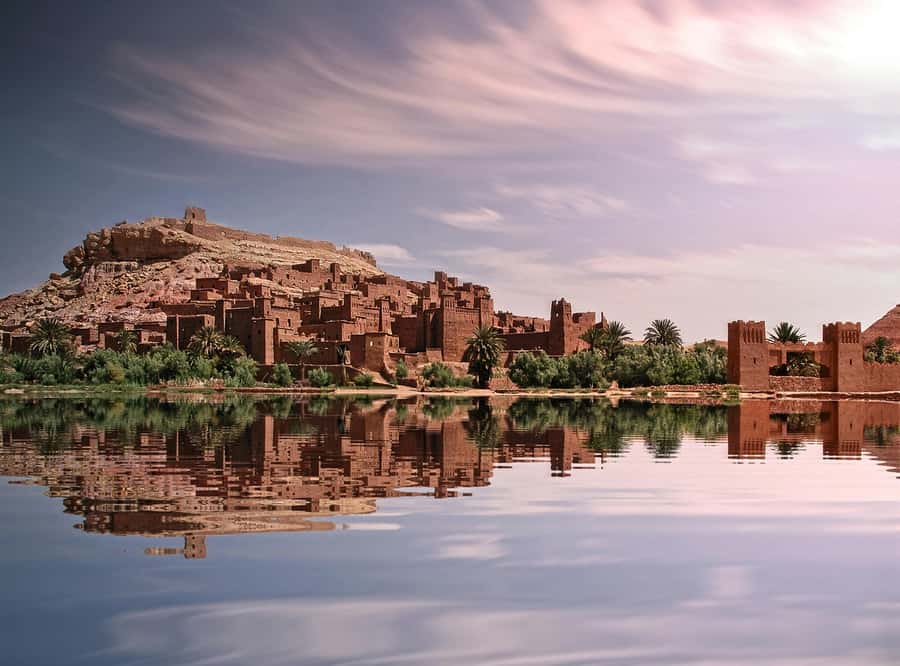
Ait Ben Haddou is the headline attraction, but the route gives this trip its character. From Marrakech, the road climbs into the High Atlas, crosses high mountain country, and then drops toward dry valleys lined with palms and mud-built villages.
I like this kind of day trip because it shows you how quickly Morocco changes. One moment you are in the city, then you are looking at snow on high peaks in winter, and later you are walking beside ancient earthen walls in a warm valley.
The trip is also aimed at people who want Ait Ben Haddou without spending time at film studios. The focus stays on the old settlements, mountain roads, village life, and local food. That makes it a good match for you if history, scenery, photography, and rural Morocco matter more than movie locations.
The price is $102 per person. That is fair for a full-day outing that includes transport from Marrakech and back, a driver, lunch, water, and tea. The value improves if your group is small or the trip becomes private. You are paying for a very long round trip, though, not simply an entrance ticket to Ait Ben Haddou.
More Marrakech trips worth a second look
- From Marrakech: Day Trip to Ouarzazate and Ait Benhaddou
★ 4.7 · 9,447 reviews - From Marrakesh: Essaouira Full-Day Trip
★ 4.6 · 8,137 reviews - From Marrakech: Small Group to Essaouira & Sekkala Day Trip
★ 4.9 · 6,671 reviews
Leaving Marrakech for the Tizi n’Tichka Pass
Pickup is in Marrakech, usually for a day that begins around 8 a.m. and returns in the early evening. One recent timing had the group back at about 6:30 p.m., while another return was closer to 9 p.m., so you should allow a wide margin for road conditions and stop times.
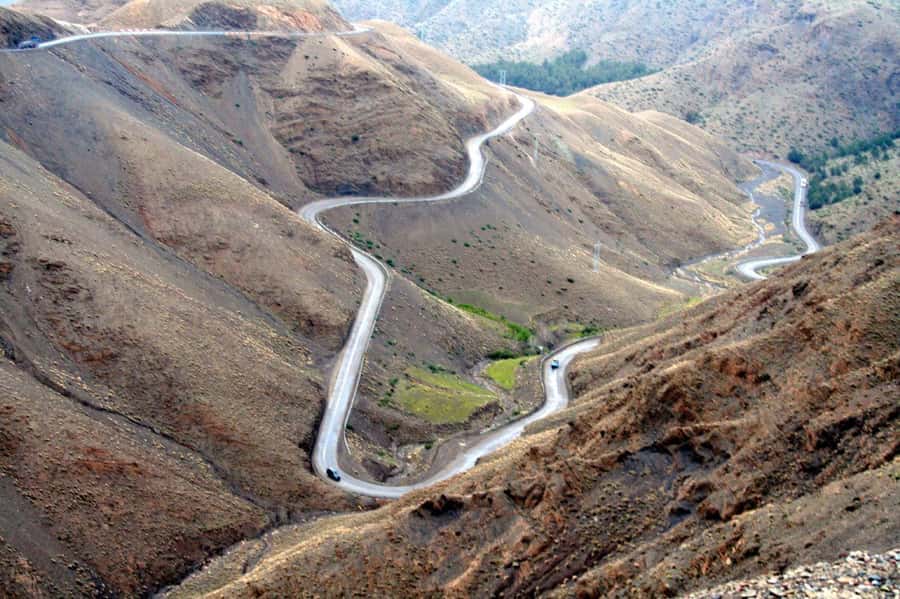
The first major section is the climb over the High Atlas. The Tizi n’Tichka Pass reaches 2,260 meters, and the mountain road provides the first big visual change of the day. You will have time for photographs and short breaks, which matter because the drive is long and winding.
The pass can feel chilly, especially in winter and early spring. Snow has been seen on the high Atlas peaks in February, so bring an extra layer even if Marrakech feels warm when you leave. Summer brings different conditions, but you should still check the forecast before setting out.
Your driver is an important part of this experience. Names praised for careful driving and friendly guidance include Reda, Mahmoud, Ali, Mustapha, Jamal, Abderazak, and Houcain. The driver language options are French, English, Arabic, and Spanish. The best drivers do more than handle the road. They point out villages, stop at good viewpoints, and explain local customs along the way.
The Ounila Valley and the green side of Telouet
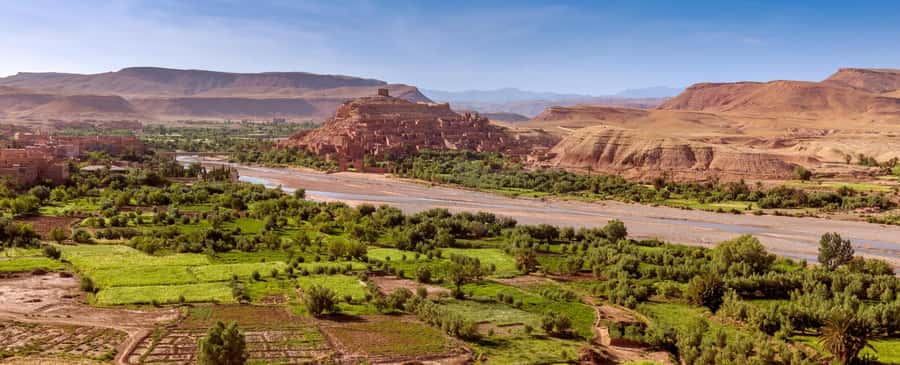
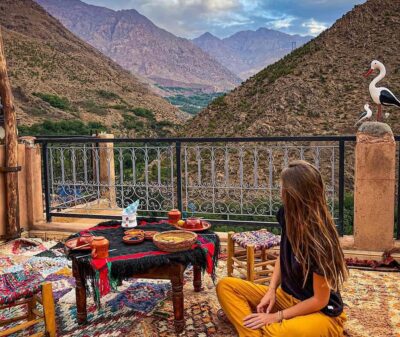
The road toward Telouet is one of the strongest reasons to choose this trip. Instead of taking the most direct route to Ait Ben Haddou, the journey follows the quieter Ounila Valley, where green palms and cultivated patches contrast with dry, rocky slopes.
You might stop near Berber villages, a salt mine, or other points of interest along the road. The exact stops can vary, but the general pattern is clear: this is not a nonstop transfer. The driver may pull over for photographs, a short walk, or a closer look at rural life.
The valley has a gentle rhythm that differs from the drama of the mountain pass. Palm trees follow the water, homes cluster near the road, and the surrounding rock feels stark by comparison. I find this contrast more revealing than a quick dash from one famous monument to another.
Bring your camera, but also leave room on your phone for plenty of photographs. The road itself is one of the day’s main sights. A small group or private departure gives you a better chance of asking for a short stop when something catches your eye.
Telouet Kasbah and the remains of Glaoui power
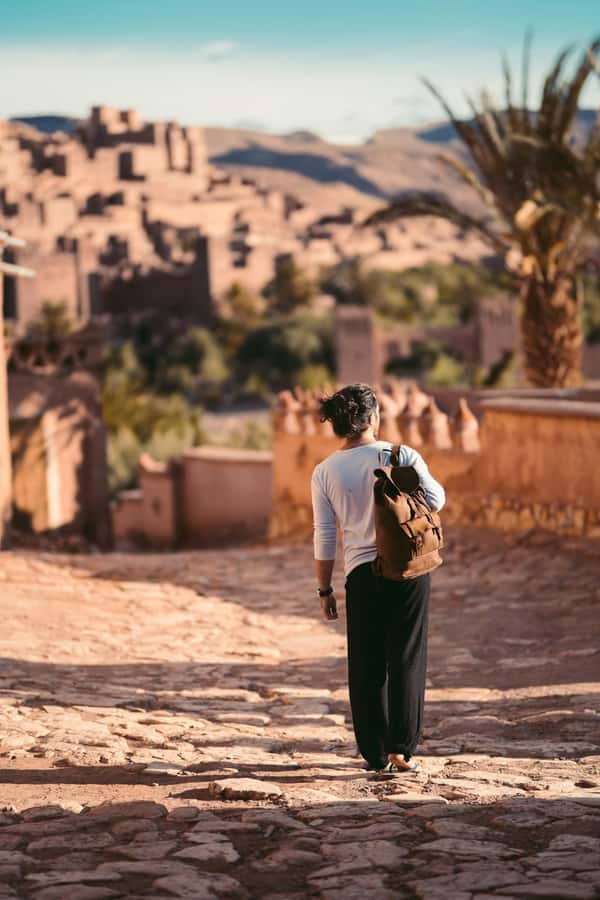
Telouet Kasbah was once the palatial home and headquarters of the Glaoui tribe, a powerful family that controlled important routes across the Atlas. Its position on the old caravan road from the Sahara to Marrakech explains why this remote village once mattered so much.
The kasbah is atmospheric, but you should set your expectations carefully. Parts of the building are badly damaged, and access may be limited. One account found that only the ruins could be viewed from outside, while another had a more substantial visit. Earthquake damage and local conditions can affect what you are able to enter.
That uncertainty is not a reason to skip Telouet, but it is a reason not to treat it like a polished palace museum. You come for the setting, the remains, and the story of the caravan route. The contrast with Ait Ben Haddou is useful: Telouet feels more worn and less prepared for sightseeing, while Ait Ben Haddou offers a stronger walk through a recognizable fortified settlement.
The stop is listed at about an hour. That should be enough for photographs and a look around when access is open, but it may feel short if you want to study every detail.
A different kind of day out, same corner of Morocco:
- Marrakech: Agafay Desert Sunset, Camel Ride, and Dinner Show
★ 4.6 · 35,119 reviews - From Marrakech: Ouzoud Waterfalls Guided Hike and Boat Trip
★ 4.7 · 33,630 reviews - Marrakech: Agafay Desert Quad & Camel Rides with Dinner Show
★ 4.8 · 27,382 reviews - Marrakech: Agafay Desert Quad Biking Tour with Dinner-Show
★ 4.8 · 16,569 reviews
A Berber home lunch near Ait Ben Haddou
Lunch is included, and this is one of the best parts of the day. Instead of relying only on the large tourist restaurants across the river from Ait Ben Haddou, the trip may take you to a local home or a small family-run place.
The meal has included traditional dishes such as chicken tagine served hot from the oven. Tea is also included. Eating in a family home gives you a glimpse of daily life outside Marrakech’s medina and tourist districts, which is more useful than another standard restaurant stop.
This setting can also take more time than a quick café meal. That is a good trade if you value local contact, but it can reduce your free time at Ait Ben Haddou. One person felt that a carpet cooperative visit left too little time for photographs, and another would have preferred a longer independent walk.
If you are invited into a shop or cooperative, remember that browsing is not the same as buying. A carpet demonstration can be interesting, but prices may be high and the sales talk can cut into your sightseeing time. Keep your priorities clear before you go.
Walking through the UNESCO ksar at Ait Ben Haddou
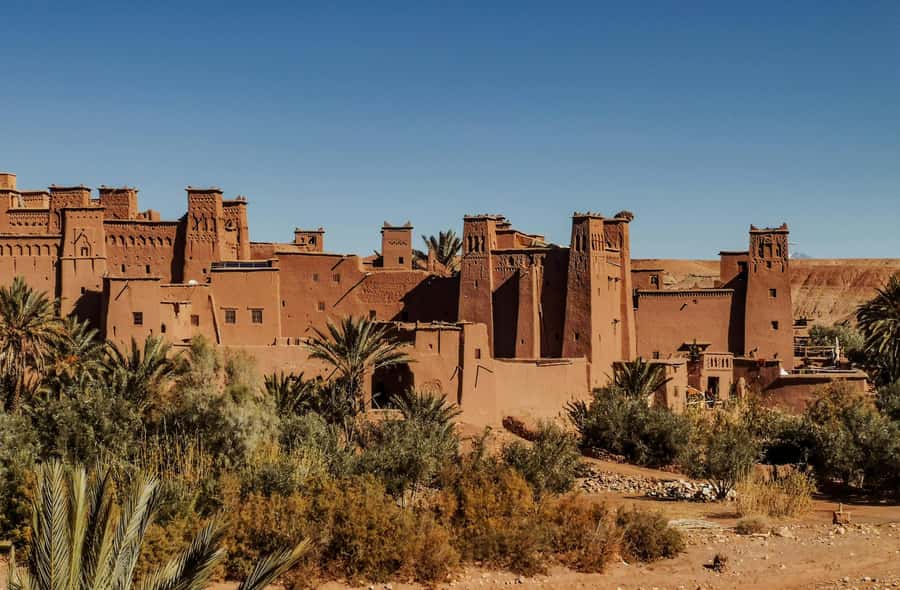
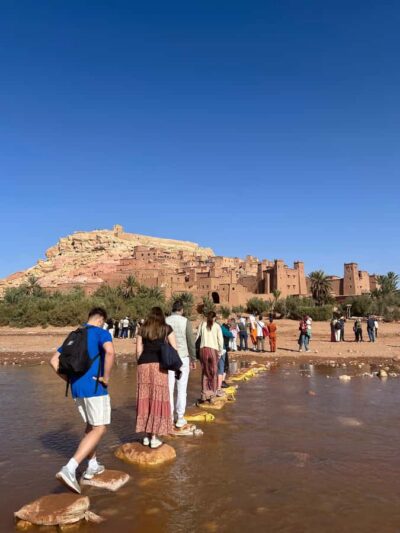
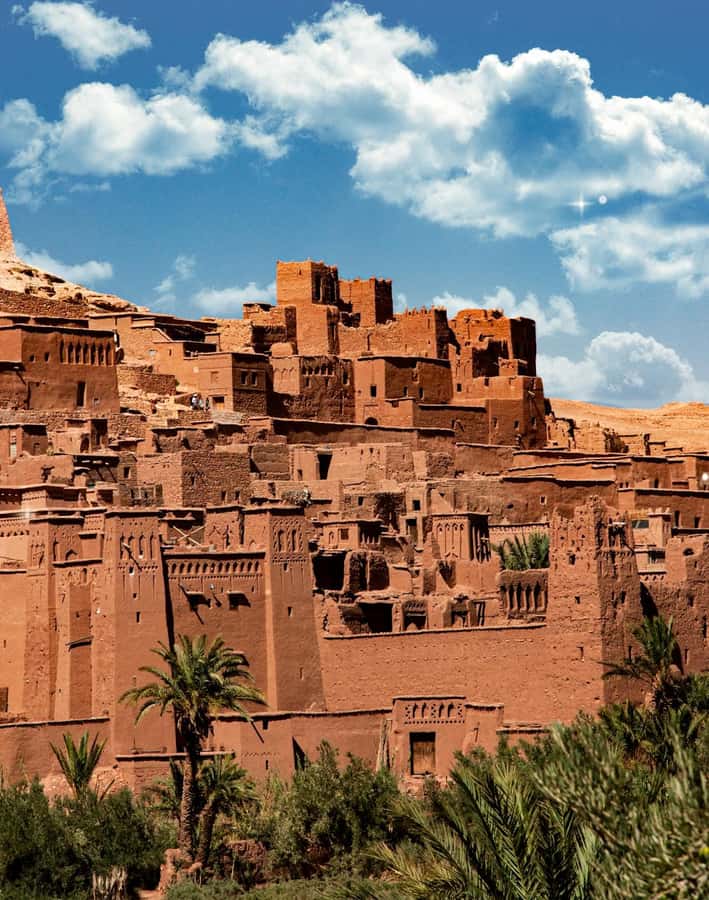
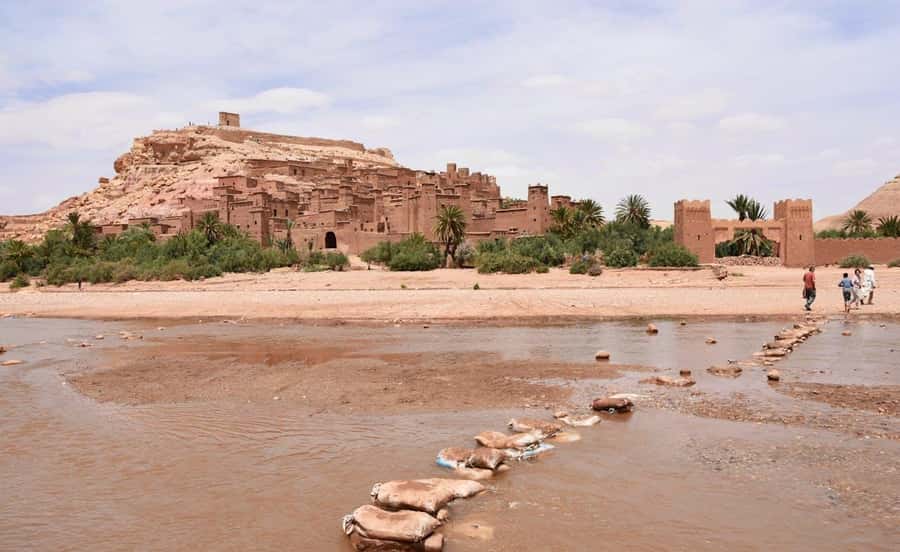
Ait Ben Haddou is a fortified village, or ksar, made up of earthen buildings gathered behind high defensive walls. Corner towers reinforce the walls, and the tightly packed homes rise toward the hill.
UNESCO listed the site as a World Heritage Site in 1987. Its appeal is easy to understand once you cross toward the old settlement and begin walking uphill. The reddish walls, narrow passages, towers, and broad view from above make this the most visually powerful stop of the day.
The walk is not a flat museum visit. You will cross toward the ksar, move through uneven lanes, and climb toward the high point on the hill. Wear shoes with a good grip, especially if the ground is dusty or uneven.
The planned visit is around three hours including lunch, a guided tour, and walking, though the actual free time at the site can vary. Some departures have allowed about 1.5 hours to explore. That is enough for a purposeful walk, but not enough if you want to linger over every alley, shop, and viewpoint.
The high point above the ksar is worth making time for. From there you can see the old walls, the surrounding valley, and the settlement’s defensive design. It is the place to understand why Ait Ben Haddou was built as a compact fortified community rather than a spread-out village.
A guide in Ait Ben Haddou is not included in the price. The activity information lists the driver and transport but specifically excludes an on-site guide. Your driver may explain plenty along the route, as Reda and others have done, but you should not assume that a dedicated local guide will be waiting at the entrance.
What the vehicle time feels like
The stated route includes about five hours in the van before the main sightseeing, one hour between the main stops, and about four hours for the return to Marrakech. The timing is not a typo to ignore. This is a road trip with sightseeing, not a short excursion.
The roads are mountainous, winding, and slow in places. A careful driver makes a real difference, and several drivers have been singled out for calm handling of the mountain roads. You will have breaks for photos and to stretch your legs, but you should still expect fatigue by the end.
Vehicle comfort has been described as good, with air conditioning in at least some cars. Group size can vary. A booking expected to be shared may turn into a private trip for two, while other departures remain small enough to feel personal. This flexibility is a plus, though you cannot count on having the vehicle to yourself.
Music, conversation, and scenic stops can make the hours pass more easily. Still, bring water, wear comfortable clothes, and do not schedule a demanding evening activity after your return. The road back can be tiring.
Who should book this experience
I would choose this trip if you have only one day from Marrakech and want to see Ait Ben Haddou without adding a desert camp or an overnight stay. It suits you if you enjoy mountain roads, old fortifications, village scenery, and a local meal more than a relaxed timetable.
It is also a good choice for photographers. The Tizi n’Tichka Pass, Ounila Valley, palm groves, villages, Telouet ruins, and Ait Ben Haddou all offer different subjects. The many photo stops are especially useful when the driver is willing to pull over safely.
You may want a different plan if you dislike long drives, need a fully accessible route, or prefer slow sightseeing. The experience is not suitable for wheelchair users, and it is not recommended for people over 95. Ait Ben Haddou involves walking, while Telouet access may be uneven or restricted.
At $102, I see good value for a day that covers such a large area and includes lunch and return transport. The main cost is your time and energy. If you want a deeper visit, consider staying overnight near Ait Ben Haddou instead of returning to Marrakech the same day.
Practical details before you reserve
Give the provider your hotel name so pickup can be arranged. Free cancellation is available up to 24 hours before departure, and you can reserve now and pay later, which helps if your Marrakech plans are still changing.
Bring a camera and an extra layer for the high pass. Carry some cash because an entrance fee may be required at Ait Ben Haddou, and the listed price does not include insurance or a dedicated guide at the ksar.
The tour is operated by MOROCCOGUIDE. Driver languages are French, English, Arabic, and Spanish. Since the exact start time depends on availability, check the departure details carefully and allow the whole day.
Should you book the Telouet and Ait Ben Haddou day trip?
Book it if you want a scenic, history-focused day and you accept that much of it will be spent in a van. The quiet Telouet route, the Berber home lunch, and the chance of a small or private group give it more character than a basic transfer to Ait Ben Haddou.
Skip it if your priority is plenty of free time, easy walking, or a short journey. Telouet may be partly closed or damaged, and Ait Ben Haddou can feel rushed if the day includes extra shopping stops.
For most people with one free day in Marrakech, I think the combination is worthwhile. Choose it for the road, the valley, the food, and the old settlements together. Ait Ben Haddou alone is famous, but the full day gives you a better sense of how Morocco changes beyond the city.
FAQ
How long does the day trip last?
It lasts one day. Departures commonly leave Marrakech around 8 a.m. and return in the evening, with some returns as late as about 9 p.m.
What is included in the price?
Transport from Marrakech and back, a driver, lunch, water, and tea are included.
Is a guide at Ait Ben Haddou included?
No. A dedicated guide in Ait Ben Haddou is not included, although the driver may provide information during the journey.
What languages are available?
The driver may speak French, English, Arabic, or Spanish.
How high is the Tizi n’Tichka Pass?
The pass reaches 2,260 meters above sea level.
Is lunch served at a tourist restaurant?
Lunch is arranged at a local home or small local establishment, with traditional food such as chicken tagine and tea.
Is the trip suitable for wheelchair users?
No. The activity is not suitable for wheelchair users.
What should I bring?
Bring a camera, and consider an extra layer for the High Atlas. You should also have cash available because an entrance fee may be required.
Recently reviewed around Marrakech
- 4-Days Marrakech to Marrakech Désert Tour★ 5.0 · 17 reviews
- Camel ride at sunset in Marrakech palm grove★ 5.0 · 17 reviews
- Agafay camel ride★ 5.0 · 20 reviews
- Camel riding in marrakech★ 4.5 · 17 reviews
- Marrakech to Atlas Mountains and 4 Valleys Day Trip★ 5.0 · 17 reviews
- Agafay Desert Adventure, Culture, and Relaxation, From Marrakech★ 5.0 · 25 reviews
- Quad excursion to the Agafay desert near Marrakech★ 5.0 · 44 reviews
- Camel ride and dinner Agafay desert★ 5.0 · 25 reviews
1-Day Tours, compared.
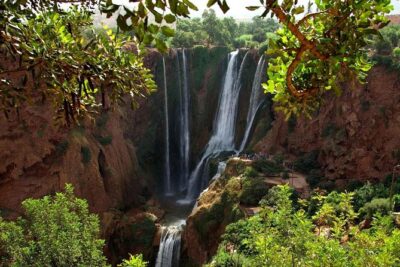
Ouzoud Waterfalls Guided Day Trip with Boat Ride
Read our review →