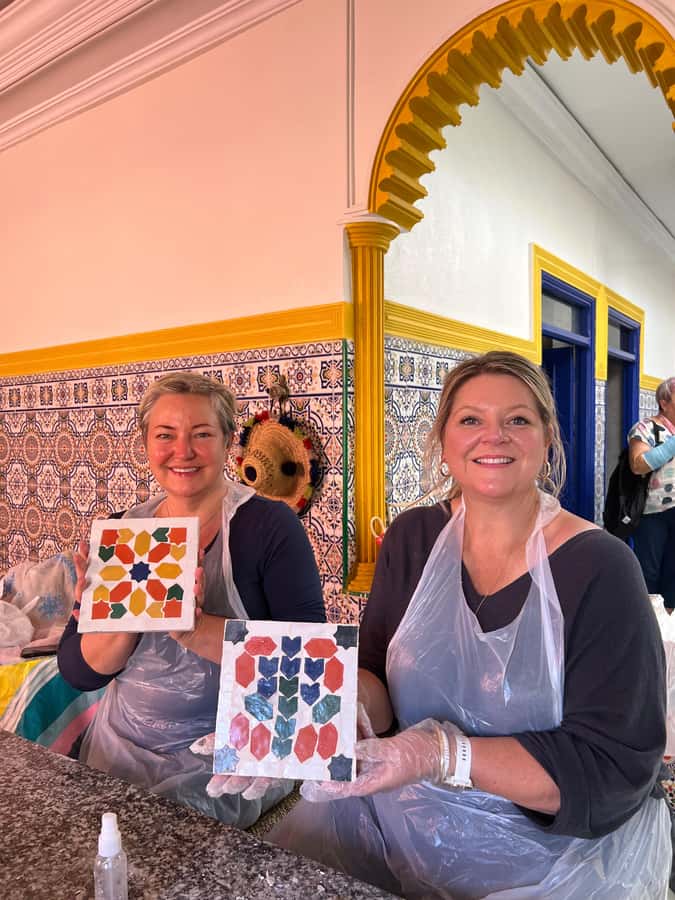
Reviewed · MARRAKECH TOURS
Marrakech: Make Your Own Moroccan Zellige Mosaic Masterpiece
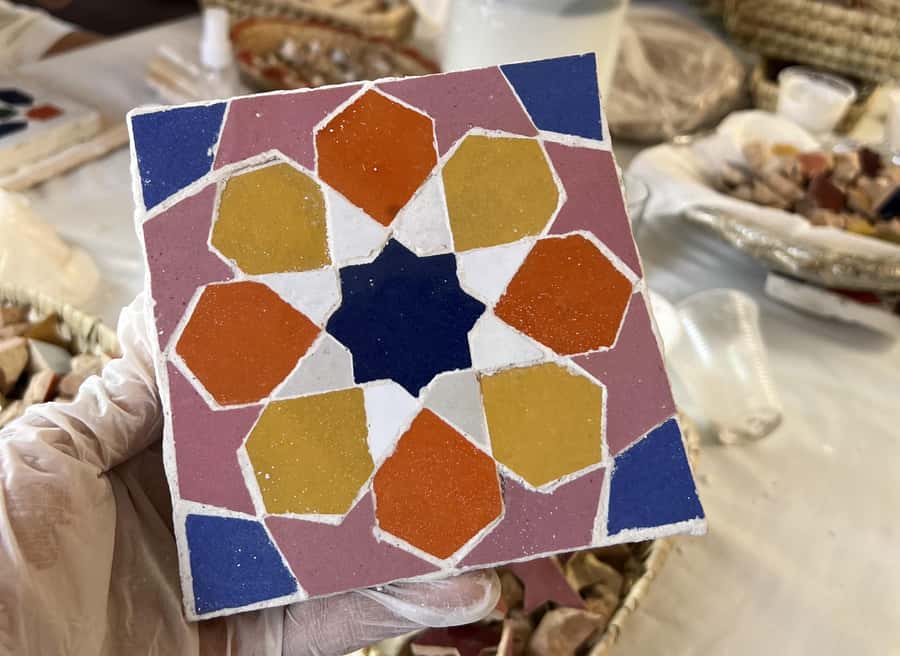
Moroccan zellige is the art of arranging small, hand-shaped tiles into precise geometric patterns. In this two-hour workshop, you get to try the craft yourself, using prepared pieces rather than merely admiring tilework in palaces and mosques. Your finished tile becomes a personal souvenir, not just another shop purchase.
I like the warm, patient teaching from instructors such as Salma, Laila, Leila, and Selma. I also like the small-group feel reported by some participants, along with the tea and Moroccan pastries served during the session. The main consideration is that the class uses precut tiles and proposed patterns, so you are learning the assembly and design process rather than making zellige from raw clay.
In This Review
- Key points to know
- Why making zellige beats buying another souvenir
- Entering the Medina studio
- The opening lesson: history, geometry, and color
- Choosing a pattern and arranging the pieces
- Building your own geometric mosaic
- Tea, pastries, and a welcome pause
- What you take home
- Is $42 a fair price?
- Who will enjoy this workshop most?
- Practical planning for your two hours
- My verdict: book it for the keepsake and the process
- FAQ
- How long does the zellige workshop last?
- How much does the activity cost?
- What is included in the price?
- Are the workshop instructors multilingual?
- Can beginners join the class?
- Can children attend?
- Is transportation included?
Key points to know
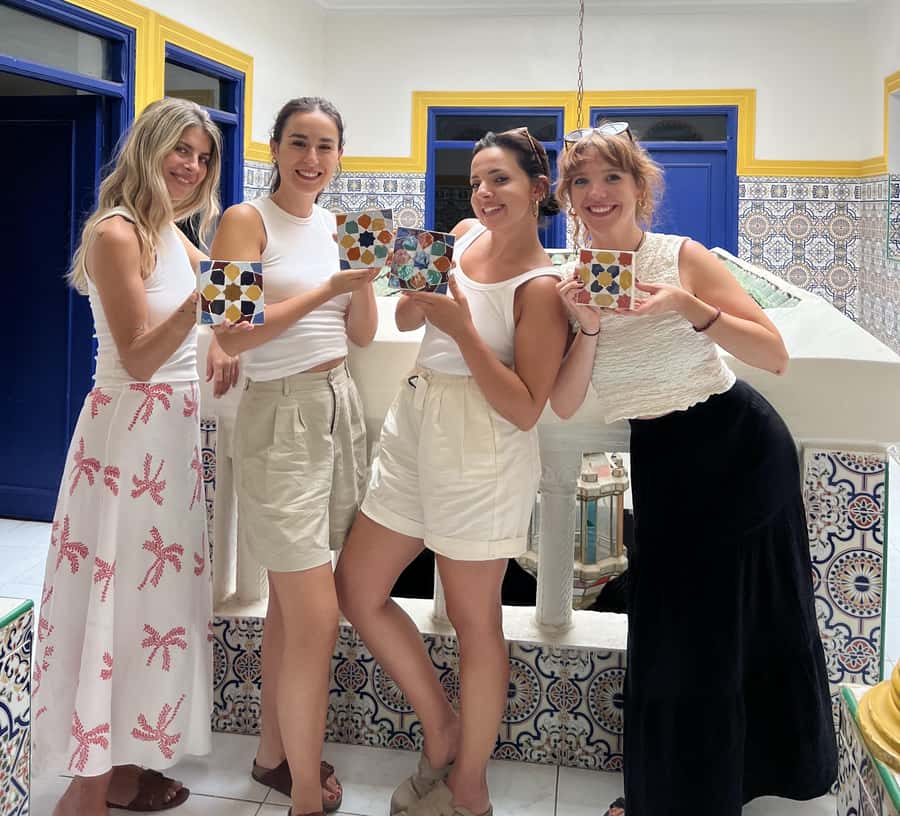
- Make a real mosaic tile: Arrange colored zellige pieces into your own geometric design and take the finished artwork home.
- Learn from local craft instructors: Salma, Laila, Leila, and Selma are praised for clear explanations and patient help.
- Expect a relaxed Medina setting: The workshop is in a spacious, well-ventilated studio off a souk side street.
- Tea and pastries are included: This simple break adds a pleasant Moroccan touch to the two-hour class.
- Good value at $42: Materials, instruction, refreshments, and a handmade keepsake are all covered.
- Know the limits: The activity is not suitable for children under five or wheelchair users, and transportation is not included.
Why making zellige beats buying another souvenir
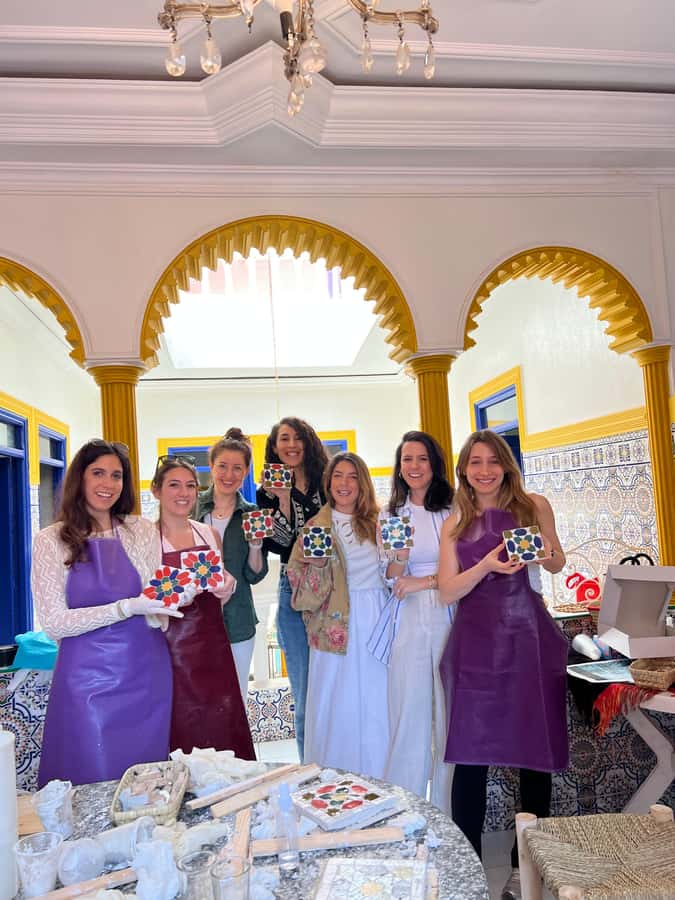
Marrakech is full of tempting pottery, textiles, lamps, and painted woodwork. They can be beautiful, but it is easy to lose track of what you actually bought and where it came from. A zellige workshop gives you a different kind of souvenir: one you help design and assemble.
Zellige is closely tied to Moroccan architecture. You see its repeated stars, crosses, polygons, and interlocking lines in traditional buildings, fountains, courtyards, and religious spaces. The finished look can seem effortless, but the craft depends on careful placement, strong color choices, and an understanding of how small pieces fit together.
This class gives you a practical introduction without requiring an artistic background. You do not need to arrive knowing geometric design. You receive guidance, examples, materials, and help as the pattern takes shape.
The activity works especially well for couples, families with older children, and anyone who wants a slower afternoon in the Medina. It also makes sense on a rainy day, when an indoor craft class is more appealing than wandering the souks with wet shoes.
Other Marrakech days travellers weigh against this one:
- Marrakech: Agafay Desert Sunset, Camel Ride, and Dinner Show
★ 4.6 · 35,119 reviews - From Marrakech: Ouzoud Waterfalls Guided Hike and Boat Trip
★ 4.7 · 33,630 reviews - Marrakech: Agafay Desert Quad & Camel Rides with Dinner Show
★ 4.8 · 27,382 reviews
Entering the Medina studio
Transportation to the workshop is not included, so you will need to make your own way there. The studio is described as being in the heart of Marrakech’s Medina, off a side street near a souk. That location adds atmosphere, but it also means you should allow time to find the entrance and arrive 15 minutes early.
The setting has a rustic Moroccan character rather than a polished tourist attraction. One useful detail is that the studio is spacious, air-conditioned, and well ventilated. That matters in Marrakech, especially if you are coming from a warm walk through the old town.
Arriving early gives you time to settle in, wash your hands, and look at the example patterns before the actual work begins. Wear clothing that is comfortable for crafting. You are not dressing for a formal dinner, and loose, practical clothes will make the session easier.
Smoking is not allowed. Bring water and a camera if you want to record the finished piece, but the main souvenir is the tile itself.
The opening lesson: history, geometry, and color
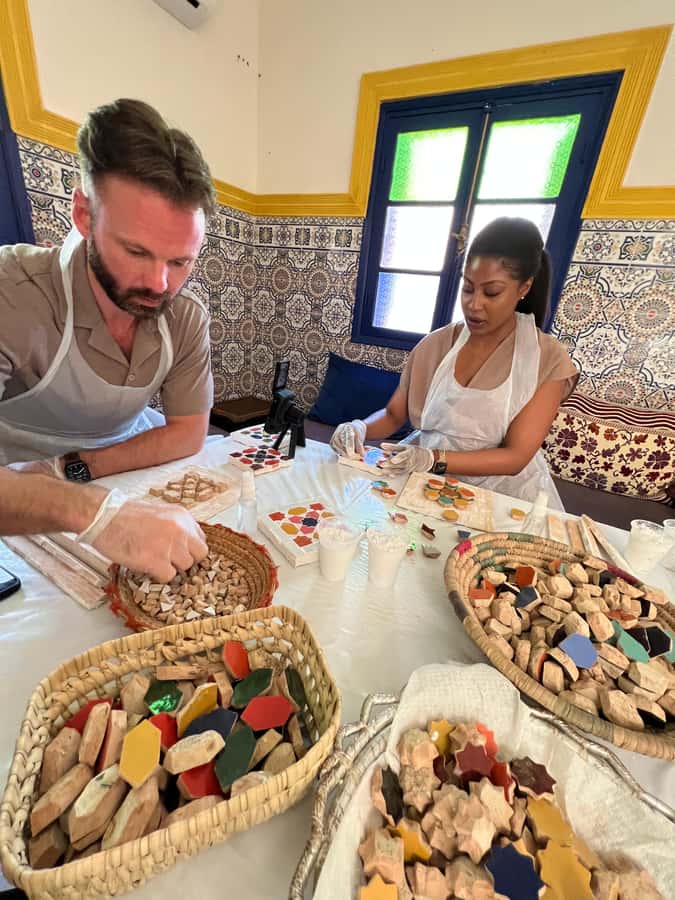
The workshop begins with an introduction to zellige and its place in Moroccan craft. Your instructor explains how traditional tilework is designed and assembled, then shows you the basic principles behind the patterns.
This part is short enough to keep the class moving, but useful enough to give context to what you are making. When you later see tilework at the Bahia Palace or elsewhere in Marrakech, you will have a better eye for repeated shapes, symmetry, and color balance.
The design lesson is important because zellige is not simply a matter of filling a space with attractive colors. The small pieces must relate to one another. A shape that looks fine by itself can seem awkward when placed beside the wrong neighbor.
The instructors work in Arabic, French, and English. Clear English guidance is available, and the named instructors have been praised for explaining the process in a calm, friendly way. Salma is especially noted for explaining the tile technique and placement clearly, while Laila and Leila are described as patient and encouraging.
Choosing a pattern and arranging the pieces
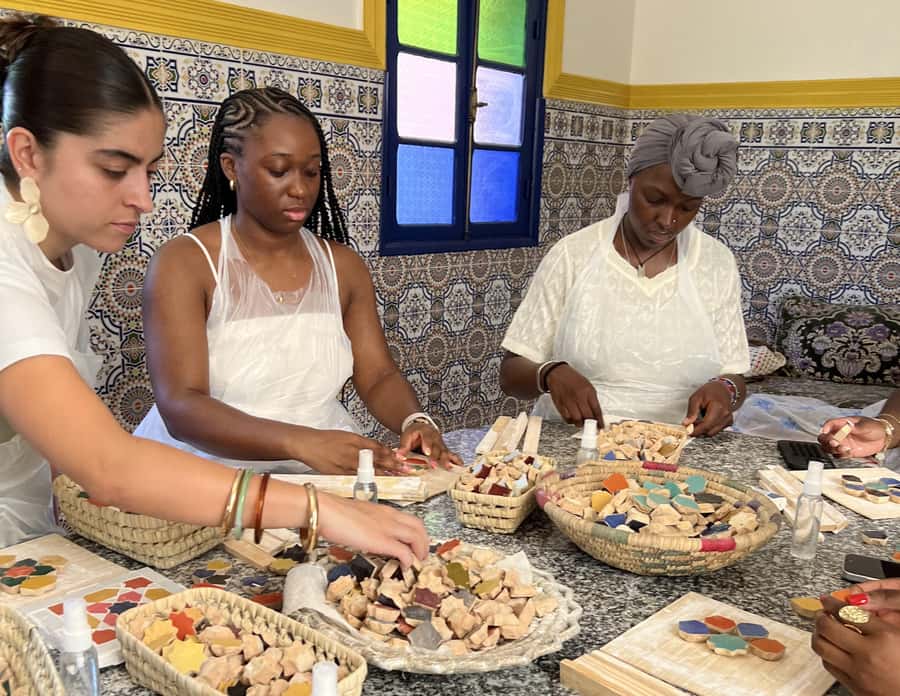
You then choose from available designs and colors. This is where the activity becomes personal. You can create something that follows a traditional Moroccan pattern, or make choices based on the colors and shapes you prefer.
Do not expect an unlimited color wall. One participant found the color range more limited than expected and wished there had been more advice on combining shades. That is a fair point. If you care strongly about color theory or want to design a fully original pattern from scratch, you may find the choices somewhat restricted.
For most people, though, having examples to follow is helpful. Beginners can concentrate on learning the arrangement instead of facing a blank table and wondering where to start. You can also personalize the piece through your color selection and design decisions.
The tiles are precut. This keeps the workshop safe, manageable, and realistic within two hours. It also means the class focuses on selecting, positioning, and assembling the pieces, not on cutting raw tile into traditional shapes.
That distinction is worth understanding before booking. You will gain a hands-on introduction to zellige design, but not a complete professional apprenticeship. The process is accessible because the hardest preparation has already been done for you.
A different kind of day out, same corner of Morocco:
- Marrakech: Agafay Desert Quad Biking Tour with Dinner-Show
★ 4.8 · 16,569 reviews - Marrakech: Atlas Mountains, Ourika Valley, Waterfall & Lunch
★ 4.8 · 15,834 reviews - From Marrakech: 3-Day Merzouga and Sahara Desert Tour
★ 4.9 · 15,308 reviews - Berber villages : Atlas Mountains Day Hike from Marrakech
★ 5.0 · 14,007 reviews
Building your own geometric mosaic
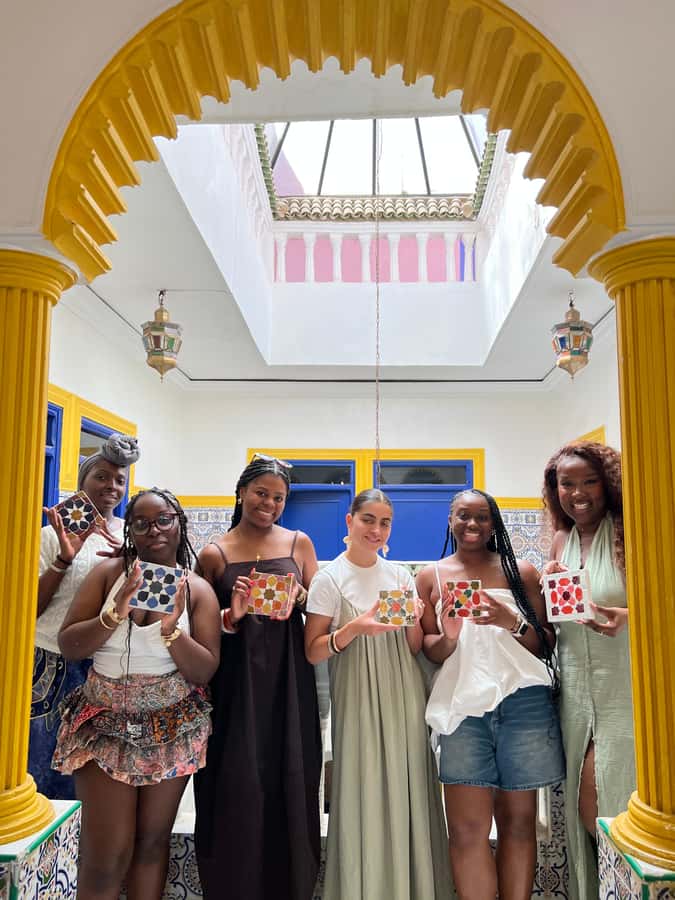
Once your design is selected, you arrange the small pieces according to the pattern. At first, the task can feel fiddly. A beginner may place a shape incorrectly, lose track of the sequence, or question whether the colors are working together.
That is when the instructor’s help becomes most useful. Leila is described as especially encouraging, and Salma, Laila, and Selma are all credited with giving clear, patient assistance. You can ask for help instead of quietly struggling with a misplaced piece.
The activity is creative, but it is not completely free-form. The proposed designs provide structure, and the instructor helps you understand how the pieces fit. This balance makes the workshop suitable for people who do not think of themselves as artistic.
As the pattern develops, the geometric order becomes easier to see. A handful of loose tile pieces begins to look like a deliberate Moroccan design. That change is the most satisfying part of the class, particularly if you have spent the morning looking at finished tilework and wondering how anyone makes it.
The scale of the final item is practical for taking home. You are not trying to build a wall or fountain in two hours. You are making a personal tile that can travel in your luggage and serve as a reminder of Marrakech.
Tea, pastries, and a welcome pause
Tea and Moroccan pastries are included. The break is a small detail, but it helps the session feel like a cultural activity rather than a craft lesson conducted at a workbench.
The tea also gives you a natural pause after concentrating on the pattern. You can look at other people’s color choices, compare the different stages of the work, and return to your own design with fresh eyes.
The atmosphere is generally relaxed. One session was described as a six-person group, while another account noted that a larger group still received attentive help from one instructor. Group size can affect how much individual attention you receive, so this is worth keeping in mind if close instruction is your main reason for booking.
The workshop seems best when you are comfortable sharing a creative space. You do not need to compete with anyone, and there is no requirement to produce the most elaborate tile. The appeal is the process and the personal result.
What you take home
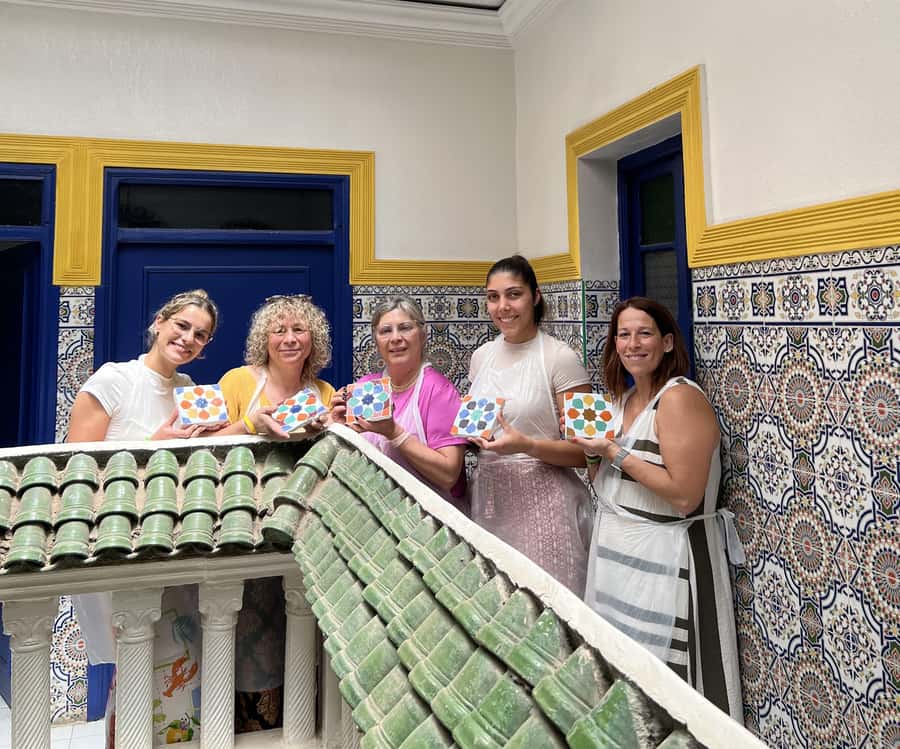
Your own zellige artwork is included in the price. Some instructors may add a personal touch, such as writing your name in Arabic on the back of the tile. That detail is not guaranteed, but it has been part of the experience for some participants and makes the keepsake feel more connected to Morocco.
The finished piece is more meaningful than a standard souvenir because you remember choosing the colors, learning the pattern, and correcting the small mistakes along the way. It also gives you a physical link to Moroccan architecture after you return home.
Handle and pack it sensibly for the journey. The workshop includes the artwork, but no special transportation service or meal beyond the tea and pastries is provided.
If you are buying gifts, the class is less convenient than purchasing several ready-made items. You make one personal piece, rather than leaving with a large collection. For couples or families, though, each person can create a separate tile, turning the activity into a set of shared memories.
Is $42 a fair price?
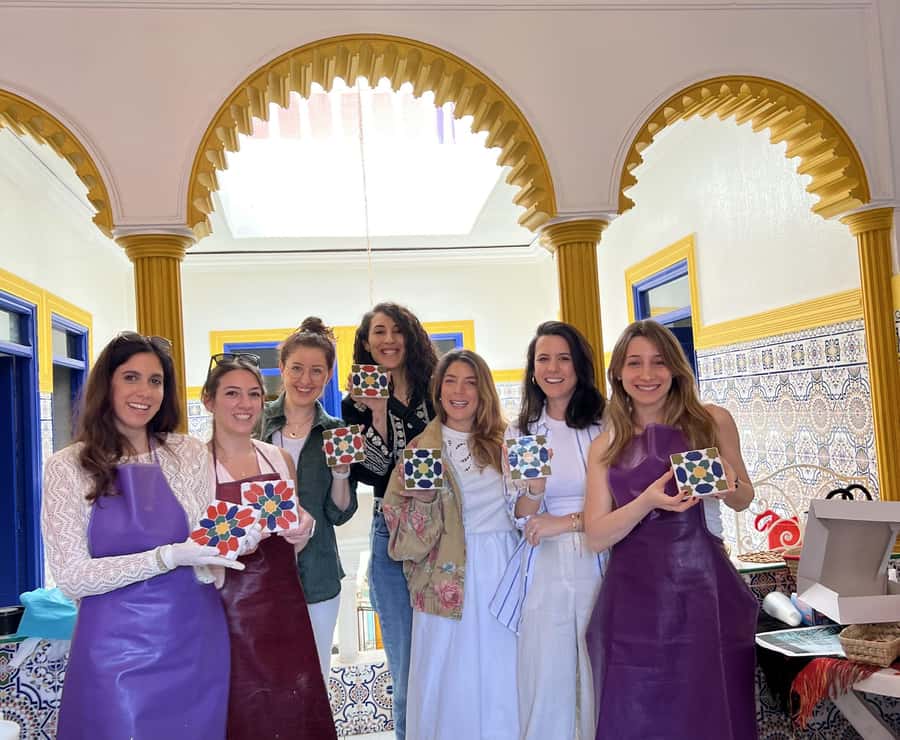
At $42 per person, this is not the cheapest two-hour activity in Marrakech. It is also more than you might pay for a simple decorative tile in a souk. The value comes from what is included: expert instruction, all workshop materials, refreshments, and a piece of your own work to take home.
I consider that a fair price for visitors who want participation rather than observation. You are paying for the setting, the teaching, the prepared materials, and the chance to make a souvenir under supervision. The class also saves you from buying tools or supplies for a craft you may never repeat.
The value is weaker if you already have strong zellige skills or expect to work with raw clay and cut every shape yourself. The prepared pieces and guided patterns make this an accessible introduction, not an advanced artisan course.
It is a particularly sensible choice for a couple or family looking for one shared activity. Adults and older children can work side by side, and each person can create a different tile. Children under five are not suitable for the workshop, and wheelchair users cannot take part according to the activity information.
Who will enjoy this workshop most?
Book this if you like crafts, Moroccan architecture, or souvenirs with a story. It suits beginners because the instructors provide examples and hands-on help. You do not need previous experience.
It also works well for a family with children over five, though younger children may need more help with the small pieces. A father who attended with daughters aged 14 and 16 found the activity a good fit for them, and a mother and daughter team also enjoyed working together.
Couples should find it easy to share the experience without it becoming too formal. You can compare designs, help each other, and leave with two different reminders of the same afternoon.
You may want to skip it if you dislike structured crafts, have very limited time in Marrakech, or want a completely original design with a large choice of colors. The class has a clear format, and that structure is both its strength and its limitation.
Practical planning for your two hours
Plan to arrive 15 minutes early. The Medina can be confusing, and transportation is not part of the activity. Give yourself enough time to reach the studio without arriving flustered.
Wear comfortable clothes suited to crafting, and bring water. A camera is allowed, so you can photograph your work, but smoking is not permitted.
The class lasts two hours, so it fits neatly into a day of sightseeing. You might schedule it after visiting a palace or monument with notable tilework, when the patterns you saw are still fresh in your mind. One participant enjoyed doing the workshop after the Bahia Palace for exactly this reason.
The studio is spacious and air-conditioned, which makes it a useful choice during hot weather. It also provides an indoor option for a wet afternoon.
The activity offers free cancellation up to 24 hours before the start time, with a full refund, and you can reserve now and pay later. Starting times vary, so check availability when you plan your day.
My verdict: book it for the keepsake and the process
I recommend the zellige workshop if you want a hands-on connection to Moroccan design. The best parts are the friendly instruction, the chance to choose your own colors, and the finished tile you carry home. The tea and pastries add a welcome local touch, and the Medina setting gives the class a clear sense of place.
Keep your expectations realistic. You are working with precut tiles and guided patterns, not learning every stage of traditional zellige production. The color selection may feel limited, and a larger class could mean less one-to-one help.
For $42, the package is good value for a two-hour cultural activity with materials, refreshments, teaching, and a personal souvenir included. If that sounds more appealing than another hour of shopping, reserve a place and arrive ready to make a few careful choices with your hands.
FAQ
How long does the zellige workshop last?
The workshop lasts two hours. You should also arrive 15 minutes early to settle in.
How much does the activity cost?
The price is $42 per person.
What is included in the price?
The price includes instruction in zellige techniques, all materials, tea, Moroccan pastries, and a piece of your own zellige artwork to take home.
Are the workshop instructors multilingual?
Yes. Instruction is available in Arabic, French, and English.
Can beginners join the class?
Yes. The workshop is designed for all skill levels, and instructors provide examples, explanations, and practical help.
Can children attend?
Children under five are not suitable for this activity. The workshop can suit older children, with adult supervision as needed.
Is transportation included?
No. You are responsible for getting to and from the workshop.
Recently reviewed around Marrakech
- 4-Days Marrakech to Marrakech Désert Tour★ 5.0 · 17 reviews
- Agafay camel ride★ 5.0 · 20 reviews
- Camel riding in marrakech★ 4.5 · 17 reviews
- Camel ride at sunset in Marrakech palm grove★ 5.0 · 17 reviews
- Marrakech to Atlas Mountains and 4 Valleys Day Trip★ 5.0 · 17 reviews
- Agafay Desert Adventure, Culture, and Relaxation, From Marrakech★ 5.0 · 25 reviews
- Quad excursion to the Agafay desert near Marrakech★ 5.0 · 44 reviews
- Camel ride and dinner Agafay desert★ 5.0 · 25 reviews
Marrakech Tours, compared.
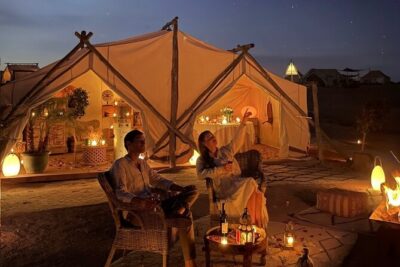
Agafay Desert Sunset, Camel Ride, and Dinner Show
Read our review →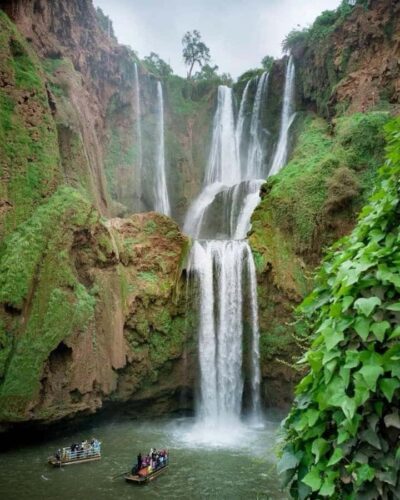

Agafay Desert Quad & Camel Rides with Dinner Show
Read our review →
Agafay Desert Quad Biking Tour with Dinner-Show
Read our review →
Atlas Mountains, Ourika Valley, Waterfall & Lunch
Read our review →

Berber villages : Atlas Mountains Day Hike from Marrakech
Read our review →