Reviewed · MARRAKECH TOURS
Hidden Sights of Marrakech:
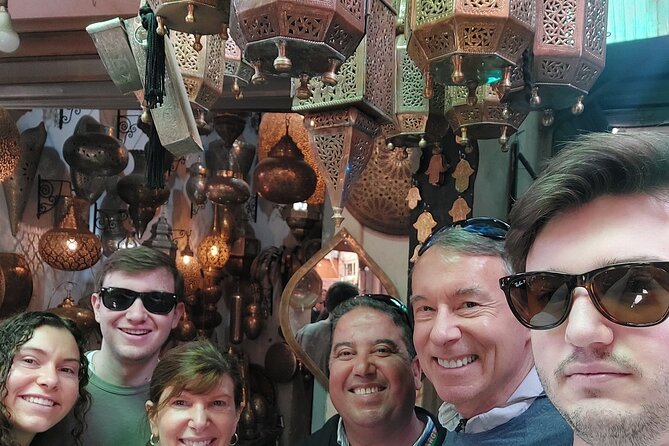
The best part of this Marrakech walk is what you see between the famous sights: a bakery serving local families, a traditional oven cooking tangia, an old caravan inn, and workshops tucked into the Medina. Guides Azim and Mohamed add the local point of view, explaining how the old city still works today.
I like the small group of six or fewer, which makes it easier to ask questions and keep up in narrow lanes. I also like that the route gives you useful souk advice, including help with bargaining and spotting inflated prices. The main consideration is the title: most of the stops are working parts of the Medina rather than grand monuments, so you should book this for local life and context, not spectacular architecture.
In This Review
- Key points at a glance
- Why this walk makes a smart first morning in Marrakech
- From Argana to Bab Ftouh
- Mouassine’s bakery and the old Jewish quarter
- Foundouk Sarsar and the life of the caravan inns
- Tangia at the neighborhood cooking oven
- The mausoleum of Sidi Abdel Aziz Tabaa
- Talaa and the leather auction area
- Souk Haddadine and the blacksmith workshops
- Rahba Kedima’s spice market
- Souk Semmarine and the final return to Jemaa el-Fnaa
- What $39 buys you
- Who will enjoy this Marrakech walk most
- Booking and cancellation details
- Should you book Hidden Sights of Marrakech?
- FAQ
- Where does the tour start?
- What time does the tour begin?
- How long does the experience last?
- How many people can join?
- Is bottled water included?
- Are food and lunch included?
- Can I cancel for a full refund?
Key points at a glance
- See the working Medina: Visit bakeries, a cooking oven, blacksmith workshops, a spice market, and a traditional caravan inn.
- Get your bearings early: The walk is especially useful near the start of a Marrakech stay, before you try to navigate the souks alone.
- Hear local stories: Azim and Mohamed explain Marrakech’s customs, history, languages, neighborhoods, and daily routines.
- Walk where cars cannot go: The route uses narrow Medina lanes and back passages that are difficult to find without a guide.
- Expect a gentle but active morning: The tour lasts about three to four hours and requires a moderate level of fitness.
- Pay for guidance, not admissions: At $39 per person, the cost covers the guide and bottled water, while food, shopping, and drinks cost extra.
Why this walk makes a smart first morning in Marrakech
Marrakech’s Medina can feel confusing at first. A lane that looks like a simple passage may lead to a market, a workshop, a shrine, or a small neighborhood square. Motorbikes appear from nowhere, shopkeepers call from doorways, and the grand souks near Jemaa el-Fnaa can make every turn seem designed for selling something.
This tour gives you a useful introduction before you set off on your own. You walk through less obvious parts of the old city with a guide who can explain what you are seeing and how to move through it. Several people who took the walk found it helpful as an opening orientation, particularly for bargaining and finding the quieter working lanes.
The timing also makes sense. The start is at 10 a.m., and the walk takes place before the central souks reach their fullest pace. You still see busy trading areas later in the route, but the earlier part lets you look at workshops and side streets without rushing.
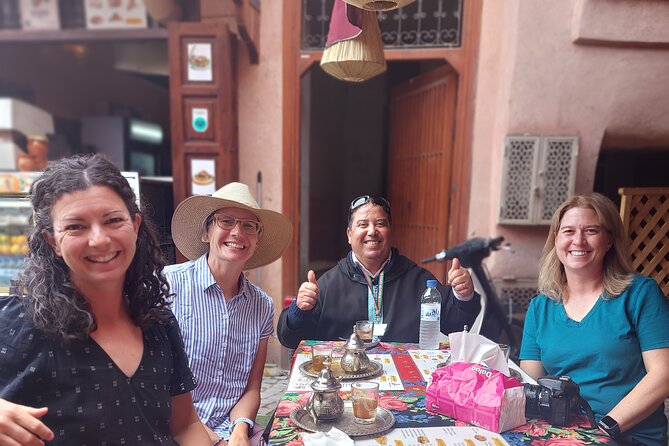
The experience is led by local guides including Azim and Mohamed. Their strengths are storytelling, cultural explanation, and an easy walking pace. You can expect a personal style rather than a scripted parade from one major sight to another.
Other Marrakech days travellers weigh against this one:
- Marrakech: Agafay Desert Sunset, Camel Ride, and Dinner Show
★ 4.6 · 35,119 reviews - From Marrakech: Ouzoud Waterfalls Guided Hike and Boat Trip
★ 4.7 · 33,630 reviews - Marrakech: Agafay Desert Quad & Camel Rides with Dinner Show
★ 4.8 · 27,382 reviews
From Argana to Bab Ftouh
Meet at Café Argana, at number 18 on Znikat Rahba by Jemaa el-Fnaa. This is a practical meeting point in the main square, though the area can be hectic. Give yourself enough time to locate the café and arrive ready to walk.
The first stop is Bab Ftouh, described as one of Marrakech’s oldest interior gates and an entrance to the souks. It is a quick introduction to the way the Medina is organized. Do not expect a long monument visit here. The value is in learning how gates, lanes, and market sections connect.
A guide matters at this point because the route soon leaves the most obvious paths. You may be able to find the major squares alone, but locating a neighborhood bakery or an old caravan inn is another matter.
Mouassine’s bakery and the old Jewish quarter
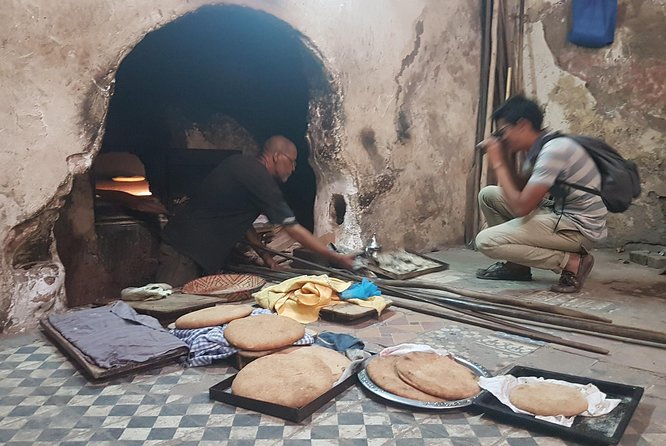
In Mouassine, the group visits a local bakery. This is one of the tour’s more grounded stops. Rather than looking at bread only as something to eat, you get a glimpse of a service built into neighborhood life.
The visit is brief, about five minutes, so it is not a food tasting tour. Food and drinks are not included, and you should not expect a meal. Still, this stop gives the morning a useful sense of place. The Medina is not just a shopping district for visitors. It is also a residential area with everyday businesses serving local people.
The walk continues to El Mouassine Mosque, one of Marrakech’s older mosques, dating to the 16th century. The mosque sits in an area once associated with Moroccan Jewish residents known as the Toshavim. This adds an important layer to the neighborhood’s story, showing that Marrakech’s quarters have changed in use and population over time.
You should expect to view the mosque from outside. The tour does not advertise entry, and the itinerary gives only about 10 minutes here. As with any active place of worship, dress and behavior should be respectful.
Foundouk Sarsar and the life of the caravan inns
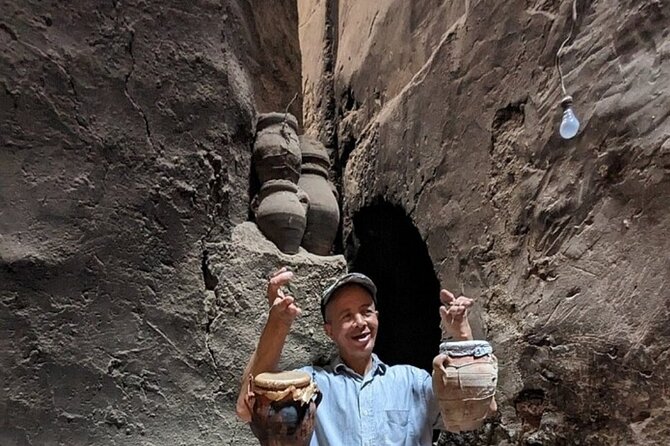
Foundouk Sarsar is presented as one of the oldest caravan inns in Marrakech. The name is also commonly rendered as foundouk or funduq, terms used for traditional inns where merchants and goods could be accommodated.
This is the sort of place that can be easy to miss if you are walking quickly through the souks. Its importance comes from the role such inns played in trade. Marrakech was connected to long-distance routes, and these courtyards helped support merchants, animals, storage, and exchange.
The stop lasts around 10 minutes. That is long enough for an explanation and a look around, but not a full architectural visit. Conditions in old Medina buildings can vary, and the experience is about seeing a working historic setting rather than touring a polished museum.
This is also a good point to listen carefully to the guide’s stories. Azim is often praised for presenting information at a steady pace, while Mohamed is described as a strong storyteller. The route works best when you give yourself time to look up, notice the courtyard spaces, and compare the old commercial function with the shops around it.
A different kind of day out, same corner of Morocco:
- Marrakech: Agafay Desert Quad Biking Tour with Dinner-Show
★ 4.8 · 16,569 reviews - Marrakech: Atlas Mountains, Ourika Valley, Waterfall & Lunch
★ 4.8 · 15,834 reviews - From Marrakech: 3-Day Merzouga and Sahara Desert Tour
★ 4.9 · 15,308 reviews - Berber villages : Atlas Mountains Day Hike from Marrakech
★ 5.0 · 14,007 reviews
Tangia at the neighborhood cooking oven
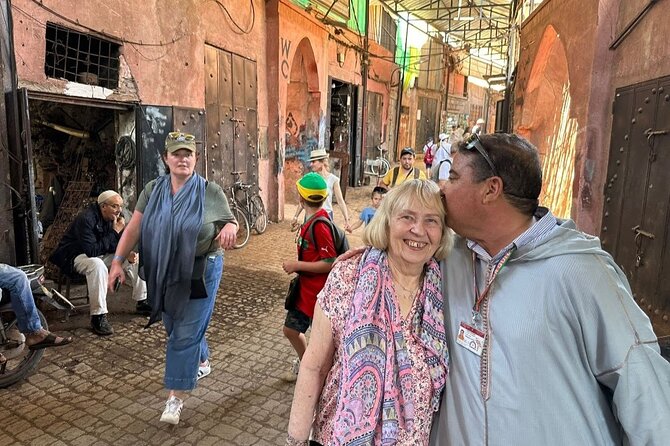
One of the most memorable stops is a traditional cooking oven on Route Sidi Abdelaziz. Locals bring a dish called tangia to the oven, where it cooks slowly.
Tangia is closely tied to Marrakech food culture, and this stop gives you a look at preparation beyond a restaurant menu. You see how a traditional dish can be handled through a neighborhood service, with the oven acting as part of the local food system.
The visit is short, around five minutes. There is no included tasting, and food is not part of the $39 price. That is worth knowing if you are expecting a culinary tour. You are paying for access and explanation, not lunch.
I like this stop because it shows how the Medina combines home life, trade, and food production in a compact space. You may walk past the oven without understanding its role. With a guide, an ordinary doorway becomes a useful lesson in local routine.
The mausoleum of Sidi Abdel Aziz Tabaa
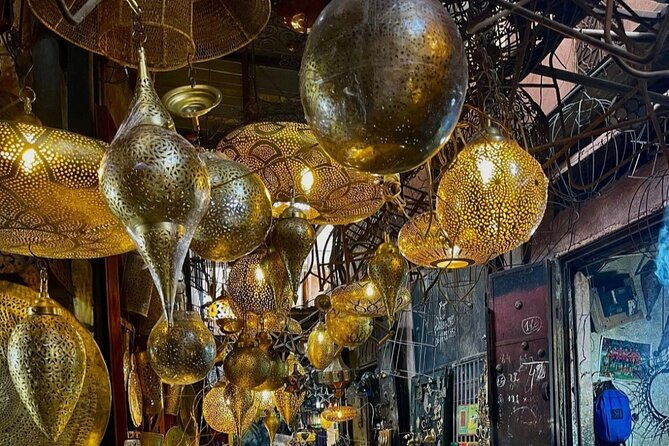
The route then reaches the mausoleum of Sidi Abdel Aziz Tabaa, identified as one of the Seven Saints of Marrakech. The stop lasts about 10 minutes.
This is a religious site, so it deserves a quieter approach than the market streets. The tour provides context about the figure and his place in Marrakech’s spiritual traditions. The appeal is not only the building itself, but also the chance to understand why certain shrines matter to the city.
Do not confuse this with a large palace or major museum visit. It is a short stop in a walking route, and the guide’s explanation is the main feature. Keep your clothing and conduct respectful, and follow the guide’s instructions about where to stand.
Talaa and the leather auction area
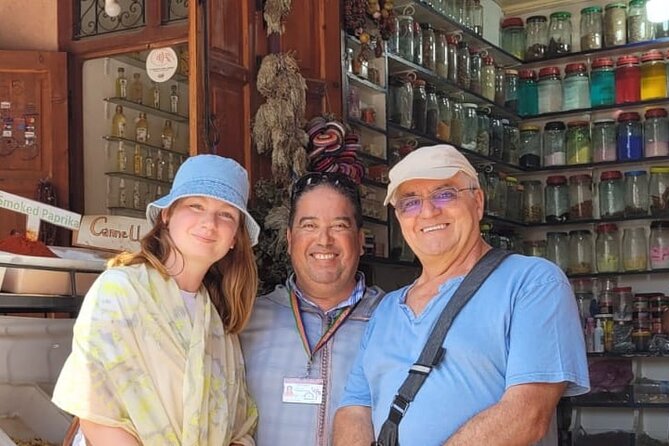
At Talaa, you see a souk where the auction of leather still takes place except on Fridays. This is a particularly specific detail, and it helps show how specialized the Medina remains.
The stop is scheduled for about 10 minutes. Activity can vary by day, and Friday is specifically excluded for the leather auction. If this part of the route matters to you, keep the weekly schedule in mind when booking.
This is another place where the tour’s title can set the wrong expectation. You are not entering a secret palace or an unknown archaeological site. You are seeing a part of the city’s working trade network that you might not recognize on your own.
The benefit is practical and visual. Instead of only browsing finished goods, you get a glimpse of the trade behind them. If you are interested in buying leather later, the guide can also help you think more carefully about prices and sales tactics.
Souk Haddadine and the blacksmith workshops
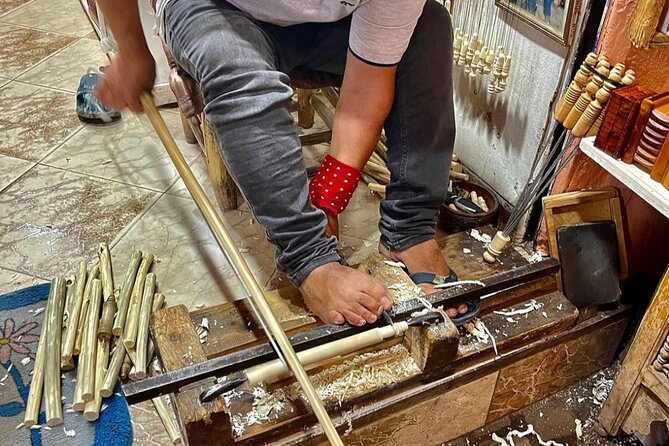
At Souk Haddadine, the walk passes through blacksmith workshops. The sound and activity here are part of the experience, but the tour does not promise a formal demonstration or hands-on craft session.
This section is valuable because it moves you away from the polished retail face of the souks. You see artisans at work and learn how different trades occupy different sections of the old city. Several strong experiences with the tour have centered on this behind-the-scenes look at working craftspeople.
The lanes may be tight, and you need to stay with the group. This is not a leisurely stroll where you can drift far behind for photographs. If you want to stop, ask the guide so you do not block workshop entrances or lose your place.
The small group helps here. With a maximum of six people, the guide can usually keep the pace manageable and answer questions without addressing a crowd.
Rahba Kedima’s spice market
Rahba Kedima Square is known for its fresh spices and strong fragrances. The group spends around 10 minutes in the area, with an optional visit to a local spice stall.
Optional is the key word. You do not have to buy anything, and purchases are not included. If you are interested, use the stop to smell and compare products rather than feeling obliged to shop.
Spice stalls can be enjoyable, but they are also commercial spaces. The guide’s presence can help you understand what you are looking at and how to approach prices. Still, keep your own budget and preferences in charge.
This square provides a welcome change after the darker workshop lanes. It also gives you a sensory reminder that the souks sell more than souvenirs. Spices remain part of everyday cooking, and the market is connected to local food habits as well as tourist shopping.
Souk Semmarine and the final return to Jemaa el-Fnaa
Souk Semmarine is the busiest and most famous section of Marrakech’s souks. By the time you reach it, you will have seen quieter corners and working trades, so the contrast is useful.
This section can feel more commercial and crowded than the earlier stops. If you prefer calm streets, it may be the least appealing portion of the morning. If you want to understand how Marrakech presents itself to visitors, however, it completes the picture.
The walk ends around Jemaa el-Fnaa, the city’s best-known public square, with performances such as snake charmers, musicians, and storytellers. The advertised end point is back at the original meeting point, so confirm the exact finishing place with your guide on the morning.
The square is easy to recognize, but it is not always easy to navigate. Use the final moments to ask about returning to your accommodation, finding a taxi, or retracing a particular lane. A good orientation walk should leave you more confident, not simply back where you started.
What $39 buys you
At $39 per person, this is a fair price for a three to four-hour private-feeling small-group walk, especially if your guide is Azim or Mohamed and the group reaches the stated limit of six. The cost includes a local professional guide and bottled water.
There are no admission charges listed for the stops, which means the main value is interpretation and access to places you might otherwise pass without understanding. You are also paying for time saved. A guide who knows the Medina can take you directly to the bakery, oven, caravan inn, mausoleum, and workshops instead of spending your morning searching.
The price does not include lunch, food, or drinks beyond bottled water. It also does not include hotel pickup or drop-off. Bring cash if you want to buy spices, leather, crafts, or other goods.
The tour has a 4.9 rating from 313 ratings, with 98 percent recommending it. That strong score fits the experience’s main strengths: clear explanations, a friendly guide, useful souk advice, and access to everyday places. Still, one important limitation remains. If you define hidden sights as major landmarks unknown to most visitors, the route may feel more like a Medina orientation walk.
Who will enjoy this Marrakech walk most
I would choose this for a first visit, especially if you plan to spend several days exploring the Medina afterward. The bargaining advice and route-finding help can pay off throughout the rest of your stay.
It also suits people who prefer local food traditions, crafts, religious history, and street life over a checklist of grand buildings. The stop at the tangia oven alone gives the morning a different flavor from a standard palace-and-garden tour.
This is a good match for curious walkers who enjoy stopping often and listening. The guides are praised for a gentle pace and strong storytelling, so you are not expected to rush from one point to the next.
You should think twice if you want a major architectural tour, a food-tasting experience, or a shopping-free walk. The route includes commercial souks, and the optional spice stall may lead to sales conversation. Also note the moderate physical fitness requirement. You will be walking for several hours through Medina lanes, with no hotel transportation included.
Children must be accompanied by an adult. Bottled water is supplied, but sensible shoes and modest clothing are still your responsibility.
Booking and cancellation details
Confirmation is provided when you book, and the activity uses a mobile ticket. It is commonly booked about 30 days ahead, so reserve early if you need a particular morning.
Free cancellation is available up to 24 hours before the 10 a.m. start time for a full refund. Changes or cancellations made within 24 hours are not accepted for a refund, and the cut-off follows Marrakech local time.
Should you book Hidden Sights of Marrakech?
Book it if you want to understand how the Medina works, find quieter lanes, meet the working side of the souks, and get practical help before exploring alone. The small group, bottled water, three to four-hour length, and capable guides make the $39 cost reasonable.
Skip it if you are expecting a series of spectacular monuments or included food. The word hidden is a little generous. These are mostly overlooked working places rather than secret attractions.
For most first-time visitors, I would schedule it near the beginning of your Marrakech stay. You will finish with a better sense of direction, a clearer idea of how local trades fit together, and more confidence stepping into the souks on your own.
FAQ
Where does the tour start?
The tour starts at Café Argana, number 18 on Znikat Rahba beside Jemaa el-Fnaa in Marrakech.
What time does the tour begin?
The start time is 10 a.m.
How long does the experience last?
The walk lasts approximately three to four hours.
How many people can join?
The activity has a maximum of six travelers.
Is bottled water included?
Yes. Bottled water is included in the price.
Are food and lunch included?
No. Food, drinks, and lunch are not included. A local bakery and tangia cooking oven are visited, but the tour does not advertise food tastings.
Can I cancel for a full refund?
Yes, if you cancel at least 24 hours before the experience begins. Cancellations or changes made less than 24 hours before the start time are not accepted for a refund.
Recently reviewed around Marrakech
- 4-Days Marrakech to Marrakech Désert Tour★ 5.0 · 17 reviews
- Camel ride at sunset in Marrakech palm grove★ 5.0 · 17 reviews
- Agafay camel ride★ 5.0 · 20 reviews
- Camel riding in marrakech★ 4.5 · 17 reviews
- Marrakech to Atlas Mountains and 4 Valleys Day Trip★ 5.0 · 17 reviews
- Agafay Desert Adventure, Culture, and Relaxation, From Marrakech★ 5.0 · 25 reviews
- Dinner Show & camel ride with sunset views★ 5.0 · 192 reviews
- Quad excursion to the Agafay desert near Marrakech★ 5.0 · 44 reviews
Marrakech Tours, compared.
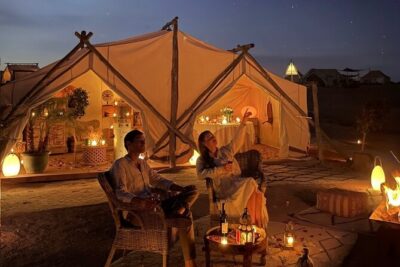
Agafay Desert Sunset, Camel Ride, and Dinner Show
Read our review →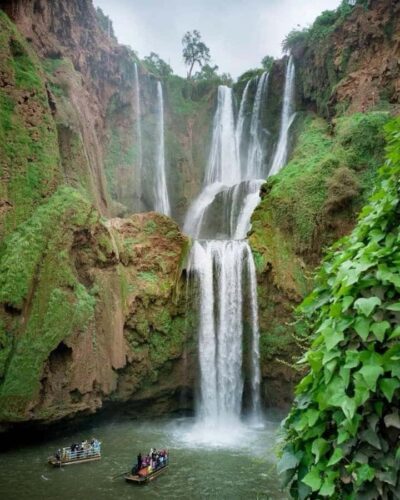

Agafay Desert Quad & Camel Rides with Dinner Show
Read our review →
Agafay Desert Quad Biking Tour with Dinner-Show
Read our review →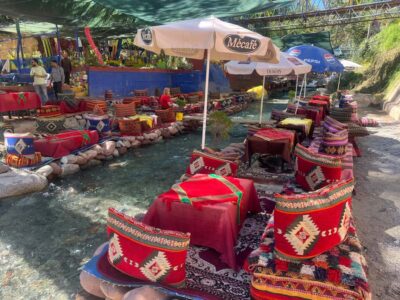
Atlas Mountains, Ourika Valley, Waterfall & Lunch
Read our review →
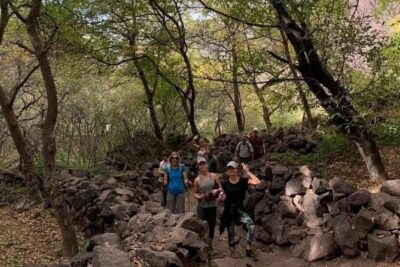
Berber villages : Atlas Mountains Day Hike from Marrakech
Read our review →