

Reviewed · CHEFCHAOUEN TOURS
Explore chefchaouen like a local
Chefchaouen is easiest to understand on foot, one blue alley at a time. This private outing pairs the city’s famous photo corners with places that explain daily life, including Ras El Ma, the mountain spring where local women traditionally washed clothes, and the hilltop Bouzafer Mosque.
I like the local guide approach, especially with Mohamed, who grew up in Chefchaouen and knows the city beyond its prettiest lanes. I also like the flexible format: you can spend more time taking pictures, focus on history, or see less-touristed corners instead of following a rigid script. The main consideration is the terrain. Expect stairs, hills, uneven cobbles, and a fair amount of walking.
In This Review
- Key points to know before booking
- Why walking with a local changes Chefchaouen
- Place Outa el Hammam, the medina’s useful starting point
- The Kasbah Museum adds context, for an extra fee
- Two hours in the blue medina
- Bouzafer Mosque for the broadest view
- Ras El Ma, where the city’s daily life comes into view
- The Grande Mosque and other local stops
- How flexible is the private format?
- Is $26.75 good value?
- Who should book this Chefchaouen walk?
- A practical way to plan your time
- Should you book it?
- FAQ
- How long does the Chefchaouen tour last?
- Is this a private tour?
- Is hotel pickup included?
- What places does the tour visit?
- Is the Kasbah Museum ticket included?
- Can I choose a departure time?
- Is the tour suitable for everyone?
- What happens if the weather is bad?
Key points to know before booking
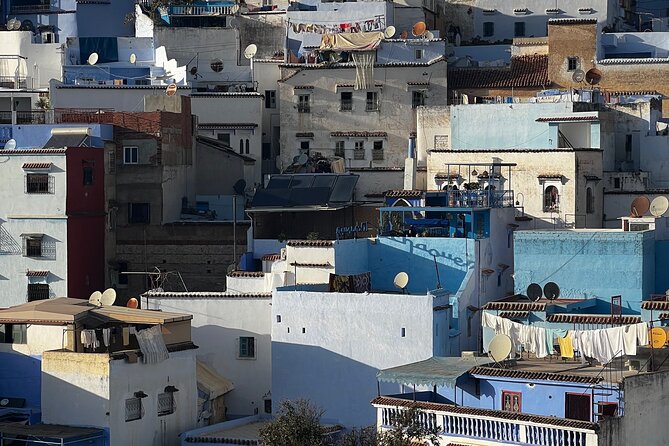
- A true walking tour: The old city is explored on foot, with blue lanes, stairs, small squares, and viewpoints.
- Local guides: Mohamed is a Chefchaouen native, while Abdennour, also called Abdul, has led some outings.
- Private and flexible: Only your group takes part, and the route can be adjusted to your interests and pace.
- Strong photo focus: Your guide can take you to well-known picture spots and quieter corners that are easy to miss alone.
- Important sights included: You visit Place Outa el Hammam, the Kasbah area, Ras El Ma, the Grande Mosque, and Bouzafer.
- Good value at $26.75: The price is modest for a private orientation lasting about two to four hours, though the Kasbah Museum ticket costs extra.
Why walking with a local changes Chefchaouen
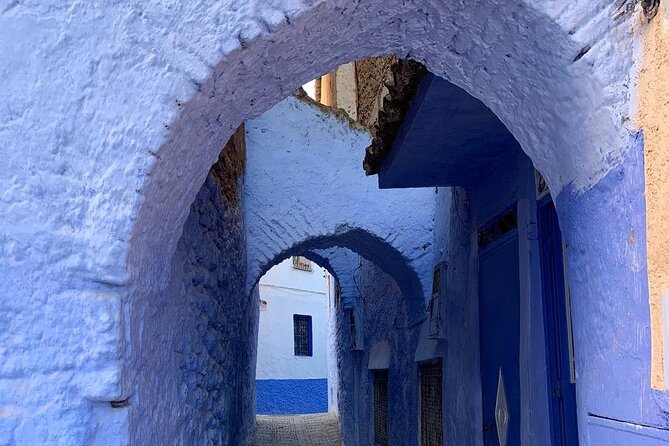
Chefchaouen looks simple at first. Paint the walls blue, add a few flowerpots, place a cat on a doorstep, and you seem to have the whole town. But the medina is a maze of lanes that rise and twist toward the Rif Mountains. The best views, useful shortcuts, and everyday places are not always obvious from a map.
That is where this tour earns its keep. Your guide does more than point out blue walls. Mohamed, in particular, is from Chefchaouen and still lives in the city. His local connection gives the walk a more personal feel, and he can suggest places to eat, find the market, and show you corners away from the busiest picture stops.
You may be guided by Mohamed or by Abdennour, also known as Abdul. Mohamed is praised for good English, prompt communication, a friendly manner, and an easy ability to adjust the walk. Abdennour has been appreciated for his focus on the city’s past and cultural background. The style may vary slightly by guide, but the basic format remains a private walk through the old city and its nearby viewpoints.
This is not a museum-style lecture from start to finish. It is closer to an orientation with stories, directions, photo help, and practical advice. One person may want to photograph daily life and local animals. Another may want the story of the city’s origins. The guide can shape the time around those interests.
Other Chefchaouen days travellers weigh against this one:
- From Fez: Day Tour to the Blue Town of Chefchaouen
★ 4.5 · 1,750 reviews - Private walking tour of Chefchaouen (The blue city)
★ 5.0 · 225 reviews - Chefchaouen: Hidden Gems Guided Tour with Mint Tea
★ 4.8 · 129 reviews
Place Outa el Hammam, the medina’s useful starting point
The walk begins around Place Outa el Hammam, the main square in the old city. It is lined with cafés and restaurants and gives you a quick sense of Chefchaouen’s social center.
The square is a practical place to begin because it connects several lanes and sits close to the Kasbah. Your guide can help you understand the basic layout before the alleys become more confusing. You will also see the difference between the open square and the narrower residential lanes that fan out from it.
The scheduled stop is short, about 10 minutes, but the square may also serve as a reference point during the rest of your stay. If you return on your own, knowing where Outa el Hammam sits can help you find your way back through the medina.
Cafés make this a natural place to pause, but food and drinks are not listed as part of the tour. Treat the square as an orientation point, not a meal stop.
The Kasbah Museum adds context, for an extra fee
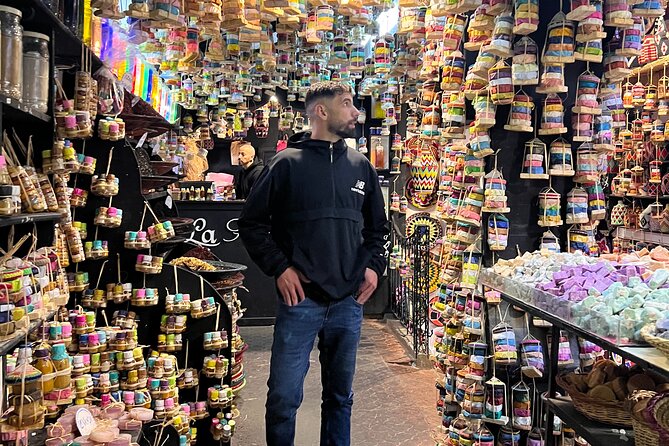
The Kasbah occupies a central position beside Place Outa el Hammam. Its museum gives the walk a dose of history and helps put the city’s buildings, lanes, and mountain setting into context.
You have around 30 minutes here. The admission ticket is not included, so carry some money if you want to enter. If you are short on time or more interested in photography, you may prefer to see the exterior and spend longer in the medina. If you like architecture and local history, the museum is one of the more useful additions to the outing.
This is also one point where expectations matter. Some guests have wanted more historical explanation during the walk, while others have found the guide’s knowledge and local stories more than enough. Tell your guide early if history is your priority. That gives the tour a better chance of matching what you came to learn.
Two hours in the blue medina
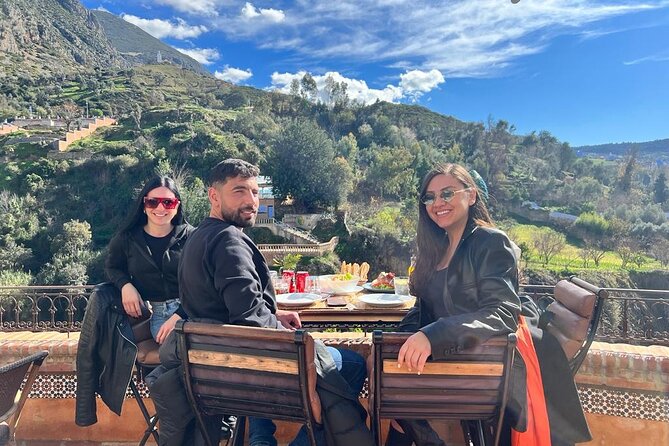
The longest part of the tour is the walk through Chefchaouen’s blue alleyways. The planned time is about two hours, though the full activity can run from two to four hours depending on the pace and route.
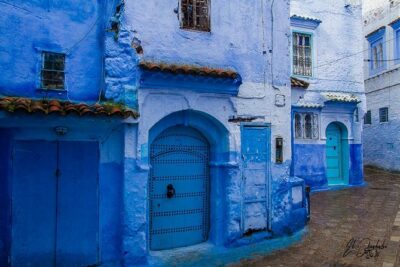
This is the heart of the experience. You will pass painted doorways, stairways, small passages, and lanes that look similar until you notice the details. The guide can lead you to popular photo locations, but the more valuable service is often knowing when to move on. It is easy to lose half a day taking nearly identical pictures.
A good approach is to tell the guide what you want before setting off. You might prefer classic blue-wall photographs, ordinary residential scenes, local animals, architecture, or a wider view from above. The guide has adjusted routes for people who had already seen the central medina, taking them along its edges and outside the usual circuit.
You should also be ready for a physical walk. The city includes many stairs and hills, and the paving can be uneven. One person praised the guide for matching the walking speed to the individual, but the terrain itself cannot be changed. Wear shoes with a firm grip and leave room in your schedule for pauses.
The medina is free to enter, but that does not mean it is effortless to explore. A private guide saves you from constantly checking your phone and helps you spend your energy on the city rather than on navigation.
A different kind of day out, same corner of Morocco:
- Marrakech: Agafay Desert Quad Bike & Camel Ride with Dinner
★ 4.9 · 91 reviews - Private walking tour of Chefchaouen (The blue city)
★ 5.0 · 80 reviews - Akchour waterfalls tours
★ 5.0 · 80 reviews - From Chefchaouen: Full-Day Trip to Akchour Waterfalls
★ 4.7 · 73 reviews
Bouzafer Mosque for the broadest view
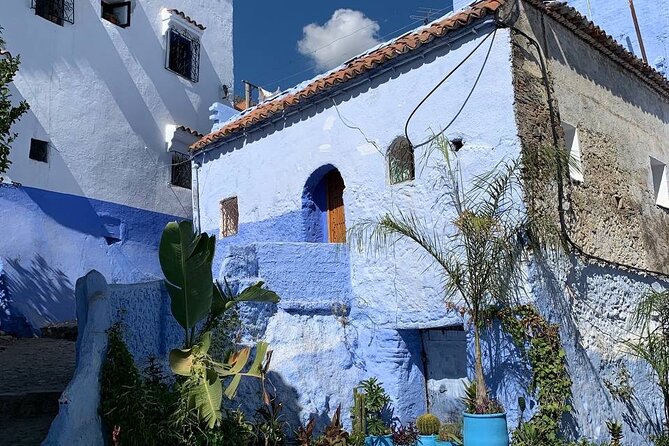
The Bouzafer Mosque is reached by walking uphill to a viewpoint above the city. The stop lasts about 30 minutes and is especially appealing around sunset.
From here, you can look back across Chefchaouen’s blue buildings and see how the medina sits against the surrounding mountains. It is a welcome change after the close quarters of the lanes. The view also helps you understand the city as a whole rather than as a series of attractive walls.
Sunset is the obvious draw, but it also creates the busiest timing pressure. If you choose an evening outing, allow enough time to reach the viewpoint before the light changes. The guide can help with timing, but weather and walking speed still matter.
The climb is another reason to think about your departure time. Early morning options may be discounted and can offer cooler conditions. An afternoon start gives you a chance to finish near sunset, but the route may feel harder in warm weather.
Ras El Ma, where the city’s daily life comes into view
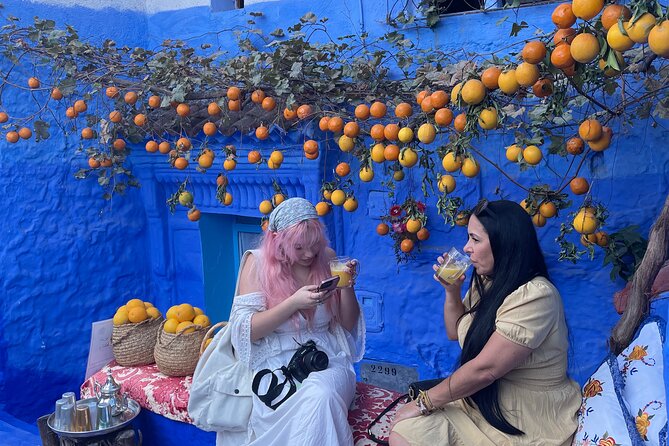
Ras El Ma is the spring where water comes out of the mountain. It has long been part of ordinary life in Chefchaouen, including the traditional washing of clothes by local women.
The stop is shorter, about 15 minutes, but it offers something the photo lanes cannot: a look at the practical role of water in the town. You are not just seeing a decorative fountain. You are seeing a place tied to work, routine, and the mountain environment.
The spring also gives the walk a change of pace. After the tight lanes and steep steps, the sound of running water makes the area feel more open. Your guide can explain how the place fits into local life, though the amount of historical detail may depend on the guide and on the questions you ask.
Respect the people using the area. This is a working local place, not only a backdrop for photographs. Ask before taking close pictures of anyone.
The Grande Mosque and other local stops
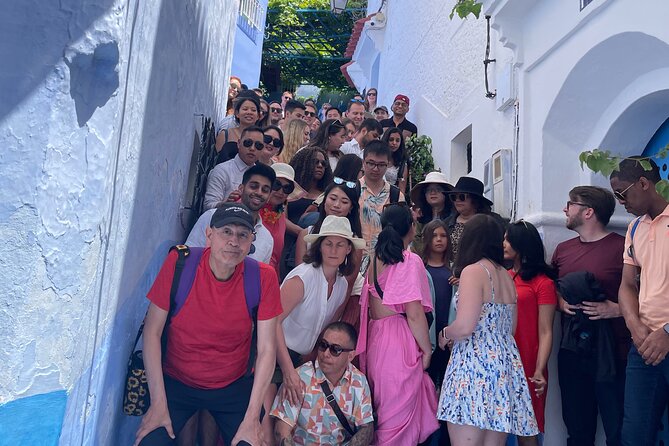
The Grande Mosque is included as one of the city’s notable sights. The tour does not promise entry, and non-Muslim visitors should not assume that access to the prayer space is available. Your guide can explain its place in the medina and point out the features you can see from outside.
The route may also include smaller lanes, community spaces, and local businesses. One particularly memorable possibility is a community oven in use. That kind of stop explains the title of the experience better than another painted doorway does. It shows how the old city functions for people who live there.
Because this is a private outing, you can ask for more of these ordinary details. If you want to see how residents shop, bake, eat, or move through the medina, say so. The experience is strongest when you treat it as a conversation and not just a procession of landmarks.
How flexible is the private format?
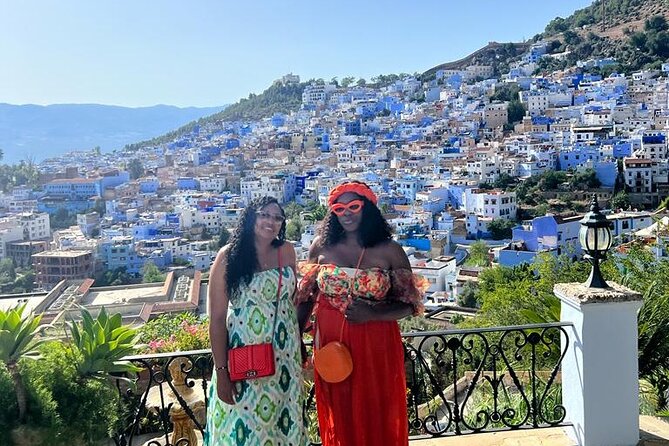
Only your group participates, which makes a real difference in a compact medina. You do not have to wait for a large group at every corner, and you can ask to stop for a photograph without holding up strangers.
The guide has adjusted routes for solo visitors, couples, and families. One outing changed direction because the participant had already covered the central old city. Another included more attention to photography and animals. The tour can also work well if one person wants pictures and another wants history, as long as you explain that at the start.
Pickup is offered from your Chefchaouen hotel, so you do not need to find the old city alone. The published meeting point is on Boulevard Hassan 2, and the activity ends back at the meeting point. In practice, a nearby hotel may mean a short walk rather than a vehicle ride. Confirm the exact pickup arrangement when you book, especially if your accommodation is outside the central area.
The mobile ticket is convenient, and confirmation is provided at booking. Service animals are allowed, and the activity is near public transportation. Most people can take part, but the hills and stairs remain the main practical limit.
Is $26.75 good value?
At $26.75 per person, this is a reasonable price for a private two to four-hour walk. You are paying for local orientation, a flexible route, photo assistance, and the time saved by not having to find the city’s viewpoints on your own.
The value improves if you are in Chefchaouen for only one day. A short visit can easily disappear in the medina, especially if you are also trying to locate the Kasbah, Ras El Ma, and the route to Bouzafer. A local guide gives you a useful map in your head, then leaves you free to return to your favorite areas later.
The price does not include admission to the Kasbah Museum. Food, drinks, and any extra activities are also not listed as included. Keep that in mind when comparing the cost with a longer guided excursion.
A private tour can cost more than joining a large group, but this one remains fairly modest. The strongest value comes from the personal adjustments. If you only want a quick list of landmarks, you may not need a private guide. If you want the right photo stops, local recommendations, and help with orientation, the price makes more sense.
Who should book this Chefchaouen walk?
I would choose this tour for a first visit, especially if you have limited time or feel unsure about navigating the medina. It is also a good match for photographers who want help finding attractive angles without spending hours searching.
It suits solo visitors particularly well because the guide can set the pace around one person. Couples and families can also shape the walk around their interests. The private format is useful when people in the group have different priorities.
You should be comfortable walking uphill. This is not a vehicle tour, and the blue city is not flat. Rain can also affect the experience because the activity requires good weather. If poor weather cancels the outing, you are offered another date or a full refund.
The tour may be less satisfying if you want a formal, heavily academic history lesson. The guide can provide cultural and historical information, but the main strength is the local walk, flexible route, and personal conversation. Tell the guide that history matters to you, and ask direct questions rather than waiting for a long lecture.
A practical way to plan your time
Book this near the beginning of your stay if possible. That way, you can return to the restaurants, market, photo spots, and lanes that catch your attention during the walk.
An early morning departure may be the best choice for cooler walking and a quieter feel. Choose later in the day if the Bouzafer view at sunset is your priority. Since departure times are flexible, match the start to your energy and schedule rather than treating the listed route as fixed.
Bring water, shoes suited to stone paving, and a phone or camera with free storage. You will likely stop often for photos, and the climb to Bouzafer can make a slower pace more comfortable.
Free cancellation is available if you cancel at least 24 hours before the start time. Changes made within 24 hours are not accepted, and there is no refund for a late cancellation. The activity also requires a minimum number of people, so a cancellation by the provider may result in another date, another experience, or a full refund.
Should you book it?
Book this walk if you want Chefchaouen to feel like a lived-in town, not just a collection of blue walls. Mohamed’s local connection, the private format, and the chance to adjust the route are the main reasons to choose it.
I would be more cautious if you dislike hills or want a purely historical tour. For most first-time visitors, though, the combination of medina orientation, photo stops, Ras El Ma, the Kasbah area, and the Bouzafer view offers a lot for the price. Ask for the balance you want between pictures, history, and daily life, then let the guide lead you through the lanes.
FAQ
How long does the Chefchaouen tour last?
The experience lasts approximately two to four hours. The medina walk is planned for about two hours, with shorter stops at the main square, Kasbah Museum, Bouzafer Mosque, and Ras El Ma.
Is this a private tour?
Yes. Only your group participates, so the guide can adjust the pace and route to your interests.
Is hotel pickup included?
Pickup from your Chefchaouen hotel is offered. The published meeting point is Boulevard Hassan 2, and the activity ends back at the meeting point. Confirm the exact arrangement for your accommodation.
What places does the tour visit?
The route includes Place Outa el Hammam, the Kasbah Museum, Chefchaouen’s blue medina, Bouzafer Mosque, Ras El Ma, and the Grande Mosque.
Is the Kasbah Museum ticket included?
No. Admission to the Kasbah Museum is not included in the tour price.
Can I choose a departure time?
The experience offers a wide choice of departure times. Early morning options may include a discount, while a later outing can work well if you want to reach Bouzafer around sunset.
Is the tour suitable for everyone?
Most people can participate, and service animals are allowed. You should be prepared for stairs, hills, and uneven walking surfaces in the medina.
What happens if the weather is bad?
The experience requires good weather. If it is canceled because of poor conditions, you are offered a different date or a full refund.
Recently reviewed around Chefchaouen
- chefchaouen tours★ 4.5 · 34 reviews
- One-Way Transfer from Chefchaouen to Fes★ 4.5 · 17 reviews
- 2 Hours Private Chefchaouen Walking Tour★ 5.0 · 44 reviews
- Photographer in Chefchaouen★ 4.5 · 20 reviews
- Private Transport from Chefchaouen to Tangier★ 5.0 · 60 reviews
- Excursion to the waterfalls / God’s Bridge of Akchour★ 5.0 · 38 reviews
- Private photo tour with a local pro photographer★ 5.0 · 54 reviews
- 3-Hour Cooking Class overlooking the Blue City★ 5.0 · 36 reviews
Chefchaouen Tours, compared.

Private walking tour of Chefchaouen (The blue city)
Read our review →
Agafay Desert Quad Bike & Camel Ride with Dinner
Read our review →
Private walking tour of Chefchaouen (The blue city)
Read our review →

Browse the lists this tour appears in